Why Your Body Struggles When You Land in a New Place
Ever landed in a beautiful new city only to feel like your body just quit on you? It’s not just travel fatigue. Your internal systems are literally scrambling to keep up with the new temperature and humidity. Instead of wasting your first three days of vacation in a hotel bed with a headache, let’s look at how you can help your body adapt fast so you can actually enjoy the trip you paid for.
That experience taught me a hard lesson about how much weather affects us. I thought I was fit and ready for anything. But my body simply wasn't prepared for the sudden shift in temperature and moisture levels. It was a wake-up call that changed how I travel forever.
Many travelers go through this same silent struggle every single day. You save money for months and plan every detail of your journey. Then, you arrive at your destination and feel completely drained of energy. Your legs feel heavy, your stomach acts up, and you just want to sleep.
This isn't just about being tired from the flight. It is your body screaming because it doesn't know how to handle the new environment. When the climate changes, every system in your body has to work ten times harder. Your heart beats faster to keep you cool, and your skin tries to protect you from new types of sun or wind.
The truth is, your body is a sensitive machine that needs a bit of help to adjust. We often ignore our physical needs because we are too excited about the adventure. But without your health, the most beautiful view in the world won't make you happy. You need to learn how to work with the weather, not against it.

The Science of Feeling Better in New Weather
Your body has an amazing ability to adapt, but it takes time. Scientists call this process "acclimatization." It is like your internal thermostat trying to find the right setting for a new room. If you rush this process, you end up feeling sick and weak.
⚡ Your 60-Second Survival Guide
If you're in a rush, here’s how to save your trip from a weather-induced meltdown:
- The 3-Day Rule: Keep your schedule light for the first 72 hours. Let your internal thermostat find its "new setting."
- Salt is Your Friend: If you're sweating a lot, plain water isn't enough. Add some electrolytes or a pinch of salt to stay sharp.
- Follow the Locals: If the shops are closed at 2 PM, there’s a reason. Hide from the sun when it's at its peak.
- Dress for Airflow: Skip the tight synthetics. Wear clothes that let your skin breathe so your sweat can actually cool you down.
Acclimatization: Myth vs. Fact
| The Myth | The Reality |
| :--- | :--- |
| "I'm fit, so I don't need to rest." | Even athletes need 3-5 days for their blood plasma to adjust to heat. |
| "Drinking gallons of water is enough." | You need electrolytes (salt/potassium), not just plain water, or you'll feel weaker. |
| "I'll just power through the midday sun." | Pushing through high heat can cause heatstroke, regardless of your willpower. |
Most people make the mistake of jumping into heavy activities the moment they arrive. They go for long runs or spend eight hours walking in the sun. This puts an incredible amount of stress on your heart and lungs. You need to give your internal systems a few days to figure things out.
The first step is understanding that water is not just something you drink when you are thirsty. In a hot or humid climate, you lose salt and minerals through your sweat. Just drinking plain water isn't always enough to keep your energy up. You need to focus on balance.
I used to think I was drinking enough water until I started getting cramps in my legs during a desert trip. I realized I was flushing out all my salt, which made me feel even weaker than before. Now, I always add a pinch of salt or some lemon to my water when I travel.
Finding Your Rhythm with Local Temperatures
Every climate has its own natural rhythm that the local people follow. If you are in a very hot place, you will notice people are most active in the early morning and late evening. They stay indoors or rest during the middle of the day. As travelers, we often ignore this and try to "push through" the heat.
This is a huge mistake that leads to heat exhaustion. Your body needs a break when the sun is at its strongest. Try to plan your indoor activities, like visiting museums or eating lunch, between 12 PM and 4 PM. This gives your body a chance to cool down and recover its energy for the evening.
If you are traveling to a cold climate, the challenge is different but just as hard. Your body burns a lot of calories just to stay warm. You might feel hungrier than usual or feel a deep sense of tiredness. This is because your metabolism is working overtime to keep your core temperature stable.
Take a look at this helpful guide on how the body reacts to different weather patterns:
Watch this to see how your body adjusts to new environments and what you can do to speed up the process.
Dressing for Your Health, Not Just for Style
What you wear plays a massive role in how your body handles the climate. Many travelers pack clothes based on what looks good in photos. However, the fabric of your clothes can either help you stay cool or trap heat against your skin. This can lead to skin rashes and overheating very quickly.
In hot and humid areas, natural fibers like linen and cotton are your best friends. They allow air to move across your skin and help your sweat evaporate. Avoid tight, synthetic fabrics that act like plastic wrap on your body. You want your skin to breathe as much as possible.
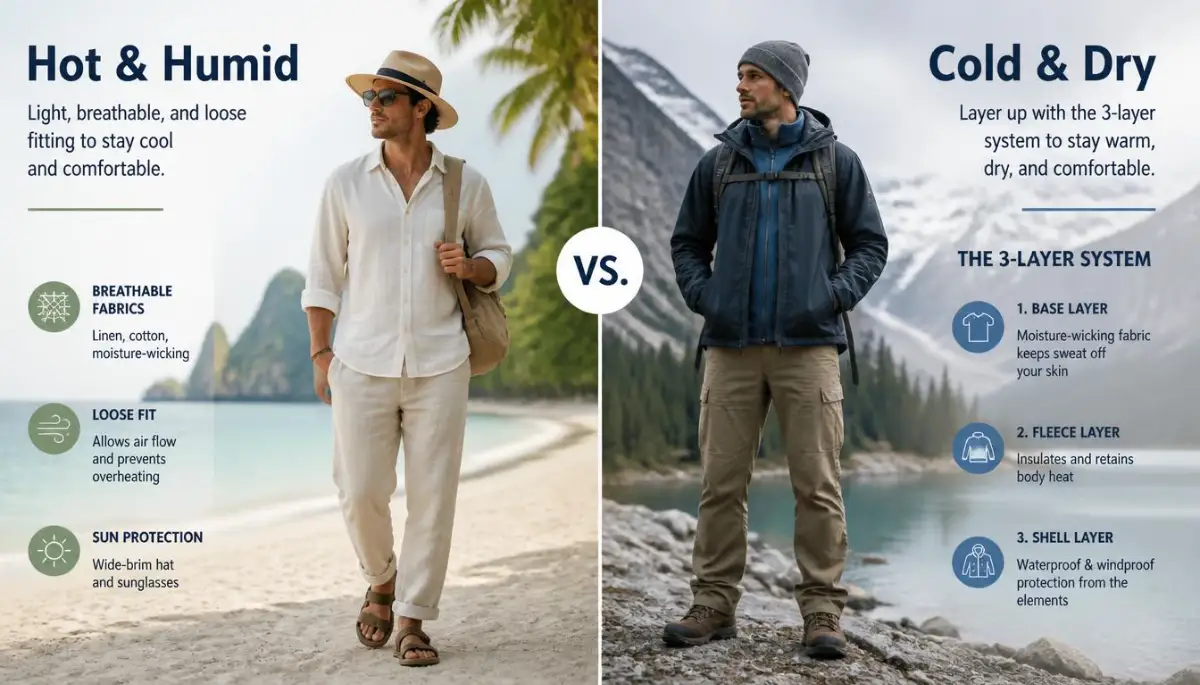
In cold climates, layering is the secret to staying healthy. You don't just need one big coat; you need several thin layers. This traps warm air between the layers and keeps you much warmer. Plus, you can take a layer off if you start to get too warm while walking.
Don't forget about protecting your head and neck. In the sun, a hat prevents your brain from overheating. In the cold, a scarf protects your throat and lungs from breathing in freezing air. These small choices make a huge difference in how you feel at the end of the day.
The Power of Smart Eating Habits
The food you eat can either help or hurt your ability to adapt to a new climate. When you are in a hot place, your digestion actually slows down. Eating huge, heavy, and greasy meals makes your body work too hard. This leads to that "food coma" feeling where you just want to lay down for hours.
Try to eat smaller, more frequent meals that are easy to digest. Fresh fruits, vegetables, and light proteins are perfect for keeping your energy steady. Local fruits are often the best choice because they contain the exact nutrients your body needs for that specific weather. For example, tropical fruits are full of water and Vitamin C.
The "Climate Plate" Strategy
If you want to keep your energy high, try matching your meals to the local air:
- In Tropical Heat: Stick to "Cooling Foods." Think of chilled cucumbers, watermelon, and light grilled fish. Avoid heavy red meat; it makes your body heat up during digestion.
- In Shivering Cold: Your body is a furnace. Fuel it with "Slow-Burn Carbs" like oats, potatoes, and warm soups. These give you a steady stream of warmth from the inside out.
In colder regions, your body needs more fuel to create heat. This is the time to eat warm, cooked meals that provide long-lasting energy. Soups and stews are excellent because they hydrate you while providing warmth from the inside out. Avoiding cold drinks in a freezing climate can also help keep your internal temperature stable.
Always be careful with how much caffeine or alcohol you drink in a new climate. Both of these can dehydrate you very quickly. If you are already struggling with the heat, a few cups of coffee might make your heart race and make you feel more anxious. Stick to water and herbal teas as your main drinks.
Listening to Your Body's Internal Clock
One of the most ignored parts of travel health is sleep. When you change climates, your sleep patterns often get disrupted. The air might be too dry, or the room might be too hot for you to get deep rest. Without good sleep, your body cannot repair itself or adjust to the new environment.
Try to create a sleep environment that mimics what you have at home as much as possible. If the air is very dry, hanging a damp towel in the room can add some moisture. If it is too hot, a cool shower before bed can lower your body temperature enough to help you fall asleep.
Give yourself permission to take a "zero day." This is a day where you do absolutely nothing but rest and let your body catch up. Most travelers feel guilty about doing this, but it is actually a smart health strategy. One day of rest can prevent a week of feeling sick later on.
Your physical health is the foundation of your entire travel experience. If you take care of your body, it will take care of you. You will have the energy to climb that hill, the focus to enjoy the art, and the mood to meet new people. It is all about being a mindful explorer.
Understanding Humidity and Its Effects
Humidity is often more dangerous than heat because it stops your body's natural cooling system. Usually, when you get hot, you sweat, and that sweat evaporates to cool you down. But when the air is already full of water, your sweat just sits on your skin. This can lead to a dangerous rise in your body temperature.
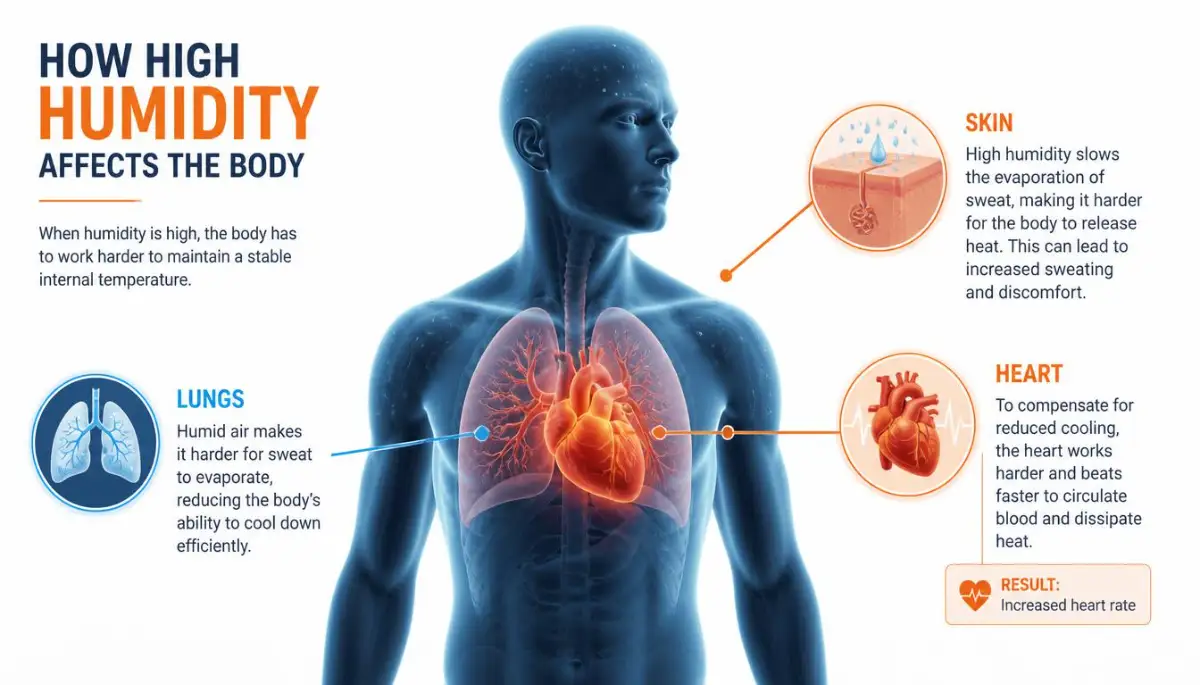
When you are in a high-humidity area, you need to find ways to help your body cool off. This might mean taking more frequent breaks in air-conditioned spaces. Or, it could mean using a wet cloth on your neck and wrists to manually cool your blood. Don't wait until you feel dizzy to take action.
Pay close attention to the color of your urine. This is the easiest way to check your hydration levels. If it is dark, you are already dehydrated and need to drink water immediately. You want it to be a pale, light yellow color. This is a simple but effective way to monitor your health on the go.
Humidity can also affect your breathing, especially if you have any history of asthma or allergies. The heavy air can feel harder to pull into your lungs. If you feel short of breath, slow down your walking pace immediately. There is no prize for being the fastest person on the trail.
Protecting Your Skin from Environmental Stress
Your skin is your first line of defense against a new climate. In very sunny places, a bad sunburn is more than just a red mark. It is a physical injury that causes inflammation and makes your body work hard to heal. This saps your energy and can even give you a fever, often called "sun poisoning."
Use a high-quality sunblock and reapply it every few hours. Even if it is cloudy, the UV rays can still damage your skin. In sandy or snowy areas, the sun reflects off the ground and hits you from all angles. Don't forget spots like your ears, the back of your neck, and the tops of your feet.
Dry climates present a different problem. The air can suck the moisture right out of your skin, leading to cracks and itching. This can be very uncomfortable and even lead to infections if the skin breaks. Use a good moisturizer and lip balm to keep your skin's barrier strong.
If you are in a place with lots of insects, protecting your skin also means using repellent. Bug bites are not just annoying; they can carry diseases that will end your trip quickly. Wearing long sleeves and pants in the evenings is a natural way to keep the bugs away without using too many chemicals.
The Importance of Gradual Movement
When you arrive in a new climate, your muscles and joints might feel different. In cold weather, they can feel stiff and tight. In hot weather, you might experience swelling in your feet and ankles. Both of these are normal reactions, but you should handle them with care.
Start your trip with gentle movements like stretching or light walking. This gets your blood flowing and helps your body process the change. Avoid doing a high-intensity workout on your first day in a high-altitude or very hot area. Your heart is already working hard enough just keeping you alive in the new weather.
If your feet swell, try to elevate them above your heart when you are resting in your room. This helps the fluid drain and reduces the heavy feeling in your legs. Wearing compression socks during long flights or bus rides can also prevent this problem before it starts.
Movement is good, but "smart movement" is better. Listen to the aches and pains in your body. If your knees hurt more than usual, it might be the humidity or the cold affecting your joints. Take it slow and give yourself more time to reach your destination.
Staying Mentally Strong Through Physical Changes
It is hard to stay happy when your body feels bad. There is a strong link between your physical state and your mental health while traveling. When you feel weak or sick, you are more likely to feel homesick or stressed. You might start to regret the trip or feel overwhelmed by small problems.
Recognize that your mood might be affected by the weather. High heat can make people irritable and angry. Dark, cold climates can make you feel low or sad. If you find yourself snapping at your travel partner, take a moment to ask if you are just hot, tired, or hungry.
Often, a cold glass of water and ten minutes in the shade can completely change your outlook. Don't make big decisions when you are physically uncomfortable. Wait until you have rested and cooled down before you decide to change your travel plans.
Staying healthy is a form of self-respect. It shows that you value your experiences enough to keep your "vessel" in good shape. By following these simple steps, you ensure that your memories of the trip are about the beauty you saw, not the sickness you felt.
Managing Air Quality and Pollution
Sometimes an unfamiliar climate also comes with different air quality. Big cities in certain parts of the world have high levels of dust or smog. This can irritate your throat and lungs, making you feel tired and giving you a cough. It is another physical stressor that your body has to deal with.
If the air feels heavy or smells metallic, consider wearing a mask while walking near busy roads. Many locals do this for a reason, and it is a smart way to protect your health. Staying indoors during peak traffic hours can also help you avoid the worst of the pollution.
Check the local air quality index on your phone before you head out for the day. If the levels are high, maybe it is a good day for an indoor activity like a museum or a mall. Protecting your lungs ensures that you have plenty of oxygen to keep your muscles moving and your brain sharp.
Hydration also helps your body filter out the toxins you breathe in. Drinking plenty of water helps your kidneys and liver do their job of cleaning your blood. It is all connected, and a little bit of caution goes a long way in keeping you healthy.
Pro Strategies for Long-Term Body Maintenance Abroad
Staying healthy while you travel is more than just drinking water and wearing a hat. To truly thrive in a new environment, you need to think like a pro. Most people wait until they feel sick to take action. I learned the hard way that the secret is in the small things you do before the trouble starts.
One of the best things you can do is start adjusting your body before you even leave home. If you are going to a very hot place, try to spend more time outdoors in the weeks leading up to your trip. This helps your heart and sweat glands get ready for the heat. It is like training for a marathon; you don't just show up on race day without practicing.
I always tell my friends to look at their hydration as a bank account. You want to make sure your account is full before you step into a desert or a humid forest. This means drinking plenty of fluids and getting your minerals in balance a few days early. If you start your trip dehydrated, you are already behind, and catching up is very hard.
In very high-altitude areas, the air is thin and has less oxygen. This can make your heart race and your head feel light. I once visited a mountain city and felt like I had run a mile just by walking up a flight of stairs. To handle this, you need to eat more carbohydrates and less fat. Your body uses oxygen more efficiently when it burns carbs for fuel.
Mastering the Art of Micro-Adjustments
Small changes in your daily routine can save your energy for the things you really want to see. For example, I always carry a small spray bottle filled with cool water and a drop of peppermint oil. When I feel the midday heat getting too intense, a quick spray on my neck and wrists works wonders. It tricks your brain into feeling cooler almost instantly.
You should also pay attention to how long you are staying still. Whether you are on a long bus ride or a flight, your blood flow can slow down. This is why understanding how sitting for six hours affects your veins is so important for travelers. Moving your ankles and stretching your legs every hour keeps your circulation healthy and prevents that heavy, tired feeling.
Another secret I use is the "local shadow" technique. I watch how the local people move and what they drink. If I see everyone carrying a specific type of tea or avoiding the sun at 2 PM, I do the same. They have lived in that climate for generations, so they know the best way to survive it comfortably.
If you find yourself feeling stressed because of travel delays, your immune system can take a hit. Knowing what to do when things go wrong, like if you missed your connecting flight, can keep your stress levels low. When your mind is calm, your body can focus all its energy on adjusting to the new weather. High stress makes it much harder for your body to fight off local germs or handle heat.
Long-Term Health Hacks for Frequent Explorers
If you travel often, you need to keep a close eye on your baseline health. Sometimes, we think we are just tired from the weather, but there could be something else going on. For instance, being aware of your blood sugar is a smart move for long-term wellness. Before it’s too late: spotting the subtle signs of prediabetes is something every active person should consider.
Maintaining a strong immune system is also about what you put in your body weeks before you leave. I take a high-quality probiotic to keep my gut healthy. A lot of your immune system lives in your stomach. If your gut is strong, you are less likely to get sick from new types of food or water in a different climate.
Don't forget to give your eyes a break too. In bright, snowy, or sandy places, the glare can cause severe eye strain and headaches. A good pair of polarized sunglasses is a health tool, not just a fashion choice. Your brain uses a lot of energy processing vision, so protecting your eyes keeps your whole body feeling fresher.
Finally, think about your skin as a shield that needs constant care. In dry climates, your skin can get micro-cracks that let in bacteria. I use a natural oil or a thick moisturizer every single night before bed. It acts like a repair kit for your skin while you sleep, making sure you are ready for the next day's adventure.

Hidden Traps That Can Ruin Your Adventure
We all want to be the person who can do everything on a trip. We want to hike every trail, visit every market, and try every food. But this "hero complex" is one of the biggest mistakes a traveler can make. Your body does not care about your bucket list; it only cares about staying balanced.
One major pitfall is ignoring the first signs of fatigue. You might feel a little bit of a headache or a dry throat and think, "I'll just keep going." This is dangerous because by the time you feel really sick, your body is already in a state of crisis. I have seen people faint on hiking trails because they ignored a simple feeling of thirst an hour earlier.
Another common error is relying too much on air conditioning. It feels great to walk into a freezing cold room after being in 90-degree heat. However, the sudden shock of changing temperatures can actually make you feel worse. It can lead to "summer colds" and make your body's internal thermostat go haywire. Try to keep the AC at a moderate level so the jump between inside and outside isn't so extreme.
The Danger of Ignoring Local Food Logic
People often make the mistake of eating exactly like they do at home. If you are used to a heavy breakfast of eggs and bacon, that might not work well in a tropical jungle. Your body needs different things in different places. Eating a heavy meal in high heat forces your blood to your stomach for digestion, leaving less blood to cool your skin.
According to the World Health Organization, environmental factors like heat and water quality are leading causes of traveler illness. Not checking the safety of local water is a mistake that can end your trip in a hospital bed. Even if the locals drink it, your body might not be used to the specific minerals or bacteria in that water source. Always stick to filtered or boiled water until you are 100% sure.
I also see many travelers wearing the wrong shoes for the climate. In hot areas, your feet will swell, and if your shoes are too tight, you will get blisters or poor circulation. In cold areas, if your shoes don't have enough room for thick socks, your toes will get cold because the blood can't move. Always buy travel shoes that are a half-size larger than your normal ones.
The Mental Health Connection
Many people forget that their mind and body are on the same team. If you are pushing yourself too hard, your mental health will suffer. You might find yourself feeling anxious or angry for no clear reason. This is often just your body telling you that it is overwhelmed by the new environment.
If you are a student or a young professional trying to balance work and travel, the pressure can be even higher. Following a survival guide for working college students can help you manage your time so you don't burn out. When you are burnt out, your body stops adjusting to the climate, and you become a magnet for every cold and flu around.
Never underestimate the power of a quiet hour. Some travelers feel they must be "on" all the time. They feel like they are wasting money if they are just sitting in a park or a cafe. But that hour of rest is what allows your body to process the heat, the sun, and the new air. It is an investment in the rest of your trip.
Lastly, don't ignore your sleep hygiene. It is tempting to stay up late and experience the local nightlife every night. But your body does its most important climate adjustment while you are asleep. If you cut your sleep short, you are robbing your body of its best tool for staying healthy.
Your Journey Starts with a Healthy Step
Taking care of your physical health is the best way to ensure your trip is a success. It isn't about being afraid of the world; it is about being smart enough to enjoy it. When you listen to your body, you open up a world of possibilities that sick travelers never get to see. You can climb higher, walk further, and smile more.
I want you to remember that every person's body is different. What works for a friend might not work for you. Be patient with yourself as you learn how you react to new weather. It is a process of discovery, just like the trip itself. Treat your body with kindness, and it will be your most loyal travel partner.
A Final Word on Staying Prepared
The world is full of amazing places, from the coldest peaks to the hottest deserts. Each one has something special to offer, but they also have their own rules. Learning these rules is part of the fun of being a traveler. It makes you feel more connected to the planet and the people who live there.
I hope you take these tips and use them on your next journey. Don't wait for a "perfect" time to start being healthy. Start today by drinking a little more water and paying attention to how you feel. Your future self will thank you when you are standing on top of a mountain feeling strong and full of life.
I have traveled to dozens of countries, and the trips I enjoyed most were the ones where I put my health first. It made everything else easier and much more fun. I believe that you have the power to stay fit and happy no matter where you go. Now, go out there and explore the world with a body that is ready for anything!
Common Questions About Staying Healthy Abroad
How long does it usually take for my body to adjust to a new climate?
For most people, the initial adjustment takes about three to five days. However, full acclimatization to extreme heat or high altitude can take up to two weeks. It is best to take it easy during your first few days to give your heart and lungs a head start.
Is it safe to exercise in a very humid environment?
Yes, but you have to change your routine. You should lower the intensity of your workout and take more breaks than you do at home. Drinking fluids with electrolytes is essential because you will lose a lot of salt through your sweat in the humidity.
Can the weather really make me feel sad or anxious?
Absolutely, this is very common for travelers. Extreme heat can make you irritable, while constant rain or cold can lower your mood. Recognizing that it is just a physical reaction to the environment can help you stay calm and wait for your body to catch up.
What is the best way to stay hydrated if I don't like plain water?
You can try natural options like coconut water or herbal teas, which are often available locally. Eating water-rich fruits like watermelon or cucumbers also helps. Just make sure to avoid drinks with too much sugar or caffeine, as they can actually dehydrate you more.
Should I take vitamins specifically for travel?
While a balanced diet is best, a good multivitamin can help fill the gaps when you are eating new foods. Vitamin C and Zinc are great for supporting your immune system. Always check with a health professional before starting new supplements, especially if you have existing health conditions.
Disclaimer: The information provided in this article is for educational and informational purposes only. It is not intended to be a substitute for professional medical advice, diagnosis, or treatment. Always seek the advice of your physician or another qualified health provider with any questions you may have regarding a medical condition or physical health changes during travel. Never disregard professional medical advice or delay in seeking it because of something you have read on this blog.