
The Secret Worry Every New Parent Carries About Their Baby's Growth
Are you secretly staring at your baby right now, wondering if they are hitting their milestones on time? I know that feeling—scrolling through social media and seeing other babies sitting up while yours is still just hanging out. You don’t need expensive gear or a degree in child development to help them get strong. Let’s talk about how you can turn your living room floor into the best 'gym' your baby will ever have with just a few simple daily moves.
Many parents feel this same quiet panic. We live in a world where we see other babies on social media sitting up or crawling early. We start to look at our own quiet newborn and feel a sense of guilt. We wonder if we should be doing more than just feeding and changing diapers. This constant "milestone anxiety" can really steal the joy of those early months. It makes us feel like we are failing, even when we are doing our best.
I spent weeks reading and talking to experts because I wanted to fix this for my own child. I realized that the best solutions aren't expensive toys or fancy classes. The best things you can do are simple things you do right on your living room floor. You don't need a PhD to help your baby get stronger. You just need a bit of time and some basic knowledge about how their little bodies work.
This guide is for every parent who has ever felt that "am I doing enough?" feeling. I want to show you that building your baby's strength can be the most fun part of your day. It doesn't have to be a chore or a workout. It can be a way to bond and laugh with your little one. Let’s look at some ways to turn your home into a safe space for growth.
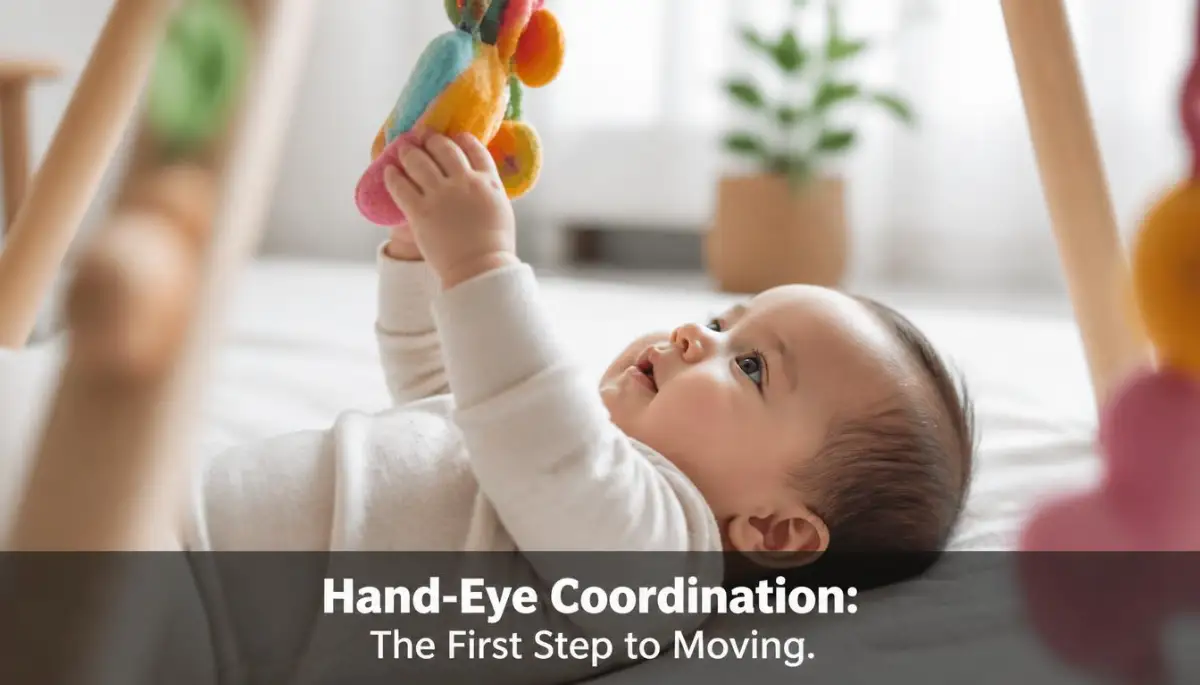
Turning Your Floor into a Growth Zone for Your Baby
### Before You Start: The 4 Golden Rules of Baby Strength
- The Floor is King: Your baby gets stronger by fighting gravity on a flat surface, not sitting in a bouncer.
- Keep it Short: 5 to 10 minutes of play is like an hour at the gym for a newborn. Stop before they get grumpy.
- Use Your Face: You are your baby’s favorite motivation. If they see you, they will try to lift their head.
- Go Barefoot: Let those tiny toes grip the floor—it’s how they learn to balance their whole body.
One of the biggest shifts I made was seeing my living room rug as a "gym" for my baby. It sounds silly, but the floor is truly the best place for a newborn to learn. When a baby is on a flat, firm surface, they have to fight gravity. That struggle is exactly what builds their core, neck, and back muscles. Without that struggle, the muscles simply don't get the signal to grow.
"Quick Reality Check: Floor Time Truths
| The Myth | The Real Truth |
| :--- | :--- |
| Babies need walkers to learn to walk. | Walkers can actually slow down muscle growth. |
| Tummy time is only for the neck. | It builds the core, back, and even hand muscles. |
| You need toys for development. | Your face and voice are the best 'toys' for a baby. |
| My baby cries, so I should stop. | Crying for 30 seconds is okay—just get down there with them! |"
The Magic of Face-to-Face Tummy Time
Tummy time is usually the first thing people mention, but I found it was the hardest to start. My baby hated it at first and would cry after just thirty seconds. I felt like a "mean" parent for making them stay there. Then I realized I was doing it wrong. I was just putting the baby down and walking away to fold laundry.
I changed my approach and started getting down on the floor myself. I would lie right in front of my baby so we were eye-to-eye. I would make funny faces, sing songs, or just talk about my day. Suddenly, tummy time wasn't a punishment anymore. It became our "us time." My baby started trying to lift their head just to see my face better. This simple shift in my behavior changed everything for their neck strength.
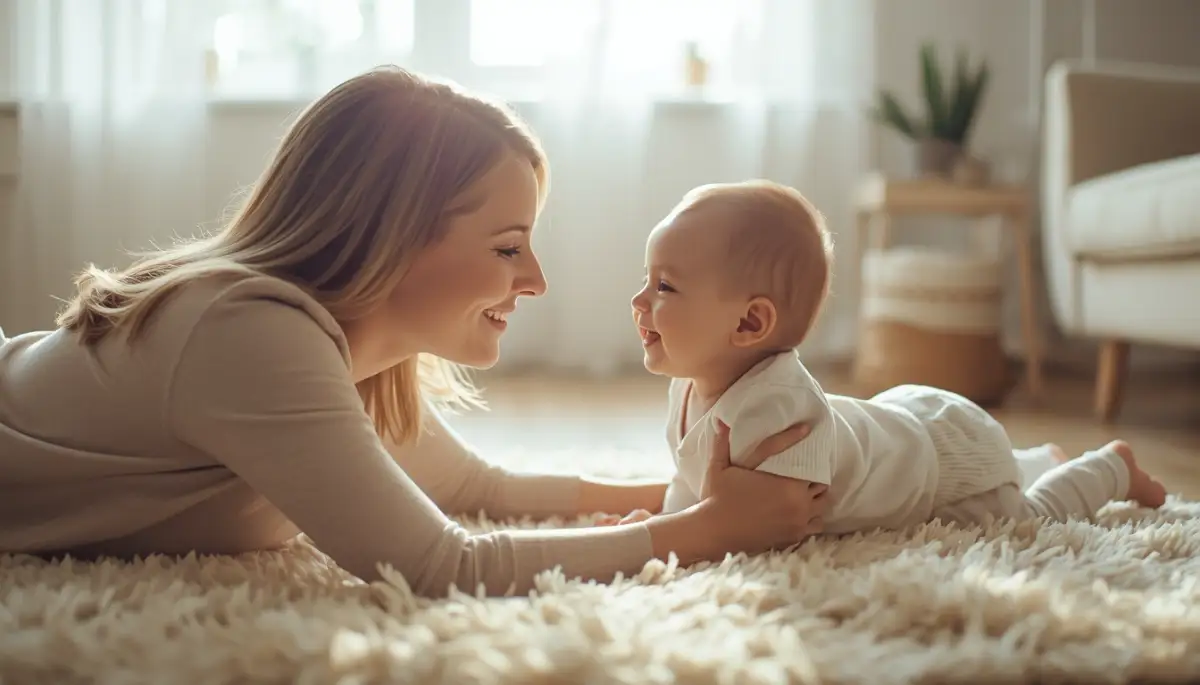
Reaching for the Stars (or Just Colorful Socks)
Another great activity involves nothing more than a pair of bright socks. I noticed my baby was staring at their hands a lot. I put some high-contrast socks on my baby’s hands or even just held a colorful cloth nearby. I would move it slowly from side to side. My baby started trying to reach out and swipe at the colors.
This reaching motion is a huge part of gross motor development. It uses the shoulders, the chest, and the upper back. It also helps with "midline crossing," which is when a baby moves their hand across the center of their body. I found that doing this for just five minutes a day made a huge difference. My baby became much more aware of what their arms could do.
Pro Tip: I used to think I needed to buy the most expensive sensory toys for this. One day, I ran out of clean toys and just used a safe, bright kitchen whisk. My baby loved it more than the twenty-dollar rattle! My realization was that babies don't care about the price tag. They just care about high contrast and interesting shapes. Don't stress about the gear; just use what you have safely.
My Favorite 'Non-Toy' Tools (Safety First!)
If you’re tired of buying plastic gadgets, try these three things sitting in your house right now:
- A Silk Scarf: Wave it slowly over their face to help them track movement.
- A Metal Whisk: It’s shiny, easy to grab, and feels cold/different than plastic.
- An Empty Cereal Box: Tape it shut and let them 'drum' on it during tummy time to build arm strength.
The "Bicycle Legs" Routine for Core Power
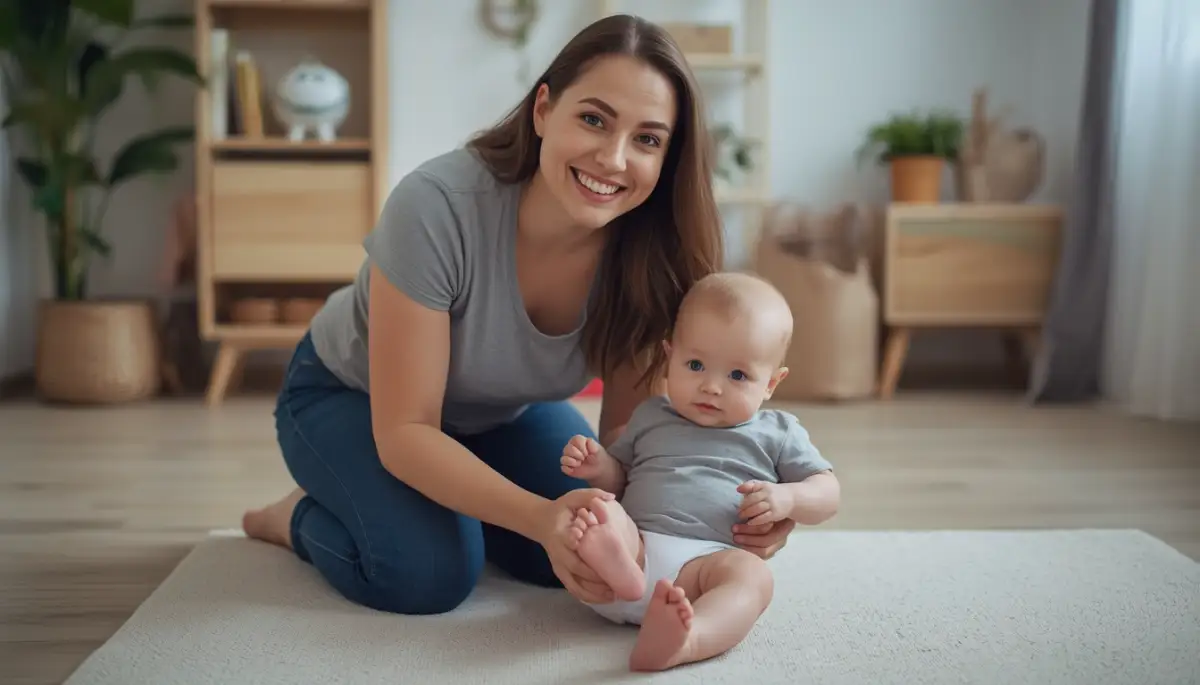
We often focus so much on the upper body that we forget about the legs. I started doing "bicycle legs" during every diaper change. I would gently hold my baby’s ankles and move their legs in a cycling motion. Not only did this help with their digestion and gas, but it also built their lower core strength.
You can feel the little muscles in their tummy working when they push back against your hands. I started adding a little "resistance training" by letting them kick my palms. I would say "Kick!" every time they touched my hand. It became a game. This simple activity is a foundation for later skills like rolling over and eventually crawling.
Visual Tracking as a Physical Workout
You might think looking at things is just for the eyes, but for a newborn, it’s a full-body workout. When a baby follows a moving object, they have to rotate their neck and shift their weight. I started using a simple black-and-white picture card. I would hold it about 10 inches from their face and move it slowly in an arc.
Watching my baby's whole body tense up and shift as they followed the card was amazing. It showed me how connected everything is. Their neck muscles were getting stronger just by looking at a picture. This is a perfect activity for when the baby is a bit tired but still wants to engage with you.
Watch This Fun Way to Play:
If you want to see exactly how these movements look in real life, this video shows some great examples of how babies move during play. It’s a great way to get a visual idea of the "bicycle legs" and reaching activities we just talked about.
Rolling Over Prep with the Blanket Trick
Rolling over is a massive milestone that usually happens after a few months. But you can start preparing for it almost from day one. I used a soft, thin blanket on a firm mat. I would gently lift one side of the blanket to give my baby a tiny bit of a "tilt." I wasn't trying to flip them over, just letting them feel what it’s like to shift their weight to one side.
This helps the baby learn about balance and how their body feels when it's not perfectly flat. I would always do this slowly and stay right there. I would place a toy on the side they were tilting toward. This gave them a reason to want to move that way. It’s all about giving them the "why" so they find the "how."
The "Side-Lying" Secret for Better Balance
Most parents only think about "back" or "tummy," but "side-lying" is a hidden gem. I started propping my baby up on their side using a small rolled-up towel behind their back. This position is great because it brings their hands together in front of their face. It’s much easier for them to play with their own fingers this way.
Being on their side also works different muscle groups than being on their back. It helps with the muscles along the ribs and the hips. I noticed that after we started doing side-lying play, my baby became much more stable when we went back to tummy time. It’s like cross-training for infants!
Side-to-Side Tracking with Sounds
While visual tracking is great, adding sound makes it even better for motor skills. I would take a small bell or a crinkly piece of paper and make a noise to the left of my baby's head. When they turned their head, I would move the sound to the right. This encourages a full range of motion in the neck.
A strong neck is the base for every other motor skill. If the neck is weak, the baby will struggle to sit or crawl later. I found that doing this "sound hunt" game helped my baby develop equal strength on both sides. Sometimes babies have a "favorite" side, and this game helps fix that balance.
Using Mirrors for Self-Discovery and Movement
One of the best "toys" I ever used was a simple, shatterproof floor mirror. I would place it in front of my baby during tummy time. Babies are obsessed with faces, even if they don't know it's their own yet. Seeing the "other baby" move made my little one want to move more too.
They would reach out to touch the mirror or try to "push up" to get a better look. It’s a fantastic way to extend tummy time without the baby getting bored. I highly recommend getting a mirror that can stand up on its own. It’s a game-changer for independent play.
The Importance of "Respite" in Play
One thing I learned the hard way was not to overdo it. In the beginning, I was so excited that I wanted to do these activities all day long. But newborns get "overstimulated" very quickly. Their nervous systems are still very new. I noticed that if I pushed too hard, my baby would get fussy and wouldn't sleep well.
I started following a "10-minute rule." We would do an activity for about ten minutes, and then we would just have quiet cuddle time. This gave my baby’s brain and muscles time to process what they just learned. Growth happens during rest, not just during the "workout." Always watch your baby for signs of being tired, like looking away or rubbing their eyes.
Creating a Routine That Doesn't Feel Like Work
The best way to make sure these activities happen is to attach them to things you already do. I decided that "bicycle legs" would always happen at the 10:00 AM diaper change. Tummy time would always happen after the first nap of the day. Reaching for toys would be our "afternoon play" before the evening fussiness started.
By making it a routine, I didn't have to think about it anymore. It just became part of our day. It took away the stress of "forgetting" to help my baby develop. And because it was part of our routine, my baby knew what to expect. They actually started looking forward to these little movement sessions.
Why Every Little Bit Counts
Sometimes I would only have two minutes to play before the phone rang or the oven timer went off. I used to think those two minutes didn't matter. I was wrong. For a newborn, two minutes of focused movement is a lot! It’s like a grown-up doing a heavy set of lifting at the gym.
Every time your baby reaches, kicks, or lifts their head, they are building neural pathways. They are learning how to control their body. Even if you only do one activity a day, you are helping them. Don't feel like you have to do a full "program" every single time. Consistency is much better than intensity when it comes to babies.
Safe Environments for Bold Movements
Before you start any of these, make sure your space is truly safe. I always cleared the area of any small objects or sharp edges. I used a firm play mat instead of a soft sofa. While a sofa feels comfy, it doesn't give the baby the resistance they need to push off. A firm surface is much better for muscle growth.
Also, keep an eye on the temperature. A baby who is too hot or too cold won't want to move. I found that a slightly cool room with a soft mat was the perfect "gym" environment. And of course, never leave your baby alone during these activities. Even if they can't crawl yet, they can wiggle in surprising ways!
Watching for the "Small Wins"
As I did these things, I started noticing small wins. One day, my baby held their head up for five seconds longer. Another day, they actually touched the toy I was holding. These small moments are the real milestones. They are the proof that your effort is working.
Celebrating these small wins kept me motivated. It turned the "worry" of parenting into "curiosity." Instead of asking "Why isn't my baby crawling?", I started asking "What cool thing will they do today?". This shift in mindset made my home a much happier place. It also made me a more confident parent.
Moving Forward Together
We have covered a lot of ground here, but this is just the beginning. The first few months are about building a foundation. As your baby gets stronger, you will find new ways to challenge them. But these simple, indoor activities are the core of everything. They are the building blocks of a healthy, active life.
Keep it simple, keep it fun, and keep it consistent. Your baby doesn't need a gym; they just need you and a little bit of floor space. Trust your instincts and enjoy the process of watching your little one discover what their body can do. It’s one of the most beautiful things you will ever witness.
Moving Beyond the Basics: Advanced Ways to Encourage Growth
Once you get comfortable with daily floor time, you can start looking at how your baby interacts with the world around them. It is not just about moving arms and legs; it is about how their brain tells their body to react to different feelings and sights. I found that my baby started making huge jumps in progress when I changed small things in our environment.
For example, you can use different textures to spark curiosity. I would place my baby on a soft sheepskin rug for a few minutes, then move them to a smooth cotton sheet. This change in sensation forces the baby to adjust their grip and posture. It helps them build what experts call "body awareness," which is the brain's map of where every limb is located.
Another great trick is to use natural light and shadows. I noticed my baby would spend a long time trying to "catch" a shadow moving on the wall. I started placing toys in patches of sunlight on the floor. The bright light made the toys look different and more exciting, which motivated my baby to stretch a little further to reach them. You can read more about how natural light and environment affect health on sites like the Mayo Clinic to see why these small changes matter.
The Power of "Wait and See" Observation
I used to be the kind of parent who would jump in the second my baby looked frustrated. If a toy was an inch too far away, I would push it closer. I thought I was being helpful, but I was actually taking away a learning chance. I had to learn the "Wait and See" method, which is a key secret for motor skill success.
Now, when my baby struggles to reach something, I count to ten in my head. I watch how they shift their weight and use their toes to dig into the floor. This small struggle is where the real muscle building happens. It is very similar to how adults need to overcome college burnout by finding their own strength; babies need to find their own physical solutions too. By waiting, I let my baby's brain figure out how to solve the problem.
Using Household Items for Sensory Challenges
You do not need a house full of plastic toys to see progress. In fact, many high-level experts suggest that simple household items are better. I started using a clean, empty plastic water bottle filled with a few colorful beans. The sound and the way the beans moved inside made my baby want to roll toward it.
Even something as simple as a wooden spoon can be a great tool. It has a different weight and temperature than plastic toys. Holding a heavier wooden object helps build wrist and forearm strength. Just like you might need to move WordPress to a new host to get better performance, changing the "tools" your baby uses can lead to better physical performance. Always make sure any household item you use is clean and has no small parts that could come off.
Creating a "Barefoot" Culture at Home
One thing I see many parents do is keep socks or shoes on their babies all day. I understand why; we want their tiny feet to stay warm. However, a baby’s feet are full of sensory receptors that help them learn to balance. When you cover them up, you are essentially "blinding" their feet.
I started letting my baby go barefoot during all of our indoor play sessions. Being barefoot allowed their toes to grip the floor, which is the first step toward standing and walking. This direct contact with the ground sends a constant stream of data to the brain about balance and gravity. It is a simple change, but the results for their lower body strength were amazing.
The Easy Mistakes That Can Slow Down Your Baby’s Progress
It is very easy to fall into habits that seem helpful but actually hold a baby back. I made many of these mistakes myself, and I felt terrible when I realized it. One of the biggest issues in modern parenting is what people call "Container Syndrome." This happens when a baby spends too much time in car seats, strollers, or bouncers.
While these tools are safe and give us a break, they keep the baby's body in a static, "frozen" position. The muscles don't have to do any work to stay upright. This is why some babies develop flat spots on their heads or have weak core muscles. It is a bit like understanding how sitting for six hours affects your veins as an adult; too much stillness is never good for a growing body. We have to be very careful to limit this "container time" as much as possible.
The Danger of Forcing Milestones Too Early
I once tried to "teach" my baby to sit up before their back muscles were ready. I would prop them up with pillows and get frustrated when they just flopped over. I realized later that I was putting too much stress on their spine. Forcing a baby into a position they can't get into on their own is a huge mistake.
Every baby has their own internal clock for development. If you force them to sit or stand before they have the core strength, you might actually cause them to skip important steps like crawling. Crawling is a major part of brain development because it uses both sides of the body at once. You can see more about healthy developmental milestones on the CDC website to get a better idea of what to expect at each age.
I had to learn to put my phone away and focus on the baby in front of me. Your baby is not a robot that follows a strict schedule. They are a little person with their own strengths and weaknesses. Just as you would block smart TV tracking to protect your privacy, you need to block out the noise of social media to protect your peace of mind. Your baby will get there when they are ready, and your job is to support them, not to race them against others.
Neglecting Your Own Physical Health
I found that if I was tired or in pain, I didn't want to get down on the floor and play. Many new parents suffer from back pain or neck strain from carrying their babies. If you don't take care of yourself, your baby misses out on that interactive play time. I started doing some simple stretches every morning to keep my body ready for play.
Even simple things like spotting the subtle signs of prediabetes in yourself is important for being the best parent you can be. A healthy parent is a more active parent. When you feel good, you are more likely to have the energy to encourage your baby to move. Your health and your baby’s development are more connected than you might think.
Your Journey Toward a Strong and Active Child
Looking back, the time I spent on the floor with my baby was some of the best time of my life. It was not always easy, and there were many days when I felt like we weren't making any progress. But then, one day, my baby would suddenly reach a toy they couldn't touch before, and it made everything worth it. These small victories are what build a lifetime of confidence and physical health.
The most important thing you can do is to stay positive and keep trying. Do not get discouraged by the days when your baby just wants to be held. Those days are important for emotional growth, too. Just as you would use active listening hacks for professionals to build better relationships at work, use that same patience and attention to build a bond with your baby during play.
You are your baby’s first and best teacher. You don’t need expensive equipment or a lot of space. You just need a willing heart and a few minutes each day. Start today by just putting a favorite toy a few inches out of reach and seeing what happens. You might be surprised at just how strong your little one already is.
I know how scary it can be to worry about your baby's growth, but I promise you are doing a great job. I started with just one minute of play and watched it grow into a beautiful daily habit. You have all the tools you need right now to help your baby thrive, so take a deep breath and enjoy this special time together.
Common Questions About Baby Motor Skills
How many minutes of tummy time should my newborn do every day?
For newborns, you should aim for short sessions of 3 to 5 minutes about two or three times a day. As they get stronger and start to enjoy it more, you can slowly increase the time. Always watch for signs that they are tired or getting frustrated, and stop the session if they become unhappy.
Is it okay if my baby skips crawling and goes straight to walking?
While some babies do skip crawling, experts usually recommend encouraging it as much as possible. Crawling builds shoulder strength and helps the two sides of the brain communicate better. If your baby seems to want to skip it, try placing interesting toys on the floor to encourage them to stay down low a bit longer.
Can using a baby walker help my child learn to walk faster?
Actually, many pediatricians suggest avoiding baby walkers because they can delay independent walking. They allow babies to move without using their own balance, which means they don't learn how to support their own weight. It is much better to let them pull themselves up on sturdy furniture when they are ready.
My baby cries every time I put them on the floor. What should I do?
This is very common, so do not feel bad! Try making the floor more exciting by lying down with them and using mirrors or high-contrast toys. You can also try "chest-to-chest" tummy time while you are reclining on the sofa, as being close to you often makes them feel much safer.
Disclaimer: The information provided in this article is for educational and informational purposes only and is not intended as medical advice. Always consult with a qualified pediatrician or healthcare professional before starting any new exercise routine or if you have concerns about your baby's physical development or health.