When Healing Causes Harm: My Personal Journey Through the Medical Maze
I woke up from what should have been a routine minor surgery, but my body felt completely wrong. The surgeon told me that my sudden, sharp pain was just a normal part of the healing process. I wanted to trust him, so I went home and tried to ignore the growing fire in my chest.
Weeks went by, and my condition only got worse while my doctor kept brushing my worries aside. It was only when I collapsed and went to a different hospital that I learned the truth about what happened. The first doctor had made a simple, careless mistake during the procedure that nearly cost me my life.
That dark moment was my introduction to the confusing world of healthcare laws and patient safety. I felt lost, scared, and completely angry that the person I trusted with my health had failed me. I had to learn how to fight for myself, and that is why I am sharing this today.
Many people face this same quiet battle every single day in hospitals and clinics. You trust a professional with your life, and when things go wrong, you are left in deep pain. The mental weight of not knowing if you are just unlucky or a victim of a crime is exhausting.
This constant worry can destroy your peace of mind and make you fear getting medical help when you need it. You might lie awake at night wondering if you should speak up or just stay quiet and suffer. It is incredibly hard to face a massive hospital system when you are already feeling weak and hurt.
I know how it feels to have your questions ignored and your pain dismissed by experts. Today, we are going to look closely at where the law draws the line between a simple mistake and real legal wrong. You deserve to know the truth about your healthcare and how the law protects your body.
Defining the Line: Unavoidable Complications vs. Real Negligence
Every medical procedure comes with some level of natural risk that no doctor can completely avoid. If a surgery fails even though the doctor did everything perfectly, that is usually called a medical complication.
The law does not punish doctors for bad luck or for outcomes they could not control. To win a legal case, you have to prove that the doctor failed to do what any reasonable doctor would do. This basic rule is what keeps our healthcare system fair for both sides.
What Is the Legal Standard of Care?
The standard of care is the level of safe, careful treatment that a normal doctor in the same field would provide. For example, a heart surgeon is held to a much higher standard than a family doctor when doing heart surgery.
If your doctor falls below this standard because they were rushed, tired, or careless, they have breached their duty. The law measures their actions against the choices of other experts in the same situation. If other doctors agree the mistake was unacceptable, you may have a legal case.
The Four Pillars of a Medical Negligence Case
To build a strong case, you and your legal helper must prove four specific things in court. If you miss even one of these points, your claim cannot move forward.
- Duty of Care: You must prove that the doctor had an official relationship with you as their patient.
- Breach of Duty: You must show that the doctor failed to meet the expected standard of care.
- Causation: You must prove that the doctor’s specific mistake directly caused your actual physical injury.
- Damages: You must show that the injury led to real physical, mental, or financial losses for you.
Understanding Your Ultimate Patient Rights
As a patient, you are not just a passive receiver of medical treatment. You have powerful legal rights that are designed to protect your body and your personal choices.
Knowing these rights is your first line of defense when you enter any hospital or clinic. Let us break down the most important rights that every single patient has.
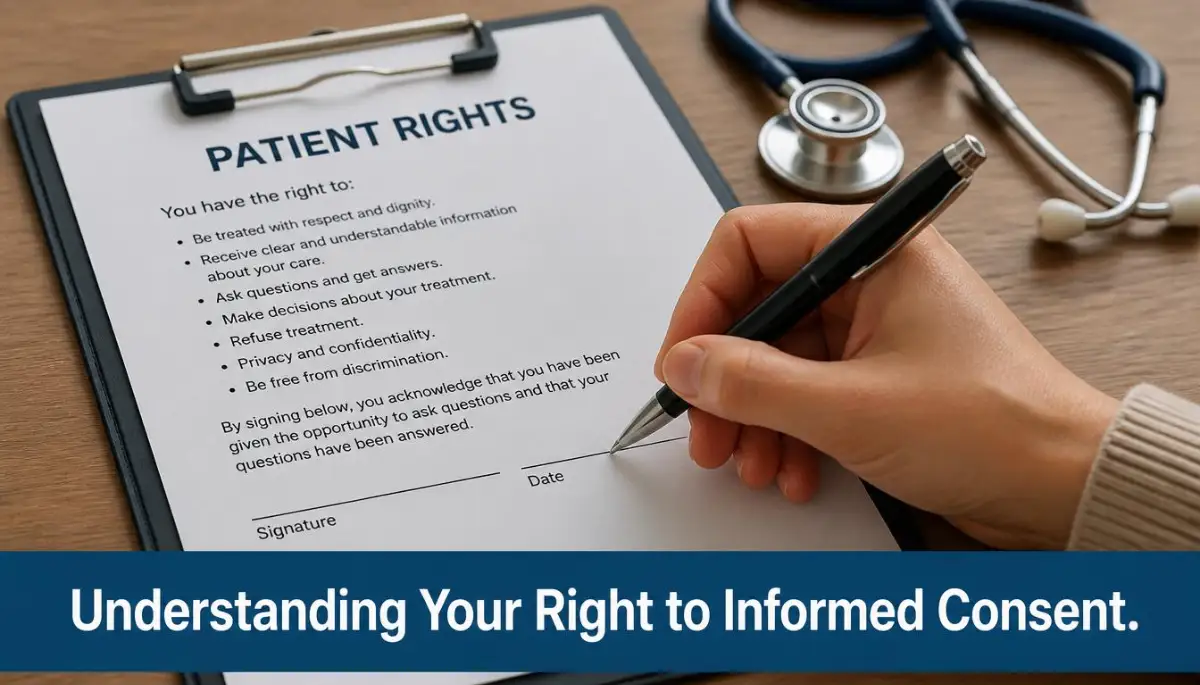
The Right to Informed Consent
Before any doctor touches you, they must explain the treatment, the risks, and other choices you have. This process is called informed consent, and it is a basic human right in healthcare.
If a doctor performs a non-emergency procedure without your clear permission, they may be breaking the law. You always have the right to ask questions and say no to any medical plan.
Your Right to Access Your Own Medical Records
You have an absolute legal right to see and get copies of all your personal medical files. Some clinics might make it difficult, but they cannot legally deny you your own health data.
Having these files is necessary if you want to get a second opinion or build a legal claim. Always ask for your charts, lab results, and doctor notes as soon as you can.
The Right to Privacy and Confidentially
Your health information is highly private and cannot be shared with others without your permission. Laws protect your medical history from being seen by employers, insurance companies, or strangers.
If a clinic leaks your private health details, they are violating your basic patient rights. Trust is built on privacy, and the law protects this bond closely.
Real-Life Scenarios: Spotting the Mistakes
Sometimes, it is easier to understand these complex ideas by looking at real examples of what can go wrong. Let us explore three common situations where a medical provider might cross the line into negligence.
The Danger of a Wrong or Delayed Diagnosis
Imagine you go to a clinic with severe pain, but the doctor tells you it is just gas and sends you home. If that pain was actually an appendix about to burst, and it later ruptures, that is a serious issue.
If a normal doctor would have run simple tests to find the real problem, then the first doctor was negligent. A delayed diagnosis can cause a patient months of extra pain and expensive treatments.
Errors Made During Surgery
Surgical errors are some of the most shocking examples of medical malpractice that happen today. This includes things like operating on the wrong body part or leaving medical tools inside a patient.
These mistakes are almost always considered clear negligence because they are entirely preventable. A patient should never have to suffer because a surgical team failed to count their tools.
Medication and Dosage Mistakes
Giving a patient the wrong pill or the wrong amount of medicine can have deadly results. This can happen because a doctor wrote the wrong note or a nurse read the label too quickly.
Hospitals must have strict systems to double-check every single drug before it reaches a patient. When these systems fail, the hospital can be held responsible for the harm caused.
Are you unsure if your painful medical experience was just bad luck or a real legal mistake? Watch this helpful video to understand the exact signs of medical negligence and how to protect your rights.
Immediate Steps to Take After a Bad Medical Experience
If you suspect that a doctor’s careless mistake hurt you, you must act quickly to protect yourself. The choices you make in the first few days can make or break your potential legal case.
Action 1: Seek Safe Medical Help Immediately
Your health must always be your number one priority when something goes wrong. Go to a different doctor or a different hospital right away to get your injuries checked and treated.
Do not let the fear of legal problems stop you from getting the immediate medical care you need. A new doctor can also help document the damage caused by the previous provider.
Pro Tip: When you see a new doctor, do not focus on complaining about the old doctor. Focus completely on explaining your exact physical symptoms and getting an honest, objective evaluation of your health.
Action 2: Secure Your Complete Medical Records
You need to request every page of your medical history from the provider who made the mistake. Do this as quickly as possible before any notes can be changed or misplaced by the clinic staff.
Having the original records is the most important piece of evidence you will ever need. It shows exactly what the doctor observed and what decisions they made at that time.
Action 3: Keep a Private and Detailed Daily Journal
Start writing down everything you remember about your medical visits, conversations, and pain levels. Write down the dates, times, and names of every nurse or doctor you spoke with.
Our memories fade quickly over time, but a written journal keeps the facts clear and fresh. This daily record is incredibly helpful for your legal representative later on.
The Difficult Road to Proving Negligence
Winning a medical negligence claim is a long and challenging process that requires expert help. You cannot simply stand in court and say that a doctor made a mistake; you must prove it with facts.
Why You Need Independent Medical Experts
In almost every case, you will need to hire an independent doctor to review your medical files. This expert will write a report explaining exactly how your doctor failed to meet the standard of care.
Courts rely heavily on these independent experts because judges and juries are not trained in medicine. Their professional opinion is often the most important part of your entire case.
Understanding the Statute of Limitations
The law gives you a limited amount of time to file a lawsuit after a medical injury occurs. This time limit is called the statute of limitations, and it varies depending on where you live.
If you wait too long to take action, you will lose your legal right to seek compensation forever. This is why you must start exploring your choices as soon as you suspect something is wrong.
Common Myths About Medical Negligence Claims
There are many false ideas about medical lawsuits that keep injured people from getting the help they deserve. Let us clear up some of the most common myths today.
- Myth: You can sue a doctor simply because you do not like their attitude.
- Reality: A doctor can be rude, but you only have a case if they made a real mistake that hurt you physically.
- Myth: Every medical mistake results in a massive cash payout.
- Reality: Most cases are settled quietly, and compensation is based on your actual medical bills and lost wages.
- Myth: Medical lawsuits are easy to win and take only a few weeks.
- Reality: These cases are highly complex and can take years of hard work to resolve.
My Final Thoughts on Protecting Your Health and Rights
To sum up, navigating the world of medicine and law can feel completely overwhelming when you are hurt. You deserve to be treated with respect, care, and high professional skill by every healthcare worker.
If a provider falls short and causes you harm, remember that the law is there to support you. Do not be afraid to ask hard questions, seek second opinions, and stand up for your body.
Your health is your most valuable asset, and protecting it is worth every single effort. Stay informed, stay strong, and always remember that you have the right to a safe healing journey.
Advanced Tactics for Handling Medical Incidents
Taking control of your health situation after a suspected medical error requires a logical, organized approach. Many people feel overwhelmed by the complex medical systems and legal jargon they face.
To help you stay organized, you need to think like an independent investigator from day one. This means keeping track of every small detail, even if it seems unimportant at the time.
Becoming Your Own Healthcare Advocate
You should always bring a trusted friend or family member with you to every single follow-up appointment. When you are recovering from an illness or injury, your mind is often too tired to process complex medical information.
A trusted companion can take notes, ask clarifying questions, and ensure the doctor explains things in simple terms. They act as your second pair of eyes and ears during a time when you need support the most.
Establishing Clear Channels of Written Evidence
Whenever you communicate with a clinic or hospital, try to get as much information in writing as possible. If you have a phone conversation with a medical administrator, send a quick follow-up email summarizing what was discussed.
This simple habit creates a solid paper trail that cannot be easily disputed later on. If you want to improve how you communicate during these difficult moments, practicing active listening hacks can help you stay calm and gather clear details.
Finding the Right Independent Medical Specialists
To understand if a real error occurred, you need an unbiased opinion from an outside expert. You can look for highly respected specialists who have no professional connection to your original doctor or hospital group.
An independent review of your medical charts will give you a clear, honest assessment of your treatment history. This step is necessary to determine if the care you received met the legally required standards.
According to legal guidelines on medical malpractice standards, proving a breach of duty is impossible without comparing your treatment to standard medical practices. Independent experts are the only ones who can provide this objective comparison in a legal setting.
Building a Financial Plan for Unexpected Medical Expenses
Dealing with ongoing health issues can quickly drain your savings and create massive stress. Between unexpected prescription costs and follow-up tests, the bills can pile up faster than you expect.
It is wise to set up a dedicated budget to track all your direct and indirect medical expenses. If you work for yourself and have a variable income, using smart budgeting methods for unstable income can keep you afloat during this challenging period.
Make sure to save every single receipt for parking, medication, physical therapy, and medical equipment. These expenses are part of your financial damages and can be recovered if you pursue a legal claim.
Creating a Secure Digital Vault for Your Case
Do not rely on paper files alone, as they can easily be lost or damaged in a busy household. Use your smartphone to take high-quality pictures of every medical bill, prescription bottle, and discharge sheet.
Store these digital copies in a private, password-protected folder in the cloud. This ensures that you can access your complete medical evidence from any device, anywhere, at any time.

Hidden Mistakes That Might Ruin Your Search for Justice
When dealing with the pain of a medical error, it is easy to make quick decisions based on fear or anger. Unfortunately, some of these well-meaning choices can completely destroy your legal rights before you even talk to an attorney.
Understanding these common traps can help you protect your interests while you focus on healing your body. Let us look at the most frequent slip-ups that patients make during a medical dispute.
Signing Forms Without Reading the Fine Print
Hospitals and insurance companies often try to settle disputes quickly to keep their costs low. They might offer you a small financial settlement or a waiver of your current hospital bills.
In exchange, they will ask you to sign a release form that prevents you from ever taking legal action again. Never sign any official document from a medical provider or insurance adjuster without speaking to an independent lawyer first.
Sharing Your Personal Medical Struggle on Social Media
It is completely natural to want to share your frustration with your friends and family online. However, posting about your medical treatment, injuries, or legal plans on social media is highly risky.
Defense lawyers will search your public profiles to find any post they can use to downplay your injuries. Even a simple picture of you smiling at a family dinner can be used to argue that you are not actually in pain.
Delaying Your Initial Action and Treatment
Some people choose to wait and hope that their physical pain will eventually go away on its own. Others feel too overwhelmed by the situation to take immediate action.
If you delay getting corrective medical care, the defense can argue that your injuries were not actually that serious. They might also claim that your new problems were caused by something else that happened after your original treatment.
When your health plans go completely wrong, you must take immediate, structured steps to fix the situation. Just like learning what to do after a missed connecting flight, acting quickly and following a set plan is the best way to handle a sudden crisis.
Facing the Emotional Toll of Medical Mistakes
Dealing with the trauma of a medical error can cause immense anxiety and mental exhaustion. You might feel a deep sense of anger toward the medical system that was supposed to protect you.
It is very important to get professional mental health support to help you process these difficult emotions. Learning tips for recovering from severe burnout can give you the tools to rebuild your emotional strength during this stressful time.
According to a study on the psychology of medical errors, the stress of dealing with an injury can delay your physical healing. Taking care of your mind is just as important as taking care of your physical body.
Moving Forward with Strength and Clarity
You cannot change the past, but you have full control over how you handle your recovery and protect your future. Rebuilding your life after a medical injury is a journey that requires patience, courage, and consistent effort.
By focusing on step-by-step progress, you can turn a painful experience into a source of personal empowerment. Let us focus on the positive steps you can take to reclaim your life and peace of mind.
Choosing Better Healthcare Partners for the Future
Do not let one bad experience make you lose faith in the entire medical profession. There are thousands of highly skilled, deeply caring doctors who take patient safety very seriously.
Take your time to research and select new healthcare providers who listen to your concerns and respect your patient rights. You deserve to feel completely safe and comfortable every time you walk into a medical office.
Adapting to Life Changes with Confidence
Sometimes, a medical error leaves you with long-term physical challenges that change your daily routine. This might mean adjusting your career path, finding new hobbies, or changing your living arrangements.
While these changes are difficult, they also open doors to new ways of growing and learning. If you are facing major life changes that affect your finances, like a job change during a mortgage process, staying organized will help you keep your plans on track.
The Value of Having Trusted Allies in Your Corner
You do not have to walk this difficult path all by yourself. Lean on your loved ones, join patient support groups, and seek professional legal advice from experts who care about your well-being.
The American Bar Association offers useful resources on how consumer medical claims work to help you understand your legal paths. Having the right team behind you will make your recovery journey much smoother and less stressful.
I know how scary it feels to stand up for yourself when your trust has been broken by a healthcare professional. You have the inner strength to demand the care you deserve, and I encourage you to take that first step toward justice today. Your voice matters, and your health is absolutely worth fighting for.
Frequently Asked Legal Questions on Patient Rights
How do I know if my bad medical outcome is actually malpractice?
A bad medical outcome is only malpractice if the doctor failed to follow accepted medical rules and standards. If the doctor did everything correctly but a known, unavoidable complication occurred, it is usually not considered legal negligence. You will need an independent medical expert to review your files to know the difference for sure.
Can I still pursue a claim if I signed a standard consent form before surgery?
Yes, you can still pursue a claim even if you signed a standard informed consent form. A consent form shows you agreed to the natural, known risks of a procedure, but it never gives a doctor permission to be careless or negligent. If the medical team made an unacceptable error during the surgery, the consent form does not protect them from liability.
How much does it cost to hire an attorney for a medical negligence case?
Most medical negligence attorneys work on a contingency fee basis, which means you do not pay any money upfront. They only get paid if they win your case and secure a financial settlement for you. If they do not win the case, you usually do not owe them any attorney fees.
What happens if the medical error is only discovered years after the event?
In many places, the legal clock for your claim only starts ticking when you actually discover the error, or when a reasonable person should have discovered it. This is often called the discovery rule, and it protects patients when mistakes are hidden or hard to spot right away. However, you should speak to a local legal professional immediately because every region has strict ultimate time limits.
Important Legal and Medical Disclaimer: This article is written entirely for educational and informational purposes. It does not constitute formal legal advice or professional medical counseling. Laws and medical guidelines vary greatly by state and country. Always consult with a licensed attorney and a qualified medical professional to discuss the specific details of your unique situation.