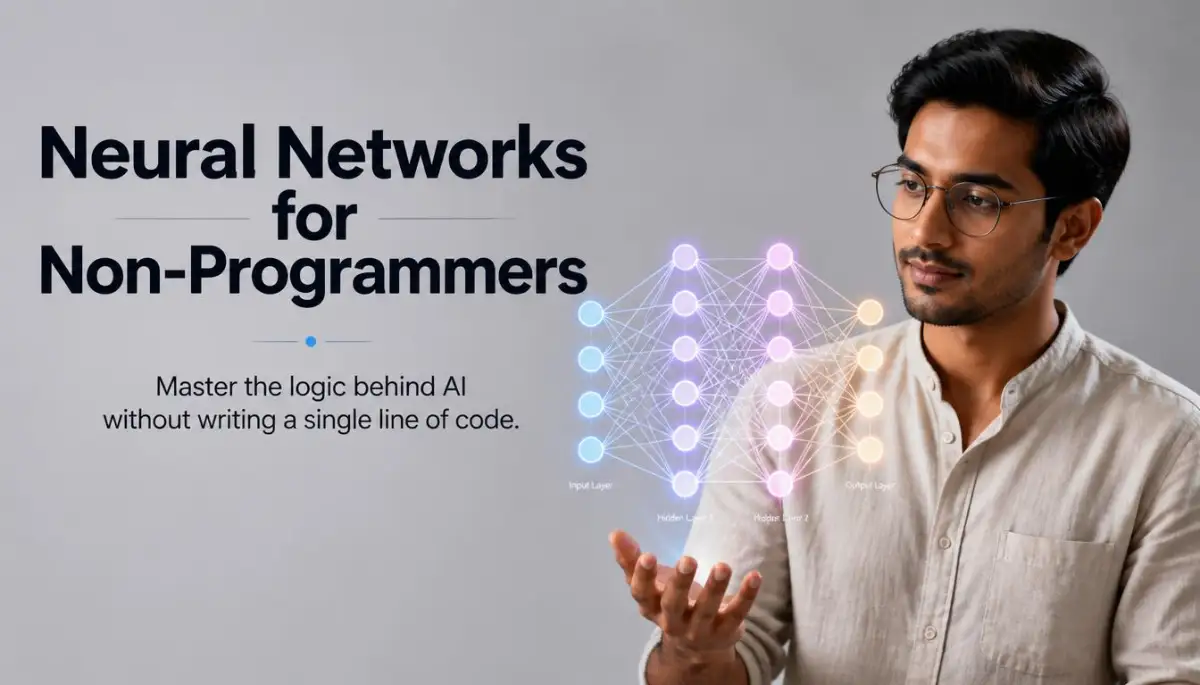
My Confusing Search for the "Brain" Inside My Computer
I used to stare at my phone's face-unlock feature and feel like a total idiot. How did a slab of glass and metal know it was me and not my brother? Every time I tried to Google the answer, I got slapped in the face with math formulas and words that sounded like they belonged in a sci-fi movie. I’m not a computer scientist, and I’m guessing you aren't either. I wrote this guide because I finally figured out how this "AI brain" stuff works without needing a PhD to explain it.
Every article I clicked on felt like a trap. I would start reading, and within three paragraphs, I was drowning in math formulas and weird words like "backpropagation" or "stochastic gradient descent."
I felt completely shut out. It seemed like you had to be a genius or a computer scientist to understand the world we now live in. I’m not a coder. I don’t spend my weekends writing Python scripts. I just wanted to understand the "why" behind the magic of AI.
The more I searched, the more I felt this strange anxiety. It was like everyone else was moving into a high-tech future, and I was stuck at the gate because I didn't speak the language. I felt small, frustrated, and honestly, a bit left behind.
Maybe you feel that way too. You see AI news every single day. You hear about these "neural networks" that are changing the world. But when you try to learn, you hit a brick wall of technical jargon.
I realized that the problem wasn't me. The problem was how people were teaching it. We don't need code to understand concepts. We need stories. We need analogies. We need a way to relate these "artificial brains" to our own human experiences.
That is why I wrote this. I spent weeks breaking these concepts down into plain English. I wanted to create a map for people like us—people who are curious but don't want to look at a single line of code.
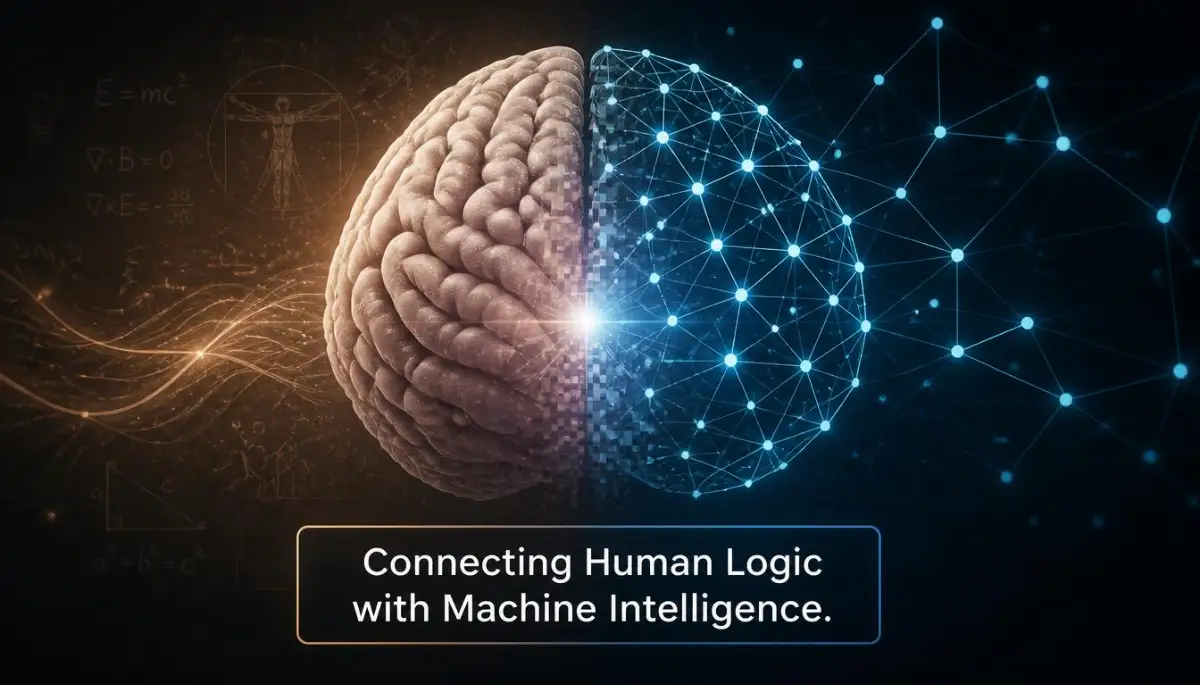
The Secret Language of Machines: How They See Your World
To understand a neural network, you first have to stop thinking about computers as boxes of wires. Instead, think of a neural network as a group of people trying to solve a puzzle together.
What You’ll Learn in 2 Minutes:
- The Filter Trick: Neural networks aren't magic; they are just layers of filters that sort data from "simple" to "complex."
- Learning is Guessing: Machines "learn" by making a mistake, getting corrected, and trying again—just like a kid.
- Data is Food: If you feed a machine bad info, it will give you bad results. It's only as smart as its "diet."
- You're the Boss: AI handles the patterns, but humans handle the meaning and the heart.
Imagine you are standing in a dark room. Someone hands you an object. You can’t see it, but you can touch it. You have to tell them if it is an apple or an orange.
Your brain starts working instantly. You feel the skin. Is it smooth? If yes, it’s more likely to be an apple. You feel the shape. Is there a little stem at the top? You smell it.
Each of these checks—the texture, the shape, the smell—is a "layer" of your thinking. A neural network does the exact same thing. It takes a piece of information and passes it through different layers of "filters" to find an answer.
Why We Call Them "Neural" Networks
The name comes from "neurons." These are the tiny cells in your brain that send signals to each other. When you were a baby, you didn't know what a "chair" was.
You saw a wooden thing with four legs. You tried to sit on it. It worked. Your brain made a connection: "Four legs + flat top = comfortable place to sit."
An artificial neural network tries to mimic this. It is a digital system made of thousands of tiny "nodes." Each node is like a tiny lightbulb that turns on when it sees something it recognizes.
My Personal Realization: I used to think the "neural" part meant the computer was actually alive. I was actually scared of it! But then I realized it's just a clever way of saying the computer is "sorting things" like a human does. It’s not a ghost in the machine; it’s just a very organized filing cabinet.
Breaking Down the Layers of the "AI Brain"
When you look at a diagram of a neural network, it usually looks like a messy spiderweb. But it’s actually very orderly. It is divided into three main parts. Let's walk through them like we are walking through a factory.
The Input Layer: The Senses of the Machine
This is the front door of the network. This is where the computer "sees" the data. If you show the AI a picture of a cat, the input layer breaks that picture down into tiny dots called pixels.
It doesn't see a "cat" yet. It just sees a list of numbers representing colors and brightness. Think of this as the raw ingredients being delivered to a kitchen.
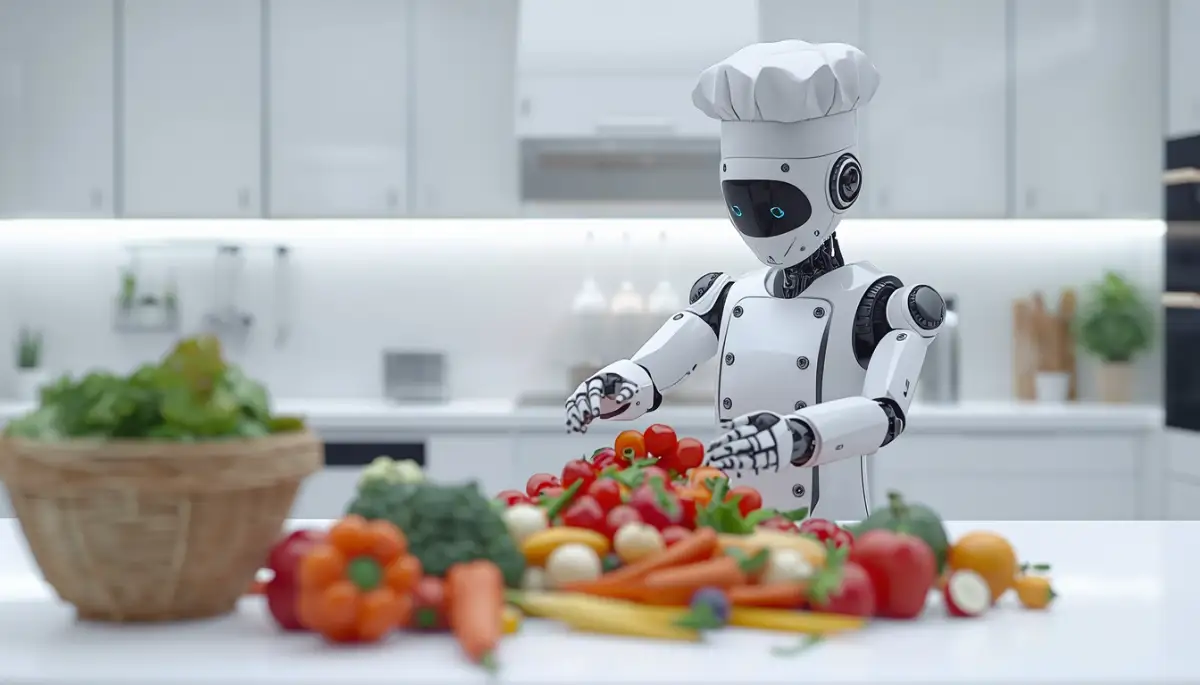
The Hidden Layers: The Chef’s Secret Recipe
This is where the real magic happens. This is also the part that confuses most people. They call them "hidden" because we don't see the work they do from the outside.
In these layers, the network starts looking for patterns.
- Layer 1 might look for straight lines or curves.
- Layer 2 might look for shapes like circles or triangles.
- Layer 3 might combine those shapes to find eyes, ears, or a nose.
Each layer builds on the one before it. It’s like building a Lego castle. You start with small blocks, and by the time you reach the top, you have a tower.
Pro Tip: If you want to visualize this, think of it like a "Guess Who" game. You ask, "Does the person have glasses?" or "Do they have red hair?" Each question narrows down the truth. That is exactly what a hidden layer does with data. I found that thinking about it as a game made it much less intimidating.
The Output Layer: The Final Decision
This is the exit door. After the data has traveled through all the hidden layers, the network arrives at a conclusion.
It doesn't usually say, "This is 100% a cat." Instead, it says, "I am 98% sure this is a cat and 2% sure it is a dog." The highest number wins.
How Machines Learn from Their Own Mistakes
You might be wondering: How does the network know what an eye or an ear looks like in the first place? It doesn't. It has to learn, just like we do.
Imagine you are teaching a child to throw a ball into a basket. The first time they throw it, they might miss completely. They threw it too hard.
Their brain says, "Okay, that was too much power. Next time, use less." They throw again. This time it hits the rim. "Better, but aim slightly to the left."
This process of "adjusting" is what computer scientists call "training." In a neural network, we give it thousands of examples.
If the AI looks at a cat and says "It's a toaster," we tell it, "No, you're wrong." The network then goes backward through its layers and changes the strength of its connections. This is the moment the machine "learns."
Watching this process in action makes it much easier to grasp. If you're more of a visual learner, this quick video breaks down the concept even further and shows you exactly how these layers talk to each other in real-time.
The Concept of "Weights" and "Biases" (Without the Math)
Whenever you read about neural networks, you will hear about "weights." Don't let this word scare you.
Think of a "weight" as the importance of a piece of information.
Let's say you are trying to decide if you should go outside. You look at two things:
- Is it raining?
- Is your favorite show on TV?
In your "Going Outside Neural Network," the "rain" factor has a much higher weight than the "TV" factor. Even if your show is on, the rain is more important in making your decision.
A neural network assigns these weights to every tiny detail it finds. If it's trying to identify a face, the "eyes" have a higher weight than the "background color" of the photo.
Why Neural Networks are Not "Magic"
Many people think AI is a magic box that knows everything. But it’s actually quite limited. A neural network is only as good as the data we give it.
If you only show a neural network pictures of white cats, it will never recognize a black cat. It will think a black cat is a shadow or a different animal.
This is why "data" is so famous in the tech world. It is the food that the neural network eats. Without a balanced diet of information, the AI becomes biased and makes mistakes.
I used to be amazed that AI could write poems or create art. Now, I realize it’s just looking at millions of human poems and finding the patterns of how words usually go together. It’s a pattern-matching machine, and a very good one at that.
The Power of Pattern Recognition in Your Daily Life
You are using neural networks every hour, even if you don't realize it.
- Email Filters: Your "Spam" folder uses a network to look for patterns in words that usually appear in junk mail.
- Streaming Services: When Netflix suggests a movie, its network is looking at the patterns of what you and people like you have watched before.
- Banking: When you swipe your card, a neural network checks if that purchase fits your "spending pattern." If it doesn't, it flags it as fraud.
Understanding this took away my fear. I realized these networks are just tools. They are designed to help us handle a world that has too much data for a single human brain to process.
The Human Touch in a Machine World
Even though these networks can do amazing things, they lack something very important: Context.
A neural network can tell you that a photo contains a "crying child." But it doesn't know what sadness feels like. It doesn't know why the child is crying.
It only knows that the pattern of pixels matches other photos labeled "crying."
This is where you and I come in. We provide the meaning. We provide the ethics. The machine can find the pattern, but we have to decide what to do with it.
Common Misconceptions About AI "Thinking"
When we say a computer is "learning," we aren't saying it has a consciousness. It’s more like a very complex calculator.
If you type "2 + 2," the calculator doesn't "know" what 4 is. It just follows a set of rules to give you the result. A neural network is just a calculator with billions of tiny rules.
I found that this perspective helped me talk about AI with my friends without sounding like a sci-fi movie character. It’s about math, not magic. And while the math is hard, the logic is something we can all understand.
| Common AI Myth | The Actual Reality |
| :--- | :--- |
| AI "thinks" like a human. | AI just guesses the next most likely thing using math. |
| It knows everything on the internet. | It only knows what it was shown during its "training." |
| Neural networks are alive. | They are just a series of "if this, then that" filters. |
| You need to be a coder to use it. | If you can write an email, you can use most AI tools. |
Why This Matters for Your Future
You don't need to learn how to code to survive the AI age. But you do need to understand the blueprint.
When you know how a neural network "thinks," you can use AI tools better. You can ask better questions. You can see through the hype and understand what is actually possible.
I used to feel like a passenger in a car I didn't know how to drive. Now, I feel like I finally have the manual. I might not be a mechanic, but I know how the engine works.
My 3-Step "Bullshit Detector" for AI Tools:
- Check the Input: Is the tool asking for private info? If yes, keep your secrets to yourself.
- Look for the "Hallucination": AI loves to sound confident even when it's lying. Always double-check facts.
- Test the Bias: Try asking the same question in two different ways. Does the answer change? If so, the "brain" is just matching your tone, not giving you the truth.
And honestly? That’s all you really need to get where you're going.
Training Your Mind to See AI Patterns Like a Pro
Once you understand that a neural network is just a layer of filters, you start seeing them everywhere. But how do you go from just knowing the basics to actually using this knowledge? You don't need to learn Python to stay ahead of the curve.
The first secret is to focus on the "data input" rather than the math. If you want to know how a specific AI tool works, look at what it is asking for. If a tool asks for your voice, it is likely using a network designed for sound frequencies.
I found that the best way to keep my skills sharp was to treat every AI interaction like a science experiment. When I use a chatbot, I change one small word to see how the "layers" react. This helps me understand the logic patterns without ever opening a textbook.
Another expert tip is to learn about "transfer learning" in a simple way. This is when a network trained for one thing is used for another. Imagine a professional chef who decides to learn how to bake bread.
The chef already knows about heat, ingredients, and timing. They aren't starting from scratch. When you see a new AI tool, ask yourself what it was "originally" trained on. This helps you predict where it might fail or where it will be amazing.
You should also practice safe ai at work by being careful about what you feed these machines. If you put private data into a public network, it becomes part of the training set. You are essentially giving away your secrets to help the machine learn. Preventing public ai chatbot privacy risks is a major part of being an AI-literate person.
I always tell people to look for the "bias" in the machine. Since these networks learn from humans, they pick up our bad habits too. If a network only sees data from one part of the world, it will have a very narrow view of reality.
To stay sharp long-term, try to explain these concepts to someone else. I noticed that when I tried to teach my friends, I found gaps in my own understanding. Using active listening hacks can help you understand where other people are confused. You can find more on this by checking out active listening hacks for professionals to improve your communication.
Think of AI as a very fast intern. The intern is hardworking but has zero common sense. Your job is to be the manager who understands the workflow logic. If you give the intern bad instructions, you get a bad result.
By focusing on these high-level secrets, you stay valuable. Coding can be automated, but the ability to guide a neural network toward a goal is a human superpower. You are the one who provides the vision and the context.

Why Most Beginners Get Stuck in the Tech Trap
One of the biggest mistakes I see people make is trying to dive into the math too early. They think they need to understand calculus to understand AI. This is like thinking you need to be an engineer to drive a car.
When you focus on the math, you lose the "big picture." Your brain gets tired, and you give up. This leads to a huge amount of mental stress and a feeling that you are "not smart enough."
Another common pitfall is trusting the AI too much. People treat neural networks like they are "God Mode" machines that never make mistakes. This is a very dangerous way to think.
If you don't understand that the network is just guessing based on patterns, you might make a big mistake. For example, some people use AI to give them medical or legal advice without checking the facts. This is why learning to spot the subtle signs of health issues should always involve a real professional, not just an algorithm.
I also see people getting "shiny object syndrome." They jump from one new AI tool to another without learning the core logic of any of them. It's like trying to learn ten languages at once.
You end up knowing a little bit about everything but mastering nothing. This makes you feel overwhelmed and scattered. It’s much better to pick one area, like image generation, and really study how those specific layers work.
Lastly, many beginners ignore the "privacy settings." They skip the terms and conditions because they are boring. But in the world of neural networks, your data is the most valuable thing you own.
I made this mistake once and realized my personal photos were being used to train a public model. It felt like a total violation of my space. Now, I always check if a tool lets me "opt-out" of training.
If you are a student trying to keep up with all this tech, don't let it burn you out. There are real recovery strategies for high achievers that can help you balance learning with your mental health. Don't let the "AI race" ruin your happiness.
Your Roadmap for the Intelligent Future
Learning about neural networks is not just about technology. It is about expanding how you think. You are training your own "human network" to recognize new patterns in the world.
Start small. The next time you see a recommendation on a website, stop for a second. Ask yourself: "What patterns did the machine see in me to suggest this?"
When you start asking that question, the wall between you and the "experts" starts to crumble. You realize that you are just as capable of navigating this world as anyone with a degree in computer science.
I want you to feel empowered. I want you to look at a new AI tool and feel curiosity instead of fear. You have the blueprint now, and you know how to avoid the common traps.
Remember that the machine is a tool, and you are the master. It can process the data, but you provide the soul. That is a partnership that can change your life for the better.
If you are a busy person, perhaps a student working through school, remember that the ultimate survival guide for working college students is about working smarter, not harder. AI is the ultimate "work smarter" tool if you use it with a clear head.
I really believe that the future belongs to the curious. I’ve seen people change their entire careers just by spending thirty minutes a day learning how these systems think. It’s never too late to start your journey, and you don’t need a single line of code to get there.
My best advice is to just start playing with these concepts today. I promise you that once you see the logic, the world will look very different. You have all the tools you need right now to become an AI-literate leader in your own field.
Quick Answers to Your AI Curiosities
Do I really need to be good at math to understand neural networks?
No, you don't need any advanced math. You just need to understand the logic of sorting. If you can understand how a kitchen works or how a library organizes books, you can understand a neural network.
Will AI neural networks eventually replace human jobs?
They will change how we work, but they lack human context and empathy. The people who will thrive are those who know how to manage the AI tools. Think of it as an upgrade to your existing skills rather than a replacement.
Why do some AI models give wrong answers even when they seem smart?
This is because they are just matching patterns, not actually "thinking." If the pattern they find is slightly off, the result will be wrong. This is why we must always verify the information the machine gives us.
Can a neural network learn things on its own without help?
Not exactly. It needs a "goal" and a "training set" provided by humans. It can find new patterns within that data, but it doesn't have its own desires or the ability to think outside its box.
Is my privacy at risk when I use free AI tools?
Often, yes. Many free tools use your input data to make their "brain" smarter. You should always check the settings to see if you can keep your data private. It is also a good idea to block smart tv tracking and other digital snooping to keep your whole house safe.
How can I explain a neural network to a child?
Tell them it's like a group of friends playing "Guess Who." Each friend asks one question, like "Does he have a hat?" By the end of the line, they know exactly who the person is. That is exactly how the layers work together.
What should I do if my AI transactions are taking too long?
Sometimes the networks get overloaded with too many requests. This is very common with busy systems. If you deal with other digital systems like crypto, you might want to know how to fix pending transactions to save yourself some stress.
Disclaimer: The information provided in this article is for educational and informational purposes only. While I strive to provide accurate and easy-to-understand explanations of artificial intelligence concepts, technology is constantly changing. This guide does not constitute professional technical, legal, or financial advice. Always consult with a qualified expert before making significant decisions based on AI outputs or implementing complex digital systems in a business environment. Usage of AI tools should always be done in compliance with local privacy laws and ethical guidelines.