
Don't Sign That Paper Until You Read This: My $20,000 Mistake
Thinking about cosigning a loan for a friend or relative? I’ve been exactly where you are. I thought I was just being a "good person," but that one signature almost wiped out my entire life savings. Before you pick up that pen, you need to know that the bank isn't your friend here—they’re just looking for someone to blame when things go wrong. Let me walk you through the traps I fell into so you can protect your wallet and your peace of mind.
The loan officer smiled, pointed to the signature line, and assured us it was just a standard formality. I did not read the fine print because I trusted my friend and the bank. That signature turned out to be the biggest financial mistake of my life.
Six months later, my friend lost his job and stopped making the payments. He did not tell me, and the bank never called to warn me about the situation. I only found out when my own credit card application was suddenly rejected.
When I checked my credit report, I saw that my score had dropped by over one hundred points. The bank was reporting late payments under my name, making me look irresponsible to other lenders. I felt a deep sense of anger, betrayal, and absolute helplessness.
This is the dark reality that thousands of people face every single day. We sign these papers out of love, family duty, or friendship, only to find ourselves trapped in a financial nightmare. The constant worry about debt collectors calling can easily destroy your mental peace and sleep.
Before you pick up a pen to help someone else secure a loan, you must understand what is actually happening. Banks want you to sign because it reduces their risk, but it shifts all the danger directly onto your shoulders. Let us look at what really happens behind closed doors when you cosign.
🚩 The "Don't Do It" Checklist
If any of these things are true, walk away from the loan immediately:
- The bank said no: If a billion-dollar bank doesn't trust them with money, why should you?
- They can't show you a budget: If they don't know where their money goes, they won't pay you back.
- You can't pay the loan yourself: If you can't afford the monthly bill right now, don't sign. You will have to pay it eventually.
- It’s for a "want," not a "need": Cosigning for a luxury car is a bad idea. Helping someone get a modest car for work is different, but still risky.
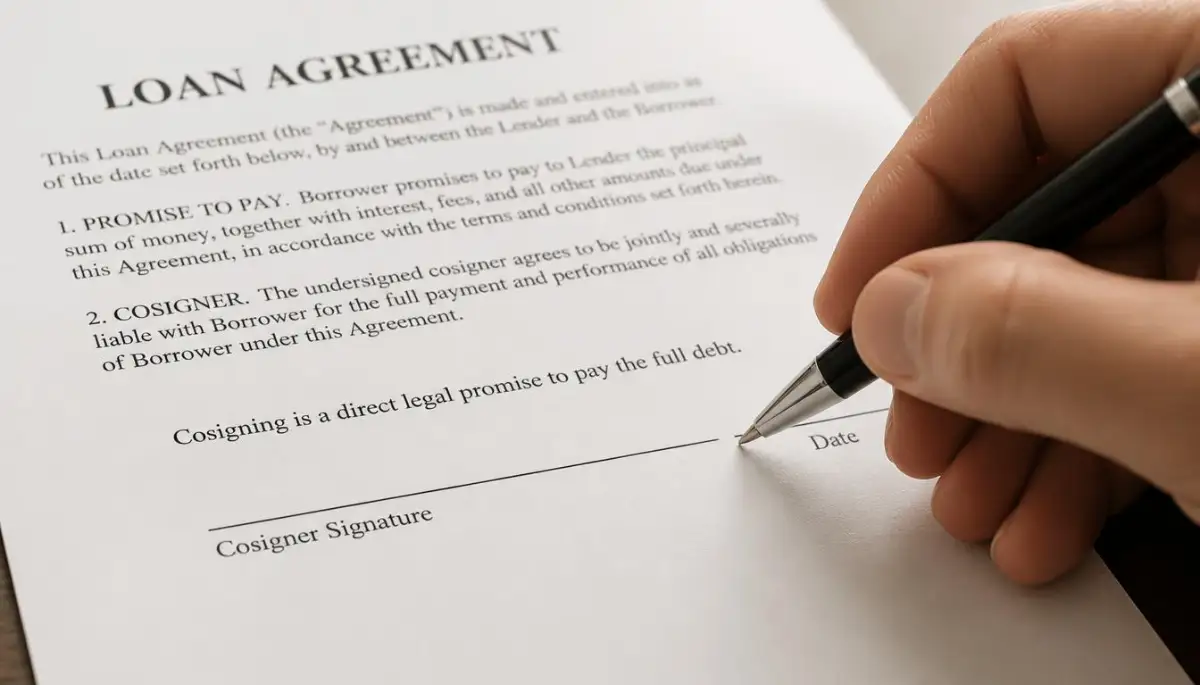
The Quiet Financial Trap of Cosigning a Loan
Why Banks Encourage Cosigning (and What They Hide)
When a bank asks for a cosigner, they are sending a very clear message. They are saying that the primary borrower is too risky to trust with money. Instead of declining the loan, the bank shifts the financial risk entirely to you.
💡 The "Too Long; Didn't Read" Version
- You are the primary payer: The bank views you as the person actually responsible for the money.
- Your credit takes the hit first: Even one late payment from the borrower will tank your score instantly.
- It’s hard to get out: You can't just "remove" your name later. It usually requires a full refinance.
- The friendship usually ends: Money issues are the #1 reason friendships and family bonds break.
The bank does not tell you that they expect you to pay the debt when the borrower fails. They present it as a simple favor, but it is a binding legal contract. You are essentially taking out the loan yourself without getting any of the benefits.
Many lenders do not send monthly statements to cosigners. This means you might not know the borrower missed a payment until it is too late. By the time you find out, your financial health is already damaged.
Your Credit Score Pays the Immediate Price
The moment the loan is approved, it appears on your credit report. This new debt can instantly lower your credit score even if every payment is made on time. Your report now shows a large financial obligation that you did not want.
If the primary borrower misses just one payment by thirty days, your score will drop significantly. A single late payment can wipe out years of hard work rebuilding your credit. You lose control over your own financial standing.
I remember watching my credit score drop month after month because of my friend's missed payments. It felt like watching a slow-motion car crash that I could not stop. I realized too late that my generosity had cost me my financial freedom.
The Debt-to-Income Ratio Nightmare
Lenders look at your debt-to-income ratio whenever you apply for a loan or credit card. This ratio compares how much you earn to how much you owe. The cosigned loan counts fully as your debt in this calculation.
If you want to buy a house or get a new car, you might be rejected. Lenders will assume you have to pay the cosigned loan every month, reducing your borrowing power. Your own personal goals get put on hold because of someone else's debt.

Imagine being turned down for a mortgage on your dream home because you cosigned a small personal loan. This happens to thousands of well-meaning people every year. It is a quiet trap that locks your borrowing power away.
Understanding Your True Legal Liabilities
You Are One Hundred Percent Responsible for the Debt
Cosigning does not mean you are just a backup plan. In the eyes of the law, you are equally responsible for the full amount of the loan. If the primary borrower stops paying, the bank will come after you for the money.
This liability includes any late fees, collection costs, and legal charges that pile up. The total amount you owe can quickly grow much larger than the original loan. There is no discount or limit on your financial responsibility.
If the borrower declares bankruptcy, the debt does not disappear for you. The bank will simply demand the full payment from you instead. You are left holding the entire financial burden alone.
Banks Can Sue You Before They Sue the Primary Borrower
Many people believe the bank must try to get the money from the primary borrower first. This is a common and very dangerous misunderstanding. In many states, the lender can legally demand payment from you first.
Who Actually Wins When You Cosign?
Because you likely have a better job and credit score, the bank views you as an easier target. They will sue you or send debt collectors to your house to get their money quickly. They do not care about the friendship or family relationship you have.
This legal process can lead to your wages being garnished or a lien being placed on your home. It turns a simple act of kindness into a legal battle that can ruin your life. You must recognize this extreme risk before signing.
The Legal Realities Banks Never Discuss
Before you agree to sign, you need to understand the precise legal language used in these contracts. Watching a quick breakdown of how cosigning works can help you spot these hidden clauses.
This short video explains the legal realities of cosigning and how lenders use your good credit to protect themselves from risky borrowers.
How to Protect Your Wallet Before You Put Pen to Paper
Insisting on Written Communication and Access
Ask the lender to agree in writing to notify you if the borrower misses a payment. Some states actually require this, but you should demand it regardless of where you live. This gives you time to react before your credit is ruined.
You must also demand online access to the loan account. This allows you to check the payment history every single month. Do not rely on the borrower to tell you the truth about their payments.
If you see a missed payment, you can pay it immediately to protect your credit score. This is not ideal, but it prevents a late payment from appearing on your report. It gives you a small measure of control over the situation.
My Personal Tip: When I was trying to resolve my cosigning disaster, I learned that banks rarely help you once you have signed. My biggest mistake was not setting up a separate bank account specifically for the loan payments where I could monitor the funds directly. I highly recommend doing this so you are never left guessing.
Securing the Loan with Collateral
You can ask that the loan be secured by an asset, such as a car or property. If the borrower defaults, the lender can sell the asset to pay off the debt. This reduces the amount of cash you might have to pay out of pocket.
However, you must ensure that your own assets are not used as collateral. Only the primary borrower's assets should be on the line. This keeps your personal property safe from the bank's reach.
If the borrower refuses to put up collateral, you should take that as a major warning sign. It means they are not willing to risk their own things, but expect you to risk yours. This is a clear cue to walk away.
Crafting a Separate Personal Agreement
Do not rely on verbal promises when dealing with large sums of money. Write down a simple contract between you and the primary borrower. This document should outline exactly what happens if they cannot make the payments.
Specify that if they miss a payment, they must transfer ownership of the asset to you. You can also agree on a repayment plan to return any money you had to pay the bank. While this may feel cold, it protects your friendship and your wallet.
Having a legal contract makes the borrower take the situation more seriously. It shows them that this is not a casual favor, but a professional arrangement. If they hesitate to sign your personal agreement, do not cosign their loan.
Smart Alternatives to Helping Loved Ones Financially
Gifting a Small Sum Instead of Cosigning
If you have extra cash, you can give them a small one-time gift to help with their down payment. This allows you to help them without linking your credit score to their loan. Once the money is gone, your responsibility ends.
Only gift an amount of money that you can afford to lose completely. Do not expect to be paid back, and do not put yourself in a tight financial spot. This keeps your personal budget safe and stress-free.
This option is much safer than cosigning because your risk is strictly limited. If the borrower struggles later, your credit score and assets remain perfectly safe. It is a clean way to show support.
Helping Them Build Their Own Credit
Instead of acting as a shortcut, help them fix the root of their problem. You can teach them how to build their credit score using secured credit cards or credit builder loans. This sets them up for long-term financial success.
You can also help them create a realistic monthly budget to manage their money better. Sometimes, sharing your own financial experiences and mistakes is the best help you can offer. It empowers them to stand on their own two feet.
When they finally qualify for a loan on their own, they will feel a great sense of pride. You will have helped them grow without risking your own financial stability. This is the ultimate win-win situation for both of you.
The Emotional Toll of Cosigning on Relationships
The Silent Resentment That Builds Over Time
Even if the borrower makes every payment on time, you might start to feel resentful. Every time you see them buying something nice, you might worry about the loan. You begin to question their spending habits because your credit is on the line.

The borrower may also feel judged or micro-managed by you. They might stop talking to you because they feel guilty or defensive about their financial situation. A simple loan can turn warm family gatherings into tense, uncomfortable events.
I experienced this firsthand with my friend. We went from talking every day to avoiding each other's phone calls completely. The stress of the unpaid debt sat between us like an invisible wall that we could not cross.
How to Handle Tough Conversations with Family Members
Saying no to a family member who asks you to cosign can be incredibly difficult. You might feel guilty or worry that they will think you do not love them. However, protecting your financial health is not selfish; it is necessary.
When you refuse, explain your decision calmly without blaming or judging them. You can say that you have a strict personal rule against cosigning for anyone. Offer to help them in other ways, such as reviewing their budget or researching better loan options.
A true friend or loving family member will understand and respect your decision. They will not want to put your financial future in danger for their own benefit. If they get angry, it is a sign that they did not respect your boundaries in the first place.
Getting Out of a Cosigned Loan: Is It Possible?
Requesting a Cosigner Release from the Lender
Some loan agreements contain a clause called a cosigner release. This allows your name to be removed from the loan after the primary borrower makes a specific number of on-time payments. You must contact the lender to see if this option is available.
The primary borrower will need to prove they now have the income and credit score to handle the loan alone. The bank will review their financial situation just like a new application. If they qualify, the bank will officially release you from all liability.
Unfortunately, many lenders make this process extremely difficult and reject most requests. You must read your original contract carefully to see if you have a legal right to a release. If you do, gather all the necessary paperwork and submit a formal request.
Encouraging the Borrower to Refinance the Loan
Refinancing is often the easiest and most effective way to get your name off a loan. This process involves the primary borrower taking out a brand-new loan in their name only to pay off the old one. Once the old loan is paid, your legal tie is completely broken.
To do this, the borrower must improve their credit score or increase their income. You can help them find lenders who offer good refinancing options. This is a positive goal that you can both work toward together.
If the borrower refuses to refinance, you can offer to pay for the refinancing fees yourself. While this costs you some money upfront, it is a small price to pay for your complete financial freedom. It permanently removes the threat of debt collectors and credit damage.
Selling the Asset to Clear the Debt
If the loan was used to buy a car or a home, you can discuss selling the asset. The money from the sale can be used to pay off the remaining balance of the loan. This is a drastic step, but it is better than facing a lawsuit or repossession.
You will need the primary borrower's cooperation to sell the asset, as their name is on the title. If they agree, work with a professional to get the best price possible. Once the loan is paid off, make sure you receive a written confirmation from the bank.
If the asset is worth less than the loan balance, you will still need to pay the difference. However, paying a small remaining balance is much better than paying the entire loan. It allows you to close this stressful chapter of your life for good.
Advanced Strategies to Protect Your Assets and Sanity
Setting Up a Joint Payment Security Account
Instead of simply trusting the borrower, you can establish a joint savings account. Both you and the borrower should have access to this fund. The borrower must deposit two months of payments into it before you agree to sign.
If they experience a sudden income drop, the bank can pull the money from this account. This acts as a safe buffer that saves your credit report from late marks. It gives you some needed breathing room while they search for a new job.
Writing a Reverse Indemnity Agreement
An indemnity agreement is a powerful legal shield that you can create with a lawyer. This contract states that the primary borrower will pay you back for any losses you face. It also allows you to take ownership of the financed item if you have to pay the debt.
Many people do not know that the Federal Trade Commission cosigner rules allow you to negotiate certain terms with the lender. You should try to limit your liability to the unpaid principal only, excluding extra legal fees.
This contract keeps your long-term goals secure from unexpected legal battles. If the borrower refuses to sign this agreement, you must politely decline to help them. It shows they are not fully ready to accept the responsibility.
Linking Budgeting Tools for Financial Transparency
Open financial communication is the best way to keep a loan out of default. You should ask the borrower to share their monthly budget and spending sheets with you. This keeps both parties aligned and prevents sudden surprises.
If the borrower has a variable paycheck, encourage them to research smart budgeting methods for self-employed pros with unstable income to keep their payments steady. Using shared apps can help you track their progress in real-time. It takes away the awkwardness of asking about money every week.
Securing a Life Insurance Policy for the Borrower
If the primary borrower faces a tragedy, you do not want to be left with their debt. You can request that they purchase a simple term life insurance policy. Name yourself as the primary beneficiary of that specific policy.
This guarantees that if something happens to them, the insurance payout will clear the bank balance. It is a dark topic to discuss, but it is a standard business practice. It protects your family from carrying a debt that is not theirs.

Hidden Pitfalls That Catch Cosigners Off Guard
Believing the Myth of the "Backup Signer"
The biggest error people make is thinking they are only a backup option. Lenders do not treat you as secondary; you are equally on the hook from day one. Your financial profile is the only reason the bank approved the money.
If you want to understand how credit agencies track this risk, check out the Consumer Financial Protection Bureau credit guides online. They explain how new liabilities immediately impact your overall borrowing capacity. Do not let a lender downplay your legal role.
Forgetting Your Own Future Lending Plans
When you cosign, you are freezing a portion of your own credit limit. If you plan to apply for a mortgage soon, this debt will work against you. Lenders will look at your overall profile and might reject your application.
If you must change jobs or apply for new credit, you need to prepare carefully. For example, knowing job change during mortgage how to keep your home loan approved can help you protect your real estate goals. Your credit capacity must always remain your top priority.
Relying on Silent Verbal Agreements
Trusting a handshake can ruin friendships and cost you your life savings. Always put your agreements in writing, even if you are helping your brother or daughter. A written plan removes confusion and sets clear expectations.
When discussing these rules, keep the conversation calm and professional. You can read some speak less connect more active listening hacks for professionals to help you manage tough financial talks. Clear boundaries will actually protect your relationship in the long run.
Ignoring the Tax Consequences of a Defaulted Loan
If the primary borrower defaults and the bank decides to settle the debt, you are not off the hook. The IRS often views canceled debt as taxable income. You might receive a surprise tax bill at the end of the tax period.
According to the official IRS rules on canceled debt, both you and the borrower could be liable for this tax. This means you could end up paying the government money for a loan you never even spent. It is a painful lesson that catches many people off guard.
Allowing Financial Stress to Destroy Your Well-Being
Worrying about someone else's unpaid bills can cause extreme mental strain. Many cosigners report high levels of anxiety and sleepless nights. Your health is too valuable to sacrifice for a loan agreement.
If you feel overwhelmed, consider reading about overcoming college burnout real recovery strategies for high-achievers to learn how to manage heavy stress. Taking care of your mind is just as important as protecting your wallet. Do not let other people's problems run your life.
Ignoring the Solvency of the Main Borrower
Many people do not check if the borrower can actually afford the monthly payments. They simply assume that because the person has a job, they can handle the debt. This is a massive mistake that often leads to defaults.
Ask to see their bank statements and proof of income before you agree to sign. If they get defensive, it is a clear sign that they cannot afford the loan. Your financial safety is far too valuable to risk on a guess.
Failing to Read the Entire Fine Print
Skimming through a long contract is highly tempting when you are in a rush. However, lenders often hide special clauses that make it easier for them to collect from you. You must read every single page before signing.
If you do not understand the legal terms, ask an independent expert to explain them. Do not let the loan officer rush your review process. Your signature is a lifetime commitment to that debt.
Practical Steps to Reclaim Your Financial Freedom
Taking charge of your money requires you to set strong personal boundaries. Helping others is a beautiful thing, but it should never come at the cost of your future stability. You have the power to say no and protect your hard-earned credit.
If you have already signed a contract, do not panic. Start tracking the payments, talk openly with the borrower, and explore refinancing options. You can work with a reputable credit counseling agency to find a path forward.
Your first step today should be to review your current credit profile. If you are already a cosigner, contact the lender and check the status of the account. It is always better to face the reality early than to get a surprise call later.
Start a conversation with the borrower and ask how they are managing the payments. Frame the chat as a helpful check-in rather than an interrogation. Working together will ensure the loan gets paid off smoothly.
I learned the hard way that saying no to a loan request is actually an act of self-care. Protecting my own credit score keeps me in a position to help others on my own terms. Do not let guilt guide your checkbook; instead, take active charge of your personal financial safety starting today.
Common Questions on Loan Cosigning and Security
Can a cosigner be removed from a loan without refinancing?
Yes, but only if the original contract contains a specific cosigner release clause. The primary borrower must also meet the bank's strict credit requirements on their own. You will need to submit a formal application to the lender for review.
Will cosigning a loan affect my debt-to-income ratio?
Yes, the full amount of the loan is considered part of your personal debt. This means other lenders will see this debt when you apply for your own credit cards or mortgages. It can significantly limit your future borrowing power.
What happens if the primary borrower files for bankruptcy?
If the borrower files for bankruptcy, their personal obligation to pay the debt may be canceled. However, your legal agreement with the bank remains fully active. The lender will likely turn to you for the entire remaining balance.
Does a cosigned loan show up on my credit report immediately?
Yes, the loan account will appear on your credit profile shortly after the papers are signed. Every payment milestone, whether on-time or late, will directly affect your score. You must monitor this closely to protect your rating.
Disclaimer: The information provided in this article is for educational and informational purposes only and should not be construed as professional financial, legal, or tax advice. Loan regulations and consumer rights vary by state and country. Always consult with a licensed financial advisor, credit counselor, or qualified attorney before signing any legally binding loan agreements.