
The Secret Struggle of Being "Tired but Wired"
Ever feel like your body is vibrating even though you’re exhausted? That’s what I call the 'Vibration Phase.' I spent months feeling like a phone that was plugged in but the battery stayed at 1%. My heart would race while I was just sitting on the couch, and my brain wouldn't shut up. If you're tired but your mind is running a marathon, you aren't lazy—your stress hormones are just stuck in the 'ON' position. Let’s talk about how I actually fixed this without the usual boring advice.
I felt exhausted, yet I couldn't fall back to sleep no matter how hard I tried. My body felt heavy, my brain felt foggy, and I was snapping at the people I love most.
I didn't realize it then, but my body was stuck in a survival loop. My cortisol levels were constantly high, and I was living in a state of permanent "fight or flight."
It took me a long time to understand that I wasn't just "busy" or "stressed." I was suffering from a hormonal imbalance that was slowly draining my life away.
Why Modern Life is Breaking Our Internal Alarm
Many of us go through the day feeling like an engine that is constantly overheating. You might notice that you carry extra weight around your stomach that just won't budge.
### Too Busy to Read? Here’s the 30-Second Fix
If you are feeling 'Tired but Wired,' your cortisol is likely out of sync. Here is how I started fixing it:
- Wait on Caffeine: Don't touch coffee for the first 90 minutes of your day.
- Morning Light: Get 10 minutes of sunlight in your eyes before checking emails.
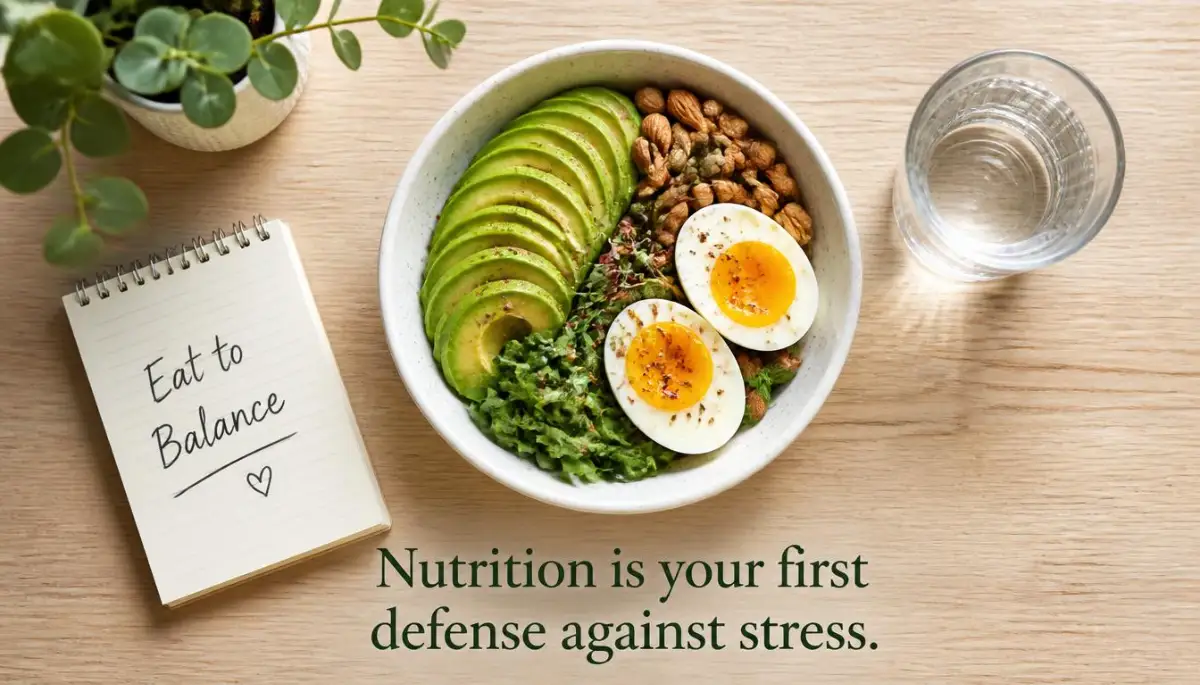
- Eat Protein First: Swap the sugary toast for eggs or nuts to stop the afternoon crash.
- Digital Sunset: Turn off screens 60 minutes before bed to let your brain actually rest."
Maybe you feel a sudden crash in the afternoon where you can barely keep your eyes open. These aren't just signs of getting older; they are signs that your stress system is broken.
When we stay stressed for too long, our bodies stop listening to the "relax" signal. This leads to high blood pressure, poor sleep, and a constant feeling of being overwhelmed.
It feels like you are running a marathon while sitting at your desk. Your mental peace disappears, and even small tasks feel like climbing a mountain.
I felt like I was losing myself in a sea of anxiety and fatigue. I knew I had to find a way to fix this without relying on pills or expensive "quick fixes."
How to Reset Your Internal Clock for Better Balance
The first thing I had to fix was how I started my day. Most people grab their phone the second they wake up, which sends a spike of stress straight to the brain.
Instead of looking at a screen, I started looking at the sky. Getting natural light in your eyes within the first thirty minutes of waking up is a total game-changer.
The Magic of Early Morning Sunlight
Morning light tells your brain to stop producing melatonin and start a healthy cortisol pulse. This pulse is actually good because it gives you energy for the day.
When you skip this, your body gets confused about what time it is. This makes your cortisol stay high late into the evening when it should be dropping.

I try to go outside for at least ten minutes every single morning. Even if it is cloudy, the natural light is much stronger than any bulb in your house.
This simple habit helps set your "circadian rhythm." It is like hitting the reset button on a computer that has been running too long.
Watch this video to understand how your morning routine changes your brain chemistry:
Delaying Your First Cup of Caffeine
This was the hardest change for me to make, but it had the biggest impact. I used to drink coffee the second I got out of bed.
I learned that our cortisol is naturally highest right when we wake up. Adding caffeine on top of that peak is like throwing gasoline on a fire.
It leads to a massive crash later in the day and makes you feel even more anxious. Now, I wait at least 90 minutes before having my first sip of coffee.
This allows my body to wake up naturally using its own hormones.
Here is a quick look at why timing your first cup matters so much:
Pro Tip: I found that drinking a large glass of water with a pinch of sea salt before my coffee made me feel much more stable.
Eating to Calm Your Nervous System
What you put in your body tells your nervous system if you are safe or in danger. When we skip meals or eat too much sugar, our cortisol levels spike to stabilize our blood sugar.
The Power of Protein-Packed Breakfasts
I stopped eating sugary cereals or just having a piece of toast. These high-carb meals caused my blood sugar to roller-coaster all day long.
Now, I focus on eating protein and healthy fats for my first meal. Think of eggs, avocado, or even a handful of nuts.
This keeps my energy steady and prevents those "hangry" moments. When your blood sugar is stable, your brain doesn't feel the need to pump out stress hormones.
It sends a signal to your body that food is plenty and there is no "famine" or emergency. This allows your nervous system to stay in a "rest and digest" state.
Don't Forget Your Minerals
I discovered that stress actually burns through certain nutrients in our body. Magnesium is one of the first things to go when we are under pressure.
Magnesium helps your muscles relax and supports your adrenal glands. I started eating more pumpkin seeds, leafy greens, and dark chocolate to get more of it.
Without enough magnesium, your body stays "tight." You might notice you clench your jaw or have tight shoulders throughout the day.
Adding these small food changes made me feel like I was finally giving my body the tools it needed to stay calm.
Mastering the Art of "Micro-Breaks"
We often think we need a week-long vacation to recover from stress. But the body responds much better to small, frequent moments of peace.
Using Your Breath as a Remote Control
Your breath is the only part of your nervous system you can control. By changing how you breathe, you can manually turn off your stress response.
I started practicing a simple technique called "Box Breathing." You breathe in for four seconds, hold for four, exhale for four, and hold for four.
I do this for just two minutes while sitting in my car or waiting for a meeting to start. It feels like a wave of calm washing over my chest.
It’s a physical signal to your brain that you are not being chased by a predator. It slows your heart rate and brings your cortisol down almost instantly.
Walking Without Distractions
I used to go for walks while listening to loud podcasts or checking my emails. This didn't help me relax at all; it just kept my brain busy.
Now, I try to take a "silent walk" for at least fifteen minutes a day. I leave my phone at home or keep it in my pocket on silent.
I pay attention to the sound of my feet, the wind, and the birds. This type of "mindful movement" lowers stress hormones much better than a high-intensity workout.
If you are already stressed, doing a very hard gym session can actually raise your cortisol even higher. Sometimes, less is more when you are trying to heal.
My Personal 'Emergency Calm' Checklist
If you feel a panic spike coming on right now, try this:
- The Cold Water Trick: Splash freezing water on your face. It hits the 'reset' button on your nerves.
- Hum a Song: Seriously. Humming vibrates your throat and tells your brain you are safe.
- The 5-5-5 Rule: Look around. Name 5 things you see, 5 things you hear, and 5 things you can touch. It pulls you out of your head and back into the room.
The Importance of an Evening Wind-Down
How you end your day determines how you will feel the next morning. If you watch stressful news or scroll social media before bed, your cortisol will stay elevated.
Creating a Digital Sunset
I started a habit called a "Digital Sunset." One hour before I want to sleep, I turn off all bright screens.
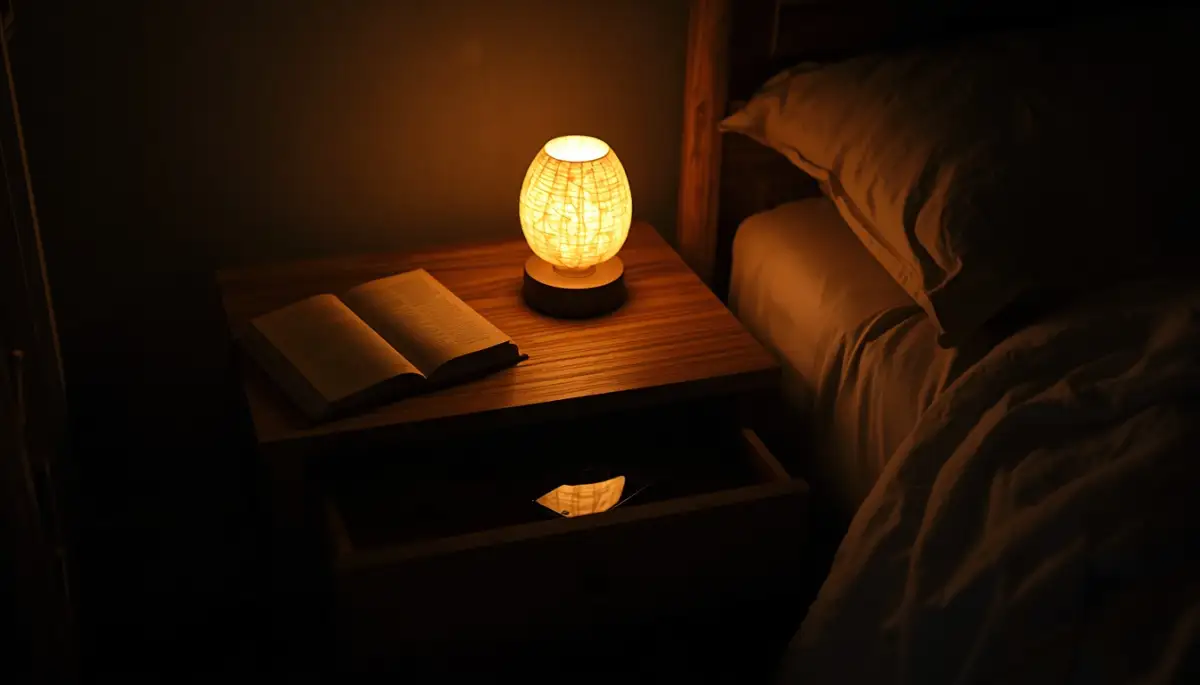
The blue light from phones mimics sunlight and tricks your brain into thinking it is daytime. This blocks the release of melatonin and keeps cortisol high.
Instead of scrolling, I read a physical book or do some light stretching. This prepares my body for deep, restorative sleep.
Sleep is when your body clears out the "trash" from your brain and resets your hormone levels. If you don't sleep, you can't regulate cortisol.
Writing Down Your Worries
My mind used to go into overdrive the moment my head hit the pillow. I would think about everything I didn't get done that day.
I started keeping a notebook by my bed to do a "brain dump." I write down three things I am worried about and three things I need to do tomorrow.
Once it is on paper, my brain feels like it has permission to let go. It stops looping the same thoughts over and over again.
This small habit reduced my nighttime anxiety by about 70%. It is a simple way to tell your mind that the day is over and it is safe to rest.
Building Long-Term Resilience
Regulating your cortisol isn't about doing one thing perfectly. It is about the small things you do every single day.
It is about choosing a walk over a screen, or water over a third cup of coffee. These choices add up over time.
I didn't see results overnight. It took a few weeks of being consistent before I noticed I wasn't waking up at 3 AM anymore.
My energy started to return, and my mood became much more stable. I felt like I was back in the driver's seat of my own life.
Connecting with Others
We are social creatures, and isolation is a huge stressor for the human body. Spending time with a friend or a pet releases oxytocin.
Oxytocin is often called the "cuddle hormone," and it is the natural enemy of cortisol. When oxytocin goes up, cortisol naturally goes down.
I make it a point to have a real conversation with someone I care about every day. It reminds me that I am part of a community and that I don't have to carry everything alone.
Even a quick phone call or a walk with a neighbor can change your entire hormonal state. Don't underestimate the power of human connection in your healing journey.
Learning to Say No
A big reason for my chronic stress was that I said "yes" to everything. I was trying to please everyone except myself.
I had to learn that every time I say "yes" to something I don't want to do, I am saying "no" to my own health.
Setting boundaries is a form of self-care. It protects your time and your energy, which keeps your stress levels under control.
I started small by saying no to one thing a week. It felt uncomfortable at first, but the relief I felt afterward was worth it.
Final Thoughts on Natural Balance
Living with chronic stress is like carrying a heavy backpack everywhere you go. You get used to the weight, but it is still wearing you down.
By using these daily habits, you can finally put that backpack down. You can teach your body how to feel safe and calm again.
It doesn't require expensive gadgets or complicated diets. It just requires you to listen to what your body actually needs.
Start with one habit today. Maybe it’s the morning sun, or maybe it’s the delayed coffee. Whatever it is, be kind to yourself as you make these changes.
Your health is the most important thing you own. Taking the time to regulate your cortisol is the best gift you can give yourself.
I am still on this journey, and some days are better than others. But I no longer feel like a victim of my own stress. I have the tools to handle it, and you do too.
Going Deeper: Master-Level Ways to Cool Down Your Stress
Now that we have covered the basic morning and evening habits, I want to share some deeper secrets. These are the things that helped me move from just surviving to actually thriving.
One of the most powerful things I discovered was the role of the Vagus nerve. This is a long nerve that runs from your brain down to your gut.
It acts like a physical "off switch" for your stress response. When you learn how to tone this nerve, your body becomes much better at handling pressure.
I found that simple things like singing loudly in the car or splashing cold water on my face helped a lot. These sounds and sensations trigger the nerve to tell your heart to slow down.
Research from high-quality sources like the National Institutes of Health (NIH) shows that stimulating this nerve can reduce anxiety significantly. It is like training a muscle that helps you stay calm when life gets messy.
The Surprising Role of Cold Exposure
I used to hate cold water, but I started taking a thirty-second cold blast at the end of my warm shower. It felt like a shock at first, but then something amazing happened.
My brain felt incredibly sharp, and my body felt relaxed for hours afterward. This happens because the cold "resets" your nervous system.
It teaches your body how to handle a small amount of physical stress without panicking. Over time, this makes you more resilient to the mental stress you face at work or at home.
I noticed that when I did this regularly, I didn't get as overwhelmed by small problems anymore. I felt like I had a "buffer" between me and the world.
Managing Your Social Circle and Communication
We often forget that the people around us have a huge impact on our cortisol levels. If you are always around people who are venting or complaining, your brain picks up on that stress.
I had to learn how to change the way I interact with others. I started practicing active listening hacks for professionals to keep my conversations more peaceful.
When you listen more and react less, you don't get caught up in other people's drama. This keeps your own internal alarm system from going off unnecessarily.
I also realized that keeping my social boundaries firm was a life-saver. You don't have to attend every event or answer every text message immediately.
Understanding the Cortisol and Blood Sugar Link
Most people think cortisol is just about "feelings," but it is deeply tied to your physical health. When your blood sugar drops too low, your body sees it as an emergency.
It pumps out cortisol to help release stored sugar into your blood. This is why you might feel shaky or anxious if you haven't eaten in several hours.
I started paying more attention to the subtle signs of prediabetes to make sure my metabolism was healthy. High cortisol and high blood sugar usually go hand in hand.
Keeping your meals balanced with fiber and protein stops these spikes and crashes. When your body feels physically safe and fed, it doesn't need to keep stress hormones high.
The Silent Traps That Keep Your Stress High
Even when we try our best, we often fall into traps that keep our bodies in "fight or flight" mode. These are the mistakes I made for years without even knowing it.
One of the biggest mistakes is trying to "push through" burnout. I used to think that working harder was the answer to feeling stressed, but it only made it worse.
If you are a student or a professional, check out these real recovery strategies for burnout. You cannot solve a stress problem by adding more stress.
The Danger of High-Intensity Workouts When Exhausted
I used to go to the gym and do heavy lifting or sprinting when I was already feeling wiped out. I thought I was being healthy, but I was actually hurting myself.
When you are chronically stressed, your cortisol is already high. Adding a very intense workout can push your body over the edge.
It leads to more inflammation and makes it harder for your body to recover. I learned to switch to yoga or slow walking on my most stressful days.
Listen to your body instead of a fitness tracker. If you feel like you are dragging your feet, a nap might be more beneficial than a run.
Using "Fake" Relaxation Techniques
We often think that sitting on the couch and scrolling through social media is "relaxing." But for your brain, this is a very high-energy activity.
The constant flickering of images and the "outrage culture" on the internet keep your brain alert. It doesn't allow your nervous system to truly rest.
I found that I felt more tired after an hour of scrolling than I did after an hour of work. True relaxation should feel quiet and simple.
Try doing something with your hands, like gardening or cooking a meal. This helps ground you in the physical world and lowers your mental load.
Ignoring the Physical Impact of Sedentary Habits
If you spend your whole day sitting at a desk, your body starts to feel "stuck." This lack of movement is a form of physical stress.
I was surprised to learn about how sitting for six hours affects your veins. Poor circulation makes it harder for your body to clear out stress hormones.
When you sit too long, your breathing also becomes shallow. This tells your brain that you are in a state of worry or fear.
I started setting a timer to stand up and stretch every forty-five minutes. This small change helped my physical body feel much more relaxed throughout the day.
Relying Too Much on Supplements
It is very tempting to buy a bottle of pills that promises to "fix" your cortisol. While some herbs like Ashwagandha can help, they are not a magic cure.
If you are still drinking five coffees and sleeping four hours, no supplement will save you. You have to fix the foundation of your life first.
I spent so much money on expensive vitamins before I realized that sleep and sunlight were free. Supplements should be the last thing you add, not the first.
Always talk to a professional before starting new things, especially if you have other health issues. For more info on managing a busy lifestyle, see the survival guide for working students.
Your Path Forward to a Calmer Life
The journey to balancing your hormones is not a straight line. You will have days where everything feels perfect and days where you feel overwhelmed again.
The goal is not to be "stress-free" because that is impossible. The goal is to build a body that can handle stress and then return to a calm state quickly.
I want you to think of your stress levels like a bucket of water. Every stressor adds a little more water to the bucket.
If you don't have ways to "drain" the bucket, it will eventually overflow. These daily habits are the holes you poke in the bottom of the bucket to keep it from getting too full.
Creating Your Own "Stress Toolkit"
I recommend picking three things from this article that you can do easily. Don't try to change your whole life in one day.
Maybe you start by waiting an hour for coffee, taking a short walk, and using a "digital sunset." Once those feel natural, you can add more.
I found that writing my progress in a journal helped me see how far I had come. It gave me the motivation to keep going even when I felt tired.
Remember that your body wants to be in balance. It is always working to keep you healthy, and it just needs a little bit of help from you.
Learning to Value Your Peace
The most important shift I made was deciding that my mental health was more important than my productivity. We live in a world that praises "hustle," but hustle can kill your joy.
It is okay to be slow. It is okay to say no to extra work if it means you get to sleep well tonight.
When I started valuing my peace, my whole life changed. I became a better friend, a better worker, and a happier person.
You deserve to live a life where you don't feel like you are constantly on the edge of a breakdown. It takes time, but it is the most rewarding work you will ever do.
I believe that anyone can lower their stress levels by making these small, intentional choices. Your future self will thank you for the effort you put in today.
I used to think I would be stressed forever, but I was wrong. I found my way back to calm, and I know that you can find yours too.
Please don't wait for a "perfect time" to start. The best time to take care of yourself is right now, in the middle of the mess.
Every small step you take is a win for your health and your future. I am cheering for you as you start this new chapter of balance and peace.
Common Questions About Lowering Cortisol
How long does it take to see a difference in my stress levels?
Most people start to feel a shift within the first week of being consistent with their habits. However, it usually takes about three to four weeks for your body to fully reset its hormone cycle and for you to notice a major change in your energy and sleep.
Can I still drink coffee if I have high cortisol?
Yes, you don't have to give up coffee forever. The trick is to avoid drinking it on an empty stomach and to wait at least ninety minutes after waking up. This prevents the caffeine from interfering with your natural morning cortisol peak.
Is it possible to exercise too much when I am stressed?
Absolutely. If you are dealing with chronic stress, very long and intense workouts can keep your cortisol levels high for too long. It is often better to focus on walking, swimming, or yoga until your body feels more balanced and rested.
What is the best way to stop my mind from racing at night?
A "brain dump" is one of the most effective tools. Spending five minutes writing down every worry or task on your mind before bed helps your brain let go. Combine this with a "digital sunset" to give your nervous system the best chance to relax.
A Personal Note from Me:
I know how heavy life can feel when you are constantly stressed and tired. But I want you to know that you have more power over your body than you think. Start with just one small habit today, and watch how your life begins to change for the better.
Disclaimer: This information is for educational purposes only and is not intended as medical advice. Always consult with a healthcare professional before making changes to your diet, exercise routine, or health habits, especially if you have an existing medical condition.