
The Silent Grind: When Your Day Job Meets Your Night Classes
I still remember the night I almost threw my laptop across the room. It was nearly midnight, and I had a ten-page essay due the next morning. My head was throbbing from a long eight-hour shift at my day job.
I sat there staring at the blinking cursor, feeling completely defeated. That was the moment I realized my dream of getting a degree while working full-time was going to be a massive battle. I had no idea how I would survive the semester without losing my sanity.
Many of us are living this exact reality every single day. You wake up early, rush to work, put in a hard day's labor, and then immediately switch your brain to academic mode. There is no break, no time to breathe, and no moment to just sit and relax.
Your mind is constantly racing with thoughts of work deadlines and upcoming college exams. This endless cycle takes a heavy toll on your mental health and peace of mind.
You start missing family dinners, skipping workouts, and surviving on cheap fast food. Your friends stop inviting you out because they already know your answer is always, "I have to study."
The constant pressure feels like an invisible weight pressing down on your chest. You feel guilty when you are at work because you should be studying, and you feel guilty when you study because you are too tired to perform well at work.
It feels like you are performing poorly in every single area of your life. This emotional drain is often worse than the physical tiredness itself.
You lay in bed at night, staring at the ceiling, wondering if all this sacrifice is even worth it. Your sleep is constantly interrupted by stress dreams about missed assignments or angry bosses.
The joy of learning fades away, replaced by a desperate daily race against the clock. If you feel this way, please know that you are not alone in this struggle.
Thousands of working students feel this exact same pressure every single semester. The good news is that you do not have to live in a state of constant survival.
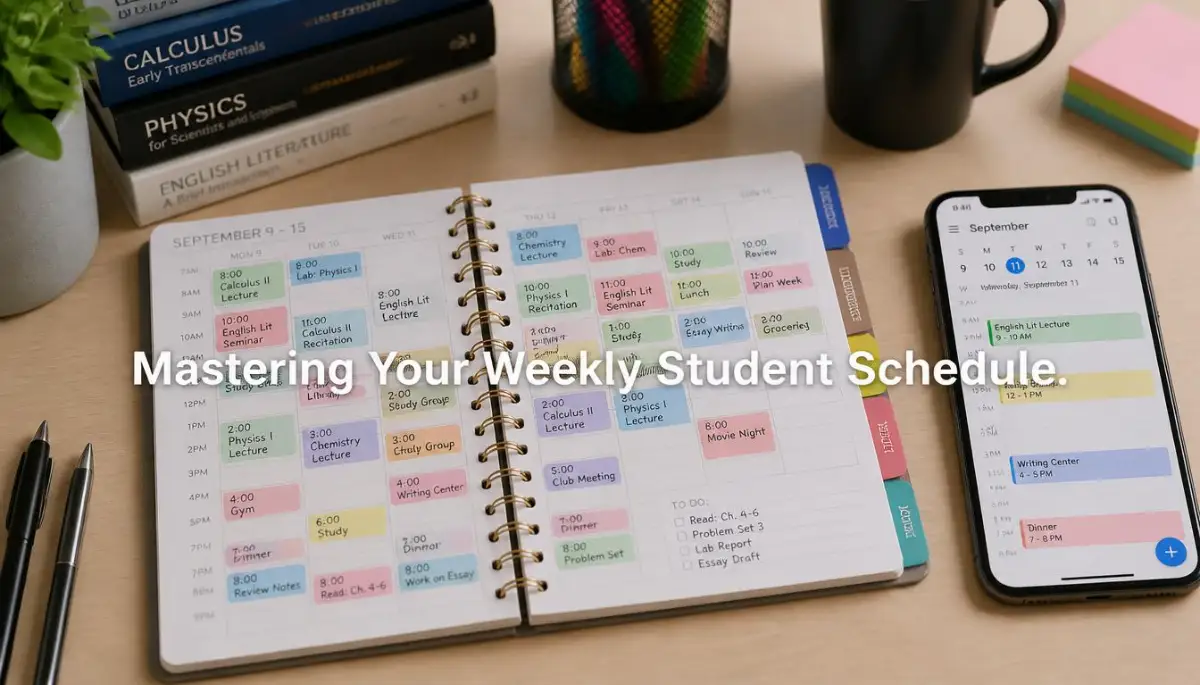
Redesigning Your Daily Routine: The Ultimate Guide
To make this journey work, you have to stop trying to be a superhero. You cannot simply squeeze college classes into your current lifestyle without making smart adjustments.
Instead, you need a realistic plan that protects your energy and keeps your stress levels low. Let us explore the most effective, research-backed ways to handle both worlds successfully.
Master the Calendar: The Power of Time Blocking
Most students fail to balance their schedules because they rely on mental to-do lists. Your brain is great for processing ideas, but it is a terrible place to store your schedule.
Time blocking is a highly effective method where you divide your day into specific blocks of time. Each block is dedicated to one task, and only that task, whether it is working, studying, or resting. When you look at your day this way, you remove the stress of deciding what to do next. You know exactly when it is time to work and when it is time to close the books.
This structure also prevents cognitive switching costs, which happen when you jump quickly between work tasks and study assignments. Focusing on one thing at a time actually saves your brain energy.
Honest Conversations: Talking to Bosses and Professors
You do not have to carry this heavy burden in complete secrecy. One of the biggest mistakes working students make is keeping their struggles to themselves.
Speak with your manager at work and explain that you are taking classes to grow your skills. Many employers respect self-improvement and may offer you flexible hours or remote work options.
At the same time, send a polite email to your college professors at the start of the semester. Let them know you work full-time so they understand your unique situation.
If an emergency happens at your job, a professor who already knows your story is much more likely to grant you an extension. Building this professional bridge early can save you from massive stress later on.
Want to see these time management tips in action? Watch this helpful breakdown of how working students schedule their busy weeks to stay productive.
Energy Over Hours: Why Your Battery Matters More Than Your Clock
Time is not your only limited resource; your daily physical energy is just as precious. You can have five open hours in your evening, but they are useless if you are too exhausted to read a single page.
Managing your energy means paying close attention to your body's natural rhythms. Some people are highly alert in the early morning, while others focus better late at night.
Schedule your hardest study sessions during your peak energy hours. If you are a morning person, wake up one hour early to study before heading to your job.
If you are a night owl, use your evenings for deep reading and save minor tasks for your lunch break.
Pro Tip: Early in my college journey, I tried to study for four hours straight every Saturday. I quickly realized my brain stopped absorbing anything after the first hour. Now, I study in small, highly focused thirty-minute blocks throughout the week, which keeps my mind sharp and stress-free.
Additionally, pay close attention to your physical health by eating nutritious meals and getting consistent sleep. Skipping sleep to study is a trap that leads to poor memory and low concentration.
Your brain needs rest to transfer the information you learned into your long-term memory. A well-rested brain can finish an assignment in half the time it takes an exhausted brain.
Active Study Habits: Learning Fast on a Tight Schedule
When you have limited time, you cannot afford to study inefficiently. Rereading textbooks and highlighting sentences are passive study habits that take up hours with very little reward.
Instead, you should practice active recall, which forces your brain to retrieve information from memory. Try to explain a concept out loud in your own words without looking at your notes.
You can also use digital flashcards during short gaps in your day, like during your daily commute or while waiting in line.
These small five-minute study sessions add up to hours of productive learning by the end of the week. This approach keeps the material fresh in your mind without requiring long study marathons.
The Art of Saying No: Protecting Your Boundaries
To successfully manage a job and college classes, you must accept that you cannot do everything. This is a temporary season of sacrifice, and your time is incredibly limited.
You will have to say no to extra projects at work that do not align with your immediate goals. You will also have to turn down some social invitations from friends and family.
Explain your goals clearly to your loved ones so they can support your journey. True friends will understand your absence and celebrate your determination to improve your life.
Set firm boundaries around your study times and your rest times to avoid burning out. Remember that saying no to temporary distractions means saying yes to your long-term future.
Myth vs. Reality of Working Students
Let us look at some common misunderstandings about managing this dual lifestyle so you can set realistic expectations.
Understanding these differences helps you avoid setting impossible standards for yourself. You do not need to be perfect; you just need to be consistent and organized.
Use Digital Tools to Save Time
Technology can be a wonderful assistant when you are trying to stay organized. Use calendar applications to set loud reminders for homework deadlines and exam dates.
Cloud storage services are also incredibly useful for working students. By saving your essays and study notes online, you can access them from any device.
This means you can read your lecture notes on your work computer during a quiet lunch break. You can also edit your assignments on your phone while waiting for an appointment.
Using these digital tools allows you to turn lost minutes into valuable study opportunities throughout your day.
Creating a Dedicated Study Environment
Trying to study in a messy bedroom or on a comfortable couch is a recipe for distraction. Your brain associates your bed with sleep, making it very difficult to stay awake and focused.
Set up a specific, clean desk area in your home that is used only for your college work. Keep this space free from clutter, and put your smartphone in another room while studying.
If your home is too noisy, consider spending a few hours at a local library or a quiet coffee shop.
A peaceful environment helps you get into a state of deep focus much faster. When you minimize distractions, you can get two hours of study work done in just one hour.
Celebrate the Small Wins
This journey is a long marathon, and it is easy to get discouraged along the way. You might look at your degree requirements and feel overwhelmed by how much work is left.
To keep your motivation high, make an effort to celebrate your small achievements. Pat yourself on the back when you finish a difficult week of exams or submit a major project on time.
Treat yourself to a favorite meal, watch a movie, or spend an evening relaxing with loved ones as a reward.
These small celebrations remind you that you are making real progress toward your big goal. Every single class you pass brings you one step closer to the life you want to build.
High-Performance Habits for Busy Working Students
Managing a job while taking classes requires more than just a basic calendar. If you want to keep your grades high without losing your mind, you need to use some advanced productivity methods.
Many successful working students do not actually study longer hours than anyone else. Instead, they use smart psychological strategies that help them learn much faster with less mental effort.
One of the most powerful habits you can develop is called micro-learning. This means breaking down large, scary study tasks into tiny, five-minute actions that you can do anywhere.
For example, instead of trying to read an entire textbook chapter during your break, focus on reading just two pages. You can also review three digital flashcards while waiting for your morning coffee to brew.
These tiny moments of learning add up quickly over a week, saving you from stressful study sessions on your weekends. It also keeps your brain active and prevents you from forgetting key concepts before your exams.
Another useful secret is to align your study topics with your actual job tasks whenever possible. If you are taking a business class and work in an office, try to apply your classroom lessons to your daily work projects.
This practical connection makes the academic material much easier to understand and remember. Research shows that trends among working college students are changing, with more people using their workplaces as real-world learning laboratories.
You should also practice the habit of doing a weekly time audit to see where your hours are actually going. Spend a few minutes every Sunday tracking how much time you spent on social media, watching television, or procrastinating.
You might be surprised to find that you have several hidden hours of free time scattered throughout your week. By reclaiming this lost time, you can easily create a stress-free schedule without giving up your favorite hobbies.
If your daily routine is feeling too heavy, it might also be helpful to learn some smart budgeting methods to manage your finances. Sometimes, reducing your work hours by just a small amount can give you the breathing room you need to pass a difficult class.
Even if you are not self-employed, learning how to handle your money can reduce the pressure to work excessive overtime hours. This financial peace of mind directly supports your academic performance by lowering your daily stress.
Additionally, you can use your professional skills to make your college life much easier. For example, practicing active listening hacks during your team meetings at work can help you pay better attention during your college lectures.
When you train your brain to listen actively, you will remember more information right from the start. This means you will spend less time studying the material later on because you already understood it the first time.
If you are thinking about changing your career path during your studies, make sure to plan your moves very carefully. For instance, knowing how to handle a job change during mortgage applications is highly important if you are trying to buy a home while studying.
Keeping your life stable outside of school is a key part of maintaining your focus inside the classroom. When you secure your personal life, you can focus all your mental energy on your professional and academic growth.

The Dangerous Traps That Can Quietly Ruin Your Progress
While building positive habits is important, you must also be aware of the common mistakes that can ruin your hard work. Many ambitious students fall into these traps without even realizing they are hurting themselves.
The biggest mistake is trying to survive on the "weekend catch-up" method. This is where you do absolutely no schoolwork from Monday to Friday, and then try to study for fifteen hours straight on Sunday.
This approach is highly stressful and incredibly bad for your brain. Your mind cannot process that much information in a single day, leading to poor memory retention and massive mental exhaustion.
You will likely end up staring at your books in frustration, unable to understand simple concepts because your brain is simply too tired. To prevent this, spread your study sessions evenly throughout the week, even if it is just twenty minutes a day.
Another dangerous trap is hiding your academic struggles from your family and friends. When you try to look like you have everything under control, you end up carrying a heavy emotional burden all by yourself.
This isolation can quickly lead to severe exhaustion, anxiety, and a complete lack of motivation to continue. If you feel yourself slipping into this dark place, look into overcoming college burnout to find healthy ways to recover your energy.
Remember that asking for help is a sign of strength, not weakness, and your loved ones want to support you. You should also make sure you are managing daily stress levels by taking regular breaks away from both work and study.
If you do not schedule regular downtime, your body will eventually force you to stop by getting sick. Your mental health is far more important than any grade or job promotion, so please treat it with the care it deserves.
Lastly, do not make the mistake of sacrificing your sleep to buy more study time. Many students stay up until 3:00 AM studying, only to wake up for work at 6:00 AM.
This habit ruins your cognitive functions, makes you irritable, and increases your chances of making mistakes at your day job. Prioritizing getting enough restful sleep is the single best thing you can do to keep your brain performing at its peak level.
If you are a home-based worker, you might also want to explore smart tax deductions to save some extra money. Reducing your financial stress is a wonderful way to free up mental energy for your college classes.
When you avoid these common pitfalls, you create a safe, sustainable routine that allows you to succeed in both areas of your life. Protecting your physical and mental health is the true secret to finishing your degree successfully.
Your Action Plan for Long-Term Academic and Career Success
Balancing a job and college classes is certainly a difficult mountain to climb, but the view from the top is incredibly rewarding. You are not just earning a degree; you are also building immense mental strength, discipline, and time-management skills.
These personal qualities will make you highly attractive to top employers once you finish your education. You are proving to the world that you have the drive and determination to handle major responsibilities successfully.
To help you stay on track, let us look at a simple daily checklist you can use to maintain your daily balance.
- Check your calendar every morning so you know exactly when your study blocks will happen.
- Study for at least twenty minutes during your highest energy periods of the day.
- Keep your study desk completely clean and free from your smartphone or other distractions.
- Drink plenty of water and eat healthy meals to keep your physical energy high.
- Spend at least fifteen minutes relaxing before bed to help your brain unwind.
By following this simple plan, you will find that managing your dual lifestyle becomes a natural, stress-free part of your day. You do not need to be a perfect student to achieve your goals; you just need to keep moving forward, one small step at a time.
Keep your eyes on the big picture, and remember why you started this journey in the first place. Your future self will thank you for the hard work and dedication you are showing today.
I remember when I wanted to give up on my own dreams because the pressure felt too heavy to carry. But once I started organizing my time and protecting my energy, everything clicked into place, and I finally found my balance.
You have the power to do the exact same thing in your own life starting today, so take a deep breath and take that first small step forward.
Common Questions About Managing Work and Study
Is it possible to work 40 hours a week and take college classes?
Yes, it is entirely possible if you use a strict schedule and choose a realistic course load. Many working students find success by taking only two classes per semester so they do not burn out. The key is to manage your energy and use active study habits to save time.
How do I talk to my boss about my college schedule?
Schedule a private meeting with your manager and explain how your classes will help you grow professionally. Be honest about your schedule needs and offer flexible solutions, like adjusting your start times or working remotely. Most employers appreciate workers who seek self-improvement and will happily support your goals.
What should I do if I start falling behind in my classes?
The moment you feel overwhelmed, send a polite email to your professor to explain your situation. Do not wait until the end of the semester to ask for help or study extensions. Your professors want you to succeed and can often help you create a plan to catch up on missed assignments.
How can I study effectively when I am completely exhausted?
If you are too tired to focus, it is actually better to sleep rather than force yourself to study. An exhausted brain cannot retain information, meaning your study time will be completely wasted. To maximize your results, always prioritize benefits of active learning during your peak daylight hours when your mind is fresh.
Disclaimer: The information provided in this article is for educational and motivational purposes only. I am not a professional academic advisor or a licensed counselor. Please consult with your college advising office and professional mentors to create a study plan that fits your unique academic needs and career goals.