The Heavy Legs and Cold Feet: My Daily Struggle with the Desk Chair
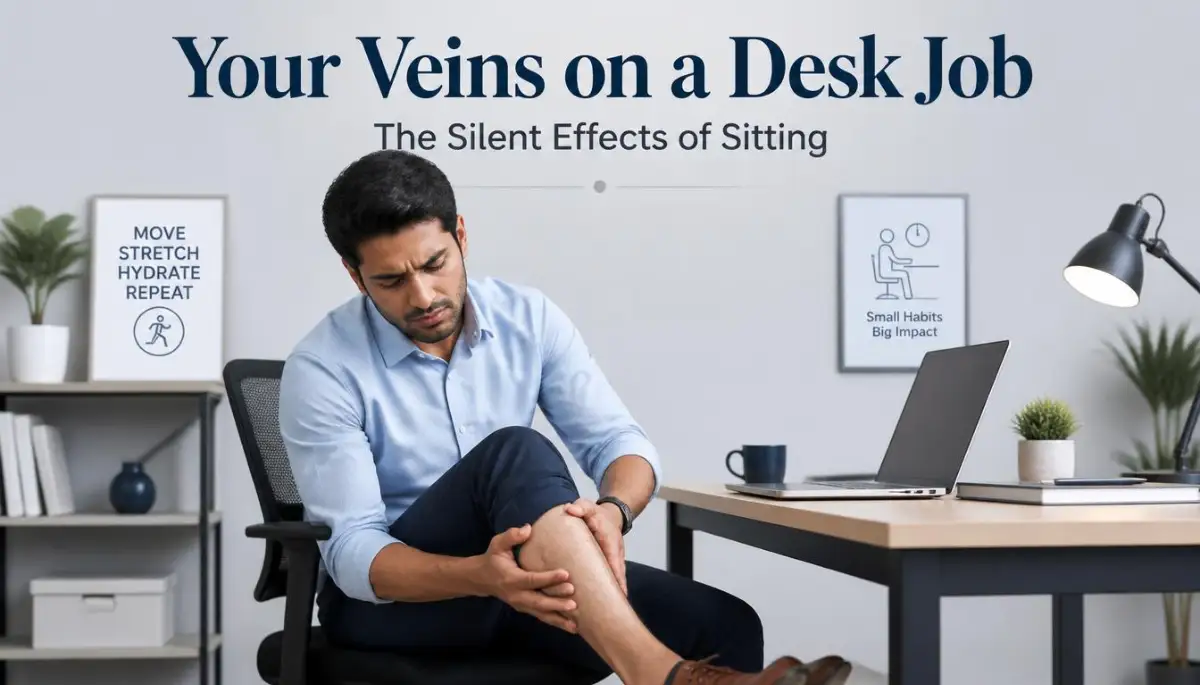
I remember the exact moment my body decided to scream for help. It was a quiet Tuesday evening, and I had been sitting at my wooden desk for nearly seven hours straight. When I finally stood up to grab a glass of water, my legs felt like heavy sacks of wet sand.
A sharp, tingling sensation shot up my left calf, and I had to hold onto the wall to keep my balance. My feet were ice-cold, even though the room was perfectly warm. That was the day I realized my desk job was quietly changing my body from the inside out.
Like many of you, I used to think that sitting was just a harmless way to get work done. We focus on our computer screens, reply to endless emails, and ignore the quiet protests of our muscles. But our bodies are built for movement, and staying still for hours comes with a hidden cost. Many desk workers struggle with this same heavy, sluggish feeling every single day. You might notice that your shoes feel tight by the end of the afternoon. Or perhaps you experience a dull ache in your thighs that simply will not go away.
This is not just simple fatigue; it is your vascular system struggling to do its job. When we do not move, our blood struggles to fight gravity to get back up to our hearts. Over time, this constant strain can drain our physical energy and create real anxiety about our long-term health.
We worry about deep vein issues, permanent swelling, or losing our natural mobility as we get older. The mental load of feeling "unhealthy" while trying to be productive is a silent battle that millions of us face. Let us look closely at what actually happens inside our blood vessels during those long, quiet hours of sitting.
The Science of Sluggish Blood: What Happens Inside Your Veins
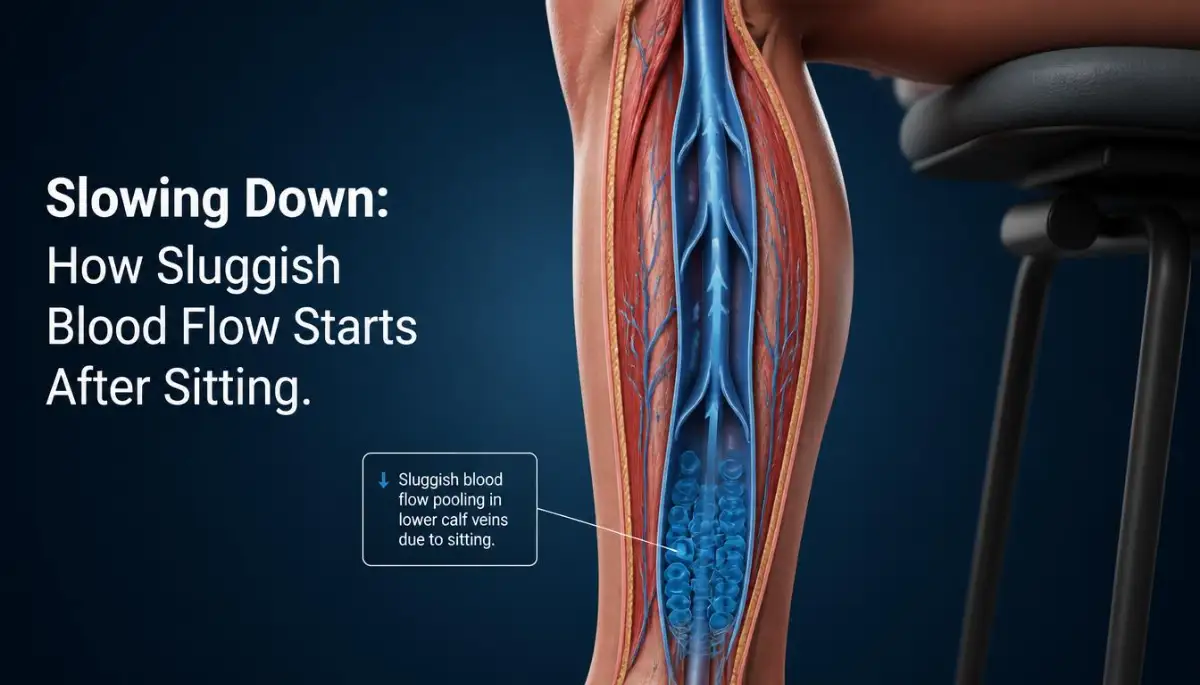
When you sit down, your lower body goes into a state of deep rest. Your large leg muscles, which usually act as a secondary pump for your blood, completely turn off. Without these muscles contracting, your blood has a hard time traveling upward from your feet to your heart.
This leads to a process called venous pooling, where blood slowly collects in the small veins of your lower legs. The pressure inside these tiny vessels begins to rise after just one hour of stillness. By the time you reach the six-hour mark, your veins are stretched and under constant, silent stress.
The Slowdown of Nitric Oxide Production
Your blood vessels are lined with a highly sensitive layer of cells called the endothelium. This thin lining releases a special gas called nitric oxide, which helps your blood vessels relax and open up. When blood flows quickly, it creates friction that tells the lining to release more of this helpful gas.
But when you sit for six hours, your blood flow slows down to a gentle crawl. This lack of friction means your vessels stop producing enough nitric oxide. As a direct result, your arteries become temporarily stiff and narrow, making it much harder for your heart to pump blood.
The Sudden Rise in Fluid Retention
Have you ever wondered why your ankles look puffy after a long flight or a day at the office? When blood pools in your lower legs, the high pressure forces watery fluid out of your veins and into the nearby tissues. This common condition is known as peripheral edema.
This extra fluid is what causes that uncomfortable, tight feeling in your lower legs and feet. It makes your limbs feel heavy and can even cause your skin to look slightly shiny or dimpled. If you press your thumb into your ankle and it leaves a small dent, your body is holding onto too much fluid.
The Real Danger of Deep Vein Clots
While temporary swelling is annoying, the true danger of sitting lies deep within your muscle tissue. When blood sits still in your veins for hours, it can begin to form tiny, jelly-like clumps. In rare cases, these clumps can grow into a serious blood clot known as Deep Vein Thrombosis (DVT).
If a piece of this clot breaks free, it can travel through your bloodstream straight to your lungs, which is a medical emergency. While this does not happen to everyone, the risk increases the longer we remain completely still. Understanding this risk is the first step toward keeping our blood flowing smoothly.
Here is an educational video explaining how poor blood circulation affects your legs and simple ways to spot the early warning signs before they get worse.
Simple Habits to Keep Your Blood Flowing Daily
You do not need to quit your office job or buy an expensive treadmill desk to protect your veins. Small, consistent changes in your daily routine can make a massive difference in how your legs feel. Let us explore some easy, practical steps you can start using today to keep your vascular system happy.
Unleash the Power of the Calf Muscle Pump
Your calves are often called your "second heart" because of how they help your blood circulation. Every time you flex your calf muscles, they squeeze the deep veins in your legs and push blood back up to your heart. You can easily activate this natural pump while sitting right at your desk.
Try doing simple heel raises by keeping your toes on the floor and lifting your heels as high as possible. Repeat this twenty times every hour to keep the blood from pooling in your ankles. You can also do toe raises to stretch the back of your legs and keep your ankles flexible.
My Personal Realization: I used to set loud alarms to remind myself to stand up, but they always interrupted my work focus. Now, I simply do fifty quick heel raises under my desk every time I finish reading a long email, which keeps my feet warm and my mind focused.
The Simple Ten-Step Standing Rule
An excellent way to break up long periods of sitting is to practice the ten-step rule. Every thirty minutes, make it a habit to stand up and take at least ten steps in any direction. You could walk to the window, stretch your arms, or simply pace around your chair.
This brief moment of movement wakes up your nervous system and instantly resets the pressure inside your leg veins. It also gives your eyes a break from the screen and helps lower your mental fatigue. Think of it as a quick system reboot for both your mind and your blood vessels.
Hydrate Wisely to Keep Your Blood Thin
Staying hydrated is highly important for maintaining healthy blood flow throughout your entire body. When you do not drink enough water, your blood becomes slightly thicker and more difficult to pump. This extra thickness makes it even easier for blood to pool in your lower limbs when you sit.
Keep a reusable water bottle on your desk as a visual reminder to take small sips throughout the day. However, try not to drink huge amounts of water all at once, as this can strain your kidneys. Regular, small sips will keep your blood thin, your energy high, and your vascular system running smoothly.
Myth vs. Reality: The Truth About Sedentary Lifestyle
Many people believe that a hard workout at the gym can completely erase the damage of sitting all day. Unfortunately, scientific studies show that this is not entirely true. Let us look at some common myths about sitting and the actual reality behind them.
- Myth: "I run for thirty minutes every morning, so sitting for the rest of the day is perfectly fine for me."
- Reality: While morning exercise is wonderful, it does not prevent blood from pooling during the subsequent six hours of stillness. You still need to move throughout the day.
- Myth: "Sitting only hurts your back and neck; it does not affect your heart."
- Reality: Prolonged sitting stiffens your arteries, reduces nitric oxide, and can gradually increase your resting blood pressure over time.
- Myth: "You need to stand all day long to keep your veins healthy."
- Reality: Standing still for too long can also cause blood to pool in your legs. The true key to vascular health is frequent, gentle movement.
Easy Desk Stretches You Can Do in Under Two Minutes
To help you get started, here are three quick stretches that require zero equipment and can be done right at your desk. They are designed to open up your blood vessels and get your circulation moving in less than two minutes.
1. The Seated Glute Stretch
While sitting in your chair, cross your right ankle over your left knee to form a figure-four shape. Keep your spine straight and gently lean forward from your hips until you feel a deep stretch in your hip. Hold this position for twenty seconds, breathe deeply, and then switch to the other leg.
2. The Ankle Circle Reset
Lift your right foot off the floor and slowly rotate your ankle in a circle fifteen times clockwise. Then, reverse the direction and rotate it fifteen times counterclockwise before switching to your left foot. This simple movement helps release tension in your lower leg muscles and encourages pooled blood to move.
3. The Standing Quadricep Stretch
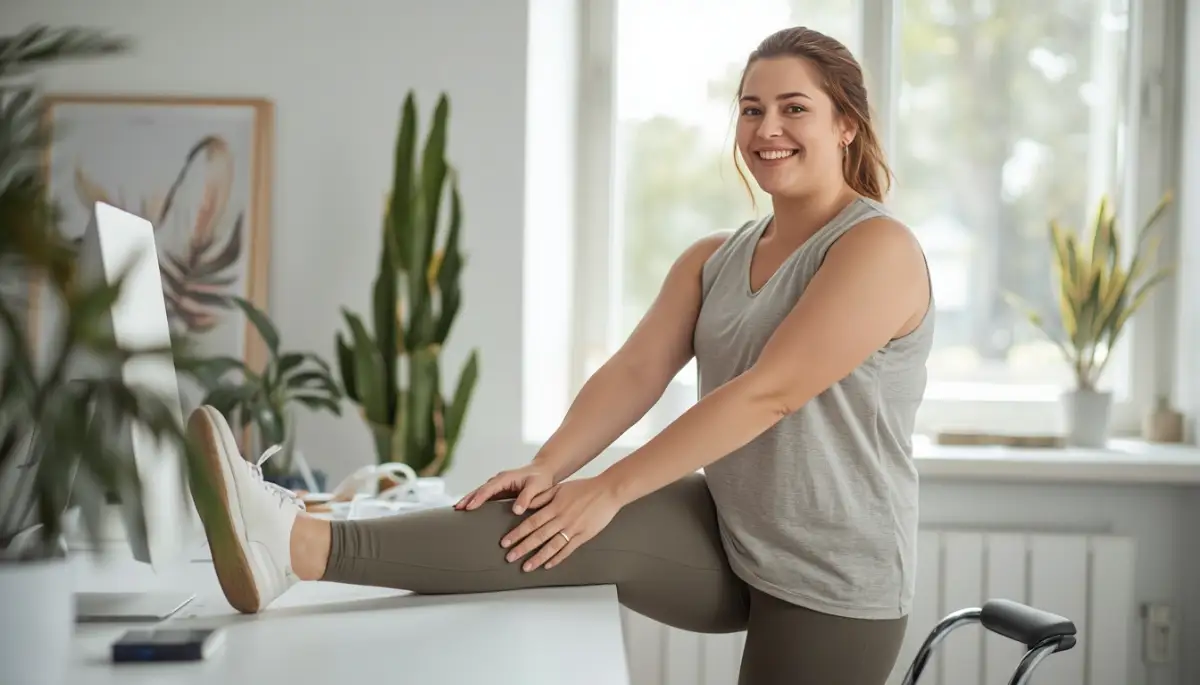
Stand up and hold onto the back of your office chair for balance with your left hand. Bend your right knee, reach back with your right hand, and gently pull your foot toward your glutes. Keep your knees close together and hold the stretch for fifteen seconds before repeating the process on your left side.
Reclaiming Your Energy and Protecting Your Veins
Taking care of your vascular system does not require giant lifestyle changes that disrupt your daily work. It is about building small, friendly habits that show respect to your body's natural design. By doing simple stretches, drinking water, and moving every hour, you can keep your veins strong and healthy.
Do not wait for your legs to feel heavy and swollen before you decide to take action. Start today by standing up for just one minute, taking a deep breath, and letting your blood flow freely. Your body will thank you with more energy, less pain, and a much healthier future.
Smart Strategies for Keeping Your Blood Moving Throughout a Long Workday
To keep your blood vessels healthy over many years, you need more than just simple standing breaks. You need to build a system that makes physical movement a natural part of your work environment.
High-achieving remote workers often struggle to separate their work hours from their physical rest. If you are trying to stay healthy while building your career, balancing your body's physical needs with your ambition is a continuous challenge. overcoming college burnout-real recovery-strategies-for-high-achievers offers great insights into managing daily physical exhaustion and regaining your natural energy.
One of the most effective tools for office workers is the use of dynamic sitting equipment. Sitting on an active balance disc or a stability ball forces your deep core and leg muscles to make tiny micro-adjustments.
These small, continuous movements prevent your blood from staying completely still in your lower legs. It also keeps your joints active without distracting you from your computer screen.
Another highly effective professional trick is using graduated compression socks. These specialized socks apply gentle pressure near your ankles and slowly relax as they go up your calf.
This pressure gradient helps push blood back up toward your heart, even when you cannot stand up. Many doctors and vascular specialists recommend compression wear for anyone who sits for more than four hours a day, according to comprehensive vascular safety guides on Mayo Clinic.
If you run your own business from home, investing in high-quality ergonomic gear like compression wear or standing desks can sometimes be written off as a business expense. When calculating your annual costs, looking into smart tax deductions for home-based solopreneurs can help you upgrade your home office setup without hurting your wallet.
In addition to special gear, you can use temperature therapy to wake up your blood vessels. At the end of a long workday, try splashing cold water on your lower legs for two minutes in the shower.
The sudden cold temperature causes your blood vessels to constrict quickly, which acts like a pump to push pooled fluids away from your ankles. This simple routine can quickly relieve the heavy, tired feeling in your calves before you go to sleep.
Try keeping a small under-desk pedal exerciser or a simple foot rest under your workspace. Moving your feet back and forth on a rocking footrest keeps your ankle joints active and improves circulation.
This continuous, low-effort movement is a highly effective way to keep your heart healthy without breaking a sweat during a busy work call. It protects your veins from the harmful effects of long-term stillness.
Another great strategy is turning standard phone calls into walking meetings. If you do not need to look at a screen, put on your headphones and walk around your office or living room while you talk.
You should also avoid tucking your feet backward under your office chair. This common position keeps your knees bent at an acute angle, which puts extra physical pressure on your blood vessels.
To support your blood vessels further, try eating foods that are high in natural potassium, like bananas or leafy greens. Potassium helps your kidneys flush out extra sodium, which naturally reduces fluid retention and leg puffiness.
You can also set a silent timer on your phone that vibrates gently every forty-five minutes. When it vibrates, take a deep breath and stretch your arms up toward the ceiling while flexing your toes.
Silent Habits That Stiffen Your Blood Vessels and Slow Down Recovery
Many people make the mistake of crossing their legs at the knees while working. While this posture feels comfortable, it puts direct pressure on the deep veins behind your knee joint.
This physical pressure acts like a kink in a garden hose, making it incredibly difficult for blood to flow back up your leg. Over time, this constant blockage can weaken the delicate valves inside your veins and lead to spider veins.
Another major mistake is ignoring the warning signs that your body sends you throughout the day. Cold toes, mild numbness, or a sudden crawling feeling in your calves are not just random annoyances.
These are early signals that your cardiovascular system is struggling to deliver oxygen to your feet. If you ignore these signs for months, you may develop chronic circulation issues that are much harder to treat.
Some remote workers believe they can solve all their health problems with one major lifestyle change. In reality, protecting your body is about making small, continuous adjustments to your daily habits.
Much like making simple household swaps to shrink your plastic footprint easily, saving your blood vessels requires making tiny, daily shifts rather than trying to fix everything overnight. Small adjustments, like changing your sitting posture or standing during phone calls, quickly add up to protect your veins.
Relying solely on a hard evening workout is another trap that many active people fall into. Your body needs consistent movement every single hour to keep your blood vessel walls flexible.
According to health studies published by Harvard Health, sitting still for six hours straight damages your vessel lining in ways that a quick run cannot completely fix. You must keep your body active throughout the entire workday to avoid permanent vascular stiffness.
This process of endothelial damage has been studied extensively in clinical trials on blood flow, such as those cataloged by the National Institutes of Health. The data shows that even short periods of standing can help reverse the temporary vessel damage caused by long-term stillness.
Finally, many desk workers wear tight clothing, such as restrictive jeans or tight waistbands, while sitting at their computers. This tight clothing compresses the major lymph nodes and blood vessels around your groin and waist.
This compression slows down your entire lymphatic system, which is responsible for draining extra fluids from your legs. Choosing loose, breathable clothing is a simple but overlooked way to keep your body feeling light and healthy.
Many office workers eat highly processed, salty lunches at their desks, like instant noodles or fast food. This high sodium intake causes your body to hold onto extra water, making the swelling in your ankles significantly worse by the end of the day.
Some people try to soothe their heavy legs with a very hot bath right after a long day of sitting. While a hot bath feels relaxing, high heat actually dilates your blood vessels and can cause more blood to pool in your lower limbs.
A major mistake is assuming that your veins are perfectly healthy just because you do not feel any pain yet. Vascular damage is a slow, silent process that develops over several years before showing major symptoms.
Similarly, drinking too much coffee without balancing it with fresh water is a common pitfall. Caffeine is a mild diuretic that can dehydrate your body, making your blood slightly thicker and more difficult to pump upward.
Your Daily Action Plan for Lighter Legs and Better Energy
Protecting your blood circulation does not have to be a complicated or stressful task. By simply paying attention to your posture and moving your feet, you can keep your body healthy and energized.
If you work on a computer all day, you can practice standing up while listening to others speak during virtual meetings. Using active listening hacks for professionals can help you stay deeply engaged in your work conversations while keeping your body upright and moving.
This combination of professional focus and gentle physical movement keeps your mind sharp and your blood flowing perfectly. It turns your normal working hours into an opportunity to build a healthier body.
For self-employed individuals, managing physical health can feel like an extra burden, especially when balancing work and personal finances. Learning about smart budgeting methods for self-employed pros with unstable income can help reduce your mental stress, which directly benefits your blood pressure and cardiovascular system.
When your mind is free from financial worry, your body is less likely to hold onto muscle tension and stress hormones that narrow your blood vessels. Taking control of both your physical habits and your lifestyle security is the ultimate way to live a balanced, healthy life.
To sum up, your veins are the quiet highways that keep your entire body alive and strong. Taking just two minutes every hour to stretch, shake out your legs, or drink water will keep those highways clear and fast.
I spent years feeling exhausted and dealing with heavy, aching legs before I finally decided to make these simple daily changes. My own health journey proved that you do not need to rewrite your entire life to feel better; you just need to start with one small step today. I highly encourage you to stand up right now, stretch your legs, and feel your body wake up.
Common Questions About Desk Jobs and Blood Circulation
How long can you safely sit at a desk before your blood flow slows down?
Your blood circulation begins to slow down and pool in your lower legs after just one hour of continuous sitting. To protect your veins, you should try to stand up and stretch for at least one minute every forty-five to sixty minutes.
Can standing desks completely prevent the vascular dangers of sitting?
Standing desks are wonderful, but standing completely still for hours can also put pressure on your veins and cause fluid to pool in your ankles. The best solution is to switch between sitting, standing, and walking throughout your shift, as recommended in physical activity guides by the American Heart Association.
How can I tell if my poor leg circulation is becoming a serious health issue?
If you experience constant leg swelling, deep muscle pain that feels like a cramp, skin color changes, or veins that look dark blue and twisted, you should consult a doctor. These can be early warning signs of venous insufficiency or deep vein issues that need professional medical evaluation.
Do compression socks really help office workers who sit for six hours?
Yes, compression socks are highly effective because they apply gentle, graduated pressure that helps your leg muscles push blood back to your heart. They are an easy, affordable way to prevent swelling, heavy legs, and deep vein discomfort during long workdays.
Important Health Disclaimer : The information provided in this article is for educational and informational purposes only and should not be treated as professional medical advice. Always consult with a qualified healthcare provider or vascular specialist before starting any new exercise routine, using compression therapy, or making changes to your health plan, especially if you have an existing medical condition.