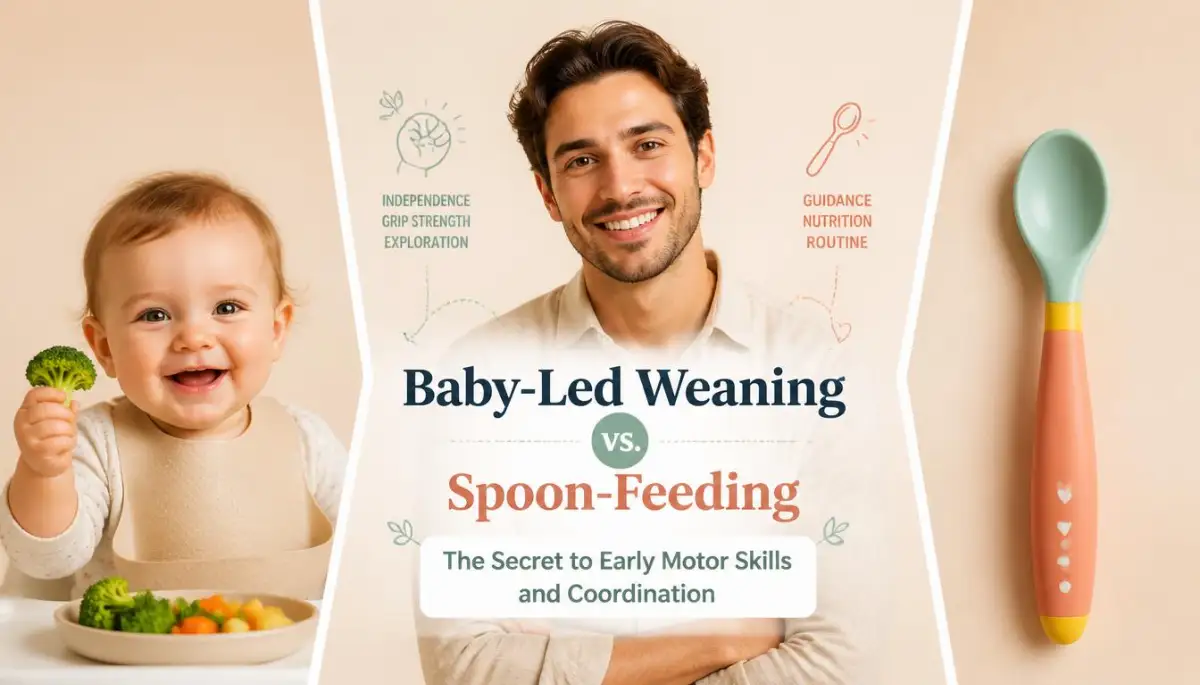
My Honest Struggle with the Great Feeding Debate
Let’s be real: feeding a baby feels like a high-stakes science experiment where the lab is your kitchen and the results are mostly smeared on your face. You’re torn between those fancy "self-feeding" videos on Instagram and the traditional spoon-feeding advice from your mom. Is there a "right" way that won't leave your kid behind? Let's cut through the noise and look at how these feeding styles actually help your baby get stronger, smarter, and more coordinated.
My head was spinning with all the advice I had read online. One friend told me I must use spoons to avoid a mess. Another friend warned me that spoon-feeding would make my baby a "lazy" eater.
I felt like every choice I made was a test I was failing. My kitchen looked like a war zone most days. There were smashed sweet potatoes on the walls and oatmeal in my hair. I spent hours wondering if my baby was actually learning anything or just making a mess. I wanted the best for my child's growth, but the stress was real.
I found myself constantly checking the clock and worrying about choking. It felt like I was losing my mind just trying to figure out how to feed a tiny human.
If you are feeling this way right now, please know you are not alone. It is a wild, messy, and often confusing journey for every parent.
The Hidden Stress of Choosing a Feeding Method
Many parents feel a huge weight on their shoulders when it comes to mealtime. It isn't just about nutrition or filling a belly. We worry that if we choose the "wrong" way, our kids might fall behind. We see other babies on social media picking up tiny blueberries with perfect aim.
💡 Mealtime Cheat Sheet: What You Need to Know
- It’s Not All-or-Nothing: You can mix spoons and finger foods. Your baby’s brain loves the variety!
- Mess = Brain Growth: Every time they squish food, they are learning about textures and pressure.
- Watch the Feet: A footrest on the high chair helps your baby stay stable so their hands can work better.
- Patience is a Skill: Let them try to feed themselves, even if it takes forever. That’s how the "pincer grasp" gets strong.
Then we look at our own baby who is currently trying to eat the high chair tray instead of the food. It makes us feel anxious and unsure of our parenting. This mental load can truly ruin the joy of watching your child grow. You want to see them thrive, but the fear of "missing a milestone" keeps you up at night.
It feels like a competition that nobody asked to be part of. The pressure to have a baby with perfect coordination can be overwhelming. We see experts talking about "hand-eye coordination" and "jaw development," and it feels like we need a degree just to give them lunch.
This constant doubting of our choices drains our energy. We end up more focused on the mess or the rules than on our baby's progress.
But understanding the science behind these methods can actually bring back some peace. It helps us see the "why" behind the mess and the "how" behind the movement.
How Self-Feeding Sparks Amazing Hand-Eye Coordination
When a baby reaches for a piece of food, something incredible happens in their brain. It isn't just about hunger.
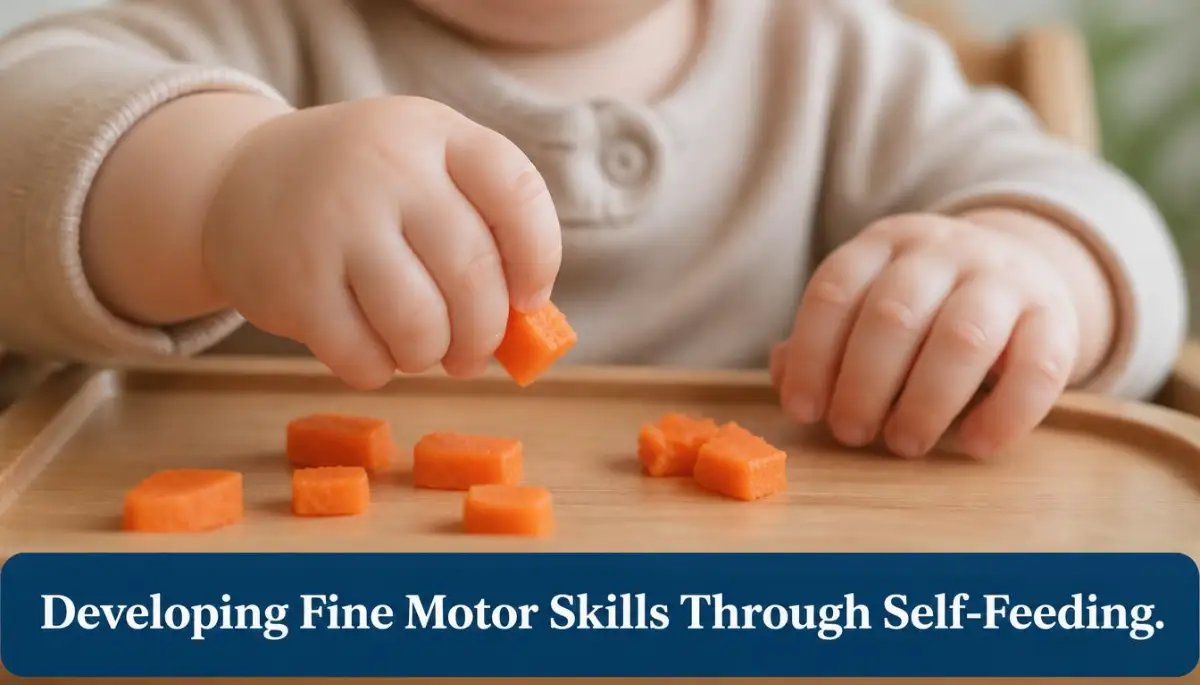
It is a complex dance of the eyes, the brain, and the tiny muscles in the hand. This is the heart of Baby-Led Weaning (BLW). In this method, the baby is in charge of the whole process. They see a piece of soft avocado and decide to grab it.
Their eyes have to judge the distance perfectly. Then, their fingers have to apply just enough pressure to pick it up without squishing it. This constant practice is like a workout for their motor skills. They do this hundreds of times a week.
Each time they miss their mouth, they are actually learning. They are adjusting their movements based on what happened before. This feedback loop is a big reason why some think self-feeding builds coordination faster. It forces the baby to be active instead of just sitting and waiting.
They aren't just swallowing; they are exploring the world through their hands. This builds a strong foundation for other skills like drawing or buttoning a shirt later.
The Role of Spoon-Feeding in Developing Focus
Now, let's look at the other side of the table. Spoon-feeding has been the go-to for generations for a reason. When you feed your baby with a spoon, they are learning a different kind of coordination. They have to watch the spoon come toward them. They have to time the opening of their mouth perfectly. This requires a lot of visual focus and patience.
The baby also learns to clear the food off the spoon using their upper lip. This is a very specific muscle movement that is important for speech.
Spoon-feeding can be a very calm and bonding experience. It allows for eye contact and "conversation" between the parent and the baby.
It doesn't mean the baby is being "lazy." They are still working hard to process the textures and the timing of the meal. Some parents worry that spoons delay motor skills. However, if the baby is allowed to hold the spoon too, they get the best of both worlds. It is about finding the balance that works for your family's daily life. Both ways offer unique ways for a baby to understand their body and its movements.
Quick Comparison: Muscle Workouts for Tiny Mouths
Why Jaw Development Matters More Than You Think
Most people only think about hands when they talk about motor skills. But the mouth is a powerhouse of muscles too. The way a baby chews and moves food around their mouth is a motor skill. This is often called "oral-motor development." In Baby-Led Weaning, babies often start with solid chunks of soft food. They have to move these pieces from the side of their mouth to the center.
This side-to-side movement is called "tongue lateralization." It is a key step in learning how to eat complex foods safely. Chewing also helps strengthen the jaw muscles. Strong jaw muscles are very helpful when a child starts learning to make clear speech sounds.
Spoon-fed babies usually start with very thin purees. These don't require much chewing at first. However, as the textures get thicker, the baby starts to use those same jaw muscles. The transition to lumps is a big milestone for spoon-fed babies. Neither way is "bad," but they challenge the mouth in different ways and at different times.
Mastering the Pincer Grasp Through Mealtime Play
Around 8 or 9 months, something cool happens. Babies stop using their whole palm to grab things. They start using their thumb and pointer finger. This is called the "pincer grasp." This is a major milestone in early motor skill development and coordination. It is the same grip they will use later to hold a pencil.
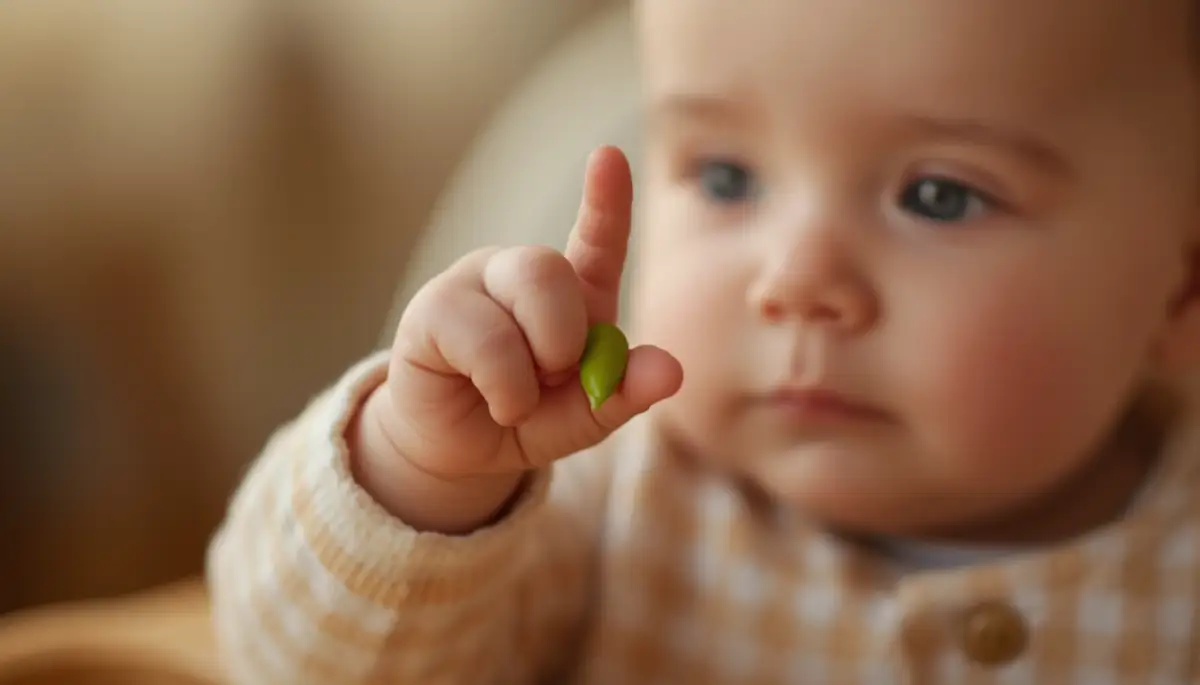
Baby-Led Weaning gives babies a lot of chances to practice this. Picking up a single pea or a small piece of pasta is hard work! They might fail at first, but the motivation of getting food to their mouth keeps them trying. This "practice with a reward" is very effective.
If you are spoon-feeding, you can still encourage this. You can put a few small bits of food on the tray while you do the main feeding. This gives the baby the chance to practice their fine motor skills while still getting their main meal from you. It is all about giving them the space to try. The more they use those tiny fingers, the stronger they become.
The Importance of Sensory Exploration for Movement
Coordination isn't just about moving; it's about feeling. This is where "sensory play" comes into the picture during meals. When a baby squishes a banana, they are learning about texture and pressure. They are feeling how "slippery" or "hard" something is. Their brain takes this info and uses it to plan their next move. If a food is slippery, they learn to grab it differently.
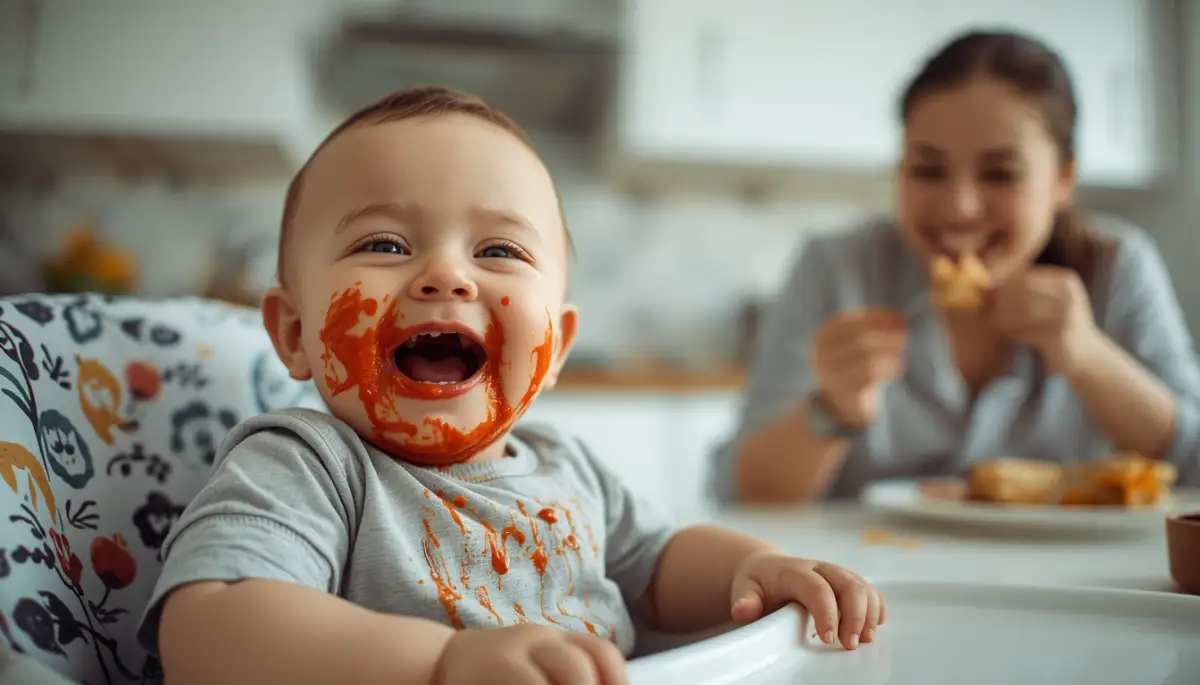
This sensory input is a huge part of motor planning. It helps the brain create a map of how to interact with objects. A baby who is allowed to get messy is often a baby who is learning fast. The mess is actually a sign of a brain working at full speed.
I used to hate the mess, but then I realized it was just my baby's "lab work." The floor was her classroom. Once I changed my mindset, I felt much better. I stopped seeing a dirty floor and started seeing a kid getting smarter.
Understanding the Gag Reflex: A Safety Motor Skill
One of the biggest fears parents have is choking. It is important to know the difference between gagging and choking.
Gagging is actually a motor skill. It is the body’s way of moving food away from the "danger zone" of the throat.
Babies have a gag reflex that is much farther forward in their mouths than adults. This is a built-in safety feature.
When a baby gags, they are learning the boundaries of their mouth. They are learning how far back they can push food.
This is a key part of developing coordination for safe eating. It teaches them to chew more before swallowing next time.
It can be scary to watch, but it is a necessary part of the learning process. Staying calm helps the baby stay calm too.
If we jump in and panic, the baby might get scared and stop trying to feed themselves. Trusting the process is hard but rewarding.
The "Gagging" Truth: Myth vs. Reality
- Myth: If my baby gags, they are choking and I need to panic.
- Fact: Gagging is actually a loud, coughing-like sound. It means your baby’s body is doing its job by moving food forward.
- The Rule: If they are loud and red, they are likely okay. If they are silent and blue, that is an emergency. Knowing this difference will save your sanity!
Building Confidence Through Independent Eating
There is a huge psychological part of motor development. When a baby successfully feeds themselves, they feel a sense of "I did it!"
This confidence encourages them to try other physical tasks. They might be more willing to try crawling or reaching for toys.
Independence at the dinner table often leads to independence in other areas. It builds a "can-do" attitude from a very young age.
They learn that their actions have a direct result. "I move my hand, and I get a taste of this yummy food."
This link between action and reward is powerful. It makes the hard work of coordination feel worth it to them.
Even if you prefer spoon-feeding, giving them a "pre-loaded" spoon can help. It lets them take the final step and build that confidence.
Learning to Read Your Baby’s Physical Cues
Coordination is also about the "stop" and "go" signals. In both feeding methods, we should watch for physical cues.
Does the baby turn their head away? Do they push the spoon? Do they start throwing the food?
These are motor actions that tell us they are done. Respecting these cues helps the baby feel in control of their body.
It teaches them that their movements have meaning and are understood by us. This builds a strong bond and trust.
When a baby feels safe and understood, their brain is in the best state for learning new skills.
Pro Tip: My Personal Realization on the Mess
I used to spend every meal with a wet cloth in my hand, wiping my baby's face after every single bite. I thought I was being helpful. Then I realized I was actually interrupting her focus and making her annoyed! I learned to just let the mess happen and clean it all up at the very end. This made the meal much more peaceful for both of us and let her stay "in the zone" while practicing her motor skills.
Expert Insight: Bridging the Gap Between Methods
Many modern pediatricians now suggest a "mixed" approach. You don't have to choose just one path. You can give purees for some meals and soft finger foods for others. This gives your baby a wide range of motor challenges. It also makes life easier for you as a parent. The goal is a happy, healthy baby who enjoys eating, no matter how the food gets into their mouth.
Watch This Helpful Video to See Motor Milestones in Action
Seeing a baby actually practice these movements can make everything much clearer. This short video shows the difference in how babies use their hands during various feeding styles. It is a great way to visualize what we just talked about!
Comparing Developmental Benefits: A Quick Look
Analyzing the Long-Term Impact on Coordination
Some studies suggest that babies who feed themselves early might have a slight edge in fine motor tasks later. However, this is usually a small difference.
By the time children reach school age, most have caught up to the same level of coordination. The most important thing is the variety of experiences they have.
Whether they use their fingers or a spoon, the key is consistency. They need daily opportunities to use their muscles and explore.
Don't feel pressured to do things perfectly. Your baby is learning every single day, even when it doesn't look like it.
The small movements they make today are the building blocks for the big movements they will make tomorrow.
The Science of "Motor Planning" and Food
Motor planning is the ability to think of a move, plan it, and then do it. Food is one of the best ways to practice this.
Think about a baby trying to eat a piece of cooked pasta. It's wiggly and hard to catch.
The baby has to plan how to scoop it up. If it falls, they have to plan a new way to grab it.
This is high-level problem-solving for a tiny brain. It involves the motor cortex and the cerebellum.
These parts of the brain are getting a huge "workout" during every meal. It is much more than just eating; it is brain training.
By giving them different shapes and textures, we are giving their brain more "data" to work with.
How Environment Shapes Early Skill Success
The way we set up the high chair can also help. A baby needs to feel stable to use their hands well.
If their feet are dangling, they might feel less secure. A footrest can actually improve their hand coordination!
When the core of the body is stable, the hands are free to do more delicate work. This is a basic rule of physical development.
Making sure the baby is comfortable and upright is the first step. It sets them up for success before the first bite is even taken.
Small changes like this can make a big difference in how well they can practice their skills.
The Connection Between Mealtime and Speech
As we touched on earlier, the mouth movements used in eating are very similar to those used in talking.
A baby who is learning to move food around their mouth is also preparing for vowels and consonants.
The tongue strength built during self-feeding is very helpful. It allows for the complex movements needed for speech.
Even the way a baby sucks on a spoon or drinks from an open cup plays a role. It’s all connected.
By supporting their feeding skills, you are also supporting their future language skills. It’s a wonderful "two-for-one" benefit!
Final Thoughts on Starting the Journey
Starting solids is a big milestone for any family. It is okay to feel nervous or unsure.
The most important thing is to follow your baby's lead and stay patient. There will be good days and messy days.
Focus on the progress, not the perfection. Every little reach and every successful swallow is a win.
You are doing a great job providing for your little one. Whether you use a spoon, your hands, or a mix of both, your baby is learning and growing.
Trust your instincts and enjoy the process. It’s a special time that goes by much faster than you think.
Keep exploring, keep learning, and don't forget to take a few pictures of those messy faces!
Taking Your Baby’s Feeding Journey to the Next Level
Once you decide how to start, the real work begins. It isn't just about the first bite of food. It is about how you keep the momentum going as your baby grows.
I found that the first few weeks are just the warm-up. The middle stage is where you see the most growth in their tiny hands and minds. You might notice your baby starting to look at your plate with more interest. This is a great sign that their brain is ready for more challenges.
It is important to keep things fresh and exciting for them. If they get bored, they might stop practicing those hand movements.
I learned that variety is the secret to keeping them engaged. Changing the shape of the food or the color of the bowl can spark new curiosity.
Every meal is a new chance for them to learn something about their body. You are basically their coach in this "motor skill gym."
Building Better Skills with Smart Texture Changes
One of the best ways to help your baby get better at moving is to change the food texture. If you stay on smooth purees for too long, their mouth muscles might get a bit lazy.
I started adding tiny soft lumps to the mashed food. This forced my baby to use their tongue more actively.
For those doing self-feeding, try moving from long strips to smaller chunks. This forces them to use that pincer grasp we talked about earlier.
It is like leveling up in a video game. Each new texture is a new boss they have to defeat with their coordination.
This gradual change helps them stay safe while building strength. It also helps them avoid becoming picky eaters later in life.
The Power of the Open Cup for Coordination
Many parents go straight to a sippy cup, but an open cup is a secret weapon for motor skills. Using an open cup requires a lot of control.
The baby has to judge how much to tip the cup without spilling. They have to use their jaw and lips to seal the edge.
I started with just a tiny bit of water in a small, shot-glass-sized cup. It was messy at first, but the progress was amazing to see.
This helps with their hand-eye-mouth timing in a way that a straw or a spout cannot. It is a more "grown-up" skill that builds huge confidence.
Watching them master a cup is just as exciting as watching them take their first steps. It shows that their brain is making those complex connections.
According to research from the American Academy of Pediatrics, introducing a cup around six months can help with oral development.
Eating Together to Teach Through Observation
Your baby is a little mirror. They watch everything you do and try to copy it.
I realized that if I sat and ate my own meal while they ate theirs, they learned much faster. They watched how I held my fork and how I chewed. This is called "modeling," and it is a powerful teaching tool. You don't even have to say a word.
Just by watching you, they are learning the "rhythm" of a meal. They see how you bring the food to your mouth and wait before the next bite.
This helps them slow down and focus on their own movements. It turns mealtime into a social event instead of a chore.
When you practice speak less, connect more: active listening hacks for professionals, you are actually doing something similar—paying close attention to cues.
Applying that same focus to your baby's signals during a shared meal makes a world of difference.
Creating a Stress-Free Zone for Better Learning
A baby cannot learn well if the environment is loud or stressful. I found that turning off the TV and putting away my phone helped my baby focus. When there are fewer distractions, they can really "feel" the food in their hands. They can focus on the job of getting it to their mouth.
If the room is too chaotic, they might get overwhelmed and give up. A calm space allows their brain to stay in "learning mode." I also noticed that my own mood affected my baby. If I was rushed, she felt it and got fussy.
Taking a deep breath and relaxing made the whole experience better for both of us. It allowed her the time she needed to practice her skills without feeling pressured.
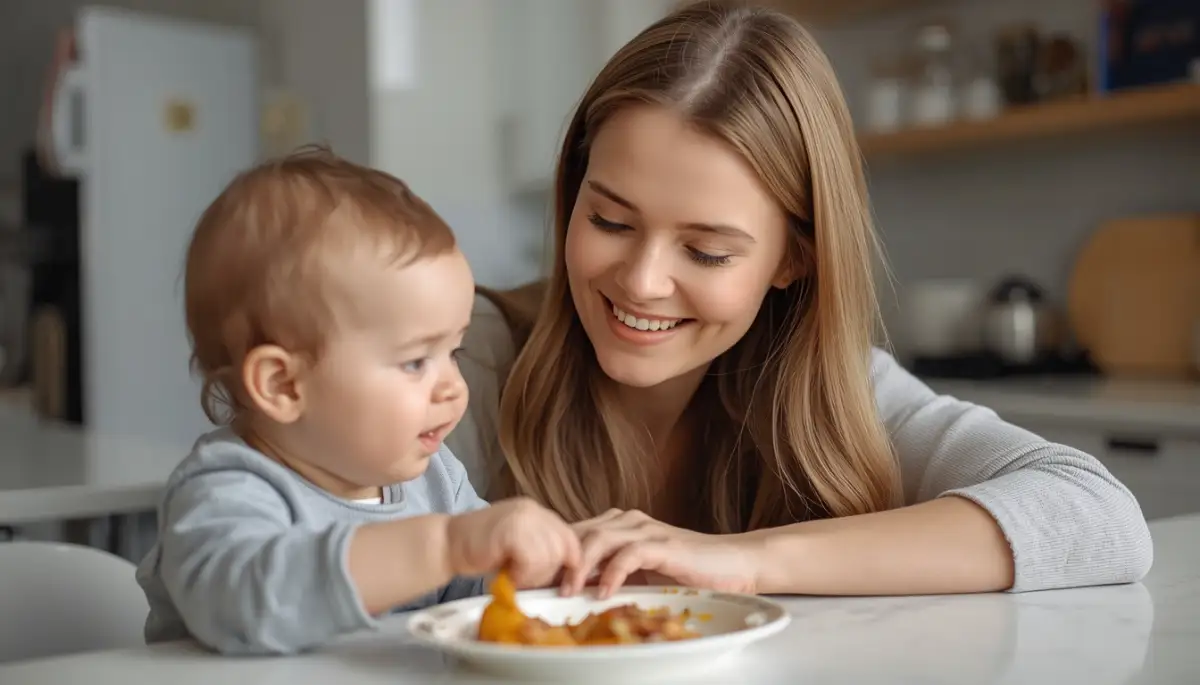
The Trap of the "Clean Face" Fixation
I mentioned this before, but it is worth saying again because so many of us do it. Constantly wiping your baby's face is a major mistake.
When you swoop in with a cloth every few seconds, you break their concentration. You are basically telling them that the mess is "bad."
This can lead to a baby who is afraid to touch their food. If they don't touch it, they won't practice their motor skills.
I saw a friend’s baby who would cry as soon as a tiny drop of sauce hit his hand. He had learned that "clean" was the only way to be.
This fear of mess can actually delay their coordination. They need to be okay with the slippery, sticky, and gooey stuff.
Let them be a mess. Let the yogurt get in their eyebrows. It is all part of the sensory experience they need.
Why Pressuring the "Last Bite" Can Backfire
We all want our kids to eat enough. But forcing that last spoonful can do more harm than good.
When we push food into a baby's mouth, we are taking away their autonomy. We are stopping them from using their own signals.
This can lead to a negative association with the high chair. If they feel like mealtime is a battle, they will stop enjoying the physical act of eating.
I learned to trust my baby’s "I’m done" signs. Even if it looked like she barely ate anything, I knew she was the best judge of her own belly.
This trust helps them stay confident in their movements. They know they are in control of the "stop" and "go."
If you are feeling overwhelmed by the pressure, remember that even adults experience overcoming college burnout: real recovery strategies for high achievers.
Parental burnout is real too. Taking the pressure off the "last bite" helps you as much as it helps them.
Avoiding the Puree-Only Safety Blanket
It is very easy to stay with purees because they feel "safe." We don't have to worry about gagging as much.
But staying in the "puree zone" for too long can slow down jaw development. The tongue needs to learn how to move side-to-side.
This only happens when there is something more solid to move around. If you are scared, start with very soft foods like ripe pear or steamed squash.
These foods are soft enough to mash with your fingers. This gives you peace of mind while still giving the baby a challenge.
I found that the more I practiced with these "bridge" foods, the more confident I became. And as I grew more confident, so did my baby.
A study from ScienceDaily suggests that babies exposed to lumpy foods earlier are less likely to have feeding issues later.
The Danger of Using Distractions to Feed
We have all seen it—a baby staring at a tablet while a parent "shovels" food in. This is a big mistake for motor skill development.
When a baby is distracted by a screen, they aren't even aware they are eating. They aren't learning how to move their mouth or how the food feels.
Their brain is disconnected from their body. This means they are missing out on all that coordination practice.
I made it a rule to never have screens at the table. I wanted my baby to be present and active in the process.
It might be harder in the short term, but it pays off in the long run. They become more mindful and skilled eaters.
Take back control of your baby's mealtime by keeping it screen-free and focused.
Don't Forget the Importance of Posture
If a baby is slouching or sliding in their chair, their hands won't work as well. Imagine trying to write a letter while sitting on a beanbag chair.
It’s hard, right? The same goes for your baby. They need a solid base to work from.
A good high chair should have a footrest. This allows the baby to "ground" themselves and sit up straight.
I didn't realize this at first, but once I added a footrest, my baby's aim improved. She was no longer wobbling, so she could focus her energy on her fingers.
This is a physical principle: stability at the core leads to mobility at the hands. It is a simple fix that makes a huge difference.
If you are sitting for long periods, you might understand how sitting for six hours affects your veins.
Posture matters for everyone, from babies in high chairs to adults at desks.
Your Action Plan for Tomorrow's Meal
You don't have to change everything at once. Just pick one thing to try tomorrow. Maybe you will let them hold the spoon themselves. Or maybe you will try a new, slightly lumpier texture.
The goal is to keep moving forward. Watch your baby closely and see how they react to the change. You are the expert on your own child. You know their limits and their strengths better than anyone else.
Celebrate the small wins. If they pick up one tiny piece of food, that is a victory for their coordination! Keep a positive attitude, and your baby will pick up on that energy. They will start to look forward to the "workout" of mealtime.
Common Questions About Baby Feeding and Skills
Does spoon-feeding cause a delay in walking?
There is no direct link between how a baby eats and when they walk. Walking is a "gross motor skill," while eating is mostly "fine motor" and "oral motor." Your baby will walk when their legs and core are ready, regardless of whether they ate purees or finger foods.
Can I mix both methods without confusing my baby?
Absolutely! Many parents find that a mix works best for their lifestyle. You can spoon-feed them oatmeal in the morning and give them soft avocado chunks in the evening. Babies are very adaptable and will enjoy the different challenges each method provides.
What if my baby just throws the food instead of eating it?
Throwing food is actually a motor skill too! They are learning about "release" and "gravity." While it is frustrating, it shows they are experimenting with their hands. Try to stay calm and gently redirect them back to the tray.
Is it too late to start self-feeding if they are already 9 months?
It is never too late! Your baby's brain is incredibly plastic and ready to learn. Just start with very soft finger foods and give them plenty of time to explore. They will likely catch up very quickly once they get the hang of it.
A Final Word on Your Feeding Success
I know it feels like a lot to think about every time you sit down to eat. But remember, you are doing something amazing for your child’s future.
Every messy tray and every gag is a step toward a confident and coordinated little person. Don't let the fear of a dirty floor stop you from giving them these experiences.
I look back at those messy days now with a smile, knowing how much my daughter was learning. You will get through the stress and come out the other side with a child who is proud of what they can do.
I really want you to take a deep breath and just let the next meal be what it is—a chance for your baby to play and grow. You’ve got this, and your baby is lucky to have a parent who cares this much about their development.
Disclaimer: This article is for informational purposes only and does not provide medical advice. Always talk to your pediatrician before starting solids or changing your baby's feeding routine. If you have concerns about choking or developmental delays, seek professional medical help immediately.