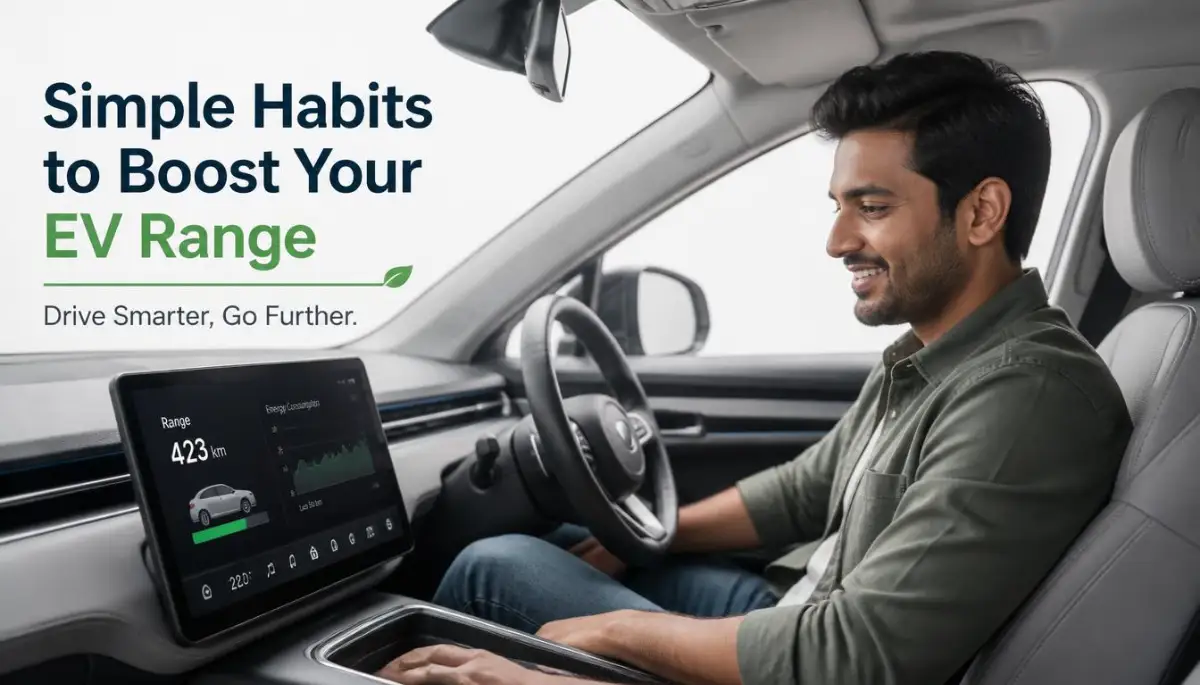
The Daily Nightmare of Watching Your Electric Car Battery Melt Away
I’ve been there—staring at my EV dashboard as the miles drop way faster than they should. It’s stressful when you aren't sure you'll make it home. But after a year of driving electric, I’ve learned that a few simple tweaks to how you drive can change everything. You don't need a bigger battery; you just need to know these tricks to stop the drain.
I felt a cold panic in my chest as I realized I might not make it to my driveway before the car completely shut down. My hands were literally sweating on the steering wheel, and I turned off the air conditioner in the middle of a hot afternoon just to save power.
That terrible feeling of watching your range disappear is something almost every new electric vehicle owner goes through. It turns simple daily trips into highly stressful guessing games. You find yourself constantly planning your life around public charging stations, wondering if your car is actually practical.
Let us look at how you can easily keep your battery happy and get many more miles out of every single charge.
EV Battery Range: Myth vs. Reality
The Secret of Gentle Acceleration and Smooth Speed Control
The "Save My Battery" Cheat Sheet
- The 65 MPH Rule: Drag increases fast after 65 MPH. Dropping your speed just 5-10 miles can save up to 15% of your battery.
- Warm Your Seat, Not the Air: Main heaters are power hogs. Use heated seats and steering wheels to stay warm with 90% less energy.
- One-Pedal Master: Practice lifting off the pedal early to let the car slow down on its own. This puts free miles back into your pack.
- Pump Those Tires: Low tire pressure is like driving through sand. Keep them at the manufacturer's recommended PSI to reduce rolling drag.
How Hard Starts Drain Your Battery Cells Instantly
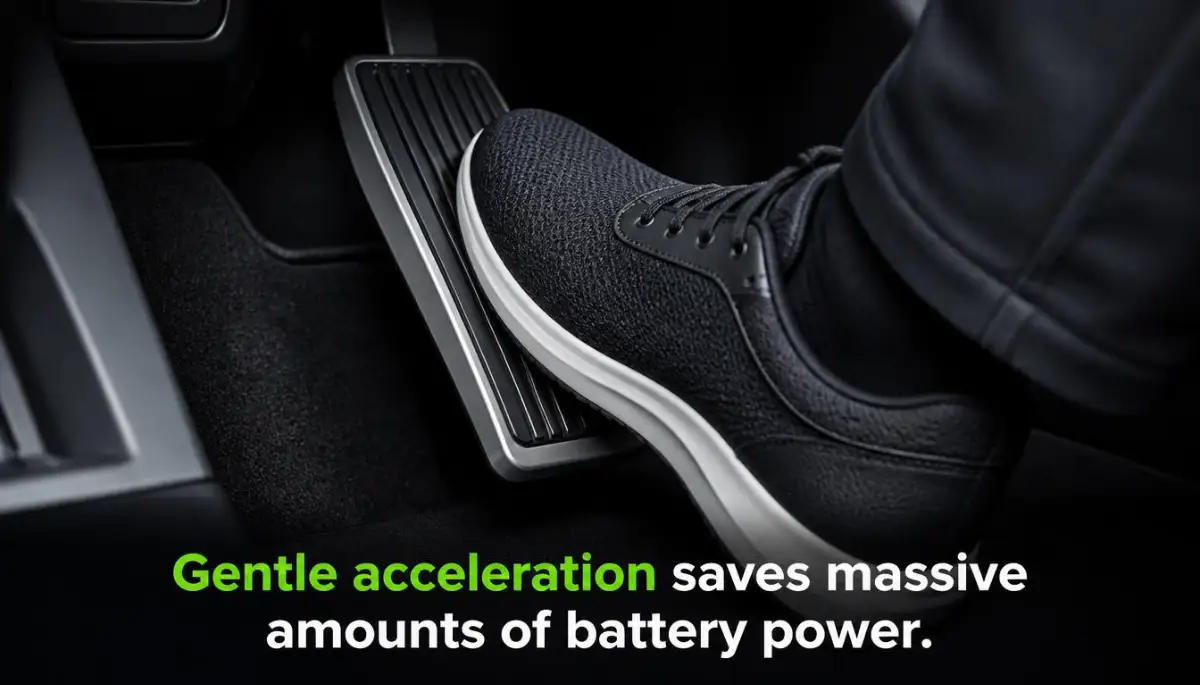
When you stop at a red light and then accelerate rapidly when it turns green, you place an enormous electrical load on your battery pack. The electric motor requires a massive, sudden surge of current to push your heavy car forward from a complete stop. This quick burst of energy creates internal heat inside the battery cells, which wastes a lot of power.
If you want to keep your energy levels high, treat your accelerator pedal like a delicate raw egg. Press it down slowly and smoothly, letting the car build up its forward momentum naturally over several seconds.
This gentle approach allows the electricity to flow at a steady, efficient pace. It protects your battery chemistry and ensures that you do not waste power on unnecessary bursts of speed.
The Math of Aerodynamic Resistance at High Speeds
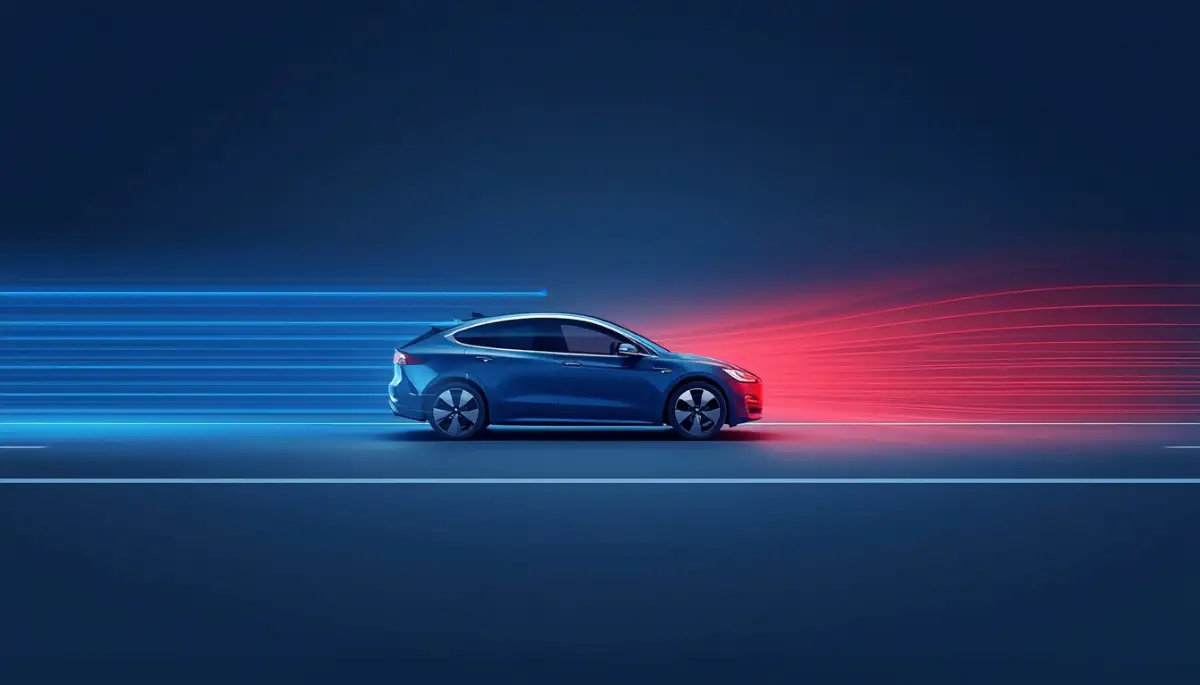
Many drivers do not realize that driving at eighty miles per hour uses almost double the energy of driving at sixty miles per hour. As your speed increases, the air resistance against your car's body increases exponentially. Your electric motor has to work incredibly hard just to push through the heavy wall of air in front of it.
If you are on a long highway trip, try setting your cruise control to sixty-five miles per hour instead of seventy-five. You will arrive at your destination only a few minutes later, but you will have a massive amount of extra battery power left.
Slowing down slightly on the highway is the single easiest way to get extra miles out of your battery without changing anything else. It gives you an immediate safety cushion and completely removes the stress of low battery warnings.
Mastering One-Pedal Driving and Regenerative Braking
How to Put Free Power Back in Your Battery Pack
One of the most wonderful features of modern electric cars is regenerative braking. When you lift your foot off the accelerator pedal, the electric motor reverses its direction to slow down the vehicle. This process acts like a generator, capturing the kinetic energy of your moving car and sending it back into the battery.
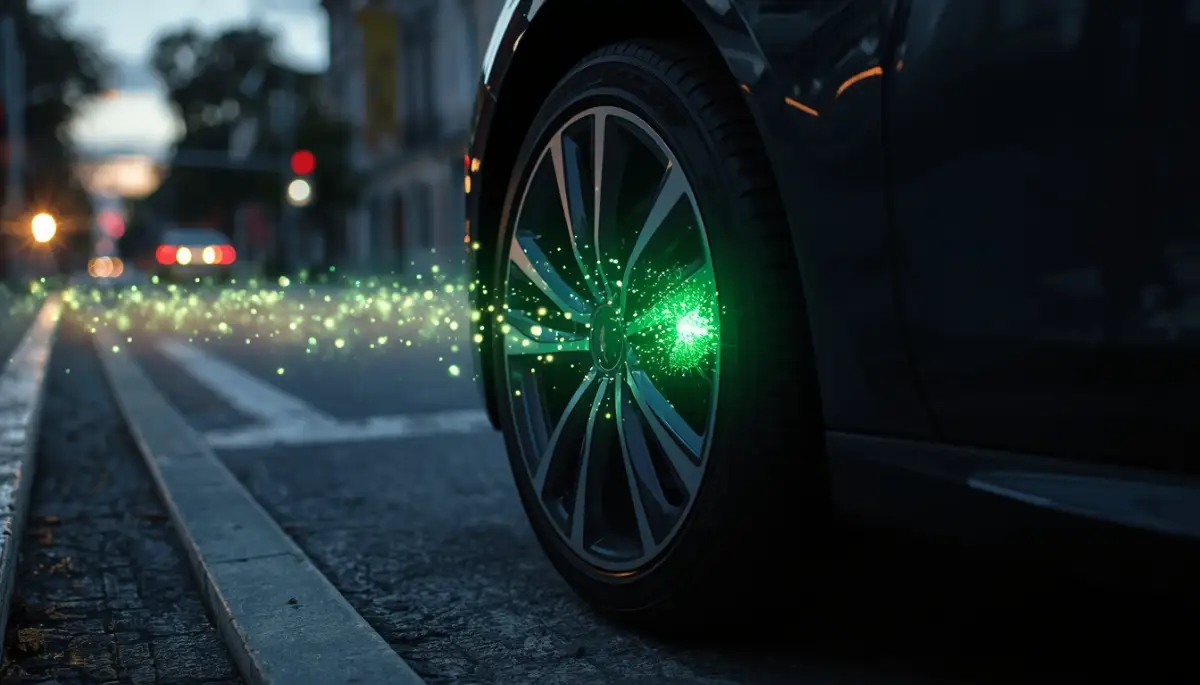
If you drive correctly, you can use this feature to slow down smoothly without ever touching your actual brake pedal. This is often called one-pedal driving, and it is a fantastic way to recover energy that would otherwise be wasted as brake dust.
By looking ahead and planning your stops early, you can feed a steady stream of free electricity back into your battery pack on every single drive.
The Huge Difference Between Active Coasting and Hard Braking
Many drivers have the bad habit of staying on the accelerator until the last second and then slamming on the brakes. When you press the physical brake pedal hard, you are using friction to stop the car, which turns your valuable energy into useless heat.
Instead, look far down the street and anticipate changes in traffic flow before they happen. If you see a red light ahead, lift your foot off the accelerator early and let the regenerative braking system slow you down gently.
This simple change in your driving style keeps your car moving efficiently and reduces wear on your brake pads. It turns every stop sign and red light into an opportunity to recharge your battery for free.
A Simple Look at How Speed Changes Your Expected Driving Range
Smart Management of Your Car’s Climate Control Systems
Why Heating the Cabin Is a Massive Power Hog
In a traditional gasoline vehicle, the engine produces a huge amount of heat that is used to warm the cabin for free. Because electric motors are so efficient, they do not produce this excess heat. Your electric car must use a dedicated high-voltage heater to keep you warm on cold winter mornings.
Running this heater on high can reduce your total driving range by as much as thirty percent in freezing weather.
To save energy, use your heated seats and heated steering wheel instead of heating the entire cabin air. These features warm your body directly using a fraction of the electricity required by the main climate control system.
My Personal Winter Hack: Instead of cranking the heat to 75°F, I keep the cabin at 65°F and turn my heated seat to the max. It keeps me warm, and my battery lasts significantly longer. Your body feels the seat heat much faster than the air!
How Pre-Conditioning Saves Your Battery Power While Plugged In
Most modern electric cars allow you to pre-condition the cabin using a smartphone app while the car is still plugged into your home charger. This means you can heat or cool the interior using electricity from your house rather than your car's battery pack.
When you finally step inside to start your drive, your car will already be at the perfect temperature. Your battery will only need to use a tiny amount of energy to maintain that comfortable temperature while you are on the road.
Optimizing Your Route Choices to Avoid Energy Drains
Why Driving Over Mountain Passes Requires Extreme Energy Planning
Climbing steep hills is one of the quickest ways to empty your electric car's battery pack. Pushing a heavy vehicle up a mountain requires a massive and continuous draw of electrical current from your battery.
If you are planning a trip through a hilly area, always look for routes that have gentle slopes rather than steep climbs.
Even if the flatter route is a few miles longer, it will often use far less battery power than a short, steep climb.
Why Stop-and-Go City Driving Is Actually Great for Electric Cars
If you drive a gasoline vehicle, stop-and-go city traffic is terrible for your fuel economy because the engine idles and wastes gas. In an electric vehicle, city driving is actually highly efficient because you are driving at lower speeds where air resistance is minimal.
You also get to use regenerative braking constantly as you slow down for traffic lights and stop signs.
If you have the choice between a high-speed highway route and a slower city route, the city route will almost always preserve more of your battery range.
You can learn more about how smart digital networks and system speeds here affect performance to see why planning your route data is so important for modern connected vehicles.
The Secret Value of Rolling Resistance and Wheel Alignment
Why Low Tire Pressure Acts Like a Constant Brake on Your Car
Your tires are the only part of your vehicle that actually touches the road, and they have a massive impact on your overall efficiency. If your tire pressure is even slightly too low, the tire flattens out and creates extra friction against the asphalt.
This extra friction, known as rolling resistance, forces your electric motor to work much harder to keep the car moving forward.
Check your tire pressure once a week and inflate them to the exact pressure recommended by your manufacturer.
How Bad Wheel Alignment Silently Steals Miles from Your Battery
If your wheels are not aligned correctly, your tires will fight against each other as you drive down the road. This misalignment acts like a constant, gentle brake on your vehicle, stealing valuable range on every single mile.
If you notice your car pulling to one side or if your steering wheel feels crooked, take your car to a local shop for an alignment check.
Keeping your wheels straight reduces friction, helps your tires last longer, and ensures you get the absolute maximum range from your battery.
My Practical Pro Tip for Mastering Range Management
In my early days of electric car ownership, I was always rushing and tailgating other cars on the highway. I would speed up quickly and then slam on the brakes, which kept my battery percentage dangerously low. Once I started leaving a three-second gap in front of my car, I was able to coast smoothly using regenerative braking without ever touching the actual brake pedal. This single change increased my average range by over twenty percent on my daily commute.
How Vehicle Weight Silently Limits Your Battery Performance
Why Cleaning Out Your Trunk Is the Easiest Way to Save Power
Electric cars are already quite heavy because of their massive lithium-ion battery packs. If you carry unnecessary items in your trunk like heavy tools, sports equipment, or extra luggage, you are making your car work harder than it needs to.
Every extra pound of weight inside your vehicle requires more electrical energy to move, especially during stop-and-go city driving.
Spend five minutes this weekend cleaning out your car's trunk and cabin to remove any unnecessary items.
The Surprising Aerodynamic Drag of Roof Racks and Cargo Boxes
Many active drivers love keeping roof racks, bicycle carriers, or cargo boxes mounted on top of their vehicles all year round. While these accessories are highly convenient, they ruin the aerodynamic shape of your electric car.
They create a massive amount of extra wind noise and drag, which drains your battery extremely fast on the highway.
Always remove roof racks and cargo carriers as soon as you are done using them for a trip.
Reducing this extra drag is a fantastic way to live a more sustainable lifestyle. If you want to explore more simple ways to live cleanly, you can read about simple household swaps to shrink your waste here to make a positive impact.
Want to see a real-life video demonstration of how these simple driving habits affect your actual battery display screen? Watch this quick video to learn how to change your driving style instantly.
Daily Habits for Stress-Free Driving Efficiency
By adopting these simple, easy driving habits, you can say goodbye to range anxiety forever. You will no longer have to worry about finding the next charging station or turning off your climate control to save power.
Instead, you can relax and enjoy the quiet, smooth ride of your electric vehicle, knowing you are driving as efficiently as possible.
Making these small adjustments to your daily routine is a wonderful investment in your vehicle's longevity and your own peace of mind.
Advanced Driving Tactics That Keep Your Battery Pack Healthy Over Time
How Smart GPS Routing Saves Huge Amounts of Battery Power
Modern electric cars use smart GPS systems that do more than just show you the quickest path to your destination. These advanced mapping systems look at the height of hills, the average speed of roads, and even real-time wind directions. By calculating these factors, the car can recommend a route that uses far less energy than the standard highway path.
When you use your car's built-in map, the vehicle's computer can predict exactly how much battery power you will have when you arrive. If the system sees that a steep mountain pass will drain too much power, it will automatically suggest a flatter route.
These advanced navigation calculations rely on fast data connections between your car and remote servers. You can learn about how data transmission latency and processing speed here can shape the performance of smart devices to see why quick connections matter.
The Secret of the Pulse and Glide Method for Modern Vehicles
In the early days of clean vehicles, experienced drivers developed a technique known as pulse and glide. This method involves accelerating gently to your target speed and then lifting your foot slightly to let the car coast. In an electric vehicle, you want to find the exact pedal position where the motor is neither drawing power nor applying regenerative brakes.
This neutral state allows your vehicle to coast freely using its own forward momentum without wasting any electrical energy. It is like riding a bicycle; once you build up speed, you can stop pedaling and glide for a long distance.
Mastering this delicate foot control takes a little bit of practice, but it is an incredible tool for highway driving. It is a fantastic way to practice simple daily habits to lower your environmental footprint here while saving money on charging.
Why You Should Dial Down the Maximum Regenerative Braking Settings on Highways
While strong regenerative braking is wonderful for city traffic, it can actually work against you on the highway. When you are driving at high speeds, any slight movement of your foot off the accelerator can trigger the brakes. This sudden, jerky slowdown forces you to accelerate again, which wastes a lot of energy.
On flat, open highways, try switching your car's regenerative braking setting to a lower or moderate level. This setting allows your vehicle to maintain its high highway speeds smoothly when you lift your foot slightly.
This steady movement is much more efficient than constantly slowing down and speeding up. According to studies by the U.S. Department of Energy, maintaining a steady speed is the absolute best way to keep your highway energy consumption low.
Managing the Power Consumption of Your Smart Accessories
Every electronic system inside your car, from the headlights to the sound system, draws power directly from the battery pack. While a single smartphone charger uses a tiny amount of electricity, running multiple high-power systems together can add up over a long trip.
For example, keeping your high-definition dashboard screens on their brightest settings can drain a noticeable amount of power over several hours.
Try adjusting your interior screens to a comfortable night mode or lower brightness when driving on long journeys. This simple change is highly effective at reducing the constant background drain on your battery pack.

The Quiet Mistakes That Silently Eat Away at Your Driving Range
The Nightmare of Leaving Your Car Running with Active Cabin Comfort Settings
Imagine arriving at a local park, stepping out of your car, and leaving the vehicle's climate control system running in the hot sun. Many new drivers do not realize that modern electric vehicles do not turn off automatically when you walk away with the key. If you leave the air conditioner running on high in an empty car, your battery will continue to drain rapidly.
This mistake can easily eat away thirty or forty miles of your driving range in just a couple of hours. It leads to a horrible feeling of confusion and panic when you return to your car and see a low battery display.
Always double-check that your vehicle is fully turned off and all comfort modes are disabled before you lock the doors. This simple check protects your battery from unnecessary drain and keeps your travel plans running smoothly.
Relying Solely on DC Fast Chargers Rather Than Planned Level 2 Stops
It is incredibly convenient to pull up to a rapid highway charger and fill your battery pack in thirty minutes. However, the high speed of DC fast charging creates a massive amount of internal heat inside the battery cells. To protect the chemistry, your car's cooling pumps must run at maximum speed, which uses up a lot of electrical energy.
This heavy cooling load means you actually get less range from a fast charge than you would from a cool, slow overnight charge. Try to plan your trips around slow Level 2 home charging whenever you are staying at hotels or visiting friends.
This gentle charging method keeps your battery cool and ensures you start your morning with a highly efficient, healthy battery pack.
Ignoring the Massive Aerodynamic Drag of Open Windows at High Speeds
When you are driving through beautiful country roads at slow speeds, keeping your windows down is a wonderful way to enjoy the fresh air. However, once you enter the highway and speed up past fifty miles per hour, open windows ruin your car's aerodynamics.
The rushing air enters the cabin and acts like a massive parachute, dragging your car backward and forcing the motor to work overtime.
This extra wind drag uses significantly more battery power than running your car's modern air conditioner on a low setting.
If you are dealing with unexpected travel disruptions or missed connections here due to range issues, keeping your windows rolled up is an easy way to save energy.
Failing to Maintain Proper Alignment of Your Vehicle's Wheels
Many drivers ignore the slow, quiet warning signs of a misaligned steering system. If your wheels are pointing even slightly in different directions, your tires will drag sideways against the road surface. This drag is like dragging a heavy box across the floor, requiring a massive amount of continuous energy to overcome.
This hidden resistance will silently steal twenty to thirty miles of range from every single full charge of your battery. It also causes uneven tire wear, which can lead to expensive replacement costs and safety issues.
Make it a habit to check your wheel alignment at least once a year or whenever you hit a deep pothole. If you want to keep your vehicle running smoothly, adjusting simple device configurations on your home systems here is a great way to build your technical skills.
According to research by the Society of Automotive Engineers, reducing rolling resistance through proper alignment is one of the most effective ways to improve overall vehicle mileage. Keeping your wheels straight is a simple step that brings immediate benefits to your wallet and your safety.
Your Daily Action Plan for Peak Driving Efficiency
How to Easily Implement Simple Energy Saving Habits
Caring for your electric vehicle's range does not mean you have to drive slowly or freeze in the winter. It is simply about building a few smart habits into your daily routine until they become natural.
- Use your phone app to pre-heat your car while it is still plugged into your home charger.
- Check your tire pressure once a week and keep them inflated to the recommended level.
- Use the smooth, gradual pulse and glide method on open roads to coast efficiently.
- Keep your windows closed at high speeds and use the air conditioner on a low setting.
By practicing these easy habits, you ensure your car always operates at peak efficiency. This keeps your battery healthy and makes your daily commute incredibly relaxing.
Embracing the Financial Value of Efficient Driving Habits
When you drive efficiently, you do more than just save money on your monthly electrical bill. You also reduce the physical wear and tear on your car's tires, brakes, and motor components.
This gentle use helps your vehicle maintain its value, allowing you to secure a much higher price when you decide to sell.
Think of proper range management as a great way of building equity and long-term asset value here for your household. It keeps your overall travel costs low and protects you from managing unexpected emergency expenses here down the road.
Always follow local traffic laws and pay close attention to the National Highway Traffic Safety Administration driving safety guidelines when practicing eco-driving on public roads. Staying safe is always your most important goal on any journey.
A Slower and More Peaceful Way to Travel
Driving an electric vehicle encourages us to think about our travel habits in a completely new way. It invites us to slow down, look ahead, and appreciate the smooth, quiet flow of the road.
Once you adopt these simple habits, you will find that driving becomes a peaceful experience rather than a stressful rush. You will stop staring at your battery percentage and start enjoying the quiet beauty of your surroundings.
My own experience on the road changed completely once I started paying attention to how my driving habits shaped my range. Once I let go of aggressive acceleration and embraced smooth coasting, driving became peaceful instead of stressful. I highly encourage you to try leaving a wider gap on your drive tomorrow morning to see how much energy you can easily save.
Common Questions About Electric Vehicle Efficiency and Range
Is Eco Mode actually effective at saving battery power?
Yes, Eco Mode is highly effective because it changes how your accelerator pedal responds to your foot movements. It dampens rapid acceleration inputs and limits the amount of power sent to the climate control system. This setting acts like a friendly helper that prevents you from accidentally wasting energy on your daily drives.
Does running the headlights at night reduce my electric vehicle's range?
Modern electric cars use highly efficient LED bulbs for their headlights and interior lighting systems. These LED lights use an incredibly tiny amount of electricity, meaning their impact on your overall driving range is virtually zero. You should always use your headlights whenever they are needed for safety without worrying about your battery.
How does carrying passengers affect my electric vehicle's driving range?
Carrying extra passengers increases the total weight of your vehicle, which forces the electric motor to use more energy when starting from a complete stop. However, once you reach highway speeds, the extra weight has very little impact on your aerodynamics or your range. To maintain efficiency with a full car, focus on smooth, gradual starts and avoid quick stop-and-go driving.
Can bad weather reduce my driving range even if my climate control is off?
Yes, heavy rain or standing water on the road increases the rolling resistance of your tires significantly. Your car has to work much harder to push through the water, which can reduce your overall efficiency by ten to fifteen percent. Cold air is also denser than warm air, which increases aerodynamic drag even on clear winter days.
Disclaimer: The information provided in this driving guide is for educational and informational purposes only. Vehicle efficiency, range performance, and battery management systems vary by manufacturer. Always prioritize road safety, follow local traffic laws, and refer to your vehicle's official manual for specific driving instructions.