
The Quiet Financial Struggle of Paying for a House You Do Not Fully Own
Stop and look at your last mortgage statement. If you’re like most people, you probably felt a pit in your stomach seeing how much money went to interest and how little actually paid for your home. It’s frustrating to feel like you’re just renting from the bank. I want to show you exactly how to flip that script. We’re going to talk about building home equity faster so you can actually own the roof over your head, not just live under it.
Yet, when I looked at the actual numbers, my heart sank. Almost all my hard-earned money had gone straight to interest, leaving my actual principal balance barely touched.
It felt like I was running on a treadmill, sweating and exhausting myself but staying in the exact same spot. I realized then that simply making monthly payments was not enough to truly own my home.
This is a painful reality that thousands of homeowners face every single day. You sign the papers, move into your dream house, and feel a deep sense of pride.
But as the months roll by, a quiet anxiety begins to build up. You realize that even though you live in the house, the bank still owns almost all of it.
Every monthly payment feels like a massive financial drain that yields very little progress. You worry about the future, wondering if you will ever truly own the roof over your head.
Many people feel completely powerless against the complex numbers and heavy interest fees of their home loans. They assume that they must stick to the slow, traditional timeline set by their lenders.
This lack of control can make you feel like a tenant in your own property, always waiting for a distant future to find financial freedom. But the truth is, you do not have to accept this slow and painful path.
By understanding the mechanics of property ownership, you can take active steps to change your situation. You can break free from the cycle of endless interest payments and start building real wealth.
Quick Comparison: The Power of One Extra Payment
Look at how much difference a small change makes on a $300,000 loan at 6.5% interest:
Let us look at how you can take back control of your finances and make your home a true asset.

What Exactly is Home Equity and Why Does It Matter to You?
To put it simply, home equity is the portion of your property that you truly own. It is the difference between the current market value of your house and the outstanding balance of your mortgage loan.
### Cheat Sheet: How to Own Your Home Sooner
- Pay Bi-Weekly: Switch your monthly bill to half-payments every two weeks to make one extra full payment a year.
- Kill the Principal: Direct any bonuses or tax refunds straight to your 'Principal Balance'—just make sure to tell your bank first.
- Avoid the HELOC Trap: Don't treat your home like a credit card for vacations or cars.
- Think Small on Repairs: Focus on paint, landscaping, and minor fixes rather than huge, expensive remodels."
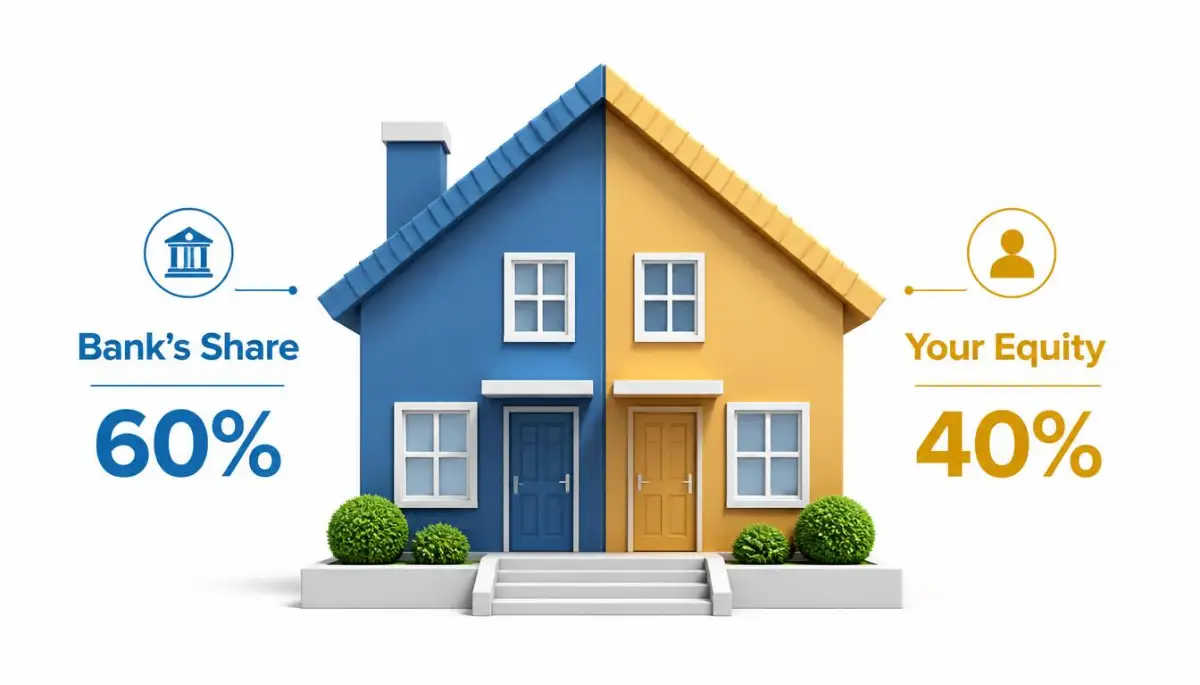
If your house is worth three hundred thousand dollars and you owe two hundred thousand dollars to the bank, your equity is one hundred thousand dollars.
This value is not just a random number on a sheet of paper. It represents your actual wealth and financial security.
As this number grows, your personal net worth increases, giving you a stronger financial foundation. It is the key to unlocking true long-term stability and freedom.
The Two Natural Ways Your Property Value Grows
There are two primary ways that your property ownership stake can increase over time.
The first way is through the natural pay-down of your home loan over the years. Every time a portion of your monthly payment goes toward the principal balance, your ownership stake grows.
The second way is through market appreciation, where the overall value of your neighborhood rises. While you cannot control the local housing market, you can certainly control how quickly you pay down your debt.
By combining these two factors, you can watch your financial stake in your property grow steadily.
Why Your Early Mortgage Payments Build Ownership So Slowly
To understand how to build wealth faster, you must first understand why the process starts so slowly. Most traditional home loans are structured through a system called amortization.
In the early years of your loan, your monthly payments are heavily weighted toward paying off the interest charged by the bank.
Only a tiny fraction of your money actually goes toward reducing the principal balance of your loan. This structure is designed to protect the bank and ensure they collect their profit first.
It is the main reason why you can make payments for years and see very little change in your loan balance. Once you understand this math, you can start taking steps to bypass this slow system.
Practical Strategies to Build Your Home Equity Much Faster
Building your property ownership stake does not have to take three decades. By using targeted, smart strategies, you can speed up the process and save thousands of dollars in interest.
Here are the most effective ways to take control of your mortgage and build real value.
Switch to a Bi-Weekly Payment Schedule
One of the easiest ways to speed up your progress is to change how often you make your payments. Instead of making one full payment every month, you can pay half of that amount every two weeks.
Because there are fifty-two weeks in a year, you will end up making twenty-six half-payments.
This equals thirteen full monthly payments instead of the usual twelve. This simple shift adds one extra monthly payment to your principal balance every single year.
Over the life of a typical thirty-year loan, this single change can shave years off your repayment timeline. It is an effortless way to make a massive impact on your debt without feeling a tight squeeze on your budget.
Make Direct Payments to Your Principal Balance
Whenever you receive extra money, such as a work bonus, a tax refund, or a cash gift, consider putting it directly toward your mortgage.
When you do this, you must specify to your lender that the extra money should go directly to the principal balance, not the next month's regular payment.
Reducing the principal directly means that future interest charges will be calculated on a smaller number. This creates a powerful snowball effect that saves you money month after month. Even small, consistent extra payments can make a dramatic difference over time.
If you want a clear visual breakdown of how making extra payments can shave years off your mortgage, watch this highly helpful video guide.
Focus on Smart, Budget-Friendly Renovations
Another highly effective way to build value is by improving the physical condition of your property. However, you must be careful not to spend more money on renovations than the value they actually add.
Focus on high-impact projects that appeal to appraisers and future buyers. Simple upgrades like a fresh coat of neutral paint, minor kitchen updates, and basic landscaping can yield great results.
These small changes can lift the overall market value of your property without requiring a massive budget.
Home Equity: Myth vs. Fact
- Myth: You need a massive salary to build equity fast.
- Fact: Small, $50 extra payments to your principal each month can save you thousands in interest over time.
- Myth: Every renovation adds value.
- Fact: A $50,000 kitchen remodel might only add $30,000 to your home's value. Focus on 'curb appeal' first."
It is a hands-on way to build what experts call sweat equity through your own hard work and planning.
Consider Refinancing to a Shorter Loan Term
If interest rates are favorable, refinancing your mortgage into a shorter term can be an excellent move. Shifting from a thirty-year loan to a fifteen-year loan will instantly change how your payments are structured.
A much larger portion of your very first payment will go directly toward the principal balance.
While your monthly payment will likely be higher, you will pay off the entire debt in half the time.
This strategy is perfect for those who have a stable income and want to commit to rapid wealth building. It forces a disciplined approach to paying off debt and secures your financial future much sooner.
Pro Tip: I used to think that any home renovation would automatically boost my home equity. However, I learned the hard way that over-improving a kitchen can actually drain your wallet without adding equal value to your appraisal. Focus on minor repairs first, like paint and basic landscaping, before jumping into massive renovations.
The Long-Term Benefits of Owning Your Home Completely
When you have high equity, you have a powerful financial safety net that protects you during tough economic times.
You are no longer at the mercy of unpredictable rental markets or strict bank rules.
You have the freedom to make choices that are best for your family and your future. Every step you take today to reduce your debt is an investment in your ultimate peace and security.
Advanced Strategies for Accelerating Property Ownership
Many homeowners believe that making extra payments is the only way to build up their ownership stake. However, experienced property owners use more sophisticated tools to protect their money and speed up their progress. One highly effective method is a process known as mortgage recasting.
Unlike refinancing, which completely replaces your current loan with a new one, recasting keeps your existing interest rate and loan terms intact. You simply pay a large lump sum toward your principal balance, and your lender recalculates your monthly payments based on the new, lower balance. This is an excellent option if you receive a inheritance or a sudden financial windfall and want to lower your monthly expenses.
Another key tactic involves understanding how your money moves when you make these lump-sum payments. You must contact your bank directly to ensure your extra funds are not applied to future monthly payments. Many banks will simply hold your extra money to cover next month's bill, which does not reduce your interest charges.
You want every extra dollar to immediately reduce your principal balance, which weakens the bank's compound interest formula. For those navigating complex career shifts, understanding how a job change during mortgage can affect your loan status is necessary to keep your plans on track. Keeping your employment details stable ensures that your lender remains cooperative when you request changes like recasting.

If you are self-employed or have a fluctuating income, planning these extra payments requires a more flexible approach. You cannot always commit to strict monthly overpayments when your cash flow changes from month to month. Utilizing smart budgeting methods for self-employed pros allows you to build a separate mortgage acceleration fund during high-earning months.
Once this fund reaches a healthy size, you can make a single, powerful lump-sum payment directly to your principal. This keeps your monthly budget safe while still allowing you to chip away at your debt over time. You can learn more about official consumer financial protections and loan structures directly from the Consumer Financial Protection Bureau to ensure your bank treats your payments fairly.
To maintain these positive habits over the long haul, you need to track your property's value objectively. Do not rely solely on commercial real estate websites, as their estimates can be highly inaccurate and misleading. Instead, use official tools like the house price calculator provided by the Federal Housing Finance Agency to track average market changes in your local area.
Knowing the true value of your property keeps you motivated because you can see your actual net worth growing month after month. It turns the boring math of homeownership into an exciting game where you are constantly winning back your freedom.

Hidden Trapdoors and Financial Pitfalls to Avoid
As you work hard to build up your home equity, you must be careful not to fall into common financial traps. The most dangerous trap is treating your property like a personal bank account or a credit card. Many banks will offer you a home equity line of credit, commonly known as a HELOC, once you build up a decent ownership stake.
These offers can sound incredibly tempting because they allow you to borrow large sums of money using your home as collateral.
But borrowing against your home to buy depreciating assets like expensive cars, luxury vacations, or fancy gadgets is a massive mistake. This moves you backward, increases your debt load, and puts your entire home at risk of foreclosure if your income changes. You should only borrow against your property as an absolute last resort during a severe financial emergency.
Another subtle mistake is neglecting the simple upkeep of your physical property. A home is a physical structure that decays over time if it is not properly cared for and maintained.
Minor issues like a tiny roof leak, a damp crawlspace, or clogged gutters can quickly turn into massive, expensive disasters. These structural issues can destroy your home's market value, wiping out years of hard-earned equity in a matter of weeks.
When you manage your physical living space, making simple household swaps is an easy way to protect your budget while keeping your home environment healthy and clean. Regular maintenance preserves your home's structural health, which keeps your property valuation high and stable.
We must also talk about the emotional trap of over-improving your house. Many homeowners spend tens of thousands of dollars on highly customized renovations, assuming they will get all that money back when they sell.
But if your house is the most expensive and modern property in your neighborhood, you will rarely recoup those costs. Buyers are looking at the average prices of the surrounding area, and appraisers must follow strict guidelines.
You can find more details on standard appraisal guidelines and fair housing practices on the official U.S. Department of Housing and Urban Development website. Always keep your upgrades classic, functional, and in line with your local neighborhood standards to avoid losing your hard-earned cash.
Your Roadmap to Financial Freedom and True Ownership
Taking control of your housing debt is one of the most powerful steps you can take toward lifelong financial peace. It requires you to shift your mindset from simply making payments to actively building an asset.
By using simple strategies like bi-weekly payments, direct principal reductions, and smart maintenance, you can save an incredible amount of money.
You will no longer feel like a tenant who is simply renting a space from a large banking institution. Instead, you will watch your actual ownership grow, creating a rock-solid foundation for your family's future.
Every single dollar you pay toward your principal balance is a permanent step toward complete financial independence.
I hope you take these words to heart and start making small changes to your payment habits today. My own journey proved that even a tiny extra payment toward your home loan principal can build massive freedom over time. You have the power to truly own your home, so take that first step right now.
Common Queries About Home Ownership and Property Value
How often should I check my property's market value?
It is best to check your home's estimated value once or twice a year to stay informed without getting stressed. Looking at the numbers too often can cause unnecessary worry because the real estate market naturally goes up and down over short periods. Focus on long-term trends rather than daily price shifts.
Does paying my mortgage bi-weekly hurt my credit score?
No, switching to a bi-weekly payment schedule does not harm your credit score in any way. In fact, consistently paying down your principal balance reduces your overall debt, which can actually improve your credit profile over time. Just make sure to coordinate the change with your lender so they process the payments correctly.
Can I build equity if the local housing market is down?
Yes, you can absolutely build equity even when property values are falling. While you cannot control the market, making extra payments directly to your principal balance guarantees that your loan balance shrinks. This active reduction protects you from falling into a negative equity situation where you owe more than the house is worth.
What is the main difference between refinancing and recasting a loan?
Refinancing involves getting a brand new mortgage with new terms and interest rates, which usually requires paying high closing costs. Recasting keeps your current mortgage and interest rate but reduces your monthly payment after you pay a large lump sum toward your principal. Recasting is much cheaper and easier to set up than a traditional refinance.
Disclaimer : The information provided in this article is for educational and informational purposes only and should not be considered professional financial, legal, or real estate advice. Please consult with a certified financial planner, mortgage broker, or legal professional before making any major financial decisions regarding your home loan or property.