The Quiet Guilt of the Modern Kitchen Bin
I remember standing in my kitchen last month, looking at my trash bin overflowing with plastic wrap and vegetable bags, and feeling completely defeated. It hit me that despite my best intentions, my busy daily routine was quietly generating so much plastic waste. That was my personal wake-up call to stop stressing over zero-waste perfection and focus on tiny, realistic shifts that actually stick.
Imagine coming home after a long, tiring day at work. You kick off your shoes, carry your grocery bags to the kitchen counter, and start unpacking your dinner ingredients. Within five minutes, your countertop is covered in a small mountain of plastic wrap, thin bags, and plastic containers.
You toss them into the trash bin, watching it fill up to the brim yet again. It is a familiar, frustrating moment that many of us face every single week. You want to do better for the environment, but the thought of a completely zero-waste lifestyle feels utterly exhausting and unrealistic.
We live in a world where almost everything we buy is wrapped in layers of synthetic packaging. Seeing your trash bin overflow with single-use plastic can trigger a quiet sense of guilt and helplessness.
You might ask yourself if your small efforts even matter when major corporations keep producing millions of tons of waste. This mental heavy lifting often leads to burnout, making people give up on green living altogether.
But here is the good news: you do not have to live a flawless, plastic-free life to make a real difference. Real change happens when millions of people make small, imperfect adjustments to their daily routines.
We can reclaim our peace of mind by focusing on simple, stress-free habits that easily fit into our current lifestyles. Let us explore how we can protect our homes and the planet without turning our daily schedules upside down.
Why Small Micro-Habits Beat Big Lifestyle Redesigns
Trying to change all your household habits overnight is a quick recipe for failure. Human beings are wired to seek comfort and convenience, especially when daily life is already busy and demanding.
When you force yourself to adopt a strict, zero-waste routine, you quickly run out of willpower. It is much smarter to focus on micro-habits that require almost no extra time or mental energy.
Think of waste reduction like saving money. You do not build a large savings account by cutting out every single fun expense instantly.
Instead, you save small amounts consistently over a long period. In the exact same way, making one tiny change in your kitchen this week builds a solid foundation for long-term success.
The Reality of the Modern Waste System
Many of us rely heavily on the green recycling bin to wash away our consumer guilt. We throw plastic containers, film, and bottles into the blue or green bin, believing they will magically turn into new items.
However, the global recycling system is highly complex and often inefficient. To understand why we must focus on reduction first, let us look at the differences between the myth and the reality of recycling.
This reality is not meant to discourage you from recycling. Instead, it highlights why preventing plastic from entering your home is always the most effective strategy.
Simple Kitchen Switches That Pay for Themselves
The kitchen is usually the biggest source of plastic waste in any household. Fortunately, it is also the easiest place to start making simple, cost-effective changes.
By replacing short-lived items with durable alternatives, you save money over time while keeping plastic out of our oceans.
Before reading the specific steps below, take a quick look at how incredibly easy these kitchen swaps are in real life! Watch this short, visual guide to get inspired, and then keep reading to see how these changes can save you money.
Upgrading Your Morning Dishwashing Routine
Think about the classic yellow-and-green synthetic sponge sitting by your kitchen sink. These cheap sponges are made from polyurethane, which sheds microscopic plastic particles down the drain every time you wash a plate.
When these sponges wear out, they head straight to the landfill where they sit for centuries.
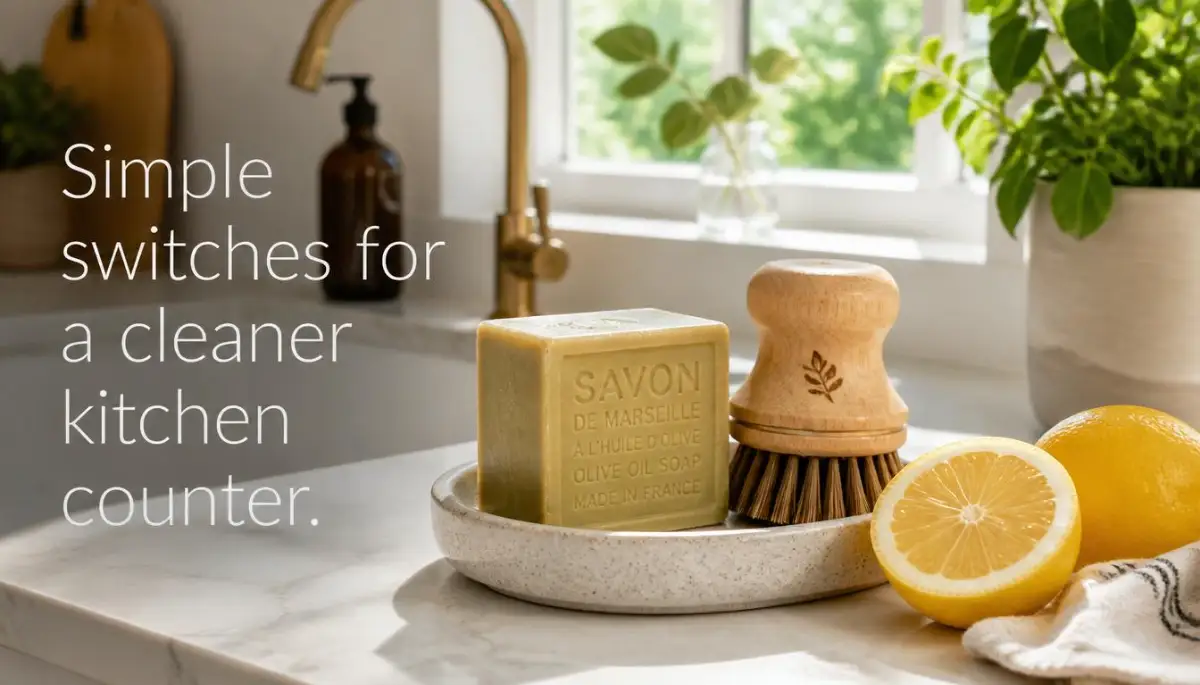
A simple alternative is to switch to a wooden dish brush with natural plant-fiber bristles. These brushes scrub pots beautifully, look lovely on your counter, and are fully compostable when they finally wear out.
If you prefer a softer sponge, look for natural cellulose sponges made from wood pulp. These simple swaps do not change how you clean; they only change what happens to your waste afterward.
Reimagining Leftover Storage Without Cling Wrap
Plastic cling wrap is incredibly clingy, difficult to handle, and completely impossible to recycle. We use it once to cover a bowl of leftovers, and then it goes straight into the trash.
This is a classic example of a single-use plastic that we can easily replace with zero extra effort.
An easy swap is to use silicone stretch lids or beeswax wraps to cover your bowls. Silicone lids are stretchy, airtight, washable, and last for years without losing their shape.
If you want an even simpler option, just place a ceramic dinner plate over your bowl of leftovers before putting it in the fridge. To be honest, I made the mistake of buying expensive glass storage sets when I first started out, only to realize I did not need them. My favorite trick now is simply using a regular ceramic plate to cover my leftover bowls in the fridge, which costs zero dollars and works beautifully. This old-school method costs absolutely nothing and keeps your food perfectly fresh.
Smart Grocery Habits That Do Not Take Extra Time
Going grocery shopping can feel like entering a plastic jungle. Almost every vegetable is wrapped in cling film, and even organic apples are often packed in heavy plastic trays.
However, a few minor tweaks to your shopping flow can dramatically cut down on this unnecessary packaging.
The Magic of Reusable Cotton Mesh Bags
Most people remember to bring their large canvas bags to the store for carrying their groceries home. But once inside, we still grab those thin, clear plastic rolls to bag our individual onions, apples, and lemons.
These lightweight produce bags are incredibly flimsy and are almost never recycled.
Keeping a few lightweight cotton mesh bags folded inside your main shopping bags solves this issue. When you reach the produce aisle, simply place your loose fruits and vegetables into your mesh bags.
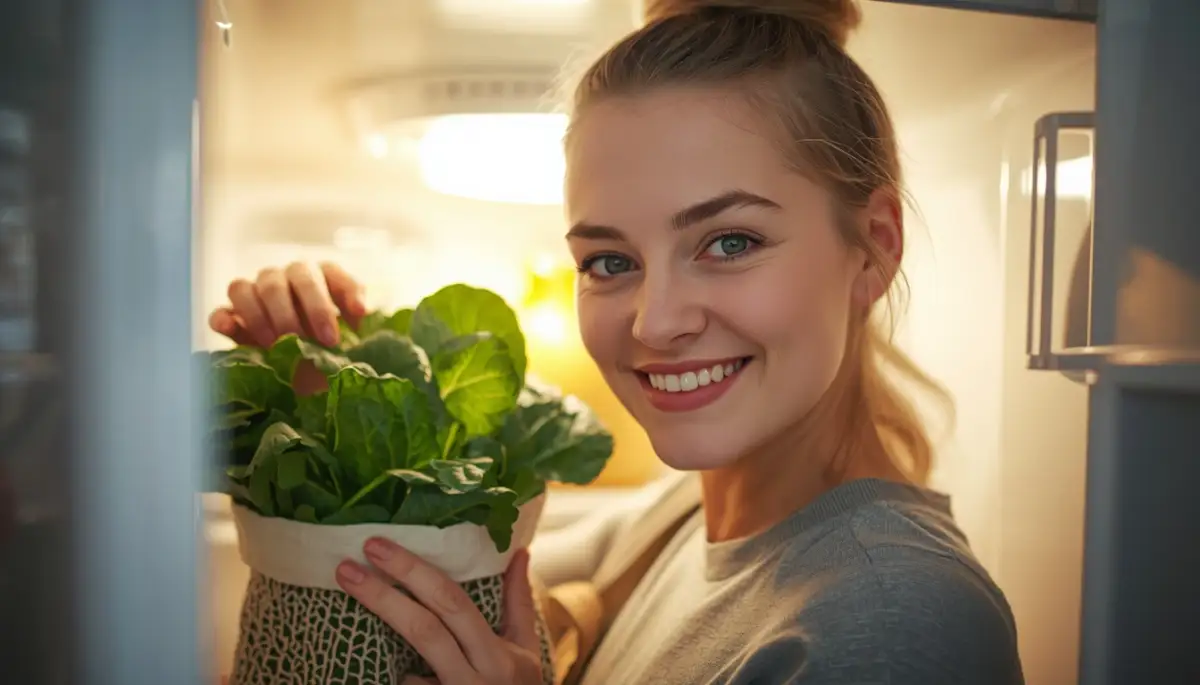
These bags are breathable, which actually helps keep your fresh produce alive longer in your crisper drawer. If you ever forget your mesh bags, simply let your thick-skinned produce ride loose in your shopping cart.
Choosing Different Materials on the Shelf
When you are walking down the pantry aisles, you often have choices between the exact same product packaged in different materials. For example, tomato sauce comes in plastic bottles, aluminum cans, or glass jars.
Whenever possible, try to choose glass or aluminum over plastic packaging.
Glass and metal are highly valuable materials in the recycling world because they can be recycled forever without losing their strength.
Additionally, glass jars can easily be washed and reused at home to store dry goods, spices, or leftover soups. Making this simple choice at the shelf takes no extra time but has a massive positive impact.
Expert Insight: The Power of One Bag
"We do not need a handful of people doing zero waste perfectly. We need millions of people doing it imperfectly."
By keeping just one reusable shopping bag in your car or backpack, you prevent hundreds of plastic bags from entering our ecosystems every single year.
Redefining Your Bathroom Routine with Solid Alternatives
After the kitchen, the bathroom is the next major hotspot for plastic bottles and synthetic packaging. Shampoo, conditioner, body wash, and hand soap almost always come in thick plastic bottles that clutter your shower shelves.
Embodying the Charm of Solid Bar Soaps
For decades, liquid body wash in plastic bottles has been marketed as cleaner and more luxurious than traditional bar soap. However, liquid soap is mostly made of water, which makes it heavy to ship and expensive to buy.
The thick plastic pump bottles are also highly difficult to clean and recycle.
Switching back to high-quality, cold-pressed bar soaps is one of the most satisfying eco-friendly changes you can make. Bar soaps often use simple, skin-friendly ingredients and come packaged in recycled paper boxes.
They last much longer than liquid soap, save you money, and clear up valuable space around your bathtub.
The Rise of Shampoo and Conditioner Bars
If you want to take your bathroom swaps a step further, look into solid shampoo and conditioner bars. These concentrated bars work just like liquid shampoo but without the water and the plastic bottle.
You simply rub the wet bar between your hands to create a rich lather, apply it to your hair, and rinse. Modern shampoo bars are formulated with natural oils that leave your hair feeling soft, clean, and healthy.
They are also incredibly convenient for travel, as you never have to worry about liquid spills in your suitcase. It is a simple, neat solution that keeps plastic bottles out of your shower for good.
How to Stay Consistent Without Feeling Burned Out
The secret to keeping these green habits alive is to be incredibly gentle with yourself. If you forget your reusable bags at home, do not beat yourself up or feel like you failed.
Simply ask the cashier for paper bags, or pack your groceries loose into your car trunk when you get outside.
Sustainable living is a long journey, not a race to a perfect finish line. Celebrate your small wins, like finishing your first bamboo toothbrush or using up your first solid shampoo bar.
By making these tiny, practical changes a natural part of your life, you build a cleaner home and a brighter future for everyone.
Why Small Micro-Habits Beat Big Lifestyle Redesigns
Trying to change all your household habits overnight is a quick recipe for failure. Human beings are wired to seek comfort and convenience, especially when daily life is already busy and demanding.
When you force yourself to adopt a strict, zero-waste routine, you quickly run out of willpower. It is much smarter to focus on micro-habits that require almost no extra time or mental energy. Think of waste reduction like saving money. You do not build a large savings account by cutting out every single fun expense instantly.
Instead, you save small amounts consistently over a long period. In the exact same way, making one tiny change in your kitchen this week builds a solid foundation for long-term success.
The Reality of the Modern Waste System
Many of us rely heavily on the green recycling bin to wash away our consumer guilt. We throw plastic containers, film, and bottles into the blue or green bin, believing they will magically turn into new items.
However, the global recycling system is highly complex and often inefficient. To understand why we must focus on reduction first, let us look at the differences between the myth and the reality of recycling.
This reality is not meant to discourage you from recycling. Instead, it highlights why preventing plastic from entering your home is always the most effective strategy.
Simple Kitchen Switches That Pay for Themselves
The kitchen is usually the biggest source of plastic waste in any household. Fortunately, it is also the easiest place to start making simple, cost-effective changes.
By replacing short-lived items with durable alternatives, you save money over time while keeping plastic out of our oceans.
Upgrading Your Morning Dishwashing Routine
Think about the classic yellow-and-green synthetic sponge sitting by your kitchen sink. These cheap sponges are made from polyurethane, which sheds microscopic plastic particles down the drain every time you wash a plate.
When these sponges wear out, they head straight to the landfill where they sit for centuries.
A simple alternative is to switch to a wooden dish brush with natural plant-fiber bristles. These brushes scrub pots beautifully, look lovely on your counter, and are fully compostable when they finally wear out.
If you prefer a softer sponge, look for natural cellulose sponges made from wood pulp. These simple swaps do not change how you clean; they only change what happens to your waste afterward.
Reimagining Leftover Storage Without Cling Wrap
Plastic cling wrap is incredibly clingy, difficult to handle, and completely impossible to recycle. We use it once to cover a bowl of leftovers, and then it goes straight into the trash.
This is a classic example of a single-use plastic that we can easily replace with zero extra effort.
An easy swap is to use silicone stretch lids or beeswax wraps to cover your bowls. Silicone lids are stretchy, airtight, washable, and last for years without losing their shape.
If you want an even simpler option, just place a ceramic dinner plate over your bowl of leftovers before putting it in the fridge. This old-school method costs absolutely nothing and keeps your food perfectly fresh.
Smart Grocery Habits That Do Not Take Extra Time
Going grocery shopping can feel like entering a plastic jungle. Almost every vegetable is wrapped in cling film, and even organic apples are often packed in heavy plastic trays.
However, a few minor tweaks to your shopping flow can dramatically cut down on this unnecessary packaging.
The Magic of Reusable Cotton Mesh Bags
Most people remember to bring their large canvas bags to the store for carrying their groceries home. But once inside, we still grab those thin, clear plastic rolls to bag our individual onions, apples, and lemons.
These lightweight produce bags are incredibly flimsy and are almost never recycled.
Keeping a few lightweight cotton mesh bags folded inside your main shopping bags solves this issue. When you reach the produce aisle, simply place your loose fruits and vegetables into your mesh bags.
These bags are breathable, which actually helps keep your fresh produce alive longer in your crisper drawer. If you ever forget your mesh bags, simply let your thick-skinned produce ride loose in your shopping cart.
Choosing Different Materials on the Shelf
When you are walking down the pantry aisles, you often have choices between the exact same product packaged in different materials. For example, tomato sauce comes in plastic bottles, aluminum cans, or glass jars.
Whenever possible, try to choose glass or aluminum over plastic packaging.
Glass and metal are highly valuable materials in the recycling world because they can be recycled forever without losing their strength.
Additionally, glass jars can easily be washed and reused at home to store dry goods, spices, or leftover soups. Making this simple choice at the shelf takes no extra time but has a massive positive impact.
Expert Insight: The Power of One Bag
"We do not need a handful of people doing zero waste perfectly. We need millions of people doing it imperfectly."
By keeping just one reusable shopping bag in your car or backpack, you prevent hundreds of plastic bags from entering our ecosystems every single year.
Redefining Your Bathroom Routine with Solid Alternatives
After the kitchen, the bathroom is the next major hotspot for plastic bottles and synthetic packaging. Shampoo, conditioner, body wash, and hand soap almost always come in thick plastic bottles that clutter your shower shelves.
Embodying the Charm of Solid Bar Soaps
For decades, liquid body wash in plastic bottles has been marketed as cleaner and more luxurious than traditional bar soap. However, liquid soap is mostly made of water, which makes it heavy to ship and expensive to buy.
The thick plastic pump bottles are also highly difficult to clean and recycle.
Switching back to high-quality, cold-pressed bar soaps is one of the most satisfying eco-friendly changes you can make. Bar soaps often use simple, skin-friendly ingredients and come packaged in recycled paper boxes.
They last much longer than liquid soap, save you money, and clear up valuable space around your bathtub.
The Rise of Shampoo and Conditioner Bars
If you want to take your bathroom swaps a step further, look into solid shampoo and conditioner bars. These concentrated bars work just like liquid shampoo but without the water and the plastic bottle.
You simply rub the wet bar between your hands to create a rich lather, apply it to your hair, and rinse. Modern shampoo bars are formulated with natural oils that leave your hair feeling soft, clean, and healthy.
They are also incredibly convenient for travel, as you never have to worry about liquid spills in your suitcase. It is a simple, neat solution that keeps plastic bottles out of your shower for good.
How to Stay Consistent Without Feeling Burned Out
The secret to keeping these green habits alive is to be incredibly gentle with yourself. If you forget your reusable bags at home, do not beat yourself up or feel like you failed. Simply ask the cashier for paper bags, or pack your groceries loose into your car trunk when you get outside.
Sustainable living is a long journey, not a race to a perfect finish line. Celebrate your small wins, like finishing your first bamboo toothbrush or using up your first solid shampoo bar.
By making these tiny, practical changes a natural part of your life, you build a cleaner home and a brighter future for everyone.
Moving Beyond the Basics of Sustainable Living
Once you master simple swaps like solid soap bars and reusable shopping bags, you might feel ready to take your efforts a step further. You do not need to turn your life upside down to achieve a highly efficient, low-waste household.
Instead, you can focus on building smart systems that quietly work in the background of your busy routine. These advanced strategies will help you cut down on waste while actually saving you time and hard-earned money.
The Magic of the Concentrated Cleaning Cabinet
Most of the cleaning sprays we buy at the grocery store are mostly made of water. Companies package these heavy liquids in thick plastic bottles and ship them all over the world, which creates a massive carbon footprint.
When you spray the bottle clean, you are left with a plastic shell that is incredibly difficult to recycle. A much smarter, expert-level solution is to stop buying water in plastic bottles altogether. Instead, you can buy concentrated cleaning tablets or tiny glass vials of liquid refills. You simply drop the concentrated tablet into a glass spray bottle, fill it up with warm water from your kitchen tap, and watch it dissolve.
This simple method gives you a highly effective cleaning spray for a fraction of the cost. It also saves a massive amount of storage space in your hallway closet.
If you run a business or work from your kitchen table, these smart organizational habits can keep your workspace tidy. Just as managing business receipts is important for figuring out smart tax deductions for home-based solopreneurs, stream-lining your household purchases keeps your personal life highly efficient and cheap to run.
Mastering the Bulk Buying Strategy Without the Clutter
Many people believe that bulk buying means bringing home giant plastic tubs of food that take over their entire pantry. However, real bulk buying is about choosing foods packaged in simple, recyclable cardboard or large paper sacks.
When you buy grains, oats, or baking supplies in large quantities, you drastically reduce the amount of individual plastic bags entering your home.
You can set up a simple pantry station by washing out old glass spaghetti jars and filling them with your bulk purchases. This creates a beautiful, neat kitchen shelf that looks highly professional and costs absolutely nothing.
According to data on municipal waste from the US Environmental Protection Agency, containers and packaging make up a major portion of household trash. By bypassing small individual snack packs, you directly help lower these alarming numbers.
The Art of the Natural Food Wrap Swap
If you love cooking, you probably use a lot of plastic storage bags to keep chopped vegetables or bread fresh. While beeswax wraps are excellent, you can also use natural linen bread bags to keep your sourdough fresh.
Linen is highly breathable, which prevents moisture from building up and causing mold to grow on your food.
For your wet foods, try using simple glass storage containers with airtight bamboo lids. These look incredibly neat in your refrigerator, do not absorb food smells, and can go straight into the microwave or oven.
Making these smart upgrades protects your family from food chemicals while keeping your kitchen routine feeling highly luxurious.
The Hidden Pitfalls of the Eco-Friendly Transition
When you decide to reduce your waste, it is incredibly easy to fall into a few common traps. The biggest mistake people make is throwing away perfectly good plastic items just because they want a green aesthetic.
You might see beautiful pictures online of kitchens filled with matching glass jars and wooden brushes. This can make you feel like you need to toss out your plastic food containers and buy brand-new glass versions.
Doing this actually hurts the planet more than it helps. The most eco-friendly item is always the one you already own.
Keep using your plastic food tubs until they are completely worn out or broken. When they finally reach the end of their lives, you can then replace them with a natural alternative.
Another common mistake is a habit known in the environmental community as "wishcycling." This is when we throw non-recyclable items into the recycling bin, hoping that a facility will somehow find a way to process them.
Items like greasy pizza boxes, dirty plastic bags, and plastic toys can easily ruin entire batches of clean recycling.
Always check your local municipal guidelines to see exactly what materials your local trucks can actually handle. When in doubt, it is always safer to throw a questionable item into the regular trash bin to protect the clean recycling stream. Finally, do not let your eco-friendly goals turn into an obsession that hurts your mental wellbeing. Trying to be completely plastic-free in a world built on plastic can easily cause intense emotional exhaustion.
Just like students need to protect their mental energy when overcoming college burnout, you must protect your peace of mind on this sustainability journey.
If you have a difficult week and need to buy a quick wrapped meal, forgive yourself and move on without any guilt.
Understanding the Health Connection
Reducing your contact with single-use packaging is not just a great choice for the planet. It is also an important step toward protecting your own physical health and energy levels.
When we heat food in plastic containers, tiny chemicals can leach directly into our meals. This constant contact can impact our metabolic health and body balance.
Scientific research from the Harvard T.H. Chan School of Public Health shows that exposure to certain environmental chemicals can play a quiet role in weight gain and insulin issues.
Just as paying close attention to your body is important for spotting the subtle signs of prediabetes, paying attention to what touches your food is key to long-term vitality.
By switching to glass, ceramic, and natural cotton kitchen tools, you keep your body clean from the inside out.
A Simple Seven-Day Plan for Busy People
- Monday: Place a spare reusable bag inside your everyday backpack or purse so you never forget it.
- Tuesday: Look through your refrigerator and promise to cover your next leftover bowl with a ceramic plate instead of cling wrap.
- Wednesday: Check your shower shelves and count how many plastic bottles you currently have.
- Thursday: Buy a single bar of high-quality soap for your bathroom sink to replace your plastic pump bottle.
- Friday: Take a quick look at your local recycling rules online to see what items your city actually accepts.
- Saturday: Visit a local farmers' market and try to buy your vegetables completely loose without any plastic bags.
- Sunday: Celebrate your progress and remember that your small, imperfect changes are making a real, lasting impact.
The journey toward a cleaner, greener home is built on these tiny, everyday choices. You do not need to be a perfect environmental activist to build a beautiful, sustainable life.
By taking these practical steps, you can save money, protect your health, and create a peaceful home that aligns with your values. Start with just one small change tomorrow, and watch how easily it transforms your daily life for the better.
Taking these simple steps completely cured my daily trash-bin guilt, and my kitchen feels much lighter and cleaner now. I truly hope you take just one tiny action tonight, because you do not have to change your entire life to make a beautiful, lasting difference.
Disclaimer: This article is provided for general informational and educational purposes only. The ideas, swaps, and health suggestions shared here are designed to encourage home organization and sustainable living. They should not be used as professional medical advice, financial guidance, or official environmental regulation standards. Always consult with certified experts or local authorities regarding specific health concerns or municipal recycling laws in your area.