When Every Step Felt Like Glass: My Battle with Joint Pain
I spent years thinking that if my knees weren't throbbing after a workout, I wasn't trying hard enough. That 'no pain, no gain' mindset eventually left me unable to walk to my own mailbox. If you're tired of feeling like your body is rusting while your mind still wants to move, I want to show you exactly how I fixed it. You don't need expensive surgeries or boring rest days—you just need to change how you move
For years, I pushed myself with heavy running and high-intensity jumping because I thought "no pain, no gain" was the only way to stay fit. I ignored the small clicks in my ankles and the stiffness in my lower back every single morning.
One day, I realized I couldn't even walk to the grocery store without needing a break. I felt trapped in a body that was supposed to be in its prime but felt like it was rusting from the inside out. It was a lonely, frustrating place to be, and I honestly thought my days of being active were over.
Maybe you feel this way right now. You want to move, you want to be healthy, but the very thought of a treadmill makes your joints scream in protest. You see people sprinting in the park and feel a mix of envy and sadness because your body won't let you do the same.
It is hard when your mind wants to run but your knees say no. This struggle is real, and it affects millions of us who just want to feel good again without paying for it with days of inflammation and ice packs.
But here is what I learned: fitness does not have to hurt. You can get your heart rate up and burn calories without punishing your cartilage. There is a different way to move that feels like a healing balm rather than a heavy burden.
Why Your Joints Are Screaming for a Change
Most of us were taught that sweat and impact are the only markers of a good workout. We jump on hard concrete, lift heavy weights with bad form, and ignore the warning signs our bodies send us. This constant pounding creates tiny tears and wear in our joints that eventually lead to chronic issues.
### Cheat Sheet: How to Keep Moving Without the Pain
- Pick Water First: Swimming removes 90% of your body weight from your joints, making it the safest cardio choice.
- Surface Matters: If you walk, choose grass, dirt trails, or rubber tracks over concrete.
- Watch the Gears: When cycling, use lower resistance and faster leg speed to protect your tendons.
- Hydrate to Lubricate: Drinking water is like adding oil to a rusty hinge; it keeps your joint fluid thick and protective.
- Replace Your Gear: Your shoes die long before they look 'dirty.' Replace them every 400 miles to keep the cushion alive."
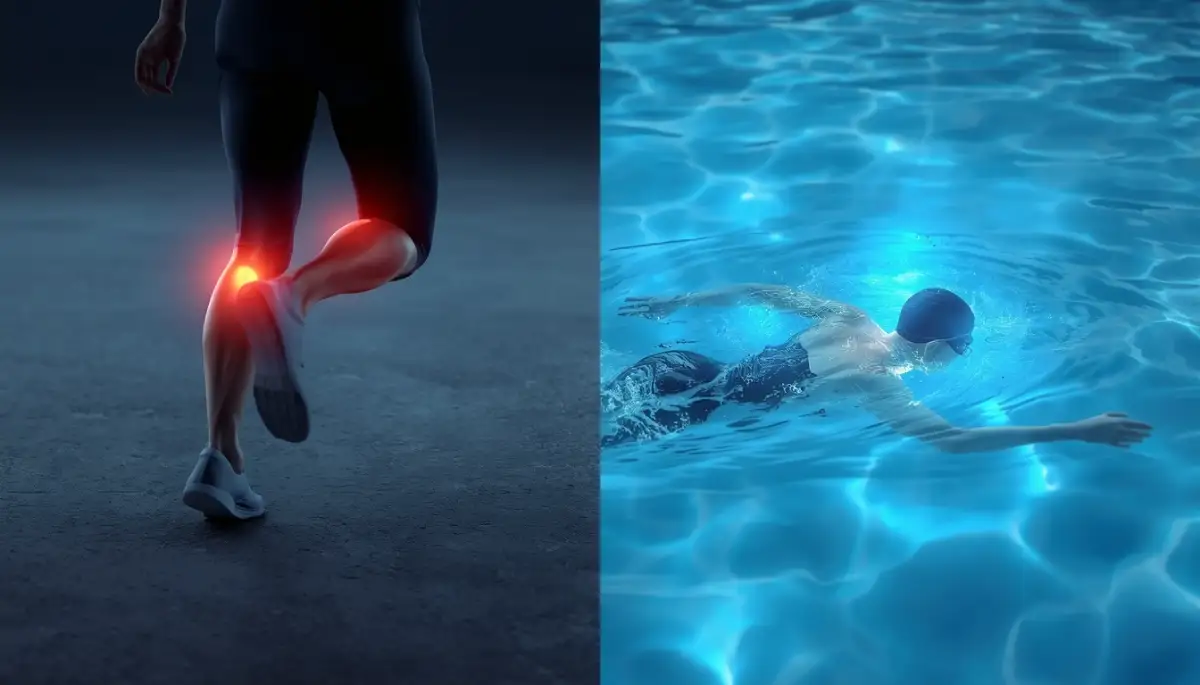
When you do high-impact activities, your joints absorb several times your body weight in force. For someone with sensitive knees or hips, this is like hitting a brick wall over and over again. Eventually, the wall starts to crack.
Quick Comparison: Impact Levels on Your Knees
This constant stress doesn't just hurt your bones; it wears down the shock absorbers called the meniscus and cartilage. Once these are gone, they don't just grow back like a haircut. This is why many people stop exercising altogether, which leads to a whole new set of health problems.
The good news is that your body is incredibly resilient. If you stop the constant "pounding" and switch to "flowing" movements, you give your joints a chance to breathe. You can still strengthen your heart and lungs without the heavy impact that causes injury.
Understanding the difference between "good fatigue" and "bad pain" is the first step toward a healthier you. We are going to look at how to rebuild your fitness foundation using methods that actually support your skeletal system instead of destroying it.
The Magic of Buoyancy: Swimming for Total Body Health
If I had to pick the absolute king of joint-safe exercise, it would be swimming. When you get into a pool, the water supports about 90% of your body weight. This means the crushing pressure on your knees and hips literally disappears the moment you dive in.
Swimming allows you to move your limbs through their full range of motion without any resistance from gravity. This is huge for people with arthritis or old sports injuries. You can get a world-class cardio workout while your joints are essentially "floating" in a safe environment.
I started with just ten minutes of slow laps twice a week. At first, I was worried I wasn't doing enough because I didn't feel that familiar "pain" in my joints. But after a month, my lung capacity improved, and my clothes started fitting better.
The best part about water is the natural resistance it provides. Every move you make in the pool is working your muscles, even if it feels easy. It is like lifting weights and doing cardio at the same time, but without the risk of dropping a dumbbell on your toe.
If you aren't a strong swimmer, don't worry. Just walking in the water is a fantastic way to start. The resistance of the water makes your heart work harder than walking on land, but your joints won't feel a thing.
Water Aerobics: Not Just for Seniors
Many people think water aerobics is only for older folks, but that is a big mistake. I tried a high-intensity water aerobics class and was shocked at how much I sweated—even in a pool! It is an amazing way to get your heart pumping while staying completely safe.
You can use water weights or just move your arms and legs quickly against the water's pressure. This builds muscle tone and cardiovascular endurance simultaneously. It is also a very social way to stay active, which helps with the mental side of recovery.
Pro Tip: I used to think I needed to swim fast to get results, but I realized that slow, steady movements with perfect form are much better for my shoulders. If you feel a pinch, slow down and focus on the glide. My biggest mistake was trying to "race" other people in the lane next to me.
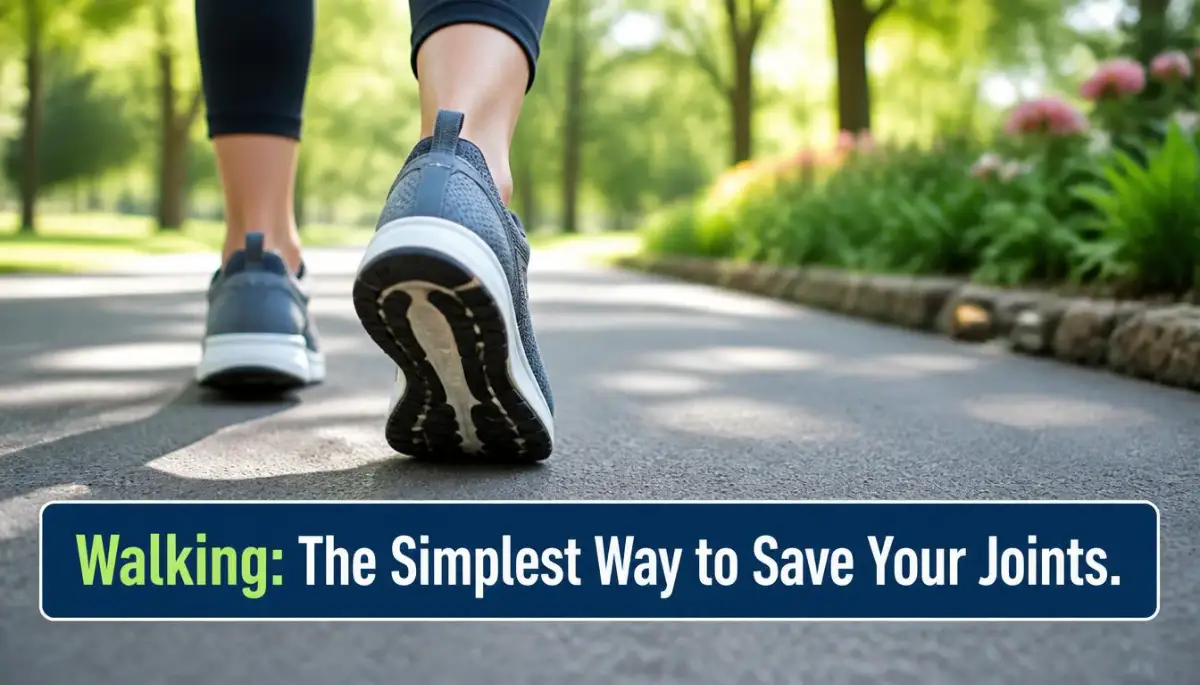
Walking: The Underrated Hero of Joint Longevity
We often overlook walking because it seems too simple. We think if we aren't gasping for air, we isn't working out. But walking is actually one of the most effective and sustainable forms of cardio for humans of all ages.
The key to joint-safe walking is the surface you choose. Walking on grass, a dirt trail, or a high-quality treadmill is much better than pounding your heels on concrete sidewalks. These softer surfaces act like a natural cushion for your ankles and knees.
I make it a point to walk for at least thirty minutes every single day. I don't rush; I just keep a steady pace where I can still talk but feel my heart beating a little faster. This "Zone 2" cardio is famous for burning fat and improving heart health without causing inflammation.
Walking also helps lubricate your joints. Think of your joints like a rusty door hinge. If you don't move them, they stay stuck. Walking pumps synovial fluid into the joint space, which acts like oil for the hinge.
If you have a dog, they are the best workout partners you could ask for. They never complain about the pace, and they keep you consistent. Consistency is far more important than intensity when you are trying to protect your long-term health.
How to Walk for Maximum Benefit
To get the most out of your walk, focus on your posture. Keep your head up, shoulders back, and swing your arms naturally. Rolling your foot from heel to toe helps distribute the weight evenly and prevents strain on your arches.
If you want to make it harder without running, try walking up a slight hill. This increases the work for your glutes and hamstrings but keeps the impact low. It is a great way to build strength and burn more calories without the "jarring" motion of a sprint.
This video shows the perfect walking form to prevent knee and hip pain during your daily stroll.
The Elliptical Machine: The Smooth Path to Fitness
For those who love the gym environment, the elliptical trainer is a godsend. It mimics the motion of running or walking but removes the "foot-strike" phase. Since your feet never leave the pedals, there is.
I used to hate this machine because I thought it was "boring." But once I realized I could get my heart rate to 150 beats per minute without any knee pain, I became a fan for life. It allows for a high-intensity workout that feels incredibly smooth.
Most elliptical machines also have handles for your arms. This makes it a total-body workout. By using your arms to help pull and push, you take some of the load off your legs while burning more calories overall.
It is important to keep your feet flat on the pedals. A common mistake I made was standing on my toes, which caused my calves to cramp and put pressure on my toes. Keep your weight back on your heels for the most comfortable experience.
My '30-Second Check' for Joint Safety:
Before you start any cardio session, ask yourself these three things:
- The Temperature Check: Does the joint feel warm or swollen before I even start? (If yes, rest).
- The Shoe Check: Did I buy these shoes more than 6 months ago? (If yes, check the soles for wear).
- The Hydration Check: Have I had at least 16oz of water in the last hour? (Dehydrated joints are 'sticky' joints)."
Mixing Up Your Resistance
You can change the resistance and the incline on most machines. This allows you to target different muscle groups. A higher incline works the glutes, while a lower incline feels more like a traditional walk.
Changing these settings every five minutes keeps your body guessing and prevents overuse injuries. It also keeps your mind engaged so the workout doesn't feel like a chore. I usually listen to a podcast or an audiobook to make the time fly by.
Cycling: Power and Protection in One Motion
Cycling is another fantastic way to get your cardio fix. Whether you prefer a stationary bike at home or a real bike on a smooth path, the circular motion of pedaling is very gentle on the knee joints.
The most important thing with cycling is the "bike fit." If your seat is too low, you put a lot of pressure on the front of your kneecap. If it is too high, you might strain your hamstrings. Finding that "sweet spot" where your leg has a slight bend at the bottom of the stroke is vital.
I prefer a recumbent bike—the ones with the big chair-like seats. It supports my lower back and allows me to pedal while reading. It might look "lazy" to some, but my heart rate tells a different story. It is a highly effective way to stay lean.
Outdoor cycling is also great for mental health. Being in nature and feeling the wind on your face can reduce stress hormones like cortisol. Lower stress leads to lower inflammation, which means happier joints.
Stationary vs. Road Cycling
If you are just starting out, a stationary bike is safer because you don't have to worry about traffic or uneven roads. You can control exactly how much resistance you are facing. Once you feel stronger, moving to a real bike adds a fun element of adventure to your routine.
Always remember to start with low resistance. Spin your legs faster rather than pushing down hard on heavy gears. This protects the connective tissues around your joints from being pulled or strained too hard.
The Secret Role of Strength Training in Cardio
You might wonder why I am talking about strength in a cardio post. The truth is, your muscles are the "bodyguards" for your joints. If your muscles are weak, your joints have to do all the work of supporting your body.
By doing very low-impact strength moves—like wall sits or glute bridges—you make your cardio safer. Stronger legs mean less wobbling in the knees when you walk or cycle. It creates a stable platform for everything else you do.
I found that spending just ten minutes twice a week on basic leg strength made my walks much more comfortable. I didn't need heavy weights; just using my own body weight was enough to feel a difference.
Focus on your "core" as well. A strong stomach and back keep your spine aligned. When your spine is aligned, your hips and knees don't have to compensate for poor posture. Everything in the body is connected.
Balancing Activity and Recovery
One of the biggest mistakes I see people make is doing too much too soon. Even low-impact exercise requires recovery. Your body needs time to repair the tissues and get stronger after a workout.
I follow the "one day on, one day off" rule for my cardio sessions. This gives my joints time to settle down. On my off days, I do very gentle stretching or just some light housework to keep moving.
Listen to your body. If you feel a dull ache that lasts more than two hours after your workout, you probably did a bit too much. That is okay! Just dial it back next time. There is no race to the finish line here; we are playing the long game.
Finding Your Rhythm for Long-Term Success
The best exercise is the one you will actually do. If you hate swimming, don't force yourself to go to the pool. If you love the outdoors, focus on walking or cycling. The goal is to find a movement that brings you joy rather than dread.
I spent years trying to follow "hardcore" routines that I hated. Once I switched to these low-impact methods, I actually started looking forward to my workouts. My joints feel better, my mind is clearer, and I am in better shape now than when I was "grinding" every day.
You have the power to change how you feel. It starts with one small, safe step. Choose one of these activities this week and just try it for fifteen minutes. See how your body reacts. You might be surprised at how good it feels to move without the fear of pain.
Your health is a journey, and your joints are your vehicle. Treat them with respect, keep them moving gently, and they will carry you for many years to come. You don't need to be an athlete to be healthy; you just need to be consistent and kind to yourself.
Smart Ways to Level Up Your Daily Movement Safely
Many people think that once they start walking or swimming, they have reached the peak of safe exercise. While starting is the biggest hurdle, there are small "secrets" that can make your routine much more effective. These methods help you stay fit for years without ever needing to step foot in a high-impact gym.
One trick I use is called "Active Listening" for your own limbs. I don't mean hearing sounds, but actually feeling the tiny signals your body sends before a real injury happens. Just like professionals use active listening hacks to understand people, you can "listen" to your knees and ankles to catch problems early.
If you feel a slight "pulling" sensation in your hip during a walk, don't ignore it. That is your body’s way of saying your stride is a bit too long. Shortening your steps by just an inch can take a massive amount of pressure off your lower back and hip joints.
Using the Power of Your Breath to Protect Your Heart
Cardio isn't just about moving your legs; it is about how your heart and lungs work together. I found that I could walk longer and feel less tired by focusing on my breathing rhythm. I try to breathe in for four steps and out for four steps.
This steady rhythm keeps your heart rate in a safe "fat-burning" zone. When you breathe erratically, your body goes into a stress mode, which can actually increase inflammation in your joints. Keeping things calm and steady is the secret to a long-term habit that sticks.
Steady breathing also helps your blood flow better. Good circulation is necessary because it brings fresh nutrients to your joint cartilage. Since cartilage doesn't have its own blood supply, it relies on the movement of surrounding fluids to stay healthy and "fed."
Why Texture and Surface Choice Matter More Than You Think
I used to think that a road was just a road, but my knees taught me otherwise. The hardness of the surface you choose acts like a multiplier for the impact on your bones. Walking on a soft forest trail is like giving your joints a plush cushion, while concrete feels like a hammer.
If you can't find a dirt path, look for a modern rubberized track at a local school. These tracks are designed to absorb energy, which means your body doesn't have to. You will notice that you can walk much further on a rubber track before your feet start to feel tired.
Even if you are at home, think about the floors. Standing and doing light movements on a hard kitchen floor for an hour can be worse than a brisk walk. I always wear supportive indoor shoes or use a thick yoga mat if I am doing standing stretches to keep the pressure low.
The Role of Hydration in "Oiling" Your Joints
Most people know they need to drink water for their muscles, but your joints need it even more. Your joints are filled with something called synovial fluid. This fluid is mostly made of water and acts exactly like the oil in a car engine.
When you are dehydrated, this fluid becomes thinner and less effective at protecting your bones. I noticed that my morning stiffness was much worse on days when I didn't drink enough water the night before. Now, I make it a rule to drink a full glass of water first thing in the morning to "grease the gears."
Staying hydrated also helps prevent cramps. A sudden leg cramp during a swim or a walk can cause you to jerk your body in a way that leads to a strain. Keeping your fluids up is a simple, no-cost way to ensure every movement is as smooth as silk.
Understanding the Impact of Weight on Joint Stability
It is a simple fact of physics: the more weight we carry, the more pressure our joints feel with every step. However, you should never rush to lose weight through high-impact jumping or running. That is a recipe for a permanent injury that will stop your progress entirely.
Low-impact cardio is the "slow and steady" winner here. By staying in a comfortable heart rate zone for longer periods, you burn more fat over time without hurting yourself. This is especially important if you are spotting the subtle signs of prediabetes, where consistent movement is a key part of your health plan.
The goal is to create a calorie deficit through movement that feels good. If you enjoy your thirty-minute swim, you are likely to do it four times a week. That consistency will do more for your weight and health than a painful "boot camp" that you quit after two days.

Heartbreaking Mistakes That Can Sideline Your Progress
One of the most painful things to watch is someone who is motivated to get healthy but ends up on the couch with an ice pack. I have been there myself, and it feels like a personal failure. But usually, it isn't a lack of willpower; it is just a simple mistake in how they approached their movement.
The biggest "trap" is the "weekend warrior" syndrome. This is when someone sits at a desk for forty hours a week and then tries to hike a mountain on Saturday. Your body simply isn't prepared for that sudden change in demand, and your joints will pay the price.
If you spend a lot of time sitting, your veins and joints are already under a specific kind of stress. It is helpful to learn how sitting for six hours affects your veins so you can understand why a sudden burst of heavy activity is so risky. You need to "prime" your body with daily light movement first.
Ignoring the "Quiet" Warnings of Your Body
We often think that if it doesn't hurt "a lot," it is fine to keep going. This is a dangerous way to think. A small, dull ache in your ankle is a signal that something is slightly out of alignment. If you push through it for a week, that small ache can turn into a chronic inflammation that takes months to heal.
I used to think I was being "tough" by finishing my workout despite a stinging pain in my heel. In reality, I was just being stubborn. That "toughness" cost me three months of being able to walk properly. Now, I stop the moment I feel a "bad" pain and switch to a different movement.
Learn to distinguish between "muscle burn" and "joint pain." Muscle burn is usually a warm, tired feeling that goes away quickly. Joint pain is often sharp, cold, or deep, and it usually gets worse the more you move. If you feel the latter, it is time to rest and rethink your form.
The Danger of Wearing Old or Improper Shoes
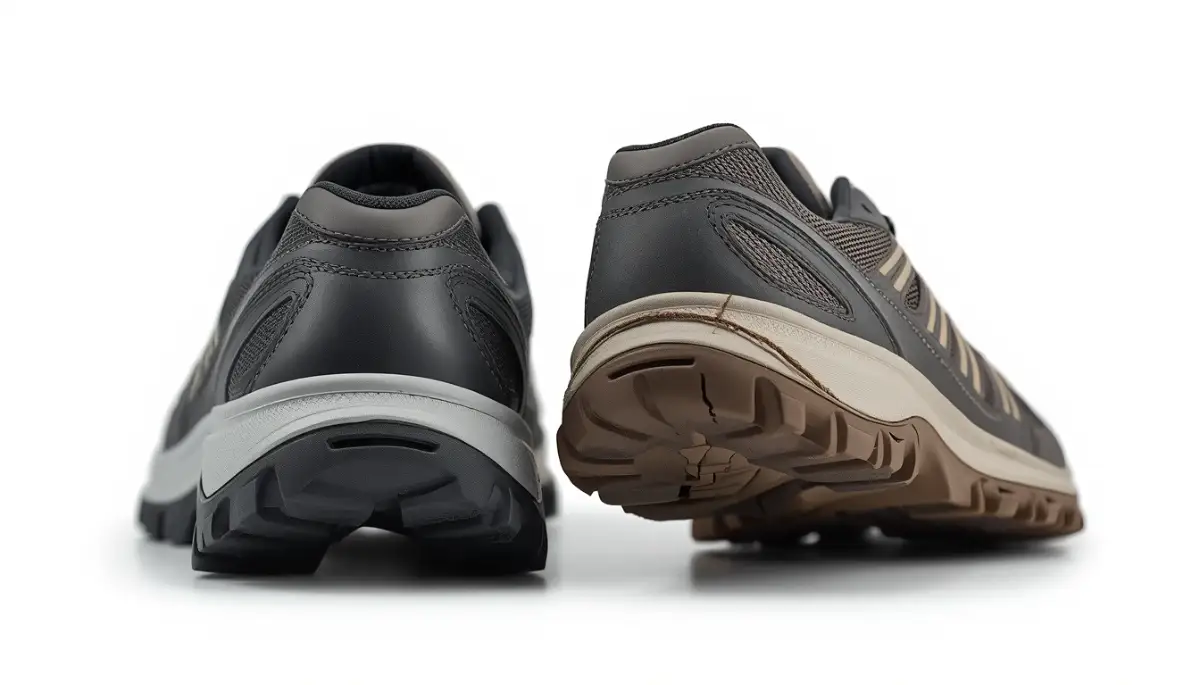
Your shoes are the only thing between you and the ground. Over time, the foam inside your shoes loses its ability to bounce back. Even if the outside looks clean, the internal structure might be "dead," meaning it no longer protects your joints from the impact of the ground.
I once kept a pair of walking shoes for three years because I loved how they looked. I started getting unexplained lower back pain and even headaches. A physical therapist told me my shoes were completely flat on the inside, forcing my body to absorb every shock.
Just like you would check for silent brake wear warning signs in your car, you need to check your shoes. If the soles are worn unevenly, or if you can feel the ground too clearly, it is time for a new pair. Investing in good footwear is much cheaper than paying for a doctor's visit later.
Pushing Too Hard in the Name of "Results"
We live in a culture that celebrates "crushing it" and "going to the limit." But for joint health, the "limit" is a place you want to avoid. When you push your body to total exhaustion, your form breaks down. When your form breaks down, your joints take the hit instead of your muscles.
I see people in water aerobics classes moving so fast that they are splashing and jerking their shoulders. They think they are getting a better workout, but they are actually just straining their tendons. Controlled, smooth, and intentional movements are always better than fast and frantic ones.
Remember, you aren't competing with anyone else. Your only goal is to be able to move comfortably again tomorrow. If you wake up and can't move because you "crushed it" yesterday, then yesterday was a failure, not a success.
Comparing Your Journey to Someone Else's
Social media can be a terrible place for someone trying to protect their joints. You see a "fit" person doing high-intensity jumps and feel like your slow walk isn't enough. This comparison can lead you to try things your body isn't ready for yet.
Everyone's joint anatomy is different. Some people have naturally "looser" joints, while others are more "stiff." What works for a twenty-year-old athlete might cause a permanent injury for someone else. Your body is a unique machine with its own history of injuries and strengths.
I had to learn to be proud of my "boring" fifteen-minute walk. It felt like nothing compared to my old running days, but it was the foundation I needed. Once I stopped comparing myself to others, I finally started making real progress that lasted.
Neglecting the Recovery Phase
Exercise is only half of the equation; recovery is where the actual "health" happens. When you move, you create tiny stresses in your tissues. Your body needs quiet time, good food, and sleep to repair those stresses and make you stronger.
I found that taking a warm bath with Epsom salts after a long walk helped my joints feel much more relaxed. It is also a great time to practice some mindfulness. Reducing your overall stress levels can actually lower the physical pain you feel in your joints.
If you are a student or a busy professional, you might feel like you don't have time for recovery. However, learning some recovery strategies for high achievers can help you balance your busy life with your physical needs. Your body isn't a machine; it needs "downtime" to function correctly.
Your Path to a Pain-Free and Active Future
The journey to better health doesn't have to be a battle against your own body. By choosing low-impact cardio, you are making a wise investment in your future. You are choosing to be active not just for today, but for the next thirty or forty years.
Think of your joints as lifelong partners. If you treat them with kindness and give them the right kind of movement, they will support you through every adventure. You don't need to run marathons to have a strong heart and a clear mind. A simple, daily commitment to joint-safe movement is more than enough.
I want you to know that it is never too late to start. Whether you are dealing with old injuries or just want to prevent new ones, these steps will help you. Start small, stay consistent, and celebrate every single "pain-free" day you earn.
I personally found that once I let go of the "intense" workout dream, I actually became more fit than ever before. My knees stopped hurting, my mood improved, and I finally felt in control of my health again. I hope you take that first gentle step today—you truly deserve to feel good in your own skin!
Common Questions About Joint-Safe Exercise
Is walking on a treadmill better for my joints than walking outside?
Usually, yes, because modern treadmills have built-in shock absorbers that "give" a little when your foot hits the belt. However, walking on a natural dirt path or grass is also an excellent option if you prefer being outdoors in the fresh air.
How do I know if I am pushing myself too hard during a swim?
If you find yourself gasping for air or if your shoulders feel a sharp "pinching" sensation, you should slow down immediately. A good rule is to stay at a pace where you could still say a short sentence without needing to stop for a big breath.
Can I lose weight only doing low-impact exercises like cycling?
Absolutely! Weight loss is mostly about consistency and your heart rate. If you cycle or walk regularly, you can burn a significant number of calories over time, especially when combined with a balanced diet.
Should I wear a knee brace while doing my low-impact cardio?
If you have a diagnosed injury, follow your doctor's advice. For most people, it is better to focus on building the muscles around the joint through gentle movement rather than relying on a brace, which can sometimes make the muscles "lazy" over time.
How often should I change my walking or exercise shoes?
A general guide is to replace them every 300 to 500 miles. For most daily walkers, this means a new pair every six to nine months. If you start feeling new aches in your feet or shins, it is usually a sign the cushioning has worn out.
Disclaimer: This article is for informational purposes only and does not constitute medical advice. Always consult with a healthcare professional or a physical therapist before starting a new exercise routine, especially if you have pre-existing joint conditions or chronic health issues.