
The Real Struggle of Living Like a Zombie in a New Time Zone
Ever landed in a brilliant new city only to feel like your brain was made of lead? I’ve spent half my life in airports, and let me tell you—jet lag is a thief. It steals your energy, your mood, and those first few precious days of your trip. If you’re tired of walking around like a ghost, I’ve got some simple, real-world tricks that I use to bounce back fast without feeling like a total mess.
I spent the next three days staring at the ceiling at midnight and falling asleep in my soup at lunch. It was a total mess. I missed out on the beautiful sights because I was too tired to even walk properly. My body felt like it was stuck in a different world.
Most travelers face this exact problem every time they cross more than two time zones. It isn't just about being tired. It is about your internal clock being completely out of sync with the world around you.
When your body doesn't know when to eat or sleep, it starts to protest. You get headaches, your stomach feels upset, and you feel grumpy for no reason. This is what we call jet lag, and it can truly ruin a dream vacation.
I used to think that I just had to suffer through it. I thought that maybe after a few days, I would just get used to it. But then I realized that waiting for it to go away is the worst thing you can do. You need a plan to fix your rhythm.
I have spoken to many people who actually fear long flights just because of the recovery time. They worry about the days they will lose just trying to feel normal again. It is a mental and physical battle that makes travel feel like a chore instead of a joy.
But here is the good news: you don't have to stay in that "zombie mode." Through my own failed trips and lots of reading, I found out that our bodies are actually very smart. If you give them the right signals, they can adjust much faster than you think.

Using the Power of Natural Light to Signal Your Brain
The most powerful tool you have to reset your clock is actually free and everywhere. It is the sun. Your brain uses light to decide when to produce melatonin, which is the chemical that makes you feel sleepy.
The 5-Step Jet Lag Survival Guide
- Chase the Sun: Get at least 30 minutes of direct sunlight as soon as you land.
- Hydrate or Suffer: Drink double the water you think you need during the flight.
- The No-Nap Rule: No matter how tired you are, stay awake until 8:00 PM local time.
- Eat Like a Local: Align your meals with the clock on your wall, not the clock in your stomach.
- Cool Down: Keep your bedroom extra cold to trick your brain into deep sleep mode.
When you land in a new place, you need to tell your brain exactly what time it is by using light. If you arrive in the morning, do not hide in your dark hotel room. Get outside and let the sun hit your face for at least thirty minutes.
This sends a clear message to your master clock: "Hey, it is daytime now!" Even if you feel like you are walking through a dream, stay outside. Natural light exposure is the fastest way to stop your brain from making you feel sleepy during the day.
I once made the mistake of taking a four-hour nap right after I landed in the morning. That was a huge error. When I woke up at 4 PM, I was even more confused, and I couldn't sleep at all that night. Don't make my mistake; stay in the light.

Quick Comparison: Morning vs. Evening Arrival
If you are traveling east, you should try to get morning light. If you are going west, afternoon light is your best friend. This simple shift helps your circadian rhythm catch up to the local time much quicker.
Pro Tip: I always pack a pair of high-quality sunglasses. While you want sunlight to reset your clock, you also need to control it. If it is evening in your new destination but the sun is still out, put on your glasses to tell your brain that the day is ending.
Changing Your Eating Schedule to Reset Your Body
Believe it or not, your stomach has its own clock too. Your digestive system expects food at certain times based on your home life. To overcome jet lag, you need to start eating according to the local time of your destination.
This means if you are on the plane and they serve "dinner" but it is 3 AM at your destination, you might want to skip it. I started practicing a "fasting" method where I don't eat much during the flight. Then, I eat a big, protein-rich breakfast as soon as I land in the morning.
This tells your body that the "food day" has started. Protein helps you stay awake and alert, which is exactly what you need when you are fighting that mid-day slump. Avoid heavy carbs in the morning because they can make you feel even more sluggish.
Staying away from sugar is also very important. When you are tired, you crave candy and soda for a quick energy boost. But that boost only lasts a few minutes before you crash again. Stick to water and light snacks like nuts or fruit.
Myth vs. Fact: The Truth About Recovery
- Myth: You can sleep your way out of jet lag.
- Fact: Sleeping at the wrong time actually locks the jet lag into your body for longer.
- Myth: Melatonin pills are a magic fix.
- Fact: They help, but they won't work if you are staring at a bright phone screen all night.
Why a video is helpful for you:
Sometimes seeing the science behind how our eyes and brain work together makes it much easier to follow these steps. This short explanation will help you understand why light is so important for your sleep.
Watch this to understand your body's rhythm better:
Hydration: The Simple Secret to Feeling Human
One of the biggest reasons people feel terrible after a flight is not just the time change, but dehydration. The air inside an airplane is extremely dry. This dries out your skin, your throat, and makes your brain feel foggy.
When you are dehydrated, your jet lag symptoms feel ten times worse. I always carry a large reusable water bottle and make sure to drink constantly. I don't wait until I am thirsty; I drink a few sips every twenty minutes.
You should stay away from alcohol and too much caffeine while you are in the air. Alcohol might help you fall asleep for an hour, but it ruins the quality of your sleep. You will wake up feeling even more tired and thirsty.
Caffeine is great if you use it at the right time. I only drink coffee in the morning of my new time zone. If I drink it in the afternoon to stay awake, it stays in my system for hours and stops me from sleeping at night.
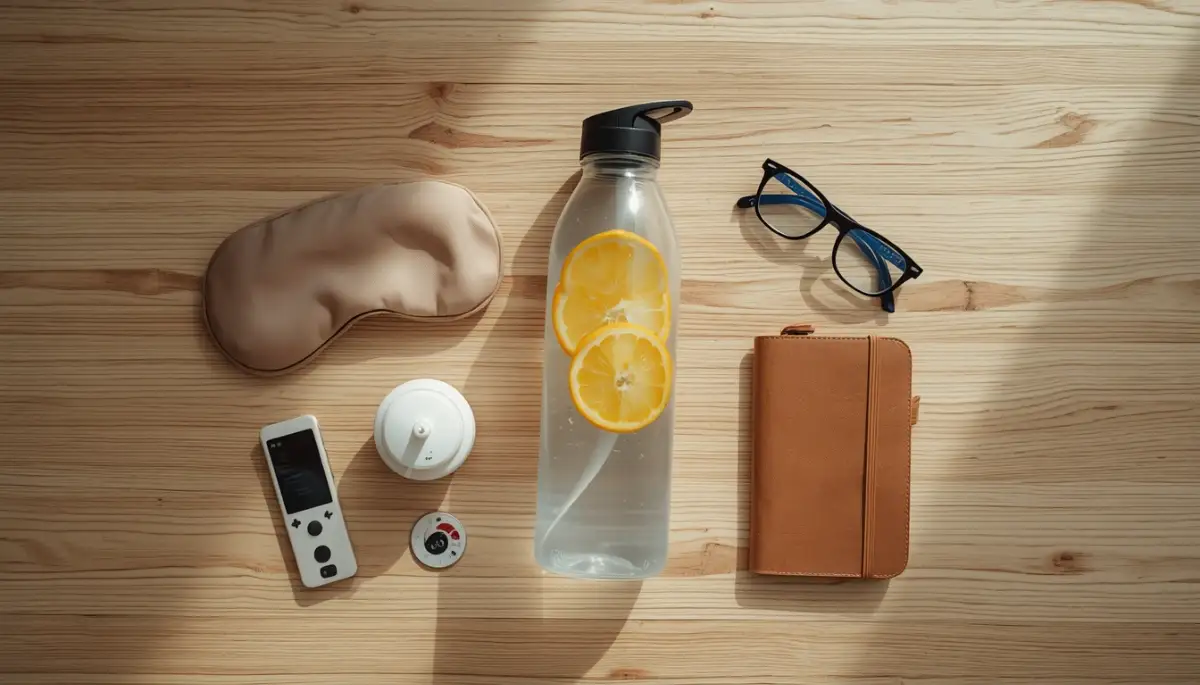
Hydration is the foundation of a quick recovery. If your cells have enough water, they can process the stress of travel much better. Think of water as the fuel that helps your internal clock turn its gears.
Gradual Shifting Before You Even Leave Home
If you really want to be an expert at beating jet lag, you should start a few days before your flight. You don't have to change your whole life, but small shifts can make a big difference.
If you are flying east, try going to bed one hour earlier each night for three nights before you go. If you are flying west, stay up an hour later. This pre-adjustment makes the final jump much smaller for your brain to handle.
I used to think this was too much work, but it really changed how I felt upon arrival. By the time I got on the plane, my body was already halfway to the new time zone. It made the "zombie feeling" almost disappear.
You can also change your watch to the destination time as soon as you sit down in your seat. This is a simple mental trick. It helps you start thinking in the new time, which prepares your mind for the change.
If your watch says it is 11 PM, you tell yourself it is time to rest, even if you don't feel like it. Managing your mind is just as important as managing your body when you travel long distances.
The Importance of Movement and Fresh Air
When you finally land, your muscles are often stiff and your blood flow is slow. This physical stagnation makes you feel heavy and tired. One of the best natural ways to wake up is to move your body.
You don't need a gym. A simple walk around the block or some light stretching in a park can work wonders. Movement increases your blood flow and helps your body process the stress of the flight.
Fresh air is also a powerful wake-up call. The recycled air in the plane is low in humidity and can feel "stale." Breathing in fresh, outdoor air helps clear your lungs and gives you a natural energy boost.
I always try to find a green space, like a park, near my hotel. Walking on grass and seeing nature helps lower my stress levels. Lower stress means better sleep when the night finally comes.
Creating the Perfect Sleep Environment for the First Night
The first night in a new place is the most important one. If you can get a solid eight hours of sleep, you are 90% of the way to fixing your clock. But sleeping in a new bed can be hard.
Make your room as dark as possible. Use the heavy curtains or even a travel sleep mask. Your brain needs total darkness to know it is time to stay asleep. Keep the room cool, as a lower temperature helps you fall asleep faster.
I also suggest avoiding your phone or laptop at least an hour before you want to sleep. The "blue light" from screens tells your brain that it is still daytime. Instead, read a physical book or listen to some calm music.
If you wake up at 3 AM and can't go back to sleep, don't turn on the lights. Keep things quiet and dark. Sometimes I just do some deep breathing exercises until I drift off again. Don't panic if you wake up early; just stay relaxed.
Natural Herbal Aids and Their Role
While we are focusing on natural ways, some people find herbal teas very helpful. A cup of chamomile or valerian root tea can help relax your nervous system before bed. These are gentle and don't have the "hangover" effect of sleeping pills.
I personally love a warm cup of herbal tea while I plan my next day's adventure. It becomes a calming ritual that tells my body it is time to wind down. Avoid anything with sugar or caffeine in it during the evening.
Magnesium is another natural mineral that many travelers use to relax their muscles. You can get this from foods like bananas, almonds, or even a nice warm bath with Epsom salts. A bath is a great way to soothe tired muscles after a long flight.
Remember, the goal is to support your body, not force it. Gentle, natural methods always work better in the long run because they don't mess with your natural chemistry as much as chemicals do.
Using Temperature to Control Your Rhythm
Your body temperature naturally drops when it is time to sleep and rises when it is time to wake up. You can use this to your advantage. A warm shower before bed can actually help you cool down afterward.
When you step out of a warm shower, your body temperature drops quickly. This drop signals to your brain that it is time for sleep. It is a simple physical hack that works almost every time.
In the morning, a cool splash of water on your face or a slightly cooler shower can help wake you up. It stimulates your nerves and gets your blood moving. Temperature is a silent signal that your body listens to very carefully.
I have found that staying in a room that is too hot is the fastest way to have a bad night's sleep. If your hotel room doesn't have good air control, try opening a window for some fresh, cool air.
The Myth of "Power Napping" After a Flight
A lot of people say that a quick 20-minute nap is okay. In my experience, for jet lag, it is a trap. Most people find it impossible to wake up after just 20 minutes when they are that tired.
That 20 minutes quickly turns into two hours. Then you wake up feeling like you are in a fog, and your night's sleep is ruined. If you can avoid napping entirely, do it. It is better to be very tired at 8 PM and sleep through the night.
If you absolutely must close your eyes, do it sitting up in a bright room. This makes it harder for your body to fall into a deep sleep. But honestly, staying active is a much better choice for your internal clock.
Instead of a nap, try a "nature break." Go sit on a bench and just watch the world go by. The stimulation of the environment will help keep you awake without the risk of a deep sleep cycle.
Listening to Your Body Without Giving In
It is important to be kind to yourself during this process. Your body is working hard to catch up. If you feel a bit slow or forgetful, don't worry. It is a normal part of the adjustment.
However, being kind doesn't mean giving in to the urge to sleep at 2 PM. You have to be a bit of a "tough coach" for yourself for the first 24 hours. Stay disciplined with the local time, and your body will thank you later.
I always tell myself, "If I can just make it to 9 PM, I will be fine tomorrow." Having that goal helps me push through the tired moments. Usually, by the second morning, I feel like a completely different person.
Travel is about discovery and joy. Don't let a confused body clock take that away from you. With these simple, natural steps, you can take control of your rhythm and make every moment of your journey count.
Final Thoughts on Natural Recovery
Adjusting your internal clock is all about consistency. You are teaching your body a new language—the language of a new time zone. By using light, food, water, and movement, you give it all the clues it needs.
The most important thing is to stay positive and keep moving. Jet lag is temporary, but the memories of your trip will last forever. Don't let a few sleepy hours stop you from exploring this amazing world.
I hope these tips help you on your next big adventure. Safe travels, and may your internal clock always be in perfect sync with your dreams!
Mastering Your Internal Rhythm: Advanced Secrets for the Frequent Traveler
Moving beyond the basics of sunlight and water, there are some high-level tricks that professional travelers use to stay sharp. These methods focus on the deeper biology of your body. If you want to keep your energy levels high for years of travel, you need to think like an athlete.
One of the most effective advanced tricks is called Grounding. When you spend hours in a pressurized metal tube high in the sky, your body picks up a lot of static electricity and stress. As soon as you land, find a park, take off your shoes, and walk on the grass for ten minutes.
It sounds simple, but connecting your skin to the earth helps balance your body’s electrical charge. This can lower your cortisol levels and help you feel more relaxed. I have tried this in cities from New York to Tokyo, and the difference in how I feel that evening is massive.
Another secret involves managing your body temperature with precision. Your brain expects a drop in temperature before it allows deep sleep to happen. If your hotel room is even slightly too warm, your internal clock will struggle to flip the "sleep switch."
I always carry a small travel-sized fan or make sure the AC is set to 18 degrees Celsius. This mimics the natural cooling of the earth at night. By controlling your environment this way, you are giving your brain a physical signal that it cannot ignore.
If you are a professional who needs to be sharp for meetings, you might want to look into active listening hacks for professionals to help you stay engaged even when your brain feels a bit slow from the time change. It is all about using simple mental tricks to stay present.
To maintain these results long-term, you must build a "Travel Ritual." This is a set of actions you do every single time you fly. For me, it starts with a specific type of stretching the moment I enter my hotel room.
This routine tells my nervous system that even though the location has changed, the "home" feeling is still there. Over time, your body learns to recognize these signals. You will find that you stop fighting the clock and start flowing with it.
Staying healthy is a huge part of this journey. For instance, understanding how sitting for six hours affects your veins is something every long-haul traveler should know. Poor blood flow makes travel exhaustion much harder to fix.
You should also pay attention to how your body handles sugar during travel. Flying can mess with your insulin sensitivity. It is wise to learn about spotting the subtle signs of prediabetes if you find that you feel unusually tired after eating sugary plane food.

The Dangerous Traps That Keep Your Body Stuck in the Wrong Time
Sometimes, the things we do to "help" ourselves actually make the problem much worse. One of the biggest mistakes I see people make is relying on heavy sleeping pills the first night. While they might knock you out, they don't provide real, restorative sleep.
You wake up feeling like you have a "medication hangover." This makes it even harder to stay awake during the day, which is the most important part of resetting your clock. You end up in a cycle of being sleepy all day and drugged all night.
Another huge pitfall is the "Arrival Buffet." When we are tired, our brains crave high-fat and high-sugar foods for comfort. Eating a massive, greasy meal right after landing can confuse your digestive clock even more.
Your stomach then has to work overtime to process that heavy food while it should be resting. This leads to what many call "travel tummy," which is just as bad as the tiredness itself. Stick to light, whole foods until your body feels stable.
I have also seen many travelers stay inside their hotel rooms because they feel "too tired to explore." This is a mental trap. The walls of your room keep you away from the natural signals your brain needs.
Even if you just sit on a bench outside, you are doing more for your body than if you were lying in bed scrolling on your phone. Staying inside in the dark tells your brain to stay in your old time zone. This can turn a two-day adjustment into a week-long struggle.
Stress is another silent killer of a good sleep schedule. If your trip starts with a disaster, like if you missed your connecting flight, your cortisol levels will skyrocket. This stress keeps your brain on "high alert," making it impossible to fall asleep naturally.
Learning to stay calm and follow a plan when things go wrong is a major travel skill. If you let the stress win, your body clock will stay broken. You have to consciously choose to breathe and move forward without letting the frustration take over.
Finally, ignore the urge to "push through" using energy drinks. These provide a fake sense of energy that leads to a massive crash. The crash often happens right when you should be going for a walk or eating a healthy meal.
Relying on artificial boosters is a short-term fix that leads to long-term exhaustion. Your goal is to work with your biology, not try to overpower it with chemicals. True energy comes from a balanced rhythm and proper hydration.
Your Daily Action Plan for a Refreshed Mind and Body
To wrap everything up, let's look at a simple plan you can follow for your next big trip. It starts the moment you land. This is the path I follow to ensure I never miss a beat when I'm traveling for work or fun.
First, stay in the light until the sun goes down in your new city. Even if you are exhausted, keep moving. Go for a slow walk, look at the architecture, or sit in a bright cafe.
Second, eat your meals at the exact local times. If it's lunch time in Paris, eat lunch, even if your stomach thinks it's time for a midnight snack. This forces your metabolic clock to catch up with your location.
Third, stay away from screens for two hours before you want to sleep. This is hard, but it is the only way to let your natural melatonin rise. Read a book or listen to a podcast instead.
Fourth, keep your water intake high. A hydrated brain can adjust to new signals much faster than a dry one. If you feel a headache coming on, drink a full glass of water before reaching for any medicine.
Lastly, give yourself permission to be a bit slower for the first 24 hours. Don't schedule your most important meetings or difficult tasks for the very first morning. Give your brain the space it needs to find its balance.
I have found that when I follow these steps, I wake up on the second day feeling like I have lived in the new city for months. It is an amazing feeling to be wide awake and ready to explore while other travelers are still struggling to get out of bed.
For more travel tips, you can read about what to do if you missed your connecting flight so you can handle the stress like a pro. Preparation is truly the secret to a happy journey.
My best advice is to treat your body like a friend. If you listen to what it needs and provide the right environment, it will reward you with energy and focus. Don't fight against your biology; guide it gently toward the new rhythm.
I personally believe that travel is the best teacher we have in life. By taking care of your health, you ensure that you are fully present for every lesson the world has to offer. Start today by planning your next journey with these natural steps in mind!
Common Questions About Resetting Your Body Clock
How long does it take for your internal clock to fully adjust?
Most people find that it takes about one day for every time zone they cross. However, if you use natural light and stay hydrated, you can often cut this time in half. Your body is very good at adapting if you give it the right signals.
Can a specific diet really help with travel fatigue?
Yes, focusing on high-protein meals in the morning and light carbs in the evening can help. Protein keeps you alert, while carbs can help you feel relaxed. Staying away from heavy, processed foods is also a big help for your digestive clock.
Is it better to arrive at my destination in the morning or the evening?
Many experts suggest arriving in the afternoon. This allows you to get a few hours of sunlight before having a normal local dinner and going to bed at a reasonable hour. It minimizes the time you have to fight the urge to sleep during the day.
Does drinking water on the plane actually make a difference?
It is one of the most important things you can do. The dry air in a plane cabin dehydrates you quickly, which makes all the symptoms of tiredness feel worse. Drinking water helps your cells stay healthy and process the change much faster.
Should I use my phone if I wake up in the middle of the night?
No, you should avoid the blue light from your phone. It tells your brain that it is morning, which will stop you from falling back asleep. Keep the lights low and try a boring book or some relaxing music instead.
Disclaimer: The information provided in this article is for educational and informational purposes only. It is not intended as medical advice. Always consult with a healthcare professional before starting any new health routine or if you have underlying health conditions. Traveling across time zones can affect individuals differently, and personal results may vary.