Why Your Debt Payoff Plan is Probably Setting You Up for Failure
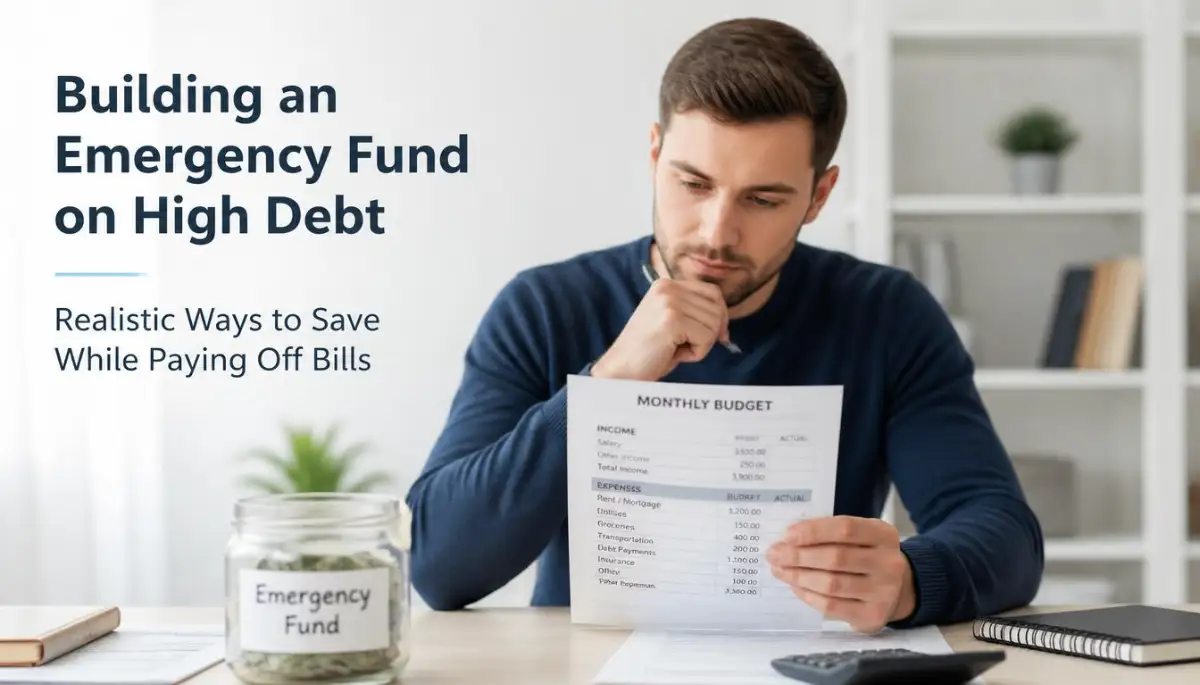
I spent months throwing every spare dollar at my credit cards, feeling like a financial hero. Then my car broke down, and because my savings account had exactly $0 in it, I had to use the same credit card I just paid off to fix it. It was a crushing cycle. If you're paying off debt without a cash "safety net," you're not getting ahead—you're just one bad day away from a disaster. Let me show you how to build a buffer that actually protects you while you crush your debt.
Then, on a rainy Tuesday evening, my car transmission suddenly failed completely, and the mechanic handed me a bill for twelve hundred dollars. Because my bank account was completely empty, I had no choice but to swipe my credit card again to pay for the repair. That single night ruined months of my hard work and threw me right back to the beginning of my financial struggle.

I realized that paying off debt without having a basic cash cushion is like walking on a tightrope without a safety net underneath. My life became an endless cycle of paying down cards, facing an emergency, and borrowing the same money right back again. It was exhausting, frustrating, and incredibly stressful.
Many people face this exact same loop every single day, and the mental toll is heavy. When you have no cash backup, every strange sound from your car or cough from your child fills you with deep fear. You live in constant worry, waiting for the next disaster to break your fragile budget.
This endless worry ruins your sleep, strains your personal relationships, and makes you feel like a failure. It feels like you are running on a treadmill that keeps moving faster while you are getting weaker. You start to believe that financial security is only for rich people.
But there is a realistic way to break this cycle without stopping your debt repayment plan entirely. You do not need to make a massive salary to build a helpful financial cushion while satisfying your lenders.
🛑 Stop or Save? The Quick Decision Guide
Should you pay debt or save right now? Here is my rule of thumb:
Redefining Your Cash Goals While Carrying Debt
The Starter Cushion vs. The Fully Funded Account
Before you save thousands of dollars, you must set a much smaller, realistic goal. Attempting to build a massive six-month savings pool while paying high interest is highly discouraging. Instead, your immediate focus should be on building a tiny starter buffer.
📌 My "Fast-Track" Savings Plan
If you want to stop the cycle of debt, follow these four steps:
- Pause the extra: Only pay the minimum on your cards until you have $1,000 in cash.
- Bank at two places: Keep your savings in a bank where you don't have a debit card.
- Sell your clutter: Use Facebook Marketplace or eBay to get that first $500 fast.
- Automate it: Set up a $5 or $10 daily transfer. You won't even miss the money.
A starter fund acts as a protective shield against minor surprises like a broken phone or a small medical bill. It stops you from relying on credit cards for basic daily emergencies. Once this buffer is in place, you can return your focus to aggressive debt payoff.
It is important to understand the structural difference between these two financial milestones. Trying to build a full savings pool while paying high-interest cards actually costs you more money in the long run. We must compare their roles to understand why a smaller goal is better right now.
Here is a simple breakdown of how these two goals compare when you are actively managing high debt balances.
As the comparison shows, the starter pool is designed to keep you moving forward on your debt journey. It is not meant to protect you from a long job loss just yet. It is simply a tool to stop the bleeding of your budget.
Once you pay off your credit cards and personal loans, you can safely redirect those debt payments to build the full cushion. This sequential plan makes the process highly realistic and stress-free. It keeps you from feeling overwhelmed by trying to do both major goals at once.
Finding Small Pockets of Idle Money in Your Daily Life
Many people believe they have absolutely no money left over to save at the end of the month. However, small leaks in our daily budgets often go unnoticed for years. These leaks can be gathered and used to start your emergency fund.
Take a close look at your bank statements from the last three months and circle every subscription you do not use. Cancel these services immediately and transfer those exact amounts to your savings. You will be surprised by how quickly these tiny amounts pile up into a real buffer.
Another area to look at is your weekly grocery habit and dining choices. Cooking simple meals at home instead of ordering takeout can easily save fifty dollars a week. That minor shift alone can build a thousand-dollar cushion in just a few months.
Rebalancing Your Budgeting Priorities Safely
To build a savings cushion, you must adjust how you pay your debts temporarily. You do not need to stop paying your bills, but you must find a balance. This balance protects your credit score while putting cash in your hands.
Instead of paying extra money toward your credit cards, pay only the minimum required amounts for a short time. Redirect every single extra dollar to your new emergency savings account. This is a temporary pause on your debt repayment, not a permanent halt.
Once your savings account reaches one thousand dollars, stop saving and switch your focus back to the debt. You can then use your extra cash to pay down the principal balances of your loans again. This method ensures you are never left without cash when an emergency strikes.
The Micro-Saving Approach That Anyone Can Use
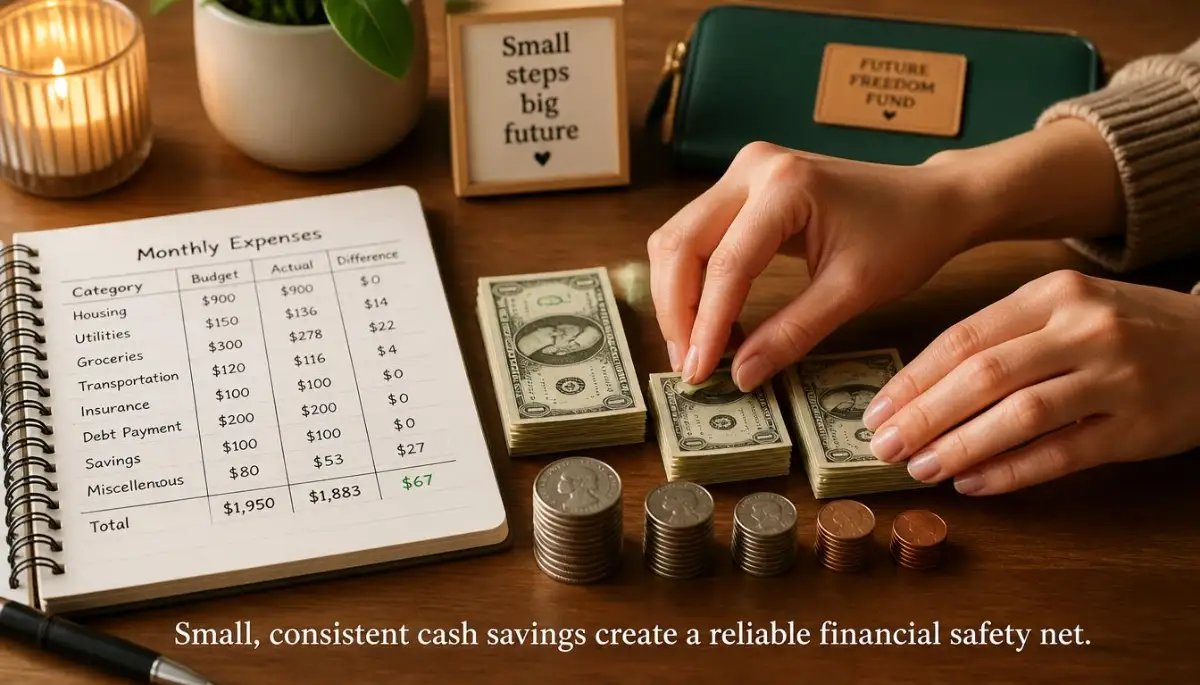
If saving a hundred dollars a week feels impossible, start with a much smaller amount. Micro-saving involves setting aside tiny amounts of cash, such as five dollars a day. This low-stress approach is highly effective because it builds a consistent habit.
You can automate this process by setting up your banking app to transfer a dollar every morning. Because the amount is so small, you will barely notice its absence from your daily spending balance. Over a year, this simple habit puts hundreds of dollars into your safety net.
This simple video reveals how starting with a tiny savings buffer can break the cycle of endless borrowing even on a very tight budget.
Many banking apps also offer round-up features that save money automatically when you buy groceries. Every time you spend money, the app rounds up to the nearest dollar and puts the change in savings. This hands-free saving builds your cushion without requiring any daily mental effort.
Separating Your Buffer to Prevent Impulse Spending
Keeping your emergency cash in your everyday checking account is a recipe for failure. When you see the extra balance, your brain naturally views it as spendable money. You will eventually spend it on non-emergencies like dining out or clothing.
💬 Common Questions I Get All the Time
Q: Is $1,000 really enough for an emergency?
A: Honestly? No, it’s not enough for a long-term job loss. But it is enough to fix a flat tire, buy a new microwave, or pay a doctor's bill. It’s a "starter" shield to keep you from using your credit cards again.
To prevent this, open a high-yield savings account at a completely separate bank. Choose a bank that does not provide a debit card for that specific account. This physical barrier makes it much harder to spend your emergency money on impulse purchases.
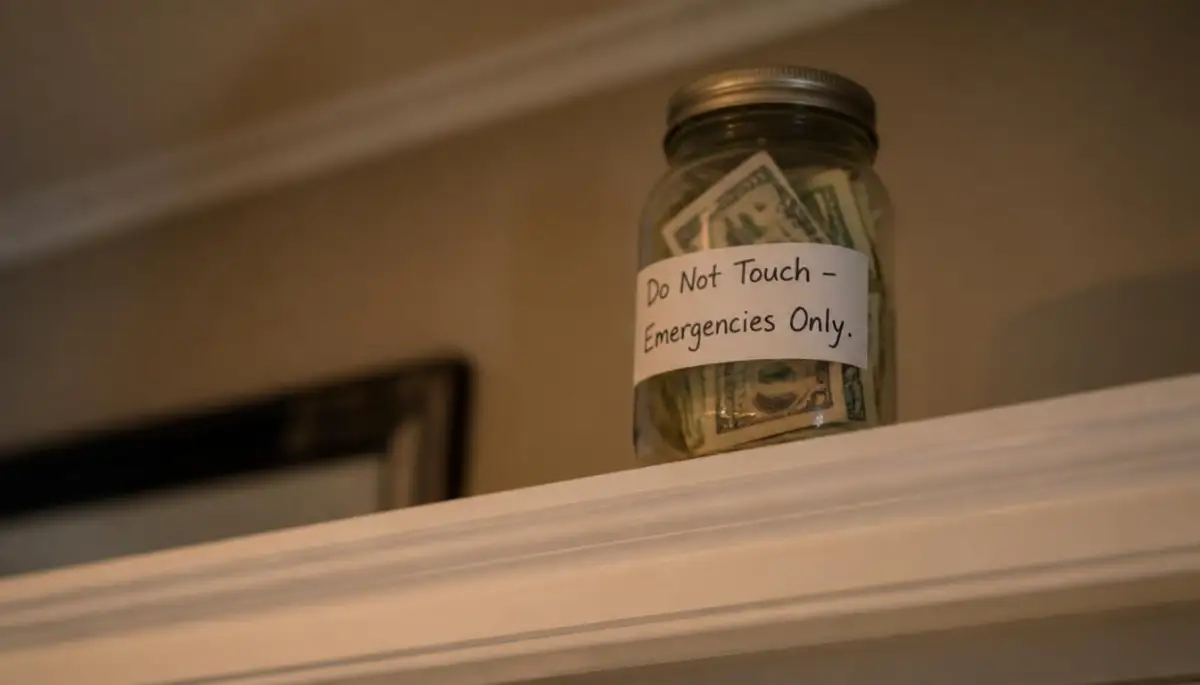
It should take at least one to two business days to transfer money back to your main account. This delay gives you time to think and decide if the expense is a true emergency. It keeps your safety net intact for when you actually need it.
My Personal Tip: When I first started saving my cash buffer, I made the mistake of keeping it in my primary checking account. I always ended up spending it on food or bills because the money was too easy to reach. My saving journey only succeeded when I opened a separate account at a completely different bank that did not have a debit card attached.
Safe and Effective Ways to Boost Your Savings Income
Sometimes, cutting back on your current expenses is not enough to build your buffer quickly. If your income is very low, you need to find ways to bring in extra cash. Increasing your income speeds up your progress and reduces your debt stress.
Fortunately, the modern economy offers many simple ways to earn extra money without committing to a second full-time job. You can use your existing skills to take on small projects during your spare time. This extra cash should go straight into your savings account, bypassing your checking completely.
Monetizing Simple Skills Without Buying Expensive Courses
You do not need to buy expensive training programs to start earning extra money online. Look at the skills you already use in your current job or daily hobbies. Simple tasks like proofreading, data entry, or customer support are always in high demand.
Create a simple profile on free freelance platforms and offer your services to small business owners. Start with lower rates to build your positive feedback and secure your first clients. This extra income can build your starter savings buffer in just a few weeks.
If you prefer hands-on work, consider local services like pet sitting, yard care, or house cleaning in your neighborhood. These physical tasks pay cash immediately, allowing you to bypass typical online payment delays. It is a highly practical way to turn your free weekend hours into safety net savings.
Selling Unused Household Items to Create Instant Cash
Almost everyone has valuable items lying around their house that they no longer use or need. These items represent idle cash that could be protecting your family from unexpected emergencies. Decluttering your home is one of the fastest ways to build your starter fund.
Walk through each room of your house with a box and collect old electronics, clothes, and books. Clean these items up, take bright photos, and list them on local online marketplaces. Price them realistically to ensure they sell quickly and bring in fast cash.
Selling just five unused items for twenty dollars each instantly puts one hundred dollars into your savings. This rapid progress boosts your motivation and proves that saving is possible even on a tight budget. It turns physical clutter into a highly protective financial shield.
Advanced Systems to Automate and Grow Your Money Buffer
Making High-Yield Accounts Work For You
Once you have saved your first small cash buffer, you must maximize its earning potential. Traditional banks offer near-zero interest rates, which means inflation is quietly eating your hard-earned dollars every single day. Shifting your cash to a high-yield savings account helps keep your money growing.
Look for online banks that are fully backed by federal deposit protection agencies to ensure your money remains secure. According to the Federal Deposit Insurance Corporation savings guidelines, keeping your funds in a protected bank keeps your cash safe from market volatility. This simple shift is an easy win for your financial future.
Managing Your Cash Cushion with Unpredictable Cash Flow
Building an emergency fund is highly challenging when your monthly income goes up and down. If you do freelance work or run a business, you cannot rely on a fixed saving schedule. You need a system that adapts to your fluctuating earnings without causing unnecessary stress.
During high-income months, direct a larger percentage of your cash toward your savings buffer. When your income drops, scale back your saving rate and focus on paying only the minimums on your loans. You can master these cycles by using smart budgeting methods for self-employed pros with unstable income to manage your money.
This flexible approach prevents you from feeling discouraged when cash is tight. It teaches you to treat your savings like a variable expense rather than a rigid burden. Over time, you will build a solid cash cushion that protects your household during dry spells.
Protecting Your Mental Health and Avoiding Financial Fatigue
Struggling with debt while trying to save can quickly lead to severe physical and emotional exhaustion. Many people push themselves too hard by cutting out every single joy in their lives to save cash. This aggressive approach usually backfires, leading to emotional spending sprees.
Keeping Your Savings Habit Alive Through Big Career Changes
Life does not stop moving while you are paying off debt and building your savings. You might face a job change, a move, or a major family transition that threatens your financial plan. During these moments, keeping your credit score healthy is incredibly important. how to keep your home loan approved can help you protect your long-term goals. Keep your saving habits consistent to show banks that you are a highly responsible borrower.

Costly Traps That Quietly Destroy Your Saving Progress
The Danger of Treating Your Fund as a Personal Credit Card
The most common error people make is borrowing money from their emergency fund for non-emergencies. When you see a positive balance in your savings, you might feel tempted to use it for weekend trips or holiday shopping. This habit slowly eats away your safety net, leaving you unprotected when a real crisis hits.
To stop this, write down a strict list of what qualifies as a genuine financial emergency. A flat tire, a broken appliance, or an unexpected medical bill are clear examples of real crises. Buying a new television or going out for a fancy dinner are not emergencies.
Putting Too Much Money Into Savings While Carrying High-Interest Debt
While having a cash cushion is necessary, saving too much money while carrying high-interest debt is a massive financial leak. If your credit cards charge a twenty percent interest rate, keeping five thousand dollars in a savings account that earns very little interest is costing you money. You are essentially paying the bank to hold your cash.
According to the Consumer Financial Protection Bureau savings advice, balancing debt payoff with a small emergency fund is the most effective way to minimize interest charges. Save a small starter cushion first, then focus every extra dollar on destroying your high-interest debt. This system protects your wallet and keeps your overall progress fast.
Failing to Keep Your Loved Ones in the Loop
If you are married or have a family, you cannot build a savings shield in complete isolation. If your partner does not understand your new goals, they might spend money that was meant for your emergency account. This misalignment leads to deep resentment and endless household arguments.
Sit down with your partner and have an honest, gentle conversation about your financial plans and future security. You can apply some speak less connect more active listening hacks for professionals to keep the chat highly positive and cooperative. Working as a team makes saving money much easier and faster.
Ignoring Simple Tax Rules That Can Save You Money
If you work from home or run a small business, you must plan for your tax obligations carefully. Many self-employed people fail to set aside money for taxes, which results in a massive tax bill at the end of the year. This surprise expense can easily wipe out your entire emergency fund in a single day.
You can avoid this stress by researching legitimate tax saving strategies. For example, learning about smart tax deductions for home-based solopreneurs will help you keep more cash in your pocket. Reducing your tax bill gives you extra money to build your emergency fund much faster.
Believing You Need a Large Income to Begin Saving
Many people delay their saving journey because they believe their income is too low to make a difference. This mindset keeps you trapped in the cycle of borrowing money whenever a small emergency happens. The truth is that the habit of saving is far more important than the actual amount you save.
Even if you can only save one dollar a day, start doing it immediately to build the routine. Small amounts accumulate over time and create a psychological shift in how you view money. The National Foundation for Credit Counseling guidelines show that small, consistent habits are the key to long-term financial recovery [3].
Reclaiming Your Peace of Mind and Financial Security
To help you stay on track, let us review the basic rules of building your savings buffer while paying off debt. Keeping these simple guidelines in mind will keep you moving toward your goals.
DO: Set up an automatic transfer of five dollars a week to your high-yield account. DO: Keep your savings in a completely separate bank to avoid impulse spending. DO: Celebrate small milestones, like reaching your first five hundred dollars.
DON'T: Stop paying the minimums on your debts to save extra cash. DON'T: Use your emergency money for entertainment or non-essential shopping. DON'T: Compare your progress to others on social media.
Building a cash cushion while struggling with high debt is completely possible when you take small, realistic steps. It is about creating a safe space between you and life's unexpected expenses. By establishing a starter fund, you protect your progress and stop the cycle of borrowing.
Remember that every single dollar you save is a step closer to complete financial freedom. Do not get discouraged by the size of your debt; instead, focus on the small victories you achieve every week. Your future self will thank you for the boundaries you set today.
I learned through my own journey that having a small cash buffer is the ultimate key to sleeping soundly at night. Protecting my hard-earned savings gave me the confidence to face my debts without constant fear. Start with just a few dollars today, and watch your safety net grow into a powerful shield.
Common Questions on Saving Cash with High Debt
Should I pay off my credit cards before building an emergency fund?
No, you should build a small starter emergency fund of five hundred to one thousand dollars first. Having this cash buffer prevents you from swiping your credit cards again when an unexpected expense happens. Once your starter fund is secure, you can focus on paying off your debts aggressively.
Where is the best place to keep my emergency fund?
The best place to keep your emergency fund is in a high-yield savings account at a completely separate bank. This keeps your cash safe, earns you extra interest, and prevents you from spending the money on daily desires. Make sure the bank is fully protected by federal deposit insurance.
How do I know if an expense is a true financial emergency?
A true emergency is an unexpected, necessary expense that cannot wait, such as an urgent medical bill or a major car repair. If the expense is optional or can be delayed, it is not an emergency. Keep a written list of these rules to help you make clear choices during stressful times.
What should I do if my emergency fund gets completely wiped out?
If an emergency happens and drains your savings, do not panic or feel like a failure. This is exactly what the money was saved for; your fund successfully did its job and protected you from new debt. Simply pause your extra debt payments temporarily and focus on rebuilding your starter buffer.
Disclaimer: The financial tips provided in this article are for informational and educational purposes only. Every individual's financial situation is unique, and these suggestions may not fit your specific needs. Please consult with a certified financial planner or a professional credit counselor before making major changes to your budget or debt repayment strategy.