
My Quiet Panic at the Dinner Table
I spent weeks worrying if my baby was getting enough 'brain food.' I had the books and the diapers, but what was actually happening inside my child’s head felt like a total mystery. The truth is, the first 12 months are a massive construction site for your baby's mind. You don't need a PhD to get it right; you just need to know which foods act as the best 'bricks.' Let’s look at how we can fuel that growth without the stress.
Many parents today feel this exact same pressure. We live in a world where we are told to do everything perfectly, yet the information is often confusing. You might find yourself scrolling through social media, seeing "super-babies," and feeling like you are falling behind. This worry can keep you up at night, making you wonder if your choice of food is affecting your baby’s ability to learn later on.
You want the best for your little one, but the grocery store aisles are overwhelming. The fear of "doing it wrong" can steal the joy of watching your baby grow. I felt that heavy weight in my chest too, and it made every mealtime feel like a high-stakes test instead of a bonding moment.
Many moms and dads tell me they feel lost in a sea of scientific words. They just want to know what to put on the spoon. The stress of trying to balance work, life, and perfect nutrition can lead to burnout and a lot of tears. It's not just about the baby; it's about your peace of mind as a parent who loves their child more than anything.
Let's talk about why this first year is so different from any other time. Your baby’s brain is growing at a speed that will never happen again. It is like building the foundation of a house. If the foundation is strong, the rest of the house stands tall. If we miss a few bricks now, it might be harder to fix later, and that thought is what scares most of us.
But here is the good news: you don't need to be a scientist to get this right. Once I stopped panicking and started looking at the simple things, everything changed. Feeding your baby for brain health can be simple, natural, and even fun. You just need to know which "brain bricks" are the most important to use during these early months.
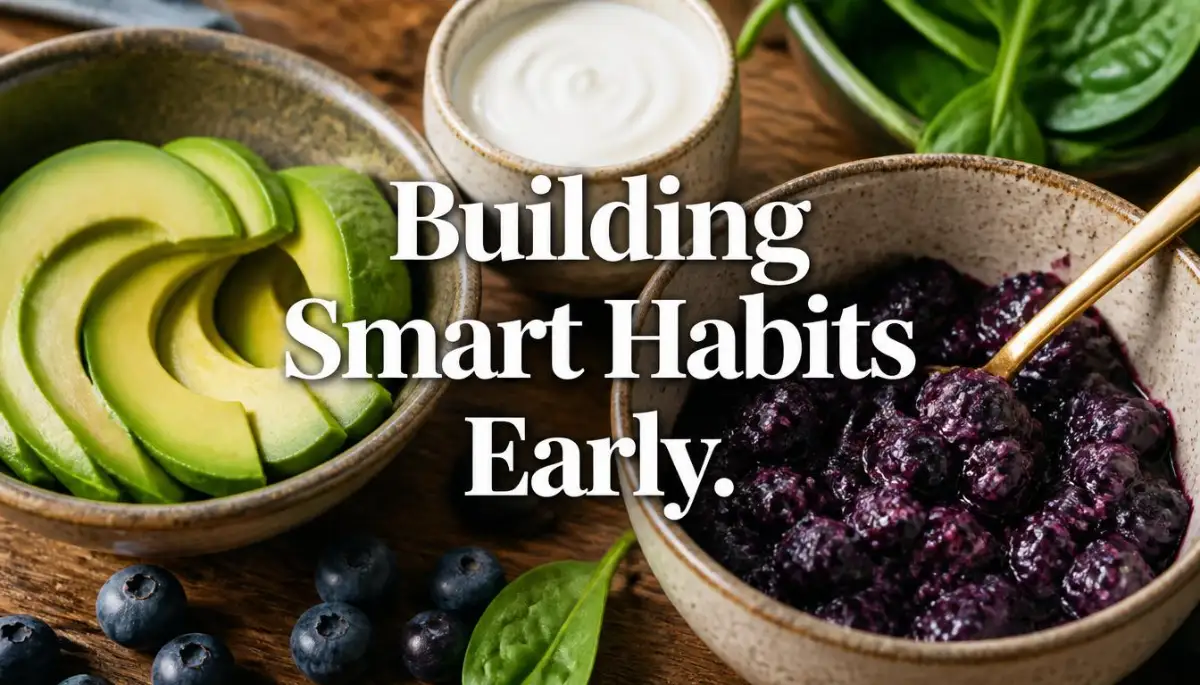
The Building Blocks of a Smarter Start
To understand how to help your baby, we need to look at what the brain actually needs to grow. Think of the brain as a complex electrical system. To send messages from one part to another, it needs good wiring and plenty of power. During the first twelve months, the brain is making millions of connections every single second.
What You Need to Know (The 30-Second Summary)
- The 60% Rule: Your baby's brain is mostly fat, so don't skip healthy fats like avocado and egg yolks.
- The Iron Window: Around 6 months, iron stores drop. Prioritize beans, lentils, or soft meats.
- Sensory over Perfection: Letting your baby touch and smell different textures is just as important as the nutrients they swallow.
- Keep it Simple: One new food every few days is enough to build a strong foundation.
The Power of Healthy Fats
One of the most important things a baby needs is fat. But not just any fat. The brain is actually made of about 60% fat. This is why breast milk or high-quality infant food is so rich in it. There is a specific type called DHA which is like high-speed internet for the brain.
It helps the brain cells talk to each other faster. When a baby gets enough of this, it can help with their vision and how they process information. I remember being surprised that something as simple as avocado or fatty fish (when they are older) could make such a big difference. It felt like a small secret I finally discovered.
Iron: The Oxygen Carrier
Another big player in this journey is iron. Think of iron as the delivery truck for the brain. It carries oxygen to the cells so they can stay alive and work hard. If a baby doesn't have enough iron, they might feel tired, but more importantly, their brain might not grow as fast as it should.
Around six months, a baby’s natural iron stores start to run low. This is usually when we start introducing solid foods. Finding ways to include iron-rich items like mashed beans or small amounts of meat is a huge step. It ensures that the "delivery trucks" keep moving and the brain stays energized for learning.
The Role of Choline and Iodine
There are two other helpers that people often forget: Choline and Iodine. Choline is like the glue that helps keep memory and mood stable. It is found in things like egg yolks. I used to be afraid of giving my baby eggs too early, but then I learned how helpful they are for the mind.
Iodine is just as important because it helps the thyroid gland, which controls how the brain grows. Even a small amount is enough to keep things moving in the right direction. When you focus on these simple elements, you are giving your baby a massive head start without needing expensive supplements or fancy "brain toys."
Quick Brain-Food Cheat Sheet
Pro Tip: My Little Learning Moment
I used to think that "more is better" when it came to feeding. I tried to force-feed my baby all the "smart foods" at once. I quickly realized this was a mistake because it made my baby hate mealtime. Now, I suggest introducing just one new brain-healthy food every few days. This keeps it stress-free for you and helps you see if your baby has any reactions to specific foods.
Making Every Bite Count: Practical Ways to Start
Now that we know what the brain needs, how do we actually do it in real life? You don't need to spend hours in the kitchen. Most of the best foods for your baby are probably already in your fridge or pantry. It is about how you use them and when you introduce them.
Soft Textures for Big Brains
When your baby starts solids, they aren't ready for a steak or a salad. They need soft, easy-to-digest things. Steamed and mashed sweet potatoes are a great example. They are full of vitamins that protect brain cells. They are also naturally sweet, so most babies love them right away.
I found that mixing a little breast milk or formula into mashed veggies made the transition easier. It kept the flavor familiar while adding new nutrients. This small trick helped my baby accept new foods faster, which meant more brain-boosting power in every meal. It was a win for both of us and made me feel much more confident.
The Importance of Variety
It is easy to get stuck in a routine of giving the same two or three foods. However, the brain loves variety. Different colors of vegetables often mean different types of nutrients. A purple blueberry has different benefits than an orange carrot. Trying to give a "rainbow" of foods over a week is a simple goal that works wonders.
Watching Your Baby Learn to Eat
If you want to see a great example of how babies explore new foods and how it helps their development, you should watch how they interact with different textures. It’s not just about swallowing; it’s about the sensory experience that builds brain pathways.
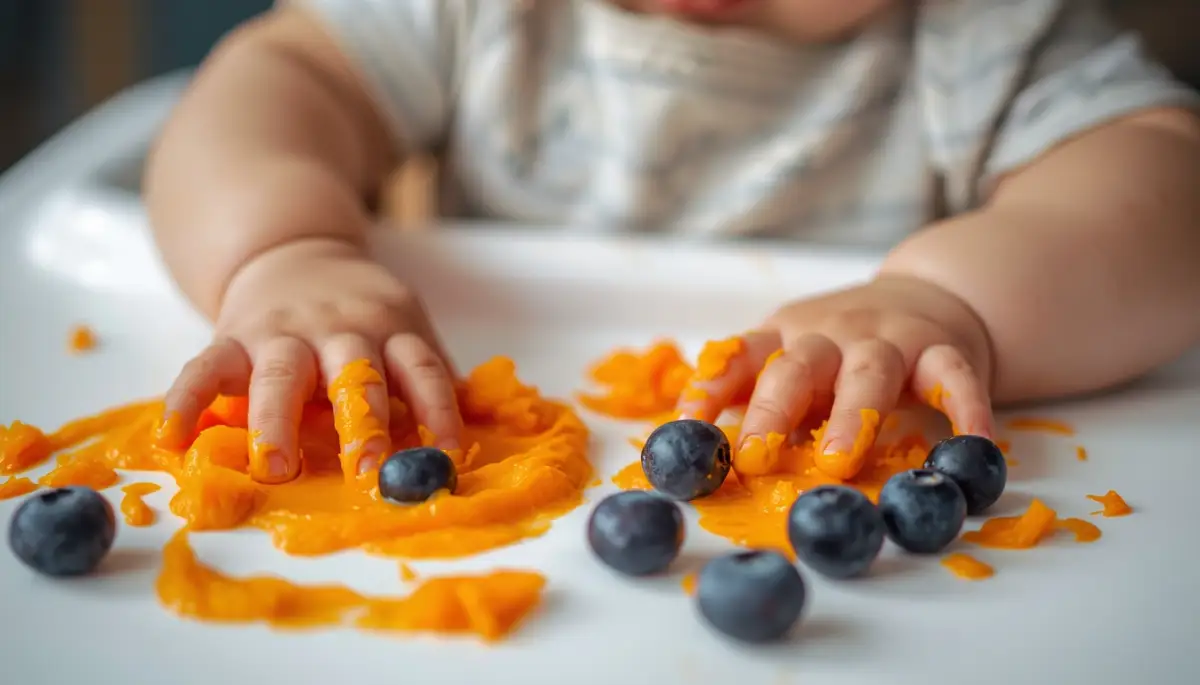
Watch this helpful guide on starting solids for baby brain health:
The Hidden Impact of Zinc and B-Vitamins
We often talk about the big names like Iron and DHA, but Zinc and B-Vitamins are the quiet workers behind the scenes. Zinc helps with cell growth and the immune system. A healthy baby is a baby who has the energy to learn. If a baby is sick all the time, their brain isn't focusing on building new connections; it’s focusing on getting better.
B-vitamins, especially B12 and Folate, are also key. They help build the protective coating around the brain's "wires." This coating makes sure the electrical signals don't get lost.
Simple Sources of Zinc and B-Vitamins
You can find these in very common foods. Ground lentils, chickpeas, and even plain yogurt are great sources. Yogurt is also great because it has probiotics. A healthy gut often leads to a healthy brain. This connection is something scientists are talking about more and more every day.
When I started giving my baby a little bit of plain, unsweetened yogurt, I noticed they seemed more alert and happy. It wasn't a miracle, but it was a small piece of the puzzle that made everything fit together. It’s these small additions to the daily routine that build up over time to create a big impact on your child's cognitive future.
Timing and Consistency
It’s not just what you feed them, but how often. Babies have tiny stomachs. They can't take in all their nutrients in one big meal. Small, frequent snacks and meals throughout the day keep their blood sugar stable. A stable brain is a learning brain. When a baby’s energy levels drop, they get fussy and can't focus on the world around them.
I learned to keep small containers of mashed banana or avocado ready for when we were on the go. This prevented the "hangry" meltdowns and ensured my baby was getting a steady stream of brain fuel. It made our outings much more peaceful and gave me the sense that I was supporting my baby's growth every hour of the day.
Exploring the World Through Taste
As your baby grows toward the end of their first year, their curiosity explodes. This is a great time to introduce even more complex flavors. Did you know that early exposure to different tastes can actually make a child more open to trying new things later in life? This curiosity is a hallmark of a developing mind.
Introducing Protein Safely
Protein is the building block of every cell in the body, including brain cells. By 8 or 9 months, most babies are ready for finely minced chicken or turkey. These provide the amino acids needed for neurotransmitters. These are the chemicals in the brain that affect everything from sleep to learning to memory.
I remember the first time my baby tried a tiny bit of soft salmon. I was nervous about the "fishy" taste, but they loved it! Salmon is one of the best sources of DHA. Seeing them enjoy it gave me so much relief. It felt like I was finally checking off one of the most important boxes on the "brain health" list.
The Role of Hydration
While we focus on food, don't forget water. Once a baby starts solids, they need a little bit of water to stay hydrated. A dehydrated brain can't think clearly. It’s like trying to run a car without enough oil. A few sips of water from a sippy cup during meals is all it takes to keep things moving smoothly.
Creating a Positive Mealtime Environment
Finally, remember that the "vibe" of the meal matters too. If you are stressed, your baby will be stressed. If you make mealtime a game, your baby will be excited to eat. The brain learns best when it is in a state of joy and safety. Talk to your baby while they eat. Describe the food. "This is a cold, yellow banana." This combines nutrition with language learning, which is a double win for their development.
I started singing little songs during lunch, and it changed the whole atmosphere. My baby started looking forward to eating, and I stopped feeling like it was a chore. We were both learning and growing together, which is what the first year of life is really all about.
Next-Level Secrets for a Sharper Little Mind
When I first started cooking for my baby, I thought it was just about filling their belly. I soon realized that how I paired foods was just as important as the food itself. This is what experts call "Nutrient Synergy." It sounds fancy, but it just means some nutrients work better when they are together.
For example, did you know that iron needs a "buddy" to be absorbed well? If you give your baby iron-rich lentils, try adding a squeeze of lemon or some mashed strawberries. The Vitamin C in the fruit helps the body soak up that iron much faster. I wish someone had told me this earlier because it makes every bite twice as powerful for their brain.
Try My Favorite 'Power Pairs':
I found that these combinations work wonders for absorption:
- Iron + Vitamin C: Mix iron-rich beans with a bit of mashed bell pepper or tomato.
- Healthy Fats + Veggies: Add a teaspoon of olive oil to mashed carrots to help your baby absorb Vitamin A.
- Protein + Probiotics: Stir some ground flaxseeds into plain Greek yogurt for a brain-boosting snack.
Another secret I found is the power of healthy fats during snack time. Many parents reach for plain crackers, but the brain needs fat to build its structure. I started spreading a tiny bit of almond butter or mashed avocado on soft pieces of bread. This simple change turned a boring snack into a brain-building session.
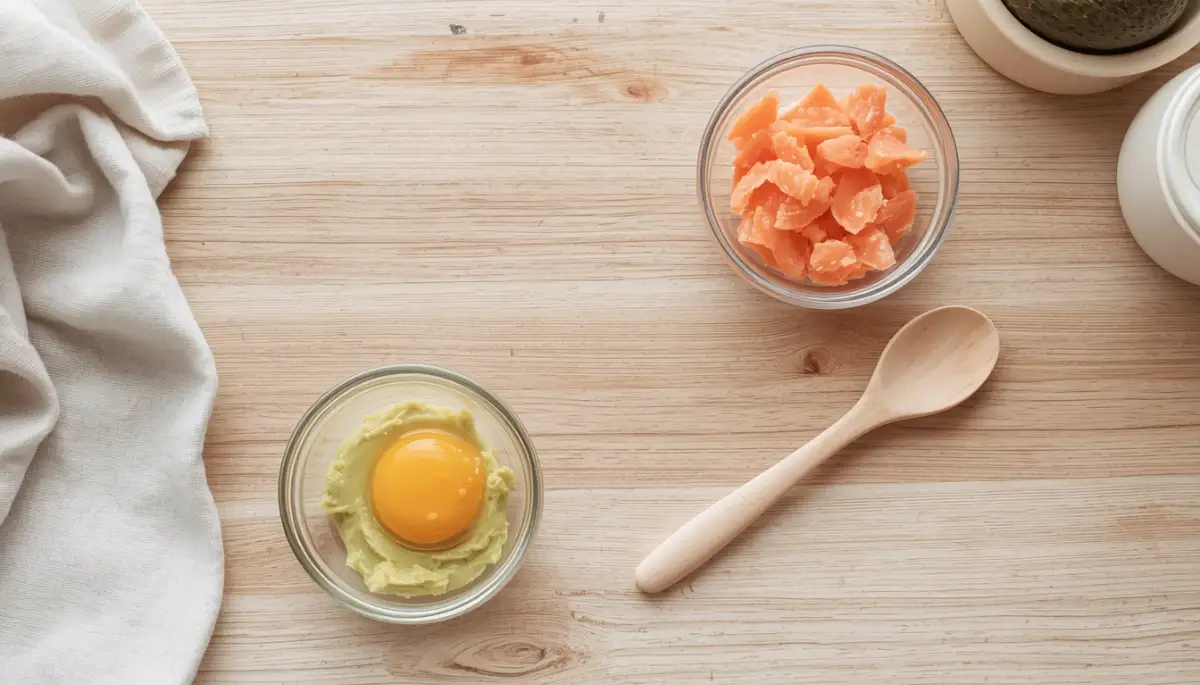
You should also think about the "smell and see" method. Before you put the spoon in their mouth, let your baby smell the food. Let them touch the texture with their fingers. This sensory input is like a workout for their growing mind. It helps them build a better relationship with food and makes them more curious about new flavors.
Keeping your baby’s environment organized can also help you stay focused on their health. I found that staying organized during the busy work week helped me plan better meals. When you aren't rushing, you make better choices for your little one’s plate. A calm kitchen usually leads to a calm and well-fed baby.
If you are a working parent, you might feel like you don't have time for home-cooked meals. I felt that way too. But you can do "batch cooking" on the weekends. Steam and mash a bunch of veggies, freeze them in ice cube trays, and you have instant brain food for the whole week. It saves your sanity and keeps your baby on the right track.
Consistency is the real secret to long-term success. You don't need to do something amazing once a month. You just need to do small, good things every day. According to research from Harvard Health, early nutrition sets the stage for how children learn throughout their whole lives. This is why these daily habits are so valuable.
As a parent, you also need to take care of your own mental health to be a good guide. If you feel overwhelmed, it is okay to seek help or find recovery strategies for high achievers. A happy parent creates a better learning environment for a baby. Your baby picks up on your energy, so make sure you are feeding your own mind too.

Heartbreaking Mistakes That Slow Down Progress
One of the biggest mistakes I made was waiting too long to introduce textures. I kept my baby on smooth purees for months because I was afraid of choking. But the brain needs the challenge of different textures to develop chewing skills and mouth muscles. These muscles are the same ones they will use later to start speaking their first words.
If you skip the textured foods, your baby might become a picky eater later on. This can lead to a lot of stress for you and fewer nutrients for them. I remember feeling so bad when I realized I was holding my baby back because of my own fear. It’s better to learn safe ways to offer soft, mashable chunks so their brain stays challenged.
Another "trap" is the sugar-filled baby snacks you see in every store. They have bright colors and look healthy, but many are just full of empty calories. These snacks can cause a quick energy spike and then a crash. A crashing brain cannot focus or learn. It’s better to stick to whole foods that provide steady energy.
I also see many parents relying too much on milk after the six-month mark. Milk is still important, but it doesn't have enough iron or zinc for a growing baby. If a baby just drinks milk all day, they might miss out on the minerals they need for cognitive growth. This can lead to delays that are hard to catch up on later, which is a scary thought for any parent.
Sometimes, we ignore the subtle signs our babies give us. If a baby turns their head away, they are telling us something. Forcing a baby to eat when they are full can ruin their natural "hunger cues." This can lead to unhealthy eating habits as they grow older. It is important to active listening to your baby’s body language just like you would with a co-worker.
Don't forget that your baby's physical health also affects their brain. For instance, spotting health signs early can prevent long-term issues. While that link talks about adults, the lesson is the same: always watch for changes in your child’s energy or behavior. Small problems are easier to fix before they become big ones.
Lastly, some parents stop trying new foods if the baby rejects them once. I used to think my baby hated broccoli forever because they made a funny face. But studies show a baby might need to try a food ten times before they like it! Giving up too soon means your baby misses out on the unique nutrients that food offers. Be patient, stay calm, and keep offering those healthy bites.
Your Path to a Bright Future Together
The first year of your baby's life is a journey that you both take together. It can feel like a lot of weight on your shoulders, but you are doing a great job. Every time you choose a healthy fat or a food rich in iron, you are helping your baby's brain grow stronger. You are building a foundation that will help them learn, play, and explore the world.
Think of yourself as a gardener. You are planting the seeds of health and intelligence right now. You don't see the fruit immediately, but with water, sun, and good soil, those seeds will grow into something beautiful. This period of life is short, but the impact of what you do now will stay with your child forever.
I want you to feel proud of the effort you are putting in. You are reading, learning, and trying your best, which is exactly what your baby needs. Don't worry about being perfect every single day. Just focus on being "good enough" and staying consistent with the things that matter most for their mind.
If you ever feel like you are failing, just look at your baby’s smile. That joy is fueled by the love and the food you provide. You are their first teacher and their most important advocate. Keep pushing forward, and don't be afraid to try new things in the kitchen. Your baby’s brain is ready and waiting to grow.
I know how hard this can be, but I also know how rewarding it feels to see those milestones happen. When my baby finally started reaching for their own food and showing curiosity, I knew all those mashed veggies were worth it. You will have that moment too, and it will be one of the best feelings in the world. Start today with just one healthy choice, and watch the magic happen.
Common Questions About Baby Brain Power
Can I give my baby too many brain-boosting foods?
It is best to focus on a balanced diet rather than a large amount of just one thing. Your baby needs a variety of nutrients to grow well. Too much of one vitamin can sometimes make it harder for the body to absorb others. Just keep the plate colorful and let your baby decide when they are full.
When should I start worrying about my baby's brain development?
Every baby grows at their own pace, and small delays are often normal. However, if you notice your baby isn't meeting basic milestones or seems very uninterested in their surroundings, talk to your doctor. Early help is always the best way to get things back on track. You can check the CDC guidelines on milestones for more specific information.
Are organic foods necessary for a smart baby?
Organic food is a nice option if you can afford it, but it isn't the most important thing. The most important thing is giving your baby whole, fresh foods instead of processed ones. A regular apple is still much better for the brain than a sugary "organic" fruit snack. Focus on the quality of the food rather than the label.
Does sleep really affect how my baby’s brain uses nutrients?
Yes, sleep is when the brain processes everything it learned during the day. It is also when the body releases growth hormones. Without enough sleep, the brain can't use the nutrients you provide as effectively. Think of sleep as the time when the "brain house" gets built using the bricks you provided during the day.
Is it okay to use store-bought baby food?
Store-bought food is fine as long as you read the labels carefully. Look for jars or pouches that don't have added sugar or too much salt. Many parents use a mix of home-cooked and store-bought food to save time. Just make sure the store-bought ones still offer a variety of textures as your baby gets older.
Does playing with food actually help their brain?
Absolutely! When a baby squishes a banana or smashes a pea, they are learning about the world. This type of play builds neural pathways related to touch and cause-and-effect. It might be messy for you to clean up, but it is a very important part of their cognitive learning process.
I truly believe that you have the power to change your child's life starting at the dinner table. It’s not about buying the most expensive things; it’s about the love and care you put into every small meal. I hope my experience helps you feel more confident and less stressed during this amazing time of growth. You’ve got this, and your baby is so lucky to have you in their corner.
Disclaimer: The information on this blog is for educational purposes only and should not be taken as medical advice. Always consult with a qualified pediatrician or health professional before making changes to your infant's diet or if you have concerns about their development. Every child is unique and has different nutritional needs.