The Sweaty Palms and Silent Panic of Border Control Failures
I used to think that having everything on my phone was enough for international travel. Then I stood in front of a grumpy border officer with a dead battery and no backup. It was a mess. Since that day, I’ve built a simple system to keep my papers ready so I never have to feel that panic again. Let me show you how I organize my travel bag to make border crossings fast and easy.
It was an embarrassing, highly stressful moment that taught me a hard lesson about preparation. When you travel, you want to focus on the exciting sights, the delicious food, and the incredible memories. You do not want to spend your energy arguing with immigration officials or holding up a long line of angry passengers.
Unfortunately, this nightmare is incredibly common for many travelers who fail to organize their travel paperwork beforehand.
A single missing page or a dead phone battery can turn a beautiful trip into an absolute disaster in seconds. When you cannot present your entry visas, hotel reservations, or health forms quickly, border officers immediately become suspicious. They might pull you aside for extra questioning, make you wait in a cold security room, or even deny your entry into the country entirely.
A Reliable Blueprint for Arranging Your Key Travel Paperwork
To avoid these stressful situations, you need a highly organized system that keeps your travel papers safe and accessible. You do not need expensive gear, but you do need a clear plan of action. Let us look at the most practical, tested methods to prepare your travel documents before you leave your house.
Before You Head to the Airport: My 4 Golden Rules
- The Paper Backup: Always have at least one printed copy of your visa and hotel stay. Phones die; paper doesn't.
- The 6-Month Rule: Check your passport right now. If it expires in less than 6 months, many countries won't let you in.
- Offline Access: Download your flight PDFs to a folder on your phone. Don't bet your trip on "free" airport Wi-Fi.
- The Travel Pen: Keep a pen in your pocket. You’ll thank me when you’re filling out customs forms while everyone else is hunting for a pen.
Categorizing Your Papers by Priority and Order of Use
The first step in setting up a smart travel document system is separating your papers into clear categories. You should group your items based on exactly when you will need to show them to airport staff.
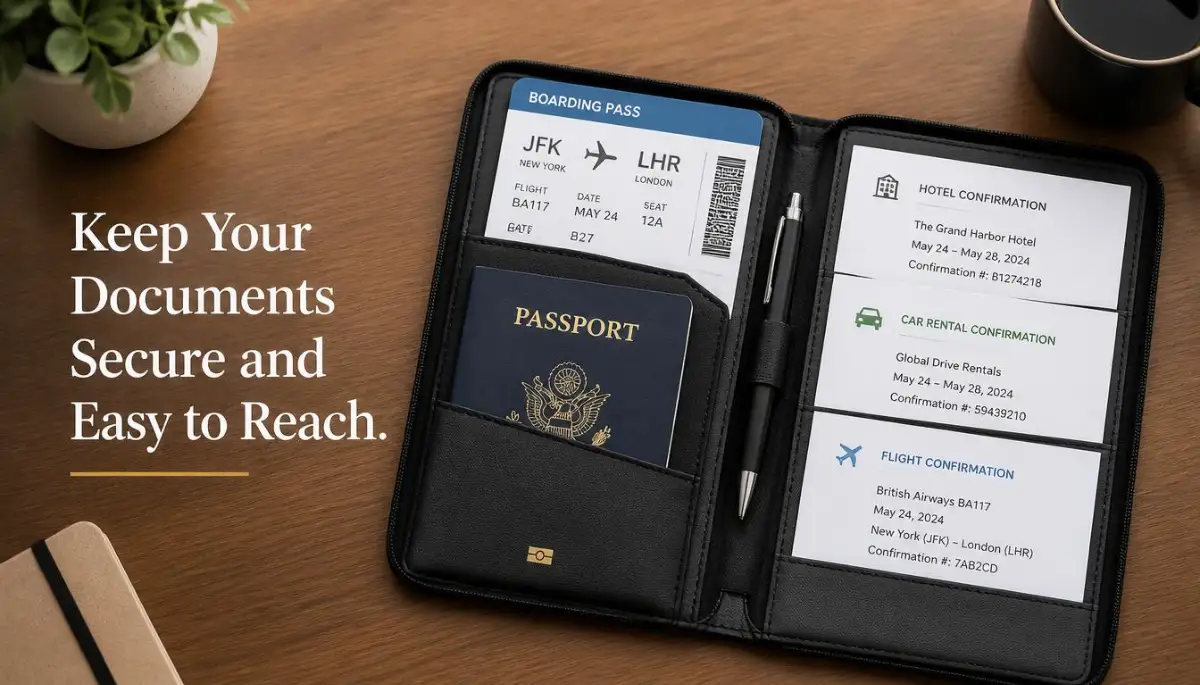
Place your passport, boarding passes, and customs forms in the highest priority category. These are the items you will need to pull out multiple times at check-in, security, and boarding gates.
Keep your secondary documents, like hotel bookings, rental car agreements, and travel insurance details, in a separate section. You only need to access these after you clear customs, so they do not need to block your quick-access pockets.
| Document Type | Priority Level | Where I keep it | Why? |
| :--- | :--- | :--- | :--- |
| Passport & Visa | Top | Quick-access neck pouch | You’ll show this at least 5 times. |
| Boarding Pass | High | Outer pocket of travel wallet | Needs to be scanned quickly at gates. |
| Hotel/Return Info | Medium | Inner folder / Phone PDF | Only needed at the final immigration desk. |
| Insurance/Medical| Just in Case | Bottom of the bag | Rarely asked for, but good for peace of mind. |
Building a Secure Digital Backup System That Works Offline
We live in a highly digital world, but you cannot always rely on an active internet connection when you are abroad. Airport Wi-Fi is notoriously weak, and local mobile data networks can take time to activate after you land.
Always save PDF copies of your flight tickets, hotel reservations, and travel insurance policy directly to your phone's local storage. This ensures you can access your files instantly, even when your phone is in airplane mode.
I also highly recommend emailing these documents to yourself and a trusted friend or family member back home. Having a digital safety net gives you incredible peace of mind if your physical bag is lost or stolen.
Selecting the Right Travel Wallet or Organizer Folder
Throwing your passport and papers loosely into your backpack is a recipe for disaster. You need a dedicated, sturdy travel organizer that is specifically designed to hold international documents.
Look for a travel wallet that features RFID-blocking technology to protect your cards from electronic theft. The holder should have clear sleeves for boarding passes and a secure zipper to keep loose papers from falling out.
Keep this organizer in the same secure pocket of your personal bag throughout your entire journey. Knowing exactly where your passport is at any given second will instantly reduce your travel anxiety.
The Essential Printing Rules You Must Follow for Foreign Visas
Many countries have moved to digital visa systems, but some border authorities still demand physical, printed copies. When a border official asks for your paper visa, showing them a screenshot on your smartphone is often not enough.
Always print your entry approvals, tourist visas, and return ticket confirmations on clean, white paper. Keep these prints inside a waterproof plastic sleeve to prevent them from getting wet or torn during transit.
It is also highly useful to print a copy of your main passport page and any previous visa stamps. If you ever lose your physical passport while exploring a new city, having a printed backup copy makes getting an emergency replacement at your local embassy much faster.
My Personal Realization: During my early travels, I thought printing out physical sheets of paper was an old-fashioned waste of time. I learned the hard way that when a border officer in a remote terminal wants a printed visa copy, no amount of showing my phone screen will change their mind. Now, I always carry a physical folder of paper backups, and it has saved me from missed flights and heavy fines.
The Secret Psychology of Passing Border Control Quickly
Immigration officers are trained to look for signs of nervousness, confusion, and suspicious behavior. When you arrive at the counter looking disorganized, you are signaling to the officer that something might be wrong.
By presenting your passport and visa in a calm, orderly manner, you instantly show that you are a prepared, honest visitor. Keep your answers brief, truthful, and polite, and only hand over the specific documents the officer asks for.
If you are traveling with family members, make sure each person knows where their papers are located. Helping your children keep their boarding passes in order will prevent stressful holdups at the boarding gate.
Are you interested in learning exactly how immigration officers evaluate travelers at international entry gates? Watch this incredibly helpful visual breakdown to learn how to prepare your papers and walk through customs with total ease.
How to Prepare for Unexpected Health and Transit Rules
Travel guidelines can change quickly depending on global events, weather conditions, and regional laws. Many destinations now require travelers to show proof of travel medical insurance or specific health declarations at the border.
Before you board your flight, always check the official government travel portal of your destination country. Ensure you have printed proof of any required vaccinations or health coverage.
Having these extra documents ready shows the border authorities that you take local laws seriously. It also prevents you from being forced into expensive, unexpected medical checks at the airport terminal.
The Danger of Ignoring Expiration Dates and Blank Page Rules
A very common mistake that ruins trips is forgetting to check the expiration date on your passport. Many countries strictly enforce a "six-month rule," meaning your passport must be valid for at least six months beyond your planned return date.
Additionally, you must have enough blank pages in your passport for local entry and exit stamps. If your passport is almost full, border officers may refuse to let you enter, forcing you to return home on the next flight.
Always check your passport details at least two months before booking any international flights. This gives you plenty of time to apply for a fast renewal if your document is running out of time or space.
Preparing for Offline Transit Challenges and Language Barriers
When you arrive in a new country, you might find that the local airport staff do not speak fluent English. Trying to explain your travel itinerary through a heavy language barrier is incredibly difficult when you are tired.
To bypass this issue, write down the address and phone number of your hotel on a small piece of paper in the local language. You can easily hand this note to the border officer or a local taxi driver if they ask where you are staying.
This simple prep work prevents misunderstandings and gets you through the arrival terminal much faster. It is a smart, easy travel habit that makes a world of difference.
Expert Systems Seasoned Travelers Use to Outsmart Airport Customs
Navigating foreign border checkpoints does not have to feel like a high-stress test. Seasoned globetrotters use simple, smart routines to keep their important papers organized and ready. By setting up these expert routines, you can avoid long security lines and keep your travel moving forward.
Organizing Your Papers with Color-Coded Pouches
A highly practical way to arrange your physical papers is by using small, color-coded plastic pouches. Assign a specific color to each family member or each stage of your international journey.
For example, you can use a bright blue pouch exclusively for transit tickets and flight boarding passes. Use a red pouch for emergency medical records, travel insurance, and official international travel advisory portals information.
By keeping these pouches clearly separated, you will never have to search blindly through your heavy bags at a crowded security gate. You can easily pull out the exact color pouch you need in under five seconds.
Setting Up a Secure Offline Phone Folder
Keeping digital copies of your passport on your phone is highly recommended, but you must organize them properly. Do not let your important entry forms get lost in a chaotic camera roll with thousands of holiday photos.
Create a dedicated folder on your smartphone screen labeled "Transit Papers" and save every single flight PDF directly into it. Make sure this folder is set to be accessible without an active internet connection or cellular signal.
For maximum security, you should consider password-protecting this folder or relying on secure digital cloud servers that support secure local offline syncing. This simple digital step guarantees you can show your booking details even if your phone network goes completely dead.
The Backup Plan for Lost or Damaged Identification
Nothing ruins the joy of an international vacation faster than realizing your physical passport has been misplaced or damaged by water. If you run into this emergency, having a clear recovery plan is important to keep from getting stranded.
Always keep two physical photocopies of your main passport page in separate compartments of your luggage. I also recommend keeping a digital list of emergency phone numbers for your local home embassy in the country you are visiting.
Having these simple paper backups makes getting an emergency passport replacement much faster and less expensive. It acts as an essential safety net that keeps a bad situation from turning into a complete travel disaster.
Preparing Special Documentation for Minor Children and Pets
If you are traveling with young children or family pets, border authorities will often ask for extra legal paperwork. For children, you may need to show official birth certificates or signed consent letters from parents who are not traveling with you.
For pets, immigration staff will check for certified health records and international vaccination papers. You can easily check the latest airline travel document guidelines to see exactly what certificates your pets need before boarding.
Keep these extra family records in a separate, labeled compartment of your main travel wallet. This keeps your personal travel papers neat while ensuring you can easily present your family certificates when requested.
Navigating Multiple Connection Flights and Layover Gates
When your journey requires you to take multiple connecting flights, organizing your boarding passes is key to avoiding delays. Keep your tickets arranged in the exact order you will use them throughout your transit day.
If your flight is delayed or you run into a missed layover, having your papers ready is important for managing tight flight layovers and transit windows without extra fees. You do not want to accidentally show the boarding pass for your second flight when boarding your first plane.
Keep the tickets for your later flights tucked safely behind your current passport page. This keeps your immediate boarding pass visible and ready for the gate agent to scan.

Anxious Traps and Missteps that Trigger Secondary Questioning
Even well-meaning travelers often make simple errors that cause border officers to become suspicious. Understanding these common travel pitfalls will help you maintain a clean, stress-free record at any airport terminal.
The Hidden Trap of Relying Completely on Your Mobile Phone
It is highly convenient to keep your boarding passes and hotel bookings on your smartphone screen. However, depending entirely on a digital device without any paper backups is a major travel risk.
Your phone battery could suddenly die after a long flight, or your screen could crack if you drop it on the hard airport floor. If you cannot display your entry records, border security will hold you in a separate room while they verify your identity.
Always carry printed copies of your main transit tickets tucked safely in your bag. This simple backup keeps you moving forward even if your digital devices fail completely.
Displaying Damaged or Heavily Worn Official Documents
Your passport is a highly sensitive government document that must be kept in clean, readable condition. Many travelers ignore minor tears, water stains, or loose pages on their passport covers.
However, border authorities can reject your passport if they suspect it has been altered or damaged. A stained or torn page can make it impossible for airport scanners to read your security chip.
Keep your passport inside a water-resistant protective sleeve whenever you are on the move. Protecting your identification from physical wear and tear will prevent expensive and stressful delays at the security gate.
Forgetting to Match Your Written Names on Bookings and Passports
When you book flight tickets or apply for international visas, you must enter your name exactly as it appears on your passport. Many travelers make the mistake of using shortened nicknames or omitting their middle names on transit forms.
If the name on your boarding pass does not match your official identification, airline staff may refuse to let you board. Fixing a name spelling error at the check-in desk can cost you heavy administrative fees.
Always check your booking details carefully before you hit the pay button on travel sites. This basic habit is an easy way of controlling your general travel expenses and keeping your journey simple.
Keeping Your Travel Pen Hidden in Your Packed Luggage
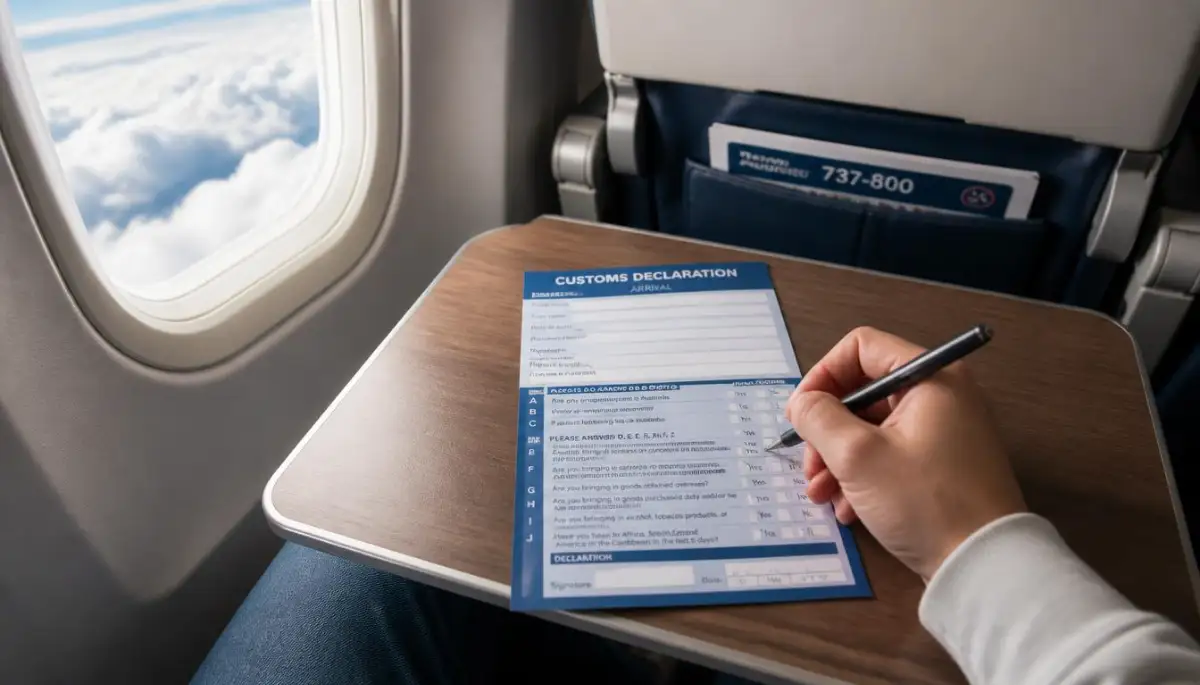
During international flights, cabin crews will often hand out paper customs and arrival forms for you to fill out. You must complete these forms before you step up to the border control counter.
Many travelers pack their pens deep inside their main luggage, which is checked into the plane's cargo hold. This forces them to wait in long lines at the airport terminal just to borrow a pen from other passengers.
Always keep a reliable blue or black ink pen inside your passport pouch. Having a pen ready allows you to fill out your customs paperwork comfortably in your airplane seat before you land.
Carrying Your Document Holders Loosely in Your Hand
It can be tempting to walk through a busy terminal holding your passport, boarding passes, and cash loosely in your hand. However, this makes it incredibly easy to accidentally drop important items while carrying your heavy bags.
It also makes you an easy target for opportunistic pickpockets in crowded airport public areas. When you are not actively showing your papers to a transit agent, they should be stored securely inside your personal bag.
Your Roadmap to Stress-Free Border Crossings
Planning your document organization system is the absolute best way to ensure a peaceful, exciting trip abroad. By taking a few minutes to prepare your physical and digital files, you can handle any security checkpoint with absolute ease. Here is your quick, step-by-step checklist to complete before your next international flight:
- Print your backups: Always carry one set of clean, printed copies of your visa, hotel booking, and flight schedule.
- Keep a pen handy: Tuck a reliable ink pen directly into your passport holder for filling out customs papers.
- Confirm passport dates: Double-check that your passport is valid for at least six months past your return date.
- Prepare your mental health: Staying organized is a wonderful way of recovering from deep stress and exhaustion by removing unnecessary travel panic from your life.
My Personal Realization: Through my own journeys across many borders, I have learned that the key to a happy trip is entering the airport with a calm and confident mind. When I know my papers are arranged and my digital backups are secure, the entire travel experience becomes a fun adventure rather than a stressful chore. I encourage you to set up your own simple travel folder today and watch how much easier your next journey becomes.
Busting Common Travel Document Myths
- Myth: "A digital photo of my passport is legally the same as the real one."
- Fact: No. Most countries require the physical book. A photo only helps if you lose the real one and need to visit your embassy.
- Myth: "I don't need a pen; the officer will give me one."
- Fact: Don't count on it. Officers often expect you to be ready. Carrying my own pen has saved me hours of waiting in line just to borrow one.
- Myth: "I can show my visa on my phone screen."
- Fact: Risky. Some border systems need to scan a printed QR code or keep a physical copy for their files. Always bring one paper copy!
Common Questions About Travel Document Prep
Should I keep my printed travel documents in my checked suitcase or my carry-on bag?
You must always keep your printed travel documents, visas, and passport inside your small personal carry-on bag. Checked suitcases can easily get delayed, lost, or sent to the wrong airport terminal during transit. If your documents are locked inside a lost suitcase, you will not be able to pass through border control to collect your bags.
What should I do if my passport gets wet or torn while I am traveling abroad?
If your passport suffers serious physical damage, you should contact your nearest national embassy or consulate immediately to ask for help. They will examine the damage and help you apply for an emergency travel document to get you home safely. To prevent this issue, always keep your identification stored inside a waterproof protective sleeve.
Do I need to show proof of a return flight ticket to clear border control?
Yes, many countries strictly require international tourists to show proof of a return or onward flight ticket before they are allowed to enter. This rule is enforced to ensure that visitors do not overstay their tourist visas. You should always have a printed copy of your return flight confirmation ready to show the border officer.
How can I safely store digital copies of my documents without risk of identity theft?
You should store your digital document copies in an encrypted, password-protected folder on your mobile device. Avoid saving sensitive passport photos on public social media accounts or unsecured email folders. If you need to check local health guidelines, use trusted portals like the global health entry requirements directory to ensure your trip is safe and compliant.
How can I keep my composure if an immigration officer seems upset or asks tough questions?
If you are asked difficult questions, remember to stay calm and take a deep breath before speaking. You can stay calm by practicing calm communication with airport security staff and answering their questions with simple, polite, and direct facts. Having your physical papers neatly organized will show the officer that you are a prepared and honest traveler.
Is it safe to carry cash inside my travel document wallet?
It is safe to carry a small amount of local currency for transit emergencies, but you should never keep all your travel cash in one place. Keep your main credit cards and larger cash bills stored in a secure money belt or a separate pocket inside your jacket. This ensures that if you accidentally misplace your primary travel folder, you will still have access to your money.
Safe Travel Document Disclaimer: The travel document organization tips, entry rules, and safety guidelines shared in this article are meant for general educational purposes only. International border control laws, visa processes, health check policies, and passport rules can change quickly without prior notice. We highly recommend checking the official consular services or government immigration portals of your destination country before embarking on any international travel.