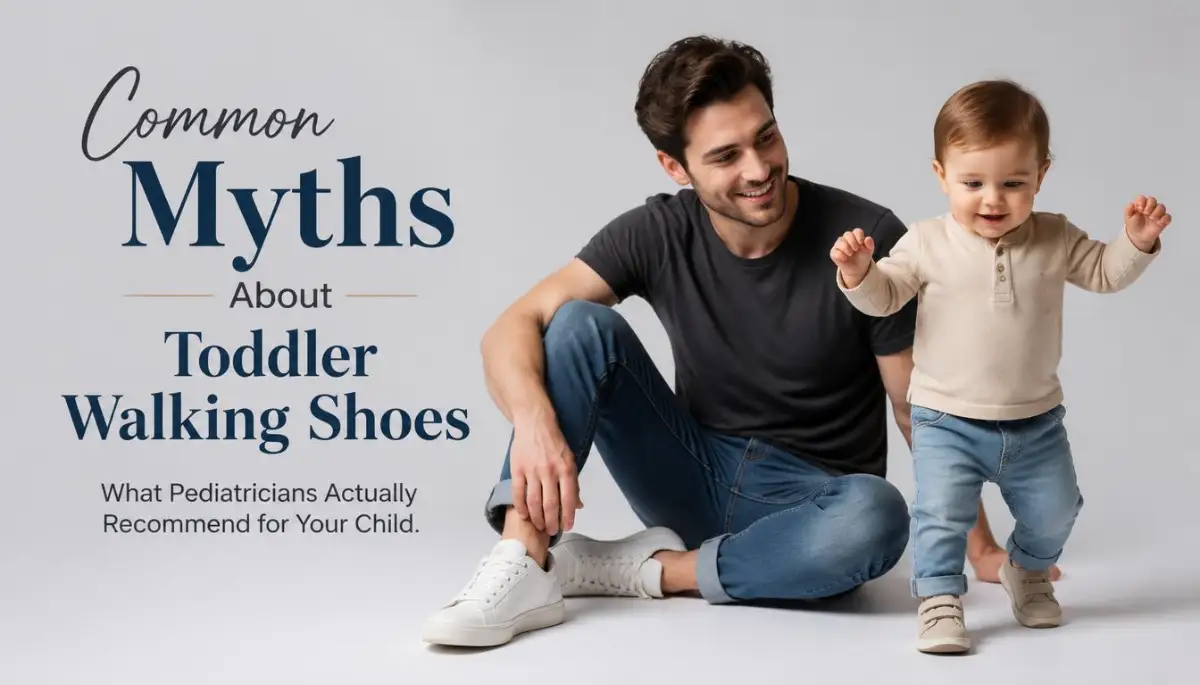
My Personal Struggle with Those Adorable Tiny Boots
Buying your toddler’s first pair of shoes feels like a high-stakes guessing game. You see those cute, stiff leather boots on the shelf and think they’re perfect, but for a new walker, they can be a total nightmare. I've spent way too much money on shoes that my kids hated, only to find out that the "fancy" features were actually holding them back. Let's cut through the marketing noise and look at what your child’s feet actually need to stay strong and healthy.
But every time I put them on, my son would cry or try to pull them off. He tripped constantly, and his feet always looked red when I took the shoes off. I felt like a total failure as a parent. I was trying to help him walk, but I was actually making it harder for him.
It turns out, I was following old-fashioned advice that didn't help at all. Many of us parents feel this same pressure. We see cute shoes on social media and think they must be good for our kids. We want the best, so we spend a lot of money on things that might actually slow down their progress.
It breaks my heart to see parents stressed out about their child’s walking. You worry if their feet are too flat or if they are walking on their toes. Then, you see an ad for "corrective" shoes and feel like you have to buy them. This constant worry ruins the joy of watching your child reach such a big milestone.
I spent weeks reading medical journals and talking to experts because I wanted to fix my mistake. What I learned changed everything for me. I realized that most of what we hear in shoe stores is just clever marketing. Your child's feet are amazing pieces of natural engineering that don't need fancy gadgets.
But the reality is much simpler and much more natural. You don't need to be an expert to make a good choice. You just need to look at how a baby's foot actually works. Once I understood that, the stress just melted away.
Why Your Toddler Might Be Better Off Without Shoes
The biggest myth I used to believe was that toddlers need shoes to learn how to walk. I thought the shoe acted like a trainer. I was completely wrong. In fact, most pediatricians suggest that being barefoot is the absolute best way for a child to develop.
The "Healthy Walker" Cheat Sheet
- Barefoot is Best: Keep shoes off as much as possible indoors to help your child build balance and muscle strength.
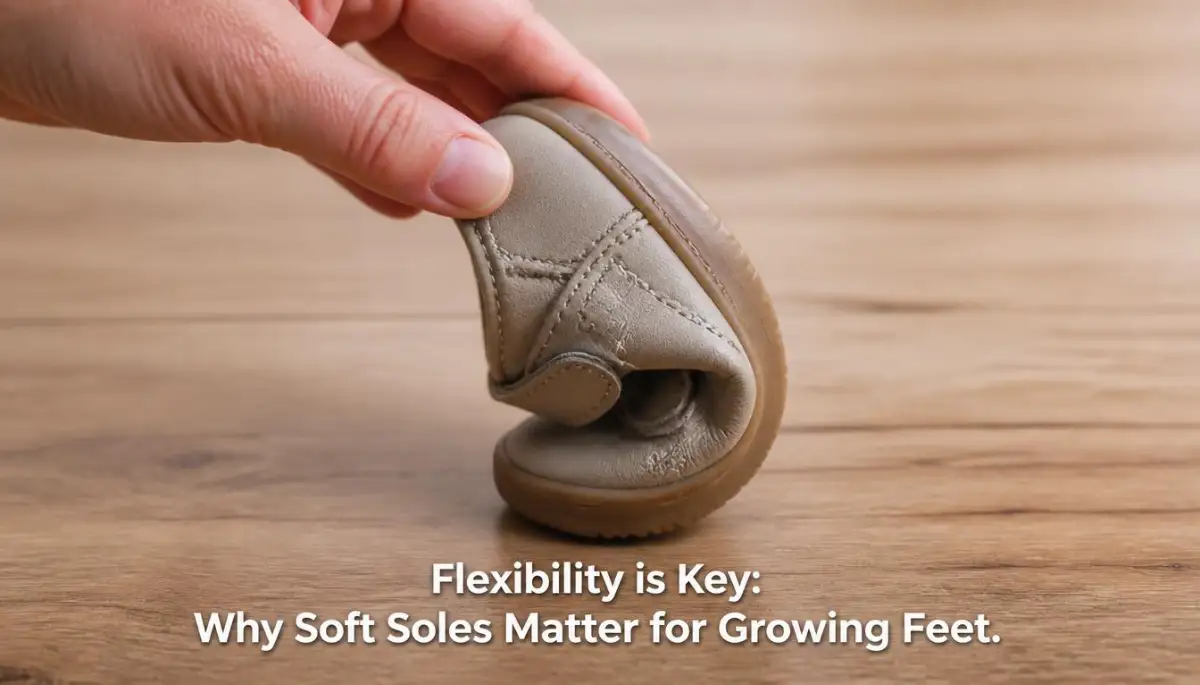
- Flexibility is Everything: If a shoe doesn't bend easily, it’s not right for a toddler. Avoid thick, "stable" soles.
- Wide Toe Box: Look for shoes that are wide at the front. Squished toes can lead to permanent foot issues later.
- Size Matters: Check the fit every 3-4 weeks. Toddlers grow fast, and a tight shoe is a recipe for pain.
When a toddler is barefoot, they can feel the floor. Their toes can grip the ground, which helps them balance. This sensory feedback is how their brain learns where their body is in space. If you put a thick, stiff shoe on them, you are basically cutting off that "data" to their brain.
I noticed a huge difference when I let my son walk around the house in just his socks or bare feet. He stopped tripping so much. He seemed more confident. It was a simple change that cost me zero dollars, yet it worked better than any $60 shoe I had bought.
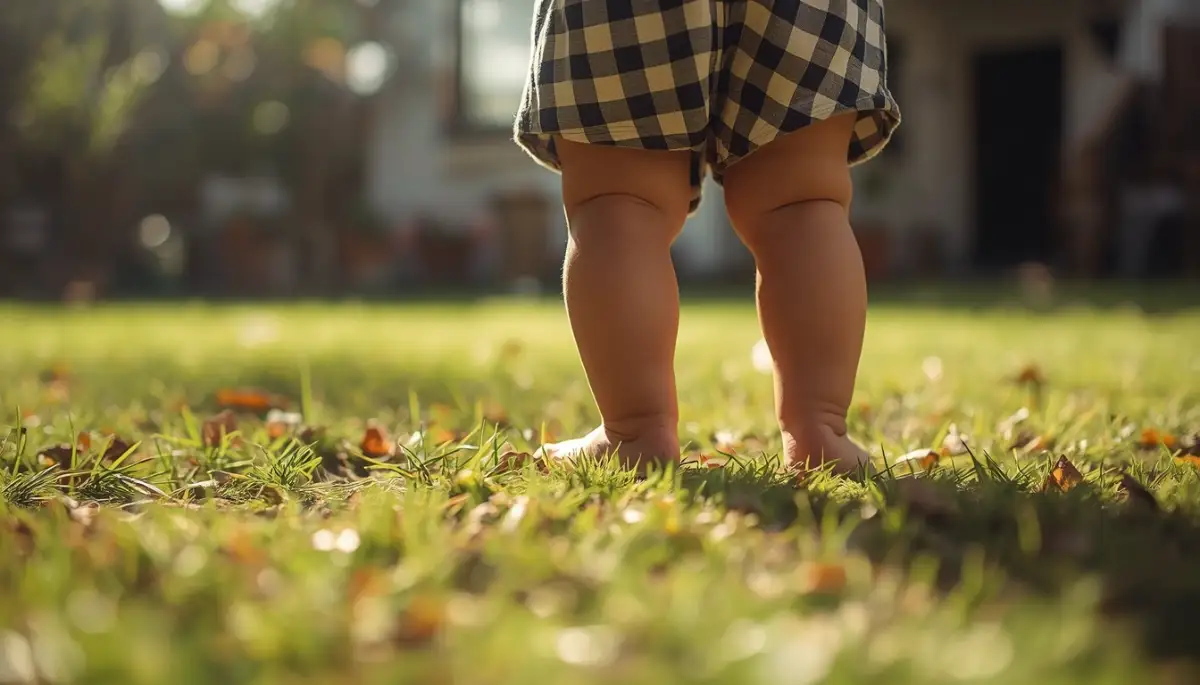
Of course, we can't let our kids go barefoot outside all the time. There are rocks, glass, and hot pavement to worry about. This is where shoes come in as a tool for protection, not for "teaching" them to walk. Understanding this shift in thinking is the first step to making a healthy choice.
Myth vs. Fact: The Truth About Tiny Feet
The Myth of Ankle Support and Stiff Soles
For a long time, people thought babies needed stiff shoes with high ankles. The idea was to "hold" the foot in place. But pediatricians now explain that this is actually harmful. A toddler's foot is mostly made of soft cartilage, not hard bone.
If you put a foot into a stiff, rigid box, the muscles don't have to work. If the muscles don't work, they don't get strong. This can lead to weaker feet in the long run. You want a shoe that moves with the foot, not one that forces the foot to move with the shoe.
I once tried the "Twist Test" on the boots I bought my son. I tried to bend the sole, and it wouldn't move at all. It was like a piece of wood. Now, I always check if I can bend the shoe in half with one hand. If I can't, it doesn't go on my child's feet.
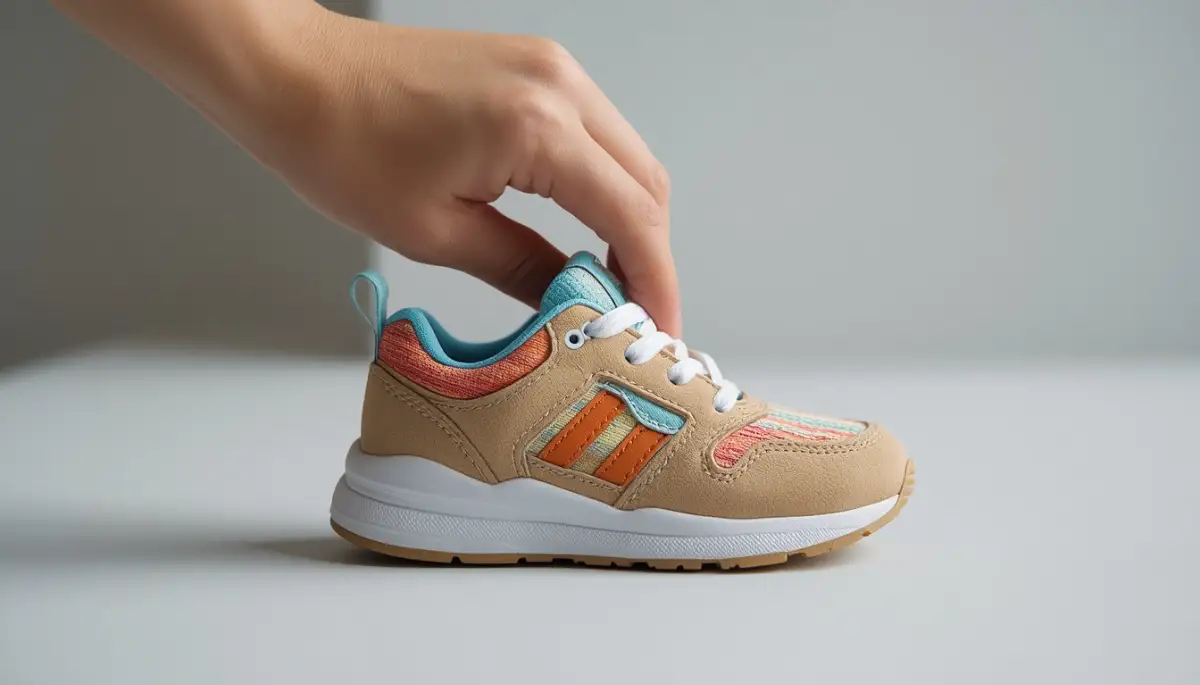
Pro Tip: I used to think that "flat feet" in toddlers were a medical problem that needed special arch support shoes. I later learned that almost all toddlers have flat feet because of a fat pad on their soles. This is totally normal! Don't waste money on arch support unless a doctor specifically tells you to.
Finding the Perfect Fit Without the Stress
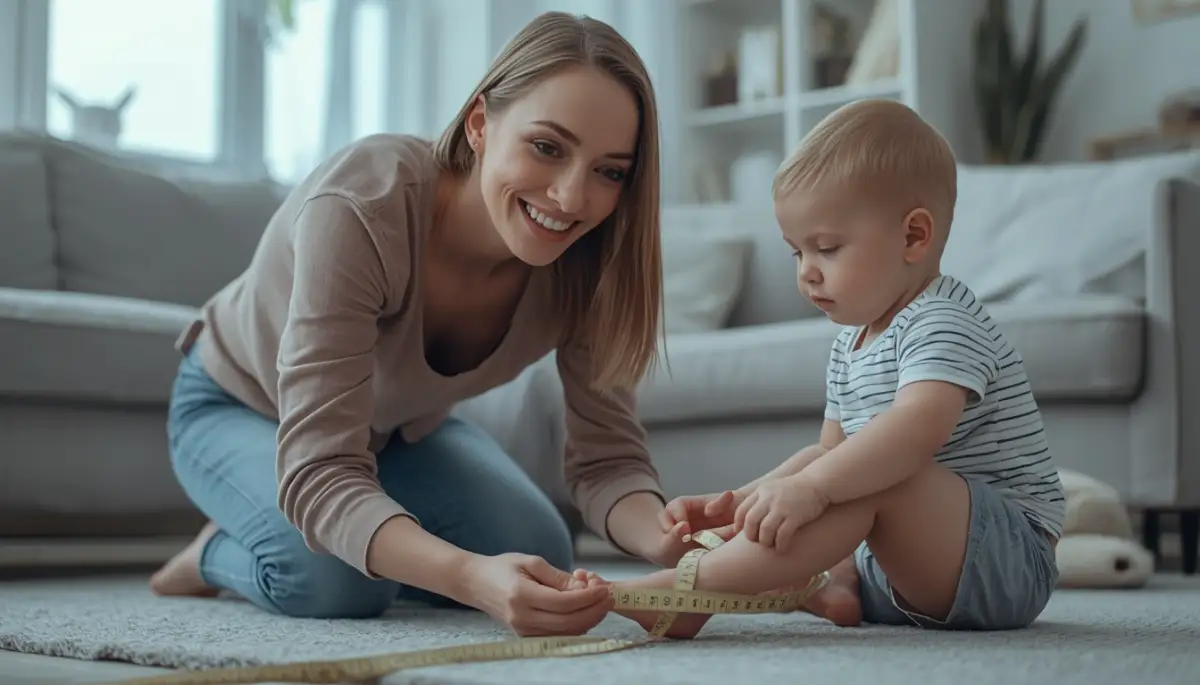
Choosing the right size is harder than it looks. Toddlers can't tell you if a shoe is pinching them. They might just get cranky or refuse to walk. I learned a trick where I measure my child's feet while they are standing up, not sitting down.
When they stand, their feet spread out. This gives you the real size. You should always look for about a thumb's width of space at the front. This gives their toes room to wiggle and grow. If the shoe is too tight, it can actually deform the soft bones of their feet.
Another thing to look for is a wide "toe box." Many kids' shoes are narrow and pointy like adult shoes. But a toddler's foot is shaped more like a triangle, wide at the toes. Look for shoes that look a bit "fat" at the front. This lets the toes spread out naturally as they walk.
Watch how a toddler's foot moves naturally and why flexibility is the most important feature.
The Materials Matter More Than the Brand
I used to be obsessed with brand names. I thought a famous logo meant a better shoe. But what actually matters is the material the shoe is made of. You want something that breathes. Toddlers' feet sweat a lot, and trapped moisture can lead to blisters or fungal issues.
Leather and high-quality canvas are great because they allow air to flow. Avoid cheap plastic or synthetic materials that feel stiff and hot. I found that softer materials also mold to the shape of the foot better. This provides a custom-like fit without the custom price tag.
Weight is another thing parents often forget. Imagine trying to learn to walk while wearing heavy weights on your ankles. That is what a heavy shoe feels like to a toddler. Always pick the lightest shoe possible. If it feels heavy in your hand, it is definitely too heavy for them.
When Should You Actually Buy the First Pair?
There is no "perfect age" for the first pair of shoes. It all depends on when your child starts exploring the outdoors. If they are just crawling or taking steps inside the house, they don't need shoes at all. Barefoot is best for indoor play.
Once they are walking consistently and want to go to the park or walk on the sidewalk, that is the time. Don't rush into it just because they reached a certain month of age. Wait until the environment demands protection for their little feet.
I waited until my daughter was walking at least ten steps on her own before we went shoe shopping. This gave her feet time to get strong naturally. It also made the transition to shoes much easier because she already knew how to balance.
Common Mistakes Parents Make During Shoe Shopping
One big mistake is buying shoes that are too large, hoping the child will "grow into them." I did this once and my daughter kept tripping over the front of the shoe. It was dangerous. A shoe that is too big is just as bad as one that is too small.
Another mistake is using hand-me-down shoes from older siblings or friends. While it saves money, it’s not great for foot health. Shoes often take on the "print" or wear pattern of the first child. This can force the second child's foot into an unnatural position.
It is always better to get a fresh pair for a new walker if you can. If you must use used shoes, make sure the soles aren't worn down on one side. The inside should also feel flat and not have a deep imprint of someone else's foot.
How to Test a Shoe in the Store
When you are at the store, don't just look at the color or the lights on the side. Put the shoe on the floor and see if it sits flat. Then, pick it up and try to bend the toe back toward the heel. It should bend easily at the "ball" of the foot.
Check the heel as well. It should be snug enough that it doesn't slip off, but not so tight that it rubs. I always put my pinky finger in the back of the shoe to see how much space is there. If it’s a struggle to get my finger in, the shoe is likely too small.
Lastly, let your child walk around the store for a few minutes. Watch them closely. Are they walking differently than they do at home? Are they lifting their feet strangely? If they look like they are struggling, that shoe is not the right fit, no matter how cute it looks.
The 3-Second "Store Test" for New Shoes
Before you head to the checkout, do these three things:
- The Fold: Can you bend the shoe in half with just one hand? If it’s stiff like a board, put it back.
- The Twist: Grab the toe and the heel and twist in opposite directions. It should have some "give" to match a moving foot.
- The Insole Check: If the insole comes out, place it on the floor and have your child stand on it. If their toes hang over the sides, the shoe is way too narrow.
Understanding the "Wobble" and How Shoes Affect It
Toddlers are called toddlers for a reason—they toddle! Their wide stance and wobbling are how they find their center of gravity. A good shoe should not stop this wobble. It should allow the foot to react to the floor so the body can adjust.
I used to think a "stable" shoe would stop the wobbling. I thought my child would walk "straighter." But the wobble is actually a learning process. By letting them feel the ground through a thin, flexible sole, you are helping them move past the wobbling phase faster.
Think of it like learning to ride a bike. You need to feel the balance to get better. If someone is holding the bike perfectly straight for you, you never learn. Shoes with too much padding or thick heels act like those people holding the bike.
Weather Considerations for Toddler Footwear
In the summer, it's tempting to put toddlers in flip-flops or loose sandals. However, these are often hard to walk in because the child has to "grip" the shoe with their toes to keep it on. This can lead to toe deformities or frequent falls.
Look for sandals with a back strap that keeps the shoe securely on the foot. This allows the child to focus on walking rather than holding the shoe on. For winter, look for boots that are still flexible. Many snow boots are incredibly stiff, which makes walking in snow even harder for a beginner.
I always look for "minimalist" winter boots. They have a warm lining but still have that thin, bendy sole. It’s the best of both worlds. Your child stays warm, but their feet can still move naturally.
The Role of Socks in Foot Health
We often talk about shoes but forget about socks. A sock that is too tight can also cramp a toddler's toes. I always check that the socks have plenty of room. Sometimes, the elastic around the ankle can be too tight and leave deep marks.
On the other hand, socks that are too big can bunch up inside the shoe. This causes uncomfortable lumps that can lead to blisters. I prefer socks with "grippers" on the bottom for indoor use. This gives them a little extra traction on slippery wood or tile floors without needing a full shoe.
I make sure to buy cotton-rich socks. They absorb moisture better than pure synthetic ones. This keeps the feet dry and happy throughout the day. It’s a small detail, but it makes a big difference in how much your child enjoys wearing their shoes.
When to Talk to Your Pediatrician
While most walking issues are normal, there are times to seek professional advice. If you notice your child is only walking on their toes for most of the day, it's worth a mention. Or, if they seem to be limping or favoring one foot, don't ignore it.
I once worried because my son's toes pointed inward. My pediatrician told me it was a common thing called "intoing" and usually fixes itself. Having that expert talk calmed my nerves. Don't be afraid to ask questions during your check-ups.
They can look at the wear patterns on your child's shoes to see how they are stepping. This can give them clues about foot alignment. Most of the time, the answer is "they will grow out of it," but the peace of mind is worth the conversation.
Keeping Your Child's Feet Healthy for the Future
The habits we start now will affect our children for years. By choosing shoes that allow for natural movement, we are setting them up for healthy joints and muscles. It’s about more than just walking; it’s about their whole physical development.
I stopped looking for the most "fashionable" shoes and started looking for the most "natural" ones. My kids are much happier, and I am much more relaxed. We go for walks, and I don't have to worry about them crying to be carried after five minutes because their feet hurt.
Trust your instincts as a parent. If a shoe looks uncomfortable or stiff, it probably is. You don't need to follow every trend you see online. Stick to the basics: flexibility, room for toes, and lightweight materials. Your toddler's feet will thank you for it!
Secrets to Supporting Natural Foot Strength as Your Toddler Grows
Now that we understand the basics of baby footwear, I want to share some deeper secrets I learned along my journey. Most parents think once they buy the right shoes, the job is done. But foot health is a long-term game that changes as your child gets more active.
One of the best things I did for my son was letting him walk on different textures. Inside the house, we have carpets, hardwood, and tiles. Outside, I let him walk on soft grass and even dry sand when it was safe.
When a child walks on uneven surfaces, their feet have to work harder to stay balanced. This naturally strengthens the tiny muscles in their arches and ankles. It is much more effective than any "specialized" shoe could ever be.
If you want to ensure your child has strong feet for life, you should think of their feet like sensors. The more types of ground they feel, the better their brain gets at controlling their body. This helps with their overall coordination and even their posture as they grow older.
I also learned that rotating shoes is not just for adults. If your toddler wears the same pair every single day, the padding might stay compressed. Giving a pair of shoes a day off lets the materials "breath" and return to their original shape.
This also prevents moisture buildup, which can make the shoes smelly or cause skin irritation. Just like you might be understanding how sitting for six hours affects your veins as an adult, small habits for toddlers can prevent big physical issues later on.
The Magic of Toe Freedom
I cannot stress enough how important it is for toes to "splay" or spread out. When we walk, our toes naturally widen to help us push off the ground. If a shoe is even a little bit narrow at the front, it stops this movement.
I always look for shoes that have a "foot-shaped" design. Many popular brands make shoes that look like miniature adult shoes, which are often pointy. But babies have square or fan-shaped feet.
If you squeeze those fan-shaped feet into pointy shoes, you risk causing permanent changes to their bone structure. This is how many adults end up with bunions or crooked toes later in life.
You can check this by taking the insole out of the shoe if it is removable. Place your child's foot on the insole while they are standing. If any part of their foot spills over the edges, that shoe is way too narrow for them.
Why You Should Ignore the "Orthopedic" Marketing Label
In my early days of parenting, I was easily tricked by fancy labels. I saw shoes labeled as "Orthopedic" or "Doctor Recommended" and assumed they were better. However, I found out that these labels are often just marketing terms used to charge more money.
Most healthy toddlers do not need orthopedic shoes. Their feet are naturally designed to develop without extra support. In fact, adding heavy arch support can actually make the muscles in the arch lazy and weak.
The American Academy of Pediatrics often points out that shoes should be flexible and simple. They don't need to be high-tech. If your child has a specific medical condition, a specialist will tell you exactly what to buy.
Otherwise, stick to the basics of flexibility and protection. Don't let a "medical" sounding name make you spend double the price for something that might actually hinder growth. It is much better to put that extra money into a smart budgeting methods for self-employed pros if you are managing a tight family budget.
Tracking Growth Without the Guesswork
Toddlers grow so fast it can make your head spin. I once bought a pair of shoes that fit perfectly, and three weeks later, they were too small! It felt like I was throwing money away.
Now, I check the fit of my kids' shoes every two to three weeks. I don't wait for them to complain because they often won't. I use the "thumb test" at the front and also check for any red marks on their skin after they take the shoes off.
If you see redness on the pinky toe or the heel, it’s a sign that the shoe is rubbing. This means it is time for a bigger size. It can be stressful to keep up with this, much like overcoming college burnout, but staying on top of it prevents a lot of pain.
I also recommend measuring their feet in the afternoon or evening. Feet tend to swell a little bit throughout the day as we walk. If you buy shoes first thing in the morning, they might be too tight by dinner time.
The Hidden Traps: Mistakes That Could Hurt Your Child’s Development
One of the most heartbreaking things I see at the park is a toddler struggling to run in heavy, chunky sneakers. I know the parents mean well. They probably think the thick sole protects the foot from rocks or cold.
But those heavy shoes act like anchors. They change the way the child walks, forcing them to lift their knees higher or swing their legs out to the side. This creates bad walking habits that can be hard to break.
It also makes the child get tired much faster. When they get tired, they trip more often. Then the parent thinks the child is just "clumsy," but it was the shoes all along! It makes me sad to think a child might stop exploring because their feet feel like lead.
Another big mistake is believing that "high-tops" prevent ankle sprains. Toddlers don't really sprain their ankles the way athletes do. Their joints are very flexible.
By locking the ankle in a high-top shoe, you are stopping the ankle from learning how to stabilize itself. You want those muscles to get strong by moving freely. If you wrap them up like a mummy, they stay weak.
The Danger of Hand-Me-Down Shoes
I love saving money and recycling items, but shoes are the one thing I usually buy new for my toddlers. I learned this the hard way when I used a pair of shoes from my nephew for my son.
My son started walking with a slight tilt in his foot. I was so worried I took him to the doctor. The doctor looked at the old shoes and showed me how the previous child had worn down the outer edge of the sole.
Since the sole was slanted, it was forcing my son's foot to tilt as well. Every child has a unique "gait" or way of walking. A used shoe has already been "molded" to someone else's foot shape and walking style.
If the shoe is barely worn and the sole is perfectly flat, it might be okay. But for a primary walking shoe, it is best to start fresh. This ensures your child’s foot develops based on their own natural patterns, not someone else's.
Falling for the "Cuteness Over Comfort" Trap
We all want our kids to look adorable. I have seen tiny high heels, flip-flops, and even miniature work boots for toddlers. While these are fine for a ten-minute photo shoot, they should never be used for actual walking.
I once bought my daughter a pair of sparkly shoes with a very hard, flat bottom. She looked like a princess, but she hated walking in them. She would keep asking me to pick her up. I realized the shoes didn't bend at all, making it painful for her to take steps.
If a shoe doesn't have a secure fastening, like a good Velcro strap, it is also a trap. Slip-on shoes often fall off, or the child has to "scrunch" their toes to keep them on. This constant tension in the foot is not healthy.
Always prioritize the "feel" of the shoe over the "look." A happy, active toddler who can run freely is much cuter than one who is sitting on a bench because their feet hurt. If you are worried about the cost of buying new shoes often, consider checking before it-s-too-late-spotting-the-subtle-signs-of-prediabetes to see how early health choices save money later in life.
Forcing Shoes Too Early
There is a social pressure to put shoes on babies as soon as they can sit up. I see babies in strollers wearing stiff sneakers before they have even tried to stand. This is completely unnecessary and can even slow down their crawling.
A baby's foot needs to move to build the muscles required for standing. Shoes at this stage just add weight and limit movement. If you want to keep their feet warm, use soft socks or very thin "pre-walker" booties that feel like a second skin.
Only move to a real shoe when they are walking outside on a regular basis. Inside the home, let them be free. This simple rule would solve about 80% of the foot problems I see in young children.
I know it’s tempting to put them in tiny shoes for a family dinner or a trip to the store. Just remember that their comfort and development are more important than a fashion statement. Keep it simple and keep it natural.
Building a Solid Foundation for Your Toddler’s Journey
To wrap things up, remember that your child's feet are incredibly resilient and smart. They don't need expensive technology to grow correctly. They mostly need space, flexibility, and a bit of protection from the elements.
When you go shoe shopping next time, don't feel pressured by the salesperson. Trust your hands. Feel the weight, test the bend, and look at the shape. If it feels right to you and your child seems happy moving in it, you have found a winner.
It is also a good idea to keep an eye on your child’s digital safety as they grow. While you are busy at home, you might want to block smart tv tracking to ensure your family's privacy. Just like physical health, digital health starts with small, smart steps.
Watching your child take their first steps and then start to run is one of the best parts of being a parent. It is a sign of their growing independence. By choosing the right footwear, you are literally supporting them as they step out into the world.
Don't let the myths and the marketing scare you. Stick to what pediatricians recommend: barefoot is best, and shoes are for protection. Keep the soles thin, the toes wide, and the weight light.
I am so glad I learned these lessons early on with my kids. It changed how we spent our time outdoors and made our adventures much more fun. I hope these tips help you feel more confident and less stressed about your toddler's walking journey.
Every child is different, so pay attention to yours. Trust what you see more than what a label says. You are doing a great job, and your little one is lucky to have a parent who cares this much about their health.
I honestly feel so much better now that I focus on my child's comfort instead of the latest trends. My kids run faster and fall less, and that gives me so much peace of mind. I encourage you to take these simple steps today to give your toddler the best start possible!
Helping Parents: Real Answers to Your Biggest Shoe Worries
Should I worry if my toddler walks on their toes?
Toe walking is very common when children first start moving. Most kids grow out of it by age three as they get more comfortable with their balance. If they do it all the time or seem unable to stand flat, then it’s a good idea to chat with your doctor.
How often should I replace my toddler’s walking shoes?
On average, toddlers need new shoes every two to four months. Their feet can grow half a size in a very short time. Always check the fit regularly to make sure their toes aren't getting squished at the front.
Are "lights and sounds" in shoes okay for walkers?
While they are fun, they often make the shoe heavier and stiffer. The electronics are usually kept in a thick, hard sole that doesn't bend well. It is better to choose a plain, flexible shoe for daily walking and keep the "light-up" shoes for special, short occasions.
Is it okay for my toddler to wear socks with sandals?
Yes, it is perfectly fine! In fact, socks can help prevent blisters if the sandal straps are a bit stiff. Just make sure the socks aren't too thick, so the shoe still fits properly and doesn't squeeze the foot.
What if my child has one foot larger than the other?
This is actually very common for both kids and adults. You should always buy shoes that fit the larger foot. A shoe that is slightly loose on one foot is much safer than a shoe that is too tight on the other.
Disclaimer: This article is for informational purposes only and does not replace professional medical advice. Always consult with a qualified pediatrician or podiatrist if you have specific concerns about your child's physical development or foot health.