
Why the Floor Feels Like an Enemy to Your Little One
Let's be honest: most advice you find online about this topic is boring and way too complicated. I’ve spent a lot of time trying to figure this out myself, and I realized that simple steps usually work best. In this guide, I’m going to share what actually works and how you can get started without losing your mind.
Many parents feel this exact same way every single day. You want what is best for your baby, but the resistance you face is exhausting. It is hard to stay calm when your infant is red-faced and sobbing on the floor. You might start to worry that they will never crawl or walk because they hate this one simple activity. The stress of these "tummy time battles" can really take a toll on your mental peace.
You see pictures of smiling babies on Instagram doing tummy time perfectly, and it makes you feel alone. But the reality is that most babies find this position very difficult at first. It is a massive physical challenge for a tiny person who can barely hold their own head up. Understanding this struggle is the first step toward making a real change.
Quick Reality Check: Tummy Time Myths
- Myth: Babies should love being on their bellies immediately.
- Fact: It’s basically a gym workout for them. Most babies hate it for the first few weeks!
- Myth: If they cry, you’re hurting them.
- Fact: They are usually just frustrated because their muscles are tired.
- Myth: You must do 20 minutes straight.
- Fact: Even 30 seconds counts! Small bursts are better than one long, stressful session.
When your baby cries, it is their only way of saying, "This is hard work!" They are not rejecting you or the activity; they are just feeling the strain of new muscles working. The emotional weight of this can make you want to give up entirely. However, we can shift this experience from a daily struggle into a time of connection. We just need to change our approach and look at the world from their tiny perspective.
I spent weeks trying different tricks, feeling more desperate each day. I thought maybe my baby just wasn't "built" for tummy time. But then I realized that I was rushing the process. I was expecting a marathon when we hadn't even learned to stand. Once I changed my mindset and used a few gentle techniques, everything shifted. The tears stopped, and the tiny triumphs began to happen.
Understanding the Physical Struggle of the Prone Position
Your baby is basically a little gravity-fighter. For the first few weeks of life, they have spent most of their time on their backs or being held. When we flip them over, the whole world changes. They are suddenly looking at the carpet or a mat instead of your face. It is a big adjustment that requires a lot of trust and physical effort.
The "Tummy Time" Survival Guide in 30 Seconds:
- Don't Overdo It: Start with 1-2 minutes. If they cry, pick them up. It's about trust, not just strength.
- Use Props: A rolled-up towel under their chest can be a total game-changer for a frustrated baby.
- Get Down Low: Your face is the best toy. Lie down with them so they don't feel alone on the floor.
- Timing is Key: Wait 30 minutes after eating to avoid a mess, and pick a time when they are wide awake.
The muscles in the neck, shoulders, and back are very weak in the beginning. Imagine being asked to do a plank for five minutes when you haven't been to the gym in years. That is how your baby feels. The strain is real, and it can be quite uncomfortable. This physical discomfort is often the primary reason for the crying we hear.
Another factor is their limited vision. When babies are on their bellies, they cannot see as much as they can when they are upright. This can make them feel isolated or even a bit scared. They lose that constant eye contact with you, which is their main source of security. To fix this, we have to bring ourselves down to their level literally.
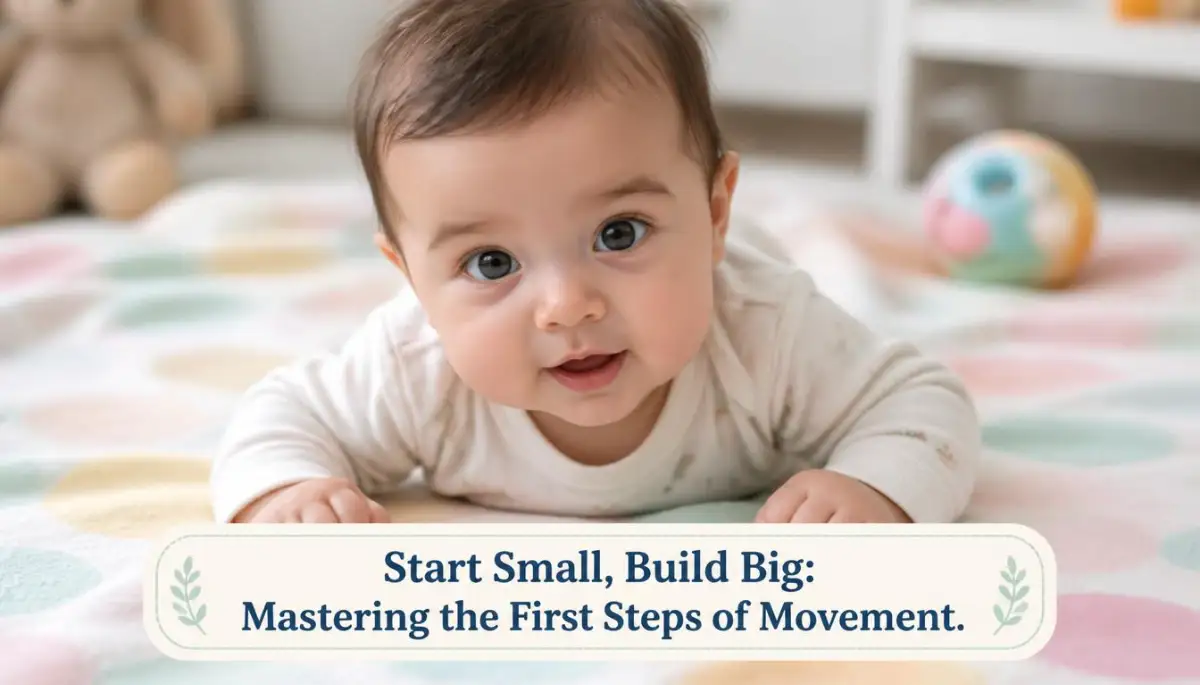
Creating a Safe and Inviting Space for Growth
The environment plays a huge role in how your baby feels about floor play. If the floor is cold, hard, or boring, they won't want to stay there. You want to create a "Tummy Time Zone" that feels welcoming and exciting. Start by choosing a firm but comfortable surface. A thick play mat or a firm rug is usually better than a very soft bed where they might sink in.
Lighting is also something many parents forget about. If the room is too dark, the baby might feel sleepy or grumpy. If there are bright lights directly above them, it might hurt their sensitive eyes. Try to use soft, natural light if possible. Position them so they can see interesting things, like a window or a colorful toy, without straining.
I found that placing a large, unbreakable mirror in front of my baby changed everything. Babies are fascinated by faces, even their own! When she saw another "baby" looking back at her, she forgot to cry for a few extra minutes. It gave her a reason to lift her head and engage with the world around her. This simple addition turned a scary space into a curious one.

Small Steps to Big Milestones
You do not have to start with ten minutes of floor play. In fact, you shouldn't. Start with just one or two minutes at a time, several times a day. These "mini-sessions" are much less intimidating for both you and your baby. It is all about building up stamina slowly over time without reaching the point of a meltdown.
Consistency is much more important than duration. Doing it three times a day for two minutes is better than trying to force one six-minute session. You want to stop the activity before the tears start. If you notice your baby's head starting to drop or they begin to fuss, pick them up. This teaches them that tummy time isn't a trap and that you are there to help.
Think of it like training for a sport. You wouldn't run ten miles on your first day of exercise. You would start with a walk around the block. Treat your baby's physical development with the same patience. Celebrate the small wins, like a three-second head lift or a tiny reach for a toy. These are the building blocks of their future mobility.
The Best Times to Practice During the Day
Timing can make or break your success. If you try to do tummy time when your baby is hungry, they will be too frustrated to focus. If they are tired, they will just want to sleep and will get cranky. The "sweet spot" is usually about thirty minutes after a nap and a diaper change. They should be alert, dry, and relatively happy before you start.
I once tried to do tummy time right after a big bottle. It ended in a giant mess and a very unhappy baby. Always wait at least thirty minutes after feeding to avoid tummy upsets and spit-ups. My realization was that a comfortable stomach leads to a much more willing baby.
Watch your baby's natural rhythms. Some babies are "morning people" and have the most energy early in the day. Others might be more active in the late afternoon. By aligning floor play with their best moods, you set them up for success. You want this to be a positive part of their daily routine, not a chore they dread.
My Recommended "Sweet Spot" Schedule
| Time of Day | Baby’s Status | Success Level | Why? |
| :--- | :--- | :--- | :--- |
| Morning | Just woke up & changed | High | They have the most energy now. |
| After Nap | Alert and happy | High | Their brain is refreshed. |
| Post-Feeding | Full stomach | Very Low | Risk of spit-ups and discomfort. |
| Evening | "Witching hour" / Tired | Low | They are too cranky to work hard. |
Interactive Techniques to Keep Them Engaged
You are your baby’s favorite toy. No plastic gadget can replace your voice and your face. Get down on the floor with them! Lie on your belly right in front of them. Talk to them, sing songs, or make funny faces. When they see you down there, they feel much safer and more encouraged to keep going.
Use toys strategically to encourage movement. Place a high-contrast toy or a rattle just out of their reach. This motivates them to lift their chest and eventually start reaching out. Reaching is a major milestone that leads to pivoting and crawling later on. Keep the toys simple and change them frequently so they don't get bored.
Another great technique is the "Chest-to-Chest" method. You can lie back on a pillow and place your baby on your chest. This is still tummy time, but it feels like a cuddle. They get to practice lifting their head to see your face while feeling the warmth and security of your body. This is an excellent way to start for newborns who are very resistant to the floor.

Check out this amazing video that shows exactly how to position your baby for a tear-free experience!
The Role of Body Awareness and Sensation
Tummy time isn't just about muscles; it is about the brain. When a baby is on their stomach, they receive different sensory input than when they are on their back. They feel the texture of the mat against their palms and the weight of their body on their chest. This helps them develop "proprioception," which is the sense of where their body is in space.
This body awareness is key for all future motor skills. It helps them learn how to balance and how to move their limbs in a coordinated way. By providing a variety of textures—like a soft fleece blanket or a smooth play mat—you are giving their brain a workout too. These sensations are exciting for a developing mind and can help distract them from the physical effort.
If your baby seems very sensitive to textures, try starting on a very familiar surface, like your own skin or a shirt you have worn. The familiar scent and feel can provide comfort. Gradually introduce new surfaces as they become more confident. This slow introduction helps prevent sensory overload, which often leads to crying.
Scientific Benefits You Should Know
Pediatricians recommend tummy time because it prevents "flat head syndrome" or positional plagiocephaly. When babies spend too much time on their backs, the soft bones of the skull can flatten in one spot. Giving them regular breaks on their stomach allows the head to develop a nice, round shape. This is a very practical reason to keep at it, even when it feels tough.
Beyond the head shape, it is about the "core" strength. Just like adults need a strong core for back health, babies need it for everything they will do later. A strong core allows them to sit up independently, crawl with coordination, and eventually stand and walk. Every minute they spend on their belly is an investment in their physical future.
Research also shows that babies who get regular tummy time often reach their motor milestones earlier. They develop the hand-eye coordination needed to reach for objects and explore their surroundings. This exploration is how they learn about the world. By supporting their physical growth, you are also supporting their cognitive and emotional development.
Using Props to Make it Easier
Sometimes a little extra support can go a long way. You can use a small, rolled-up towel or a nursing pillow under the baby's chest. This slight elevation makes it easier for them to lift their head and see what is happening. It takes some of the weight off their arms and can make the whole experience much less stressful.
When using a prop, make sure their arms are draped over the top and their hands are touching the floor in front of them. This encourages them to push up with their forearms. Always stay right there with them when using props to ensure they stay safe and don't slip. As they get stronger, you can gradually reduce the size of the prop until they can do it on the flat floor.
I found that using a colorful "water mat" was a huge hit. The movement of the water and the floating toys inside kept my little one occupied for a long time. She was so busy trying to "catch" the foam fish that she didn't even realize she was working her neck muscles. Creative tools like this can turn a workout into a game.
Learning to Read Your Baby's Body Language
Not all fussing is the same. There is a big difference between a "working hard" grunt and a "help me now" scream. Part of tummy time success is learning to tell the difference. If your baby is making little grunting noises but still trying to lift their head, they are doing great! Let them work through that bit of effort.
However, if their face turns bright red and the crying becomes hysterical, the session is over. Picking them up immediately when they hit that limit builds trust. They learn that you are listening to them and that you won't leave them in distress. This trust makes them more willing to try again the next time.
Look for subtle signs of fatigue. If they start sucking their thumb, rubbing their eyes, or putting their face down and leaving it there, they are tired. Their muscles have had enough for now. Ending on a positive note, or at least a calm one, is the goal. You want them to remember the session as something they survived and succeeded at.
The Importance of Your Own Mood
Babies are like little sponges; they pick up on your energy. If you are tense, worried, and waiting for the crying to start, they will feel that. Try to go into each session with a calm, happy attitude. Take a deep breath and smile. If you are relaxed, it sends a signal to your baby that everything is okay.
I used to hold my breath during tummy time, just waiting for the first whimper. When I realized I was doing this, I started playing soft music and focused on my own breathing. My calmness helped my baby stay calm too. We started to enjoy the time together instead of it being a daily point of conflict.
It is okay if some days are harder than others. Growth isn't a straight line. Your baby might have a great day where they do five minutes with no trouble, followed by a day where they don't want to do it at all. That is perfectly normal. Be patient with them and with yourself. You are both learning a brand new skill.
Summary of Early Strategies
To wrap up this first part of our journey, remember that tummy time is a marathon, not a sprint. Focus on short, frequent sessions rather than long ones. Use your face, your voice, and fun toys to keep them engaged. Don't be afraid to use props like towels to give them a little boost. Most importantly, listen to your baby's cues and stop before they get too upset.
Building motor skills is a big job, but you are the best person to help your baby through it. By creating a supportive environment and staying consistent, you will see those tiny muscles grow stronger every day. The tears will eventually turn into smiles, and before you know it, your baby will be exploring the world on their own.
In the next section, we will look at even more advanced ways to keep things interesting as your baby grows. We will explore how to transition from basic tummy time to more active play that prepares them for crawling. Stay patient, stay positive, and keep cheering on your little champion!
Moving Beyond the Basics: Expert Secrets for Easy Progress
Once you have mastered the first few minutes of floor play, it is time to try some advanced tricks. These methods help your baby build even more strength without them even noticing the work. One of my favorite "pro secrets" is using a large exercise ball. You can gently hold your baby on their tummy on top of the ball and roll it slowly back and forth.
This movement helps them develop balance and forces them to adjust their weight. It feels like a fun ride to them, but their core muscles are working overtime. Always keep a firm grip on their hips or torso to keep them safe. This simple change of scenery can stop the boredom that often leads to crying.
Another great trick is the "Side-Lying" position. While technically not on their tummy, lying on their side helps babies learn to bring their hands together. This is a very important step before they can push themselves up from the floor. You can prop a small toy in front of them to keep them focused on their side for a few minutes.
Many parents find that using different textures under the baby’s hands can spark new interest. Try using a silk scarf one day and a bumpy yoga mat the next. These different feelings send new signals to the brain, helping with sensory development. It keeps their curious minds busy while their neck muscles get stronger.
You might also try the "Football Hold" while walking around the house. Carry your baby face down across your forearm, with their head supported near your elbow. This gives them a bird's eye view of the floor while they are safely in your arms. It counts as a form of tummy time because they still have to work to lift their head to see where you are going.
Learning to understand your baby's needs is a lot like speaking less and connecting more. When you pay close attention to their tiny movements, you can tell when they are ready for a challenge and when they need a break. This deep connection makes the whole process feel less like a chore and more like a shared journey.
To keep these results going long-term, try to make floor play a permanent part of your daily rhythm. Even as they start to sit up or crawl, time on their belly remains helpful. It builds the shoulder stability they will need for writing and drawing later in life. Think of it as laying a foundation for every physical skill they will ever learn.
If you find yourself feeling overwhelmed by the pressure of parenting, remember to take care of yourself too. It is easy to face parental burnout similar to college stress when you are worried about milestones. Taking a five-minute break for your own mental peace will make you a better coach for your little one. A happy parent usually leads to a much happier and more relaxed baby.
Try to involve other family members in this process as well. Sometimes a fresh face, like a grandparent or a sibling, can provide the extra motivation a baby needs. They might find a sibling's giggles more interesting than any toy you can buy. This turns a physical exercise into a social event that the whole family can enjoy together.
Consistency is your best friend when it comes to motor skills. Even on busy days, try to squeeze in at least one or two very short sessions. It keeps the habit alive and prevents your baby from forgetting the progress they have made. Just like any habit, it gets much easier for both of you once it becomes a natural part of the day.

Avoiding the Traps That Lead to Tummy Time Frustration
One of the biggest mistakes I see parents make is waiting too long to start. Some wait until the baby is two or three months old, but by then, the baby may have already developed a strong preference for being on their back. Most health experts suggest starting just a few days after coming home from the hospital. Starting early makes the position feel like a normal part of life rather than a scary new change.
Another common pitfall is the "Comparison Trap." It is so easy to look at a friend's baby who is already pushing up high and feel like your little one is behind. Every child has their own timeline for growth. If you spend all your time worrying, your baby will pick up on that stress and become more resistant to the activity.
Some parents also rely too much on "baby containers" like swings, bouncers, and car seats. While these are helpful for short periods, they limit a baby's ability to move freely. If a baby spends most of their day in a seat, they won't have the drive to work on their muscles when they finally get to the floor. Try to balance "container time" with plenty of free movement on a flat surface.
It is also a mistake to keep going when a baby is truly distressed. There is a fine line between a little bit of hard work and total exhaustion. If you force them to stay down while they are screaming, they will start to associate the floor with fear. This makes it much harder to get them back down the next day. Always pick them up before they reach the point of no return.
The surface you choose matters more than you might think. Doing tummy time on a very soft bed can actually be much harder for a baby. They need a firm surface to push against so they can lift their chest. A soft bed offers no resistance and can even be a safety risk if their face sinks in. Stick to firm mats or the floor for the best and safest results.
Monitoring these small physical habits is as important as spotting subtle signs of health issues in adults. If you notice your baby always turns their head to only one side, mention it to your doctor. Early attention to these small details can prevent bigger issues like a tight neck muscle, also known as torticollis. Being proactive now saves a lot of worry and extra work later on.
Following a step-by-step guide is often the best way to handle big changes. Just like moving a website or starting a new job, helping a baby grow requires a clear plan. If you jump around and try too many things at once, you might get confused and lose track of what is actually working. Pick one or two techniques and stick with them for a week before trying something new.
Lastly, don't forget the power of a good schedule. Trying to do floor play when the house is loud or chaotic can be very distracting for a tiny person. Choose a quiet time when you can give them your full attention. When they feel like they are the center of your world, they are much more likely to show off their new skills for you.
Why Your Patience Will Pay Off in the Long Run
Seeing your baby finally lift their head and look around with a smile is one of the best feelings in the world. All those minutes of hard work and all those tiny struggles lead up to that one moment of success. It is the first time your child realizes they can control their body and interact with their environment. This builds a sense of confidence that will stay with them as they grow older.
As they get stronger, you will notice other changes too. They might start to reach for your glasses or grab their own feet while lying on their back. These are all signs that their brain and muscles are working together in perfect harmony. Every bit of effort you put in now is helping their nervous system develop correctly.
Remember that you are not just building muscles; you are building a bond. These floor sessions are a time for you to be at eye level with your child, sharing smiles and quiet moments. In our busy world, having that dedicated time to just "be" with your baby is a gift. It strengthens your connection and helps you learn their unique personality and quirks.
Don't worry if you had a slow start or if you feel like you haven't done enough. Today is a perfect day to start fresh. The beauty of a baby's development is how resilient and adaptable they are. With just a little bit of extra focus, you can help them catch up and thrive. You have all the tools you need right now to make this a success.
I really want you to know that you are doing a great job. The fact that you are reading this and looking for ways to help your baby proves how much you care. My own journey was full of ups and downs, but once I stayed consistent, the results were amazing. I promise that if you keep trying and stay patient, you will see your baby reach those milestones with a happy heart.
Common Questions About Tummy Time Success
What should I do if my baby falls asleep on their tummy?
If your baby nods off during floor play, you should gently pick them up and move them to their back on a safe sleep surface. Sleeping on the stomach is linked to higher risks for infants. Always follow the safe sleep guidelines provided by organizations like the American Academy of Pediatrics. Tummy time should only happen when your baby is wide awake and being watched closely.
Is it okay to use a nursing pillow for support?
Yes, using a nursing pillow can be a great way to help a baby who is struggling to lift their head. It props them up just enough so they can see the world without as much effort. Just make sure their arms are tucked forward over the pillow and their face is clear of any fabric. Always stay right next to them to make sure they don't roll or slip off.
How many times a day should we practice?
Most experts suggest aiming for about 2 or 3 sessions a day to start with. As your baby gets stronger and more comfortable, you can increase this to 5 or 6 short sessions. The total goal for a 2-month-old is often around 30 to 60 minutes of floor play per day, spread out into small chunks. You can find more detailed milestone charts on the CDC website.
My baby is already 4 months old and hates it—is it too late?
It is never too late to start or improve your routine! Older babies might be more stubborn, but they are also more motivated by toys and interaction. Start with very short sessions and use high-value rewards, like their favorite light-up toy or music. With a little extra patience, even an older baby can learn to love their time on the floor.
Can I do tummy time on my lap?
Absolutely! Lap time is a wonderful alternative to the floor. You can sit with your legs extended and lay your baby across your thighs. This gives them a change of height and keeps them close to you. It is a great way to squeeze in a session while you are watching TV or talking to a friend, as long as you keep a hand on them for safety.
Disclaimer: The information in this post is for educational purposes only and should not replace professional medical advice. Always talk to your pediatrician before starting any new exercise routine with your infant. If your baby has specific health conditions or developmental delays, follow the guidance of your medical provider or physical therapist.
I know how hard those first few weeks can feel when every session ends in tears. But I want to encourage you to keep going because those small efforts add up so fast. I saw my own daughter go from crying to crawling in what felt like a heartbeat, and I know you will see that same magic soon!