
The Heavy Weight of Exhaustion That No Amount of Coffee Can Fix
I remember waking up last Tuesday feeling like I had just finished a marathon, even though I slept for eight hours. My head felt heavy, my legs were like lead, and the thought of starting my workday felt impossible. It wasn't just a "bad morning." It was a feeling that had been haunting me for months, a deep-seated tiredness that seemed to live in my bones. I tried drinking more water, I tried extra espresso shots, and I even went to bed earlier, but nothing changed.
That was the moment I realized my body wasn't just tired; it was trying to tell me something much deeper. I felt like a stranger in my own skin, constantly dragging myself through tasks that used to be easy. My mood was shifting, my focus was gone, and I felt a sense of quiet desperation every single day.
If you are reading this, you probably know exactly what I am talking about. You know that feeling when your alarm goes off and you actually want to cry because you feel so unprepared for the day. It is a lonely place to be when everyone else seems to have a "get up and go" attitude that you simply cannot find.
This kind of struggle is not just about being busy or working too hard. For many of us, this is the reality of living with hormones that are out of sync. When your internal chemicals are not balanced, your life feels like it is on "low battery" mode constantly. It affects your job, your relationships, and your inner peace.
You might feel guilty for not being productive enough. You might worry that you are becoming lazy, but deep down, you know that is not true. You are a fighter, but you are fighting an invisible battle against your own biology. It is heartbreaking to want to do so much but have a body that says "no" at every turn.
Many people spend years wandering through this fog of fatigue without ever getting a real answer. They are told it is "just stress" or "part of getting older," but those answers are not enough. We deserve to understand why our energy has disappeared and how we can bring it back.
Why Your Body’s Energy Battery Is Not Recharging
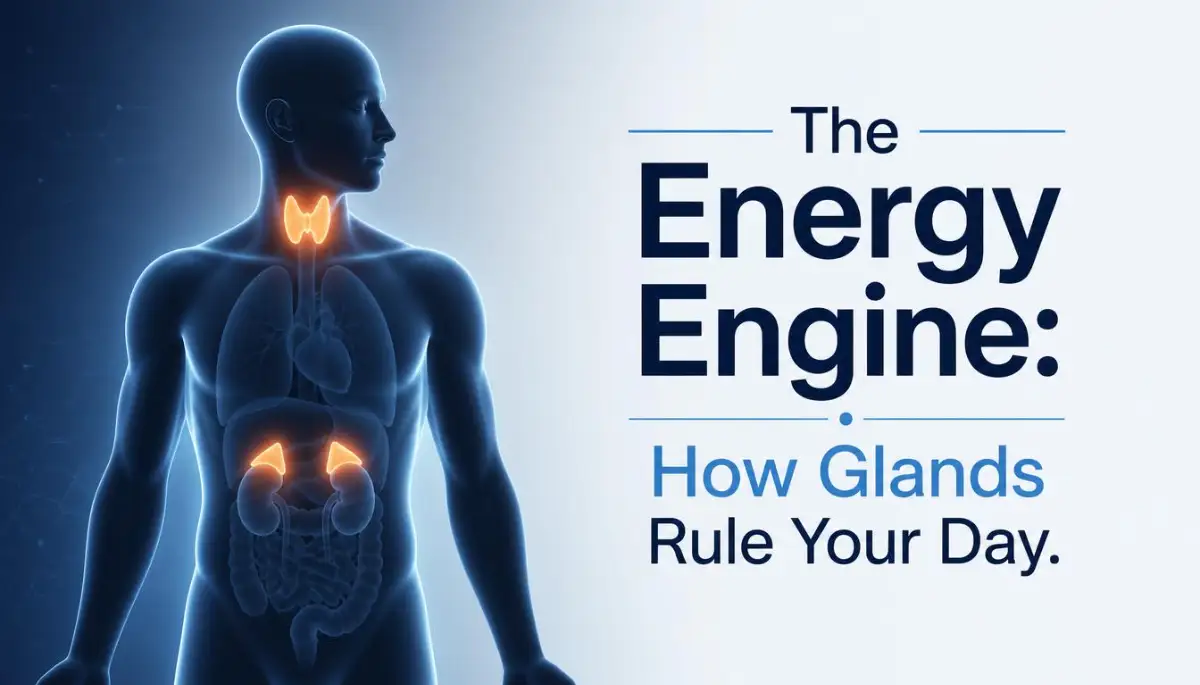
The Silent Energy Thieves Inside Your Glands
When we talk about energy, we often think about food and sleep, but hormones are the actual managers of your energy levels. Think of your hormones as the "software" that tells your "hardware" (your organs) how to function. If the software has a bug, the whole system starts to lag.
One of the biggest players in this game is cortisol. People often call it the "stress hormone," but it is also your "get out of bed" hormone. Normally, your cortisol should be high in the morning to wake you up and low at night so you can rest.
But when you are under constant pressure, your cortisol patterns get flipped. You might find yourself "tired but wired"—exhausted all day but unable to shut your brain off at 11 PM. This imbalance keeps your body in a state of high alert, which drains your energy reserves faster than anything else.
The Thyroid Connection: Your Internal Thermostat
Another major reason for that heavy, dragging feeling is your thyroid gland. This small, butterfly-shaped gland in your neck acts like a furnace. It controls how fast your body uses energy.
If your thyroid is sluggish (hypothyroidism), everything slows down. Your digestion gets slow, your brain feels foggy, and your energy drops to zero. It is like trying to drive a car with a clogged fuel line; no matter how much gas you give it, it just won't move.
Blood Sugar Rollercoasters and Insulin Issues
We also have to look at insulin. Most people think insulin is only for diabetics, but it is a major energy hormone for everyone. When you eat, insulin helps move sugar into your cells for fuel.
If your cells become "numb" to insulin—a condition called insulin resistance—that sugar stays in your blood instead of feeding your cells. The result? You feel tired shortly after eating, and you crave sugar constantly because your cells are literally starving for energy.
The Impact of Estrogen and Progesterone on Stamina
For women, the dance between estrogen and progesterone is a huge factor in daily stamina. When these two are not in balance, it can lead to sleep disruptions and a lack of motivation.
Low estrogen can lead to "brain fog," making it hard to remember simple words or tasks. Meanwhile, low progesterone can cause anxiety and insomnia, making it impossible to get the deep, restorative sleep your body needs to heal.
Recognizing the "Brain Fog" Phenomenon
Have you ever walked into a room and completely forgotten why you were there? Or stared at a computer screen for twenty minutes without processing a single sentence? This is brain fog, and it is a classic sign of hormonal shifts.
Brain fog isn't just "being forgetful." It is a physical feeling of your brain being wrapped in cotton wool. It happens because hormones like thyroid and estrogen are needed for your brain cells to communicate properly. Without them, your cognitive energy vanishes.
[The Pro Tip: My Morning Mistake]
For a long time, I thought drinking three cups of black coffee on an empty stomach was the best way to fight my morning fatigue. I later learned I was actually spiking my cortisol and crashing my blood sugar, making my hormones even worse. Now, I always eat a small protein-rich snack before my caffeine, and it has changed my entire day's energy flow.
How to Listen to Your Body’s Internal Signals
To fix the problem, you first have to stop ignoring the signals. Your body doesn't speak English; it speaks through symptoms. That afternoon slump at 3 PM isn't just "normal"—it is a signal that your blood sugar or cortisol is struggling.
Watch this video to see how common daily habits might be secretly messing with your hormone balance:
If you want a deeper look at how these glands work together, this video explains the endocrine system in a way that is very easy to understand.
The Role of Gut Health in Hormone Production
Surprisingly, your gut is a major factory for hormones and neurotransmitters. If your digestion is poor, you might not be absorbing the nutrients needed to build hormones in the first place.
Inflammation in the gut sends stress signals to the brain, which then tells the adrenal glands to pump out more cortisol. This cycle creates a never-ending loop of fatigue. Taking care of your "second brain" in your gut is a major step in fixing your energy.
Why Quality Sleep is Different from "Just Sleeping"
You can spend ten hours in bed and still wake up exhausted if your hormones are preventing you from reaching "Deep Sleep" or "REM Sleep." Hormonal imbalances often lead to fragmented sleep.
You might be waking up because your blood sugar is dropping too low in the middle of the night, causing a spike in adrenaline. Or, you might be waking up with night sweats due to low estrogen. In both cases, the quantity of sleep is high, but the quality is zero.
Moving Forward: Small Steps to Big Energy
Identifying these symptoms is the first half of the battle. Once you realize that your fatigue is a hormonal signal rather than a personal failing, you can start making targeted changes.
Instead of general "wellness" advice, you can focus on things that actually help hormones, like stabilizing blood sugar, supporting the liver, and managing light exposure. It’s not about doing everything at once; it’s about doing the right things for your specific body.
Beyond the Basics: Mastering Your Internal Energy Flow
Understanding your symptoms is just the first step on this path. To truly reclaim your life, you need to go deeper into how your daily environment shapes your chemical health. One of the most powerful "secrets" I discovered is the impact of light on our hormone production.
Your eyes are not just for seeing; they are the main sensors for your internal clock. When you see bright sunlight within thirty minutes of waking up, you tell your brain to stop making melatonin and start making cortisol. This simple act sets the stage for your energy for the next fourteen hours. If you stay in a dark room all morning, your body stays in a "sleepy" state, even if you are drinking coffee.
Many people find that their energy crashes because they focus too much on exercise and not enough on the right kind of movement. When your hormones are out of balance, doing a high-intensity workout can actually backfire. It raises your stress hormones even higher, leaving you more exhausted than before.
Instead, try what I call "hormone-friendly movement." This includes things like walking in nature or light stretching that lowers stress rather than adding to it. If you are constantly sitting, you might find that understanding how sitting for six hours affects your veins is a great way to see why your circulation and energy might be lagging.
Another expert tip involves the temperature of your environment. Your body needs to drop its core temperature by a couple of degrees to get into deep, restorative sleep. If your bedroom is too warm, your hormones stay in "active" mode.
This prevents the deep healing that happens when your growth hormones are supposed to peak at night. Keeping your room cool and dark is a non-negotiable part of fixing your daily stamina. You might also want to fix tired eyes fast by adjusting your screen settings, which helps reduce the mental fatigue that often mimics hormonal exhaustion.
Managing your blood sugar is another long-term strategy that pays off. Instead of just avoiding sugar, focus on "clothing" your carbs with protein and healthy fats. This prevents the massive insulin spikes that lead to that 3 PM brain fog.
According to research from the Endocrine Society, keeping your glucose levels stable is one of the most effective ways to support overall endocrine health. When your blood sugar is steady, your mood stays steady, and your energy becomes a reliable resource rather than a disappearing act.

Hidden Pitfalls That Keep You Stuck in the Fog
It is so easy to fall into the trap of looking for a "quick fix" when you are desperate for energy. I spent months trying every supplement on the shelf without seeing any real change. This is a common mistake that leads to a lot of wasted money and even more frustration.
One of the biggest mistakes is using caffeine as a crutch to hide the problem. When you drink coffee to mask fatigue, you are effectively ignoring your body's "check engine" light. This often pushes your adrenal glands into even deeper exhaustion.
It feels like you are winning for an hour, but you are actually borrowing energy from tomorrow. This cycle makes it much harder to spot the subtle signs of prediabetes or other metabolic issues that might be the real cause of your tiredness.
Another dangerous habit is self-diagnosing based on a social media post. While it is great to be informed, every body is different. What works for one person’s thyroid might be terrible for someone else’s cortisol levels.
Relying on "fad diets" is another way people accidentally ruin their hormone health. If you cut out entire food groups or drop your calories too low, your body thinks it is in a famine. This triggers a survival response that shuts down "non-essential" functions like your metabolism and your sex drive to save energy.
You might think you are being healthy, but you are actually putting your system under extreme stress. This is similar to how high-achievers often push through physical pain, which can lead to overcoming college burnout later in life.
I also see many people ignoring the emotional side of their physical health. Stress is not just in your head; it is a chemical event in your blood. If you are constantly in a state of worry or anger, no amount of kale or vitamins will fix your energy levels.
Your body cannot heal while it is in "fight or flight" mode. Learning to say "no" and setting boundaries is just as important for your hormones as eating vegetables. If you don't address the lifestyle habits that drain you, you will always be fighting a losing battle against your own biology.
Finally, don't wait until you are completely broken to seek help. Many of us have been taught to "tough it out" or "just keep going." But your health is not something you should gamble with. Ignoring the small signs today could lead to much bigger problems that are harder to fix down the road.
Your New Path to a Vibrant Life
Reclaiming your energy is not a race; it is a slow and steady journey toward understanding yourself. You don't have to change everything overnight. Even small shifts, like eating a better breakfast or getting five minutes of morning sun, can start to move the needle in the right direction.
The most important thing is to have compassion for yourself. Your body is not your enemy; it is a loyal friend that has been trying to protect you. The tiredness you feel is just its way of asking for a change in direction.
When you start to align your habits with your natural biological rhythms, you will be amazed at how quickly things can turn around. You will find that the "fog" starts to lift, your mood becomes more stable, and you finally have the spark to enjoy your life again.
Knowledge is your most powerful tool in this process. By learning how your glands and chemicals work, you take the power back from the exhaustion. You are no longer a victim of your symptoms; you are the manager of your wellness.
I want you to know that it is absolutely possible to feel like yourself again. I have been through the darkest days of fatigue and came out on the other side by making these exact changes. You have the strength to do this, and your future, energized self is waiting for you to take that first step.
The path to health is often found in the simple things we do every day. Trust the process, listen to your heart, and don't be afraid to ask for the support you deserve. Your energy is your life force, and it is worth every bit of effort to get it back.
I truly believe that once you start listening to what your body really needs, you will unlock a level of health you never thought was possible. Don't let another day pass by just "surviving" when you were meant to thrive in every way. Take that first small step for your health today, and I promise you will thank yourself for it later.
Answers to Your Most Burning Hormone Questions
Can a blood test always show if my hormones are out of balance?
Standard blood tests are a great start, but they sometimes miss the full picture. Some hormones, like cortisol, change throughout the day, so a single morning test might not show how your levels drop later. It is often helpful to talk to a specialist who looks at "functional" ranges rather than just the "normal" ones.
How long does it take to see energy improvements after making changes?
Every person is different, but most people start to notice a shift in their mental clarity within two to three weeks. Physical energy often takes a bit longer, usually around six to eight weeks of consistent habits. Your cells and glands need time to repair and find their new rhythm.
Does stress always mean my hormones will be messed up?
Short-term stress is actually normal and can even be healthy for your body. The problem starts with "chronic" stress that never goes away. This constant pressure is what eventually leads to the symptoms of imbalance that drain your daily energy.
Can food alone fix a hormonal imbalance?
Food is a massive part of the puzzle, but it is rarely the only answer. You also have to consider your sleep quality, your movement, and how you manage emotional stress. Think of food as the "fuel," but your lifestyle habits are the "driver" of the car.
Disclaimer: This content is for informational and educational purposes only. It is not intended to provide medical advice or to take the place of such advice or treatment from a personal physician. All readers of this content are advised to consult their doctors or qualified health professionals regarding specific health questions. Neither the author nor the publisher takes responsibility for possible health consequences of any person reading or following the information in this educational content.