
The Pain of a Denied Loan: When Your Financial Plans Fall Apart
Opening a bank email and seeing the word 'Denied' feels like a physical punch to the stomach. I’ve been there—staring at my phone, wondering why my steady paycheck wasn't enough to earn the bank's trust. It’s frustrating, confusing, and makes you want to hide your bank statements forever. But here is the truth: a loan rejection isn't a judgment on your character; it’s just a mismatch in a computer's math. Let’s figure out exactly how to fix that math so you can get a 'Yes' next time.
Imagine Sarah, a hard-working professional who spent weeks planning her home renovation. She did her research, calculated the costs, and finally decided to apply for her very first personal loan.
She felt confident because she had a steady job and a decent salary. She filled out the forms, hit submit, and waited with a hopeful heart. A few days later, an automated email popped up in her inbox. The subject line read: "Update on your loan application.
With shaking hands, she opened it, only to read the words: "We regret to inform you that your application has been denied. In an instant, her excitement turned into a heavy, sinking feeling in her stomach. Her plans were ruined, and she was left with a deep sense of confusion and frustration.
The Heavy Emotional Toll of Rejection
When a bank rejects your loan application, it does not just hurt your financial plans. It hurts your self-esteem and creates a massive amount of mental stress.
We understand how painful this experience can be. That is why we want to show you that a rejection is not the end of the road. It is simply a sign that you need to adjust a few key areas of your financial profile. Once you understand the hidden reasons behind the bank’s decision, you can take control of the situation.
Let us look closely at why this happens and how you can prepare for a successful application next time.
| The "Loan-Ready" Checklist | Why It Matters |
| :--- | :--- |
| Credit Score | 670+ is the sweet spot for most personal loans. |
| DTI Ratio | Keep your monthly bills under 35% of your total income. |
| Job History | At least 2 years in the same field shows you are stable. |
| Application Accuracy | Even a typo in your address can trigger a "No." |
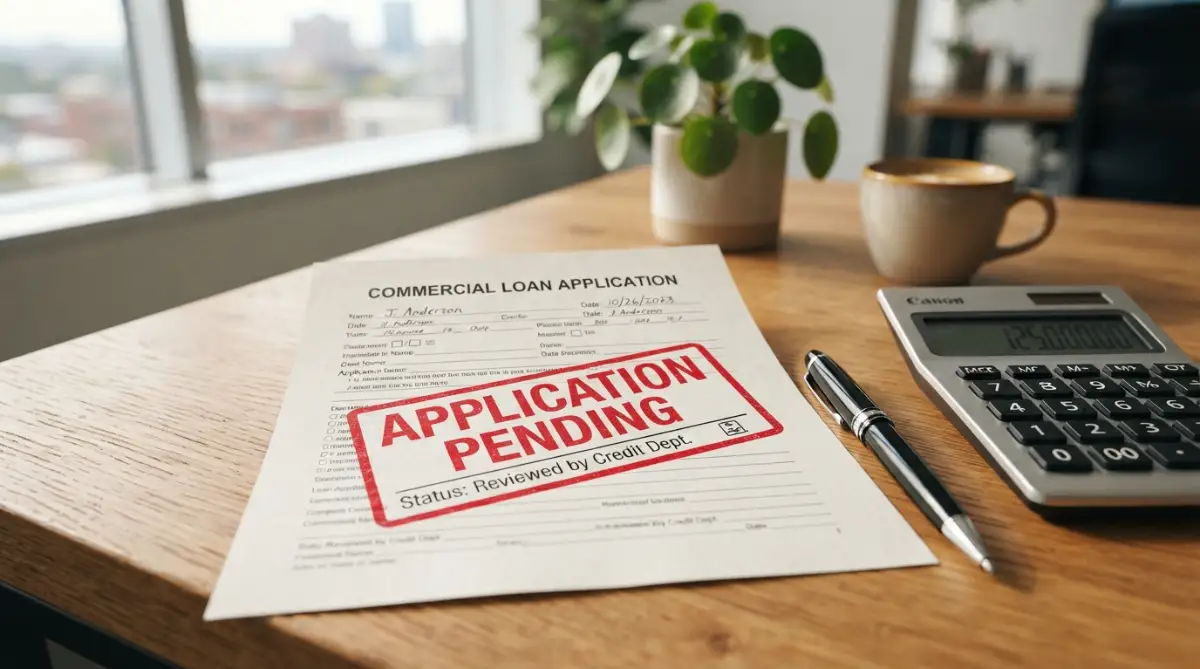
The Hidden Roadblocks in Your Loan Application
Banks use complex systems to evaluate every person who asks for money. They want to make sure that you are a safe borrower who will pay them back on time. If you are applying for your very first loan, you might face specific challenges that experienced borrowers do not. Understanding these issues is the first step toward fixing them.
### 🛑 Don't Panic! Here’s the Quick Fix:
If your loan was just rejected, don't rush to apply somewhere else. Here is what you need to do right now:
- Stop the Hard Inquiries: Every new application lowers your score. Wait at least 3-6 months.
- Check for 'Invisible' Credit: If you have zero debt, you are a mystery to the bank. Start small with a secured card.
- Shrink Your Monthly Bills: Banks care more about your 'leftover money' than your total salary.
- Double-Check the Boring Stuff: Typos on your application are the #1 cause of 'hidden' rejections.
The Invisible Trap of Having No Credit History
Many people believe that having no debt is a sign of great financial health. They avoid credit cards and pay for everything with cash.

While this sounds like a smart habit, it can actually hurt your chances of getting a loan. Banks look at your credit report to see how you have handled borrowed money in the past. If you have never borrowed money, your credit report is a blank slate. To a lender, a blank credit report is a massive question mark.
They do not know if you will pay them back or if you will default on your payments. In the banking world, having no credit history can be just as risky as having bad credit. To solve this, you need to show lenders that you can manage debt responsibly. You can do this by opening a secured credit card or making small purchases and paying them off immediately.
Why Your Debt-to-Income Ratio Matters More Than Your Salary
Another common misunderstanding is that a high salary guarantees loan approval. You might earn a fantastic income every month, but banks look at the bigger picture. Lenders pay close attention to your Debt-to-Income (DTI) ratio. This ratio compares how much money you owe each month to how much money you earn.
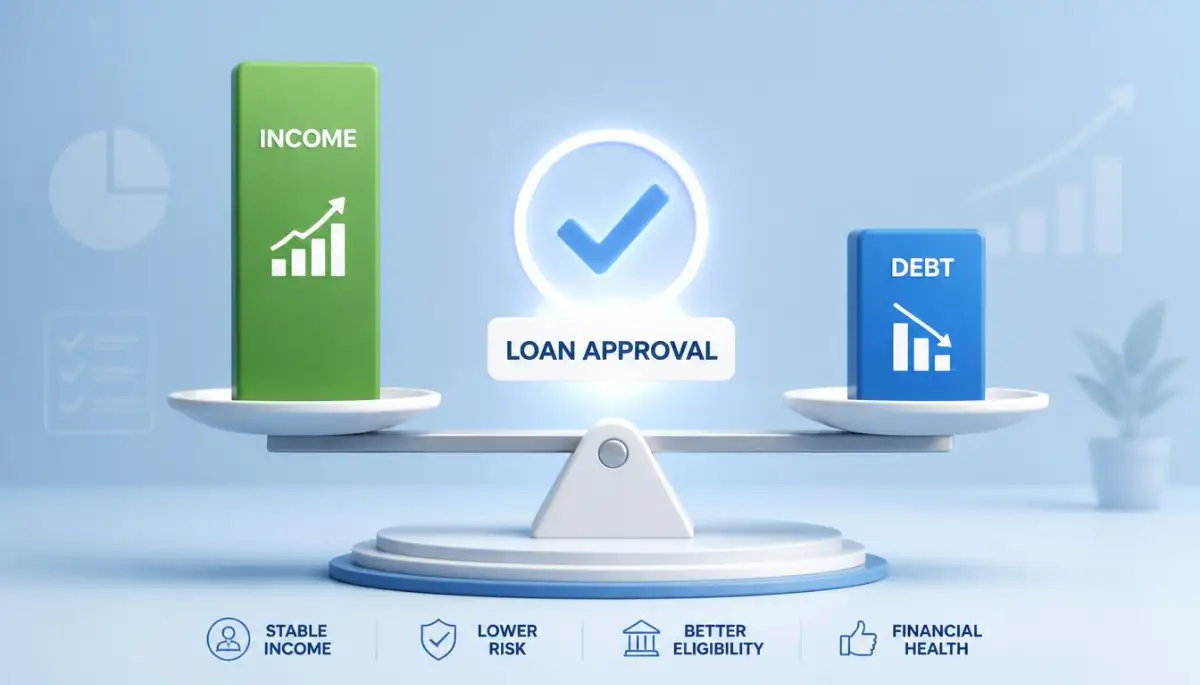
For example, if you earn $4,000 a month but spend $2,500 on rent, credit card bills, and student loans, your DTI is very high. Banks worry that adding a new loan payment to your existing bills will stretch your budget too thin. They want to see that you have plenty of breathing room left in your monthly income.
Ideally, you want to keep your DTI ratio below 35 percent. If your ratio is higher than that, you should focus on paying down your existing debts before applying for a new loan.
Try This: The 5-Minute DTI Reality Check
Grab a piece of paper. List your monthly rent, car payments, and credit card minimums. Divide that total by your monthly take-home pay. If the number is 0.40 or higher, banks see you as 'stretching your limits.' My advice? Pay off your smallest credit card balance completely before you hit 'submit' on that next loan application. It’s the fastest way to shrink that ratio.
This clear and simple video breaks down exactly how debt-to-income ratio works and why banks care more about your monthly bills than your raw salary.
The Impact of Employment Instability on Lender Trust
When a bank lends you money, they are making a bet on your financial stability. They want to be sure that you will have a steady stream of income for the entire life of the loan.
If you have recently changed jobs or have gaps in your employment history, lenders may view you as unstable. Most banks prefer to see that you have been with the same employer for at least two years. If you are self-employed or work as a freelancer, you will need to provide extra proof of your steady income.
This proof usually includes tax returns, bank statements, and profit-and-loss sheets. Showing a consistent, predictable income is key to building trust with any lender.
Small Mistakes on Your Application That Lead to Automatic Denials
Sometimes, the reason for a loan rejection has nothing to do with your credit score or your income. Simple, careless errors on your application paperwork can trigger an automatic rejection. For instance, misspelling your name, entering an incorrect home address, or listing the wrong social security number can cause a mismatch in the bank's system.
Expert Pro-Tip: Always pull your own credit report from an official source before you apply for a loan. Look for any errors, such as accounts you never opened or old paid debts that still show as active. Fixing these small mistakes can instantly boost your score.
How to Rebuild Your Profile for Guaranteed Approval
Now that you know why your application might have failed, you can start taking active steps to fix the issues. Building a strong financial profile takes some time, but the process is highly rewarding.
Step 1: Establish a Clean and Active Credit History
If you have no credit history, your main goal should be to build a positive track record. Start by applying for a secured credit card from a local bank.
With a secured card, you deposit a small amount of cash as security, and that cash becomes your credit limit. Use this card to pay for minor monthly expenses, like your phone bill or groceries. Make sure to pay the entire balance off on time every single month.
Within six months, this habit will establish a solid credit score that lenders can see.
My biggest early mistake was thinking that paying off my card early was enough, but I did not realize how much hard inquiries were dragging down my score. I highly recommend checking your credit file myself for tiny reporting mistakes before you apply for any type of bank funding. Fixing just one wrong address on my report boosted my approval odds almost instantly.
Step 2: Lower Your Debt-to-Income Ratio Methodically
To improve your DTI ratio, you must either increase your income or decrease your monthly debt. For most people, paying down existing debt is the easiest path. Create a simple budget and identify areas where you can cut back on spending. Use the extra money to make larger payments on your credit cards.
Even a small reduction in your monthly credit card balances can significantly improve your DTI ratio. As your ratio drops, you will look much more attractive to bank underwriters.
Step 3: Keep Your Job Situation Stable
If you are planning to apply for a personal loan soon, try to avoid changing jobs. Lenders love consistency and want to see that you are secure in your current role.
If you must change jobs, try to stay within the same industry so that your career path looks continuous.
Keep your pay stubs and tax documents organized so you can present them easily if the lender asks for verification.
Step 4: Watch Your Credit Inquiries
Every time you apply for a loan or a credit card, the lender does a "hard pull" on your credit report. This hard pull temporarily drops your credit score by a few points. If you apply to multiple lenders in a short period, it looks like you are desperate for money. This behavior is a major red flag for banks.
Instead of applying everywhere, research lenders beforehand to find the one that fits your current profile. Apply to only one lender at a time to keep your credit score healthy.
Moving Forward with Confidence
Receiving a loan rejection can feel like a setback, but it is actually a valuable learning opportunity. By understanding the reasons behind the bank's decision, you can take practical steps to secure your financial future.
Take a close look at your credit report, evaluate your debt-to-income ratio, and focus on building a stable financial foundation. With a little patience and effort, you will be in a much stronger position the next time you submit a loan application. Your path to financial approval starts with the small, positive choices you make today.
Secrets to Building a Bulletproof Relationship with Your Bank
Many borrowers believe that getting approved for a loan is a cold, automated lottery. However, banks are actually run by risk management experts who appreciate predictability and loyalty.
One of the most effective secrets is leveraging the power of relationship banking. If you maintain a checking account with a bank for six months, they can see your real cash flow.
This internal history often matters more than what is written on your external credit report. They can see your direct deposits, your daily spending, and how safely you manage your money.
Another advanced strategy is the fifteen-day credit card payment trick. Instead of paying your credit card bill once a month, divide your payment into two parts. Make the first payment fifteen days before your statement closing date, and the second one right before the due date. This strategy tricks the automated credit reporting systems into seeing a much lower debt usage ratio.
Lower usage tells the system that you are not dependent on borrowed money to survive. If you have too many existing debts, you should learn how to consolidate multiple debts before seeking a new loan.
Why You Need a Diverse Credit Portfolio
Lenders look for variety in the types of accounts you have successfully managed. Having only credit cards shows you can handle short-term revolving debt, but it does not prove you can handle long-term fixed payments.
Having a mix of credit cards and minor installment loans proves that you are a well-rounded borrower. You can build this mix over time by taking on small, manageable retail store loans or appliance financing.
Always ensure you pay these off immediately to show you can handle different payment structures. The Consumer Financial Protection Bureau offers excellent tools for calculating debt-to-income ratio and planning your budget.
Should I Keep My Credit Card Balances at Zero?
Many people ask if keeping a zero balance on their cards is the best way to prove they are safe. The answer might surprise you, but the answer is actually no.
A zero balance looks clean, but it does not show active, responsible management of credit. Lenders prefer to see a small utilization rate, ideally between one and nine percent.
Using a tiny fraction of your limit shows you use credit regularly but have the discipline not to overspend. This habit builds a solid, steady profile that appeals to loan underwriters.
Expert Pro-Tip: Never request a credit limit increase right before you apply for a personal loan. Lenders may see this as a sign of sudden financial trouble, which could lead to an instant rejection.

Deadly Mistakes That Can Destroy Your Recovery Efforts
When your loan application gets rejected, it is natural to feel a sudden wave of panic. However, making decisions while you are stressed often leads to errors that damage your credit profile even further.
The single biggest mistake is immediately applying to other lenders in hopes of a different result. Each application triggers a hard check on your credit report, which lowers your score. If three or four banks check your credit in a single week, your profile will look highly risky. This pattern suggests you are desperate for quick cash, which causes other lenders to reject you automatically.
Falling Into the Trap of Fast-Cash Online Lenders
In your search for quick approval, you might see advertisements from online companies promising guaranteed approvals. These companies often target rejected borrowers by offering loans with no credit checks.
While this sounds like a dream come true, these loans usually carry extremely high interest rates. They also contain hidden fees that can trap you in a cycle of debt for years.
Once you get stuck in this cycle, your chances of getting a traditional bank loan are ruined. Always stay patient and focus on rebuilding your score the right way rather than taking dangerous shortcuts.
The Unseen Danger of Co-Signing for Others
Sometimes, a friend or family member will ask you to co-sign a loan for them to help them get approved. If you are already trying to build your own credit, doing this can be extremely risky. As a co-signer, you are legally responsible for the entire debt if the other person stops paying. This obligation will immediately show up on your credit report as your own debt.
It increases your debt-to-income ratio and makes it much harder for you to get approved for your own personal loans. If things go wrong, you might miss a personal loan emi payment and ruin your own score.
Closing Your Old Accounts Out of Frustration
If you have an old credit card that you no longer use, you might think closing it will make your profile look cleaner. This is a common misunderstanding that actually shortens your credit history.
Lenders look at the average age of all your accounts to see how long you have been borrowing money. Closing an old account makes your credit history look much younger than it actually is.
Keep your oldest accounts open, even if you do not use them often, to show a long and stable history of managing money. You can study how credit scores are calculated to understand the weight of account age.
Many people skip the prep work and make easily approved personal loan mistakes you must avoid during their next application process. Take your time to review every detail before you sign anything.
Your New Financial Path Starts Right Now
A loan rejection is not a permanent label; it is simply a temporary roadblock on your financial journey. Every step you take to improve your credit and lower your debt brings you closer to your goals.
With the right habits and a little patience, you can transform your financial profile into one that lenders love. Do not let one rejection stop you from building the future you deserve.
Your Simple Action Plan for Tomorrow
- Pull your free credit report and look for any small errors in your personal details.
- Call your credit card company and ask if they can set up automatic payments for your minimum balance.
- Check your bank statements to find one unnecessary subscription you can cancel to save extra cash.
The best way to feel secure is to build a bulletproof emergency fund that protects you from needing high-interest loans. Having cash in the bank gives you the ultimate peace of mind and reduces your reliance on debt.
A Final Message of Support
We want you to know that your current financial situation does not define your future potential. Building healthy financial habits is a daily practice, and every small success adds up over time.
Stay focused on your goals, remain consistent, and celebrate the small improvements you make along the way. You have the power to take control of your money, and we are excited to see you succeed.
I was able to turn my own credit profile around in just a year, and I know you can do the exact same thing starting today. Take one tiny action tonight, like checking your basic score, and start rebuilding your financial path with real confidence.
Disclaimer: The information provided in this article is for educational purposes only and should not be taken as professional financial advice. Always consult with a licensed financial advisor or credit counselor before making major financial decisions or applying for loans.