
How a Small Cash Emergency Turned into My Worst Financial Nightmare
Having your car break down when you only have $22 in the bank isn't just a 'financial problem'—it's a total nightmare. I know that feeling of staring at a repair bill you can’t pay, wondering how you'll even get to work tomorrow. Most people in this spot run straight to a payday loan shop because it feels like the only way out. But before you sign that paper, I want to show you why that 'quick fix' is actually a trap and how you can find real help without ruining your credit.
That was the exact moment I decided to walk into a local payday loan shop, thinking it would be a simple and easy fix. It seemed so easy at first because they only asked for my ID and a pay stub. The clerk smiled and handed me the cash, promising everything would be fine if I paid it back in two weeks.
But I did not realize that this tiny loan was about to drag me into a deep financial hole. The stress of knowing you owe money at a massive interest rate can ruin your day-to-day life. Every time my phone rang, my heart skipped a beat because I thought it was a debt collector calling to threaten me.
But without the right guidance, a quick cash fix can easily turn into a permanent debt trap. We need to talk about the real numbers behind these loans so you can protect your hard-earned money. Understanding the hidden traps is the very first step toward regaining control of your financial life.
Quick Reality Check: Myth vs. Fact
The Shocking Math Behind Payday Loan Interest Rates
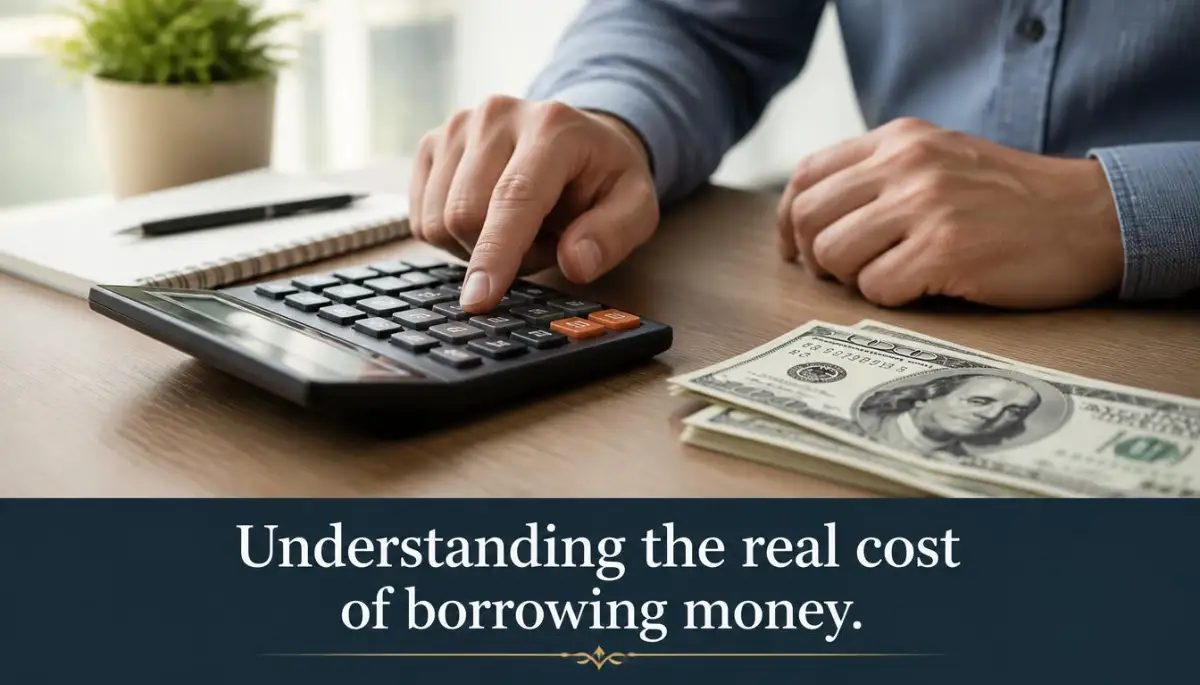
Most people think a payday loan only costs a small fee of fifteen dollars for every one hundred dollars borrowed. That sounds very cheap when you are in a rush to pay a bill. But when you look closely at the math, you see a very different and scary picture.
🛑 What You Need to Know Right Now
- The 400% Trap: Most payday loans carry an APR of 400%, making them 20 times more expensive than a credit card.
- Better Options Exist: Local Credit Unions offer "Payday Alternative Loans" (PALs) with a capped interest rate of 28%.
- Free Help is Real: Calling 2-1-1 (in the US) or searching for local nonprofits can get you help with rent or bills without borrowing a cent.
- The App Safety Net: Apps like EarnIn are safer than payday loans, but only if used as a one-time emergency tool.
Since you have to pay this money back in just two weeks, that small fee translates to an annual percentage rate of almost four hundred percent. For comparison, a standard credit card usually has an annual rate of fifteen to twenty-four percent. When you borrow from a payday lender, you are paying hundreds of times more than a regular bank customer pays.
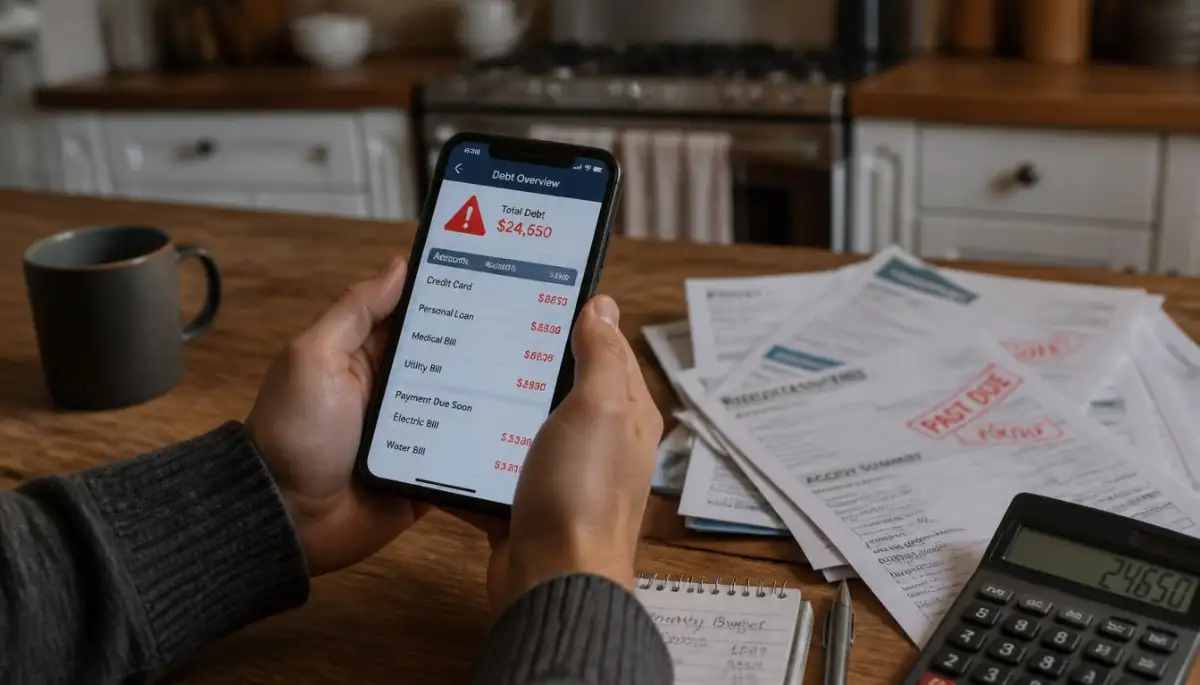
This extreme cost is why so many people get stuck in a cycle they cannot escape. If you cannot pay the full amount in two weeks, the lender will offer to roll over the loan. This means you pay another fee just to push the due date back by another two weeks.
Before you know it, you have paid more in fees than the actual amount of money you borrowed in the first place. This is not a helpful financial service; it is a system designed to keep you paying fees forever.
Why the Payday Loan Cycle is So Hard to Break
The biggest problem with these short-term loans is that they take a huge bite out of your next paycheck. When you receive your next pay, a large portion of it immediately goes to pay off the lender. This leaves you with too little money to pay your regular monthly expenses like rent, utilities, and groceries.
Because you are short on cash again, you feel forced to take out another payday loan to cover your basic needs. This is the classic debt trap that keeps millions of families struggling month after month. The lenders know this happens, and they rely on this cycle to make their profits.
It is incredibly difficult to focus on your job or take care of your family when you are caught in this loop. Your focus shifts from building a good life to simply surviving until the next payday. Let us look at some practical ways to break this cycle and find safer alternatives.
Smart Credit Union Loans Designed to Help You
Many people do not know that local credit unions offer a safe option called Payday Alternative Loans. These are small loans specifically designed to help people who need quick cash but want to avoid predatory lenders. The federal government limits the interest rate on these loans to a maximum of twenty-eight percent.
They also give you several months to pay the money back instead of demanding it all in two weeks. This makes your monthly payments much smaller and far easier to manage within your normal budget. Even if you have a poor credit score, credit unions are often willing to work with you because they are member-owned, non-profit institutions.
To get one of these loans, you usually need to become a member of the credit union first. Some credit unions require you to be a member for a month, while others let you apply right away. It is always worth calling a few local credit unions to ask about their emergency loan options.
My advice is to always call a credit union first, even if you think your credit score is too low. When I was struggling with my car repair, I did not know that my local credit union offered small emergency loans to non-members. I rushed into a payday shop out of pure panic instead of taking thirty minutes to call local credit unions, which was a huge mistake.
Watch This Step-by-Step Guide on How to Avoid High-Interest Debt
If you want to see a clear breakdown of how high-interest loans work and how to escape them, this video is a must-watch. It will help you understand your options and make the best decision for your wallet.
Leveraging Community Assistance and Local Nonprofits
When an emergency strikes, you might not actually need to borrow money at all. There are many local charities, religious groups, and community action agencies that offer direct financial aid. These groups can help pay for utility bills, rent, or emergency medical costs during a difficult month.
By letting a local nonprofit help with your utility bill, you free up your own cash to pay for other urgent emergencies. Many of these programs do not require you to pay the money back, which keeps you completely out of debt.
You can find these resources by calling a local community helpline or visiting websites that list local social services. Most cities have a dedicated service directory where you can search for emergency financial aid. Do not let pride stop you from asking for help when you are facing a genuine emergency.
Using Modern Cash Advance Apps with Caution
Technology has created new ways to access your paycheck early without using a payday lender. Apps like EarnIn, Brigit, and Dave allow you to borrow a small portion of the money you have already earned at your job. These apps usually do not charge traditional interest rates on the money you borrow.
Instead, they ask for a small voluntary tip or charge a small fee if you want the money transferred instantly. This makes them a much cheaper option than a traditional payday loan when you need fifty or one hundred dollars.
However, you still need to use these apps with caution because they still reduce your next paycheck. If you rely on them too much, you can still find yourself short on cash when payday arrives. Treat these apps as a temporary tool rather than a long-term solution to your budget problems.
My Pro-Tip on Cash Apps: If you use apps like Dave or EarnIn, don’t treat them like a "bonus." Since they take the money back automatically on your next payday, you need to "hide" that same amount from your budget immediately. If you borrow $100 today, pretend your next paycheck is $100 smaller than it actually is. This is the only way to stop the "borrowing-to-pay-back" loop.
Common Myths About Quick Cash and Payday Loans
Many people believe that payday loans are the only option available for people with bad credit. This is a very common myth that payday lenders want you to believe so you do not look elsewhere. In reality, many online peer-to-peer lenders and credit unions offer small loans to people with low credit scores.
Another big myth is that payday loans are safe because they are regulated by the government. While some laws exist to protect consumers, many lenders find ways to charge high fees within the law. Just because a business is open on your local street corner does not mean their loans are safe or fair.
Finally, some people think that paying off a payday loan on time will help improve their credit score. The truth is that most payday lenders do not report your positive payments to the credit bureaus. They only report you if you fail to pay and your account goes to a collections agency, which actually hurts your score.
How to Start Building a Safe Financial Cushion Today
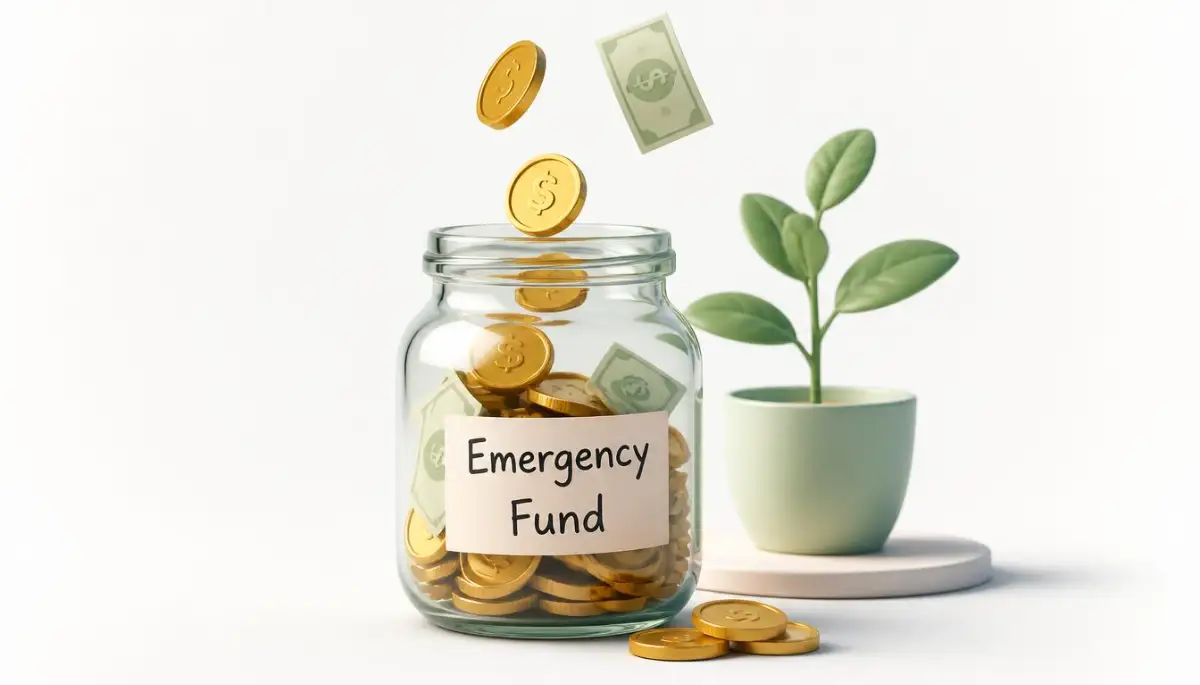
The absolute best way to protect yourself from high-interest lenders is to build a small emergency fund. Having even two hundred dollars saved up can make a massive difference the next time an unexpected bill arrives. It gives you peace of mind and prevents you from making rash financial decisions out of panic.
You do not need to save a large amount of money overnight to start making progress. Try setting aside just five or ten dollars from every paycheck into a separate savings account. Over time, this small habit will grow into a strong financial cushion that protects your family.
Look for small ways to cut back on unnecessary spending for a few weeks to kickstart your savings. You can also look into selling unused items around your house to get some quick cash to start your fund. Every single dollar you save is a dollar you will not have to borrow at a high interest rate later.
Mastering Your Emergency Money: Advanced Strategies to Stay Safe Forever
When you are in the middle of a financial crisis, panic makes it hard to think clearly. However, learning how to manage your bills before they turn into emergencies is a skill that can protect you for life. There are several advanced steps you can take to make sure you never have to walk into a high-interest lending shop again.
Negotiating directly with utility providers and creditors
One of the best-kept secrets in personal finance is that most companies are willing to work with you if you call them early. If you know you cannot pay your electric bill or your car payment on time, do not ignore the problem. Instead, pick up the phone and ask to speak with their billing department about hardship programs.
Many major utility providers have special payment plans that let you split your bill over several months without any extra fees. The Consumer Financial Protection Bureau provides excellent guides on how to communicate with creditors when you are short on cash. Taking this simple step can prevent service shutoffs and keep your monthly expenses manageable.
You can also ask for a temporary interest rate reduction or a skipped payment on your credit cards. Most credit card companies would rather help you make smaller payments than have you stop paying entirely. This prevents late fees from piling up and keeps your accounts in good standing.
Establishing a micro-budget system for unstable earnings
If your income changes from week to week, managing emergency expenses can feel almost impossible. You might have a great month followed by a very slow month where you struggle to pay for groceries. To survive this cycle, you need a flexible plan that adjusts to your actual cash flow.
You can use a customized plan to organize your money, which is especially useful if you are self-employed. If you are struggling with unpredictable paychecks, you should check out these smart budgeting methods for self-employed pros with unstable income. This approach helps you build a buffer during good months so you do not run out of money during slow weeks.
A micro-budget focusing only on absolute needs can save you from borrowing money when your pay is low. You categorize your spending into "survival costs" like rent and food, and "extra costs" that you can cut instantly. When your income drops, you immediately freeze all extra spending until your cash flow improves.
The power of community-backed local resources
Every community has local organizations, charities, and government programs designed to help residents in times of need. Many of these groups receive funding to help families pay for heating bills, rent, or emergency medical costs. You can search for these programs on Benefits.gov to see what assistance you qualify for in your local area.
These programs are excellent because they do not require you to pay the money back or check your credit score. For example, the Low Income Home Energy Assistance Program helps thousands of families stay warm during the coldest months. By using these public resources, you can keep your cash in your bank account to cover other unexpected emergencies.
There are also local food pantries and community kitchens that can help you cut your grocery bill to zero for a few weeks. Every dollar you do not spend on food is a dollar you can put toward fixing your car or paying your rent. Using these resources is a smart way to manage your cash during a difficult month.
Creating your own digital safety net with low-cost banking options
Traditional bank accounts can sometimes make financial emergencies worse by charging high overdraft fees. If you accidentally spend more than you have, a bank might charge you thirty-five dollars for a single transaction. This can quickly drain your account and make you feel like you need a quick cash loan to catch up.
Switching to a modern online bank that offers fee-free overdraft protection can save you hundreds of dollars. Many of these modern accounts will simply decline a transaction instead of charging you a fee if you do not have enough money. Some even offer small, fee-free cash advances to help you cover minor gaps before your next payday.
You can also set up automatic transfers that move small amounts of money into a separate savings account every time you get paid. Even saving five dollars a week will add up to a decent safety net over a few months. The key is to make the savings process automatic so you do not have to think about it.

The Unseen Hazards: How Innocent Decisions Turn into Hard Money Traps
When you are desperate for cash, it is very easy to fall for financial offers that sound too good to be true. Many lenders use clever marketing to make their high-interest loans look like friendly, helpful solutions. Understanding these common traps can help you protect your wallet and keep your credit score safe.
Choosing high-rate installment loans by mistake
Many borrowers think they are making a smart choice by avoiding payday loans and choosing installment loans instead. Installment loans let you pay back the money over several months or years instead of two weeks. This sounds much safer because the monthly payments are smaller and easier to manage.
However, many long-term installment loans designed for people with bad credit actually have annual interest rates over one hundred percent. Because you are paying the loan back over a longer period, the total interest you pay can be much higher than a payday loan. If you are not careful, you could end up paying thousands of dollars in interest for a small five-hundred-dollar loan.
If you are thinking about borrowing money for the first time, you need to understand why these loans can fail. You can learn more about this by reading about why first-time personal loans fail and how to fix it before signing any paperwork. Knowing the warning signs can help you choose a safer and much cheaper borrowing option.
Relying on cash advance apps too heavily
Fintech apps that offer early access to your paycheck can be a helpful tool, but they also carry hidden risks. Because these apps are so easy to use, it is easy to get into the habit of borrowing money every single week. This creates a soft cycle where you are always spending money before you actually earn it.
If you borrow one hundred dollars from your next paycheck, your next direct deposit will be one hundred dollars short. This often forces you to use the app again the following week to cover your normal bills. Over time, you become dependent on the app just to make it to your next payday.
In addition, some of these apps charge fast-transfer fees that can add up to a very high interest rate if you use them frequently. If you pay a five-dollar fee to borrow fifty dollars for three days, the actual interest rate is extremely high. Use these apps only for true emergencies and never as a regular part of your weekly budget.
Asking family members to step in with co-signing
When you cannot qualify for a low-interest loan on your own, you might think about asking a family member to co-sign for you. This seems like a great way to get the money you need while showing your family that you are trying to be responsible. However, this decision can put a massive amount of pressure on your personal relationships and their financial health.
If you fall behind on your payments, the lender will immediately demand that your co-signer pay off the entire debt. This can ruin your family member's credit score and drain their personal savings. If you are curious about how this works, you should read about why cosigning a loan can quietly ruin your credit score.
Even if you have the best intentions, unexpected life events like losing your job can prevent you from paying the loan. The stress of owing money to a loved one can cause permanent damage to your family bonds. It is always better to explore other options before risk-sharing with the people you care about most.
You should also look into the unspoken risks of co-signing a personal loan for family members to understand both sides of the issue. Protecting your family's financial future is just as important as protecting your own. Keep your personal relationships separate from your borrowing needs whenever possible.
Waiting too long to seek credit counseling services
Another major mistake people make is waiting until they are completely overwhelmed by debt before asking for professional help. Many people feel ashamed of their money situation and try to hide it from everyone, including their families. They continue to borrow money from different lenders, making their financial situation worse with every passing month.
Nonprofit credit counseling agencies offer free, confidential advice to help you organize your bills and talk to your creditors. These professionals can help you set up a debt management plan that reduces your interest rates and stops late fees. Asking for help early can prevent your accounts from going to collection agencies and save you from bankruptcy.
Do not let fear or shame keep you from reaching out to a certified credit counselor. They are there to support you and help you find a realistic path back to financial stability. The sooner you make the call, the more options you will have to fix your budget.
Your Practical Action Plan for Tomorrow
Taking control of your finances does not require you to make massive changes overnight. Instead, it is about taking small, consistent steps that build a strong foundation over time. Having a clear plan can help you stay focused and make smart decisions when things get tough.
Your emergency action checklist
- Check your budget: Write down your actual monthly income and list your survival expenses first.
- Call your creditors: Ask for hardship programs or payment extensions before you miss a payment.
- Contact local non-profits: Reach out to local charities or government assistance programs for direct aid.
- Open a separate savings account: Set up an automatic transfer of just five dollars a week to start your fund.
- Review your credit: Check your credit report for free online to see where you can make improvements.
If you are currently dealing with a heavy burden of debt, do not lose hope. You can find highly effective and realistic saving strategies for families struggling with high debt to help you get back on track. With the right plan, you can slowly chip away at what you owe and build a brighter financial future.
A personal word from my financial journey
I know exactly how scary it feels when you do not have enough money to cover a sudden, unexpected emergency bill. But I also know that you have the power to break free from high-interest debt traps and build a safe safety net for your family. By taking small steps today and using the safe alternatives we discussed, you can protect your peace of mind and your hard-earned money.
Answers to Your Top Emergency Money Questions
What is the quickest way to borrow money safely?
The safest and fastest way to borrow money in an emergency is usually through a local credit union or a trusted family member with a clear repayment plan. Credit unions offer low-interest alternative loans designed specifically for people who need quick cash. You can also explore local community action programs that offer direct financial aid without requiring you to pay the money back.
Can I get an emergency loan if my credit score is very low?
Yes, many credit unions and online personal lenders offer small emergency loans to borrowers with bad credit. They look at your steady monthly income and employment history rather than just your credit score. Always make sure to read the interest rate terms carefully before signing to avoid predatory lenders.
Are cash advance apps actually better than payday loans?
Cash advance apps are generally much cheaper than payday loans because they do not charge three-digit interest rates. However, they can still create a dangerous habit of spending your money before you actually receive your paycheck. Use them only for true, one-time emergencies and avoid relying on them as a regular budgeting tool.
How can I stop a payday lender from taking money from my account?
You have the legal right to stop automatic payments from your bank account by contacting your bank directly. You must notify your bank at least three business days before the scheduled payment and submit a written request to revoke the lender's access. Keep in mind that you still owe the money, and you should work with a credit counselor to resolve the debt.
Disclaimer : The information provided in this article is for educational and informational purposes only and does not constitute professional financial advice. Always consult with a certified financial planner or a licensed professional before making major financial decisions. The author and publisher are not responsible for any financial decisions made based on the content of this article.