The Moment My World Felt Like It Was Ending
You are standing in line at the store, and suddenly, your heart starts racing. You feel like you can't breathe, and your mind tells you this is the end. I’ve been there, and I know how terrifying it feels to lose control of your own body. This isn't just another medical guide—it’s my personal blueprint on how I stopped being a prisoner to panic and how you can take your life back today.
That was my first real experience with a panic attack, and I can tell you it was the most terrifying thing I have ever felt. I felt so alone even though people were all around me. I felt like I was losing my mind, and I didn't know how to make it stop.
Since that day, I have learned so much about what my body was actually doing. I realized that my brain was trying to protect me, even though it felt like it was hurting me. I want to share my journey and the tools I found because I know how scary it is to feel that way.
If you have ever felt this way, please know that you are not broken. You are not weak, and you are definitely not going crazy. Your body is just having a very loud, very scary false alarm.
The Silent Struggle of Living in Constant Fear
When you go through a panic attack, the world changes. It isn't just about those ten or twenty minutes of intense fear. It is about the days and weeks that follow. You start to worry about when the next one will hit.
I stopped going to certain places because I was afraid I would have another "episode." I felt like a prisoner in my own life. Simple things like driving to work or meeting a friend for lunch felt like huge risks.
This fear steals your peace and makes your world smaller. It keeps you away from the people you love and the things you enjoy doing. But I want to tell you that it doesn't have to stay this way.
There is a path back to feeling safe and in control. It starts with understanding what is happening and having a plan for when things get tough.
Turning Off the Internal Alarm System
When a panic attack starts, your brain's "fight or flight" mode kicks into high gear. This system is great if a bear is chasing you, but it's not helpful when you are just sitting at your desk.
🛑 Your 60-Second Panic Recovery Cheat Sheet
- Identify the Alarm: Remind yourself: "My body is safe, it’s just a false alarm."
- The 5-4-3-2-1 Rule: Engage your senses (See 5 things, touch 4, hear 3, smell 2, taste 1).
- Control the CO2: Cup your hands over your nose and mouth for a few seconds to balance your breathing.
- Shock the System: Hold an ice cube or splash cold water on your face to trigger the 'calm down' reflex.
- Don't Fight the Wave: Let the feelings pass over you like water. The more you fight, the longer it lasts.
The first thing you need to do is acknowledge what is happening. Tell yourself, "I am having a panic attack, and it will pass." Giving it a name takes away some of its power.
Is it Panic or a Heart Attack? (Quick Comparison)
Mastering Your Breath to Calm Your Heart
When we are scared, we take short, shallow breaths. This makes the panic worse because it tells your brain you are in danger. You need to manually change your breathing to fix this.
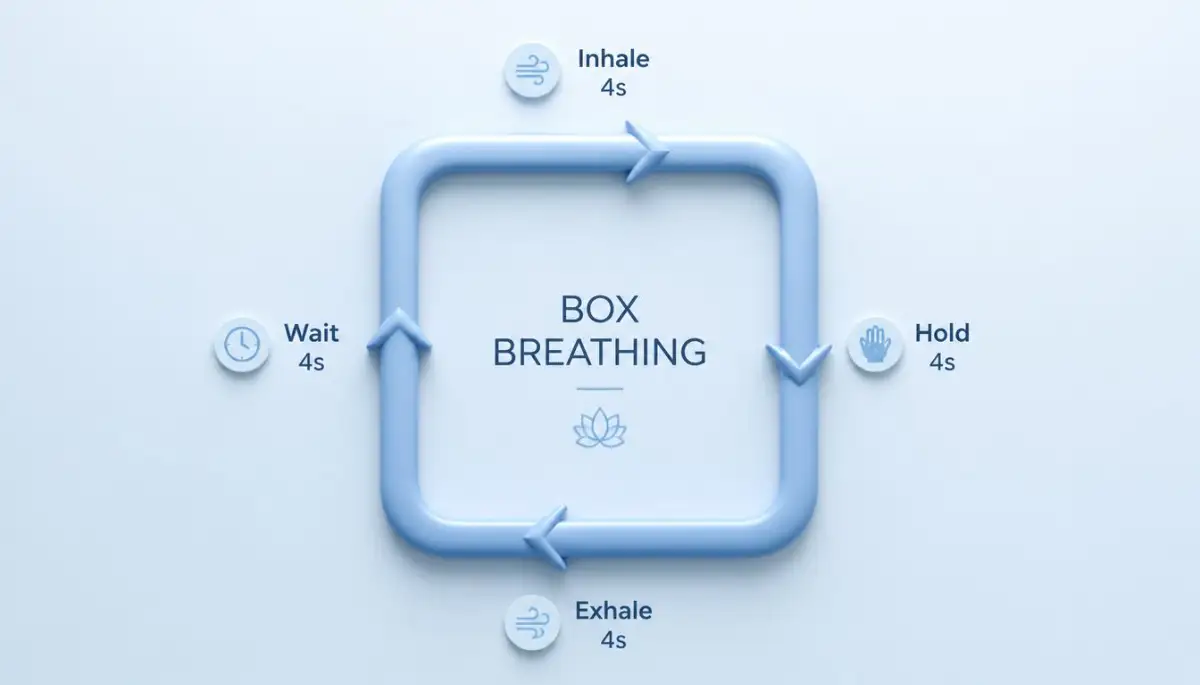
Try the "Box Breathing" method. Inhale slowly for four seconds. Hold that breath for four seconds. Exhale slowly for four seconds. Then wait for four seconds before breathing in again.
Doing this tells your nervous system that you are safe. It forces your heart rate to slow down. It might feel hard at first, but keep trying. Focus only on the numbers as you count.
I used to think this was too simple to work. But after practicing it during a few stressful moments, I realized it was my most powerful tool. It is like hitting the "reset" button on your body's stress levels.
The 5-4-3-2-1 Sensory Grounding Technique
One of the best ways to stop a panic attack is to get out of your head and back into your body. We call this "grounding." The 5-4-3-2-1 method is a favorite among health professionals for a reason.
First, look around and name five things you can see. Maybe it is a chair, a window, or a blue pen. Then, find four things you can touch. Feel the texture of your shirt or the cold surface of a desk.
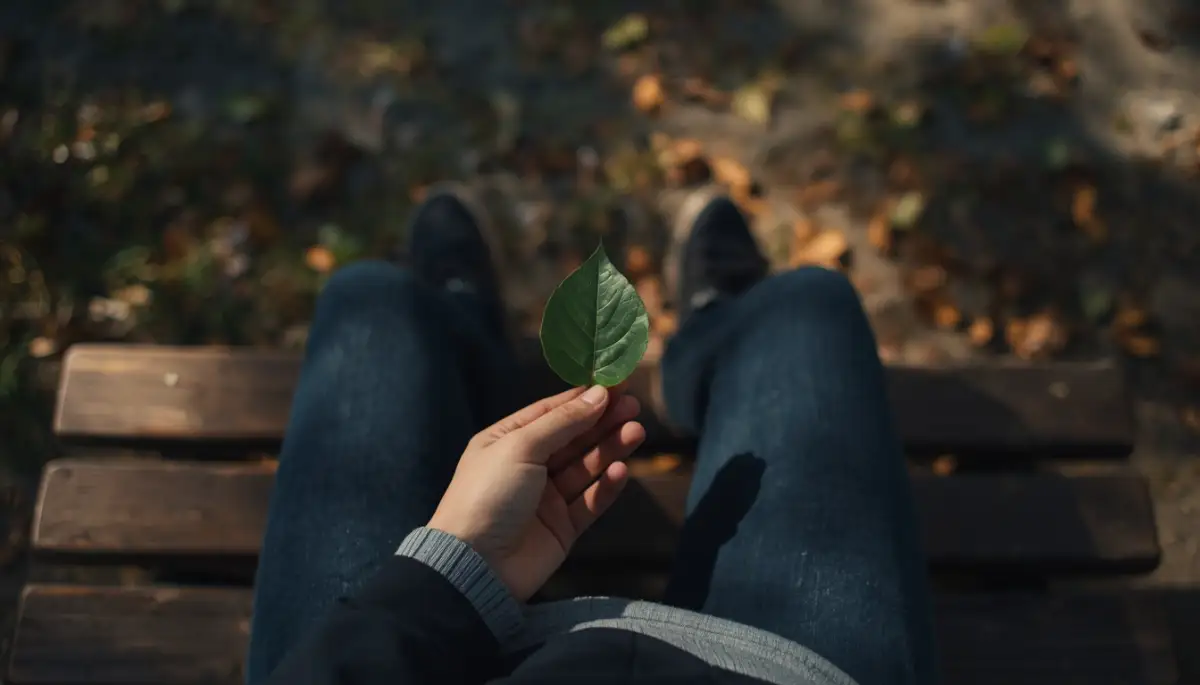
Next, listen for three things you can hear. It could be the hum of a fridge or a car passing by. Then, find two things you can smell. If you can't smell anything, think of your favorite scents like coffee or rain.
Finally, name one thing you can taste. This process forces your brain to look at the real world instead of the fear inside you. It breaks the loop of scary thoughts and brings you back to the present moment.
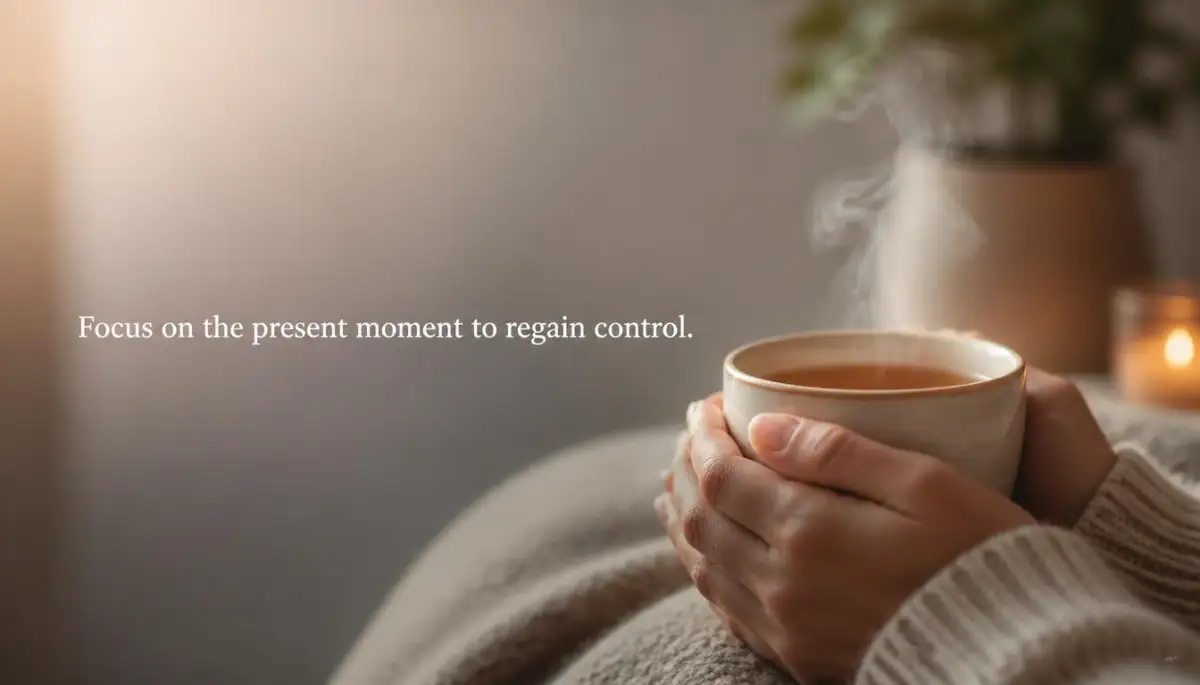
Whenever I feel a big wave of anxiety coming on, I grab an ice cube and hold it in my hand. The intense cold is so shocking that my brain instantly stops focusing on the panic and looks at my freezing hand instead. It is a fast, natural way to break the cycle of fear before it gets too big.
Understanding the Amygdala Hijack
Your brain has a tiny part called the amygdala. Its job is to spot danger. During a panic attack, it gets stuck in the "on" position.
It starts sending signals to your body to pump out adrenaline. This is why you feel shaky and your heart races. It's a biological process, not a character flaw.
Knowing this helps because you can view the sensations as just "chemicals." Your heart isn't racing because you are dying; it's racing because of a temporary chemical surge.
This short video explains exactly how your brain reacts during a panic attack and how you can calm it down quickly:
I found this visual guide very helpful for learning how to control my breathing when I couldn't think clearly.
Creating a Physical Safe Zone
If you feel an attack coming on, try to move to a place where you feel more comfortable. This doesn't mean you have to run away or hide. It just means finding a spot where you can focus on your recovery.
Maybe that is a quiet corner, a bathroom stall, or just sitting down on a bench. Removing some of the "noise" around you can make it easier to use your breathing tools.
If you are with someone you trust, tell them what is happening. Just saying "I feel a bit overwhelmed" can release a lot of the pressure. You don't have to carry the weight of the panic all by yourself.
The Power of Muscle Relaxation
Panic makes your muscles tight and stiff. This physical tension keeps the brain on high alert. You can break this by doing "Progressive Muscle Relaxation."
Start with your toes. Squeeze them as hard as you can for a few seconds, then let go completely. Move up to your calves, then your thighs, and all the way to your face.
Notice the feeling of the tension leaving your body. As your muscles relax, your brain receives the signal that the "threat" is gone. It is a physical way to prove to your mind that you are okay.
Using Positive Affirmations That Actually Work
Many people suggest saying "I am happy," but that doesn't work when you are terrified. Instead, use "logic-based" affirmations.
Say things like, "This is uncomfortable, but it is not dangerous." Or try, "I have survived this before, and I will survive it now."
These phrases are true, so your brain is more likely to believe them. They act as an anchor in the middle of the storm. They remind you of your own strength and history of getting through tough times.
I used to repeat the phrase "My breath is my anchor" over and over. It gave me something to focus on instead of the scary thoughts about my heart rate.
Dealing with the "Aftershock" of Panic
Once the main wave of panic passes, you will likely feel very tired. This is because your body just used a massive amount of energy.
Be kind to yourself during this time. Drink some water and maybe have a small snack. Don't rush back into a high-stress task right away.
This is also a good time to write down what worked for you. Did the ice cube help? Did the breathing work? Having a list of "wins" makes you feel much more prepared for the future.
Why You Should Avoid Checking Your Pulse
One big mistake I used to make was constantly checking my heart rate on my watch. This only made me more anxious because I would see a high number and panic even more.
If you are having a panic attack, your heart rate will be high. That is normal for the situation. Looking at the number doesn't help you; it just gives the panic more fuel.
Try to keep your hands away from your neck or wrist. Trust that your heart knows what it is doing and that it will slow down on its own once you start your breathing exercises.
Mastery Over the Mind: Advanced Techniques for Long-Term Peace
Once you have the basic breathing and grounding tools down, it is time to look at the deeper ways to protect your mental space. One of the most effective "secret" weapons I found is something called the Mammalian Dive Reflex. This sounds scientific, but it is actually a very simple biological hack that you can do at home with just a bowl of cold water.
When you splash ice-cold water on your face or submerge your face for a few seconds, your heart rate drops almost instantly. Your body thinks you are diving into deep water, so it automatically triggers a "calm down" signal to save oxygen. It is like a physical "off switch" for the high-intensity adrenaline of a panic attack.
I used this trick many times when I felt like my breathing exercises just weren't enough. It provides an immediate physical distraction that the brain cannot ignore. If you are struggling with a high-pressure environment, you might also find that overcoming college burnout requires these kinds of physical resets to keep your mind from hitting a wall.
Another advanced tip involves understanding your carbon dioxide levels during a moment of fear. Most people think they need more oxygen when they panic, but the opposite is often true. You are actually blowing off too much CO2 because you are breathing too fast.
This is why the old "breathing into a paper bag" trick worked for so many people. It helps you breathe back in your own carbon dioxide, which balances your blood chemistry and stops the tingling in your hands. You don't always need a bag; you can just cup your hands over your nose and mouth to get the same effect.
Managing your daily environment is also a major part of the long-term solution. I noticed that my panic attacks were much worse on days when I had too much caffeine or didn't get enough sleep. Caffeine mimics the physical symptoms of anxiety, like a racing heart and jittery hands.
If your heart is already racing from coffee, your brain might misinterpret that as fear, which can trigger a full-blown attack. I had to learn the hard way that my body's sensitivity to stimulants was a major trigger. Small changes, like switching to herbal tea, made a massive difference in how stable I felt throughout the day.
My Personal "No-Panic" Daily Checklist:
- The Morning Rule: No coffee on an empty stomach. I always eat breakfast first to keep my blood sugar stable.
- The 3 PM Reset: I set an alarm to do just 2 minutes of box breathing. This prevents stress from building up before the day ends.
- The Phone Cutoff: No scrolling an hour before bed. High-stress news or social media is a huge trigger for night-time anxiety.
You should also look at how your physical health impacts your mental state. For instance, before it s too late spotting the subtle signs of prediabetes is important because blood sugar crashes can feel exactly like a panic attack. When your sugar drops, your body releases adrenaline to get it back up, which causes shaking and sweating.
If you know your physical health is in good shape, it becomes much easier to tell your brain that the "fear" is just a false alarm. According to the Anxiety and Depression Association of America, regular physical activity can also reduce the frequency of panic symptoms. It gives your body a healthy way to burn off the extra energy and stress chemicals that build up during the week.
Another pro-level secret is practicing "exposure" in a safe way. This means slowly teaching your brain that the physical sensations of panic are not dangerous. I used to practice spinning in a chair to make myself dizzy or running up stairs to get my heart racing.
By doing this on purpose, I showed my brain that a fast heart rate or feeling dizzy doesn't mean I am dying. It is just a physical sensation that passes. Over time, the "scary" feelings lost their power over me because I was no longer afraid of them.

The Dangerous Paths: Mistakes That Fuel the Fire
When we are in pain, we often reach for anything that promises relief, but some habits actually keep us stuck in the cycle of fear. The biggest mistake I ever made was trying to "fight" the panic attack with all my strength. I would tense every muscle and tell myself "Stop it, stop it!" which only made my body produce more stress hormones.
Fighting panic is like trying to fight a wave in the ocean; the harder you push against it, the more it knocks you down. You have to learn to "float" on the wave instead. Let the feelings wash over you without reacting to them, and they will lose their strength much faster.
Another common pitfall is the habit of "avoidance behavior." I stopped going to the mall, the cinema, and even my favorite parks because I was afraid of having an attack there. I thought I was keeping myself safe, but I was actually training my brain to be afraid of the world.
The more you avoid things, the smaller your life becomes. Eventually, even staying at home doesn't feel safe anymore because the fear is inside you, not in the location. You have to slowly start reclaiming those spaces, even if it feels uncomfortable at first.
I also spent too much time searching for my symptoms online. Checking every little ache or heart flutter on the internet is a recipe for disaster. You will always find a scary diagnosis that has nothing to do with what you are actually going through.
This constant checking keeps your brain in a state of "high alert" and prevents you from ever truly relaxing. If you are worried about your safety during a medical crisis, it is better to seek a professional opinion rather than guessing. If you ever feel suffering from medical errors has impacted your trust in doctors, it can make this part even harder.
However, trusting a qualified professional is the only way to get a clean bill of health that your brain can rely on. Another mistake is using alcohol or other substances to "calm the nerves." While a drink might make you feel better for an hour, the "rebound" effect the next day is often much worse.
Alcohol messes with your sleep and your brain chemistry, making you more prone to anxiety and panic the following day. It is a temporary fix that creates a much bigger long-term problem. I found that sticking to natural ways of calming down was much more effective for my overall peace of mind.
Lastly, don't forget that understanding how sitting for six hours affects your veins and overall circulation can help you understand certain physical sensations. Sometimes a leg cramp or a dizzy spell is just a result of being still for too long, not a sign of a looming disaster. When you know the logical reason for a sensation, you are much less likely to let it turn into a panic attack.
The National Institute of Mental Health suggests that being aware of these common mistakes is the first step toward a successful recovery plan. By avoiding these traps, you stop giving the panic the fuel it needs to keep going. You are essentially starving the fear until it eventually fades away.
A Bright Future Without the Weight of Fear
Reclaiming your life from panic is one of the most rewarding things you will ever do. It doesn't happen all at once, and there might be days where you feel like you took a step back. That is perfectly normal and okay.
The goal is not to never feel anxious again; the goal is to not be afraid of anxiety when it shows up. You now have a toolkit full of breathing, grounding, and logical strategies to handle whatever comes your way. You are much stronger than a temporary rush of adrenaline.
Think about all the things you will be able to do once you feel safe in your own body again. You can travel, meet new people, and pursue your dreams without that heavy cloud of "what if" hanging over you. You are the author of your story, and this chapter of fear is coming to an end.
Every time you use your tools instead of running away, you are winning. Every time you stay in a difficult situation and breathe through it, you are training your brain to be brave. You should be so proud of yourself for taking this journey and looking for answers.
I have walked this path myself, and I can tell you that the view from the other side is beautiful. I never thought I would feel "normal" again, but I do, and you will too. Trust the process and keep moving forward, one breath at a time.
I want you to take a deep breath right now and realize how far you have already come just by reading this. You are taking active steps to help yourself, and that is a huge victory. Keep your head high, stay patient with yourself, and know that I am cheering for you every single day!
Common Questions About Managing Panic Attacks
Is a panic attack actually dangerous to my physical health?
While it feels like you are in danger, a panic attack itself is not harmful to your heart or your brain. Your body is just doing what it would do during a heavy workout or a scary movie. Once the adrenaline levels drop, your body returns to its normal state without any lasting damage.
How can I help a friend who is having a panic attack?
The best thing you can do is stay calm yourself. Speak in a low, quiet voice and encourage them to breathe slowly with you. Don't tell them to "calm down," but instead tell them that they are safe and that you are staying right there with them until it passes.
Can diet changes really help with my anxiety levels?
Yes, what you eat can have a big impact on your nervous system. Reducing sugar and caffeine can prevent the physical "jitters" that often lead to panic. Adding more whole foods and staying hydrated helps keep your blood sugar stable, which is a key part of staying calm.
What should I do if my panic attacks keep coming back?
If you find that panic is affecting your daily life often, it is a good idea to talk to a mental health professional. They can help you find the root cause and give you even more specific tools to manage your symptoms. There is no shame in asking for a little extra help to get your life back on track.
Disclaimer: This content is for informational and educational purposes only. It is not intended to provide medical advice or to take the place of such advice or treatment from a personal physician. All readers of this content are advised to consult their doctors or qualified health professionals regarding specific health questions. Neither the author nor the publisher takes responsibility for possible health consequences of any person reading or following the information in this educational content.