
The Long Nights of Teething: Why It Feels So Hard
Let’s be honest: teething is exhausting. You’re likely reading this at 2 AM with a fussy baby in one hand and a cold cup of coffee in the other. I know that feeling of helplessness when nothing seems to stop the crying, but I promise you aren't doing anything wrong. This guide is here to give you simple, no-nonsense ways to soothe those gums and finally get some rest.
Teething is a natural milestone, but that doesn't make it any less stressful for the person holding the baby. We want to protect our kids from every little hurt, but this is a pain that comes from inside their own bodies. It creates a sense of guilt when we can't make it go away instantly. This phase tests your strength, your marriage, and your ability to function on almost zero rest.
Most parents I talk to say the same thing: they just want their happy baby back. The constant drooling leads to skin rashes, which adds more irritation to an already upset infant. Then there is the biting—oh, the biting—which makes feeding times a literal battle of nerves. It is a cycle of discomfort that feels like it dominates every single hour of your day.
The emotional toll is perhaps the hardest part to handle. Seeing those tiny new teeth trying to break through the skin looks painful, and the feverish cheeks make you worry constantly. You want a solution that is safe, gentle, and something you can trust without worrying about side effects. We all just want a way to bring that beautiful smile back to our baby’s face.
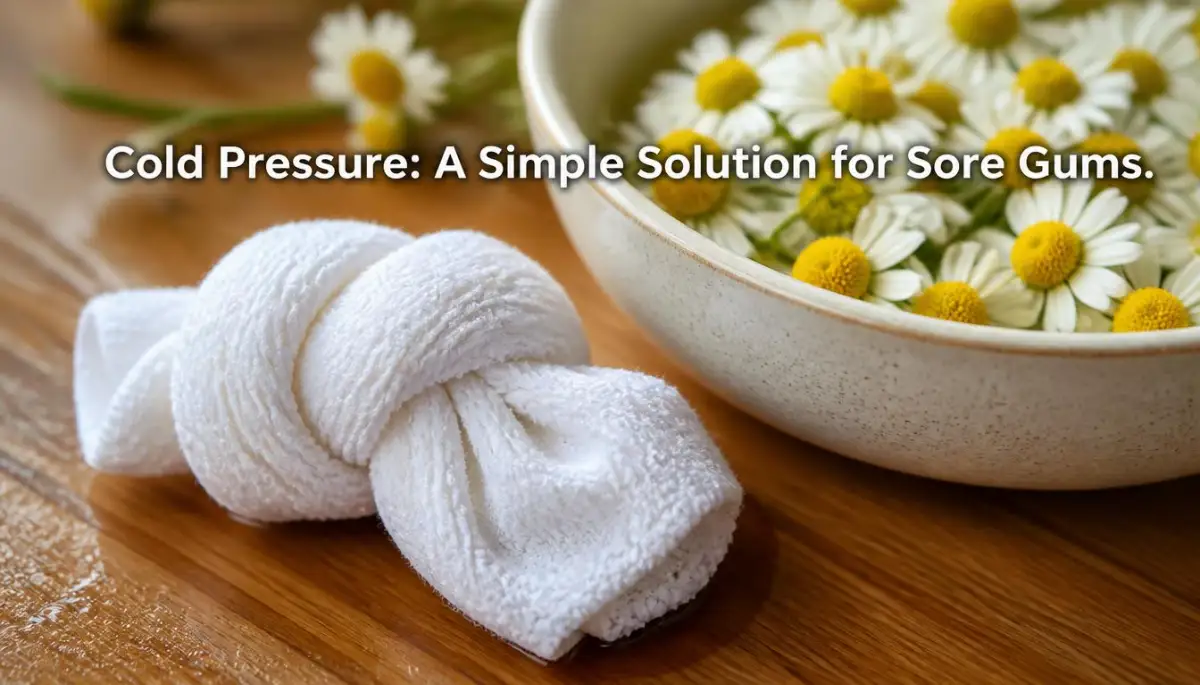
Safe and Practical Ways to Soothe Sore Gums
When we look for ways to help, we should always start with the most natural and basic methods available. The goal is to provide a physical distraction or a cooling sensation that numbs the area naturally. You don't need fancy gadgets to make a difference in how your baby feels. Sometimes, the most effective tools are already sitting in your kitchen or your linen closet.
### 🛑 Fast Fixes for a Teething Baby
If you're in a rush, here are the top 4 ways to help your baby right now:
- The Chilled Cloth: Dampen a clean washcloth and put it in the fridge for 15 minutes. Let them gnaw away.
- Gum Massage: Wash your hands and gently rub their red gums with your index finger.
- Skin Protection: Use a bit of coconut oil around their chin to stop drool rashes from hurting.
- Watch the Fever: If their temperature goes over 101°F, it’s likely not teething—call your doctor.
Using Cold Pressure as a Natural Numbing Agent
Cold is one of the oldest and most reliable ways to reduce swelling and dull pain. When a baby's tooth is pushing up, the gums become inflamed and very sensitive to the touch. By applying something cold, you are essentially shrinking the blood vessels in that area and providing a mild numbing effect. It is a simple concept that works wonders without any chemical intervention.
Take a clean, soft cotton washcloth and soak it in filtered water or even a bit of breastmilk. Wring it out so it is just damp, then place it in the refrigerator for about thirty minutes. Once it is chilled, let your baby chew on the textured fabric. The combination of the cold temperature and the rough texture of the cloth provides immense relief to those itchy, aching gums.
I once made the mistake of freezing a washcloth until it was rock hard, thinking it would last longer. My poor son hated it because it was too stiff and actually hurt his sensitive mouth. Now, I always tell parents to just chill it or freeze it for only ten minutes so it stays slushy and soft. It’s a small detail, but it makes a huge difference in whether your baby will actually accept the remedy or scream louder.

The Power of a Gentle Manual Massage
Your own hands are perhaps the best tool you have for helping your little one. Pressure is often what a teething baby is looking for, which is why they try to bite everything in sight. By giving them controlled pressure through a massage, you can help move the process along and provide instant comfort. It also creates a moment of bonding and skin-to-skin contact that calms the baby's nervous system.
First, ensure your hands are thoroughly washed and your fingernails are trimmed short to avoid any accidental scratches. Sit with your baby in a comfortable position and gently rub your index finger over the ridges of their gums. Use firm but gentle circular motions on the spots where you see redness or swelling. You will often feel the baby lean into your finger because the counter-pressure feels so good to them.
To see how to properly perform a gum massage and other soothing techniques, watch this helpful demonstration.
Safe Chewing Options for Every Stage
As babies grow, they need different types of objects to satisfy their urge to chew. If your baby is already starting on solid foods, you can use chilled fruits or vegetables. Placing a cold piece of peeled cucumber or a large carrot (that is too big to swallow) can provide a great surface for them to gnaw on. Always supervise this closely to ensure no small pieces break off.
For younger infants, natural rubber or wooden teething rings are excellent alternatives to plastic. These materials are generally free from harmful toxins and provide a firm yet "giving" surface. Wood, in particular, has natural antibacterial properties which is a nice bonus when it is constantly being covered in saliva. Just make sure the wood is unfinished or treated with food-grade oils like coconut oil.
Quick Mom-Tip from My Experience:
If your baby is old enough for solids, try freezing a large bagel (plain). It’s hard enough to provide great counter-pressure but soft enough that it won't hurt their mouth as it thaws. Just keep a close eye on them to make sure no big chunks break off! It’s a total game-changer for those stubborn molars.
Hydration and Skin Care During Teething
We often forget that the massive amount of drool produced during teething can cause its own set of problems. The skin around the mouth and chin can become raw and irritated, which adds to the baby's overall misery. Keeping the area dry is a constant task, but it prevents the "teething rash" from making things worse. Use soft bibs and change them frequently throughout the day.
Applying a thin layer of a natural barrier balm, like plain coconut oil or a beeswax-based cream, can protect the skin from the moisture. Also, ensure your baby is drinking plenty of fluids. All that extra drool means they are losing moisture, and staying hydrated helps their body manage the low-grade inflammation more effectively. If they are breastfeeding, they may want to nurse more often for comfort, which is perfectly okay.
Creating a Calming Environment for Rest
Since teething pain often peaks at night when there are fewer distractions, your bedtime routine becomes more important than ever. Lower the lights, play soft white noise, and spend extra time cuddling before laying them down. A warm bath before bed can also help relax their muscles and distract them from the throbbing in their mouth. The goal is to lower their overall stress levels so they can drift off more easily.
Sometimes, a change of scenery helps as well. If the baby is inconsolable inside, taking them outside for some fresh air can break the cycle of crying. The different sounds and sights of the outdoors can act as a natural sensory distraction. It won't take the pain away completely, but it can calm the baby's mind enough to help them reset.
Recognizing the Difference Between Teething and Illness
It is very important to stay observant during this time. While teething can cause a slightly higher body temperature (often called a "fretful" fever), it should never cause a high fever or diarrhea. If your baby has a temperature over 101 degrees Fahrenheit or seems truly ill, it is likely something other than a tooth. Always trust your gut as a parent; if something feels wrong beyond just a tooth coming in, contact your doctor.
| Feature | Just Teething | Possible Illness |
| :--- | :--- | :--- |
| Body Temp | Slightly warm (under 101°F) | High fever (over 101°F) |
| Mood | Fussy but can be distracted | Lethargic or crying non-stop |
| Digestion | Normal | Diarrhea or vomiting |
| Duration | Usually lasts a few days | Lasts longer than 3-4 days |
Many parents worry that they are missing something serious when the baby is fussy. By staying calm and using these natural methods, you can rule out basic discomfort. If the cold cloth and the massage don't help at all, it might be time to check for an ear infection or other common infant issues. Being proactive about their health keeps you in control and ensures your baby gets the right kind of care.
Natural Herbs and Teas for Mild Relief
Some parents find great success with very weak, lukewarm chamomile tea. Chamomile is well-known for its calming properties and can help relax a fussy infant. You can dip a clean cloth in the tea and let them suck on it, or if they are old enough, offer a few sips from a cup. Always check with a professional before introducing new herbs to an infant’s diet to be safe.
Avoid any "teething tablets" or gels that contain belladonna or benzocaine, as these have been flagged by health organizations as potentially dangerous. Nature provides much safer alternatives that have been used for generations. Sticking to simple things like cold, pressure, and comfort is the most reliable path. Your baby’s safety is always the number one priority, and these simple steps keep them out of harm's way.
Patience is Your Greatest Tool
Ultimately, the best thing you can give your baby is your presence. They don't understand why their mouth hurts; they just know that they feel bad. Your calm voice, your touch, and your patience are what make them feel secure. It is a long road, and some teeth take longer to break through than others, but this too shall pass.
Try to take turns with a partner or a friend so you don't burn out. If you are stressed, the baby will pick up on that energy and may become even more upset. A well-rested parent is much better at providing the gentle care a teething infant needs. Remember, you are doing a great job, even on the days when the crying seems never-ending.
The Role of Distraction in Pain Management
Distraction is a powerful tool for a growing brain. When a baby is focused on a new toy, a song, or a game of peek-a-boo, their brain temporarily moves the pain signals to the background. This isn't "ignoring" the problem; it's helping the nervous system regulate itself. Spend time on the floor playing with them, using colorful objects to catch their eye.
Interactive play can release feel-good hormones in the baby, which acts as a natural buffer against discomfort. Even something as simple as blowing bubbles or showing them their reflection in a mirror can work wonders. These small moments of joy help bridge the gap between the painful episodes. It keeps the day from feeling like one long struggle and gives both you and the baby a much-needed break.
Summary of Gentle Approaches
By combining cold therapy, manual massage, proper skin care, and emotional support, you create a holistic plan for your child. None of these methods are complicated, and they don't require spending a lot of money. They focus on the biological needs of the infant and the physical reality of tooth eruption. This balanced approach is the most effective way to navigate these challenging weeks.
Keep a few washcloths in the fridge at all times so you are never caught off guard. Stay consistent with your soothing techniques so the baby knows what to expect. Over time, you will find which specific method your baby prefers. Every child is different, and what worked for your first might not work for your second, so stay flexible and keep trying.
Gentle Strategies for Sustained Comfort and Long-Term Relief
Once you have mastered the basics of cooling and massage, you might find that your baby needs a bit more variety to stay comfortable. Teething is not a one-day event; it can last for months as different sets of teeth decide to make their appearance. Finding a rhythm that works for your family is the secret to getting through this stage without losing your mind. I found that switching up the textures and temperatures kept my little one interested and helped her gums feel better for longer periods.
One pro-level secret I learned from a pediatric nurse is the "double-chill" method. This involves keeping two different types of teething toys in the fridge—one that is soft and silicone-based and another that is a bit firmer, like a solid rubber ring. Babies often change their preference based on how deep the tooth is currently sitting under the gum line. Providing that variety allows them to choose exactly what feels right at that specific moment.
Another great trick is using organic mesh or silicone feeders. You can put small pieces of frozen banana or even chilled steamed sweet potato inside these feeders. It allows the baby to gnaw on something cold and tasty without any risk of choking on large pieces. It’s a fantastic way to combine snack time with pain relief, especially during those fussy afternoon hours.
When babies are struggling with their mood, it’s also helpful to focus on their emotional state. Teething isn't just a physical pain; it's a sensory overload for a tiny human who doesn't understand what’s happening. I started practicing speak less, connect more by watching her body language more closely than her cries. This helped me catch her frustration before it turned into a full-blown meltdown.
If your baby is slightly older and already eating solids, consider making "teething biscuits" at home using oats and mashed bananas. These are much healthier than store-bought versions and don't contain added sugars that can actually irritate inflamed gums. The hardness of the baked oat biscuit provides the perfect resistance for a tooth that is just about to break through. Just remember to always stay right there with them while they eat to ensure they stay safe.
Maintaining this level of care requires you to stay mentally sharp and calm. It is very easy to feel exhausted when the crying lasts for days. I realized that if I didn't take care of my own stress, I couldn't be the patient parent my baby needed. Sometimes, looking into overcoming burnout strategies can give you the perspective needed to handle high-stress parenting moments.
For long-term results, try to keep a "teething log" on your phone or a notepad. Write down which remedies worked best and at what time of day the fussiness was at its peak. You might notice a pattern, like your baby needing more cooling in the evening. Having this data makes you feel more in control and less like you are just guessing every time they start to whimper.
Lastly, don't underestimate the power of a distraction-filled environment. Moving your baby's play area to a different room or even just putting a blanket down in the backyard can reset their focus. The change in light, air, and sounds can temporarily dull the brain's focus on the gum pain. It’s a simple, free, and very effective way to manage the long days of a teething cycle.
According to research from the American Academy of Pediatrics, most babies will get their first tooth around six months of age, but the discomfort can start much earlier. Knowing this helps you prepare your "toolbox" before the real struggle begins. Being proactive is always better than being reactive when it comes to infant comfort.
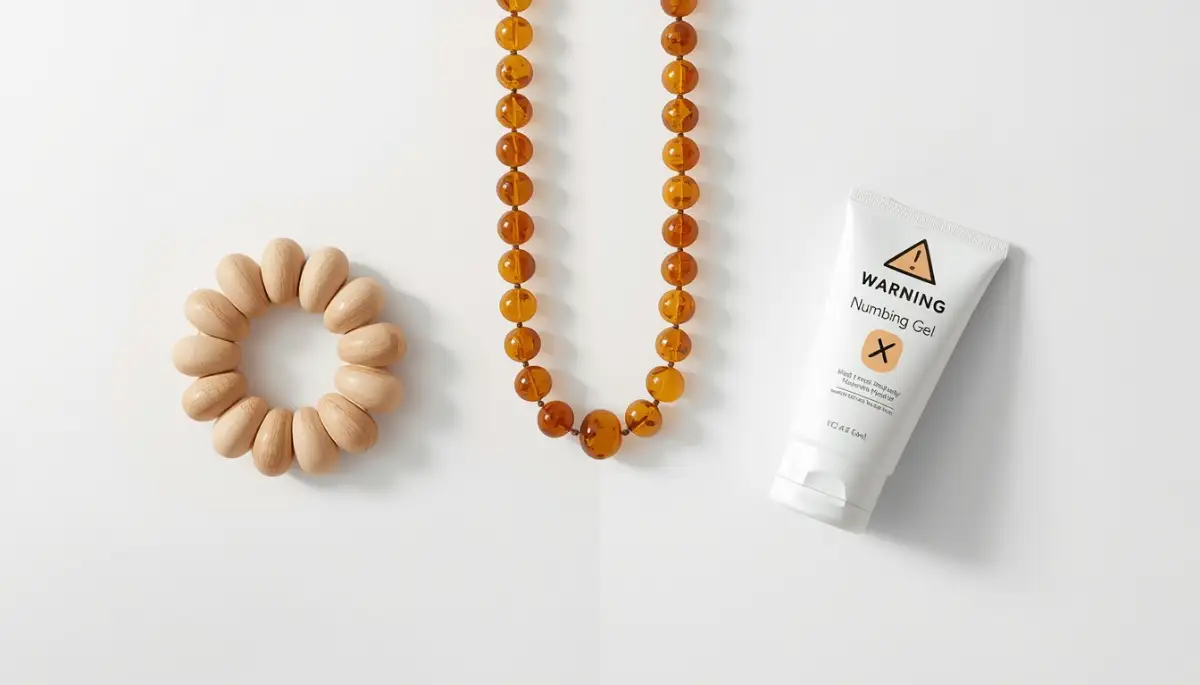

Hidden Dangers and Common Mistakes to Watch Out For
In our hurry to stop our children from hurting, it is very easy to fall for "quick fixes" that might actually be dangerous. I remember being so desperate for sleep that I almost bought a product I saw online without checking the ingredients first. Thankfully, I stopped myself and did some research, but many parents aren't as lucky. We have to be the gatekeepers for our children's safety, even when we are half-asleep and stressed.
One of the most frequent mistakes is using over-the-counter numbing gels that contain benzocaine. While it might seem like a good idea to numb the pain, these chemicals can lead to a rare but serious condition that reduces the oxygen in the blood. It is much safer to stick to physical remedies like cold and pressure. If you are worried about the risks of products you use at home, it’s similar to how you might want to prevent privacy risks when using new technology; you have to know what is happening under the surface.
Another pitfall is the use of amber teething necklaces. Many people swear by them, but health experts warn that they pose a significant choking and strangulation risk. The beads can break off and be swallowed, or the necklace can get caught on something while the baby is napping. No amount of potential pain relief is worth the risk of a serious accident in the crib.
I have also seen parents give their babies ice cubes or frozen toys that are way too hard. Extreme cold can actually cause "ice burns" on the delicate tissue of an infant's mouth. You want the item to be chilled and refreshing, not painfully freezing. Think of it like washing rooftop solar panels; if you use the wrong tools or too much pressure, you end up causing more damage than you were trying to fix.
Ignoring oral hygiene during teething is another common error. Some parents think that because the teeth aren't fully out, they don't need to worry about cleaning. Actually, the bacteria in the mouth can irritate the broken skin where the tooth is emerging. Wiping the gums with a clean, damp cloth twice a day helps keep the area healthy and might even prevent some of the inflammation.
Finally, don't make the mistake of assuming every fever or bout of diarrhea is just "teething." This is a dangerous mindset because it might cause you to miss a real infection or illness. Teething does not cause high fevers or significant digestive issues. If your baby seems truly sick, don't hesitate to seek professional help. If you ever feel like a medical provider has dismissed your concerns unfairly, it’s good to know your rights regarding medical negligence.
The Mayo Clinic suggests that physical comfort and cold items are the gold standard for care. Moving away from chemical solutions not only keeps your baby safer but also helps you feel more confident in your natural parenting choices. It builds a foundation of trust between you and your child's body.
Your Path to Peaceful Days and Happy Smiles
Going through the teething stage is like a rite of passage for every parent and child. It tests your endurance, but it also shows you just how resilient your little one can be. By choosing natural remedies, you are providing the gentlest care possible while keeping your baby safe from unnecessary chemicals and risks. You are doing the hard work now to ensure they have a healthy start to their dental journey.
Remember that this is just a temporary season in your life. Soon, those tiny teeth will be used for bright smiles and eating their favorite foods. All the long nights and the extra cuddles will be worth it when you see your happy, healthy child thriving. You have all the tools you need to make this process easier and more comfortable for everyone in your home.
I truly believe that when we lead with love and patience, we can handle any parenting challenge that comes our way. My own journey through these sleepless nights taught me that being present is the best medicine I could ever give. Trust your instincts, stay calm, and know that you are doing an amazing job for your baby every single day. Take a deep breath and start using these natural tips today—you’ve got this!
Common Questions About Infant Teething
How can I tell if my baby is teething or actually sick?
Teething usually causes mild fussiness, drooling, and a desire to chew, but it should not cause a high fever or vomiting. If your baby has a temperature over 101°F or seems very lethargic, it is best to call your doctor. Always look for other symptoms like a cough or ear pulling that might point to a common cold or infection.
Is it safe to use wooden teethers for my infant?
Yes, high-quality wooden teethers are safe as long as they are made from non-toxic, unfinished, or food-grade oil-treated wood like maple or beech. Wood has natural antimicrobial properties, making it a clean choice for babies to gnaw on. Just make sure to inspect them regularly for any cracks or splinters to ensure they remain safe.
When should I start brushing my baby's new teeth?
You should start cleaning your baby's mouth even before the first tooth appears by wiping the gums with a soft cloth. Once the first tooth breaks through the surface, use a tiny amount of age-appropriate toothpaste and a very soft infant brush. Establishing this habit early helps protect their new enamel from decay right from the start.
Why does teething pain seem to get worse at night?
At night, there are fewer distractions for your baby, so they become much more aware of the throbbing sensation in their gums. Also, being tired makes it harder for infants to regulate their emotions and cope with physical discomfort. Extra rocking, singing, and a calm environment are especially helpful during these evening hours.
Disclaimer: The information provided in this article is for educational and informational purposes only and is not intended as medical advice. Always seek the advice of your pediatrician or other qualified health provider with any questions you may have regarding a medical condition or your infant's health. Never disregard professional medical advice or delay in seeking it because of something you have read on this website.