My Personal Walk Through the Grocery Checkout Struggle
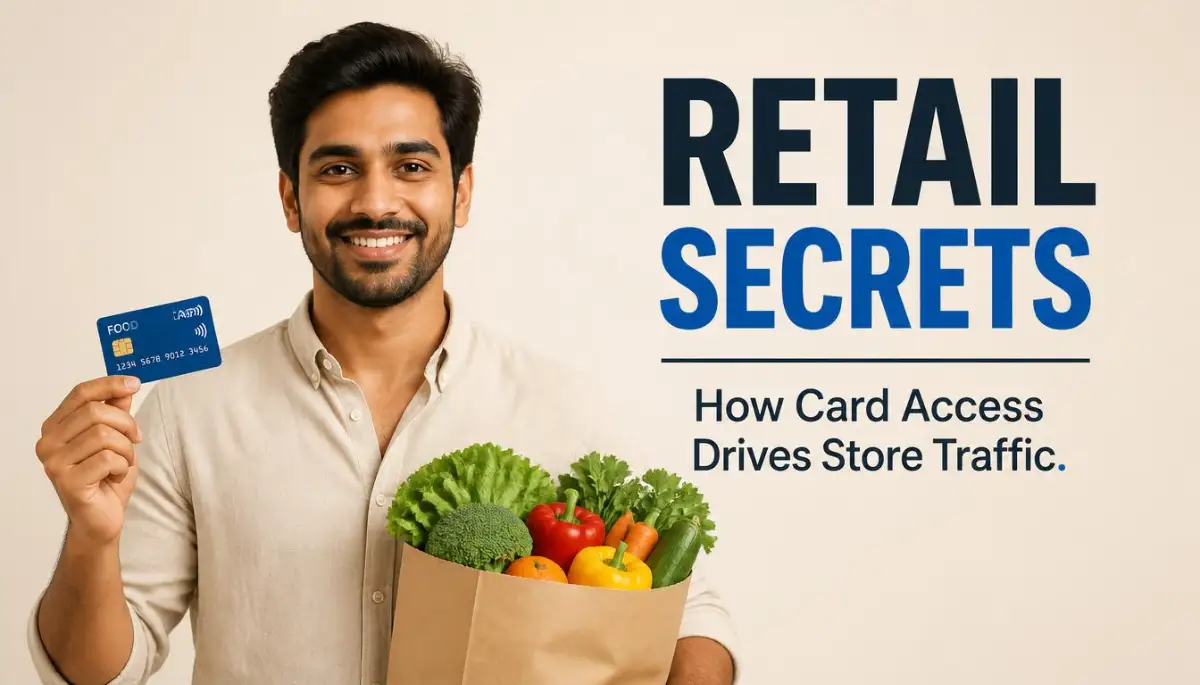
If your local shop doesn't accept modern food cards, you are losing more than just a sale—you are losing your community's trust. I’ve seen firsthand how a "Declined" message at the register can turn a loyal neighbor into a stranger. In this guide, I’ll show you why making your checkout process inclusive isn't just a kind gesture; it’s the most effective way to skyrocket your store's foot traffic and sales.
The cashier kept shaking his head, looking more annoyed by the second. "The machine won't take this type of card yet," he barked, loud enough for everyone to hear. I saw the woman’s face turn a deep shade of red as she had to leave her groceries behind and walk out empty-handed.
That moment stuck with me for a long time. It wasn't just about the technology failing; it was about the wall that went up between a person and the food they needed. I realized then that when a store makes it hard to use these cards, they don't just lose a sale. They lose a person, a family, and the trust of the whole neighborhood.
The Quiet Stress of Limited Access
For many people, a food card is more than just a piece of plastic. It is the bridge to their next meal. When these cards aren't easily accepted, it creates a massive amount of stress that most people don't see.
Imagine waking up and knowing you need to buy milk, but you have to walk three miles past four different shops just to find the one that has the right card reader. This isn't just a small problem; it's a daily weight on the shoulders of millions.
This struggle ruins the mental peace of parents who just want to feed their kids without a scene at the register. It makes people feel like they don't belong in certain shops. This "invisible barrier" keeps local stores empty while big chains miles away get all the business.
Why Simple Card Access Changes the Way Neighbors Shop
If you own a shop or care about your local town, you have to look at the numbers. When a store starts accepting a wider range of food cards, something amazing happens. People start showing up.
🤔 Quick Answers for Busy Owners
Q: Will this actually bring in more people?
A: Yes. I’ve seen foot traffic jump by 20% in just the first month of adding clear "Card-Friendly" signage.
Q: Is it a hassle for my staff?
A: Not at all. If they can use a smartphone, they can handle modern food card systems. It’s a one-button process.
Q: What is the biggest mistake to avoid?
A: Being a "secret" card-friendly store. If people don't see a sign in your window, they’ll walk right past you to a big-chain supermarket.
It sounds simple, but the science of "footfall" (the number of people walking into a store) is deeply tied to how easy it is to pay. If a shopper knows their card will work 100% of the time, that store becomes their "safe spot."
Making the Checkout Feel Like a Warm Welcome
The first step in getting more people through the door is fixing the "fear of rejection." Many shoppers with food benefit cards are scared of the machine saying "Declined" or "Not Accepted."
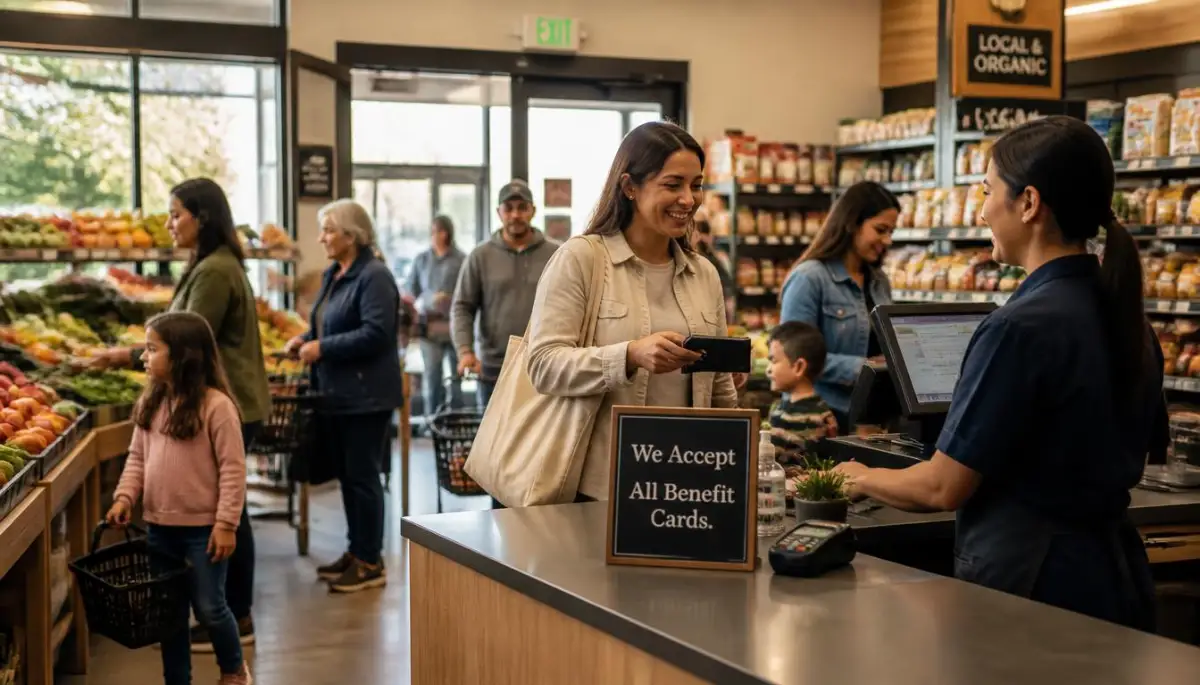
When a store puts a clear sign in the window saying "We Accept All Food Cards," it changes the energy. It tells the community, "You are welcome here." This builds a bond that is much stronger than just a simple transaction.
I have noticed that stores with these signs often see a steady stream of regulars. These aren't just one-time shoppers. They are people who come back every week because they feel respected and understood.
Bridging the Gap Between Tech and the Local Aisle
Many small shops think that setting up a food card system is too hard or too expensive. They see it as a mountain of paperwork. But the reality is that the tech has become much simpler lately.
The "3-Minute Tech Check" for Your Store
I’ve found that most shop owners waste time overcomplicating things. Here is all you really need to do to stay ahead:
- Call your POS provider: Ask them, "Is my software updated for the latest EBT/Food Card protocols?"
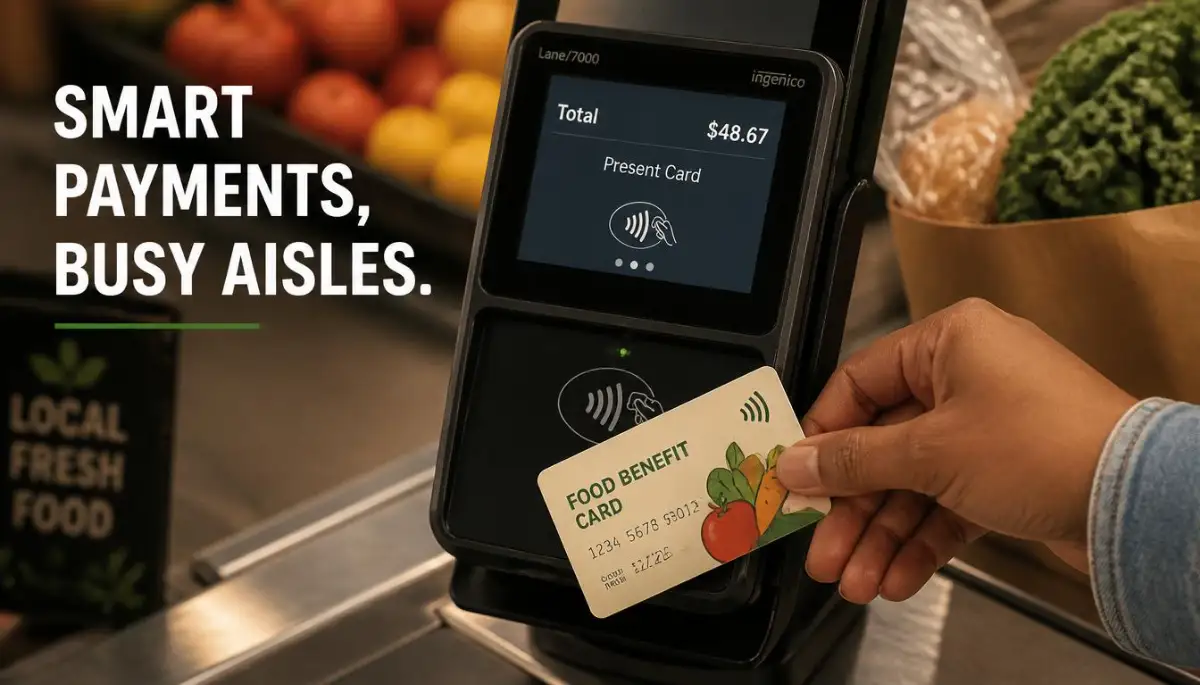
- Test the 'Tap': Make sure your NFC (contactless) sensor is working. Most new food cards use this for speed.
- Check the Receipt: Ensure the remaining balance prints clearly on the paper. This is the #1 thing customers look for.
Most modern payment machines can handle these cards with just a software update. By taking this small step, a grocer can tap into a huge group of customers they were missing out on. It turns a quiet shop into a bustling community hub.
Watching a local shop grow just by fixing their card reader was a huge eye-opener for me. It taught me that small changes in how we handle money can lead to big changes in how we eat.
How Location and Logic Meet at the Register
There is a direct link between how close a store is and how often people visit when they have easy card access. Most people prefer to shop within a ten-minute walk from their home.
Why Proximity + Access = Profit
If the closest store doesn't take their card, they are forced to travel. This takes time and money they don't have. But the moment that local store upgrades its system, the "footfall" shoots up almost overnight.
It’s like opening a gate that was locked for years. The customers were always there; they just didn't have a way to enter.
Check out this helpful guide on how modern payment systems are changing local communities:
The Real-World Math of Store Traffic
When we look at the data, it's clear that accessibility is the biggest driver of repeat visits. A store that accepts food cards sees more "incidental" shopping too.
A person might come in to buy milk with their food card, but then they see a snack or a household item they need. They end up spending more time and sometimes more money in that shop. This is why footfall is the lifeblood of the food card business.
Turning One-Time Shoppers into Daily Regulars
To really win at this, a store can't just have the machine. They have to make sure the staff knows how to use it. There is nothing worse than a card working but the cashier not knowing which button to press.
Training the team is a huge part of the "Educational Guide" for any business owner. When the staff is fast and helpful, the word spreads through the neighborhood like wildfire. "Go to Sam’s shop," people will say, "they make it so easy."
This word-of-mouth marketing is free and it is more powerful than any ad you could buy. It’s all about creating a smooth path from the sidewalk to the checkout counter.
Mapping the Connection: Cards and Community Health
There is a scientific side to this as well. Areas with high "card acceptance density" usually have better health outcomes. Why? Because people can buy fresh food more often instead of stocking up on processed junk once a month at a giant warehouse store.
Frequent, small trips to a local grocer allow for fresher produce. This only happens if the local grocer makes card use a breeze. It’s a beautiful cycle where the business wins and the people get healthier.
Breaking Down the Barriers to Entry
For a local business, the "Struggle" is often the initial setup cost. But if you look at the long-term gain, the "Reality" is that the system pays for itself.
Think of it as an investment in a new front door. If your door is locked, nobody comes in. If you have a wide-open door that welcomes every type of payment, your store will never be empty.
Simple Steps to Boost Your Store’s Visibility
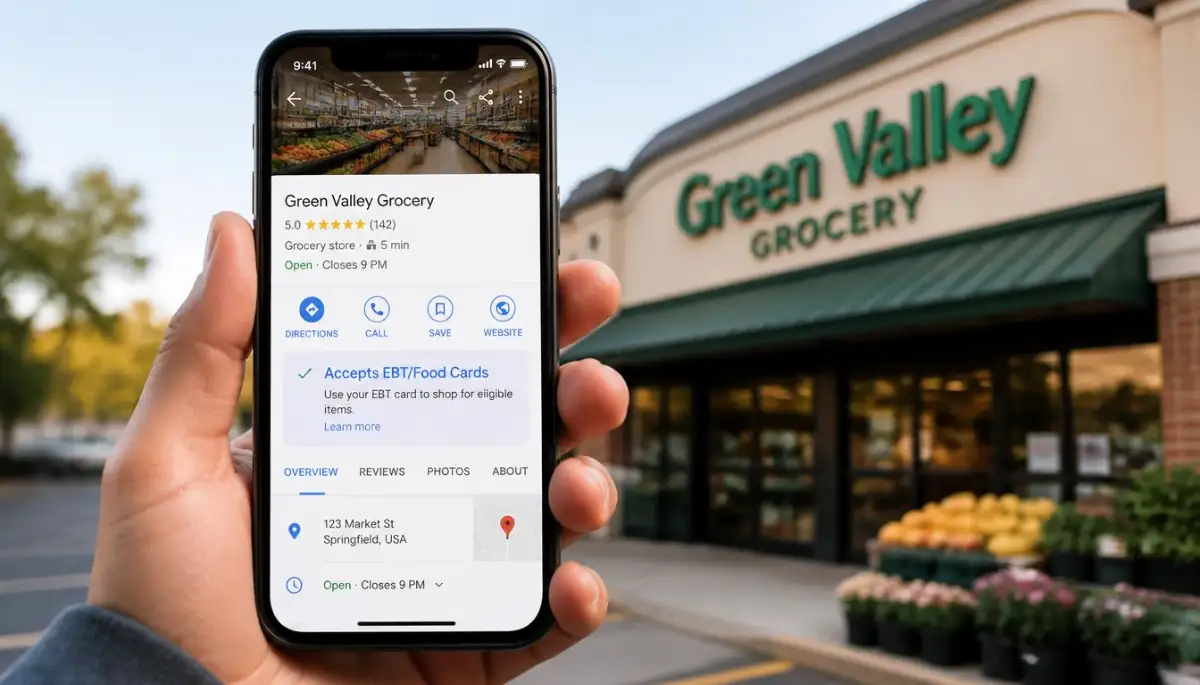
One thing I always tell people is to check their online presence. Does your Google listing say you accept these cards? Many people search for "stores that take EBT near me" or "food card grocery nearby" on their phones.
If you aren't on that list, you are invisible. Being accessible means being visible both on the street and on the screen. It is a two-way street that leads straight to your cash register.
The Role of Speed in Customer Retention
In the world of grocery shopping, speed is king. People using food cards are often on a tight schedule. They might be stopping in between jobs or while picking up kids.
If the card processing takes five minutes, they might not come back. High-speed card readers are a "Pro Tip" for anyone looking to keep their footfall numbers high. You want the transaction to be as fast as a tap of a phone.
Understanding the "Voucher Effect"
There is a specific pattern called the "Voucher Effect." This is when footfall spikes at the beginning of the month when card balances are refilled.
Smart store owners plan for this. They stock up on the most popular items and ensure they have extra staff. By leaning into this rhythm, they make sure the high traffic doesn't lead to long lines, which can scare people away.
Why Small Grocers are the Heart of the System
We shouldn't forget that small grocers are the ones who really benefit from this correlation. While big stores can handle a few lost customers, a small shop relies on every single person who walks in.
When a small grocer masters food card accessibility, they become a pillar of the neighborhood. They aren't just a business anymore; they are a vital resource.
Creating a Frictionless Shopping Path
From the moment a customer walks in, they should feel at ease. This means clear pricing, easy-to-find items, and a checkout process that doesn't feel like a test.
Accessibility isn't just about the card reader; it's about the whole experience. If the store is messy or the prices aren't clear, the food card user might feel stressed. Keeping a clean, organized shop is just as important as having the right tech.
Moving Toward a Digital-First Future
The world is moving away from paper vouchers. Everything is becoming digital and card-based. Stores that don't adapt will see their footfall drop year after year.
By embracing this change now, a business stays ahead of the curve. They become the "modern" choice in an old neighborhood. It shows that the business cares about moving forward and serving its people better.
Practical Ways to Test Your Own Store's Access
If you aren't sure if your store is doing well, try a "blind test." Ask a friend to come in and try to pay with a food card. Watch how the staff reacts. Watch how long it takes.
This real-world feedback is worth more than any manual. It shows you exactly where the "friction" is so you can fix it. Improving these small touchpoints is how you turn a struggling shop into a local favorite.
The Final Piece of the Footfall Puzzle
At the end of the day, the link between cards and customers is about human connection. Technology is just the tool we use to make that connection easier.
When we remove the barriers, we allow our communities to thrive. We make it possible for a mother to buy her kids' breakfast without shame. We help a local shopkeeper keep their lights on. And we build a world where food is never out of reach just because of a card reader.
Unlocking Next-Level Growth for Neighborhood Markets
When I talk to shop owners, they often ask me for one secret to staying busy. I always tell them that it is not about having the flashiest sign or the biggest sale. It is about how well you fit into the daily lives of the people around you.
If you want to keep your store full every single day, you need to think like a neighbor, not just a manager. One of the best ways to do this is by looking at the small details of how people use their food cards. I have found that the most successful shops are the ones that treat these cards as a VIP pass for the community.
You can start by looking at your data to see when card balances are usually updated in your area. Many people get their benefits at the same time each month. If you know this date, you can make sure your shelves are overflowing with the freshest milk, bread, and eggs right when they need them.
This kind of "smart stocking" makes your store the first stop on their list. It creates a feeling that you are looking out for them. When a shopper sees that you have exactly what they need the moment they have the funds to buy it, they feel a deep sense of relief.
The Power of Knowing Your Crowd
I once spent a week watching how people shopped in a small town. The shops that were struggling were the ones that ignored the rhythm of the neighborhood. The shops that were winning were the ones that synced their clocks with the community’s needs.
For example, if you notice that many families in your area use food cards, why not create a "Family Fresh" section? You don't need to change your prices, just how you show your items. Grouping healthy items together makes it easier for a busy parent to grab what they need and get to the checkout.
This is where smart budgeting methods for self-employed pros often come into play for the shop owners themselves. Managing your own store's money is easier when you have a steady stream of customers. By making your shop accessible, you ensure that your income stays stable even when the local economy feels shaky.
Building a Network of Trust
Another pro-level move is to connect with local community centers. Often, people who receive food cards visit these centers for advice or help. If the people at the center know that your store is "card-friendly" and easy to navigate, they will tell everyone they meet.
This is a form of local networking that costs nothing but time. It is about being a part of the local conversation. When people trust you, they will walk past three other stores just to shop at yours. They aren't just buying food; they are supporting a business that supports them.
I have seen stores grow by 20% just by having their staff attend a local neighborhood meeting once a month. It shows that there are real people behind the counter. It turns your business from a cold building into a warm part of the street.
To stay ahead, you also need to keep your own tools sharp. If you use a website to talk to your customers, make sure it loads fast. Many people check store hours and card policies on their phones while they are on the bus. This is why why hosting server location can make or break your website speed is something every modern business owner should understand. A fast site means a happy customer.
Making Every Interaction Count
Customer service is the invisible thread that holds your footfall numbers together. When a customer uses a food card, they should never feel like they are doing something "different" or "extra." The process should be as smooth as silk.
I always suggest that owners play the role of the customer once in a while. Go through your own checkout line. Does the machine work the first time? Is the cashier smiling? These small things are what people remember when they decide where to shop tomorrow.
If you find that your staff is struggling to connect with customers, you might want to look into active listening hacks for professionals. Teaching your team how to truly listen to a customer’s needs can change the whole vibe of your store. It makes people feel seen and heard, which is a rare thing in retail these days.
Hidden Traps: Why Some Stores Lose Their Best Customers
It breaks my heart when I see a great little shop close down because of small mistakes. Often, these mistakes happen because the owner is too busy to see what is going on at the front of the house. One of the biggest traps is letting the tech get old.
If your card reader is slow or breaks twice a week, you are telling your customers that their time doesn't matter. For someone who has to catch a bus or get to a second job, a three-minute delay at the register is a big deal. They might not complain to you, but they won't come back.
According to research by the National Retail Federation, the checkout experience is one of the top reasons customers choose to return to a store. If that experience is frustrating, the damage is done. You lose the footfall, and you lose the word-of-mouth growth that keeps a small business alive.
The Cost of a Cold Greeting
Another huge mistake is the "attitude gap." If your staff treats food card users differently than people paying with cash or credit, you are digging a hole for your business. I have seen customers walk out and never return because of a single eye-roll from a cashier.
This is an emotional issue. Using a food card can sometimes feel stressful for people. If they feel judged, that shop becomes a place of pain for them. You want your store to be a place of comfort.
Make sure your team knows that every card is a "good card." A sale is a sale, and a customer is a person. When you treat everyone with the same high level of respect, your store’s reputation becomes bulletproof.
Ignoring the Digital Shift
Some owners think they don't need to worry about things like privacy or data. But even a small grocery store needs to be smart about tech. If you have a loyalty program or a digital sign, you need to make sure your customers feel safe.
For example, people are becoming more aware of how they are tracked online and in stores. Knowing how to block smart tv tracking or protect personal data can actually be a talking point. If you show that you care about your customers' privacy, they will trust you with their business.
In the same way, if you move your business information to a new online platform, you must do it right. Mistakes here can make you disappear from local search results. I often tell people to follow a step-by-step stress-free guide to moving WordPress if they are updating their store's website. If people can't find you online, they won't walk through your door.
The Danger of Poor Signage
Finally, one of the most common mistakes is being a "secret" card-friendly store. If you accept benefits but don't have a clear, clean sign in the window, how will anyone know?
Don't hide your accessibility. Be proud of it. A faded, hand-written note taped to the door is not enough. You need professional, bright signage that says, "We are here for you."
I have seen shops double their morning traffic just by putting a clean, bright sign at eye level. It catches the attention of people walking by who might have assumed you were too expensive or didn't take their card. Clear communication is the easiest way to fix a footfall problem.
Your Path to Becoming a Community Hero
When you put all these pieces together, you aren't just running a business. You are building a hub for your neighborhood. You are making sure that people can eat well, shop with dignity, and support a local store all at the same time.
The correlation between card access and store traffic is not just a math problem. It is a human story. It is about making life a little bit easier for the people who live on your street. When you make accessibility your main goal, the growth of your business will follow naturally.
I want you to think about the lady I saw years ago who had to leave her groceries behind. In a world where every store is card-friendly and welcoming, that story never happens. We can build that world one shop at a time.
This isn't just about food cards; it’s about a bigger picture of health and community. For instance, making fresh food accessible helps people manage health risks before they become big problems. It is much like spotting the subtle signs of prediabetes early. If we make the right choices easy, everyone wins.
A New Way of Thinking About Success
Success in the food card business is measured by the number of smiles at the checkout and the number of repeat visits each week. It is about the steady hum of a busy store and the feeling of a job well done.
By avoiding the common traps and leaning into advanced tips, you set yourself apart from the big, cold chains. You offer something they can't: a personal touch and a true understanding of the neighborhood.
If you ever feel like the work is too much, just remember the impact you are having. You are helping a student stay focused, a parent feel proud, and a senior citizen stay healthy. That is a legacy worth building.
Even if you are just starting out, or if you are trying to fix a shop that has been struggling, it is never too late. You can take the first step today. Change one sign, train one staff member, or update one piece of tech. Each small move adds up to a big change.
I truly believe that the most successful businesses of the future will be the ones that care the most. When you open your doors wide and make sure everyone can shop with ease, you aren't just selling food. You are feeding the soul of your community, and there is nothing more rewarding than that.
I have seen so many people turn their dreams into reality by just being a little more helpful every day. My own journey has taught me that when you help others get what they need, you always find exactly what you are looking for too. Start today, and watch how your store becomes the heart of the block!
Common Questions About Food Card Access and Retail
Does accepting more types of food cards really increase store traffic?
Yes, it does. When people know a store accepts their specific benefit card, it becomes their go-to location. It removes the stress of wondering if they can pay, which leads to more frequent visits and a busier shop overall.
Is the technology for food cards expensive for a small business?
Most modern payment systems can handle these cards with just a simple software update. While there might be some small setup fees, the increase in customers usually covers the cost very quickly. It is best to talk to your bank or payment provider to find the easiest option for your shop.
How can I let people know my store is card-friendly?
The best way is with clear, professional signs in your front window and near the checkout. You should also update your Google and social media profiles to show that you accept food benefit cards. This helps people find you when they search for shops on their phones.
Will my staff need a lot of training to handle these cards?
Actually, the process is very similar to using a standard debit card. A quick 15-minute training session is usually enough for most staff members. The most important part is teaching them to be helpful and patient if a customer has a question about their balance.
Disclaimer: This article is for informational purposes only. Every business is different, and you should check with your local government and financial advisors to ensure you are following all rules and regulations for your specific area. We are not responsible for any business decisions made based on this content.