
The Day My Family’s Legal Shield Crumbled Into Pieces
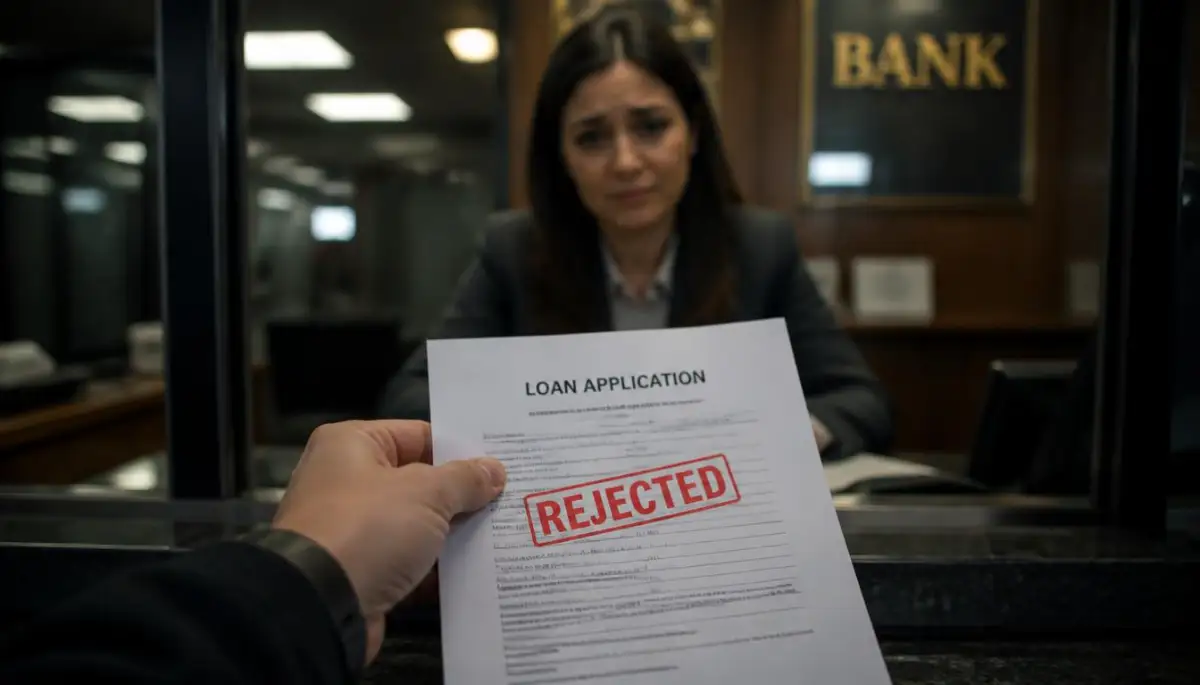
Imagine standing at a bank counter, trying to pay for your father’s emergency surgery, only to be told his signature isn't "good enough." That happened to me. I thought a simple piece of paper protected my family, but a tiny legal error turned our lives into a nightmare. Most of us think we are prepared for the future, but a standard Power of Attorney is often a ticking time bomb. Here is how you can avoid the mistakes that almost ruined my family’s finances.
Instead, the teller pointed to a tiny, simple mistake in the paperwork and calmly told me the document was completely useless. My world crashed down around me in that single second as I realized my family was totally locked out of his accounts. That terrible day taught me that a small error on a legal form can destroy your entire family's safety net.
I learned the hard way that writing a power of attorney is not just about getting a quick signature. Right now, so many people are going through this exact same silent struggle in their daily lives. They try their best to prepare for the future by downloading cheap, basic forms from the internet.
This sudden shock leaves family caregivers feeling deeply hurt, confused, and completely helpless. They have to face cold offices and strict managers who refuse to listen to their personal stories. This legal mess destroys your mental peace and makes you feel like you are failing the person you love.
You waste your valuable time and money on court cases instead of sitting by your relative's hospital bed. Your days become filled with heavy stress, and you start to lose sleep over unpaid bills piling up on your kitchen table. It feels like you are trapped in a dark room with no way out, fighting a battle you never wanted.
That constant, quiet worry in your chest can truly break your spirit. We deserve better protection, and we can avoid this pain by learning how to draft these papers the right way.

A Step-by-Step Defense Against Costly Paperwork Disasters
Setting up a solid backup plan does not have to be a complicated mystery. By following a clean, logical process, you can make sure your legal forms work exactly when your family needs them most. Let us look at the key steps you must take to build an unbeatable legal shield.
Stop Believing These 3 DPOA Myths
Understanding the True Meaning of Durability
Many people do not realize that a standard power of attorney stops working the moment you lose your mental capacity. If you get into an accident or become severely ill, a non-durable document instantly becomes useless. To keep your paperwork active during a medical emergency, you must explicitly state that the document is "durable."
🛡️ Your 60-Second Safety Checklist
Before you file your paperwork, make sure you've ticked these boxes:
- Check for the "D" word: Does it explicitly say "Durable"? If not, it’s useless during a health crisis.
- Immediate vs. Springing: Avoid delays by choosing "Immediate" power for someone you trust 100%.
- Specific Powers: Don't be vague. List things like "banking," "taxes," and "real estate" clearly.
- The Backup Plan: Always name a second person in case your first choice can't act.
- Bank Pre-Approval: Take your form to your bank now to see if they will accept it later.
According to the American Bar Association consumer guide on estate planning, a durable document is specifically designed to survive the mental incapacity of the creator. Adding a simple durability clause ensures that your chosen helper can still manage your bills and healthcare. Without this specific wording, your family will have to petition a judge for a guardianship, which is a slow and costly process.
The Power Struggle: Standard versus Durable Authority
It helps to visualize how these two different types of legal authority operate under pressure. Choosing the wrong document style is one of the most common errors made by everyday families.
As the comparison shows, the durable option provides the long-term safety net that families actually need during a sudden health crisis. It acts as a continuous bridge over troubled waters, keeping your household running smoothly.
Selecting Your Legal Agent: The Trust Trap
Choosing the wrong person to hold your legal power is a mistake that is incredibly difficult to fix later. Many people automatically select their oldest child or their spouse simply out of a sense of family obligation. However, managing finances and talking to stubborn bank managers requires a specific set of skills.
You need someone who is highly organized, calm under pressure, and comfortable handling complex paperwork. Using active listening hacks for professionals can help you talk openly with potential agents before making your final choice. Ask them if they are truly ready to take on the responsibility of managing your estate.
Pro Tip: I once made the mistake of appointing a family member who was terrible with math, thinking it would keep our family happy. When the time came to act, they panicked and could not handle the bills, which taught me to always choose organizational skill over family guilt. Now, I always advise people to choose their legal agents based on their real-world reliability rather than their family tree.
The Timing Disaster: Immediate Powers versus Springing Clauses
A "springing" power of attorney is a document that only becomes active after a specific event happens, such as a doctor declaring you incapacitated. While this sounds like a safe option, it often leads to terrible delays during a real-world emergency. Doctors can take weeks to sign the necessary letters, leaving your family unable to pay your mortgage or hospital bills.
An "immediate" durable power of attorney, on the other hand, gives your helper the ability to act on your behalf on the very day you sign it. This keeps your transition of power totally seamless and avoids administrative waiting periods.
Before you make a decision on when your agent's powers should kick in, watch this highly informative breakdown on springing vs immediate authority.
Always weigh the risks of waiting for a doctor's signature against the benefit of having immediate help ready. Most experienced estate lawyers suggest using immediate powers with an agent you trust completely.
A Real-World Example: The "Springing" Trap
I once talked to a friend who chose a "springing" power. When her husband had a stroke, she had to wait 14 days just to get two doctors to sign a letter confirming he was incapacitated. During those two weeks, their mortgage went unpaid. If they had an "immediate" durable power, she could have handled the bills on day one. Don't let a waiting period break your bank account.
The Word War: Leaving Vague Instructions for Your Agent
Another massive mistake is writing a document that is either too broad or too narrow. If your form simply says your agent can "manage all financial matters," a bank clerk may still reject it. Large financial institutions usually demand to see highly specific permissions before they will hand over an account.
You must explicitly list tasks like opening bank accounts, selling real estate, signing tax returns, and managing digital assets. According to consumer alerts from the Consumer Financial Protection Bureau guidelines, banks look for precise legal terms to protect themselves from fraud lawsuits. If your document does not list the exact power your agent is trying to use, the institution will likely refuse to help you.
Falling into the State Law and Signing Formalities Trap
Every state has its own strict rules about how a durable power of attorney must be signed and witnessed. Some states require two independent witnesses who are not related to you, while others demand a registered notary public. If you move to a new state and fail to update your document, your paperwork might be declared invalid.
Always research your local rules or speak to a licensed expert who understands your state's specific laws. This is especially true if you are trying to manage different properties across state lines. If you are self-employed, managing your business finances during a transition is just as important as setting up smart budgeting methods for self-employed pros during uncertain times.
The Bank Red Tape: Preparing for Institutional Hurdles
Even if your document is perfectly legal, local banks can still cause immense frustration for your helper. Many national banks have their own in-house power of attorney forms that they prefer their customers to sign. They may look at an outside legal document with extreme suspicion, claiming it is too old or "stale" to trust.
To prevent this roadblock, take your completed durable power of attorney to your local bank branches ahead of time. Ask their legal department to review and approve the document while you are still healthy and able to answer their questions. If they insist on you signing their custom internal forms as well, do it immediately to ensure a smooth transition.
Forgetting the Backup: The Single Agent Vulnerability
What happens if the person you appointed to help you gets sick, passes away, or simply refuses to act when the time comes? If you do not name a backup agent, your entire estate plan will fall apart instantly. Your family will find themselves right back where they started, facing a probate judge to get a conservator appointed.
Always name at least one successor agent in your durable power of attorney document to act as a safety net. This ensures that your business operations can continue running without interruption, which is critical for any entrepreneur. Learning to protect your business assets is just as important as discovering smart tax deductions for home-based solopreneurs when managing your annual filings.
The Cost of Silence: Keeping Your Documents Secret
The final mistake many people make is hiding their signed durable power of attorney in a secret safe deposit box. If no one can find your paperwork during a sudden crisis, it is as if the document does not exist. Your agent needs to know exactly where the original document is kept and how to access it in a hurry.
Give a clean photocopy of your document to your primary agent, your doctor, and your financial advisers. Keep the original document in a secure, fireproof box at home that your family can open quickly. Open communication is the final piece of the puzzle that ensures your legal shield actually works when the storm arrives.

Advanced Protective Tactics: Insider Secrets to Secure Your Document
One highly important protective step is establishing an annual review cycle for your estate documents. Life changes quickly; people move, relationships shift, and state rules undergo constant updates. If your paperwork is more than a few years old, financial institutions often hesitate to honor it, fearing the document might have been revoked. Reviewing your durable power of attorney every year helps you catch these issues before they turn into real roadblocks.
To make your document even stronger, you should attach a certified doctor’s note directly to the paperwork. This note should state clearly that you were of sound mind and fully understood your decisions on the day you signed. If a distant relative ever tries to challenge your choices in court, this medical evidence acts as an unbreakable shield. This extra step removes any room for doubt and keeps your family safe from painful legal battles. You must also think about how your financial helper will manage specialized assets, like your business or digital holdings. If you run a small business, your helper may need to handle complex funding requests or make sudden financial decisions. In these moments, understanding why first-time personal loans fail can help your agent make smart choices when trying to secure emergency business capital.
Additionally, if you work from home, your helper must know how to keep your home business running without interruptions. They should be familiar with the process of claiming home business tax breaks to keep your overhead costs low during a transition. Providing your helper with a detailed business cheat sheet keeps your company stable and secure when you are unable to direct things yourself.
Another pro-level secret is to register your durable power of attorney directly with your local county land records office. This is especially necessary if you own real estate or plan on buying property in the future. If your helper needs to sell your home to pay for your medical care, the title company will look for this registration first. Doing this beforehand prevents weeks of bureaucratic delays when time is of the essence.
You can also consult certified elder law specialists to ensure your documents meet all local requirements. These professionals understand the subtle shifts in local court decisions and can help you avoid regional drafting traps. Having an expert eye on your paperwork guarantees that your plan will hold up under intense legal scrutiny.
Finally, consider the benefit of setting up a revocable living trust alongside your power of attorney. While a power of attorney gives someone permission to manage your accounts, a trust physically holds those assets under a clear set of rules. Using these two tools together provides a seamless double layer of protection for your estate. It ensures that your family has immediate access to funds without waiting for court approval or bank reviews.

Hidden Pitfalls: Emotional Errors That Break Family Harmony
When drafting a durable power of attorney, the emotional weight of the decisions can sometimes cloud our logical judgment. Many people make well-meaning choices that unfortunately create intense friction among siblings and relatives. Understanding these emotional traps is the only way to keep your family united when a medical emergency strikes.
The Nightmare of Appointing Co-Agents
One of the most frequent mistakes parents make is appointing two or more children to act as co-agents together. They do this because they want to be fair and avoid hurting anyone's feelings. However, requiring two busy siblings to sign every single check and document together is an absolute recipe for disaster.
If the siblings do not agree on a financial or medical decision, your entire estate plan grinds to a painful halt. This gridlock often leads to bitter family arguments, permanently damaging relationships that took a lifetime to build. To prevent this, always appoint a single primary agent and list the others as backup successors.
The Procrastination Trap: Waiting for the Perfect Moment
Many people put off writing their durable power of attorney because they do not like thinking about getting sick or growing older. They tell themselves they will handle it later, when they have more time or when their health begins to decline. Unfortunately, sudden accidents and medical emergencies do not wait for a convenient time.
If you wait until you show signs of memory loss, it may already be too late to sign a legal document. Under the legal definition of power of attorney and agency law, a person must have full mental capacity to sign these papers. If you cross that line without a document in place, your family will be forced into a public court battle to win guardianship.
This unnecessary delay can cause immense mental stress for your loved ones who are already trying to help you. Managing these high-stress situations can easily lead to severe mental exhaustion. Understanding how to go about handling stress and burnout under high pressure is essential for anyone acting as a family caregiver.
Using Outdated Forms and Free Internet Templates
It is tempting to download a free, generic power of attorney template from a random website to save a few dollars. However, these basic documents are rarely updated to match the latest changes in state laws. They often contain vague phrases that fail to satisfy strict bank compliance departments.
A cheap form might save you money today, but it can cost your family thousands of dollars in future legal fees. It is far safer to use trusted state-specific legal aid resources to find approved, local forms. Investing a little extra time and care now keeps your family out of the courtroom later.
Failing to Have the Hard Conversation
Keeping your estate plans a secret from your family is a major mistake that often leads to deep resentment. If your children are surprised by your choices during a medical crisis, they may feel hurt or suspicious of your decisions. This confusion can lead to accusations of undue influence and even spark long-term legal battles between siblings.
Sit down with your loved ones and explain your plans clearly while you are healthy and active. Explain why you chose your primary agent and outline your wishes for your financial care. This open conversation removes all mystery, builds trust, and ensures everyone is on the same page.
Your Immediate Action Plan: Restoring Absolute Legal Safety
As we wrap up, remember that securing your family’s future is a step-by-step process that you can control. You do not need to feel overwhelmed by the legal terminology or the paperwork involved. By taking small, deliberate actions today, you can build a safety net that protects your hard-earned assets.
Begin by scheduling a family meeting to discuss your choices openly and answer any questions your loved ones might have. Next, pull out your existing documents and double-check them for the word "durable" and any vague language. If you find any issues, update your forms using approved local templates as soon as possible.
Managing your personal finances during these transitions is all about preparation and forward-thinking. This proactive approach is very similar to managing personal budgets with irregular cash flow when you are self-employed. By preparing for the unexpected, you keep your household safe and stable no matter what challenges life throws your way.
If you are currently managing a mortgage or planning to buy a home, keeping your legal papers updated is incredibly important. Having a clear power of attorney can prevent delays in your mortgage process if you ever face a sudden health issue. This is just as important as knowing how to keep home loans approved during career shifts or other major life changes.
My personal experience with family caregiving has shown me that true peace of mind is the greatest gift you can give to your loved ones. I know how scary it feels to face the unknown, but taking action today will lift a massive weight off your shoulders. Let us choose to be prepared so that we can focus on enjoying our lives with the people who matter most to us.
Clear Answers to Your Power of Attorney Doubts
Can a bank refuse to honor a legally signed durable power of attorney?
Yes, banks frequently reject valid documents if they are too old, contain vague language, or lack specific banking clauses [1]. To prevent this, always take your document to your bank ahead of time to get their official approval. You can also sign the bank’s own internal power of attorney forms for an extra layer of safety.
How often should I update my durable power of attorney document?
It is a good rule of thumb to review and refresh your document every three to five years. You should also update it immediately if you get married, divorced, move to a new state, or if your appointed agent is no more able to help you. Regular updates ensure your paperwork always complies with the latest local rules.
What is the difference between a durable power of attorney and a living will?
A durable power of attorney appoints a specific person to make financial or medical decisions for you when you are unable to do so. A living will, on the other hand, is a written document that outlines your specific wishes regarding end-of-life medical treatments. Most legal experts recommend having both documents to cover all your bases.
Does a durable power of attorney remain active after the creator passes away?
No, all power of attorney agreements automatically end the exact moment the creator passes away [1]. Once that happens, your executor named in your last will and testament takes over the management of your estate. Your helper cannot use the power of attorney to pay funeral costs or distribute your property.
Disclaimer: The legal concepts, tips, and guidelines shared in this article are meant for educational and informational purposes only. Every individual’s financial and family situation is unique, and laws vary significantly by state and region. We highly recommend consulting with a licensed estate planning attorney or a certified elder law specialist in your area before finalizing any legal documents.