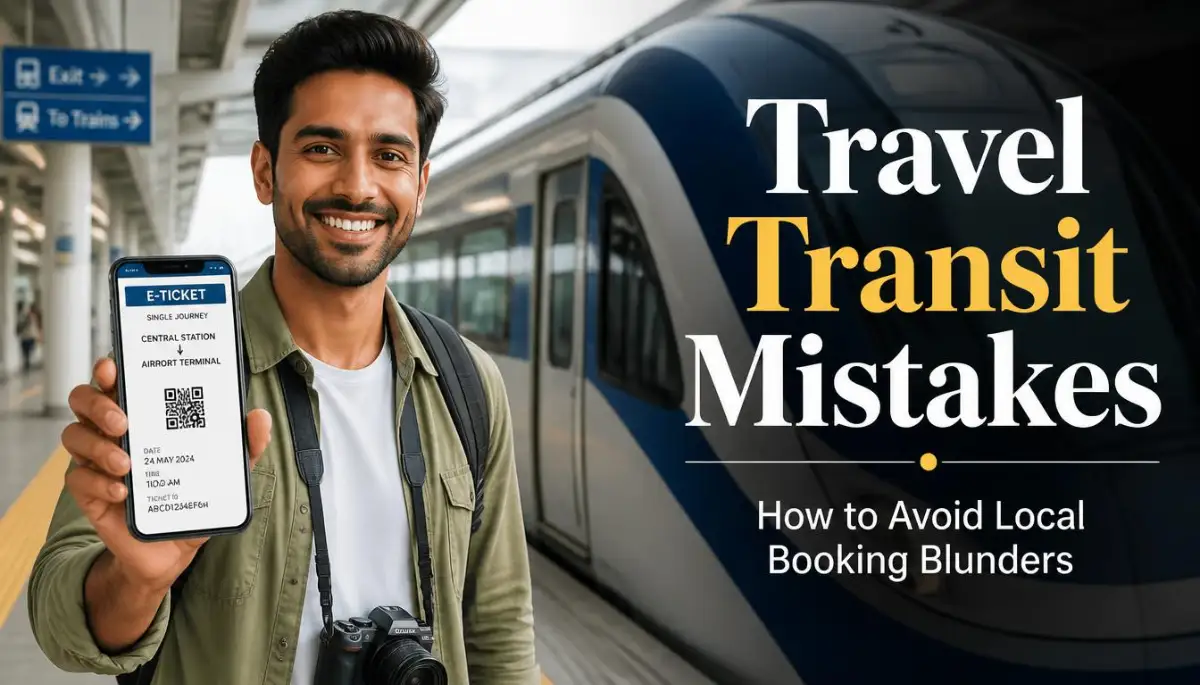
The Price of a Simple Transit Oversight: My Midnight Nightmare
Getting stuck in a foreign train station with a 'useless' ticket is a nightmare I wouldn't wish on anyone. I've spent too much money on fines because I missed one tiny rule buried in the fine print. You don't have to go through that stress. Let me show you the simple traps I fell into so you can breeze through your next trip without looking like a lost tourist.
That simple, honest mistake cost me a heavy on-the-spot fine and left me stranded for hours in the dark. It was a stressful moment that completely ruined the magic of my vacation and left me feeling incredibly helpless.
Why Local Transit Errors Can Ruin Your Whole Travel Experience
Navigating local transportation in a foreign language is a major challenge for many travelers. When things go wrong, the emotional weight can feel completely overwhelming. You are already tired, carrying heavy luggage, and trying to read signs in a language you do not understand.
A single booking error can quickly turn a dream vacation into a stressful situation. It can lead to missed flights, lost hotel reservations, and unexpected expenses that drain your budget.
Many people lose hours of precious vacation time trying to fix simple booking problems. This unnecessary stress ruins your mental peace and takes away from the joy of exploring a new place. We want to help you prevent these issues so you can travel with complete confidence.
Master the Local Language When Searching Station Names
One of the easiest ways to get lost is by searching for station names in English. Many booking platforms only recognize station names written in the native language of that country.
Don't Get Fined! My 4 Gold Rules for Transit
- Always Book Direct: Use the official app (like DB Navigator or Trenitalia). Third-party apps often sell tickets that need extra steps.
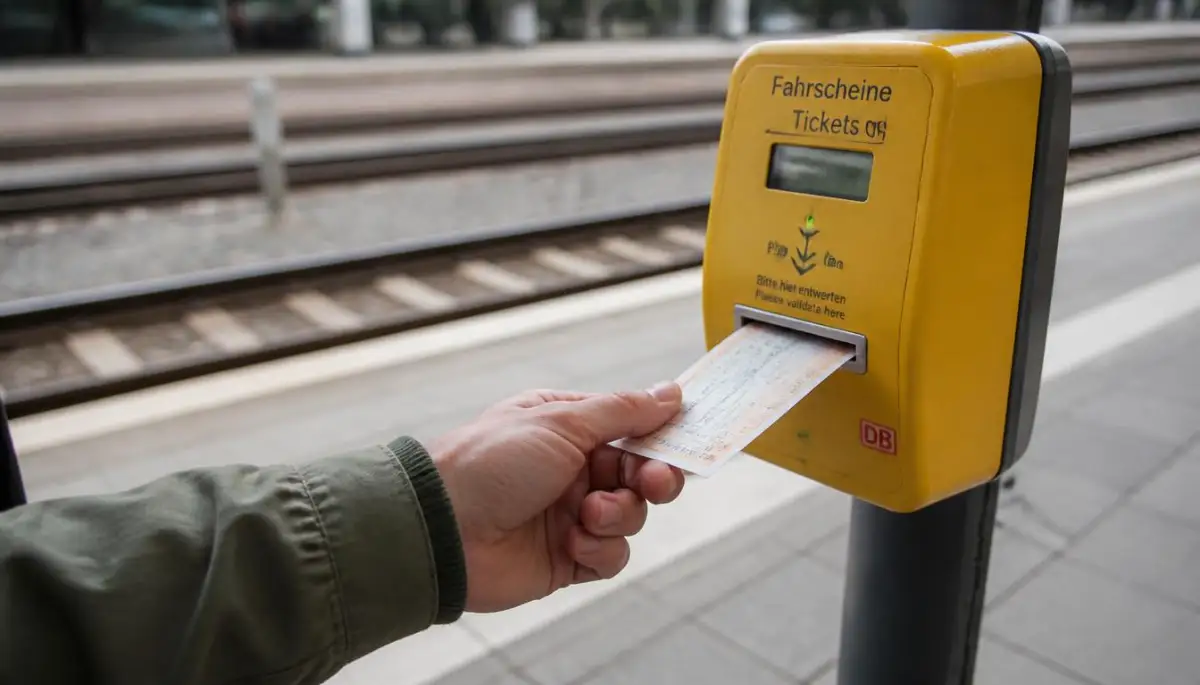
- Look for the Machine: If your ticket is paper, look for a stamp machine on the platform. No stamp = Huge fine.
- The 30-Minute Buffer: Never book a connection with less than 30 minutes. Large stations are confusing and trains get delayed.
- Language Check: Always search for the station in the local language (e.g., Firenze instead of Florence).
For example, if you search for "Florence" in Italy, you might not find the main train station. You need to look for "Firenze Santa Maria Novella" to get the correct results.
Using the English name can sometimes lead you to book a ticket to an entirely different town with a similar name. Always check the official spelling of your destination on local maps before hit booking.
Quick Cheat Sheet: English vs. Local Station Names
The Secret Trap of Third-Party Booking Sites
It is highly tempting to use international booking apps that promise to show all transport options in one place. While these apps look very clean and friendly, they often leave out critical local rules.
Third-party booking sites may fail to mention that your digital ticket needs to be validated before boarding. They also rarely share real-time delay updates or platform change alerts.
I highly recommend using these third-party platforms for research, but always make your final purchase on the official state-run transit website. It will save you from hidden booking fees and outdated schedule information.
My Personal Realization: During my early travels, I always chose the cheapest booking app I could find on search engines. I learned the hard way that saving two dollars on a booking app can cost you fifty dollars in local fines because the app sold me an outdated ticket type. Now, I only buy directly from the local transit authority.
The Physical Ticket Validation Rule You Cannot Ignore
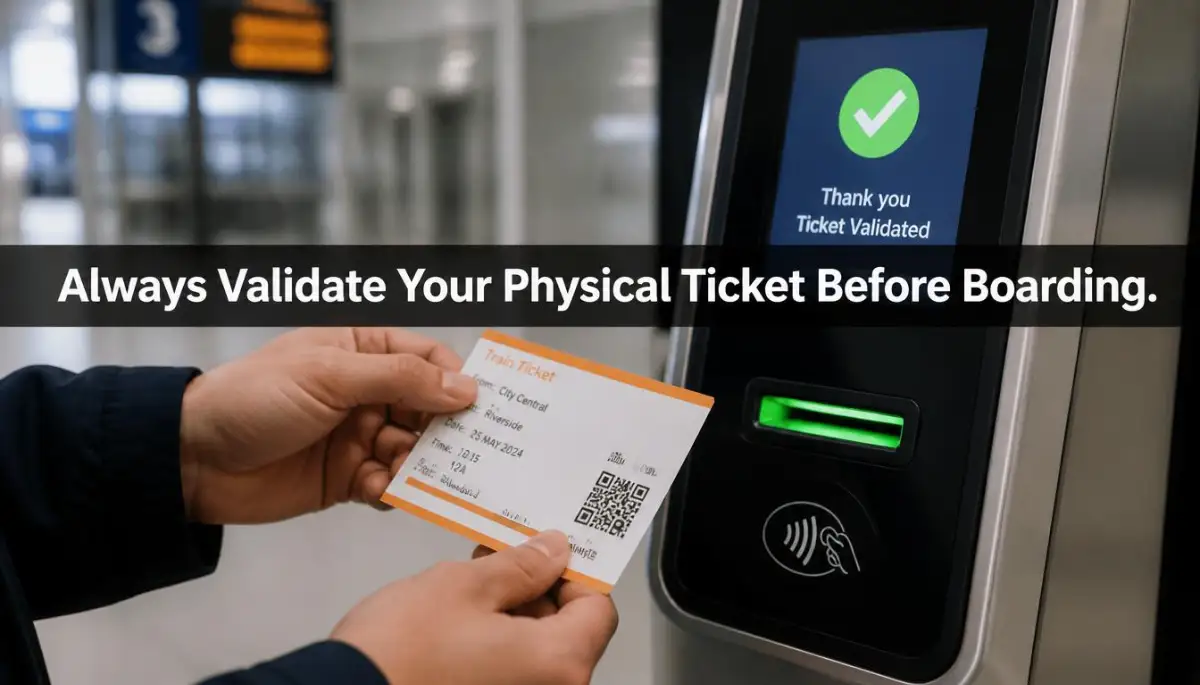
In many parts of the world, buying a ticket is only the first step of your journey. You must also physically validate the ticket in a small machine on the platform before you step onto the train or bus.
These machines stamp the exact date and time onto your paper ticket to prevent people from reusing it. If you board without this stamp, inspectors will treat you like a fare evader, even if you paid full price.
Watch closely what local passengers do when they enter the platform. If you see them inserting their papers into small yellow or green boxes, make sure you do the same.
The Validation Trap: Myth vs. Fact
- Myth: "I bought the ticket for today, so it’s already valid."
- Fact: No. Most regional tickets are open-ended. You MUST stamp them in the yellow/green machine on the platform before boarding, or it counts as having no ticket at all.
- Myth: "The conductor will just stamp it for me on the train."
- Fact: Only if you want a fine. In many countries (like Italy or France), the conductor will give you a $50+ fine immediately if it’s not pre-stamped.
Are you ready to see exactly how these platform ticket validation kiosks look and work in real life? Watch this helpful visual guide to make sure you never get fined on a European train platform.
Misunderstanding Peak Hours and Daily Rush Ticket Restrictions
Many budget-friendly transit tickets come with strict time rules that travelers easily overlook. These tickets are often only valid during off-peak hours to keep commuter trains clear.
If you try to use an off-peak ticket during the morning or evening rush hour, your ticket becomes completely invalid. You will be forced to buy a new, high-priced ticket on the spot.
Always read the fine print on your ticket to see if there are specific time blocks you must avoid. It is usually much better to travel mid-day if you want a quiet, stress-free trip.
Overlooking Hidden Baggage Size and Weight Restrictions
We often think about luggage limits when boarding airplanes, but regional trains and buses have strict rules too. Some high-speed trains require you to purchase a separate transit tag for bags over a certain size.
If you bring giant suitcases onto a local bus, the driver may refuse to let you board for safety reasons. This is especially true on popular shuttle buses that connect airports to city centers.
Always check if your ticket includes luggage space or if you need to reserve a spot in the baggage compartment. Keeping your bags light will make your transit experience much easier.
How to Recognize and Bypass Fake Station Helpers
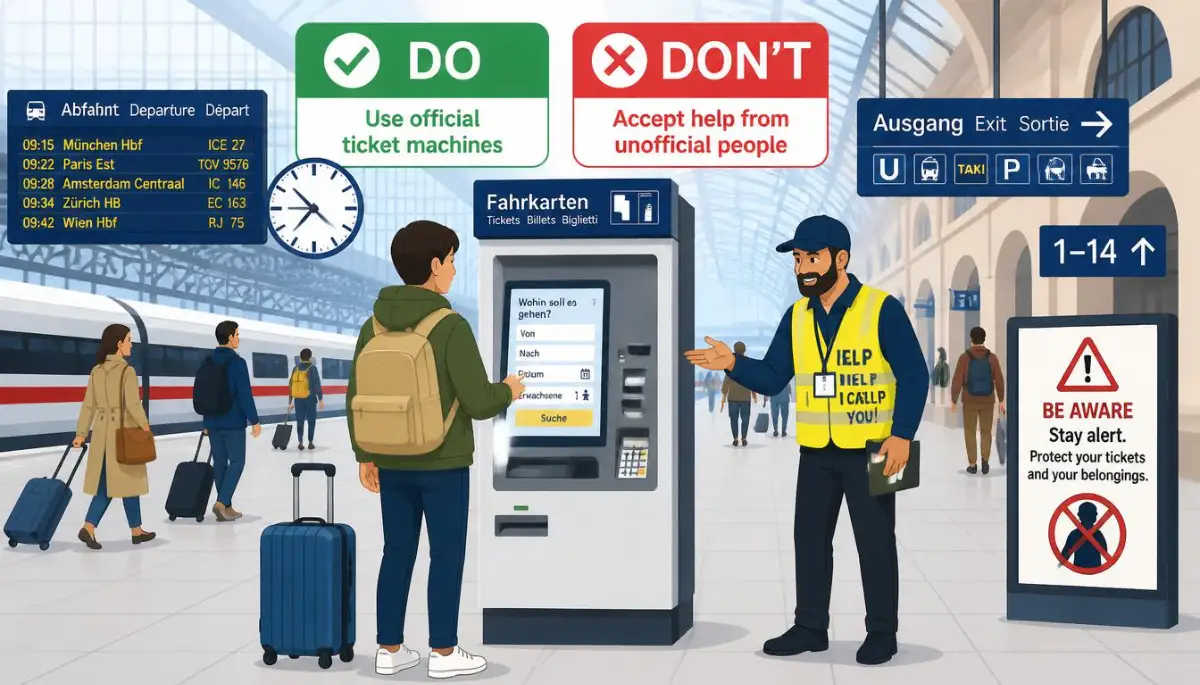
In busy international transit hubs, you will often find people standing near the ticket machines offering to help you. These people may wear official-looking badges or vests, but they do not work for the transit company.
They will try to select the most expensive ticket option for you and then demand a large cash tip. In some cases, they will take your cash, buy a cheap child's ticket, and hand you the wrong pass.
If you need help, always walk directly to the official glass ticket window inside the station. True transit employees will never follow you around the platform or ask for cash payments in the open.
Booking Too Close to Your Connecting Travel Windows
It is easy to look at a train schedule and think that a ten-minute transfer window is plenty of time. However, large foreign transit stations can be absolute mazes to navigate.
You might have to walk down long underground tunnels, climb multiple staircases, and find a platform on the opposite side of the station. If your first train is delayed by even five minutes, you will miss your connection.
When booking tickets with transfers, always give yourself at least a thirty-minute window. It is much better to sit and enjoy a cup of coffee at the station than to chase a departing train.
Assuming All Transit Systems Accept Credit Cards
We live in a highly digital world, but cash is still king in many local transit networks. Some older ticket machines in small towns do not accept foreign credit cards or modern mobile payments.
If you do not have local coins or small bills, you might not be able to buy a ticket before your bus arrives. This can leave you stranded in remote areas where the next bus might not come for hours.
Always keep a small amount of local currency in your pocket specifically for transit machines. It is a simple backup plan that will keep you moving when technology fails.
Secret Strategies Experienced Globetrotters Use to Outsmart Local Transit Systems
Navigating public transport in an unfamiliar city does not have to feel like a guessing game. Seasoned travelers rely on specific, tested methods to move through international transit networks without any stress. By learning these advanced planning secrets, you can protect your holiday budget and save hours of travel time.
Utilizing Offline Navigation Engines and Transit Apps
One of the smartest habits you can build is downloading local transit maps directly to your phone before you leave your hotel. Internet connections often drop when you enter underground subway tunnels or remote train stations.
If you rely solely on a live cellular connection, you might find yourself stuck without any routing information. Tools like Google Maps and dedicated city transit guides allow you to save entire transit systems offline.
By having these maps saved on your device, you can easily check platform numbers and train stops even without active cellular service. This simple step keeps you safe from getting lost in a completely foreign environment.
Discovering Hidden Regional Transit Cards
Most major cities offer special, all-inclusive transit passes that local transport authorities rarely advertise on their main ticket screens. These passes are designed specifically for tourists who plan to travel frequently within a short period.
Instead of buying separate tickets for every single train ride, you can pay a flat rate for unlimited travel over three to five days. To find these deals, you often have to look at the official website of the local city council or the national transport authority.
These tourist cards sometimes include free entry to local museums and historic sites as well. Taking the time to research these regional travel passes will keep you from paying double for your daily transit needs.
Managing Sudden Route Delays and Service Cancellations
Even the most modern train networks in the world experience unexpected delays, weather issues, and strikes. When a train is canceled, the station platform can quickly turn into a scene of utter chaos.
Experienced travelers always keep a secondary route option in mind before they arrive at the station. Knowing alternative bus routes or regional train lines can save you from getting stranded in a remote town.
This type of prepared mindset is similar to the strategies you need for handling unexpected delays and travel disruptions during long journeys. Being ready for a backup plan helps you stay calm and collected when local transit schedules suddenly fall apart.
Knowing Your Passenger Rights and Compensation Policies
Many travelers do not realize that they are legally protected when regional trains or buses are delayed for several hours. In many parts of the world, transit operators are required by law to offer refunds or pay for your alternative transport.
For example, the European Commission passenger rights framework protects travelers by guaranteeing compensation for major rail delays. If your train is delayed by more than an hour, you might be entitled to free meals, drinks, or even hotel stays.
Never walk away from a canceled train trip without asking the station staff for a formal delay certificate. This small slip of paper is the key to getting your money back from the transit provider later.

Painful Traps That Catch Unprepared Travelers Off Guard
When you are exploring a new country, it is easy to make simple mistakes that carry heavy financial penalties. Some of these transit blunders might seem harmless at first, but they can quickly lead to painful fines or stressful safety risks. Recognizing these common travel pitfalls will help you dodge unnecessary trouble.
The Costly Habit of Relying on Rideshares in Excellent Transit Zones
Many tourists assume that hiring a private taxi or using a rideshare app is always the safest way to get around a foreign city. However, in major urban hubs like Tokyo, Paris, or London, private cars get stuck in massive traffic jams for hours.
You will end up paying a small fortune just to sit in traffic while local subways zip past you underground. Using high-speed subway systems is often three times faster and much cheaper than booking a private car.
Relying on taxis also keeps you from experiencing the true local culture of the city you are visiting. Save your rideshare budget for late-night emergencies when regular train lines have stopped running.
Missing the Shift to Late-Night Transportation Schedules
A very common mistake is assuming that local bus and train schedules remain the same throughout the entire night. Many transit lines stop running completely around midnight, or they switch to much slower night routes.
These night buses often have different route numbers and stop at completely different station exits. If you do not plan your late-night return trip in advance, you could find yourself stranded far away from your hotel.
Always check the final departure time of your train line before you head out for an evening dinner. It is a simple habit that protects you from being forced to take a highly expensive midnight taxi ride.
Buying Point-to-Point Passes Instead of Multi-Zone Transit Cards
Purchasing separate tickets for every single stop is a massive money drain that ruins your travel budget. Most modern cities divide their transit systems into different geographic circles or travel zones.
If you travel across multiple zones with single tickets, the individual fares will add up incredibly fast. It is much smarter to buy a zonal day pass that lets you ride freely within specified areas.
Using zonal passes is a key part of managing a tight travel budget when you are living on a variable income or trying to save cash. Always calculate your expected daily trips to see if a multi-zone pass is your cheapest option.
Ignoring Local Boarding Codes on Rural Routes
In many quiet country towns, transit buses do not automatically stop at every single designated station along their route. Drivers will often speed right past a station unless they see a passenger physically wave to them.
If you stand quietly inside the shelter waiting for the bus to pull over on its own, you might get left behind. When you see your bus approaching, step close to the curb and raise your hand clearly to signal the driver.
Additionally, some rural routes require you to board only through the front door so the driver can manually check your ticket. Always observe how the local passengers board the vehicle so you do not accidentally break the local transit rules.
Your Next Moves: Building a Fail-Proof Transit Game Plan
To wrap up our journey together, the secret to stress-free transit booking is simple preparation. By taking a few practical steps before you set out, you can explore any destination with absolute peace of mind. Here is your quick, step-by-step action plan to master foreign public transport today:
- Download official apps: Always get the official transit app of the country or city you are visiting.
- Carry small cash: Keep a handful of local coins and small bills in your pocket for older ticket kiosks.
- Double-check station spellings: Always write down the exact local spelling of your starting point and destination.
- Practice eco-friendly habits: Choosing public trains over private vehicles is a wonderful way to support eco-friendly travel and low-waste habits while exploring the world.
My Personal Realization: Through my years of wandering, I have found that navigating a new city on foot and by train teaches you more about the culture than any guided tour ever could. The initial fear of getting lost vanishes the moment you successfully read your first foreign transit board. I promise that once you master the local train system, you will feel like a true resident of the world.
Common Questions About Booking Foreign Public Transport
How can I tell if a local ticket machine is safe from card skimmers?
Always check the card reader slot on the machine to see if any parts feel loose, bulky, or poorly attached. If the plastic housing around the card slot moves when you wiggle it, do not insert your card. It is much safer to use contactless mobile payments or buy your ticket directly from an official station window.
What should I do if a transit inspector claims my ticket is invalid?
Remain completely calm, polite, and respectful, even if you feel the inspector is making a mistake. Show them your online booking receipt and explain clearly that you are a tourist trying your best to follow the local rules. If they still issue a fine, pay it immediately to avoid legal trouble, but make sure to ask for a formal receipt so you can contest the charge later.
Is it cheaper to buy train tickets months in advance or on the day of travel?
For high-speed, long-distance intercity trains, booking several weeks in advance will almost always save you a massive amount of money. Local commuter trains, subways, and inner-city buses, however, maintain flat-rate pricing, meaning the ticket price remains exactly the same whether you buy it today or next month. You can find detailed regional ticket pricing guides on the official website of the European Passenger Federation to plan your budget accordingly.
How do I handle public transport if I have physical accessibility needs?
Most modern transit systems provide detailed accessibility maps on their official websites that highlight stations with elevators and ramp access. If you are traveling on regional trains, you can often contact the rail operator twenty-four hours in advance to request personal boarding assistance. Taking these steps is just as important as beating stress and mental exhaustion by planning ahead for a smooth, worry-free trip.
Safe Travel Disclaimer: The travel tips and transit guidelines provided in this guide are for general informational purposes only. Public transport rules, ticket prices, validation policies, and passenger compensation laws change frequently over time depending on the local transit authority. While we make every effort to keep our travel booking advice accurate, we highly recommend checking the official, up-to-date website of the local transportation network before making your final travel plans.