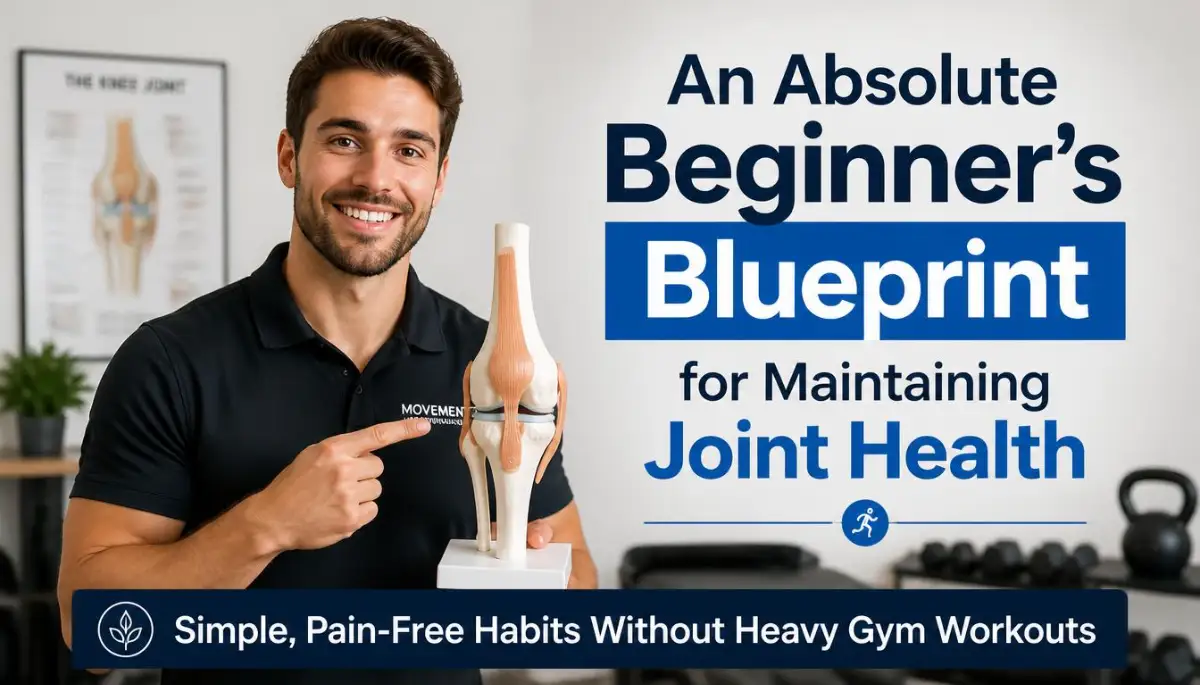
The Quiet Struggle of Creaky Knees and Stiff Mornings
Your knees shouldn't sound like a bowl of cereal in the morning. That sharp 'click' or 'pop' you hear when you stand up isn't just a sign of getting older—it’s your body's way of asking for a little oil. I’ve spent way too many mornings feeling like a rusted gate, thinking I needed a gym membership to fix it. Turns out, the secret to moving smoothly again is much simpler than lifting heavy weights.
I thought I had to start lifting heavy weights or running miles to fix it. That idea alone kept me on the couch because the gym felt way too scary. I was trapped in a cycle of stiffness and fear, wondering if my best moving days were already behind me.
You might notice a deep worry creeping in when you think about the future. Will you still be able to climb stairs comfortably, play with your kids, or enjoy a long weekend walk?
The worst part is the conflicting advice we see online every single day. Some people tell you that you must push through the pain and lift heavy weights to protect your bones.
Others say you should rest completely and avoid moving at all costs. Both of these extremes can leave you feeling confused and paralyzed.
The truth is, your body does not require punishing gym sessions to stay smooth and active. You can protect your physical wellness with gentle, smart, and highly predictable habits that anyone can do at home.
Why Your Joints Do Not Need Heavy Weights to Thrive
### 🛑 The 'Move Easy' Cheat Sheet
If you're in a hurry, here is how to stop the stiffness today:
- The 2-Minute Rule: Stand up and move every 60 minutes to keep your joint fluid moving.
- Walk, Don't Run: A 20-minute gentle stroll is better for 'creaky' knees than a heavy workout.
- Hydrate Your Cartilage: Drink water before you feel thirsty to keep your 'internal sponges' thick and soft.
- Morning Circles: Start your day with gentle ankle and knee circles while still in bed.
Understanding the Internal Sponge System
To keep your moving parts happy, you have to understand how they actually work. Your bones do not rub directly against each other because they are covered by a smooth, protective layer of cartilage.
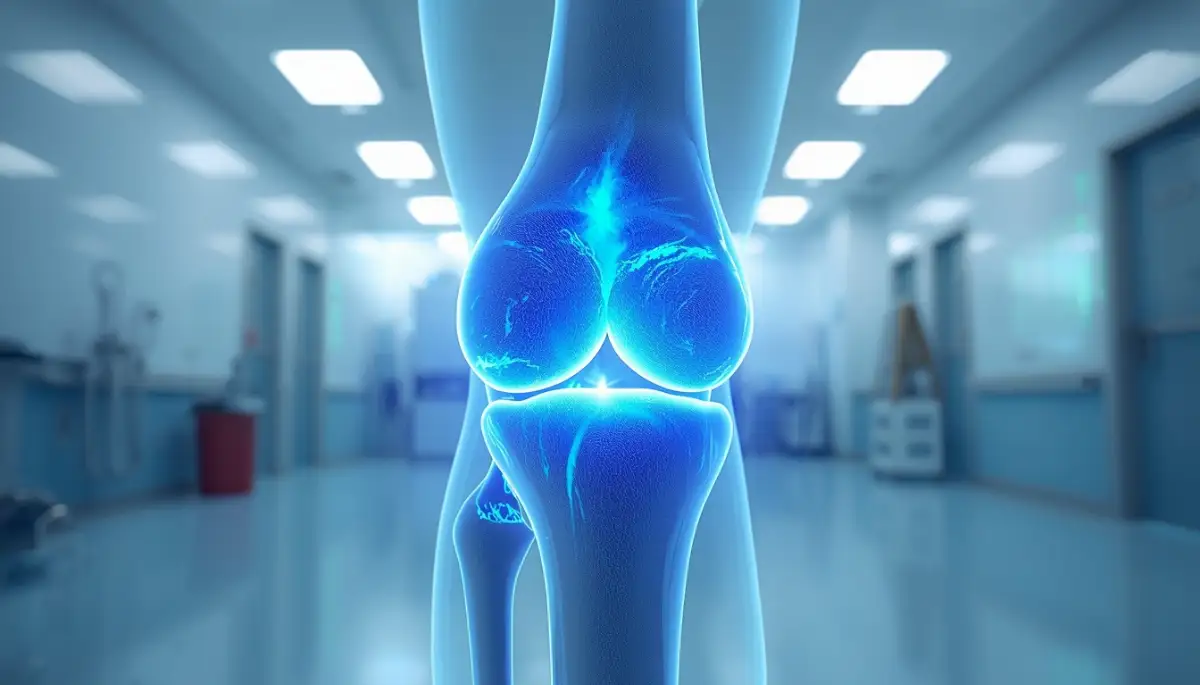
This cartilage acts exactly like a soft, wet sponge that cushions every single step you take. However, unlike your muscles, this protective layer does not have its own blood supply to deliver fresh food and oxygen.
Instead, it relies entirely on a natural fluid called synovial fluid to stay healthy and clean. When you move your body, you gently squeeze this joint sponge, pushing out old waste.
When you relax, the sponge expands again, drawing in fresh, nutrient-rich fluid. This constant squeezing and releasing is the only way your cartilage stays alive and thick.
If you sit still for hours, the sponge remains dry, causing the cartilage to become brittle and wear down. Therefore, gentle, consistent movement is the ultimate secret to keeping your joints naturally lubricated.
The Power of the Daily Neighborhood Stroll
One of the most natural ways to trigger this lubrication process is by taking a simple daily walk. Walking is a low-impact activity, which means it does not place harsh shock on your knees or hips.
As you walk, your body weight gently compresses the joints, encouraging the flow of healthy synovial fluid. You do not need to walk fast or climb steep hills to experience these benefits.
A relaxed twenty-minute stroll around your neighborhood is more than enough to reset your system. Try to focus on your stride and let your arms swing naturally by your sides.
To help you see why walking beats the gym for joint pain, look at this quick breakdown:
This gentle movement helps distribute your body weight evenly, reducing the pressure on any single spot. Over time, this easy habit strengthens the small muscles around your ankles and knees, giving you much more stability.
If you want to see exactly how gentle, low-impact walking helps rebuild your body naturally, watch this helpful guide.
Breaking the Sedentary Lock Throughout the Day
Many of us spend major parts of our day sitting in front of a computer screen or on a comfortable couch. When you stay in one position for too long, your body begins to lock up like a rusty gate.
Your hip flexors tighten, your glute muscles turn off, and your knees remain bent and dry. To break this lock, you do not need to do a full workout; you just need to move for two minutes every hour.
Set a simple timer on your phone to remind you to stand up and stretch. You can do gentle hip circles, roll your shoulders backward, or slowly raise up on your tiptoes.
These tiny micro-movements tell your brain that you are still active, preventing the synovial fluid from becoming thick and stagnant. Think of these breaks as quick maintenance sessions for your moving parts.
Hydrating Your Internal Shock Absorbers
Your cartilage is made of up to eighty percent water, which gives it that rubbery, shock-absorbing quality. When you are dehydrated, your body pulls water away from your joints to protect your main organs.
This leaves your cartilage dry, thin, and much more likely to rub and cause friction. Drinking enough water throughout the day is the simplest and cheapest way to protect your physical frame.
I used to drink giant mugs of black coffee all day and completely forgot to drink pure water. My knees would ache and pop constantly, especially when I stood up from my desk. Once I started keeping a simple water bottle next to me and taking regular sips, the clicking sounds almost completely disappeared.
My Quick 'Joint-Juice' Routine:
Instead of just drinking water when I'm thirsty, I started adding a tiny pinch of sea salt or a squeeze of lemon to my morning glass. This helps your body actually soak up the water rather than just letting it pass through. I noticed my knees felt less 'sticky' within just a week of doing this.
Try to drink clean, filtered water regularly rather than waiting until you feel incredibly thirsty. You can also eat water-rich foods like cucumbers, oranges, and watermelons to boost your hydration levels.
By keeping your cartilage fully hydrated, you ensure that your body can absorb daily shocks easily. This simple change can make your daily movements feel incredibly smooth and effortless.
Aligning Your Body Frame to Share the Load
The way you carry your body has a massive impact on how much wear and tear your joints experience. If you constantly slouch or lean to one side, you put unequal pressure on your knees, hips, and lower back.
This is like driving a car with misaligned wheels; one tire will always wear out much faster than the others. By paying attention to your posture, you can distribute your weight evenly across your entire skeleton.
When you are standing, try to imagine a soft string gently pulling the top of your head toward the sky. Keep your shoulders relaxed and let your weight rest evenly on both feet.

When sitting, keep your feet flat on the floor and avoid crossing your legs for long periods.
These minor changes in your posture reduce the strain on your spine and hips, keeping you pain-free. Good alignment ensures that your body works as a team, sharing the daily load perfectly.
Activating the Quiet Support Muscles
Your joints do not work alone; they are supported by a complex network of muscles, tendons, and ligaments. You do not need to build giant, bulky muscles to protect your skeleton.
Instead, you want to focus on building strength in the small, deep muscles that keep your bones stable. You can do this easily through simple, zero-impact holds that require no gym equipment at all.
For example, a simple wall sit is an excellent way to strengthen the muscles around your knees. Just lean your back against a smooth wall, bend your knees slightly, and hold the position for twenty seconds.
You can also practice simple pelvic tilts while lying in bed to strengthen your deep lower back support.
These easy exercises build a solid shield of muscle around your joints, protecting them from unexpected twists and strains. They are safe, highly effective, and perfect for absolute beginners of any age.
Advanced Strategies for Lifelong Mobility and Elasticity
The Gentle Practice of Joint Flossing
To keep your moving parts healthy, you must look beyond basic stretching. An advanced and highly effective practice is called joint flossing, which involves moving your limbs through their full, natural range of motion. Unlike static stretching, this method uses slow, controlled movements to gently stretch your muscles and tissues.
You can practice this by drawing slow, imaginary circles with your shoulders, wrists, and ankles every morning. Doing this tells your brain exactly where your physical boundaries are, which helps prevent sudden injuries during the day. This simple habit keeps the cartilage well-fed and ensures your ligaments remain elastic and resilient.
If you want to read more about safe and easy physical habits, research from Harvard Health Publishing shows that dynamic stretching is far superior to static stretching for chronic stiffness. It warms up the areas safely and prepares you for everyday tasks.
Protecting Your Frame from Lifestyle Stress and Exhaustion
When you are constantly overwhelmed, your body naturally tenses up to protect itself. This constant physical tension acts like a heavy rubber band pulling your bones tightly together, which compresses your cartilage. To stop this from happening, you must find ways to lower your daily mental and lifestyle stress.
Protecting your mind and body from burnout is just as key as implementing recovery strategies for high achievers. When you learn to relax your mind, your muscles naturally soften, taking the heavy pressure off your knees and lower back. Reclaiming your peace of mind is a necessary step toward total physical wellness.
The Power of Heat and Cold for Deep Tissue Recovery
Using temperature changes is a simple, drug-free way to manage daily stiffness and minor aches. Applying a warm heating pad to your knees or hips helps expand your blood vessels, bringing fresh nutrients to the area. It also thins out the thick synovial fluid, making it much easier for you to move after sitting for a long time.
Conversely, cold therapy is excellent for calming down sudden irritation or heat in your joints after a busy day. You can use a bag of frozen vegetables wrapped in a thin towel for ten minutes to numb the area. According to the Arthritis Foundation, alternating between gentle heat and cold is highly effective for maintaining everyday physical comfort.
Reducing Environmental Stress on Your Skeletal System
Many people do not realize that the chemicals and plastics in our homes can cause quiet, systemic swelling in our bodies. This systemic swelling can slowly break down your sensitive cartilage over time. By reducing your exposure to these harsh materials, you can help protect your internal systems from constant irritation.
You can start protecting your body naturally by using simple household swaps to shrink your plastic footprint easily. Swapping out plastic food containers and synthetic cleaning products helps lower the chemical burden on your body. This easy change supports your physical wellness by keeping your joints free from unnecessary swelling.
Keeping Active on Busy Working Days
Sitting at a desk all day is one of the worst things you can do to your lower back and hips. When you are busy, it can feel impossible to find time to step away and move. However, you do not need to take long breaks to protect your frame from the dangers of sitting.
If you are a student or a busy professional sitting for hours, checking out this survival guide for working college students can help you find easy ways to stay active. Sneaking in small movements throughout your day will prevent your hips from locking up. It ensures that you can stay productive without paying a heavy physical price.

The Hidden Traps That Damage Your Moving Parts Without Your Knowledge
Relying on Quick Pain Fixes to Push Through Discomfort
When you feel an ache in your knee or lower back, it is incredibly easy to pop a painkiller and keep going. This is one of the most dangerous habits you can build for your long-term mobility. Pain is your body's natural alarm system, telling you that a specific area needs rest and attention.
When you numb that alarm with medicine, you lose the ability to feel when you are pushing too far. You end up overworking a joint that is already irritated, which can cause severe, permanent damage to your cartilage. Overusing these quick fixes can also irritate your stomach lining and slow down your body's natural healing systems.
Allowing Chronic Anxiety to Tighten Your Muscle Shield
If you are constantly worried about money, tasks, or life problems, your body will absorb that worry physically. Your shoulders will rise toward your ears, and your lower back muscles will lock up to create a protective shield. This continuous tension keeps your joints tightly squeezed together even when you are resting.
To release this physical grip, you must address the root causes of your daily life worries. For example, learning practical budgeting methods for self-employed pros with unstable income can dramatically reduce your financial anxiety. By taking control of your daily stress, you give your tight muscles a chance to finally let go and relax.
Completely Stopping All Movement to Protect a Sore Spot
It is natural to want to sit completely still when a knee or ankle feels sore. While resting for a day or two can be helpful, resting for weeks will actually make your stiffness much worse. Your cartilage needs movement to receive nutrients, so staying still for too long will actually dry it out.
The CDC guidelines on physical activity show that low-impact movement is one of the safest ways to reduce chronic discomfort. If you stop moving, the muscles around your joints will weaken, leaving them with very little natural support. The secret is to find gentle, pain-free movements that keep the fluid flowing without making the irritation worse.
Reclaiming a Life of Free and Easy Movement
Your Personal Blueprint for Daily Freedom
Protecting your joints is not about doing intense workouts or spending hours at the gym. It is about building small, friendly habits that support your body's natural mechanics every single day. By moving gently, drinking enough water, and listening to your body, you can keep your joints smooth and pain-free.
- Daily Priority: Start your mornings with simple, gentle joint circles to lubricate your knees and hips.
- Work Habit: Stand up and stretch for two minutes every hour to break the sedentary lock.
- Lifestyle Choice: Keep a clean water bottle next to you to keep your cartilage fully hydrated.
These habits are incredibly easy to start, but they will build a strong foundation for your long-term physical wellness. You do not have to accept stiffness and creaky knees as a normal part of getting older. You have the power to protect your mobility and enjoy a life of comfortable, easy movement.
My own journey started the moment I decided to stop pushing my body to the limit and start listening to its gentle signals. I invite you to take your first easy step today, and I promise you that your body will thank you for this choice. Your physical freedom is worth every single small, daily adjustment you make.
Helpful Questions About Natural Joint Preservation
How long does it take for joint stiffness to improve with daily walking?
Most people start noticing a real difference in their morning stiffness after two to three weeks of consistent walking. This simple activity helps increase the flow of synovial fluid, which naturally lubricates your knees and hips. The key is to walk gently and regularly rather than trying to walk long distances all at once.
Can poor sleep quality actually make my body aches feel worse?
Yes, a lack of deep sleep prevents your body from repairing damaged tissues and clearing out inflammatory chemicals. When you are tired, your brain also becomes much more sensitive to pain signals, making minor aches feel twice as bad. Prioritizing deep, restful sleep is an essential part of keeping your moving parts comfortable.
What is the best morning habit to prevent hip and knee stiffness?
The best morning habit is to do gentle, zero-impact joint circles before you even step out of bed. Gently moving your ankles, knees, and hips while lying down helps warm up the synovial fluid and lubricates the areas. This simple habit prepares your body for gravity, making your first steps of the day feel much smoother.
Does weather really affect how our knees and shoulders feel?
Yes, changes in barometric pressure can cause the tissues around your joints to expand and contract slightly, which can cause discomfort. Cold weather can also make the synovial fluid thicker, leading to more stiffness in the mornings. Keeping your body warm and staying active on cold days is an easy way to combat these seasonal aches.
Disclaimer: The information provided in this article is for educational and informational purposes only and is not intended as professional medical advice. Always consult with a qualified healthcare provider or doctor before starting any new exercise routine, stretching program, or lifestyle changes, especially if you suffer from chronic pain or joint issues.