
The Heavy Price of Everyday Pressure
Let’s be honest—we’ve all had those mornings where your brain feels like a browser with 50 tabs open, and half of them are frozen. You’re not just tired; you’re physically 'on edge' for no reason. I’ve spent way too many days feeling like my heart was racing while I was just trying to eat breakfast. This isn't just 'busy life' talk; it’s about how your body’s internal alarm system gets stuck on 'Loud.' Let’s figure out how to turn that volume down together.
It felt like I was running a marathon while sitting completely still. That was my first real wake-up call about what chronic pressure was doing to my body. I realized then that I could not keep living my life on high alert.
You might know this feeling all too well. You wake up after eight hours of sleep, but you still feel like a zombie. You reach for your third cup of coffee before noon, hoping for a spark of energy.
Instead, the caffeine just makes you feel jumpy and anxious. By the time you get home, you are too tired to enjoy your family or your hobbies. Your mind keeps spinning, replaying emails and tasks that are not even due yet.
This is not just a bad day at the office. This is what happens when your body is constantly flooded with stress chemicals.
Your patience grows short, and you find yourself getting annoyed at the smallest things. Over time, this constant state of worry steals your joy and leaves you feeling completely empty.
We often tell ourselves that we just need to push through the busy season. But the truth is, the busy season never seems to end.
The pressure keeps building, and your body keeps paying the price. It is time to stop ignoring the warning signs your nervous system is sending you.

Getting to Know Your Body's Main Stress Hormone
To fix the problem, we need to understand what is happening inside us. Cortisol is often called the body's primary stress hormone. It is made by your adrenal glands, which sit right on top of your kidneys.
> Quick Wins for Your Nervous System:
- Morning Sun: 10 mins of light resets your energy cycle better than a double espresso.
- Box Breathing: Use the 4-4-4-4 count to manually override your 'fight or flight' mode.
- The Caffeine Rule: Never drink coffee on an empty stomach if you’re already feeling anxious.
- Micro-Breaks: Your brain needs a 5-minute 'no screen' break every 90 minutes to prevent burnout.> Quick Wins for Your Nervous System:
- Morning Sun: 10 mins of light resets your energy cycle better than a double espresso.
- Box Breathing: Use the 4-4-4-4 count to manually override your 'fight or flight' mode.
- The Caffeine Rule: Never drink coffee on an empty stomach if you’re already feeling anxious.
- Micro-Breaks: Your brain needs a 5-minute 'no screen' break every 90 minutes to prevent burnout.
But our bodies were not designed to deal with modern workplace worries 24 hours a day. In the past, our ancestors faced real physical dangers, like wild animals.
Their bodies would release a sudden burst of energy to help them run away or fight. Once the danger passed, their chemical levels would quickly return to normal.
Today, your brain cannot tell the difference between a charging wild animal and an angry email from your boss. Both events trigger the exact same biological reaction.
Because we are constantly checking our phones and worrying about deadlines, our bodies never get the signal to calm down. The alarm bell just keeps ringing.
When this chemical stays high for weeks or months, it causes a lot of hidden damage. It can lead to weight gain around your stomach, make it hard to sleep, and weaken your body's defense system.
You might find yourself catching every cold that goes around the office. Understanding this biology is the first step toward reclaiming your health.
| Common Stress Myths | The Real Truth |
| :--- | :--- |
| Myth: You can 'catch up' on stress-relief during the weekend. | Fact: Your nervous system resets daily; you can't bank relaxation like money. |
| Myth: High stress only happens in your head. | Fact: It’s a physical hormonal dump (cortisol) that affects your gut and heart. |
| Myth: More caffeine helps you push through. | Fact: Caffeine on an empty stomach actually spikes your stress hormones higher. |
Simple Daily Habits to Quiet Your Nervous System
Resetting Your Daily Morning Light Cycle
Your body relies on natural cues to understand when to work and when to rest. One of the best ways to manage your inner clock is through light exposure.
When you step outside into the morning sun, it sends a powerful message to your brain. It tells your body to stop producing sleep chemicals and start your natural daytime energy cycle.
Try to get at least ten minutes of natural sunlight within an hour of waking up. Even on a cloudy day, the outdoor light is much stronger than your indoor office lamps.
If you start your day in a dark room staring at a phone, you confuse your nervous system. This simple habit of getting sunlight helps set a healthy daily rhythm for your hormones.

In the evening, you want to do the exact opposite. Dim the lights in your home as you get closer to bedtime.
Turn off bright screens or use blue-light-blocking settings to protect your sleep. By respecting this light cycle, you help your body naturally lower its evening chemical levels so you can rest.
Using Your Breath to Cool Down Your Body
When stress hits, your breathing naturally becomes shallow and fast. This shallow breathing keeps your brain in a state of high alert.
You can reverse this process by consciously changing the way you breathe. Deep, slow breathing sends an immediate message of safety to your brain.
One highly effective method is the box breathing technique, which is used by professionals under extreme pressure.
You simply breathe in for a count of four, hold your breath for four, exhale for four, and hold again for four. Doing this for just two minutes can lower your heart rate and ease physical tension.
Another great option is the double-inhale sigh. Take a deep breath through your nose, sniff in a little more air at the very end, and then let out a long, slow sigh through your mouth.
This simple exercise helps empty the carbon dioxide from your lungs and quickly triggers your body's relaxation response.
If you want to quickly calm your nervous system right now, try this simple breathing exercise guided by experts.
Fueling Your Body with Calming Foods
What you put on your plate has a direct impact on how your body handles daily pressure. Many people reach for sugary snacks when they feel overwhelmed.
While sugar gives you a quick burst of energy, it causes a rapid crash soon after. This blood sugar roller coaster actually causes your body to release even more stress chemicals.
Instead, focus on whole foods that keep your blood sugar steady throughout the day. Healthy fats like avocados, nuts, and olive oil are excellent for brain health.
Clean proteins like eggs, poultry, and wild-caught fish help your body build the brain messengers that promote calm.
I made the mistake of drinking three cups of black coffee on an empty stomach to push through the fatigue. It only made my jitters worse and spiked my anxiety. Now, I always eat a small, protein-rich snack before having any caffeine, and it has completely changed how my body reacts.
Make sure you are also getting enough magnesium in your diet. This mineral is heavily involved in how your muscles and nerves relax.
You can find it in leafy green vegetables, pumpkin seeds, and dark chocolate. Staying hydrated with clean, filtered water also prevents your body from interpreting dehydration as an emergency.
Setting Clear Work Boundaries to Protect Your Peace
Many of us bring our work worries home without even realizing it. We reply to messages during dinner or check our emails right before we close our eyes at night.
This constant connection means your brain never gets a chance to fully recover. To heal your nervous system, you must learn to create clear spaces where work cannot follow you.
Set a specific time each evening when you turn off all work-related alerts. Let your team know that you will not be responding to non-urgent messages after this hour.
It can feel uncomfortable to set these limits at first, but it is necessary for your long-term health.
Create a simple routine that signals the end of your workday. You might close your laptop, clean your desk, and take a quick five-minute walk around the block.
This physical movement helps transition your mind from work mode to personal mode. Use this time to focus on activities that bring you genuine joy and relaxation.
Moving Your Body Without Overdoing It
Exercise is a fantastic tool for mental health, but the type of movement matters. When you are already chronically exhausted, intense workouts can do more harm than good.
Heavy weightlifting or long, exhausting runs can actually cause your body to release even more stress hormones.
When you are trying to heal, opt for gentle, restorative movement instead. A peaceful walk in nature is one of the best ways to clear your mind and lower your heart rate.
Yoga and gentle stretching are also wonderful for releasing physical tension stored in your muscles.
Listen to your body and move in a way that leaves you feeling energized, not drained. If you feel like you need a nap immediately after a workout, you are likely pushing too hard.
Consistency is much more important than intensity when it comes to calming your nervous system. Even a simple ten-minute stretch before bed can make a massive difference in how you feel.
My Personal '3-Minute Calm' Checklist:
If you feel a panic spike at work, try this exact sequence I use:
- The 30-Second Splash: Go to the restroom and splash cold water on your wrists. It tricks your brain into slowing your heart.
- The Window Gaze: Look at the furthest object you can see outside for 60 seconds. This shifts your eyes from 'task focus' to 'panoramic view,' which signals safety to your brain.
- The Shoulder Drop: Notice your ears? Your shoulders are probably touching them. Drop them. Exhale.
Prioritizing Deep and Restorative Sleep
Sleep is the ultimate recovery tool for your brain and body. It is during the deep stages of sleep that your tissues heal and your brain clears out metabolic waste.
If you are not sleeping well, your body will naturally produce more stress chemicals the next day to keep you going.
Create a relaxing bedroom environment that is cool, dark, and completely quiet. Keep all electronic devices out of the bedroom to avoid the temptation of late-night scrolling.
Try to go to bed and wake up at the exact same time every day, even on the weekends.
If you struggle to quiet your mind at night, try writing down your worries in a notebook before bed.
Getting your thoughts out of your head and onto paper can help your brain feel safe enough to let go.
With time, these small habits will help you build a strong foundation of rest and resilience.
Advanced Tools to Calm Your Brain and Protect Your Energy
Managing daily pressure requires more than just standard advice. When your body is stuck in a state of high alarm, you need advanced strategies to reset your biological systems. These pro-level secrets are designed to help you regain control over your physical and mental well-being over the long term.
Stimulating Your Body's Natural Calm System
One of the most effective ways to lower stress chemicals is to work directly with your nervous system. The vagus nerve is a long nerve that connects your brain to your major organs. When this nerve is active, it acts like a brake on your body's survival response.
You can stimulate this nerve naturally using simple physical triggers. For example, splashing ice-cold water on your face for fifteen seconds causes a sudden physical shift called the mammalian dive reflex. This reflex instantly slows down your heart rate and signals your brain that you are safe.
Similarly, deep humming or singing activates the muscles around your vocal cords, which are directly connected to the vagus nerve. If you are struggling with severe physical exhaustion, this is just as important as implementing recovery strategies for high achievers. Taking care of these physical systems is key to long-term health.
To understand how this works, you can read more about the biology of the nervous system and how vagus nerve stimulation reduces systemic swelling and inflammation. Using these physical hacks daily helps build a stronger shield against chronic workplace worry.
Tracking Heart Patterns to Measure True Calm
Many people do not know that their heart does not beat at a perfectly steady rate. The tiny variations in time between your heartbeats are called Heart Rate Variability, or HRV. A high HRV means your body is highly adaptable and can handle pressure easily.
When you are constantly overwhelmed, your HRV drops, showing that your nervous system is tired. You can track this metric using modern wearable devices to see how your body is actually responding to your daily routine. If you notice your numbers dropping, it is a clear sign that you need to slow down.
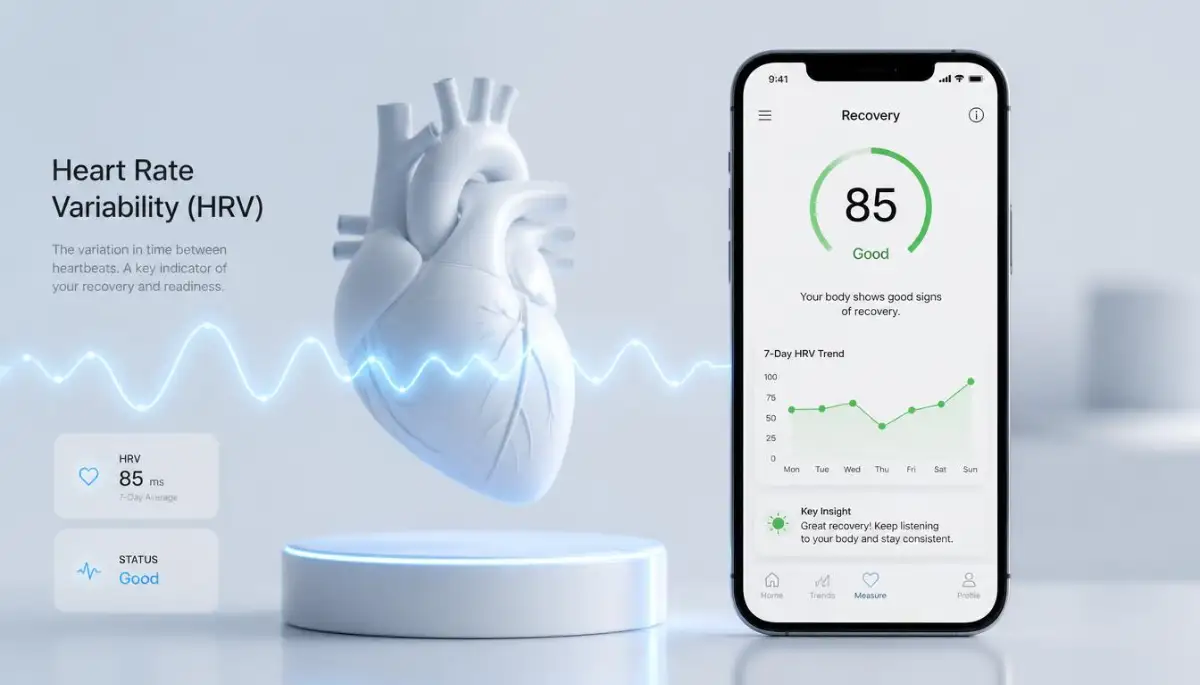
Tracking these patterns takes the guesswork out of your health. It gives you clear data on when you need to rest and when your body is ready to take on new challenges. Understanding these biological signals helps you make smarter choices about your daily habits.
Managing Social Stress with Mindful Talk
A major source of daily worry comes from how we interact with our coworkers and managers. Misunderstandings and difficult conversations can keep your body in a state of constant anxiety. To prevent this, you can learn specific communication habits that keep stress levels low.
Learning how to communicate clearly prevents unnecessary conflicts from draining your daily energy reserves. For instance, practicing active listening hacks for professionals can dramatically reduce communication friction at work. When you communicate well, you spend far less time worrying about office politics or late emails.
You can learn more about how healthy communication habits protect your mental health through resources from the Mayo Clinic. These studies show that strong boundaries and clear talk are essential for keeping stress hormones low.
Balancing Your Work Duties When Living on a Tight Schedule
If you are trying to manage multiple responsibilities at once, the daily pressure can feel twice as heavy. This is especially true for those who work and study at the same time. Managing these demands without hurting your mental health requires a careful balance.
If you are a student trying to make ends meet, young adults can check out this survival guide for working college students to keep their daily stress in check. Having a clear plan prevents you from spreading yourself too thin and burning out early.

The Hidden Traps That Keep Your Body in High Alert
When people try to manage their stress, they often make mistakes that actually worsen their situation. These traps can seem helpful at first, but they cause long-term damage to your health and peace of mind. Knowing these pitfalls will help you avoid the cycle of chronic exhaustion.
The Mistake of Relying on Fast Energy
When you feel tired, your natural reaction is to reach for something that will wake you up quickly. Many people rely heavily on energy drinks, sugary snacks, or extra cups of coffee to get through the afternoon. While this might give you a temporary boost, it acts like fuel on a fire.
These stimulants force your adrenal glands to produce even more stress chemicals. Over time, this constant stimulation drains your body's natural energy reserves completely. This cycle can eventually lead to severe fatigue and hormonal issues.
For a deeper look into how these quick fixes alter your body's natural defense systems, you can check out this guide on the human stress response from Harvard Health. It shows how relying on stimulants keeps your body in a constant state of panic.
Thinking You Can Fix a Bad Week in Two Days
Another common trap is believing that you can make up for a week of poor habits over the weekend. Many people sleep in late on Saturdays, watch television for hours, and hope this will cure their fatigue. Unfortunately, your nervous system does not work like a bank account where you can just deposit extra sleep.
Sleeping too much on weekends actually disturbs your natural clock, making you feel even more tired on Monday morning. Real recovery requires small, steady daily habits rather than occasional weekend marathons. You must protect your peace of mind every single day, not just when the work week is over.
Ignoring the Quiet Whispers of Your Nervous System
Your body always warns you before it reaches a breaking point. These warnings might start as small issues, like a mild stomach ache, a tight neck, or a day of light brain fog. Many people ignore these signs and simply push through the discomfort.
Ignoring these quiet warnings forces your body to speak louder. Eventually, those small aches can turn into chronic physical issues or severe burnout. Listening to your body when it whispers prevents you from having to deal with it when it screams.
Adding Financial Panic to Physical Exhaustion
Sometimes, workplace stress is closely tied to worries about money and security. When people feel financially insecure, they often agree to work extra shifts they cannot handle, which destroys their mental health. To break this cycle, you need to manage both your schedule and your personal budget.
If you are self-employed, having clear budgeting methods for self-employed pros removes the constant fear of unpaid bills. Knowing your numbers helps you feel safe enough to turn down extra work when you need rest.
Additionally, making bad financial choices or relying on expensive emergency cash options can make physical stress much worse. Protecting your wallet is a highly practical way to protect your nervous system.
Reclaiming Your Natural State of Peace
Healing your body and lowering your stress levels does not happen overnight, but it is entirely possible. It starts with a simple choice to prioritize your well-being over constant busyness. By taking small, consistent steps, you can guide your nervous system back to a state of balance.
Your Practical Daily Action Plan
To start your journey toward recovery, try to focus on one simple change tomorrow morning. You do not need to rewrite your entire life in a single day.
- Morning: Step outside and get five to ten minutes of natural sunlight before you look at your phone.
- Afternoon: Take a short three-minute break to practice slow breathing when you feel pressure rising.
- Evening: Turn off your work emails at a set time and do a light physical stretch before bed.
These small changes are easy to do, but they build a powerful foundation over time. By staying consistent, you will slowly teach your brain that it is safe to relax. Your body will naturally reward you with steady energy, clear thinking, and a calm heart.
I want you to stop and take a deep breath right now. My own recovery started when I realized that my health was worth far more than any work goal. I made the choice to protect my peace, and I know that you can make that very same choice today.
Helpful Questions About Stress Hormones and Recovery
How long does it take to naturally balance your cortisol?
It usually takes a few weeks to several months to see a lasting change in your stress levels. Your recovery time depends on how long your body has been under pressure and how consistent you are with your daily rest habits. Small, daily practices are the most reliable way to help your body heal naturally.
Can certain natural herbs really help lower stress hormones?
Yes, certain plants called adaptogens can help support your body's response to daily pressure. Herbs like ashwagandha and holy basil are popular choices because they help balance your endocrine system. However, these supplements work best when you combine them with proper sleep, healthy food, and good work boundaries.
Is it possible to have low cortisol instead of high cortisol?
Yes, if your body is under intense pressure for a long time, your adrenal glands can become exhausted and struggle to produce enough hormones. This state can cause severe fatigue, morning weakness, and low blood pressure. If you suspect this is happening, it is best to consult a certified healthcare professional.
Why does stress make me crave salty or sugary foods?
When your body is in a survival state, it searches for quick energy to prepare for a physical fight. This reaction causes intense cravings for foods that raise your blood sugar rapidly, such as sweets and simple carbs. Eating healthy fats and proteins throughout the day can keep your blood sugar steady and stop these cravings.
Disclaimer: This article is for informational and educational purposes only. It does not constitute professional medical advice, diagnosis, or treatment. Always consult with a qualified healthcare professional or doctor before making changes to your diet, exercise routine, or lifestyle, especially if you have an underlying medical condition.