The Quiet Desperation of the "Send Resume" Button
I still remember the heavy feeling in my chest every time I clicked "Submit Application." I had my resume saved as a PDF, neatly organized into bullet points and dates. I sent out fifty of them in one week. I sat there, waiting for my phone to ring or an email to pop up. But days turned into weeks, and all I heard was silence.
It felt like I was throwing my life story into a giant black hole. I knew I had the skills to do the work. I knew I was a hard worker. But on a flat piece of paper, I looked just like a thousand other people. I was just another name in a pile of "standard" applicants. It made me feel small and totally replaceable.
Many of you probably feel this exact same way right now. You are trying to find your place in the world of making money online. You fill out forms, you list your old jobs, and you hope someone notices you. But the truth is, most hiring managers spend less than six seconds looking at a resume. That is not enough time to see the real you.
This constant rejection can really mess with your head. It makes you doubt your own talents. You start to think that maybe you aren't good enough. You see other people landing great gigs and wonder what secret they have. The truth is, they aren't smarter than you; they are just showing up differently.
The mental stress of being "just another applicant" is exhausting. It takes away your excitement for work. You start to feel like a beggar rather than a professional. This way of searching for work is old and tired. It doesn't work well in a world where everyone has a high-speed internet connection.
I realized that if I wanted to stand out, I had to stop acting like everyone else. I had to stop asking for permission to show my value. I needed a way to prove what I could do before I even had an interview. That was the day I decided to stop updating my resume and start building my brand.
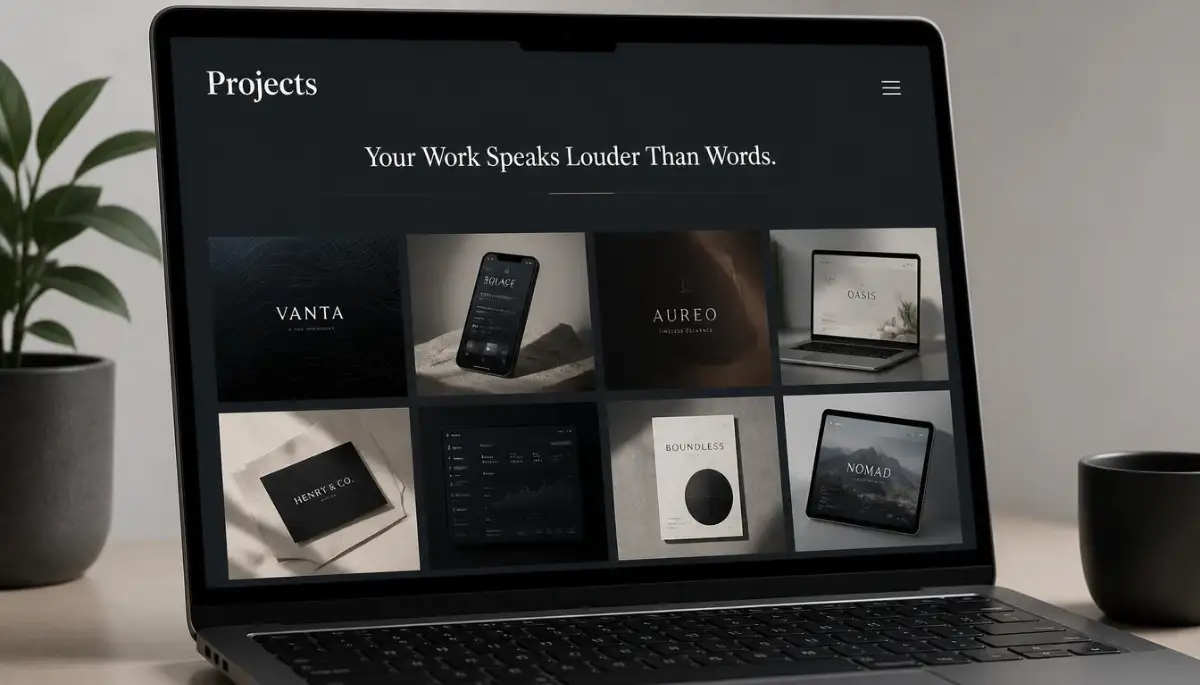
Why Seeing is Believing in the Digital World
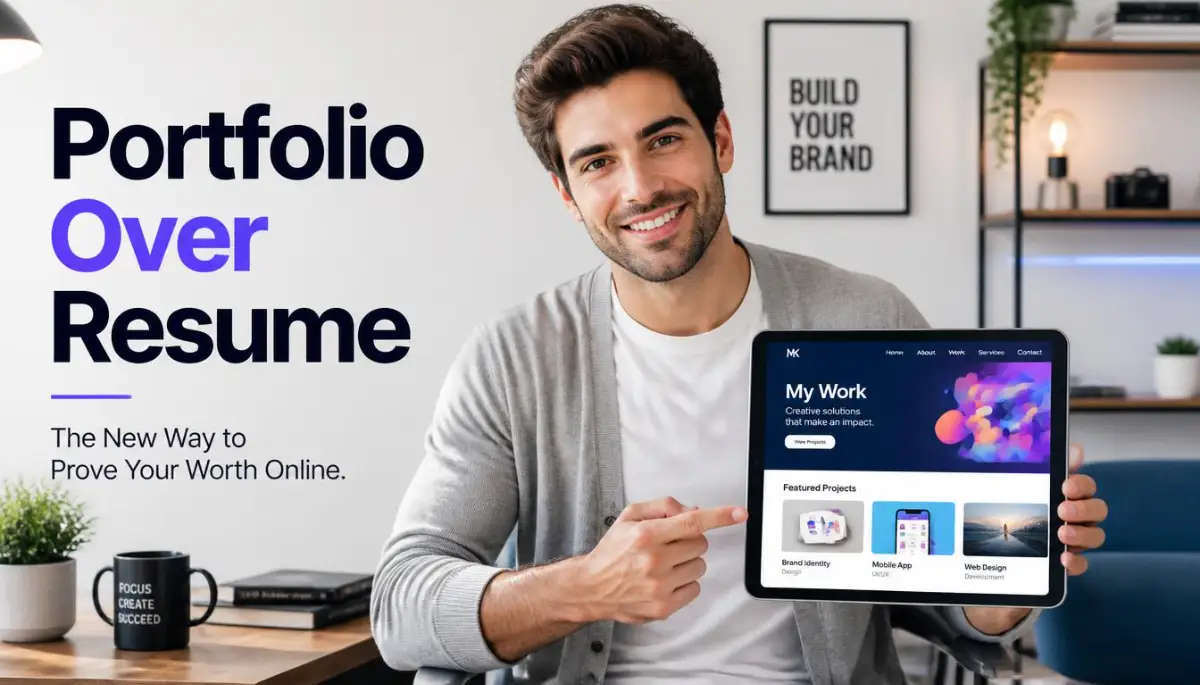
In the old days, a resume was a promise. You promised you had certain skills. Today, people don't want promises; they want proof. A personal brand portfolio is that proof. It is a living, breathing look at what you have actually built.
When I talk about a portfolio, I don't just mean a list of links. I mean a space where your personality and your results come together. It shows how you think and how you solve problems. This is why a personal brand portfolio is more influential than a traditional resume today. It takes the guesswork out of hiring you.
If you want to make money online, trust is your most valuable currency. A stranger on the other side of the world needs to trust you with their project. A PDF file with "Experience" written on it doesn't build much trust. But a website showing your past projects, your process, and your face builds a real connection.
Moving from "Telling" to "Showing"
Most resumes are just a list of claims. "I am a great writer" or "I know how to code." Anyone can type those words. But a portfolio lets you show the evidence. If you are a writer, you show your best articles. If you are a designer, you show your beautiful work.
This shift changes everything for you. Instead of saying "I can do this," you are saying "Look at what I have done." It makes you an authority in your field. People stop asking "Can you do this?" and start asking "When can you start?" This is the power of proof in action.
Why proof beats claims:
- It eliminates doubt for the person hiring you.
- It shows your unique style and approach.
- It acts as a 24/7 salesperson for your skills.
The Human Connection in a World of Robots
Many big companies now use software to read resumes. If you don't have the "right" keywords, a human will never even see your name. This is a very cold way to look for a job. A portfolio, however, is meant for human eyes. It tells a story that a machine can't understand.
When someone visits your personal site, they see your photos. They read your "About Me" page and hear your voice. They see the passion you put into your work. This creates a human bond. In a world full of AI and automation, being human is a huge advantage.
Pro Tip:
I used to think my portfolio had to look like a big corporate website. I spent weeks trying to look "professional" and cold. I realized that my best clients actually liked me because I sounded like a real person. I added a small video of myself explaining my work, and my response rate went up immediately. Don't be afraid to show who you are.
Building Authority and Trust (E-E-A-T)
Google and other platforms care a lot about Expertise, Experience, Authoritativeness, and Trustworthiness. This is what helps you rank on the first page of search results. But this isn't just for websites; it is for people too. A portfolio builds these four things faster than anything else.
When you have a dedicated space online, you are telling the world that you are serious. You aren't just a "gig worker" looking for a quick buck. You are a professional with a brand. This makes you much more attractive to high-paying clients who want to work with experts.
Understanding how to build digital authority can help you realize why your work needs a home online.
The Freedom of Owning Your Narrative
A resume is limited by its format. You have to fit your whole life into two pages of boring text. You have to follow strict rules about where to put your name and your dates. It is like trying to paint a masterpiece inside a tiny box. A portfolio has no such rules.
You can organize your portfolio however you want. You can use videos, large images, or long-form case studies. You can explain the "why" behind your projects. This gives you total control over how the world sees you. You aren't just a list of dates; you are a creator with a vision.
Becoming Findable Without Searching
A resume is passive. You have to send it to someone for them to see it. But a portfolio is active. If you optimize your portfolio site for search engines, people can find you while you are sleeping. This is the ultimate goal for making money online.
I have had several clients reach out to me because they found my work through a Google search. I didn't even know they were looking for me. This never happens with a resume. A resume stays in a folder until you pull it out. A portfolio is out in the world, working for you every single minute.
Demonstrating Your "Process," Not Just the Result
Clients don't just pay for the final product; they pay for the way you get there. A resume can't explain your creative process. It can't show how you handled a difficult deadline or how you solved a tricky bug. But a portfolio can.
By writing short case studies for your projects, you show your "behind the scenes" work. You can explain the challenges you faced and how you overcame them. This shows that you are a problem-solver. People love hiring problem-solvers because it makes their lives easier.
The Psychological Shift from Job-Seeker to Business-Owner
When you build a personal brand, your mindset changes. You stop looking for a "job" and start looking for "partnerships." You stop seeing yourself as an employee and start seeing yourself as a business. This shift is huge for your confidence.
This confidence shows in your emails and your interviews. You know your worth because you have built a place that proves it. You are no longer begging for a chance. You are offering a valuable service. This change in energy is something that people can feel, and they are drawn to it.
Why Multi-Niche Portfolios Can Work
If you have many skills, a resume can look messy. If you are a writer, a photographer, and a coder, a single resume might confuse a hiring manager. But a well-designed portfolio can house all of these things beautifully. You can have different sections for each skill.
This allows you to show that you are a well-rounded professional. It shows that you have a "stack" of skills that work together. In the modern economy, having a variety of skills is a superpower. A portfolio is the best way to display that superpower without looking disorganized.
Scaling Your Income Through Authority
A resume locks you into a certain salary range based on your "years of experience." But a portfolio has no such ceiling. If your work looks world-class, you can charge world-class prices. It doesn't matter if you have one year of experience or ten. If the results are there, the money will be too.
I have seen people with very little experience get paid more than veterans simply because their portfolio was better. They looked more professional and more reliable. This is how you jump ahead of the line. You don't wait for your turn; you create your own turn by being undeniable.
Creating a Safe Home for Your Career
Social media platforms can change. LinkedIn might change its rules tomorrow. But your personal website belongs to you. It is your "digital real estate." Having a portfolio on your own domain is the safest move you can make for your future.
It gives you a permanent home on the internet. No matter where you work or what projects you take on, your portfolio remains. It grows as you grow. It is a long-term asset that only gets more valuable over time. This is the foundation of a sustainable career making money online.
Mastering the Art of Digital Proof and Presence
Now that you understand the power of a personal brand, we need to talk about the "secret sauce" that makes it work. Many people build a website and then wait for the magic to happen. But a truly influential portfolio is more than just a gallery of pictures. It is a strategic tool that proves your value even when you are not in the room.
One of the most effective strategies is creating "Project Deep Dives." Instead of just showing a finished logo or a finished article, show the journey. Explain the problem your client had and how you fixed it. This shows your thinking process, which is exactly what high-paying clients are looking for. They want to know that you can handle surprises and find smart solutions.
When you show your work this way, you are not just a worker; you are a consultant. You are proving that you understand the business side of things. This is where learning beyond automation how creatives and ai work better together becomes very useful. You can show how you use modern tools to get better results for your clients while keeping that human touch.
Building Social Proof Through Real Stories
A portfolio is great, but a portfolio with testimonials is unstoppable. Don't just ask for a "good review." Ask your past clients specific questions about how you helped them. Did you save them time? Did you help them make more money? These specific stories act as a shield of trust around your brand.
When a new client sees that others have succeeded with your help, their fear goes away. They start to see you as a safe bet. To get these great stories, you need to be a great communicator. Practicing speak less connect more active listening hacks for professionals will help you understand your client's deep needs so you can deliver work that they will rave about.
The Technical Side of Your Brand Home
Your portfolio needs to be fast and easy to use. If someone clicks on your link and it takes five seconds to load, they will leave. This is why why hosting server location can make or break your website speed is a topic you should pay attention to. A slow site makes you look unprofessional, no matter how good your work is.
Make sure your site looks perfect on a mobile phone. Most people will check your link while they are on the go. If the text is too small or the buttons don't work, you lose that opportunity. A clean, fast, and mobile-friendly site tells the world that you pay attention to the small details. This builds a lot of trust before they even read your first sentence.
Focusing on Niche Authority
It is tempting to try and show everything you can do. But being a "jack of all trades" often leads to lower pay online. The real money comes when you are a specialist. Choose one or two areas where you are truly excellent and make them the star of your portfolio.
For example, don't just be a "writer." Be a "writer for health and wellness brands." This makes you the obvious choice for a specific group of people. According to a study by the Nielsen Norman Group, users look for clear signs of expertise within seconds of landing on a page. By focusing on a niche, you give them exactly what they are looking for right away.
Managing the Business of You
Once your portfolio starts bringing in work, you have to manage it like a pro. This means staying organized with your money and your time. Many creative people forget this part and run into trouble later. Knowing about smart tax deductions for home-based solopreneurs can save you a lot of stress when you start making real money.
You should also have a clear plan for your earnings. Using smart budgetting methods for self-employed pros with unstable income will help you stay stable even during slow months. A personal brand is a business, and a business needs a solid financial foundation. This professionalism will show in your work and how you carry yourself with clients.
The Strategy of Content Repurposing
You don't always need to create new things for your portfolio. You can take one big project and turn it into several pieces of content. For example, a long guide you wrote can become a case study, a short video tip, and a series of social media posts. This keeps your brand active without causing you to burn out.
If you are a student or a new professional, you might feel overwhelmed by all this work. It is okay to take it slow. Reading the ultimate survival guide for working college students can help you balance your studies with building your future career. The goal is steady progress, not instant perfection.
The Hidden Traps That Can Hurt Your Brand
Building an online presence is exciting, but it is easy to make mistakes that push people away. One of the biggest errors is "The Ghost Portfolio." This happens when you build a site and then don't update it for a long time. If your latest project is from two years ago, a client might think you have stopped working or that your skills are old.
Even a small update once a month keeps your site feeling fresh and alive. Another painful mistake is "The Ego Trap." This is when your portfolio is only about you and doesn't mention the client. Remember, the client is the hero of the story, and you are the guide who helps them win. If you only talk about how great you are, you miss the chance to show how you can help them.
The Broken Link Heartbreak
I once saw a brilliant designer lose a huge contract because their "Contact Me" button was broken. They didn't check their site, and for a whole month, no one could reach them. This is a simple mistake that can cost you thousands of dollars. Always test your forms and links once a week to make sure everything is working perfectly.
Broken links also hurt your SEO. Search engines like Google want to send people to healthy websites. If your site is full of errors, you will slowly disappear from the search results. It is a slow and silent way to lose your business. Don't let a small technical error ruin all your hard work.
The "Corporate Robot" Voice
When people are nervous, they start using big, fancy words to sound professional. This often makes you sound like a robot or a boring textbook. In the digital world, people buy from people they like. If your writing is cold and has no personality, it is hard for a client to feel a connection.
Avoid words like "utilize" or "synergy." Just use simple, honest English. Share a little bit about your hobbies or why you love your work. This "Human Touch" is your secret weapon. It makes you memorable in a sea of generic resumes. If you are feeling stressed by the pressure of being perfect, remember that overcoming college burnout real recovery strategies for high achievers is about being kind to yourself and staying authentic.
Talking to No One
If your portfolio doesn't have a clear goal, it won't work. Who is your dream client? What do they care about? If you don't know the answer, your portfolio will be too broad. You will end up talking to everyone and reaching no one.
Pick a "Target Audience" and write directly to them. Use the language they use. Solve the problems they have. This makes your brand feel like a custom-made solution for them. When a client feels like you "get" them, they will pay much more to work with you than someone else.
The Trap of Over-Designing
Sometimes, we spend too much time on the "look" and not enough on the "content." You don't need fancy animations or 3D graphics to have a great portfolio. A clean, simple layout that highlights your work is much better. If your site is too busy, people will get confused and leave.
Your work should be the star, not the website design. Think of your portfolio like a frame around a painting. The frame should be nice, but everyone is there to see the painting. Keep the focus where it belongs. According to research from the Stanford Persuasive Technology Lab, clear and easy-to-use navigation is one of the top factors for digital credibility.
Step Into Your Future with Confidence
Wrapping up this journey, I want you to see that your brand is your most powerful asset. A resume is just a piece of paper, but a brand is a legacy. It is a way to take control of your career and your income. You are no longer waiting for someone to pick you; you are picking yourself.
Building this takes time, and that is okay. Start with one page and one project. Then add another. Before you know it, you will have a digital home that makes you proud. The online world is full of opportunities for people who are willing to show what they can do. You have a unique voice and a unique set of skills that the world needs to see.
I remember when I first started, I was terrified that no one would care about my work. I thought I wasn't "expert" enough. But I realized that I just had to be one step ahead of the person I was helping. My brand grew because I was honest, I showed my process, and I never stopped learning. I want that same feeling of freedom and excitement for you.
You have the tools and you have the talent. Now, all you need is the courage to put yourself out there. Stop hiding behind a boring PDF and start building something that truly represents you. I promise you, the view from the top of your own personal brand is much better than looking at a pile of rejection letters. Go out there and show the world what you are made of!
Common Questions About Digital Branding
Do I need to be a designer to have a good portfolio?
Not at all! There are many simple website builders that have beautiful templates ready for you. You don't need to know how to code. Just focus on high-quality photos of your work and clear, simple writing. A clean and honest site is better than a fancy one that is hard to use.
What if all my past work is under a private contract?
You can still show your process! You can talk about the "type" of project you did and the results you got without naming the client. You can also create "practice projects" or "concept work" to show your skills. This shows what you can do, even if you can't show the exact files from a past job.
How many projects should I show?
Quality is much more important than quantity. It is better to show three amazing projects than ten average ones. Most people will only look at the first two or three things on your site. Make sure those are your absolute best. You want to leave them wanting more, not feeling bored.
Is a LinkedIn profile enough of a brand?
LinkedIn is a great tool, but you don't own it. If LinkedIn changes its rules, you could lose your presence. Having your own website gives you total control and looks much more professional. Think of LinkedIn as a "social office" and your website as your "personal home." You need both to win long-term.
Disclaimer: The information provided here is for educational and informational purposes only. Success in personal branding and making money online depends on your individual effort, the quality of your work, and the current market needs. I am not a career counselor or a legal advisor. Please perform your own research and consider your unique situation before making big career or financial decisions.