The Quiet Guilt of the Blue Bin and My Hard Lesson
I remember standing in my kitchen a few months ago, feeling quite proud of myself. My recycling bin was overflowing with plastic containers, old mail, and a couple of cardboard boxes from my late-night takeout. I honestly thought I was doing my part for the planet by shoving every single piece of waste into that blue bin. I felt like a green hero, saving the world one plastic bottle at a time.
But then, I had a conversation with a local waste management worker that completely changed my mind. He looked at my "perfect" bin and shook his head with a sad smile. He told me that my greasy pizza boxes and unwashed peanut butter jars were actually causing huge problems. I realized that my "good" habits were actually making things worse for the environment I wanted to protect.
It was a painful moment for me because I truly cared about being sustainable. I felt embarrassed that I had been doing it wrong for so many years. I had fallen into the trap of "wishcycling"—throwing things in the bin and just hoping they would be recycled. This realization hit me hard, and I knew I had to learn the real truth about our waste.
Many of you probably feel this same sense of confusion and hidden stress every time you stand over your bins. We want to do the right thing, but the rules seem to change every single day. We see different symbols on every package, and half of them don't even mean what we think they do. This constant guessing game makes us feel anxious and unsure about our daily choices.
When we realize our efforts might be wasted, it hurts our mental peace. We start to wonder if anything we do actually matters at all. It feels like the weight of the world is on our shoulders, and the system is designed to make us fail. This emotional struggle is real, and it stops many people from even trying to live a greener life.
We worry that we are part of the problem instead of the solution. The thought of our "recycled" items ending up in a landfill because of one small mistake is heartbreaking. We are looking for clarity, but all we find is conflicting advice and confusing labels. It is time to stop the guessing and start understanding how recycling really works.
Unmasking the Truth: Why Good Intentions Aren't Enough
The reality of modern recycling is much more complex than a simple "save the earth" slogan. Most people think that once an item hits the blue bin, it is automatically turned into something new. However, the recycling process is a business, and if a batch of material is dirty, it loses its value. When we throw wrong items in, we are not helping; we are creating a mess for the people at the sorting facility.
The Myth of the "Completely Recyclable" Pizza Box
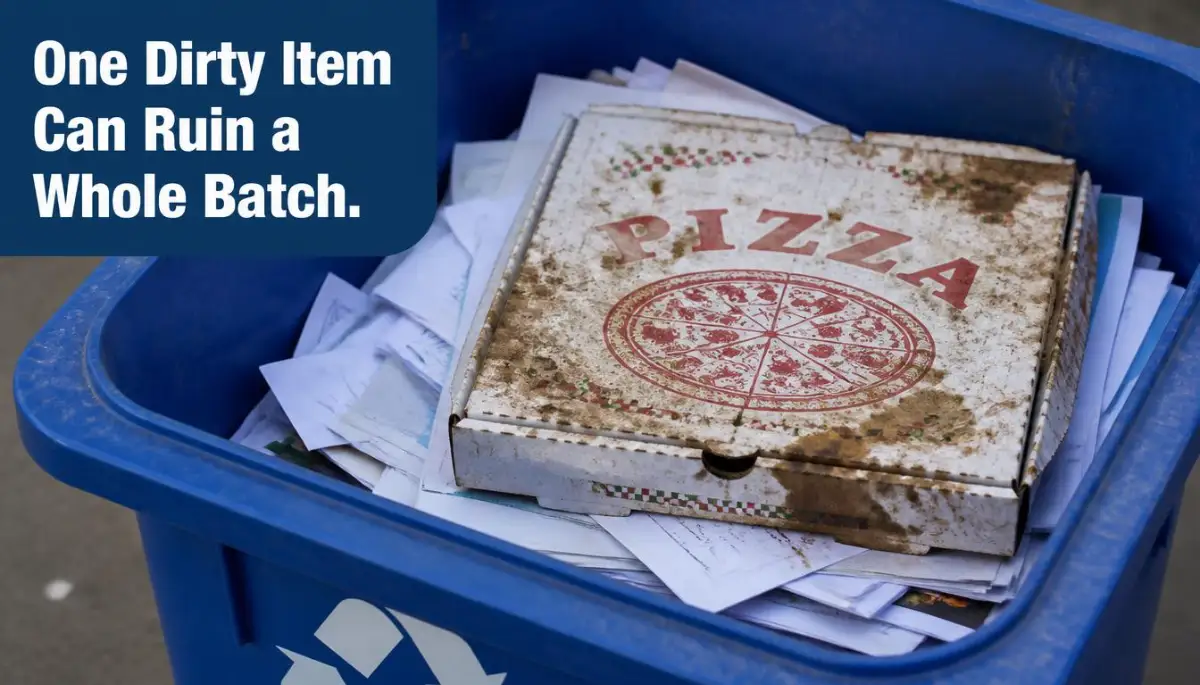
We have all done it—eating a delicious pizza and then sliding the cardboard box into the recycling bin. It is cardboard, right? So it should be fine. This is one of the biggest mistakes you can make. The grease from the cheese and the oil from the crust soak deep into the cardboard fibers.
Recycling plants use water to turn paper and cardboard back into pulp. Since oil and water do not mix, the grease creates big problems in the machinery. Just one greasy box can ruin an entire batch of clean paper. If you want to be a pro, only recycle the clean top half of the box and put the oily bottom in the trash or compost.
"Wishcycling": The Heart of the Problem
"Wishcycling" is a term used by experts to describe when we put something in the bin because we hope it can be recycled. We do this with old garden hoses, broken toys, and even pieces of scrap metal. We think, "Surely someone can use this." But the truth is, this is very harmful.
These non-recyclable items often get tangled in the sorting machines at the plant. When a machine breaks down because of a stray garden hose, the whole facility has to stop. This wastes time, money, and energy. If you aren't 100% sure an item belongs in the bin, it is better to put it in the trash. It sounds backward, but the trash is safer for the system than a contaminated recycling bin.
My Personal Realization:
I once tried to recycle my old running shoes because I saw a tiny symbol on the sole. I spent twenty minutes cleaning them, thinking I was helping. Later, I learned that shoes are made of so many different glued materials that they are almost impossible to recycle in a standard bin. I realized that my effort was better spent donating them or using them as gardening shoes.
The Hidden Trap of Plastic Bottle Caps
For years, we were told to take the caps off our plastic bottles before recycling them. Then, the rules changed, and we were told to leave them on. This confusion is a major reason why so much plastic ends up in the ocean. The caps are often made of a different kind of plastic than the bottle itself.
Small items like loose caps often fall through the cracks of the sorting machines. If they fall through, they end up in the trash pile anyway. The current best practice is to crush the bottle and screw the cap back on tightly. This keeps the cap with the bottle through the whole process, ensuring both parts get a chance to be reborn.
The Deceptive "Green Dot" Symbol
Have you ever seen that circle with two green arrows on a package? Most people think it means the item is recyclable. Actually, it has nothing to do with recycling. That symbol, known as the Green Dot, simply means that the company has paid money toward a packaging recovery system.
It does not mean the item is made of recycled material, nor does it mean you can put it in your bin. Always look for the "Chasing Arrows" symbol with a number inside. This number tells you exactly what kind of plastic it is and if your local facility can handle it. Ignoring this simple detail is a huge part of the common misconceptions about recycling that might actually be harming the environment.
Check out this eye-opening video that shows exactly what happens inside a modern sorting facility! It really helped me understand why cleaning my jars is so important.
The Coffee Cup Lie: Paper or Plastic?
On a cold morning, a hot coffee in a paper cup feels like a sustainable choice. We see the paper outside and assume it belongs with our old newspapers. However, almost all takeaway coffee cups are lined with a thin layer of plastic. This liner stops the hot liquid from leaking through the paper.
Because the plastic and paper are glued together, standard recycling plants cannot separate them. This means millions of "paper" cups go straight to the landfill every day. If you want to make a real impact, the best move is to bring your own reusable mug. It is a simple swap that solves a massive waste problem before it even starts.
The Problem with Small Plastics
When it comes to recycling, size really does matter. Things like plastic straws, small bits of foil, and tiny plastic clips are too small for the machines to catch. They either fall through the gaps or get stuck in the gears. Anything smaller than a credit card usually cannot be recycled in a curbside bin.
Instead of tossing these tiny bits in the bin, try to find ways to reduce them. For example, simple household swaps to shrink your plastic footprint can help you avoid these small plastics entirely. Small changes in what we buy can have a much bigger impact than trying to recycle things that are too tiny to process.
Glass Jars: The Importance of a Quick Rinse
Glass is one of the best materials to recycle because it can be used over and over forever. But there is a catch—it has to be clean. A jar of half-eaten pasta sauce can contaminate a whole load of glass. If the food residue gets into the furnace where the glass is melted, it can create bubbles and weaken the new glass.
You don't need to use soap and hot water for ten minutes. A simple 5-second rinse with cool water is usually enough. Removing the metal lid is also a big help, as metal and glass are processed in two different ways. These small steps make the work of the recycling facility much easier and more efficient.
The Danger of Plastic Bags in the Bin
We often collect our recyclables in a plastic grocery bag and then toss the whole bag into the bin. This is a huge mistake. Plastic bags are the number one enemy of recycling machines. They act like "tanglers," wrapping around the rotating parts of the sorter and forcing the whole plant to shut down.
Recycling workers often have to climb into the machines with knives to cut these bags out by hand. Recyclables should always be loose in your bin. If you have a bunch of plastic grocery bags, many stores have special drop-off bins specifically for them. Keeping them out of your home bin is a major step in fixing common misconceptions about recycling that might actually be harming the environment.
Understanding the Plastic Number System
Not all plastics are created equal. The numbers 1 through 7 inside the triangle aren't just random marks. They tell us the chemical makeup of the plastic. Most curbside programs only take numbers 1 and 2. These are the most common types, like water bottles and milk jugs.
Numbers 3 through 7 are much harder to recycle and often don't have a market value. If you keep putting number 6 (Styrofoam) in your bin, you are just making the sorting process harder. Learning which numbers your city accepts is like learning the secret code to a cleaner planet. It takes five minutes to check your city's website, but it saves tons of waste from the landfill.
The Ripple Effect of Better Sorting
When we sort our waste correctly, we are doing more than just cleaning up our own homes. We are helping the entire economy of sustainable living. High-quality, clean recycled material can be sold to companies to make new products. This reduces the need to mine for new metals or drill for new oil.
By avoiding these common misconceptions about recycling that might actually be harming the environment, we become active participants in a circular economy. We are no longer just "throwing things away." We are managing resources. This shift in mindset is what will ultimately lead us to a truly sustainable future.
Every time you take the time to rinse a jar or throw away a greasy box, you are making the system work better. You are ensuring that the people at the recycling plant stay safe and their machines stay running. It might feel like a small thing, but when millions of us do it right, the impact is massive.
The journey of sustainable living is full of learning moments. If you ever feel tired or burnt out from trying to be perfect, remember that overcoming burnout is part of any long-term goal. You don't have to be a perfect recycler today; you just have to be a better one than you were yesterday.
I hope this guide helps you feel more confident when you stand in front of your bins. It is okay to admit that we didn't know everything before. What matters is that we are willing to change our habits now. Let's move away from the myths and start making choices that truly help our beautiful planet.
Mastering the Art of Waste Reduction with Expert Strategies
Now that you understand the basic mistakes many people make, let’s talk about how to actually win at this. Moving past basic sorting requires a change in how we think about everything we bring into our homes. I found that the best way to recycle is actually to avoid needing the blue bin in the first place.
This is a concept I like to call "Pre-cycling." It means looking at a product at the store and asking if that package can truly be reborn. If a bottle is made of black plastic, I put it back because I know most sorting machines cannot see black plastic.
Optical sorters at recycling plants use light to identify materials. Black plastic absorbs the light, so the machine thinks it is just a dark spot on the belt and sends it to the landfill. By choosing clear or white containers, you are already ahead of the game.
You can also look into Specialized Stream Recycling for items that the city won’t take. Many companies now offer programs where you can mail back old beauty products, snack wrappers, or even worn-out shoes. These programs have the special tools needed to break down complex materials that standard plants just can't handle.
I started keeping a small "difficult items" box under my sink. Once a month, I take it to a local collection point that handles things like lightbulbs and batteries. If you want to keep your home organized while doing this, you might find that simple household swaps to shrink your plastic footprint easily makes the whole process feel much less overwhelming.
Another pro secret is to understand "Downcycling." Most plastic isn't turned into another bottle; it is turned into lower-quality items like park benches or carpet fibers. These things cannot be recycled again, meaning the plastic eventually hits a dead end.
Glass and metal, however, can be recycled forever without losing quality. I have started picking glass jars over plastic ones whenever I can. It feels better knowing that the glass jar in my hand might have been around for decades and will continue to be useful for decades more.
To keep this habit going for the long term, you need to connect with your local community. Talk to your neighbors about what they have found at the local waste center. Sometimes, just by having a quick chat, you can learn about a new drop-off spot for electronics that you never knew existed.
Learning to speak less and connect more can help you find these hidden local resources. Community knowledge is often more powerful than a generic city website. When we share what we know, we all get better at protecting our shared space.
I also recommend doing a "Waste Audit" once a month. This sounds boring, but it is actually quite eye-opening. Just spend five minutes looking at what is in your trash can before you take it out.
Are there things in there that could have been composted? Is there a lot of paper that could have been recycled if it wasn't dirty? This quick check helps you spot your own patterns and fix them for the next week. It is about awareness, not about being perfect every single time.

The Hidden Dangers: Serious Errors That Damage Our Environment
It is easy to think that a small mistake in the recycling bin doesn't matter, but the reality is quite scary. When we put hazardous items in the bin, we aren't just making a mess; we are putting lives at risk. I once saw a video of a fire at a recycling plant caused by a single lithium-ion battery from an old phone.
When these batteries are crushed by the recycling trucks, they can explode and start huge fires. This destroys expensive machinery and puts the brave workers at the plant in great danger. According to reports from the National Waste & Recycling Association, battery fires are a major and growing problem for the industry.
Another big mistake is putting "tanglers" in the bin. These are things like garden hoses, old Christmas lights, or even long pieces of string. They wrap around the spinning gears of the sorting machines and bring everything to a stop.
Workers then have to climb into these dangerous machines with knives to cut the items out. This is a terrifying job that can lead to serious injuries. We must remember that there are real people on the other end of our waste bins. Our laziness or lack of knowledge can cause them real physical harm.
We also need to talk about the privacy risks of our waste. Many people throw away old electronics or even smart device boxes without thinking. If you aren't careful, you might be leaving a trail of personal data for anyone to find.
Before you get rid of any tech, make sure you have wiped your data. For example, you should block smart tv tracking and reset your settings before you even think about recycling an old screen. Your digital safety is just as important as your environmental footprint.
Then there is the issue of "Bio-waste" contamination. Putting used tissues, diapers, or medical waste in the recycling is a huge health hazard. These items can carry germs and diseases that shouldn't be anywhere near a sorting facility.
If a worker gets stuck with a needle that was hidden in a pile of paper, the emotional and physical toll is massive. We have to be extremely careful and empathetic about what we put in our bins. If an item has touched body fluids, it belongs in the trash, period.
The financial cost of these mistakes is also something we often ignore. When a city’s recycling is contaminated, the whole load becomes worthless. Instead of making money by selling the material, the city has to pay extra fees to send it to the landfill.
This money comes out of our taxes, which could have been spent on schools or parks. If you are a freelancer or business owner, you know how important every penny is. Learning smart budgeting methods can help you see how these hidden city costs eventually affect your own wallet too.
Finally, we have the emotional cost of failure. When people see that their recycling efforts aren't working, they often give up entirely. They feel like the whole world is a mess and they can't do anything to change it.
This feeling of hopelessness is very dangerous. It can lead to a sense of "Eco-anxiety" that affects our mental health. We have to stay positive and focus on the small wins we can actually control every day.
The environment doesn't need a few people doing recycling perfectly. It needs millions of people doing it imperfectly but with care. Every time you stop yourself from "wishcycling," you are making a difference. You are choosing the truth over an easy lie, and that is where real change starts.
A Brighter Future for Our Shared Home
Living a sustainable life is a journey that never truly ends. It is about making small, smart choices that add up over a lifetime. When we move past the common misconceptions about recycling that might actually be harming the environment, we start to see the world differently.
We stop seeing "trash" and start seeing "resources." We stop being "consumers" and start being "stewards" of the earth. This change in heart is more powerful than any law or regulation. It is about reclaiming our connection to the world we live in.
I have found that the more I learn about waste, the more I appreciate the things I already have. Instead of always wanting something new, I find joy in fixing what is broken or finding a new use for an old jar. It is a very peaceful way to live that saves money and reduces stress.
If you are a student or someone with a very busy life, don't let the pressure of being perfectly "green" weigh you down. We all have days where we forget or make a mistake. If you feel like you are struggling, remember that overcoming college burnout is about taking things one step at a time.
Your home is your sanctuary, and keeping it clean and sustainable is a wonderful way to honor that space. Every time you choose to rinse a bottle or skip a plastic straw, you are casting a vote for the kind of world you want to live in. It is a small act, but it is an act of love for the future.
I used to be so confused by all the different symbols and rules. But now, I feel a sense of quiet pride every time I sort my waste correctly. I know that my actions are helping to keep our oceans cleaner and our air fresher. And that feeling is worth more than all the convenience in the world.
My life has changed for the better since I started paying attention to these details. I feel more in control and more connected to my local community. I want you to feel that same sense of empowerment today. You have the knowledge now, and all you need to do is put it into practice.
Take a deep breath and look at your bins today. Don't see them as a burden, but as a chance to do something good. We are all in this together, and every single step counts toward a greener, healthier planet for everyone.
I truly believe that we can turn things around if we just stop and think before we toss something away. My own journey started with just one greasy pizza box, and today, my whole lifestyle is different. You have the power to make that same change, starting right now in your own kitchen.
Frequently Asked Questions About Smarter Recycling
Can I recycle aluminum foil if it has food on it?
You can recycle aluminum foil, but it must be completely clean. If it has bits of burnt food or oil on it, the recycling plant will treat it as trash. I always give mine a quick scrub or just put it in the trash if it's too dirty to save.
What should I do with shredded paper?
Shredded paper is very hard for most curbside programs to handle because the small bits fall through the machines. It is often better to compost shredded paper at home or take it to a specialized paper recycling center. If you put it in the regular bin, it often ends up as a mess on the floor of the plant.
Are "compostable" plastic bags okay for the recycling bin?
No, never put compostable or biodegradable plastics in the recycling bin. They are made of different materials that can ruin a batch of regular plastic. These bags are meant for industrial composting bins, not the blue recycling bin.
Is it okay to recycle metal lids from glass jars?
Yes, but you should take them off the jar first. Metal and glass are processed in two different ways at the plant. By separating them, you make it much easier for the machines to sort them into the right piles.
Why is black plastic often not accepted in recycling?
Most recycling plants use light-based sensors to sort plastic by its color and type. Because black plastic absorbs the light, the sensor can't "see" what it is. This means it usually gets sent to the landfill even if it has a recycling symbol on it.
Should I crush my cans before recycling them?
In many modern sorting systems, it is actually better not to crush your cans. Flat cans can be mistaken for paper by the sorting machines. Check your local city guidelines, but keeping them in their original shape is usually the safest bet.
Disclaimer: The information provided in this article is for educational purposes and reflects general best practices in waste management. Recycling rules can vary significantly depending on your specific city, state, or country. Always check with your local waste management authority for the most accurate and up-to-date sorting instructions for your area to ensure your efforts are truly helpful.