
The Night I Almost Quit Blogging Before I Even Started
I remember sitting at my desk with a hot cup of coffee and a dream of starting my own website. I had just bought my domain name, and I felt so proud of that small win. But then, I hit a wall that felt ten feet high.
I started looking at hosting plans, and my head began to spin with words like RAM, CPU, and SSD. I had no idea if I needed a "Shared" plan or something called a "VPS." It felt like I was trying to buy a house in a country where I didn't speak the language.
I actually closed my laptop and didn't open it for three days because I was so overwhelmed. I felt like I was failing at blogging before I had even written my first post. I just wanted a place for my words to live, but the technical choices felt like a nightmare.
The Stress of Making the Wrong Hosting Choice
When you are a new blogger, every dollar and every minute feels incredibly precious to you. You worry that if you pick the cheapest plan, your site will crash and be slow for everyone. But you also don't want to waste money on a giant server that you don't even need yet.
This constant worry can keep you up at night and steal your creative energy. You find yourself reading technical forums for hours instead of actually writing your content. It feels like you are stuck in a waiting room while the rest of the world is moving ahead.
The mental weight of "what if my site goes down" is a real burden for many of us. We want our digital home to be safe, fast, and always open for visitors to enjoy. When we don't understand our hosting, that peace of mind feels like it is miles away.
Moving From Confusion to Digital Confidence
The good news is that you don't need a degree in computer science to make a smart choice. Once you see how the different server "neighborhoods" work, the choices become much clearer. I had to learn this the hard way, but you don't have to go through that same struggle.
Choosing the right hosting is like picking the right foundation for your physical house. If the foundation is solid, you can build as high as you want without fear. If it is shaky, even the most beautiful design won't save you from a collapse later.
I want to help you skip the weeks of confusion and jump straight to the fun part of blogging. By understanding this roadmap, you will feel in control of your website's future. You will have the confidence to build something that truly lasts and grows with your audience.

Living in the Digital Apartment: The World of Shared Hosting
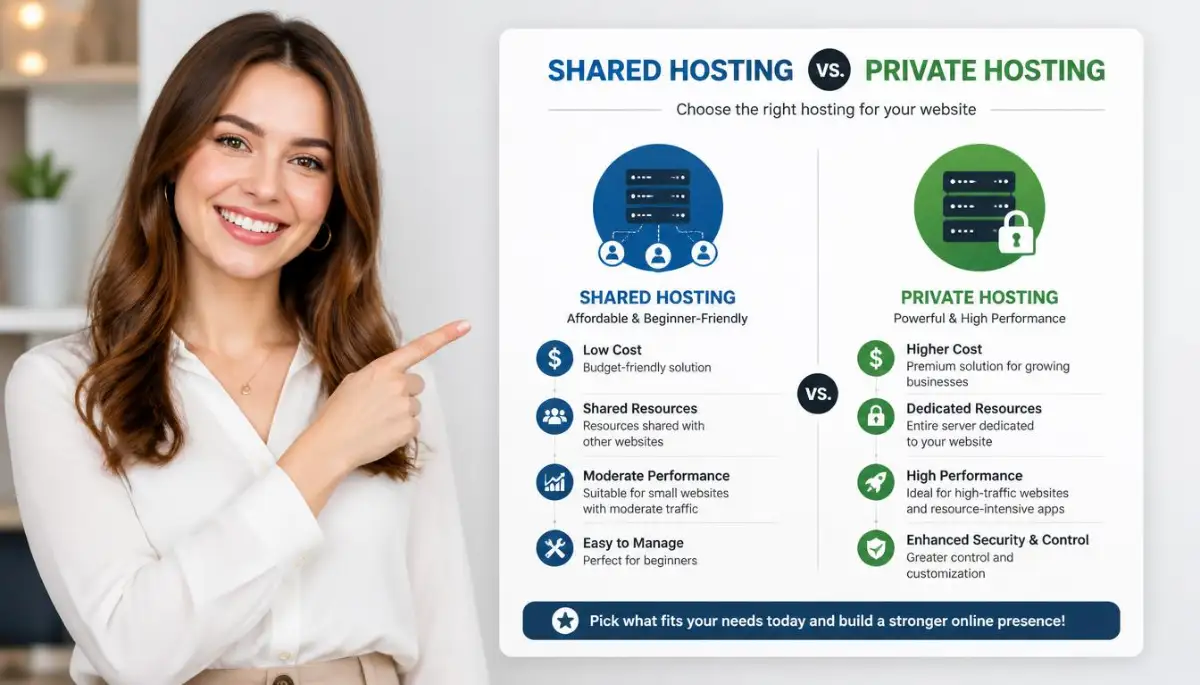
Think of shared hosting like living in a large, busy apartment building with many other people. You all share the same water, electricity, and common areas to keep the costs very low. This is where almost every single blogger starts their journey because it is so affordable.
Because you are sharing the server resources with hundreds of other websites, it is very cheap. The hosting company handles all the big technical stuff and keeps the "building" running smoothly for you. It is a great way to learn the ropes without spending a lot of money every month.
However, if your neighbor in the apartment throws a giant, loud party, your room might get a bit noisy. In the hosting world, this means if another site on your server gets too much traffic, yours might slow down. It is a small trade-off that usually works perfectly fine for new blogs with low traffic.
Moving to a Digital Townhouse: The VPS Solution
As your blog grows and you start getting thousands of visitors, you might feel like the apartment is getting too small. This is when you look at a Virtual Private Server, which people usually just call a VPS. It is like moving from a shared apartment to your very own private townhouse.
In a VPS, the server is still shared, but you have your own dedicated portion of the resources. No one can "steal" your RAM or CPU power, no matter how much traffic they get. This makes your site much more stable and much faster for your growing audience.
I made a huge mistake by staying on shared hosting for too long after my traffic spiked. My site crashed for two days, and I lost so many readers because I was afraid to upgrade. Now I know that moving to a VPS is a sign of success, not just an extra cost.
Building a Private Mansion on a Dedicated Server
For those who have massive websites with millions of visitors, nothing beats a dedicated server. This is like owning a giant mansion on its own private plot of land with no neighbors nearby. Every single bit of power in that machine belongs only to you and your website.
You have total control over every setting, and you can build exactly what you need for your visitors. It is the most powerful option available, but it is also the most expensive and complex to manage. Most bloggers won't need this for a long time, but it is good to know it exists for the future.
Dedicated hosting requires someone with technical skills to keep the "mansion" in good shape. You have to handle your own security and updates, which can be a full-time job. It is the ultimate goal for those who want to build a massive digital empire with zero limits.
The Magic of the Luxury Network: Cloud Hosting
Cloud hosting is a bit different because it doesn't rely on just one single machine in a room. Instead, it uses a whole network of servers that all work together to keep your site online. It is like having a fleet of luxury cars ready to pick you up whenever you need to go somewhere.
If one server in the network fails, another one instantly takes its place to keep your site running. This makes it incredibly reliable and very hard for your website to ever go offline. It is perfect for sites that change in size quickly and need to scale up or down in seconds.
If you want to see a visual breakdown of how these different servers actually look and work, this video is a perfect place to start.
Finding Your Place on the Hosting Map
Choosing your path depends on where you are today and where you plan to go next. If you are just starting and have a small budget, start with the "apartment" style of shared hosting. It gives you everything you need to grow your first few thousand readers without any stress.
As you start to see real growth, you can slowly move up the roadmap to more powerful options. The key is to pick a host that makes it easy for you to move between these levels. You don't want to be stuck in a tiny room when your audience is ready for a mansion.
I always suggest looking for a hosting company that offers great support for beginners. You want to be able to ask questions and get help whenever you feel stuck on a technical detail. Having a friendly team behind you makes the whole journey feel much less lonely and much more exciting.
Why Server Speed Is a Science for Your Success
When you pick a hosting plan, you are actually buying "server resources" like RAM and processing power. Scientific studies show that even a one-second delay in loading can make people leave your site forever. This is why having enough "horsepower" under the hood is so important for your blog's health.
Fast hosting tells search engines like Google that your site is a high-quality place for people to visit. It helps your articles show up higher in the search results so more people can find your work. Investing in a solid server is actually a smart way to grow your traffic faster from day one.
Think of it like the engine in a car; if the engine is weak, you won't get very far, no matter how pretty the car looks. A strong server ensures that every visitor has a smooth and happy experience on your site. This build trust and keeps people coming back to read every new post you publish.
Protecting Your Digital Assets with Smart Hosting
Good hosting isn't just about speed; it is also about keeping your hard work safe from harm. You want a plan that includes automatic backups and strong security walls to keep the "bad guys" out. Losing your content because of a server error is a pain I wouldn't wish on anyone.
Most modern hosts include these features as part of their basic plans for new bloggers. It gives you a safety net so you can focus on creating your best work instead of worrying about tech. Always check the features list to make sure your hosting has your back when things go wrong.
Your website is a valuable asset that you are building brick by brick every single day. Treating it with respect by giving it a good home is the best thing you can do for your business. It allows you to sleep better at night knowing your digital world is in good hands.
Balancing Your Hosting Costs and Performance
It is very tempting to go for the "free" hosting options you see advertised in some places. However, free hosting often comes with hidden catches like slow speeds or annoying ads on your site. I found that paying a small amount for a real plan is much better for your long-term success.
A paid plan gives you a professional look and total control over your own brand. You can use your own custom domain name and build a site that truly reflects who you are. This professional foundation is what helps you eventually earn money from your blog through things like ads.
Spending a few dollars a month on your hosting is an investment in your own future and your dreams. It shows the world that you are serious about your blog and that you plan to stay for the long haul. This commitment is what separates successful bloggers from those who give up in the first month.
Keeping Your Hosting Simple and Scalable
As you look at the roadmap, remember that you can always change your mind later as you grow. Most professional hosts make it very easy to "one-click" upgrade your plan whenever you are ready. You don't have to stay in the same digital apartment forever if you don't want to.
This flexibility is what makes the modern web so amazing for creators like us. We can start small and dream big, knowing our technology can keep up with us every step of the way. It allows us to grow at our own pace without feeling rushed or pressured.
Focus on writing great stories and helping your readers first, and the rest will follow. Your hosting is there to support you, not to get in your way or make your life difficult. Pick a simple plan that works for you today, and enjoy the beautiful journey of building your blog.
Why Your Domain and Hosting Must Work Together
Your domain name is your address, but your hosting is the actual land where your house sits. They need to be connected perfectly for anyone to be able to find you in the vast digital world. Most new bloggers find it easiest to get both from the same company at the same time.
Having everything in one place makes it much easier to manage your settings and your bills. You only have one login to remember and one support team to talk to when you have questions. It keeps your digital life organized and simple so you can focus on what matters most.
If you already have a domain, don't worry, you can easily "point" it to any hosting company you choose. It is a simple technical step that your hosting team can help you with in just a few minutes. The key is to get your digital "land" and your "address" working in perfect harmony.
The Future of Web Hosting for New Creators
The world of hosting is getting easier and more user-friendly every single day for people like us. We no longer have to be experts or coders to build a beautiful and fast website for the world to see. There are tools and plans designed specifically for bloggers that handle all the hard work for us.
This means there has never been a better time to start your own blog and share your voice. The roadmap is clear, the tools are ready, and the audience is waiting for your unique perspective. Don't let technical fears hold you back from the amazing things you can achieve online.
Take that first step on the roadmap today and pick a plan that fits your current needs. Once you have your digital home set up, the rest of the blogging world will open up to you. I can't wait to see the incredible site you are going to build on your new hosting foundation.
Wrapping Up the First Part of Your Hosting Journey
You have now seen the main paths on the hosting roadmap, from apartments to mansions and cloud networks. You understand that starting small is a smart move that saves you money while you learn the ropes. You also know that you have plenty of room to grow as your blog becomes a success.
Choosing a host is an exciting milestone because it means your blog is officially becoming a reality. It is no longer just an idea in your head; it is a real place on the internet that people can visit. That feeling of hitting the "publish" button for the first time is something you will never forget.
Keep your eyes on your goals and don't get distracted by features you don't need yet. A simple, fast, and reliable shared plan is the perfect starting point for almost everyone. Get your foundation ready today, and let's get started on building the blog of your dreams.
Pro Strategies for Optimizing Your New Digital Home
Once you pick a hosting plan, the real work begins to make it perform like a champion. Most people just buy a plan and forget about it, but that is a big mistake. You need to look at how your server actually talks to your visitors to keep them happy.
One secret I learned is that your server physical location really matters for your site speed. If most of your readers are in New York but your server is in London, your site will load slowly. This is why hosting server location can make or break your website speed and affect your overall growth.
I always suggest using a Content Delivery Network or CDN right from the start. A CDN keeps copies of your site in different cities all over the world. This means a person in Tokyo gets your data from a Tokyo server, making your blog feel lightning fast.
You should also pay close attention to your server's "uptime" record. Uptime is the percentage of time your site is actually online and working. You want a host that stays online at least 99.9% of the time so you never miss a visitor.
Checking your site with tools like Google PageSpeed Insights is a great way to see how your host is doing. These tools show you exactly where your server is slowing down your content. It gives you a clear map of what you need to fix to rank higher in search results.
I also recommend looking at your server's PHP version in your hosting control panel. Using the latest version of PHP can make your WordPress site run much faster without changing any other settings. It is like giving your website a brand-new engine for free just by clicking a button.
Security is another area where you can act like a pro even if you are a beginner. Most good hosts offer a free SSL certificate which puts that little padlock icon in the browser bar. This certificate is necessary for keeping your visitor data safe and building trust with your audience.
You should also set up automated backups that run every single day. If your site ever gets a bug or a bad update, you can just click a button to bring it back. I keep my backups in a separate cloud storage area just to be extra safe from any server accidents.
Try to avoid using too many "heavy" plugins that drain your server's memory. Every plugin you add is like another person sitting in your car; eventually, the car will slow down. Only keep the tools that actually help your readers find what they need on your site.
If you are planning to grow a big brand, think of your hosting as building equity in a home. Just like in a first time buyer guide understanding home equity and how to build it faster, your server choices today build the foundation for your future value. A solid setup makes your digital property much more valuable over time.
I also like to keep an eye on my server "inodes" or the number of files I have stored. If you have too many old emails or temporary files, your server might stop working. Cleaning up your files once a month keeps your digital house tidy and your server running smoothly.
Managing your hosting budget is also part of being a pro. You don't need to pay for a giant server if you only have a hundred visitors. This is similar to smart budgeting methods for self-employed pros with unstable income where you match your costs to your current needs.
Always read the fine print about "renewal prices" before you sign up for a long plan. Many hosts offer a very low price for the first year but then double the cost later. Knowing these numbers ahead of time prevents nasty surprises when your second year of blogging begins.
Finally, never be afraid to talk to your hosting support team. I used to feel shy about asking "dumb" questions, but that is what they are there for. A good support team will walk you through any technical problem until your site is back to perfect health.
Heart-Breaking Mistakes to Avoid When Starting Out
I have seen so many people lose their entire website because they bought the cheapest hosting they could find. They saw a "too good to be true" price and didn't think about the risks involved. It is a lot like how safe emergency cash why payday loans cost too much and what to do instead shows that a quick fix can lead to long-term pain.
Cheap hosts often cram thousands of sites onto one old server. This makes your site slow and puts you at a high risk for security leaks. If one site on that server gets a virus, your site might get it too because you share the same space.
I once lost months of work because I trusted a host that didn't have a real backup system. I cried when I realized all my articles were gone and there was no way to get them back. That pain is why I now tell everyone to never skip on quality when it comes to their digital home.
Another common pitfall is not checking if your host has a good "knowledge base" or tutorial section. If you get stuck at 2 AM, you want to be able to find a guide that shows you how to fix things. Without good guides, you will spend hours frustrated and clicking buttons that might make things worse.
Some people also forget to check their "server resources" until their site starts crashing. They get a tiny bit of success on social media, and suddenly their server can't handle the traffic. This feels like a job change during mortgage how to keep your home loan approved where a sudden shift can ruin a long-term goal.
I also see new bloggers getting distracted by "free" hosting offers that they find on random forums. These free plans often own your content or put ugly ads on your site that you can't remove. It makes your brand look unprofessional and tells your readers that you aren't serious about your work.
Avoid hosting plans that don't give you a real control panel like cPanel or Plesk. These tools make it easy for you to manage your files and emails without knowing any code. If a host makes it hard to access your own settings, they are essentially holding your website hostage.
I also suggest avoiding hosts that don't offer a money-back guarantee. You should have at least thirty days to test the server and see if it is fast enough for your needs. If a company won't stand behind their service with a guarantee, you probably shouldn't trust them with your blog.
Don't ignore the importance of domain privacy when you sign up for your hosting package. Without privacy, your personal phone number and home address will be visible to everyone on the internet. This leads to a flood of spam calls and emails that will drive you crazy within a week.
I once made the mistake of trying to move my site to a new host without any help. I broke my database and my site was offline for three days while I panicked. Most good hosts will move your site for free, so always let the experts handle the heavy lifting for you.
You should also be careful about "upsells" that you don't actually need right away. Many hosts try to sell you fancy security scanners or SEO tools during the checkout process. Most of these are overpriced and you can find better free versions once you get your site up and running.
Focus on the core things like speed and support first, and ignore the shiny extras. A simple, fast site is always better than a complex, slow site full of tools you don't use. Keeping things simple is the best way to stay sane as you grow your new online business.
If you ever feel like your host is holding you back, don't be afraid to leave. Moving your site is a common part of the blogging journey and it doesn't have to be scary. Your hard work deserves a home that supports your dreams and keeps your visitors coming back for more.
Take your time and research at least three different companies before you click that buy button. Read real reviews on sites like Trustpilot to see what other bloggers are saying. This small bit of homework will save you from years of technical headaches and emotional stress.
Your Path to a Bright and Stable Blogging Future
Starting a blog is one of the most exciting things you can do to share your voice with the world. Picking the right hosting plan is the first big step on that beautiful journey toward success. It is a moment where your dream officially becomes a real place on the internet for everyone to see.
I want you to feel confident and ready to take on the digital world. You don't need to know everything today; you just need a solid foundation that can grow with you. Every expert you see online today started exactly where you are, with a bit of confusion and a lot of hope.
Think of your website as a growing plant that needs the right soil and light to bloom. Your hosting is that soil, providing the nutrients and space your site needs to reach the sky. When you take care of the basics, the rest of your blogging life becomes so much more enjoyable.
I truly believe that anyone can master the technical side of blogging if they take it one step at a time. Don't let the big words or the complex settings stop you from building your empire. You have a unique story to tell, and the world is waiting to read it on your very own website.
Looking back at my own journey, the times I spent learning about my server were the best investments I ever made. They gave me the power to control my own brand and protect my work from disappearing. You are doing the same thing right now, and I am so proud of you for taking this step.
The roadmap is now in your hands, and the path ahead is full of amazing opportunities. Stay curious, stay patient with yourself, and never stop learning about the tools that run your site. Your digital home is going to be a wonderful place that helps thousands of people every single day.
Go out there and pick your first hosting plan with your head held high. You have the knowledge and the roadmap to make a choice that will serve you for many years to come. I can't wait to see your site go live and watch your community grow into something truly special.
My biggest piece of advice is to just start today instead of waiting for the "perfect" moment. You will learn more in your first week of having a real site than you will in a year of reading about it. Take that leap and trust yourself to handle the rest!
Common Questions About Picking Your Digital Home
Can I change my hosting type if my blog gets popular?
Yes, you can absolutely move from a shared plan to a VPS or Cloud plan later. Most hosting companies have a team that will help you move your files for free so you don't have to worry about the tech. It is very common for bloggers to start small and upgrade as their audience grows bigger.
Is it better to buy a domain and hosting from the same place?
For beginners, buying both from the same company is usually the easiest choice. It keeps all your settings in one place and makes it much easier to connect your "address" to your "house." As you get more experience, you might choose to separate them, but starting together saves a lot of time.
How much should I expect to pay for my first year of hosting?
Most good shared hosting plans cost between $30 and $100 for the entire first year. This usually includes your domain name and a free security certificate to keep your site safe. It is a small price to pay for having a professional online presence that you own completely.
Do I need a dedicated server if I have a lot of pictures on my blog?
Not necessarily; you can have a very fast site with lots of images on a good shared or VPS plan. The key is to optimize your images so they are small in file size before you upload them. You only need a dedicated server when you have hundreds of thousands of people visiting your site every month.
What happens if I forget to renew my hosting plan?
If your plan expires, your website will go offline and your files might eventually be deleted by the hosting company. This is why it is very important to turn on "Auto-Renew" so your site stays up even if you forget the date. Always keep a valid credit card on file so your digital home is never at risk of being shut down.
Is WordPress hosting different from regular web hosting?
WordPress hosting is just a regular server that has been specially tuned to make WordPress sites run faster and more securely. It often comes with the software already installed so you can start writing your first post in minutes. For most bloggers, this is the most helpful and simple option to choose.
Disclaimer: Web hosting and domain management involve technical configurations and financial commitments. The information provided is for educational purposes only and reflects general industry practices. Always review the specific terms of service, renewal rates, and security features of any hosting provider before making a purchase. The author is not responsible for any site downtime, data loss, or financial changes resulting from your hosting choices.