
The Hidden Weight of High Interest Rates and How I Found a Way Out
High interest rates are a silent wealth killer. For years, I watched my hard-earned money vanish into interest charges, leaving my actual debt untouched. I realized that the bank wasn't going to lower my rates out of kindness—I had to force their hand. In this guide, I’ll show you the exact conversation scripts and tactics I used to slash my rates and take back control of my bank account. No financial degree required, just a bit of backbone.
Most of my hard-earned cash was going toward interest, not the actual balance I owed. I felt stuck, tired, and honestly, a bit ashamed. I didn't think there was any way to change the rules of the game.
My sleep started to suffer because I was always doing math in my head at 2:00 AM. I wondered if I would ever be able to afford a vacation or even just a nice dinner without feeling guilty. It felt like the banks had all the power and I was just a small person trying to survive.
Thousands of people are walking the same path, feeling the same heavy weight on their chests every single month. It is a quiet struggle that many people don’t talk about at work or with friends.
The truth is, these high rates don't just take your money; they take your peace of mind. They keep you from building a future because you are too busy paying for your past. But I discovered something that changed everything for me.
I realized that banks and creditors are actually open to talking if you know what to say. They would rather get some money from you at a lower rate than have you stop paying altogether. This realization was my first step toward financial freedom.
In this guide, I want to share exactly how I spoke to my creditors. I will show you the simple steps I took to lower my rates and keep more of my money. You don’t need to be a financial expert to do this.
You just need a plan and a little bit of confidence. I am going to walk you through that plan right now. Let’s start taking that power back from the banks together.
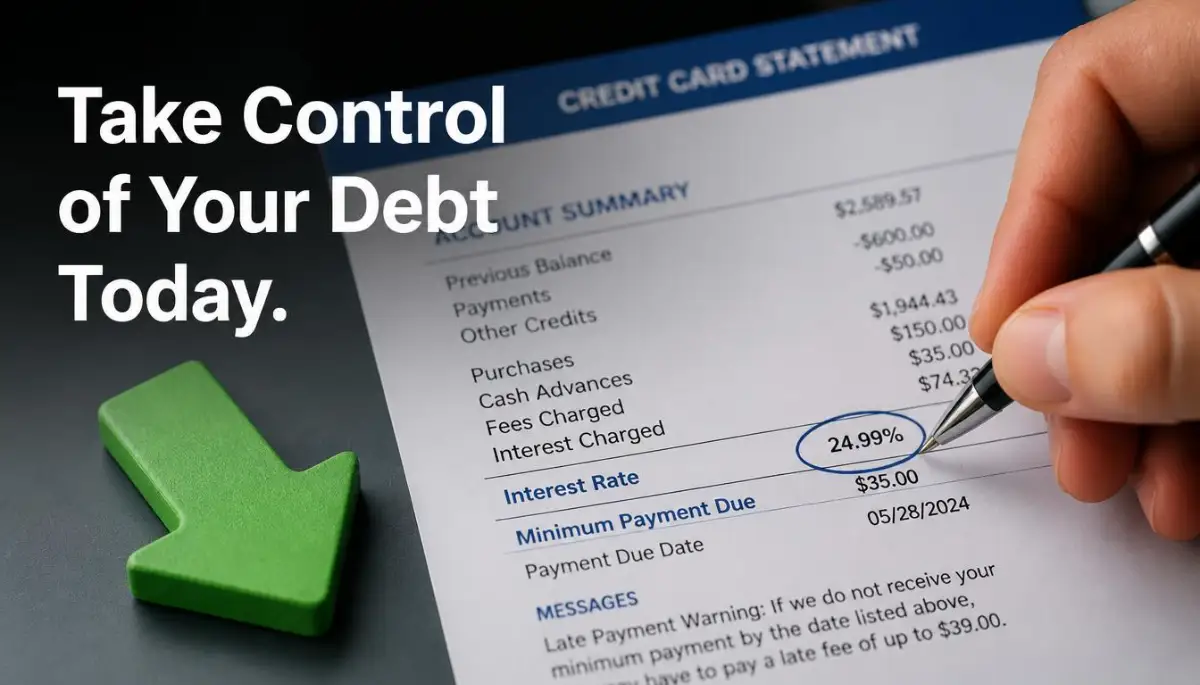
Getting Ready for the Big Conversation
Before you pick up the phone, you need to have your facts straight. I made the mistake of calling my bank without any notes the first time, and they shut me down in minutes. I felt defeated, but I learned my lesson.
⚡ Quick Summary: How to Win the Rate Game
- Leverage is Key: Never call without a competitor’s offer in your hand.
- Talk to the Right People: Standard support agents can’t help you; always ask for the Retention Department.
- The Power of 30 Points: Improving your credit score by just a small margin can save you thousands in interest over a year.
- Audit Regularly: Set a calendar reminder to negotiate your rates every 6 months—loyalty should be rewarded, not taxed.
You need to know exactly what you owe and what your current interest rates are. Write these numbers down on a piece of paper. Having the data in front of you makes you feel more in control of the situation.
It also helps to check your credit score. If your score has improved since you first got the loan, you have a very strong reason to ask for a better rate. Banks love keeping customers who are getting better at managing their money.
Pro Tip: I used to think I had to wait for the bank to offer me a better deal. I eventually realized that they will never just give you a lower rate out of the goodness of their hearts. You have to be the one to ask, and asking is much easier when you have another offer from a different bank to mention.
Understanding Why Banks Might Say Yes
Myth vs. Reality: What the Banks Don't Tell You
| The Myth | The Reality |
| :--- | :--- |
| Rates are set by a computer and can't change. | Retention agents have the manual override power to drop rates by 5-10% instantly. |
| You need a perfect 800 credit score to negotiate. | Even a "fair" score of 650 is enough if you have a history of on-time payments. |
| Asking for a lower rate makes you look desperate. | Asking for a lower rate makes you look like a savvy customer who knows their market value. |
You might wonder why a bank would ever agree to take less money from you. It seems like a bad deal for them, right? Actually, it is a smart business move for them in many cases.
Banks spend a lot of money trying to find new customers. It is much cheaper for them to keep you as a customer than to find someone to replace you. If you leave for another bank, they lose a steady stream of income.
Also, the risk of you "defaulting" (not paying at all) is a big fear for creditors. If they lower your rate and it helps you keep making payments, they win in the long run. They would rather have 15% interest coming in than 0% because you went bankrupt.
Understanding this balance of power changed my mindset. I stopped feeling like a beggar asking for a favor. I started feeling like a customer negotiating a business contract.
The Step-by-Step Way to Lower Your Rates
Step 1: Look at Your Current Financial Map
The first thing you must do is gather every single bill you have. Look at the interest rate on each one. You might be surprised at how high some of them actually are.
Highlight the ones with the highest rates first. These are the ones costing you the most money every single day. Focusing on the biggest "fire" first is the fastest way to save money.
Once you have your list, rank them from the highest interest rate to the lowest. This gives you a clear roadmap of who you need to call first. This preparation is the foundation of your success.
Step 2: Do Your Homework on the Competition
Banks hate losing customers to their competitors. Before I called my credit card company, I looked at what other banks were offering. I found three different cards that had much lower rates for new customers.
I wrote these names and their rates down. This was my "leverage." When you can say, "Bank B is offering me a 12% rate, why should I stay with you at 22%?" they start to listen.
It shows the bank that you are an informed consumer. It shows them that you have options and you aren't afraid to use them. This one step alone can make your negotiation much more effective.
Step 3: Finding the Right Person to Talk To
When you call the number on the back of your card, you usually get a front-line customer service agent. These people are very nice, but they often don't have the power to change your rate.
I learned that I needed to speak to the "Retention Department" or the "Account Manager." These are the people whose job is to keep you from leaving the bank. They have special tools and offers that the regular agents don't.
If the first person says no, don't get angry. Just ask politely to speak with someone in the retention department. Being kind but firm is the secret to getting through the door.
Step 4: Using a Simple and Effective Script
You don't need to be a smooth talker to win this battle. I used a very simple script that I kept on a sticky note. I would say, "Hi, I've been a loyal customer for three years, but my interest rate is a bit high."
My 30-Second "Power Move" Script
If the first agent says "no," don't hang up. Use this specific line:
"I understand you might not have the authority to adjust this. However, I’ve been researching competitor offers and I’m considering a balance transfer. Could you please put me through to the account retention department before I make my final decision?"
Why this works: It uses the "churn" keyword, which triggers an alert in their system to keep you at any cost.
Then I would mention my good payment history. I would say, "I've noticed other banks are offering much lower rates. I would like to stay with you, but I need a lower rate to make that work."
Usually, there is a moment of silence while they check your account. Don't be afraid of the silence. Let them do their work and see what they can offer you.
How to talk to your bank like a pro and save thousands in interest payments.
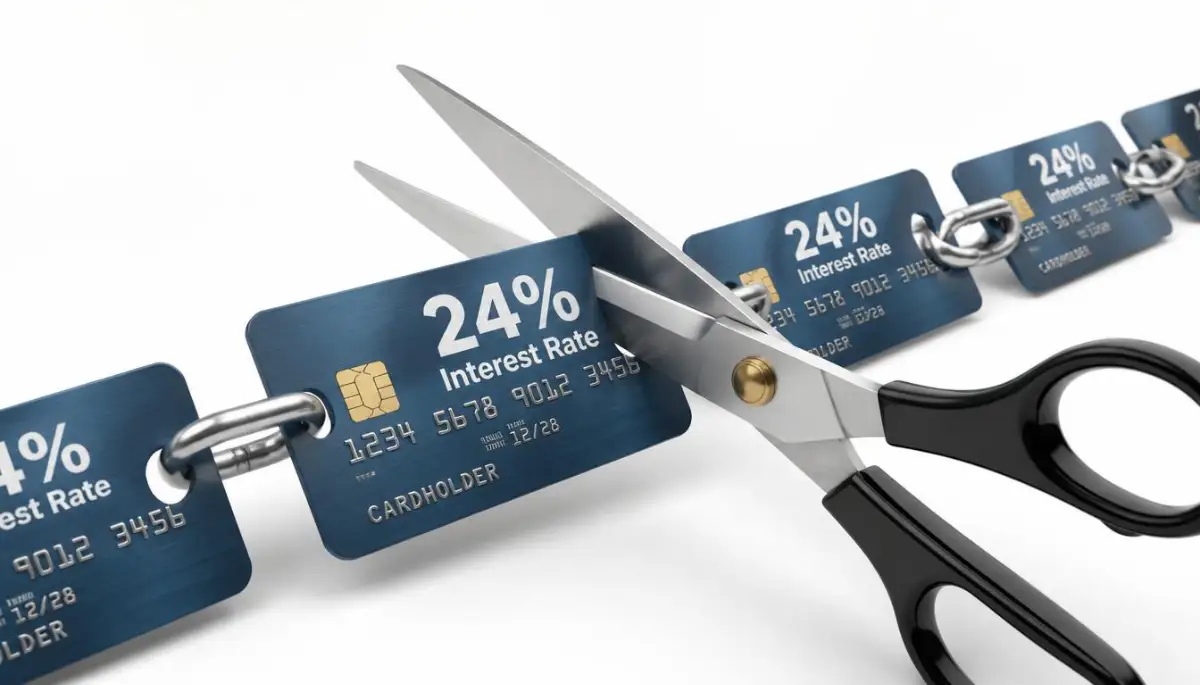
Step 5: How to Handle a "No"
Sometimes, the bank will tell you that there are no offers available for you. This is not the end of the road. It happened to me twice before I got my first "yes."
If they say no, ask them why. Is it because of your credit score? Is it because of your balance? Knowing the reason gives you a goal to work on for the next few months.
You can also ask if there are any "hardship programs" available. These are special plans for people who are struggling but want to keep paying. Often, these programs come with much lower interest rates for a set period.
Step 6: Confirm Everything in Writing
If they agree to lower your rate, don't just hang up and celebrate. Ask them to send you a confirmation email or a letter. You want to have proof of the new agreement.
Check your next statement very carefully to make sure the change was actually made. Sometimes mistakes happen in the system. Being detail-oriented ensures that your hard work actually pays off in your bank account.
I also like to ask if the new rate is permanent or just for a few months. Knowing the timeline helps you plan your budget for the future. No surprises are good surprises when it comes to money.
The Myth of the "Fixed" Interest Rate
Many people believe that the interest rate they got when they signed up is set in stone. This is one of the biggest myths in the world of finance. Most rates are actually very flexible.
I used to think that only "special" people got lower rates. But the truth is, the people who get lower rates are simply the ones who ask. The bank is a business, and everything in business is a negotiation.
Behind all of that are just people looking at spreadsheets. If you can show them that lowering your rate makes sense for the spreadsheet, they will do it.
Why Your Credit Score is Your Best Friend
Your credit score is like a grade for how you handle money. The higher your grade, the more the banks want to keep you happy. I spent six months focusing on raising my score by just 30 points.
That small increase gave me the confidence to call my creditors again. This time, their tone was completely different. They saw me as a "low-risk" customer, and they were much more willing to lower my rates.
If your score is low right now, don't lose hope. Even small steps like paying every bill on time for three months can start to move the needle. Your future self will thank you for the effort you put in today.
The Power of Loyalty in a Digital World
In a world where everyone is constantly switching brands, loyalty still matters to banks. If you have been with a bank for many years, use that to your advantage. Mention how long you have had your account.
I told my bank, "I have been with you since I opened my first checking account." That emotional connection can sometimes help the person on the other end of the phone want to help you more.
It reminds them that you are a real person with a history, not just a number on a screen. Human connection is still a powerful tool, even in the world of high finance.
The Psychological Benefit of Lower Rates
When I finally got my first interest rate reduction, it wasn't just about the money. It was the feeling of a "win." It felt like I finally had some control over my life again.
The stress that had been sitting on my shoulders for months started to lift. I felt more motivated to pay off the rest of my debt. Success breeds more success.
If you can save even $50 a month in interest, that is $600 a year. That is money that can go into your savings or help pay for your children's needs. Every little bit counts when you are building a better life.
Comparison: High Interest vs. Low Interest Over Time
This simple table shows just how much power a lower rate has. That $4,100 is enough to buy a used car or start a solid emergency fund. Seeing the math clearly helped me stay focused during my calls.
Final Preparation Tips Before You Call
Pick a time when you are calm and not in a rush. If you are stressed, it will show in your voice. I found that Tuesday mornings were the best time to call because the wait times were short.
Have a glass of water nearby and sit in a quiet room. You want to be able to hear every word the agent says. Take notes during the call so you don't forget any important details.
Remember, the person on the phone is just doing their job. Treat them with respect, and they are much more likely to go the extra mile for you. A little kindness goes a long way in negotiation.
Moving Toward a Debt-Free Future
Lowering your interest rate is just one piece of the puzzle, but it is a very big one. It makes every dollar you pay work harder for you. It speeds up your journey to being debt-free.
I started this journey feeling hopeless, but I ended it feeling empowered. You can do the same. It starts with one list, one research session, and one phone call.
Don't wait for the "perfect" time to start. The best time to save money was yesterday, but the second-best time is right now. You have the tools and the plan, now it's time to take action.
Taking Your Negotiation Skills to a Professional Level
Once I got my first small win, I realized that lowering my interest rates was just the start. I wanted to know how the pros did it. I wanted to see if I could get my rates even lower than what the customer service agent first offered.
I started reading about how credit systems work behind the scenes. It turns out, there are hidden levels of negotiation that most people never try. You have more power than you think if you know how to use it.
One secret I learned is the power of "Goodwill." If you have been a good customer for a long time, you can ask for a "Goodwill Adjustment." This isn't just about rates; it's about the bank recognizing your loyalty.
I once called my bank and spoke to a supervisor about this. I didn't just ask for a lower rate because I wanted to save money. I told them I was looking at why first-time personal loans fail and I didn't want to be in that position.
The supervisor was impressed that I was being so proactive. They actually gave me a temporary 0% interest rate for six months. That one phone call saved me hundreds of dollars in interest alone.
Another advanced trick is to look into "Credit Unions." These are different from big national banks. They are owned by their members, so they often have much lower interest rates to begin with.
I found that by moving some of my debt to a local credit union, I could save a lot. Sometimes, you can use a credit union's lower rate as a tool to get your big bank to match it. You can tell your bank, "My local credit union offered me 8%, can you beat that?"
You should also keep an eye on the National Credit Union Administration website. They have great resources on how these institutions work for the average person. It helped me understand that I didn't have to stay with a big bank that didn't value me.
The Secret Strategy of "Balance Transfer" Surfing
Many people are scared of balance transfers, but if you are smart, they are a powerful tool. I used a 0% interest balance transfer card to pay off my high-interest debt much faster. This moved my debt from a 22% interest hole to a 0% interest shelf for 18 months.
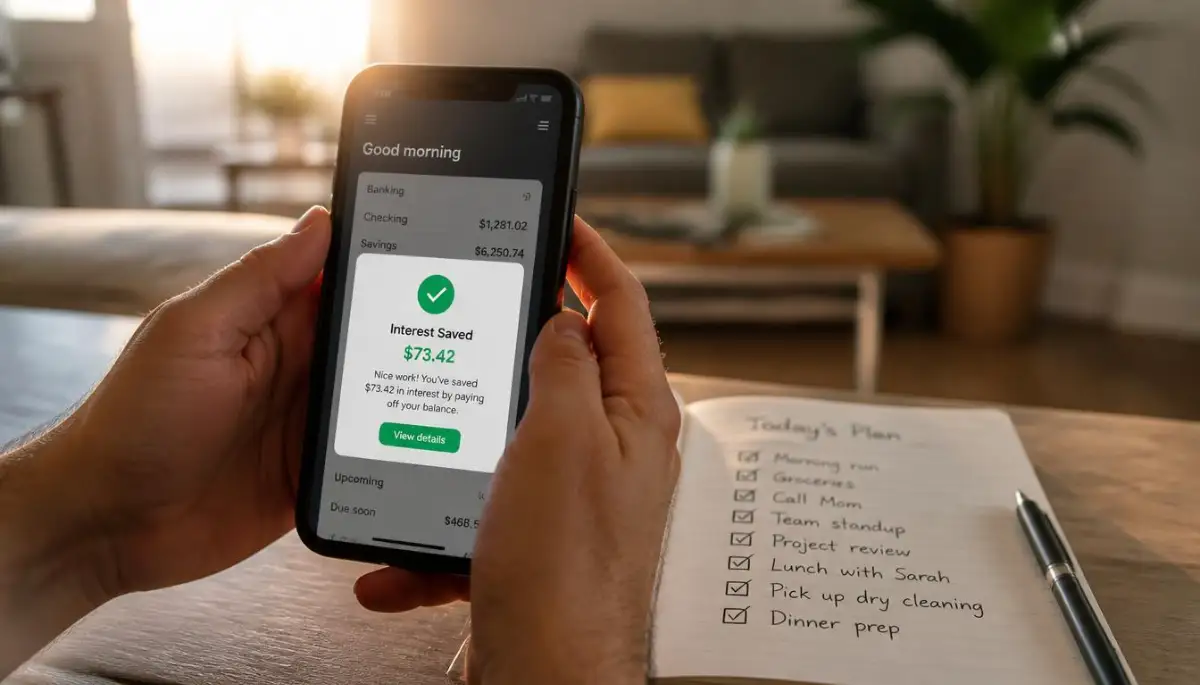
During those 18 months, every single penny I paid went toward the actual balance. It felt amazing to see the numbers go down so quickly. But you have to be very careful with the fees.
Make sure the transfer fee is lower than the interest you would pay otherwise. Usually, a 3% fee is worth it if you are paying 20% interest. This is a math game that you can definitely win.
Staying Ahead with a Solid Game Plan
To keep your rates low for the long term, you need to be consistent. I set a reminder on my phone to check my interest rates every six months. If my credit score went up, I made another round of phone calls.
It is like a routine check-up for your money. You wouldn't skip a doctor's visit, so don't skip your financial check-up. This habit keeps the banks on their toes.
I also learned to manage my "Credit Utilization Ratio." This is just a fancy way of saying how much of your limit you are using. I try to keep mine under 30% because that makes the bank see me as a safe bet.
When you are a safe bet, you have the most power to ask for lower rates. If you are struggling with irregular pay, you might find smart budgeting for self-employed pros very helpful. It taught me how to keep my payments steady even when my income wasn't.

The Traps That Can Ruin Your Progress
When I first started, I made some pretty big mistakes. I want to tell you about them so you don't have to go through the same pain. One of the biggest mistakes is losing your temper on the phone.
I remember one afternoon I was so frustrated with a bank agent that I started raising my voice. That was the quickest way to get a "no." The agent stopped wanting to help me and just wanted to end the call.
You have to remember that the person on the other end is a human being too. They have a boss and rules they have to follow. If you are kind and patient, they are much more likely to look for a special deal for you.
Another mistake is closing your oldest accounts once you pay them off. I thought I was doing something good by "cleaning up" my credit. But closing old accounts actually made my credit score drop!
The length of your credit history is very important to banks. If you close your oldest card, you look like a "newer" borrower to the computer. It is usually better to keep the account open but just not use the card.
The Danger of Ignoring the "Fine Print"
Sometimes a bank will offer you a lower rate, but they hide a "catch" in the agreement. I once accepted a lower rate only to find out it had a huge annual fee. I ended up paying more in fees than I saved in interest!
Always ask, "Is there a fee for this new rate?" and "What happens if I miss one payment?" Some "promotional" rates will jump back to a very high number if you are even one day late.
Being late is the fastest way to lose all your progress. It signals to the bank that you are a high-risk customer again. If you ever feel like you are being treated unfairly by a debt collector, check the Consumer Financial Protection Bureau for your rights.
I also learned the hard way about the unspoken risks of co-signing a personal loan. I once tried to help a family member, and it ended up hurting my ability to negotiate my own rates. Your credit is your personal power, so guard it carefully.
Don't Fall for the "Minimum Payment" Illusion
Banks love it when you only pay the minimum amount. It keeps you in debt for years and makes them a lot of money in interest. I call this the "Minimum Payment Trap."
When you negotiate a lower rate, use the money you saved to pay more than the minimum. If your interest goes down by $50, add that $50 to your principal payment. This is how you truly break the chains of debt.
If you just spend the extra money on something else, you aren't really getting ahead. You are just paying the bank a little less while staying in the same hole. The goal is to get out of the hole entirely.
The Fear of Getting Sued
One of the scariest things is when you can't pay at all and creditors start threatening legal action. I have been in that scary spot where I was afraid to open my mail. I was worried I might be served with a civil lawsuit at any moment.
If you reach this point, do not hide. Hiding makes everything worse. Most creditors would still rather talk to you than spend money on a lawyer to sue you.
Tell them your situation honestly. They might offer a "Settlement" where you pay a smaller amount all at once. This can be a life-saver if you have some cash saved up.
Just be aware that a settlement can show up on your credit report. But often, having the debt gone is better for your mental health than worrying about the score. You have to decide what is most important for your peace of mind.
Your Daily Action Plan for Financial Freedom
Getting lower rates is not a one-time event. It is a new way of living. I started looking at every dollar as a soldier in my army. I wanted my soldiers to work for me, not for the bank.
Every morning, I check my bank balance. This only takes two minutes, but it keeps me connected to my goals. It reminds me that I am the boss of my money.
I also started looking for safe emergency cash options that aren't predatory. Knowing where to get help in a pinch keeps me from making desperate choices. Payday loans are a trap that will kill your interest rate negotiation efforts instantly.
Building a Support System
You don't have to do this alone. I found that talking to a trusted friend about my goals made a huge difference. They held me accountable when I wanted to spend money on things I didn't need.
There are also non-profit credit counseling agencies that can help. The National Foundation for Credit Counseling is a great place to start. They can often negotiate on your behalf if you feel too overwhelmed to do it yourself.
I also found that managing stress was key. When I was stressed, I was more likely to ignore my bills. Learning how to deal with overcoming college burnout helped me apply the same focus to my finances.
The Power of "No"
Learning to say "no" to yourself is the ultimate advanced tip. I had to say no to new clothes, new gadgets, and expensive dinners for a while. It wasn't easy, but the feeling of seeing my interest rates drop was better than any new shirt.
Every time I said no to a small purchase, I felt like I was winning a battle. I was taking my power back from the consumer culture that wants us all to be in debt. You are more than your credit card balance.
This journey taught me that I am capable of hard things. It taught me that I can handle difficult conversations and come out on top. That confidence has helped me in every other part of my life too.
Your Bright Financial Future Starts Today
Taking control of your interest rates is one of the smartest things you will ever do. It is like giving yourself a raise without having to work more hours. That extra money belongs in your pocket, not the bank's vault.
I know it feels scary to pick up the phone. I know you might be worried about what they will say. But remember, the worst they can say is "no," and you are already at "no" if you don't call.
You have the script, the strategies, and the knowledge now. You know how to avoid the common traps and how to talk like a professional. You are ready to start this journey and win.
I truly believe that you can change your financial story starting right now. I have seen it happen for myself, and I have seen it happen for many others. Your debt does not define who you are or what your future will look like.
Take a deep breath, grab your notes, and make that first call today. I am so excited for you to feel the relief of that first interest rate drop. You've got this, and I am cheering you on every step of the way!
Common Questions About Lowering Interest Rates
Will asking for a lower interest rate hurt my credit score?
Simply asking for a lower rate does not hurt your credit score. If the bank does a "hard pull" on your credit to see if you qualify, it might drop your score by a few points for a short time. However, the money you save and the debt you pay off will help your score much more in the long run.
What is the best time of the month to call my creditors?
I have found that calling in the middle of the week, like a Tuesday or Wednesday morning, is best. The agents are usually less stressed than they are on Mondays or Fridays. This means they might have more patience to listen to your situation and help you out.
What if I have already missed a few payments?
Even if you have missed payments, you should still call. In fact, it is even more important to call then! Ask about "Hardship Programs" or "Repayment Plans." Banks would much rather help you get back on track than lose you as a customer entirely.
Can I negotiate a lower rate on a fixed-rate loan?
It is much harder to negotiate a fixed-rate loan like a mortgage or an auto loan. However, you can often "Refinance" those loans. This means getting a new loan with a lower rate to pay off the old one. It is basically the same thing as negotiating, just with a different name.
Disclaimer: This article is for informational purposes only and does not constitute professional financial or legal advice. Interest rate negotiation results can vary based on individual credit history and lender policies. Always consult with a certified financial advisor before making major financial decisions.