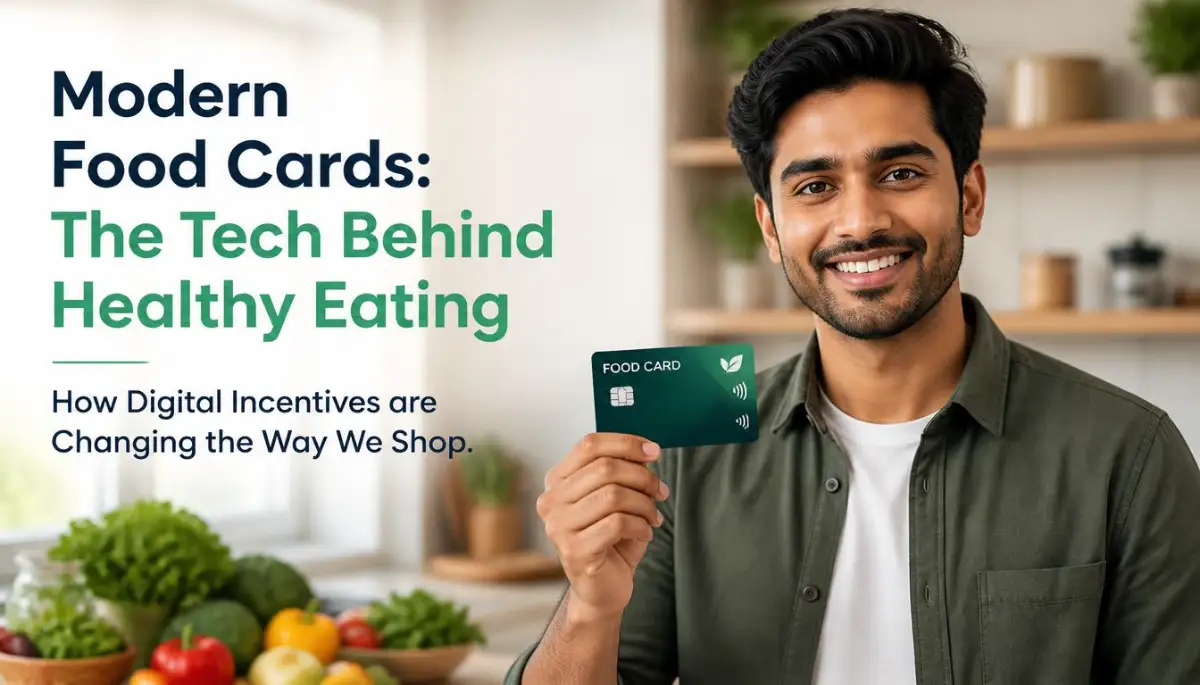
The Frustrating Choice Between Price and Health
Ever feel like the grocery store is a battlefield where your health always loses to your bank account? You want the fresh salad, but the price tag keeps pointing you toward the cheap noodles. I’ve spent way too many trips staring at my balance, trying to make the numbers work. But here is the good news: technology is finally fixing this. Your basic food card is getting a massive 'brain' upgrade, and I’m going to show you how to use it to fill your fridge with the good stuff for half the price.
I have spent many nights staring at my bank balance, wondering why eating healthy feels like a luxury reserved for the rich. It’s a silent struggle that millions of us face every single day. You want to do better for your family. You want to put fresh fruit on the table. But when the numbers don't add up at the checkout counter, the stress is almost too much to handle. It’s not just about food; it’s about the mental weight of feeling like you can't provide the best.
The New Way Technology Fights Hunger
For a long time, food assistance was just about a dollar amount. You got a certain amount of money, and that was it. But now, things are changing behind the scenes. We are seeing a massive shift in how food cards actually work. They are no longer just "plastic money." They are becoming smart tools that understand what you are buying.
### Quick Wins: How to Master Your Smart Food Card
Before we dive into the tech, here are the four things you need to do right now:
- Download the App: Your card's official app is where the real money is tracked.
- Check for 'Stacking': You can often use store coupons alongside your card’s built-in rewards.
- Sync on Sundays: Update your app once a week to see new store partnerships.
- Watch the SKU: Ensure you are picking items that the digital system recognizes for discounts.
Modern food card systems are now being built with special software. This software can talk to the grocery store's computer in a split second. When you swipe your card, the system looks at your basket. If it sees healthy items like fruits and vegetables, it can instantly trigger a "nutritional incentive." This means the tech itself is helping you afford the good stuff without you having to carry extra paper coupons.
I used to think this kind of thing was impossible. I thought it would take hours for a computer to figure out what was in my cart. But the speed of today's systems is truly amazing. It happens faster than you can blink. This integration is the bridge between a hungry family and a healthy meal.
To help you understand how much things have changed, let’s clear up some common confusion:
Making the "Secret Handshake" Between Cards and Scanners Work
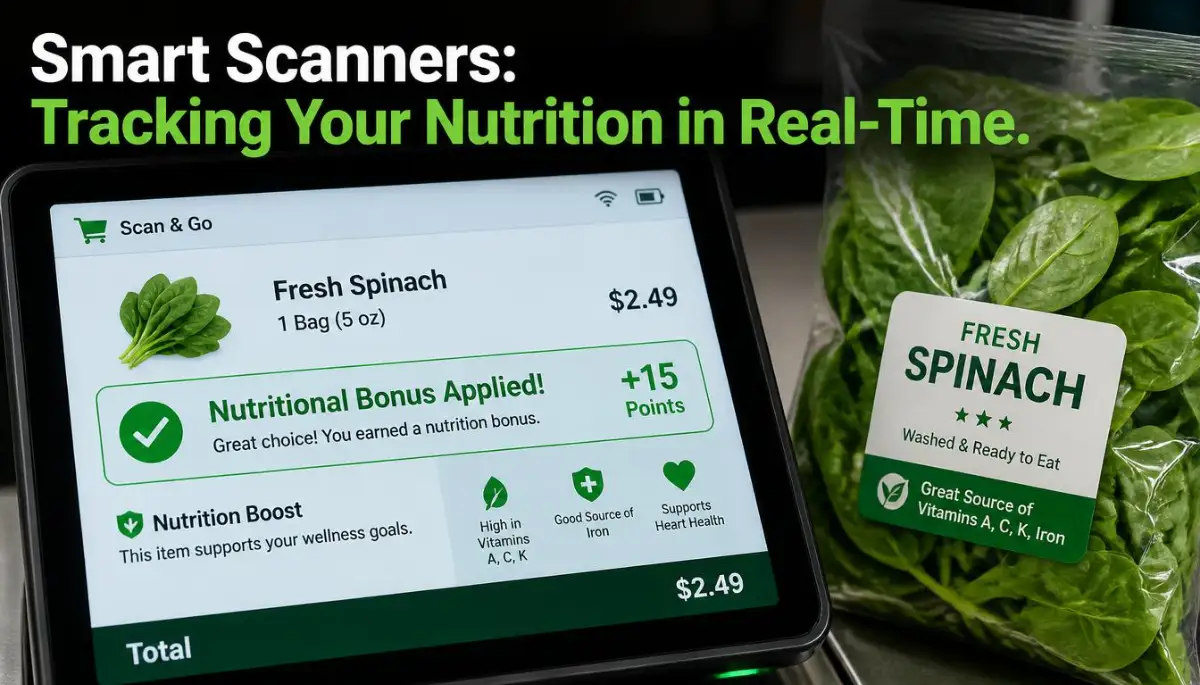
The way these programs get onto your card isn't magic, but it is very clever. It starts with something called API integration. Think of an API as a translator. The government or a non-profit has a program that says, "If someone buys carrots, give them a dollar back." The grocery store's scanner needs to understand that rule.
The integration happens when the food card company connects their database with the retailer's Point of Sale (POS) system. When you scan a bunch of bananas, the POS system sends a tiny bit of data to the card provider. The card provider's system recognizes the bananas and sends back a "Yes" signal. This signal tells the register to reduce the price or add a credit to your card for your next trip.
This process removes all the embarrassment of using old-fashioned paper vouchers. No one in line knows you are getting a healthy food discount. It just looks like a regular card transaction. This keeps your dignity intact while making sure you get the most value for your money.
Real-Time Balance Updates and Why They Matter
One of the biggest hurdles I faced in the past was not knowing how much "extra" money I had for healthy food. Old systems were slow. You might get a credit, but you wouldn't see it for days. Modern technology has fixed this by using real-time data processing.
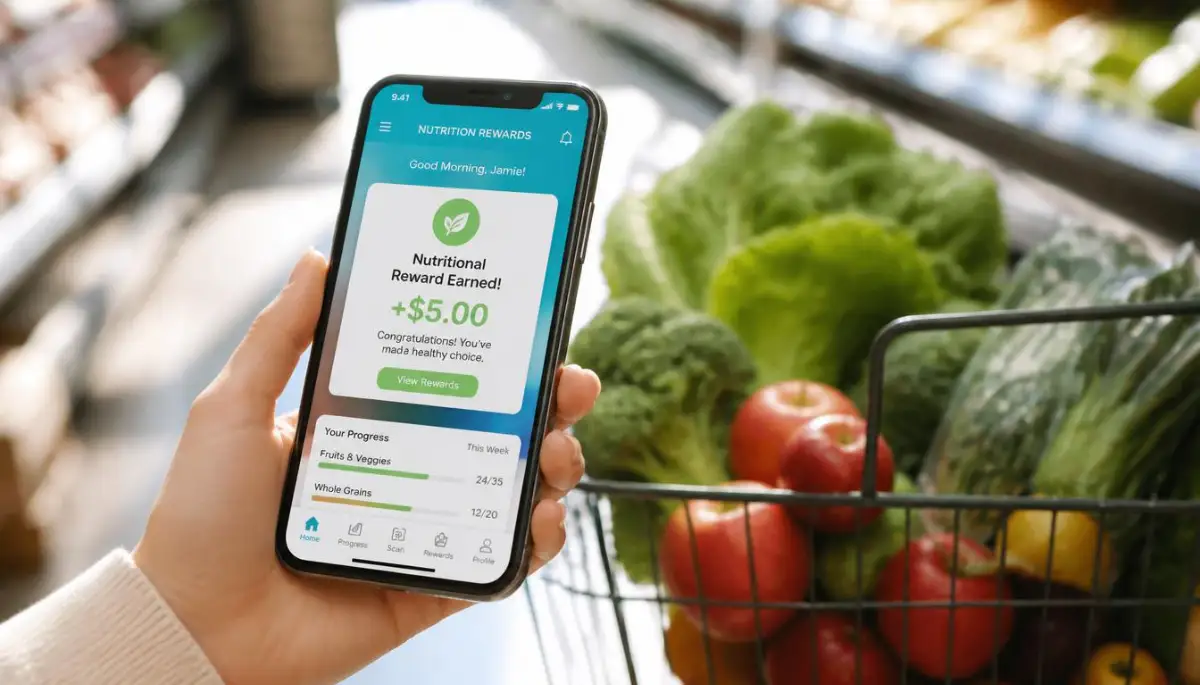
Now, as soon as you finish your transaction, your mobile app updates. You can see exactly how many "incentive points" or "bonus dollars" you earned right there on your phone screen. This instant feedback is so helpful. It makes you feel like you are winning a game where the prize is your health.
If you want to see exactly how these smart scanners work in a real store, this short video shows the process from start to finish. It’s a great way to visualize the tech we are talking about!
The Power of Automated Recognition Systems
The brain of this whole operation is something called SKU (Stock Keeping Unit) mapping. Every single item in a grocery store has a unique code. In the past, someone would have to manually check if an item qualified for a discount. That was slow and full of mistakes.
Today, these codes are programmed into a central "incentive engine." This engine knows that a specific code for organic spinach is eligible for a 50% discount. Because this is all automated, the retailers don't have to train their staff on every single program. The tech handles the hard work.
This automation is what allows small local markets to participate alongside giant supermarkets. Even a small shop with a basic internet connection can now hook into these nutritional programs. This means more people in rural areas can get the help they need without traveling miles to a big city.
Breaking Down the Barriers for Small Retailers
I used to worry that only the big, fancy stores would have this technology. I thought my local corner store would be left behind. However, modern cloud-based systems have changed that. Now, even a small tablet can act as a high-tech register.
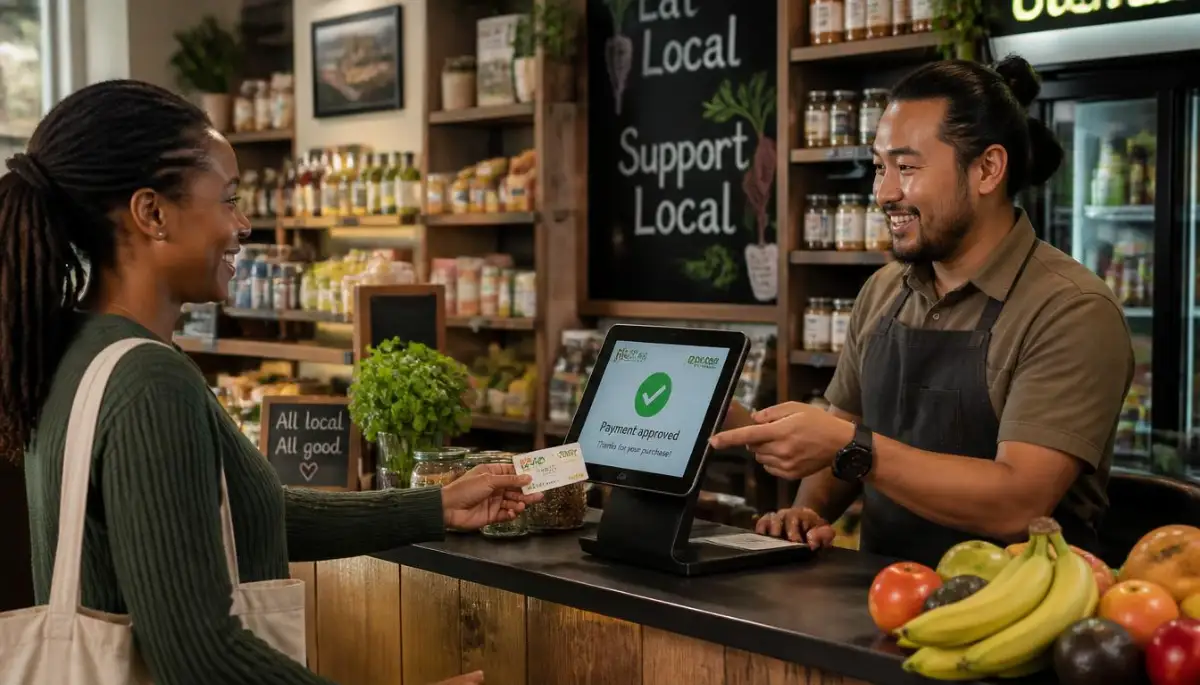
Software companies are creating "plug-and-play" modules for these incentives. A shop owner just has to download an update, and suddenly, they can accept healthy food rewards. This is a huge step for community health. It brings the technology to the people, rather than making the people go to the technology.
This also helps the local economy. When a small store can offer these discounts, they get more customers. The customers get better food, and the store stays in business. It is a win-win situation driven entirely by smart integration.
The Role of Mobile Apps in Nutrition Tracking
The card in your pocket is only half of the story. The other half is the app on your phone. Most modern food card programs now come with a dedicated app. This app acts as your personal health dashboard.
These apps do more than just show your balance. They often include maps of stores that offer the best incentives. Some even suggest recipes based on the healthy food you just bought. I find this so helpful because sometimes I buy a vegetable I've never used before just because it was on sale.
Having that information in your pocket takes away the "what do I do with this?" feeling. It turns a simple food card into a complete nutrition system. It’s like having a tiny nutritionist living in your phone, helping you make the best choices for your family.
Overcoming Data Privacy Concerns
A lot of people ask me, "Isn't it weird that the system knows what I'm buying?" That is a fair question. Privacy is a big deal. The people building these systems know that, so they use high-level encryption.
When the data travels from the store to the card company, your personal name is usually hidden. The system only sees a card number and a list of items. It doesn't care who you are; it only cares that you are buying something healthy. This keeps your shopping habits private while still giving you the rewards.
Knowing that my data is safe makes me feel much more comfortable using these programs. I can focus on picking out the best tomatoes instead of worrying about who is watching my cart. The tech is designed to help us, not to spy on us.
My Realization About Digital Rewards
Step-by-Step Guide to Maximizing Your Card's Tech
To get the most out of these integrated systems, you need to know a few simple tricks. Even though the tech is smart, a little bit of knowledge goes a long way.
Find the "Incentive Hubs" in Your Area
Not every store uses the same software yet. Use your card's official app to find stores labeled as "Healthy Incentive Partners." These stores have already updated their POS systems to talk to your card.
Scan Before You Pay
Some stores have kiosks where you can scan your card before you even start shopping. This can sometimes unlock "hidden" coupons that the system prepares just for you. It takes thirty seconds and can save you five dollars or more.
Watch the Receipts
Most integrated systems will print your "Incentive Balance" at the bottom of your receipt. I always make it a habit to check this before I leave the store. If the numbers look wrong, it might mean the store's scanner needs an update, and you can let the manager know.
Sync Your Mobile App Weekly
The software on your phone needs to stay updated to show the latest store list and reward amounts. I usually check mine every Monday morning while I'm having my coffee. It helps me plan my shopping trip around the best deals.
Why This Tech is the Future of Food Security
We are moving away from a world of "one size fits all" assistance. The integration of nutritional incentives is moving us toward "precision nutrition." This means the help you get is tailored to what you actually need to stay healthy.
As the software gets better, we might see even more amazing features. Imagine a card that gives you a bonus for buying food that is in season, or a card that helps you manage a specific health condition like diabetes. The foundation for all of this is being built right now through these integrations.
This isn't just about saving a few dollars at the checkout. It's about changing the health of entire generations. When tech makes it easy to choose an apple over a candy bar, everybody wins. The struggle I felt in that grocery aisle years ago is slowly becoming a thing of the past.
Common Tech Issues and How to Solve Them
Sometimes, technology has hiccups. Your card might not "trigger" the discount even if you bought the right items. Don't panic. Usually, this is just a temporary sync issue between the store's internet and the card's server.
If this happens to me, I usually just ask the cashier to try the card again. If that doesn't work, I keep my receipt and use the "report an issue" feature in my app. Most companies are very quick to fix these errors because they want the system to work perfectly for everyone.
Another common issue is "ghost balances." This is when your app shows a different amount than the store register. This usually happens because of a 15-minute delay in data travel. If you wait a little bit and refresh your app, the numbers usually match up.
The Impact on Community Health Programs
Non-profits are using this technology to launch "Double Up Food Bucks" and similar programs with very little overhead cost. Because the tech is already in the card, they don't have to print millions of vouchers. They can spend that money on more food for families instead.
This efficiency is huge. It means more of every dollar goes directly into someone's fridge. I've seen local health departments use this data to see which neighborhoods are buying more veggies. They can then use that info to open more farmer's markets in the areas that need them most.
The integration of these systems is creating a massive map of health. It’s helping leaders make better decisions about where to put resources. And it all starts with that simple "beep" at the grocery store scanner.
Final Thoughts on a Smarter Food Future
The journey from paper stamps to smart cards has been a long one. But we are finally in a place where technology is serving our most basic needs in a very human way. We are no longer just numbers in a system; we are people being rewarded for making healthy choices.
I feel much more confident now when I walk into a store. I know that my card is working behind the scenes to help me afford the best food possible. This tech integration is more than just code; it’s a helping hand for anyone who has ever felt the stress of a tight budget.
Keep using your card, keep checking your app, and keep choosing those fresh greens. The technology is there to support you every step of the way. We are living in a time where a smart card can truly lead to a healthier life.
Getting the Most Out of Your Smart Food Card
I have spent a lot of time testing these digital systems myself. I wanted to see how much money I could actually save by being smart with the technology. What I found was that most people only use about half of the features available on their modern food cards. They treat it like a basic debit card, which is a big mistake.
To really win at this, you need to think like a "power user." Modern food cards are linked to huge databases that update all the time. One of my favorite tricks is to shop early in the week when the software updates its "bonus lists." Many stores reset their incentive categories on Monday or Tuesday nights. If you shop right after the reset, you might find new rewards that weren't there on Sunday.
Managing these digital benefits is a lot like smart budgeting methods for self-employed pros with unstable income. You have to know what is coming in and what is going out. You can't just swipe and hope for the best. You need to keep a close eye on your app to see which stores are offering "double points" on specific days.
The Secret of Stacking Digital Rewards
Many people don't realize that you can actually combine different types of help. Your food card has its main balance, but it also has a "logic layer" for incentives. I found that I could use a store’s loyalty app alongside my food card’s nutritional program. The tech integration is now smart enough to handle both at the same time without crashing.
For example, if a store has a sale on broccoli, their loyalty app might take 50 cents off. Then, when you pay with your food card, the integrated nutritional program sees that you bought broccoli. It then adds a dollar back to your card for your next visit. You are basically getting paid to eat healthy. It feels like finding a hidden treasure in the middle of a grocery store.
I call this "Double Dipping," and it is completely legal and encouraged. The programs want you to buy these items. Using the technology to find these overlaps is how you can fill your fridge for half the price. It takes a little bit of practice, but once you see that balance go up, you will never go back to old-fashioned shopping.
Timing Your Trips with Cloud Updates
Everything today runs on the cloud, including your food benefits. When a government agency adds new money to an incentive program, it happens through a digital "handshake." I’ve noticed that these updates often happen during the middle of the night. I always check my app as soon as I wake up to see if any "bonus missions" have appeared.
Some newer programs use "gamification" to help you eat better. You might see a notification that says, "Buy $10 of fresh fruit this week and get $5 extra." These are limited-time offers programmed into the card's software. If you aren't checking the app, you are literally leaving money on the table. It is worth taking two minutes to look at your phone before you walk into the store.
Using these incentives is a great way to improve your health. It can even help you stay ahead of health issues, such as spotting the subtle signs of prediabetes. When the tech makes healthy food the cheapest option, your body will thank you later. I’ve seen my own energy levels change just by using these digital tools to buy better fuel for my body.
My Personal 'Secret Sauce' for Shopping:
I’ve found that the best way to trigger these rewards is to look for the 'Healthy Incentive' logo on the shelf tags. Don't just grab a bag of apples and hope for the best. Check the sticker! If the SKU on the sticker matches the one in your app, the discount hits your card the moment it’s scanned. I saved $12 last Tuesday just by switching from one brand of spinach to another that was 'system-verified.
Understanding the Data Behind Your Shopping
You might wonder how the card knows exactly what you are buying. It uses something called "Real-Time Eligibility Verification." The USDA Food and Nutrition Service sets rules for what counts as a healthy item. These rules are then turned into digital code that is sent to every grocery store scanner in the country.
When you scan a bag of carrots, the scanner checks that code against the master list. If the code matches a "healthy item" category, the incentive is applied instantly. This is a huge improvement over the old days of carrying around paper booklets. The technology does all the thinking so you can focus on picking the best produce.
Just as you might worry about privacy in other areas, like when you block smart tv tracking, it is good to know how your food data is used. Most of these programs only track the "type" of food to give you the discount. They aren't interested in your personal life. They just want to make sure the incentive money is going toward actual nutrition.
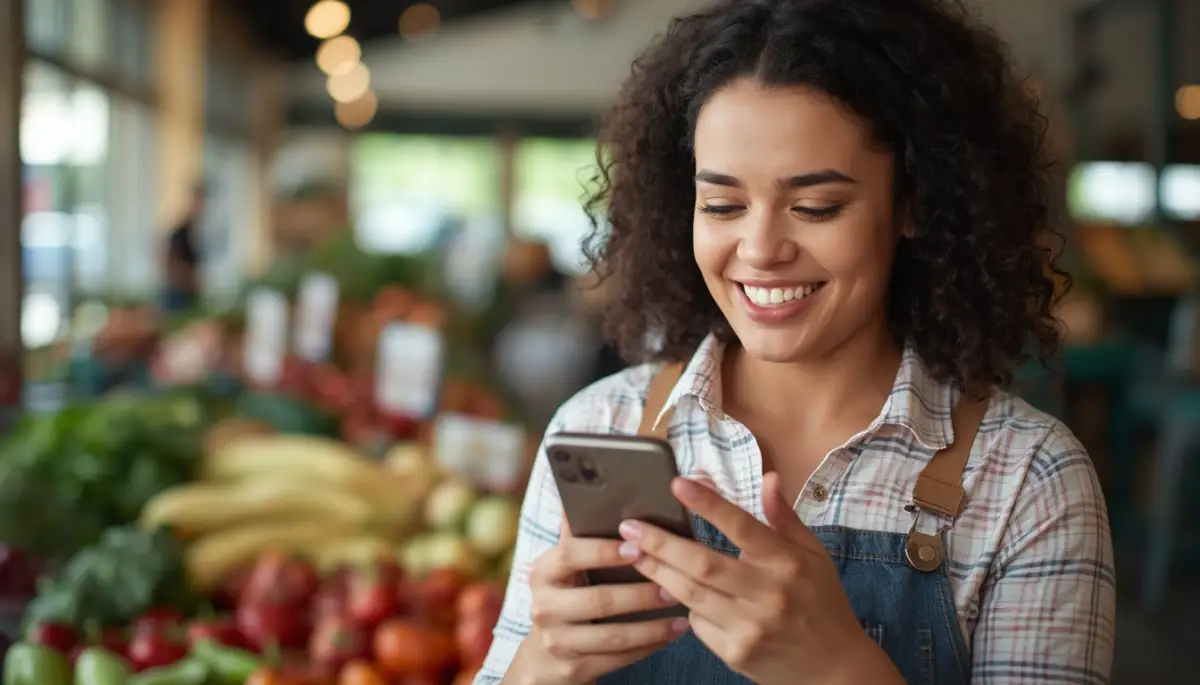
Avoiding the Pitfalls of Modern Food Card Tech
I have seen many people get frustrated when their card doesn't work the way they expected. It can be a very emotional moment when you are at the register and the discount doesn't show up. I have felt that hot flash of embarrassment myself. But usually, it is because of a simple mistake that is easy to avoid.
One of the biggest mistakes is ignoring the "Small Print" in the digital app. Some incentives only work if you buy a specific weight of an item. For example, the system might give you a reward for a 2-pound bag of apples but not for a single apple. The tech is very literal. It follows the code exactly as it is written. If you don't match the code, the computer won't give you the money.
Another common error is not checking the "Sync Status" of your card. Sometimes, if you haven't used your card in a few weeks, the local store's computer might not have the latest update for your specific card. I always suggest doing a "test scan" with one item if you are worried. This wakes up the system and makes sure the connection is strong before you try to pay for a whole cart of food.
The Pain of Missing Out on Updates
If you don't keep your mobile app updated, you might be using old information. I once went to a store thinking I would get a "Veggie Bonus," but the program had moved to a different store the week before. The technology moves fast, and the apps are the only way to keep up. It can feel like a punch in the stomach when you realize you could have saved twenty dollars if you had just clicked "update."
Don't let this happen to you. It takes a lot of mental energy to manage a tight budget. When the technology fails because of a simple update, it adds unnecessary stress to your life. I make it a habit to check for app updates every Sunday night. This keeps my shopping trips smooth and stress-free.
When rewards don't show up immediately, it can feel like the time your cryptocurrency transactions are pending. It feels like your money is stuck in thin air. But with food cards, it is almost always just a small delay in the store's internet. If the receipt doesn't show the reward, ask the clerk to wait a minute and refresh the screen. Usually, that is all it takes.
Don't Fall for the "Any Store" Trap
I used to think that every grocery store was the same. I thought if one store accepted my food card, they all handled the incentives the same way. That is not true at all. Some stores have much better tech integration than others.
Larger chains often have "Seamless Integration," where everything happens automatically. Smaller shops might require the cashier to press a special button to trigger the nutritional reward. If the cashier is new or hasn't been trained, they might skip that step. This is why I always speak up and politely ask, "Does the healthy food reward apply automatically here?"
Being a little bit vocal can save you a lot of money. If you stay silent and the tech doesn't trigger, you lose out on those benefits forever. You can't usually go back the next day and ask for the incentive after the transaction is closed. You have to be proactive in the moment to protect your budget.
Avoiding Scams and Protecting Your Digital Benefits
Because these cards now carry "bonus" money, they are targets for hackers. I have seen fake websites that look exactly like the official food card login page. They try to steal your PIN and your incentive balance. Always make sure you are using the official app from a trusted source like the Google Play Store or the Apple App Store.
Never give your card details to anyone over the phone. Real government or non-profit programs will never call you to ask for your PIN. Treat your food card like a gold bar. If you lose your digital access, it can take weeks to get it back, and you might miss out on a whole month of healthy food rewards.
If you are ever in a spot where your food card isn't enough, look for other safe ways to get help. I always tell people to look for local food banks or community gardens. It is much better than looking for safe emergency cash from payday loans which cost way too much and can lead to a debt trap. The goal is to use the technology to stay stable, not to go deeper into a hole.
Building a Brighter and Healthier Future
We have covered a lot of ground today. From the way APIs connect your card to the store, to the secret tips for stacking rewards, it is clear that the future of food is digital. These programs are not just about "handouts." They are about using smart technology to empower you to make better choices for yourself and your kids.
I feel so much more in control when I use these tools correctly. I no longer feel like a victim of high prices. I feel like a smart shopper who is using every bit of tech available to get ahead. You have that same power in your pocket right now. Your food card is a high-tech key that can unlock a whole new world of health and savings.
I want you to take a deep breath and realize that you are doing a great job. Managing a household is hard, but you are taking the steps to learn and grow. Start by checking your app today. See what rewards are waiting for you that you didn't know about yesterday. Every small win adds up to a much bigger, healthier life.
My Final Advice to You
I have seen how much stress a simple grocery trip can cause. I have been there, counting pennies in the checkout line. My biggest realization was that I didn't have to do it alone. The technology is designed to be your partner in this journey.
I truly believe that if you spend just ten minutes a week learning your card's digital features, your life will change. You will find more money for the things that matter. You will eat better, feel better, and sleep better at night. Take that first step today and see what your smart food card can really do for you!
Frequently Asked Questions About Food Card Incentives
How do I know if a specific fruit or vegetable qualifies for the incentive?
Most apps have a "Scan Item" feature. You can use your phone's camera to scan the barcode while you are in the aisle. The app will tell you immediately if that item will trigger a reward or a discount.
Can I use these digital incentives at farmer's markets?
Yes, many modern systems now work with mobile card readers at local markets. However, the tech at a farmer's market might be slightly different. You often have to go to a central "Information Booth" to swipe your card and get digital tokens or a specialized market card.
Why did my incentive balance disappear at the end of the month?
Some programs are "Use it or Lose it." The software is programmed to reset every 30 days to clear out old data. I always try to spend my "bonus" money by the 25th of the month to make sure I don't lose a single cent.
What should I do if the store scanner says my card is "not authorized" for an incentive?
First, check your internet connection on your phone. Sometimes the app needs to "refresh" to tell the store's computer that you are active. If that doesn't work, it usually means that specific store's software hasn't been updated yet. Try a different store on the "Partner List" in your app.
Is there a limit to how much incentive money I can earn?
Yes, most programs have a monthly "cap." This is written into the code to make sure the program can help as many people as possible. You can usually see your "Progress Bar" in the app to see how close you are to your monthly limit.
Disclaimer: This article is for informational purposes only and does not constitute financial, legal, or professional health advice. Nutritional incentive programs vary by location and are subject to change by the governing agencies and retail partners. Always check with your local benefits office or official program website for the most accurate and up-to-date information regarding your specific food card. We are not responsible for any technical issues, loss of benefits, or shopping errors resulting from the use of the tips provided in this post.