The Moment My Dream Vacation Turned Into a Heart-Breaking Lesson
I used to think I was too smart to get scammed. I’ve traveled to dozens of cities, but it only took one clever guy in Paris to prove me wrong. Within two minutes, I was 50 Euros poorer and felt like a total amateur. It’s a sick feeling in your stomach that ruins the sunset and the view. I’m sharing my story—and the specific tricks I’ve learned since—so you can keep your money in your pocket and your dignity intact. Let's make sure your next trip doesn't end with a 'hard-learned lesson' like mine did.
Suddenly, a friendly man walked up to me. He didn't look scary at all. He held a colorful piece of string and asked if I wanted a "friendship bracelet." Before I could even say no, he had grabbed my wrist.
He started braiding the string around my finger so tightly I couldn't pull away. I laughed it off at first, thinking it was just a local tradition. But then his friends surrounded me.
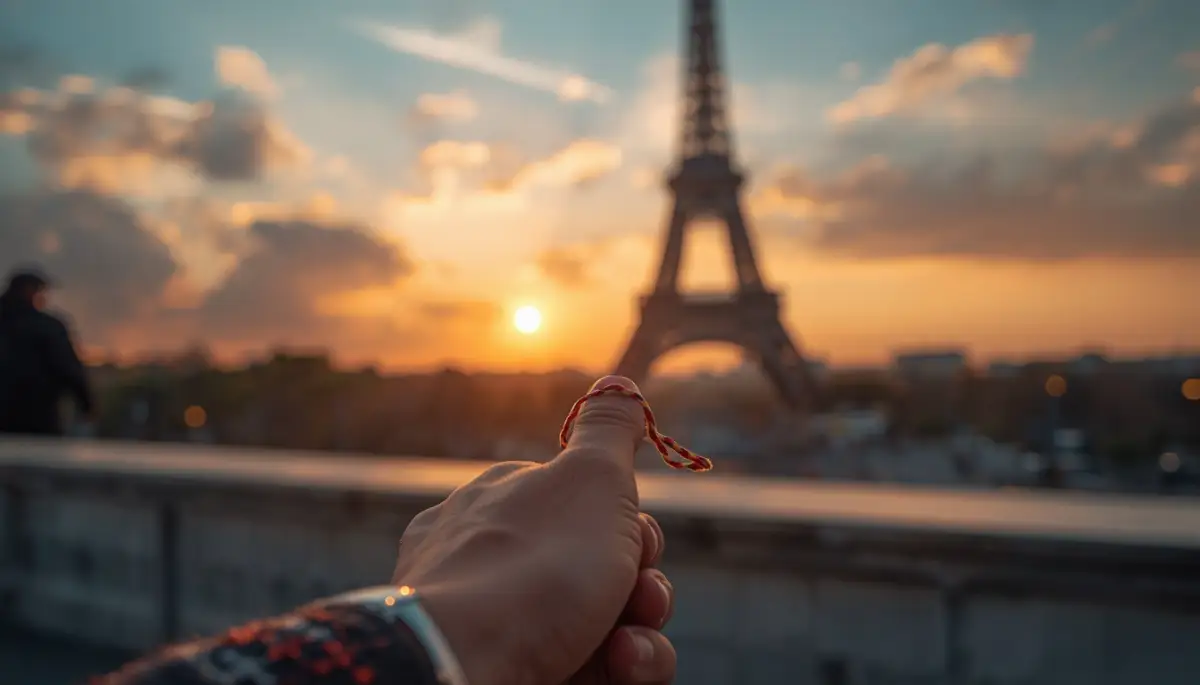
The mood changed instantly. He finished the bracelet and demanded fifty Euros. My heart started racing. I felt trapped, stupid, and very alone in a crowded place.
I ended up giving him the money just so I could leave. That "friendship" bracelet felt like a heavy chain on my wrist for the rest of the night.
That was the day I realized that being a "nice" tourist makes you a target. It wasn't about the fifty Euros anymore. It was about the fact that someone had used my kindness to rob me.
My trust was broken. For the next three days, I didn't want to talk to anyone. I stayed in my hotel room because I felt like the whole world was out to get me.
Why Getting Scammed Hurts More Than Just Your Wallet
When a scammer takes that from you, they take your peace of mind. It makes you feel small. You start to look at every local person with suspicion.
I have talked to many travelers who went through this. Some lost their phones, and some lost thousands of dollars to fake booking sites.
The mental stress is the worst part. You spend your nights wondering, "How could I be so dumb?" You stop enjoying the beautiful views because you are too busy clutching your bag.
It ruins the magic of travel. Instead of making friends, you are building walls. It makes you want to go home and never leave again.
But I am here to tell you that it doesn't have to stay that way. You can learn to see these tricks before they happen.
I spent months studying how these people work. I wanted to make sure no one else has to feel the way I felt that night in Paris.
You deserve to travel without fear. You deserve to explore the world and come back with only good memories, not stories of loss.
Let's look at the most common ways people try to trick us and how we can stop them in their tracks.
| Common Myth | The Brutal Reality |
| :--- | :--- |
| "I'll know a scammer when I see one." | Scammers are often the best-dressed, most helpful people you'll meet. |
| "Scammers only target rich people." | They target anyone who looks distracted or is being too polite. |
| "Police will always help me if I'm robbed." | In many tourist hubs, police are overwhelmed and can only give you a report for insurance. |
| "The most dangerous areas are back alleys." | Most scams happen in broad daylight right in front of world-famous landmarks. |
Understanding the "Distraction" Game: How Street Scams Work
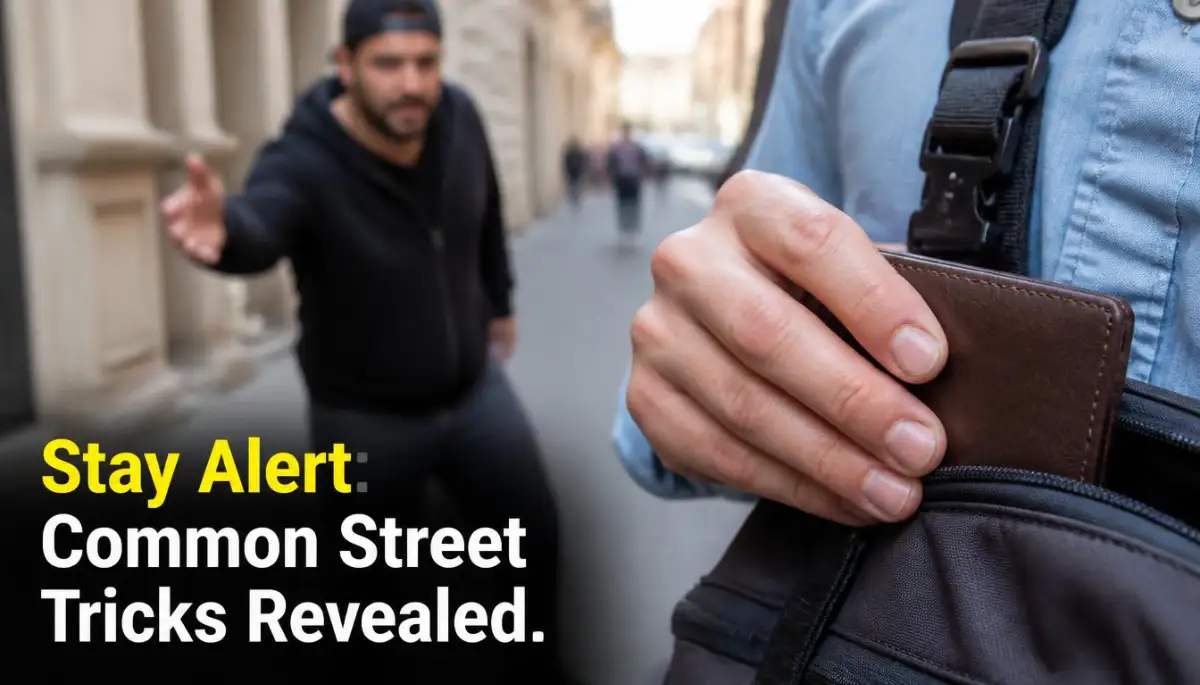
Most street scams rely on one thing: getting your eyes off your belongings. These people are like magicians. They make you look at one hand while the other hand is in your pocket.
### Cheat Sheet: How to Stay One Step Ahead
- Trust Your Gut: If a stranger is being 'too helpful' for no reason, they probably want something from you.
- The 5-Second Rule: Never let anyone touch your person or your belongings for more than 5 seconds (bracelets, cleaning stains, etc.).
- Tech is Your Friend: Use a VPN for Wi-Fi and always shake the ATM card reader before inserting your card.
- Be Proudly 'Rude': It is better to feel awkward for ignoring someone than to lose your travel budget in 2 minutes."
One of the most common tricks is the "Spill on Your Shirt" scam. You might be walking down a busy street, and suddenly, someone bumps into you.
They will point out that there is mustard or bird poop on your jacket. They act very sorry and start "helping" you clean it off with a tissue.
While you are looking at the mess on your shirt, their partner is quietly taking your wallet or phone. They are so fast you won't feel a thing until they are long gone.
Another trick is the "Dropped Ring" scam. Someone will walk in front of you and pretend to find a gold ring on the ground.
They will ask if it belongs to you. When you say no, they will tell you it must be worth a lot of money and offer to sell it to you for a "cheap" price.
Of course, the ring is just painted plastic. They take your real cash, and you are left with a piece of junk.
I once saw this happen to an elderly couple in Rome. It broke my heart to see them hand over their dinner money for a fake ring.
Pro Tip:
I have learned that the best way to handle these situations is to never let a stranger touch you or your clothes. If someone tries to "help" you clean something, just say "No, thank you" loudly and keep walking. I always keep my most important items in a hidden pouch under my clothes now. It gives me so much peace of mind knowing my passport isn't in a pocket someone can reach.
The Secret Science of ATM Skimming and How to Stay Safe
Scams aren't always about people talking to you. Sometimes, they are silent and technical. ATM skimming is a big problem that many travelers don't understand.
A skimmer is a small device that fits over the real card slot of an ATM. It looks exactly like the machine.
When you slide your card in, the device reads the magnetic strip. At the same time, a tiny hidden camera records you typing your PIN.
Within minutes, these criminals can have a copy of your card and your code. They can empty your bank account while you are sleeping in your hotel.
Science tells us that these devices are getting smaller and harder to see. But there are ways to beat them.
Always look for machines inside a real bank. Those are much harder for criminals to mess with because of the heavy security and cameras.
If you must use an ATM on the street, give the card reader a little shake. If it feels loose or looks "extra thick," do not use it.
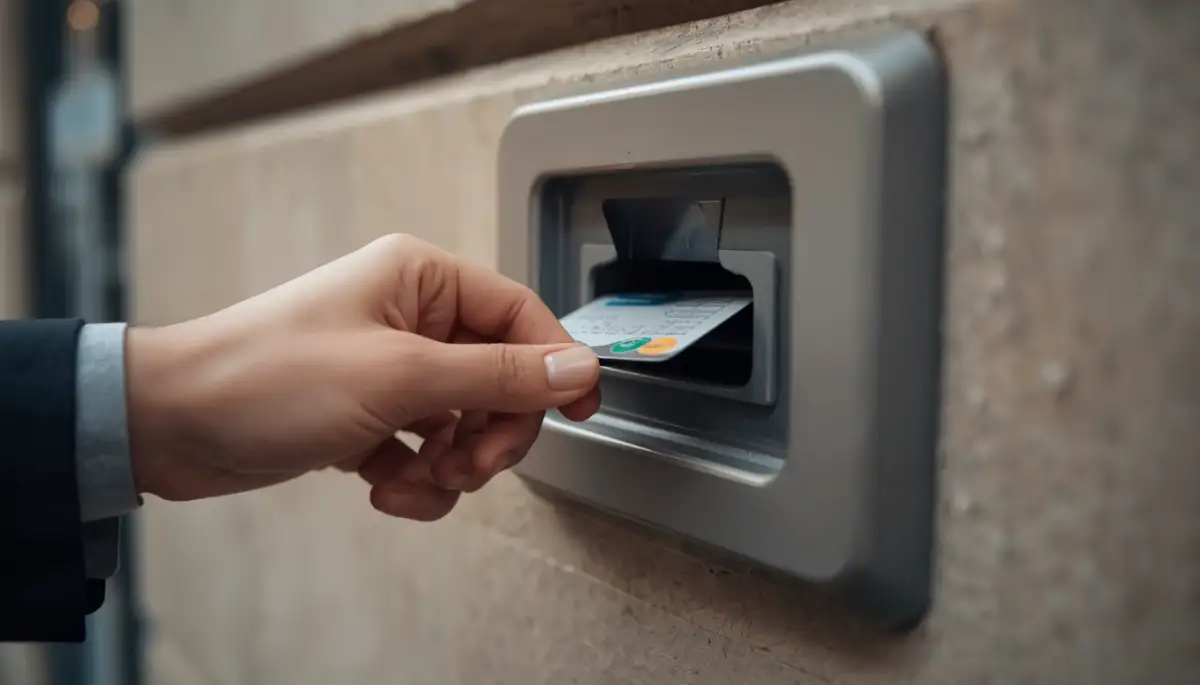
Also, always cover your hand when you type your PIN. Even if there is no one around, a hidden camera could be watching from above.
This simple habit has saved me from losing my entire travel budget more than once. It is a small step that makes a huge difference.
Why Your Taxi Driver Might Be Your Biggest Risk
We often trust taxi drivers because they are "professionals." But in many cities, the taxi scam is the most common trick of all.
The most basic version is the "Broken Meter." You get in the car, and the driver tells you the meter isn't working today.
He will promise you a "good price." But when you reach your hotel, that price is suddenly three times what it should be.
If you argue, he might get angry or refuse to give you your luggage from the trunk. It is a scary situation to be in.
Another trick is the "Long Way Around." The driver knows you don't know the city. He will drive in circles to make the meter go higher.
To avoid this, I always use a map app on my phone. I let the driver see that I am following the route.
It shows him that I know where I am going. Usually, they won't try to trick you if they think you are a smart traveler.
My Personal 'Anti-Scam' Digital Toolkit:
I never leave my hotel without these three things set up on my phone. They have saved me more times than I can count:
- Google Maps (Offline Mode): I download the city map so I can track my taxi driver even if I don't have a local SIM card.
- NordVPN or TunnelBear: I turn this on the second I connect to any airport or cafe Wi-Fi. It keeps my bank passwords invisible.
- TripWhistle Global SOS: This app gives you the emergency numbers (Police, Fire, Ambulance) for every country in the world with one tap.
Before you get in any taxi, ask: "Is the meter working?" if they say no, just walk away and find another car.
Learn how to spot a fake taxi and stay safe with this expert guide!
The "Closed Hotel" Scam: A Trap for Tired Travelers
Imagine arriving in a new city after a ten-hour flight. You are tired, hungry, and just want to lie down.
You tell your driver the name of your hotel. He shakes his head and says, "Oh, that hotel is closed for repairs," or "That hotel burned down last week."
Then, he offers to take you to a "much better" hotel that belongs to his "cousin." This new hotel is usually far away and very expensive.
The truth is, your original hotel is perfectly fine. The driver just wants a commission for bringing a guest to the other place.
I almost fell for this in India. My driver told me my hostel was in a "dangerous area" and was shut down by the police.
I felt a moment of panic. But then I remembered my research. I told him to take me there anyway so I could see for myself.
Guess what? The hostel was open, busy, and perfectly safe. The driver just walked away without saying another word.
Always call your hotel ahead of time if you are worried. Or, better yet, have their address and phone number written down on a piece of paper.
Don't let a stranger change your plans based on a story that sounds too bad to be true. Usually, it is a lie.
The Hidden Danger of Public Wi-Fi and Digital Thieves
We all love free Wi-Fi. It helps us post photos and check our emails. But hackers love it even more.
When you connect to a "Free Airport Wi-Fi" that doesn't have a password, you are opening your digital door.
A hacker can sit in the corner and see everything you do. They can see your login details for your bank or your social media.
They use a technique called "Man-in-the-Middle" attacks. Basically, they intercept the data between your phone and the internet.
It is like someone reading your mail before it gets to your house. Most people don't even know it is happening.
If you must use public Wi-Fi, never log into your bank or use your credit card. Use your mobile data for those things instead.
I also use a Virtual Private Network (VPN). It encrypts my data so even if a hacker sees it, they can't read it.
It is like putting your mail in a locked box that only you have the key for. It is a small cost for a lot of safety.
Digital scams are growing every day. Being smart about your data is just as important as watching your wallet on the street.
The "Fake Police" Trick: Using Authority to Steal
This is one of the most frightening scams because it plays on our respect for the law. In some countries, men in uniforms will stop you.
They might show a badge that looks real. They will say they are looking for "counterfeit money" or checking for "drugs."
They will ask to see your wallet and your passport. While they "inspect" your cash, they skillfully hide a few large bills.
When they give the wallet back, you might not notice anything is missing until you try to pay for dinner later.
Real police officers will almost never ask to see your cash in the middle of the street. It just doesn't happen in a professional way.
If someone stops you like this, stay calm. Ask to see their identification clearly. Tell them you will happily go with them to the nearest police station.
Usually, a scammer will leave you alone the moment you suggest going to a real police station. They don't want to get caught.
Never hand over your wallet to anyone on the street, even if they look like they are in charge. Safety comes first.
How Social Pressure Makes You a Victim
Scammers are experts in psychology. They know that most people are polite and don't want to cause a scene.
They use this against you. They talk fast, they stand close, and they create a sense of "emergency."
Think about the "Helpful Local" who sees you struggling with a ticket machine at the train station. They push some buttons for you and then ask for a tip.
You feel like you owe them because they "helped." But they didn't really do anything you couldn't do yourself.
They are creating a "debt" in your mind. This is a very common way to get small amounts of money from thousands of people.
It is okay to be "rude" if it means staying safe. You don't have to talk to everyone who says hello.
I used to feel bad for ignoring people. But after being tricked, I realized that my safety is more important than being seen as "nice" by a stranger.
Trust your gut feeling. If a situation feels weird or a person is too pushy, just leave. You don't owe them an explanation.
Protecting Your Booking: The Online Fraud Trap
Not all scams happen when you are already on your trip. Some start months before you even pack your bag.
Fake booking websites are a huge business. They look exactly like popular travel sites. They offer prices that seem too good to pass up.
You enter your credit card details, and you get a fake confirmation email. When you show up at the hotel, they have no record of you.
Your money is gone, and you have no place to sleep. This is why I always check the URL of the website very carefully.
Look for the "S" in "HTTPS." It stands for secure. Also, check for reviews on other websites like TripAdvisor.
If a deal seems 50% cheaper than everywhere else, it is probably a scam. Real hotels don't give away rooms for almost nothing.
I always try to book directly through the hotel's own website if possible. It is often safer and you get better service.
Always keep a copy of your receipts and confirmation numbers. If something goes wrong, you need proof of what you paid for.
The Charity Scam: Pulling at Your Heartstrings
This is a scam that makes me really angry. Someone will come up to you with a clipboard, often pretending to be deaf or working for a children's charity.
They show you photos of sad kids or hungry animals. They ask you to sign a petition and give a small donation.
Most of the time, that money never goes to any charity. It goes straight into the pocket of the person holding the clipboard.
In some cases, while you are busy reading the petition, their partner is looking through your bag.
If you want to help people, it is better to give to established, global charities through their official websites.
Don't give cash to people on the street who have no real identification. It feels hard to say no to "helping," but you have to be smart.
I usually just smile and keep walking. I know that my money will do more good if I give it to a real organization later.
The world is a beautiful place, but it has people who want to take advantage of your kindness.
By knowing these tricks, you are already safer than 90% of other travelers. You can now walk the streets of a new city with your head held high.
Stay alert, trust yourself, and keep your belongings close. Travel is about freedom, and being safe is the best way to stay free.
Remember, a little bit of caution goes a long way. You are the boss of your journey. Don't let anyone take that away from you.
Mastering the Art of Travel Safety with Pro-Level Secrets
Many people think that staying safe while traveling is just about holding onto your bag tightly. While that helps, true safety comes from a deeper understanding of how the world works. I have spent years wandering through crowded markets and busy train stations, and I’ve learned that looking like a local is your best defense.
One of the best secrets I ever learned was the "Grocery Bag Trick." When I walk around a new city, I often carry a plastic bag from a local supermarket. It sounds silly, but it changes how people see you. Tourists carry expensive cameras and shiny backpacks, but locals carry groceries. This small change makes you look like someone who lives there and knows the area well.
Another advanced tip is to manage your money using a "Burner Wallet." I always carry a cheap wallet with a bit of local cash and some expired gift cards inside. If I ever find myself in a scary situation where someone demands my money, I can hand over that wallet without losing my real credit cards or my passport. It is a simple way to stay safe without putting your life at risk.
Digital safety is just as important as physical safety these days. I never travel without a secondary "backup" phone that stays locked in my hotel safe. If my main phone is stolen, I don't lose my ability to call for help or access my bank accounts. You can also look into smart budgeting methods for self-employed pros to help you set aside an emergency "scam fund" before you even leave home.
I also make it a habit to check official sources for travel warnings. Sites like the U.S. Department of State Travel Advisories provide real-time updates on which areas might be risky for tourists. Reading these reports before you go helps you avoid the "trouble spots" entirely.
When it comes to transportation, I always try to book my rides through a trusted app instead of waving down a random car on the street. Apps like Uber or Grab keep a digital record of the driver and the route. If you ever run into a problem like a missed your connecting flight, having a pre-booked ride can save you from the stress of dealing with aggressive airport touts.
I have also learned to be very careful with my technology when staying in hotels. Many modern smart TVs can actually track your activity or even store your login details if you aren't careful. I always make sure to block smart tv tracking and log out of every app before I check out of my room. This protects my digital identity while I am moving from one city to another.
Finally, always have a plan for your documents. I take photos of my passport, visa, and travel insurance and email them to myself. If my physical copies are lost, I can still prove who I am at any embassy. It takes five minutes to do, but it can save you weeks of headaches in a foreign country.
Staying safe long-term isn't about being afraid of everything. It is about building small habits that make you a "hard target." When scammers see that you are alert, prepared, and not easily distracted, they will move on to someone else. Your goal is to be the person who is too much work to trick.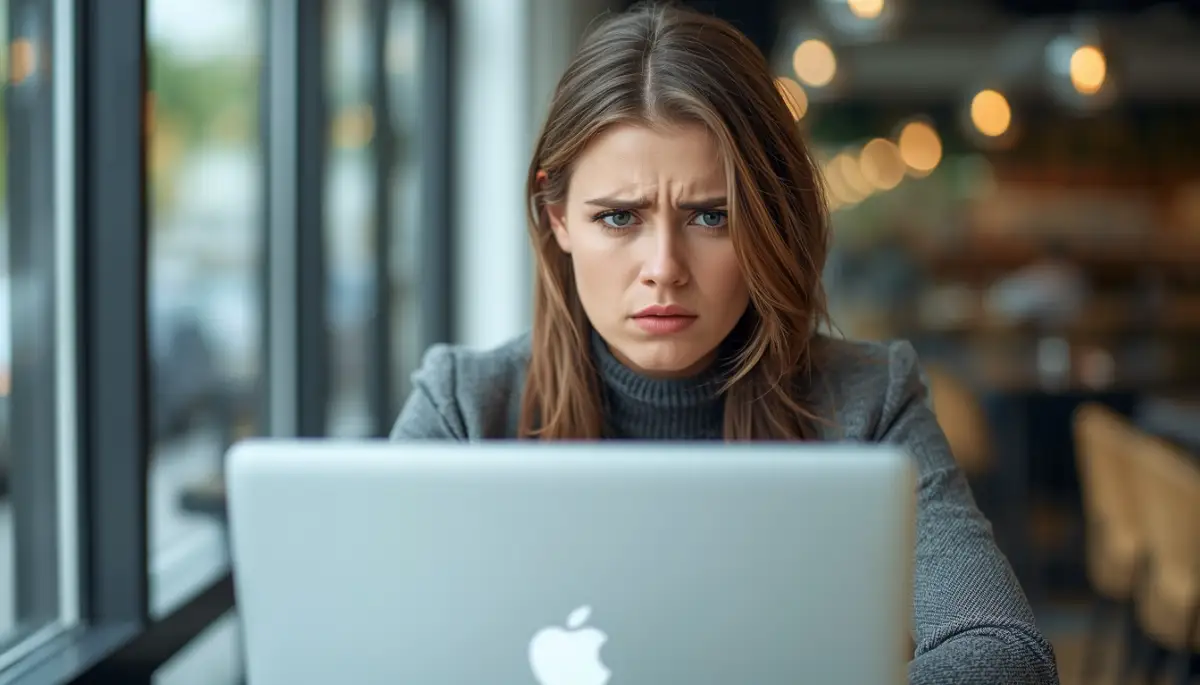
Dangerous Habits That Make You a Perfect Target for Thieves
One of the biggest mistakes I see travelers make is being "too polite." We are taught from a young age to be kind to strangers and help when asked. In a normal setting, this is a great quality. But on the streets of a high-scam city, being overly polite can lead you straight into a trap.
Scammers use your kindness as a weapon against you. They start a conversation about your home country or offer you a "free" gift to make you feel like you owe them something. The moment you stop to talk, you have given them control of the situation. It feels mean to walk away when someone is smiling, but your safety must come first.
Another huge mistake is showing off your wealth. I once saw a man in a busy market pulling out a massive roll of cash to pay for a two-dollar souvenir. Every thief in the area saw exactly where he kept his money and how much he had. You should always divide your money into different pockets. Keep a small amount for daily use and hide the rest deep in your bag or a money belt.
I also notice many people trusting online reviews too much without doing deeper research. Just because a hotel or a tour guide has five stars doesn't mean they are legitimate. Scammers can pay for fake reviews to make their business look professional. Always cross-check information on independent travel forums or official Better Business Bureau style sites for international companies.
Many travelers also fail to protect their privacy in shared spaces. They leave their laptops on hotel beds or use public charging stations at the airport. These charging stations can sometimes be used for "juice jacking," where thieves steal data through the USB cord. I always carry a portable power bank so I never have to plug my phone into a public outlet.
The emotional cost of making these mistakes is often worse than the money lost. I have met people who were so upset after being scammed that they ended their trip early and flew home. They felt embarrassed and angry at themselves. But you must remember that these scammers are professionals who do this every single day.
If you do make a mistake, don't let it ruin your entire journey. Learn from it, report it to the local authorities if possible, and keep moving. Even something as small as understanding how sitting for six hours affects your veins during a long flight is a form of self-care and safety. Being aware of your health and your surroundings go hand in hand.
I have found that the most successful travelers are those who stay humble. Don't try to impress anyone with your gear or your money. The more you blend in, the more you will see of the real world. You are there to observe and learn, not to be the center of attention in a crowded square.
Another pitfall is "The Destination Fog." This happens when you get so excited about seeing a famous landmark that you forget to watch your surroundings. You are staring up at a beautiful cathedral, and someone is quietly opening your backpack. Take your photos, but then put your camera away and stay alert.
Lastly, never assume that a "safe" country has no scams. Some of the most beautiful cities in Europe have the most clever pickpockets and street tricksters. Thinking you are 100% safe anywhere is a dangerous mindset. Always keep your guard up just a little bit, no matter how pretty the view is.
Your Journey Starts with a Safe and Confident Mindset
Traveling the world is one of the most rewarding things you can ever do. It opens your eyes to new cultures, amazing food, and lifelong friendships. While the world has its share of tricks and scams, it is also full of wonderful, honest people who want to help you. The key is to balance your sense of adventure with a smart dose of caution.
I want you to feel empowered to book that flight and explore that new city. You now have the tools to spot a "friendship bracelet" trick from a mile away. You know how to check an ATM for skimmers and how to handle a pushy taxi driver. These are not just tips; they are the keys to your freedom.
When you travel with confidence, you actually attract fewer problems. Scammers look for people who seem lost, confused, or scared. If you walk with a purpose and keep your head up, you send a message that you are not a victim. This mindset is something you can use in every part of your life, not just on vacation.
Always remember that your intuition is your best friend. If something feels "off," it probably is. You don't need a logical reason to walk away from a person or a place. Your brain is very good at picking up small danger signs that you might not even realize you are seeing. Trust that feeling every single time.
I have found that the best way to stay motivated is to keep learning. The world changes, and scammers come up with new ideas. But as long as you stay curious and careful, you will stay one step ahead of them. You have the power to create a safe and happy travel experience for yourself and your loved ones.
I really hope my stories and tips help you feel ready for your next big adventure. I know how scary it can be to face the unknown, but I also know how amazing it feels to overcome those fears. Please take these lessons with you, share them with your friends, and never let the fear of a scam stop you from seeing the beauty of our world. I believe in you, and I can't wait for you to experience all the magic that travel has to offer.
Common Questions About Traveling Without Getting Tricked
What should I do if I think someone is following me in a foreign city?
If you feel like someone is following you, do not go back to your hotel or a quiet street. Walk into a busy shop, a large hotel lobby, or a police station and stay there until you feel safe. You can also pretend to be on a loud phone call with a friend who is "just around the corner."
Is it safe to use credit cards in small shops abroad?
It is usually safer to use cash in small, local shops to avoid card skimming or extra "tourist fees." If you must use a card, never let the shopkeeper take it out of your sight. Most modern cards have "tap to pay" features which are much safer than swiping.
How can I tell if a taxi is real or fake?
A real taxi will almost always have a clear company logo, a phone number on the door, and a visible ID badge for the driver. You can also check if the car has a professional meter installed on the dashboard. If the driver refuses to use the meter, it is best to get out and find another car.
Should I ever give money to kids begging on the street?
While it is heartbreaking, giving money to begging children often keeps them out of school and in the hands of organized gangs. If you want to help, it is much better to donate to a local school or a verified charity in that specific city. This ensures your money actually improves their lives in a real way.
What is the best way to carry my passport safely?
I always recommend keeping your actual passport in a locked safe at your hotel. Carry a high-quality color photocopy of your passport and your visa in your bag for daily use. This satisfies local laws while keeping your most important document safe from pickpockets.
Disclaimer: This article is for informational purposes only. While I share my personal experiences and research, I am not a legal or security professional. Travel conditions can change quickly, so always check with official government websites and local authorities before and during your journey. Stay safe and travel responsibly.