
Why I Stopped Waking Up Tired and How You Can Too
I spent years thinking I was just a "tired person" who needed more coffee to survive. It turns out, my bedroom was basically a trap that kept my brain from actually resting. I changed three simple things in my space, and for the first time in a decade, I woke up feeling like a real human being instead of a zombie.
I had bright lights, a messy desk right next to my bed, and a room that felt way too warm. My brain simply could not shut down because my environment was telling it to stay awake. Once I started changing small things in my room, everything changed for me. I started waking up before my alarm, feeling fresh and ready to take on the world. I want to share exactly how I fixed my space so you can do the same.
You might find yourself snapping at your partner or losing focus at work because of poor rest. It is a terrible cycle that makes life feel much harder than it needs to be. You deserve to feel rested and happy when you wake up. Fixing your bedroom is the first and most important step to getting your life back on track.
Let’s look at why your current room might be keeping you awake. It is often the things we don't notice that cause the most trouble. From the way the air smells to the tiny blue light on your TV, your senses are always watching. We are going to change that today.

Creating a Pitch-Black Sanctuary for Your Brain
The very first thing you need to look at is the light in your room. Your body has a natural clock called the circadian rhythm. This clock relies on light and darkness to know when to sleep. If your room has even a little bit of light, your brain might think it is still daytime.
🌙 The "Sleep Better Tonight" Cheat Sheet
If you are in a rush, here are the 4 biggest changes you can make to your room right now:
- Total Darkness: If you can see your hand in front of your face, your room is too bright. Use a sleep mask.
- Cool It Down: Aim for 65°F (18°C). A cool room is the fastest way to get deep sleep.
- No Screens: Put your phone in another room 30 minutes before you lay down.
- Clean the Clutter: A messy nightstand leads to a messy, anxious brain. Hide the laundry!
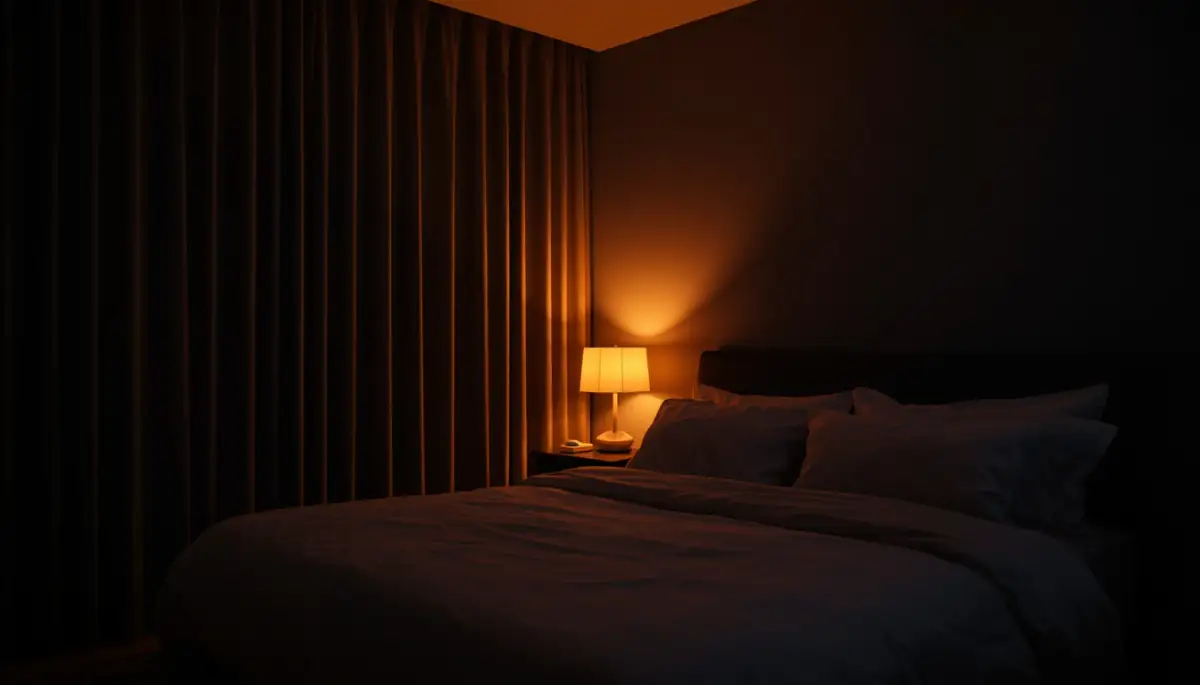
I found that even the light coming from under my door was enough to keep me in a light sleep. I bought some cheap blackout curtains, and the difference was huge. It felt like I was sleeping in a cozy cave. This helps your body produce melatonin, which is the hormone that makes you feel sleepy.
Pro Tip: I used to think a small nightlight was fine, but I realized it was making me wake up at 3 AM every night. I switched to a dim red light for when I need to get up, and it changed everything. Red light doesn't mess with your sleep hormones like blue or white light does.
If you cannot get blackout curtains right now, try using a high-quality sleep mask. It is a very small investment that can give you a massive boost in sleep quality. You want to make sure your room is so dark that you cannot see your hand in front of your face. This tells your brain it is 100% time to rest deeply.
Finding the Perfect "Sleep Temperature"
Have you ever woken up in the middle of the night feeling sweaty and gross? That is because your bedroom is likely too warm. Science shows that our bodies need to drop their core temperature to fall into a deep sleep. If the room is too hot, your body stays in a state of high alert.
Most experts suggest keeping your room around 65 degrees Fahrenheit (18 degrees Celsius). This might sound cold, but it is the sweet spot for most people. When your room is cool, it is much easier for your heart rate to slow down. This helps you glide through the different stages of sleep without waking up.
| The Sleep Temperature Myth | The Real Truth |
| :--- | :--- |
| Myth: A warm room helps you stay cozy and sleep longer. | Fact: Heat keeps your brain alert. You need your core temperature to drop to enter deep sleep. |
| Myth: Keeping the AC at 60°F is the only way to cool down. | Fact: Simple habits like wearing socks or using a fan can cool your body just as well. |
| Myth: Hot showers before bed make you too hot to sleep. | Fact: A warm bath actually helps your body release heat once you get out, cooling you down faster. |
If you don't have air conditioning, you can use a simple fan or open a window to get some fresh air. Even wearing socks to bed can help because it pulls heat away from your core and releases it through your feet. It sounds strange, but it really works to help your body cool down.
Watch this short guide on how temperature affects your brain during the night:
This video explains the science of why a cool room is the best way to get more deep sleep instantly.
Silencing the Noise and Calming Your Ears
Sound is another big factor that can ruin your sleep cycles. You might think you are sleeping through the noise of cars outside, but your brain is still hearing them. These small sounds can pull you out of deep sleep and back into light sleep. This means you wake up feeling tired even if you "slept" for eight hours.
I started using a white noise machine, and it was a game-changer for me. It creates a steady, soothing sound that hides all the random noises from the street or neighbors. If you don't want to buy a machine, there are plenty of free apps that play rain sounds or ocean waves. This helps your mind settle down and stay in a deep state of rest.
Some people prefer complete silence, and that is okay too. In that case, high-quality earplugs can be your best friend. The goal is to create a consistent sound environment so your brain doesn't get shocked by a sudden noise. Consistency is the key to staying asleep all night long.
Decluttering Your Space for a Clear Mind
A messy room often leads to a messy mind. If you have piles of clothes or work papers next to your bed, your brain sees them as "to-do" lists. It is very hard to relax when you are surrounded by reminders of things you haven't finished yet. I noticed that when I cleaned my nightstand, I felt much calmer the moment I laid down.
Try to keep your bedroom for sleep and relaxation only. If possible, move your desk or workout gear to another room. You want your brain to associate the bedroom with nothing but rest. This is a psychological trick that makes it much easier to fall asleep quickly.
Even spending just five minutes a day tidying up your sleep area can help. Put away the laundry and clear off the surfaces. When you walk into a clean, organized room, your stress levels naturally drop. This creates the perfect mental state for entering a restorative sleep cycle.
Choosing the Right Bedding for Comfort
Your mattress and pillows are the foundation of your sleep. If they are too old or don't support your body, you will toss and turn all night. This constant movement prevents you from reaching the deep, healing stages of sleep. I used to have a pillow that was too flat, and I woke up with neck pain every day.
Investing in a good pillow that matches your sleeping style is very important. Whether you sleep on your back, side, or stomach, your spine needs to stay neutral. When your body is comfortable, it doesn't have to work hard to stay in one place. This allows your muscles to truly relax and recover.
The fabric of your sheets matters too. Natural materials like cotton or bamboo are much better than synthetic ones. They allow your skin to breathe and help regulate your temperature. This goes back to the idea of keeping your body cool and comfortable throughout the night.
The Role of Air Quality in Deep Rest
Most people never think about the air they are breathing while they sleep. If your room is stuffy or full of dust, it can irritate your nose and throat. This can lead to snoring or light sleeping because your breathing isn't as easy as it should be. I started using a small air purifier, and I noticed I felt much less congested in the morning.
Keeping a few indoor plants can also help clean the air naturally. Plants like Sansevieria or Aloe Vera are great for bedrooms because they release oxygen at night. Plus, they make the room look much more peaceful and natural. Fresh air is a simple but powerful way to improve your sleep quality.
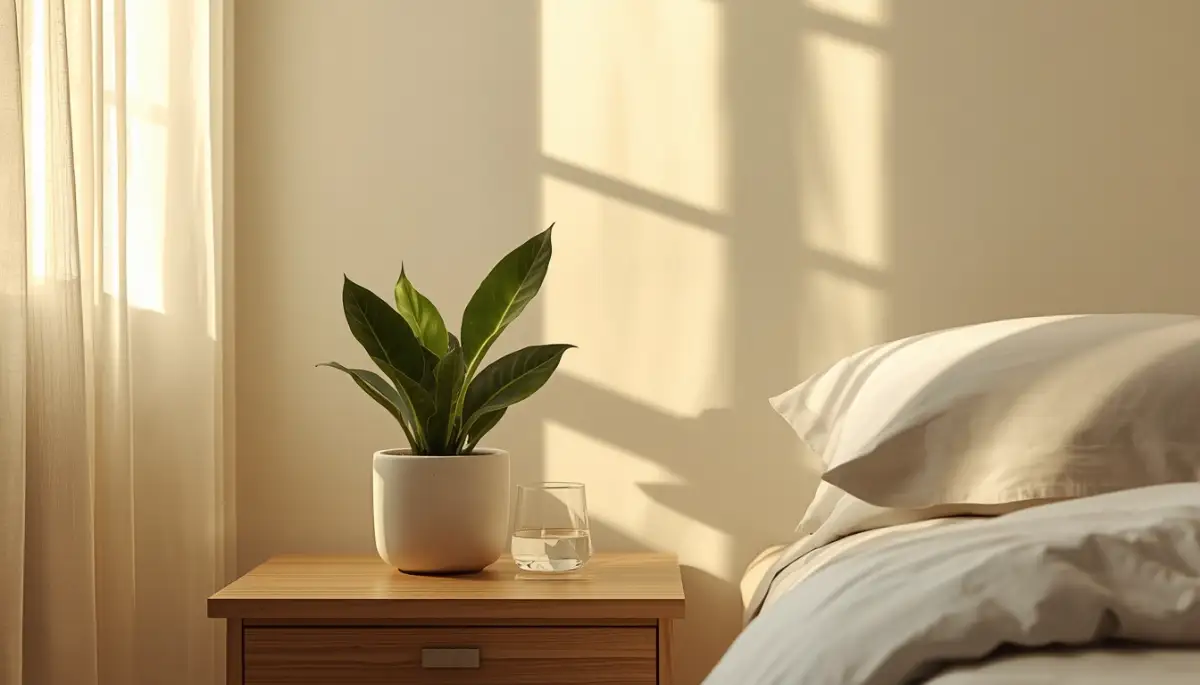
Try to open your bedroom window for at least ten minutes every day to let fresh air in. This gets rid of the stale air and brings in a fresh supply of oxygen. It makes the room feel much more inviting when you go to bed later that night.
Dealing with Electronics and Blue Light
This is probably the hardest change for most people to make. We are all addicted to our phones and tablets. However, the blue light from these screens tells your brain to stop making melatonin. It basically tells your body that it is noon, even if it is midnight.
I made a rule for myself to put my phone away at least 30 minutes before bed. Instead of scrolling, I started reading a physical book or listening to a calm podcast. This gives my brain a chance to wind down and prepare for sleep. If you must use your phone, at least turn on the "night mode" or blue light filter.
Charging your phone across the room or in another room is even better. This stops you from reaching for it if you wake up in the middle of the night. It also means the first thing you do in the morning isn't checking emails or social media. This small change can have a massive impact on your mental peace.
Building a Consistent Sleep Schedule
Your body loves patterns. If you go to bed at a different time every night, your internal clock gets confused. This makes it much harder to fall into a deep sleep cycle quickly. I found that going to bed and waking up at the same time every day made a huge difference.
Even on weekends, I try to stay within an hour of my normal schedule. This keeps my body in a rhythm where it knows exactly when to start feeling tired. It makes the whole process of falling asleep feel much more natural and less like a struggle. When your body knows the routine, it can focus on the hard work of deep restoration.
Consistency is really the secret sauce to great sleep. It takes a little bit of discipline at first, but your body will thank you for it. You will start to notice that you don't even need an alarm clock anymore. Your brain will naturally wake you up when you have finished your restorative cycles.
Understanding the Sleep Cycle Process
To really optimize your room, it helps to know what happens when you sleep. Your brain goes through several stages, including light sleep, deep sleep, and REM (Rapid Eye Movement). Each stage is important for different things, like memory, muscle repair, and mood.
If your environment is not perfect, you might keep getting stuck in the light sleep stages. This is why you can sleep for a long time but still feel tired. By fixing the light, noise, and temperature, you are helping your brain stay in those deep stages longer. This is where the real "magic" of rest happens.
How Your Evening Habits Affect Your Room
What you do in your room before sleep also matters. If you eat a heavy meal or exercise right before bed, your body will be too busy to sleep. I found that having a small "wind-down" routine in my bedroom helped me relax. I might do some light stretching or write in a journal for a few minutes.
This sends a clear signal to your nervous system that the day is over. It helps lower your heart rate and prepares you for the cooling process we talked about. Your room should feel like a place of peace, not a place of activity. The more you treat it as a sanctuary, the better you will sleep.
Avoid having intense conversations or watching stressful news in your bedroom. Keep the vibes calm and positive. This makes you look forward to going to bed rather than seeing it as another chore. When you feel safe and relaxed in your space, deep sleep comes much more easily.
Secrets to Leveling Up Your Sleep Game
Once you have the basics like darkness and temperature handled, it is time to look at the smaller details. These are the things that many people overlook, but they make a huge difference in how you feel when you wake up. I found that my sleep quality jumped when I started paying attention to the way my room smelled and felt.
One of my favorite secrets is what I call the "Digital Sunset." Most of us stare at bright screens right up until we close our eyes. This keeps our brains in a state of high alert. I started dimming all the lights in my house about an hour before I planned to sleep.
I also switched my bedroom bulbs to warm, orange-toned lights. This mimics the setting sun and tells your brain to start producing sleep hormones naturally. If you spend all day looking at monitors, you might want to fix tired eyes fast by making these simple changes to your environment and screen settings. It really helps lower the strain on your mind.
Another big tip is to use the power of scent. I never believed in aromatherapy until I tried it myself. A small diffuser with lavender or cedarwood oil can tell your brain that "this room is for resting." I noticed that the moment I smell that lavender, my heart rate starts to slow down.
My Personal "Sleep Sanctuary" Budget Guide (Under $50)
If you don't want to spend a fortune on a new mattress, here is what I did to fix my room on a budget:
- Blackout hack: I used black poster board on my windows before I could afford curtains ($5).
- The Scent Factor: A small bottle of lavender oil for my pillow ($8).
It is like a mental anchor that grounds you in the present moment. You can even find studies from the National Institutes of Health that show how certain scents can help people fall into a deeper sleep much faster. It is a very cheap way to upgrade your room without buying a new bed.
Let’s talk about your morning routine too because it actually starts in your bedroom. The best way to sleep well tonight is to get bright sunlight in your eyes the moment you wake up. I open my curtains immediately after my alarm goes off.
This sets a timer in your brain. It tells your body that "the day has started," which makes it easier to feel tired twelve hours later. If you stay in a dark room all morning, your body doesn't know when to start its sleep-wake cycle.
I also found that keeping a "worry journal" on my nightstand was a life-saver. If I wake up at 2 AM thinking about work, I write it down. Once the thought is on paper, my brain feels like it can let go. This prevents those racing thoughts that keep you stuck in a light, restless sleep.
For those of you who work from home, it is very tempting to answer emails while sitting in bed. I used to do this all the time, especially when I was looking for smart tax deductions and trying to manage my own business.
But I realized that my bed was becoming a place of stress instead of a place of peace. My brain started associating my pillow with taxes and deadlines. I made a hard rule: no work in the bedroom. If I need to work, I go to the kitchen table or a desk. Keeping these spaces separate is a pro-level secret for long-term mental health.
Lastly, think about the texture of your bedding. I used to have scratchy blankets that would wake me up every time I moved. I switched to high-quality cotton, and it felt like sleeping on a cloud. Your skin is very sensitive, and even small irritations can pull you out of deep sleep.

The Trap of Common Sleep Mistakes
Even with the best intentions, it is very easy to fall into habits that ruin your rest. One of the biggest mistakes I see people make is "catching up" on sleep during the weekend. You might stay up late on Friday and sleep until noon on Saturday.
This sounds like a good idea, but it actually gives you something called "social jetlag." Your body gets confused because the schedule keeps changing. It feels like you flew across the world and back every single week. This makes it impossible for your brain to finish its restorative cycles properly.
Another huge pitfall is the use of alcohol to help you relax. Many people think a glass of wine helps them fall asleep faster. While it might make you drowsy, it actually destroys the quality of your sleep. You will likely spend the whole night in a light sleep stage and wake up feeling like you didn't rest at all.
I learned this the hard way. I thought it was helping me, but I was actually waking up with a racing heart in the middle of the night. If you are dealing with a lot of stress, there are better ways to cope. For example, students often face college burnout and use bad habits to survive, but real recovery comes from a steady routine, not quick fixes.
Watching the clock is another mistake that creates a lot of anxiety. When you can't sleep, you look at the time and calculate how many hours you have left. "If I fall asleep now, I only get five hours." This thought makes your body release stress hormones, which makes it even harder to sleep.
I actually turned my alarm clock around so I couldn't see the numbers. If I’m awake, I’m awake. Knowing the exact minute doesn't help me; it only hurts me. This small mental shift took a lot of pressure off my shoulders.
We also need to talk about late-night snacks. Eating a big, spicy, or sugary meal right before bed keeps your digestive system working hard. Your body cannot focus on deep tissue repair if it is busy breaking down a pizza. I try to stop eating at least three hours before I lay down.
If you are hungry, a small piece of fruit or some nuts is fine. But avoid the heavy stuff. This also helps with blood flow and circulation. Many people don't realize that how sitting affects your veins during the day also impacts how your body recovers at night. If you are inactive all day and then eat a heavy meal, your body will feel heavy and restless.
Finally, don't ignore your digital privacy. Using "smart" gadgets in the room can sometimes lead to stress. If you are worried about your data or safe AI at work, those worries follow you to bed. Make your bedroom a tech-free zone as much as possible. This keeps your mind clear and focused on the only thing that matters: getting your energy back.
Your New Sleep Action Plan
Now that we have covered the secrets and the mistakes, it is time to put it all together. You don't have to change everything tonight. In fact, it is better if you pick one or two things and start there. Maybe you can start by making your room a little darker or turning off your phone a bit earlier.
The goal is to build a room that feels like a hug the moment you walk in. You want your brain to feel safe and relaxed. When you achieve this, you will notice that your mood improves, your skin looks better, and you have more patience for the people you love.
I found that having a "nightly reset" helped me stay on track. This is just a five-minute habit where I clear my floor and make sure my bed is ready for me. It is a gift I give to my future self. When I come into the room and see a clean space, I immediately feel a sense of relief.
Remember that sleep is not a luxury. It is a basic need, just like food and water. You are not being "lazy" by prioritizing your rest. You are actually making yourself a better worker, a better friend, and a healthier human being.
The Sleep Foundation often shares that adults who get deep sleep are much less likely to get sick or feel depressed. It is the most powerful tool you have for a happy life. Don't let a messy or bright room take that away from you.
If you are feeling overwhelmed by all the things you need to fix, just breathe. Start with your light. Then move to your temperature. Then look at your noise levels. Step by step, you will build a sanctuary that works for you.
I spent years feeling tired, and I don't want that for you. I know how much it hurts to feel like you are walking through fog every day. You have the power to change your environment, and that change will change your life. It won't happen in one night, but it will happen if you keep trying.
Answers to Your Top Sleep Struggles
Can I use a fan if I don't like silence?
Yes, a fan is actually a great tool for sleep. It provides two things at once: a cool breeze and white noise. The steady humming sound can mask loud noises from outside, like cars or barking dogs. Many people find it much easier to stay in a deep sleep cycle when there is a consistent sound in the background.
How do I know if my mattress is the problem?
If you wake up with back or neck pain that goes away after an hour of being awake, your bed might be the issue. A mattress usually lasts about seven to ten years. If yours is older than that, or if you can feel the springs poking you, it is definitely time for an upgrade. A good bed should support your body without feeling too hard or too soft.
Is it okay to take a nap during the day?
Naps can be helpful, but they can also ruin your night. If you nap for too long or too late in the afternoon, you won't be tired when bedtime comes. I suggest keeping naps to 20 minutes and taking them before 3 PM. This gives you a quick energy boost without messing up your deep sleep cycles later that night.
What if I can't make my room perfectly dark?
If you live in a city with bright streetlights, a sleep mask is your best friend. It is much cheaper than blackout curtains and works just as well. I used one for a year when I lived in a bright apartment, and it made a world of difference. Just make sure it is made of a soft material like silk so it doesn't irritate your skin.
Does exercise help with bedroom optimization?
Absolutely. When you move your body during the day, you build up a "sleep debt" that makes you more tired at night. However, try not to do heavy workouts in your bedroom or right before bed. Keep the bedroom for relaxing. Moving your body during the day helps your internal clock stay on track, which makes your bedroom setup work even better.
Making the Change Today
I really hope this guide helps you look at your bedroom in a new way. I know from my own experience that a few small shifts can lead to a huge change in how you feel. You don't need to spend a lot of money to make your space better. Most of the things we talked about, like darkness and temperature, are totally free or very cheap.
I want you to pick one thing from this list and do it right now. Maybe you can move your phone charger to the kitchen or check the temperature of your room. My life changed when I started respecting my sleep, and I know yours will too. You deserve to wake up feeling powerful and ready for anything.
Disclaimer: The information provided in this article is for educational and informational purposes only. I am sharing my personal experiences and research-based tips to help you improve your sleep environment. This is not a substitute for professional medical advice, diagnosis, or treatment. Always seek the advice of your physician or other qualified health provider with any questions you may have regarding a medical condition or sleep disorder. Do not disregard professional medical advice or delay in seeking it because of something you have read on this blog.