
Why My Bank Balance Used to Hit Zero Every Single Month
Checking your bank balance shouldn't feel like watching a horror movie. Most of us spend 40 hours a week working hard, only to wonder why our money performs a vanishing act by the 15th of the month. It isn't because you don't earn enough; it's because your money doesn't have a plan. I’m going to show you how I stopped being broke using a simple 50/30/20 rule that actually lets you keep your sanity.
I felt a heavy weight in my chest as I wondered how I would pay for gas or even buy basic groceries. This was my life every single month, and I was tired of the constant fear. I worked hard, but I had absolutely nothing to show for it except a growing pile of credit card debt.
I used to think that I just needed a bigger salary to solve my problems. I told myself that once I got a raise, everything would be fine and I would finally start saving. But even when I got that raise, the money still disappeared just as fast as before.
It was a cycle of working, spending, and worrying that never seemed to end. I felt like I was drowning in a sea of bills and small purchases that I didn't even remember making. My mental peace was gone, and I spent most nights awake, wondering where I went wrong.
Maybe you feel this way right now, or maybe you are just tired of living paycheck to paycheck. I want you to know that it is not your fault, but you do need a better plan. I finally found a way out, and it changed everything for me.
The day I discovered a simple way to divide my income was the day I finally breathed a sigh of relief. It wasn't about cutting out every joy in my life, but about giving every dollar a specific job to do.
The Mental Toll of Living Without a Budget Plan
Living without a clear plan for your money is like trying to drive a car in the dark without any headlights. You might move forward for a while, but eventually, you are going to hit something. The stress of not knowing where your money goes is a silent killer of happiness.
The 50/30/20 Rule: Fast Facts
If you are in a rush, here is the "too long; didn't read" version of how to fix your bank account:
- Stop Guessing: Divide your take-home pay into three buckets: 50% for survival, 30% for fun, and 20% for your future self.
- Automate Everything: Set up your bank to move that 20% into savings the moment your paycheck hits. If you don't see it, you won't spend it.
- Be Brutally Honest: If your rent is more than 50% of your pay, you aren't "living"—you are just working to pay a landlord. It might be time to find a roommate or a cheaper spot.
- Forgive Yourself: One bad shopping trip isn't a failure. Just reset the clock and start again tomorrow.
I spent years feeling guilty every time I went out for dinner or bought a new shirt. I felt like I was stealing from my future self, but I didn't know how to stop. This constant guilt leads to "money anxiety," which makes you want to avoid looking at your bank account entirely.
When you avoid your finances, the problems only get bigger and more frightening. You start missing payments, or you rely on "buy now, pay later" schemes that trap you in more debt. Your relationships might even suffer because you are always on edge about the next bill.
The truth is, most of us were never taught how to manage a paycheck in school. We were taught how to solve for 'x', but not how to balance a checkbook or save for a rainy day. This lack of knowledge creates a gap between what we earn and what we keep.
But imagine a life where you know exactly how much you can spend on fun without feeling guilty. Imagine having a "cushion" of cash that protects you when your car breaks down or your cat needs the vet. That is the peace of mind I want to help you find today.
Transforming Your Finances with the 50/30/20 Strategy
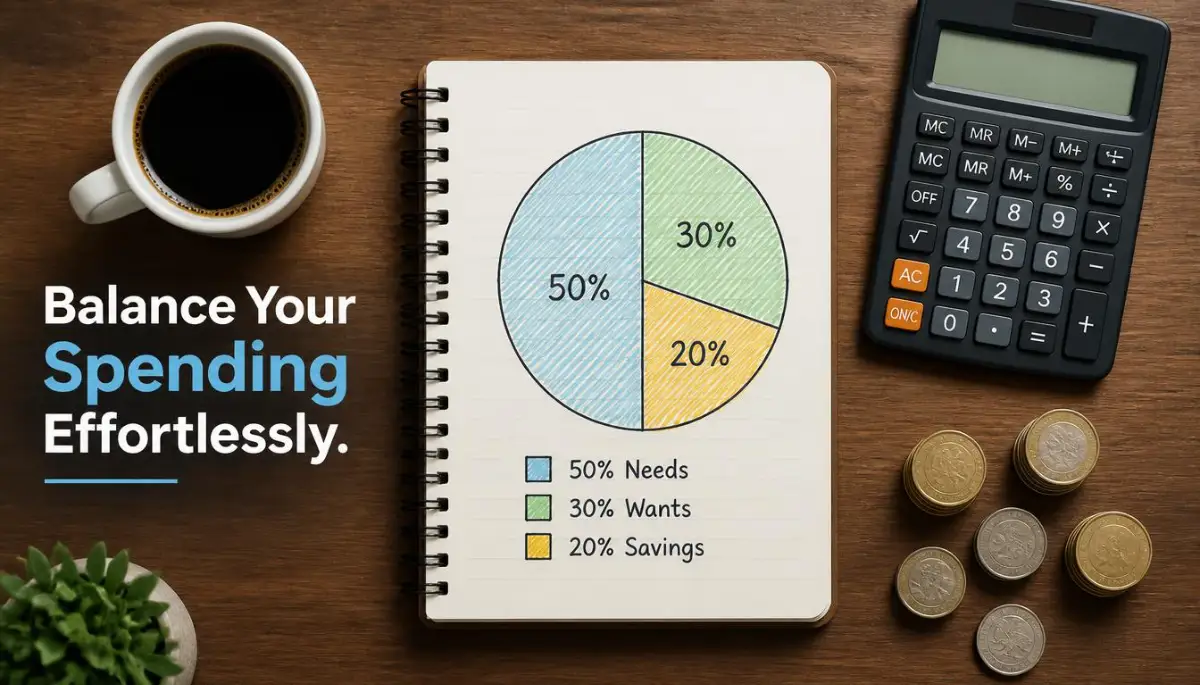
The solution that finally worked for me is a very simple framework that anyone can follow. It is called the 50/30/20 rule, and it is a way to divide your after-tax income into three main buckets. This isn't a complex spreadsheet that takes hours to manage; it's a simple mental map.
The beauty of this rule is its flexibility and balance. It doesn't ask you to live on rice and beans forever, but it also doesn't let you ignore your future. It creates a healthy boundary between what you need and what you want.
When I started using this, I felt like I finally had a handle on my life. I wasn't just guessing anymore; I was making choices based on real numbers. Let's break down how this works so you can start applying it to your life today.
Dividing the Largest Slice: Your Absolute Needs (50%)
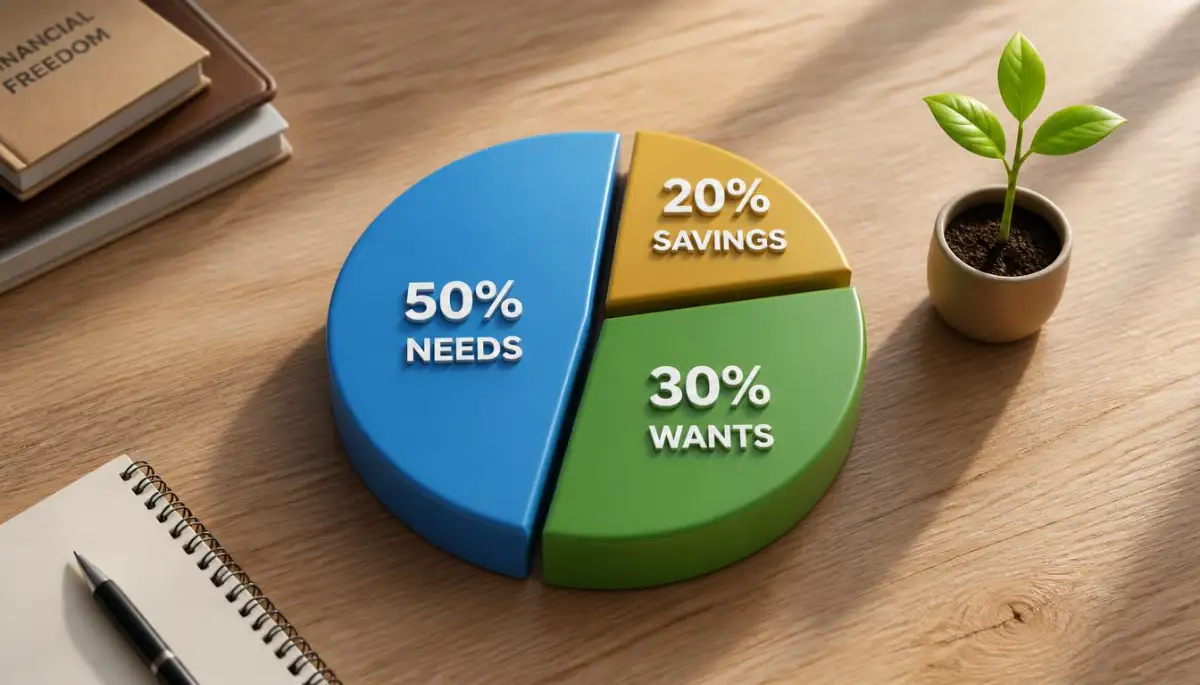
The first and most important part of this rule is the 50% that goes toward your "Needs." These are the things you absolutely must pay to survive and keep your life running. If you don't pay these, there will be serious consequences.
Think about your rent or mortgage, your electricity and water bills, and your basic groceries. These are not optional, and they should take up no more than half of your total take-home pay. This keeps your fixed costs low enough that you still have room for other things.
When I first did this math, I realized my "Needs" were actually closer to 70% of my income. I was living in an apartment that was way too expensive for my salary. It was a hard pill to swallow, but seeing that number helped me realize why I was always broke.
Pro Tip: One thing I realized early on was that I was lying to myself about what a "need" was. I used to think my high-speed internet for gaming was a need, but it was actually a want. Be honest with yourself when you label your expenses, as this is where most people fail.
To make it easier, here is a quick "Cheat Sheet" to help you tell the difference between a real need and a sneaky want:
If your needs are over 50%, don't panic. It just means you have to look for ways to trim them down over time. Maybe you can find a cheaper phone plan or start meal prepping instead of buying expensive pre-made meals.
Finding Joy in the Middle: Your Wants (30%)
This is the section that most other budgets tell you to cut out completely. But the 50/30/20 rule is different because it allocates 30% of your income to "Wants." These are the things that make life fun and interesting.
This includes things like your Netflix subscription, dining out with friends, your gym membership, or that hobby you love. By giving yourself permission to spend 30% on these things, you stop feeling deprived. When you don't feel deprived, you are much more likely to stick to your budget.
I used to feel so bad about buying a coffee at a cafe, but now I know it fits into my 30%. I can enjoy that coffee without any of the old stress hanging over my head. It’s all about balance and knowing your limits.
Watch this helpful breakdown to see how simple it is to categorize your spending today!
However, you must be careful not to let this category grow too large. It is very easy for small "wants" to pile up until they start eating into your "needs" or your "savings." Tracking these expenses is the only way to stay within that 30% boundary.
Securing Your Future: Savings and Debt Repayment (20%)
The final 20% of your income is the most powerful part of the entire plan. This money goes toward your future self, which includes building an emergency fund, investing for retirement, or paying off extra debt. This is how you build real wealth over time.
Most people wait until the end of the month to see what is left over to save. The problem is, there is usually nothing left! With the 50/30/20 rule, you treat this 20% like a bill that you must pay to yourself first.
When I started putting 20% away immediately after getting paid, my savings grew faster than I ever thought possible. It felt like I was finally making progress toward my goals. Having that money set aside gave me a sense of security I had never felt before.
If you have high-interest debt, like credit card balances, use this 20% to pay them off as fast as you can. Every dollar of debt you pay off is a dollar you no longer have to pay interest on. It is the best investment you can make in your financial freedom.
Why This Rule Is Better Than Traditional Budgeting
Many people hate the word "budget" because it feels like a diet for your money. Traditional budgets often require you to track every single penny in dozens of different categories. For a busy person, this is almost impossible to maintain for more than a week.
The 50/30/20 rule is much better because it is simple and high-level. You only have three categories to worry about, which makes it very easy to manage on the go. You don't need a PhD in finance to understand if you are spending too much on your "wants."
This method also uses psychology to help you succeed. Because it includes a dedicated space for "wants," you don't feel like you are being punished for enjoying your life. It encourages a healthy relationship with money where you are the boss, not a slave to your bills.
I found that this rule actually made me feel more generous. Because I knew my bills were covered and my savings were growing, I felt better about spending money on gifts or helping others. It took the "scarcity mindset" away and replaced it with a sense of control.
It also helps you make big life decisions much more easily. If you are looking at a new car, you can quickly see if the monthly payment will push your "needs" over the 50% mark. If it does, you know you can't afford it right now, which saves you from a big mistake.
How to Calculate Your Own 50/30/20 Numbers
To start, you need to look at your "take-home pay." This is the amount of money that actually hits your bank account after taxes and health insurance are taken out. This is the real number you have to work with every month.
Once you have that total number, grab a calculator and do some simple math. Multiply your total income by 0.50 to find your "Needs" limit. Then multiply it by 0.30 for your "Wants," and finally by 0.20 for your "Savings."
If you bring home $4,000 every month, your budget doesn't have to be a guessing game. Here is exactly how your wallet should look:
- $2,000 for Needs: This covers your rent, lights, and food. No more.
- $1,200 for Wants: This is your "fun money." Spend it on Netflix, coffee, or a night out without feeling bad.
- $800 for Your Future: This goes straight into savings or paying off that credit card debt. In one year, you’d have nearly $10,000 saved up!
For example, if you bring home $3,000 a month, your breakdown would look like this:
- $1,500 for Needs (Rent, utilities, groceries)
- $900 for Wants (Entertainment, hobbies, dining)
- $600 for Savings or Debt (Emergency fund, retirement)
Seeing these numbers in black and white can be a real eye-opener. It gives you a clear target to aim for and helps you identify which areas of your life need the most attention. I remember the first time I did this; it was like a lightbulb went off in my head.
If your current spending doesn't match these numbers yet, don't get discouraged. Most people don't start at the perfect 50/30/20 ratio. The goal is to move closer to these percentages every month as you become more aware of your habits.
Identifying Your "Hidden" Monthly Expenses
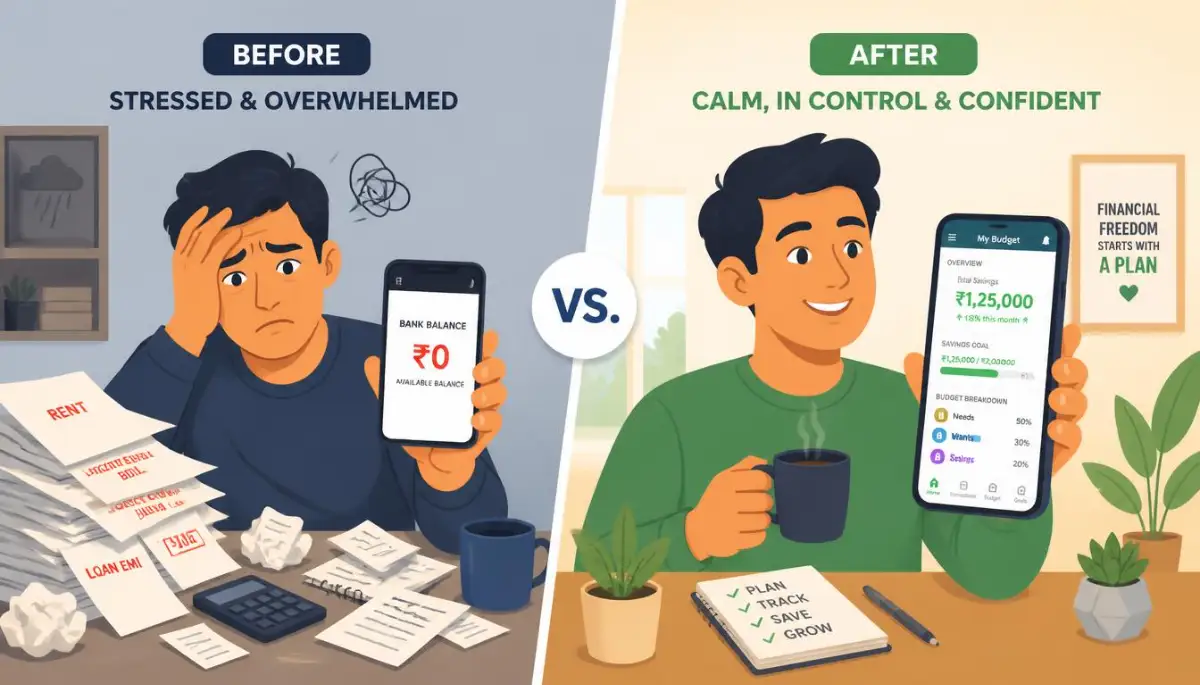
One of the biggest reasons we fail at managing money is because of hidden expenses. These are the small things that we don't think about, but they add up to huge amounts over a year. I used to call these "money leaks" in my own life.
Think about things like annual subscriptions that auto-renew, small bank fees, or that gym membership you haven't used in six months. Individually, they don't seem like much, but together they can be hundreds of dollars. I once found I was paying for three different streaming services I didn't even watch!
To find these leaks, you have to look at your bank statements from the last three months. Go through every single line and ask yourself, "Do I really need this?" or "Does this bring me $10 worth of joy every month?" You might be surprised at what you find.
Cleaning up these hidden expenses is the easiest way to free up cash for your 20% savings goal. It doesn't require you to change your lifestyle at all; it just requires you to stop paying for things you don't use. It’s like finding "free" money in your pocket.
I made it a habit to do this "subscription audit" every few months. It keeps me sharp and ensures that my money is only going to things that actually add value to my life. It is a simple habit that pays off in a big way over time.
Setting Realistic Expectations for Your Journey
It is important to remember that financial management is a marathon, not a sprint. You won't fix years of bad habits in a single day, and that is okay. The 50/30/20 rule is a guide, not a strict law that will send you to jail if you break it.
There will be months where your car needs a major repair and your "needs" go way over 50%. There will be other months where a friend gets married and your "wants" take a bigger slice of the pie. Life happens, and you have to be kind to yourself when it does.
The key is to always come back to the plan as soon as possible. Don't let one bad month turn into a bad year. If you fall off the wagon, just dust yourself off and start again on your next payday. Consistency is much more important than being perfect.
Your financial journey is unique to you, so don't compare your progress to anyone else's. Some people have higher costs of living or lower salaries, and that's fine. As long as you are moving toward a more balanced life, you are winning.
Common Mistakes to Avoid When Starting Out
One of the most common mistakes I see is people trying to be too aggressive with their savings too early. They try to save 40% of their income, which leaves them with no money for fun. Eventually, they get frustrated and spend a huge amount of money in a "rebound" shopping spree.
Stick to the 20% goal first. It is a sustainable amount that allows you to build wealth without making your daily life miserable. You want a plan that you can actually live with for the next twenty years, not just for the next twenty days.
Another mistake is forgetting about irregular expenses, like car insurance or holiday gifts. These aren't "surprises" because we know they are coming eventually. I learned to save a small amount for these every month so they don't wreck my 50/30/20 balance when they arrive.
Lastly, don't forget to track your progress. If you don't track it, you won't know if you are succeeding. You don't need a complex app; even a simple notebook where you write down your totals at the end of the month will work wonders.
Tracking my numbers gave me a sense of pride. Seeing my debt go down and my savings go up was more addicting than any video game I ever played. It turned money management into a game that I was actually winning.
The Power of Automating Your Monthly Success
If I had to give you one secret to making the 50/30/20 rule work, it would be automation. Human beings have limited willpower, and we often make bad choices when we are tired or stressed. Automation takes the choice out of your hands and makes success the "default" option.
Set up an automatic transfer so that 20% of your paycheck goes directly into a separate savings or investment account. Do this on the same day you get paid. If you never see the money in your main account, you won't be tempted to spend it.
I also automated all of my "Needs" like rent and utilities. This ensured that my most important bills were always paid on time, which protected my credit score. It also gave me a very clear picture of exactly how much "Wants" money I had left for the rest of the month.
When you automate your finances, you spend less time thinking about money and more time living your life. It reduces the "decision fatigue" that often leads to poor spending choices. It’s the closest thing to a "set it and forget it" system for your bank account.
I can't tell you how much better I sleep knowing my bills are paid and my savings are growing automatically. I don't have to remember to move money or worry about missing a deadline. It is the ultimate form of financial self-care.
Conclusion: Taking Your First Step Today
You don't need to be an expert to take control of your money. You just need a simple plan and the courage to start. The 50/30/20 rule gave me my life back, and I know it can do the same for you.
Start by looking at your last paycheck and doing the math. See where you stand today without any judgment. Awareness is the first step toward change, and once you know your numbers, you have the power to change them.
Remember that you deserve to live a life free from money stress. You deserve to have savings for the future and money for the things you love today. By following this simple rule, you are choosing a path of balance, security, and freedom.
I am so excited for you to start this journey. It might feel a bit strange at first, but I promise you that the peace of mind is worth every bit of effort. You've got this, and your future self will thank you for the choices you make today.
Leveling Up: How to Keep Your Budget Strong Forever
Once I got the hang of the basic 50/30/20 rule, I realized that life isn't always a straight line. Sometimes your income goes up, and sometimes unexpected things happen that try to knock you off track. I had to learn how to adapt this system to fit my changing life, and these advanced tips helped me stay consistent even during tough times.
The first secret I discovered is called "Adjusting for the High-Cost Trap." If you live in a city where rent is very high, you might find it impossible to keep your needs at exactly 50%. I struggled with this when I moved to a more expensive area for work.
I learned that it is okay to shift the numbers slightly, perhaps moving to a 60/20/20 ratio for a short time. However, if you do this, you must take that extra 10% from your "wants" bucket, not your savings. Keeping your savings at 20% is what ensures you don't get stuck in a cycle of debt later on.
Another pro-level move I started using is "The Income Bump Rule." Whenever I got a small raise or a bonus, I didn't just spend it on a nicer car or a bigger TV. Instead, I immediately applied the 50/30/20 rule to that new money before I even saw it in my account.
This helped me avoid "lifestyle inflation," which is when your spending grows as fast as your income. If you can keep your expenses the same while your income grows, that 20% savings bucket starts to grow very quickly. This is how I finally started building real wealth instead of just paying bills.
For those of you who work for yourselves or have irregular income, this rule can still work perfectly. I found that smart budgeting methods for self-employed pros with unstable income often rely on using the 50/30/20 rule based on your lowest-earning month. This creates a "buffer" during the months when you earn more, which covers you when things get quiet.
I also started using a "Buffer Month" strategy where I used my savings to stay one full month ahead of my bills. This meant I was paying this month's rent with the money I earned last month. This simple shift took away almost all of my daily money stress because I was never waiting for a paycheck to arrive.
If you are currently carrying debt, you might wonder how that fits into this advanced plan. I treated my minimum debt payments as "Needs" and any extra payments as part of my 20% "Savings" category. This allowed me to pay off my balances much faster without feeling like I was starving myself of fun.
According to a study by the National Endowment for Financial Education, people who have a clear plan for every dollar are much more likely to reach their long-term goals. Using the 50/30/20 rule as your foundation makes it much easier to stay on that path. It gives you a clear map to follow even when the road gets a bit bumpy.
I also suggest doing a "Financial Health Check" every six months. I sit down with my bank statements and see if my percentages are still where they should be. It only takes about twenty minutes, but it keeps me from drifting back into old, bad habits that used to keep me broke.

Warning Signs: Don't Let These Simple Errors Steal Your Progress
When I first started, I made some pretty big mistakes that almost made me give up on the 50/30/20 rule. I want to share these with you so you don't have to go through the same pain and frustration that I did. One of the most dangerous mistakes is "The Need vs. Want Confusion."
I used to tell myself that my expensive gym membership with the sauna and juice bar was a "need" because my health is important. But in reality, I could have worked out for free at the park or at a much cheaper gym. When you start labeling luxury items as needs, your 50% bucket will overflow, and you will end up taking money from your future savings.
This mistake is emotional because we all want to feel like we deserve nice things. But if you aren't honest with yourself about what is a basic survival need, the entire system falls apart. I had to get very real with my spending and admit that many of my "needs" were actually just expensive "wants."
Another pitfall is "The All-or-Nothing Mindset." I’ve seen people try the 50/30/20 rule for two weeks, make one mistake, and then quit because they think they failed. They think that if they can't do it perfectly, there is no point in doing it at all. This is a very sad mistake because even a "mostly-correct" budget is better than no budget at all.
If you overspend in your "wants" category one month, don't throw away the whole plan. Just take a deep breath and try again the next day. I learned that being 80% consistent for a whole year is much better than being 100% perfect for just one week.
Many people also make the mistake of ignoring their small debts while trying to save. If you have a credit card with a high interest rate, that debt is growing faster than your savings ever will. I had to learn that why first time personal loans fail is often because people don't have a plan for the repayment before they take the money.
Don't ignore your debt or hide from the collectors if you are struggling. I once thought that ignoring a bill would make it go away, but it only made the interest grow larger. If you find yourself in a tight spot, look for safe emergency cash options instead of falling for high-interest traps that can ruin your progress for years.
A major emotional mistake is "The Comparison Trap." I used to look at what my friends were buying on social media and feel like I was falling behind. I felt like I should be able to afford a new car or fancy vacations just like them. But I didn't know their financial situation; for all I knew, they were drowning in debt to pay for that lifestyle.
When you compare your life to others, you make bad financial choices based on someone else's highlight reel. This can lead to "revenge spending," where you buy something expensive just to prove you can afford it. This mistake can cost you your peace of mind and your financial future if you aren't careful.
I also learned that life changes, like a job change during mortgage applications, can create a lot of stress if you aren't prepared. If you don't have your 20% savings cushion ready, these big life events can turn into disasters. Your budget is your shield against these unexpected hits from life.
Lastly, don't make the mistake of not involving your partner or family in the plan. If you are trying to save but your partner is spending without a limit, you will both end up unhappy. I had to have some very honest, and sometimes difficult, conversations about money to make sure we were both on the same page.
Working together toward a common goal is much easier than trying to do it all alone. It builds trust and makes the journey feel more like a team effort. When both people understand the 50/30/20 rule, the whole household becomes much more stable and peaceful.
Your Path to Financial Peace Starts Right Now
Managing your money doesn't have to be a scary or boring task. The 50/30/20 rule is a simple tool that helps you take control of your life so you can spend more time doing what you love. It provides a clear structure that balances your today with your tomorrow.
When I started this journey, I was stressed, tired, and always worried about the next bill. But by sticking to this simple method, I found a sense of freedom I never thought was possible for me. I stopped being a victim of my bank account and started being the boss of my money.
You have all the information you need right here to change your financial story. Whether you are a working college student trying to make ends meet or someone with a steady career, this rule works for everyone. It is all about the percentages, not the total amount of money you make.
Start small, stay consistent, and be honest with yourself about your spending. You will be amazed at how quickly your situation can change when you give every dollar a purpose. Your future self will look back at this moment and be so grateful that you decided to take action.
I truly believe that anyone can master their monthly expenses if they just have the right plan. I’ve been where you are, and I know how hard it can be to take that first step. But I also know how amazing it feels to finally have money in the bank and a plan for the future.
My life is so much better now that I don't have to worry about money every single day, and I want that for you too. Please don't wait for the "perfect time" to start, because that time will never come. Grab your last bank statement, do the math, and start your 50/30/20 journey today!
Common Questions About the 50/30/20 Rule
Should I calculate the percentages based on my gross or net income?
You should always use your net income, which is the money that actually lands in your bank account after taxes. This is your real spending power, so basing your budget on this number ensures you don't overspend. If you use your gross pay, you will likely run out of money because taxes have already taken a big bite out of it.
What if my rent and utilities cost more than 50% of my pay?
If your basic needs are too high, don't worry, you aren't alone. You should try to lower your "wants" category to balance things out while you look for ways to reduce your fixed costs. This might mean getting a roommate or finding a cheaper phone plan to help bring those "needs" back toward that 50% target.
Does paying off my credit card count as a "Need" or "Saving"?
Your minimum monthly payment is a "Need" because you are legally required to pay it to avoid damaging your credit. However, any extra payments you make to get rid of the debt faster should come from your 20% "Savings" bucket. This helps you treat debt repayment as a way of building your future wealth, which is exactly what it is.
Can I change the percentages if my situation is different?
Yes, the 50/30/20 rule is a flexible guide, not a strict law. If you have a lot of debt, you might want to do 50/20/30, where 30% goes to debt and savings. The most important thing is that you have a plan and that you are prioritizing your future needs along with your present ones.
Is an emergency fund part of the 20% category?
Yes, building an emergency fund is one of the first things you should do with your 20% savings bucket. Having three to six months of expenses saved up will protect you from having to use credit cards when something goes wrong. Once that fund is full, you can start using that 20% for other things like retirement or house deposits.
Disclaimer: The information provided in this article is for educational and informational purposes only. I am sharing my personal experiences and research to help you understand budgeting concepts. I am not a certified financial advisor or a legal expert. Financial decisions involve risk, and you should always consult with a professional advisor before making major changes to your finances or taking out loans. Every person's financial situation is unique, and what worked for me may not work the same way for you.