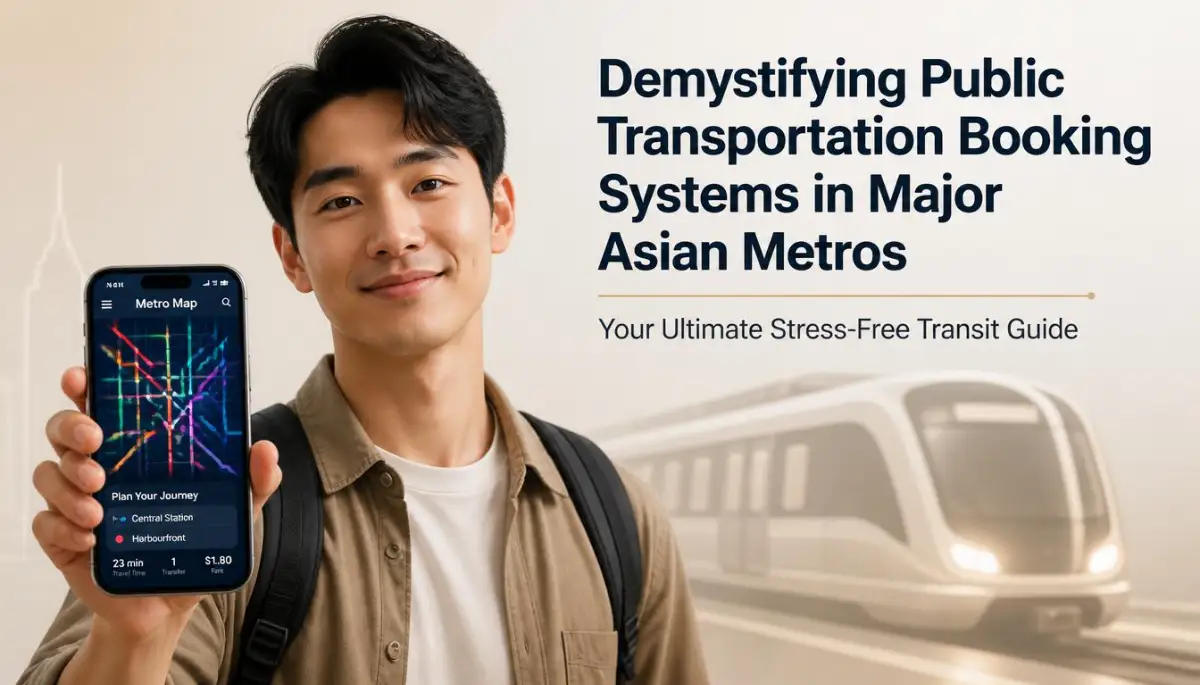
The Day I Got Completely Lost in Tokyo's Underground Maze
I still remember my first night in Tokyo. I stood in front of a massive, glowing ticket machine at Shinjuku Station, completely frozen. Hundreds of busy commuters rushed past me, brushing my shoulders while I stared at a map that looked like a giant bowl of colored noodles. My phone battery was at three percent, and my heavy backpack was cutting into my shoulders. I felt so small, so helpless, and ready to cry right there on the platform. It was my very first time traveling alone in Asia, and I was already completely defeated by a ticketing machine.
That night cost me two hours of wandering, a lost paper ticket, and three times the money I actually needed to spend. It is a common nightmare that many first-time travelers share when they land in a massive Asian city. The bright flashing screens, different languages, and dozens of private train lines make you feel like you need a degree in rocket science just to go three stops down the road.
When you cannot figure out how to buy a simple transit ticket, it ruins the joy of your vacation. You start worrying about every single journey, fearing the crowded stations and the angry lines forming behind you. The stress of getting lost can turn an exciting adventure into a constant battle with anxiety. Many travelers end up taking expensive taxis instead, draining their travel budgets just to avoid the trains.
Fortunately, you do not have to go through the same stressful experience that I did. Once you understand the basic logic behind these systems, navigating them becomes incredibly easy. Let us look at how these transit systems actually work and how you can master them like a local.
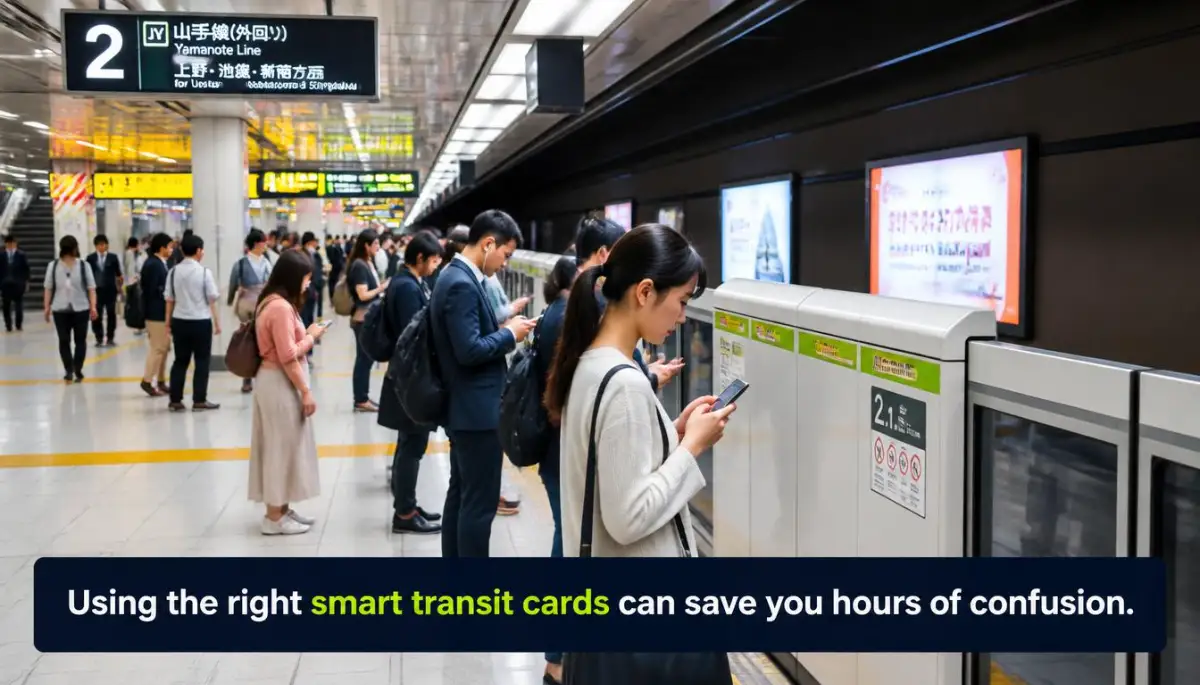
Decoding the Global Giants: How Asian Subway Lines Actually Work
Most major Asian transit systems are built on a grid of high-speed, highly efficient train lines. Unlike many Western cities where one company runs everything, cities like Tokyo, Seoul, and Taipei often have multiple operators. This means a single journey might involve switching from a government-run line to a privately-owned subway line.
Understanding this division of ownership is the key to unlocking stress-free travel. If you buy a single paper ticket for one company, it might not work when you transfer to another company's line. This is where most tourists get stuck at the ticket gates, wondering why the barriers are closing on them.
To make things easy, these cities have created unified smart systems that work across all platforms. You do not need to understand who owns which track as long as you have the right tools in your pocket.
The Power of Contactless Smart Cards (IC Cards)
If you want to save your sanity, the absolute first thing you should do after landing is get a local smart card. In Japan, these are called IC Cards (like Suica or Pasmo), while in Seoul they are known as T-Money, and in Singapore, they are called EZ-Link.
These cards use contactless technology, meaning you just tap them on the green reader at the ticket gate. They instantly calculate the correct fare and subtract it from your balance when you exit your destination station.
Using an IC card eliminates the need to look at confusing fare maps every single time you want to ride. You simply load cash onto the card at any station machine, or link it directly to your digital wallet.
Loading Your Transit Cards to Your Phone Digital Wallet
Did you know that you might not even need a physical plastic card anymore? Most modern smartphones allow you to add local transit cards directly to Apple Wallet or Google Wallet before you even leave your house.
For example, you can add a digital Suica card to your iPhone in just a few taps. This allows you to tap your phone at the Tokyo station gates even if your phone is asleep or in the middle of a call.
This digital option saves you the trouble of finding a physical ticket counter at a crowded airport. It also allows you to top up your balance using your saved credit cards on your phone, completely bypassing cash machines.
Understanding Transit Zones and Fare Calculations
Most train systems in places like Singapore, London, Seoul, and Tokyo do not charge a flat rate per ride. Instead, they use a distance-based fare system or zone-based pricing.
When you enter a station, the system notes your starting point, and when you tap out, it calculates the exact distance you traveled. If you do not tap out properly, the system might charge you the maximum possible fare for that line.
Always make sure you hear the clear beep of the gate when you exit. If the gate does not register your exit, find a station assistant immediately to reset your card.
Mastering the Top Transit Systems: City-by-City Breakdown
Let us look at the specific rules for the most popular travel destinations in Asia so you know exactly what to do upon arrival.
Tokyo, Japan: Navigating the Suica, Pasmo, and Shinkansen Network
Tokyo is famous for having one of the most complex train maps in the world, but it is highly organized. The two main local card options are Suica and Pasmo, and they are completely interchangeable. You can use either card on almost any train, subway, or bus line within the greater Tokyo area. They can also be used to buy drinks from vending machines or pay at local convenience stores.
If you are planning to ride the bullet trains (Shinkansen) to other cities, those require a separate booking process. You can book those high-speed train tickets online via the official SmartEX app to avoid long station lines.
Seoul, South Korea: The Magic of the T-Money Card
Seoul is an absolute paradise for tech-savvy travelers, and their T-Money card is the golden key to the city. You can buy these cards at almost any convenience store at the airport or inside subway stations.
One of the best benefits of the T-Money card is the free transfer system. If you tap off a subway and board a local bus within thirty minutes, your bus ride is often completely free or highly discounted.
Make sure to keep some physical cash with you, as most physical T-Money reload machines inside Seoul subway stations only accept Korean Won paper bills.
Singapore: The Ultimate Cashless Transit Experience
Singapore has made public transport incredibly simple for international tourists. You actually do not need to buy a special tourist transit card or an EZ-Link card if you have a contactless bank card.
Simply walk up to any MRT subway gate and tap your international Mastercard or Visa credit card. The system will track your rides and charge your bank account directly at the end of the day.
This easy method means you can walk straight from your airplane seat to the train platform without stopping at a single ticket kiosk. It is by far the cleanest and most user-friendly transit setup in all of Asia.
Actionable Steps to Book and Ride Like a Pro
Now that you know how the systems work, let us look at the exact steps you should take to ensure a smooth journey.
Step 1: Download regional transit apps before you depart
Do not rely on general map apps alone when traveling through major Asian hubs. Download local transit apps like Japan Travel by NAVITIME or KakaoMap for Seoul to get real-time platform numbers and exit details.
These specialized apps will tell you exactly which train car to board so you are closest to your transfer stairs. This small detail can save you from walking down long, crowded platforms.
Step 2: Prepare your payment methods in advance
Decide whether you will use your phone's digital wallet, a contactless credit card, or local cash. If you choose to use physical cash to load your cards, exchange a small amount of currency at the airport.
Many automated ticketing machines do not accept large foreign bank cards, so having local paper bills is a great backup plan. Keep your cash in a small, easily accessible pouch so you do not drop your main wallet while standing at a busy ticket counter.
I once made the mistake of waiting until the last minute to load my transit card, only to find my bank had temporarily blocked my card for international security checks. I was stuck in a foreign train terminal with zero local cash and a useless phone app. Since that stressful day, I always make sure to carry at least twenty dollars worth of local cash and set up my digital transit cards a day before my flight.
Step 3: Learn to read the platform signs and exit numbers
Asian subway stations are massive underground cities with dozens of exits. Before you walk up to the street level, look at the yellow guide signs on the station walls.
These signs list major tourist spots, hotels, and streets next to their corresponding exit letters and numbers (like Exit A1 or Exit B3). Taking the wrong exit can result in a twenty-minute walk around a busy highway intersection.
Staying Safe and Avoiding Common Transit Scams
While Asian metros are incredibly safe, tourists can still fall victim to simple mistakes or local scams.
Watch out for individuals standing near ticket machines offering to sell you "discounted multi-day tourist passes." Official transit passes are only sold at marked service counters or authorized ticket machines inside the station.
Additionally, always keep your belongings close to your chest in crowded train cars. Use a zippered bag and hold it in front of you to prevent opportunistic pickpocketing during rush hour.
Visualizing the Cashless Tap Process in Real Time
Seeing how local commuters behave at the gates is the fastest way to build your confidence before you travel.
If you want to see exactly how quickly the tapping process works at busy terminal gates, watch this real-life demonstration. This video shows you how to position your phone or card to avoid blocking the gates during peak hours.
Wrapping Up Your Transit Prep
Getting used to new booking systems might feel difficult at first, but it is a skill that pays off instantly. By securing your digital cards early and studying the exit signs, you will travel with peace of mind.
Do not let the fear of getting lost keep you from exploring these beautiful, modern cities. Pack your bags, load your digital wallets, and enjoy the smooth ride through Asia's incredible railway networks!
Pro-Level Strategies for Effortless Transit Navigation
Once you have your basic smart cards set up, it is time to look at the advanced tactics that seasoned travelers use. Navigating busy Asian terminals is not just about having a ticket, but about moving through the space with efficiency. If you understand the subtle systems in place, you can save valuable hours on every single trip.
Long-term travel success depends on how well you can adapt to local commuting patterns. One of the most important habits you can develop is learning the layout of the stations before you even arrive. Many travelers do not realize that these massive underground systems are designed with highly specific flow patterns.
How Smart Commuters Beat the Rush-Hour Crowds
When you are traveling through giant transit hubs like Tokyo or Seoul, timing is everything. Commuter traffic peaks sharply between half past seven and nine in the morning, and again from five to seven in the evening. During these windows, station corridors turn into fast-moving rivers of humanity.
To keep your journey peaceful, try to schedule your rides outside of these intense rush periods. If you must travel during peak hours, watch the floor markings on the train platforms. Most stations have painted lines showing exactly where passengers should stand to let arriving riders exit first.
You should also look for station signage indicating "quiet cars" or women-only carriages, which are common during busy morning hours. If you need assistance, do not hesitate to use your smartphone translation tools when talking to transit staff. If you are also focused on professional growth during your travels, developing active listening skills can make communicating in noisy, chaotic terminals much easier.
Maximizing the Lifespan and Utility of Your Transit Cards
Many travelers buy a physical smart card, use it for a few days, and throw it away when they leave. This is a waste of money because these cards usually have long expiration dates of up to ten years. You can save your card for your next adventure or pass it on to a friend who plans to visit the same city.
Keeping your card active also helps you avoid the annoying registration fees when you return to the region. It is a good practice to log your card balances in a simple notes app on your phone. This makes managing your personal travel funds wisely much simpler when you are planning your next holiday itinerary.
If you are using a physical card, protect the magnetic strip by keeping it away from coins and keys. A damaged card might fail at the turnstile, forcing you to stand in long customer service lines to get a replacement.
Unlocking Hidden Route Planning Hacks and Real-Time Alerts
Modern navigation is much more than just looking at a static map on a station wall. You can access highly detailed, real-time train schedules directly through official city portal pages. For example, the Tokyo Metro official system guides offer updated route maps that show which subway exits have elevators or escalators.
These official pages also alert you to any service delays, construction work, or station closures. Having this information ahead of time prevents you from getting stranded on a platform with no arriving trains.
You can also use these tools to find out if your train transit card qualifies you for special discounts at local museums or restaurants. Many cities offer unique tourist perks that are only unlocked when you show your active transit card at the ticket booth.
Staying Under Budget While Exploring Expensive Cities
Traveling through clean, modern metropolises does not have to drain your bank account if you use transfer rules correctly. Most modern cities reward you for taking continuous journeys instead of making multiple separate trips. If you run a quick errand and hop back on the train within a short window, the system often counts it as one trip.
To get the most value, plan your daily sightseeing so that your destinations sit along the same train line. This minimizes the need to pay double starting fares when switching between different railway operators.
If you want to plan your travel routes and budget more efficiently, checking the Singapore Land Transport Authority portal will give you a clear breakdown of distance-based fares. This allows you to estimate your exact transportation costs before you even step out of your hotel lobby.
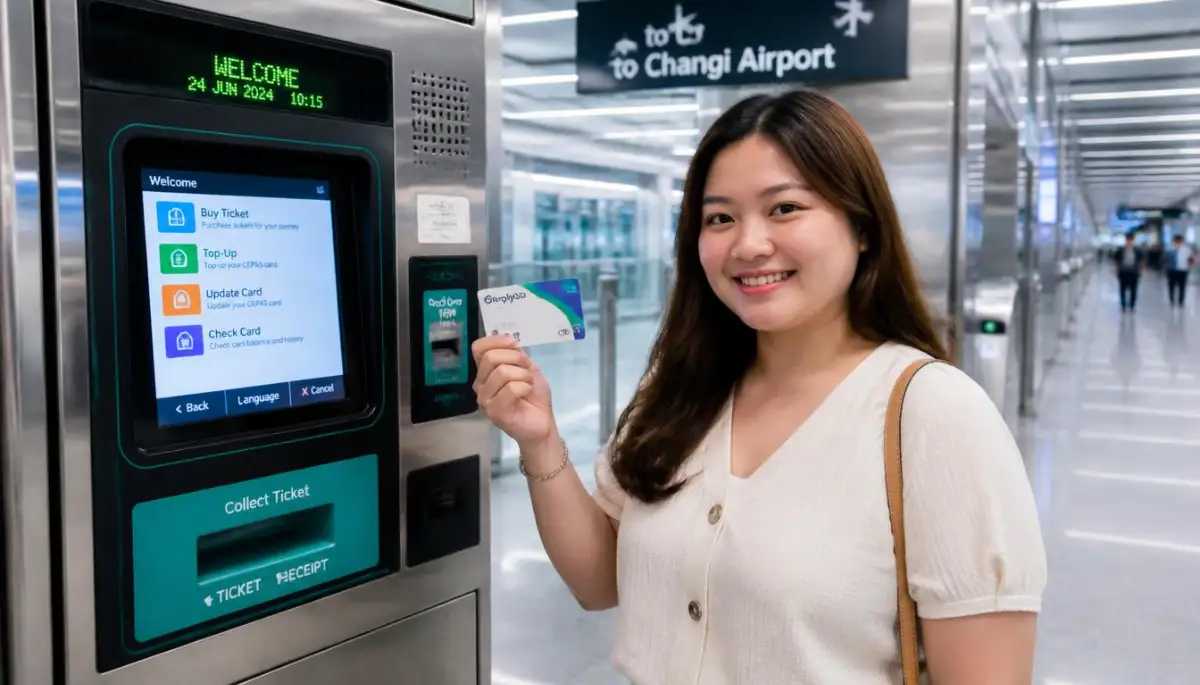
Deceptive Traps and Expensive Blunders at the Train Gates
Even the most prepared travelers can make easy mistakes that lead to lost time, wasted money, and high stress levels. When you are rushing to catch a train, a small oversight can quickly snowball into a major headache. Understanding these common traps is the best way to protect your peace of mind.
The biggest errors usually happen because people assume all transit systems operate under the same rules as their hometown networks. In reality, Asian transit networks have highly sensitive, automated rules designed to keep millions of riders moving safely.
The Forgotten Tap Out Disaster
One of the most frequent mistakes tourists make is failing to tap their card properly when leaving a station. If the barrier is already open because of a crowd, you might be tempted to walk straight through without tapping. This is a massive mistake that will lock your card instantly.
The transit system's computer needs to register both your entry point and your exit point to calculate your fare. If you do not tap out, the system assumes you are still riding and will charge you the maximum possible daily rate.
The next time you try to enter any station, your card will flash red and block you from passing. You will then have to explain your mistake to a station agent, which can be very difficult if there is a language barrier.
Blindly Purchasing Single-Ride Tickets Every Morning
Many budget-conscious travelers think they are saving money by buying cheap single-ride paper tickets instead of smart cards. They do not realize that paper tickets are actually priced higher per ride than digital card taps.
Additionally, buying paper tickets forces you to stand in front of the ticket machines before every single journey. During busy morning hours, these ticket lines can add an extra twenty minutes to your commute.
You also run the risk of dropping these tiny paper tickets during your ride. If you lose your paper ticket, you will have to pay the entire maximum fare again at your exit station to get through the gates.
Getting Trapped with Expired Balances and Blocked Cards
Many travelers forget to monitor their digital card balances until they are already standing at the turnstile during a busy rush hour. If your card does not have enough funds to cover the minimum fare, the gate will shut with a loud alarm.
This causes an instant pile-up of angry commuters behind you, creating an embarrassing and stressful situation. Always check your balance on the gate screen as you walk through, or use your phone app to monitor your funds.
If you ever find yourself struggling with travel stress or feeling overwhelmed by your heavy schedule, taking a step back is important. Many young travelers use their vacations as a way of recovering from academic exhaustion through relaxing trips, and keeping your transit details simple is key to maintaining that relaxation.
The Panic of Boarding Express Trains by Mistake
In many major cities, multiple types of trains run on the exact same tracks. You might see Local, Rapid, Express, and Limited Express trains arriving at the very same platform.
Local trains stop at every single station, while Express trains skip smaller stops to reach distant areas much faster. If you board an Express train by mistake, you might fly past your intended stop and end up miles away in an unfamiliar suburb.
Even worse, some high-speed Limited Express trains require a special premium ticket in addition to your basic fare. If you board these trains without the extra paper ticket, a conductor will issue a heavy on-board fine. Always read the electronic departure boards on the platform to confirm the train type before stepping through the doors.
If your transit mistake causes you to miss a travel connection later in the day, do not panic. Knowing the exact steps for handling an unexpected missed connection on a flight can save your entire vacation plan from falling apart.
Step Onto the Platform with Absolute Confidence
Mastering the public transport booking networks of Asia is one of the most rewarding parts of international travel. It transforms you from a confused tourist into a confident explorer who can move through busy cities with ease. The initial confusion of glowing maps and colorful lines quickly fades as you get used to the simple rhythm of tapping and riding.
By choosing the right smart cards, planning your routes ahead of time, and avoiding easy gate mistakes, you can focus on the beauty of your destination. Public transport is not just a way to get from one spot to another, but a window into the daily life of the local community.
We should also try to make our journeys as green and sustainable as possible while exploring these beautiful places. Simple habits like avoiding single-use plastic water bottles and reducing plastic waste during long journeys help keep these cities clean for future visitors.
Additionally, when you are constantly using public networks and public internet connections, security should be a priority. Just like you would protect your home entertainment systems by protecting your personal digital data on the move, you should keep your digital transit wallets secure with strong passwords.
My personal experiences of getting lost in massive underground terminals taught me that every mistake is simply a step toward becoming a better traveler. I promise you that once you successfully navigate your very first complex train transfer, you will feel an incredible rush of independence. Step onto that platform with your head held high, tap your card with confidence, and let your journey begin!
Answers to Your Biggest Subway Booking Questions
Can I use my Singapore EZ-Link card in Tokyo or Seoul?
No, transit cards are strictly regional and do not work across different countries. You must purchase a Suica or Pasmo card for Tokyo, a T-Money card for Seoul, and an EZ-Link card for Singapore.
What should I do if my digital transit card stops working at the gate?
If your phone screen fails to register or your physical card causes an alarm, walk directly to the manned glass booth next to the gates. The station staff can scan your card on their computer to see if it has an entry error and reset it for you in seconds.
Is it cheaper to buy tourist day passes or use a normal IC card?
For most travelers, a standard IC card is much cheaper and more convenient. Tourist day passes are only worth the cost if you plan to travel long distances and ride the subway more than five or six times a day.
How do I get a refund for the remaining cash on my physical card?
You can take your physical card to any official customer service office of that train operator before you fly home. They will return your card deposit along with any remaining cash balance, though they may deduct a very small processing fee.
Can multiple travelers share a single smart transit card?
No, every single traveler must have their own individual transit card to enter and exit the system. Because the system tracks your personal entry and exit stations to calculate distance-based fares, a single card cannot be tapped twice at the same gate.
Disclaimer: This guide is intended for general informational purposes only. Transit routes, ticketing systems, fare pricing, and station rules can change without notice. Always verify your travel routes and ticketing details on the official transport authority websites before embarking on your journey.