
The Scary Truth I Discovered in the Snack Aisle
I used to stand in the grocery aisle, feeling like a total pro. I’d grab the 'organic' puffs and 'all-natural' veggie straws, thinking I was winning at this whole parenting thing. But then, I actually flipped the bag over. My jaw hit the floor. One tiny snack had more salt than my toddler should eat in a whole afternoon. I wasn’t just buying snacks; I was accidentally loading my kid’s kidneys with hidden sodium. If you’ve ever felt lied to by a bright green 'healthy' label, you aren't alone. Let’s talk about what’s actually inside those bags.
I felt like a great parent because the bag said "organic" and "natural" in big letters. But then I looked at the actual numbers on the back, and my heart just dropped.
I saw that one tiny serving of these snacks had almost half of the salt my toddler should have in a whole day. I felt so guilty and confused because I thought I could trust these brands.
I spent hours that night reading about how much salt kids really need. It turns out, I was accidentally giving my child way more than his small body could handle.
My son was often extra thirsty and a bit cranky after his snack time. I never realized it was the salt causing these small but real issues in our daily life.
I want to share my story because I know I am not the only parent who feels tricked by these labels. We all want the best for our kids, but the food industry makes it very hard to choose correctly.
The Daily Struggle of Salt Overload in Our Homes
Many of us are living in a world where "quick and easy" often means "salty and processed." You might notice your child getting very picky about food, only wanting things that come out of a bag.
### 🛑 Stop the Salt: 3-Minute Cheat Sheet
- The 100mg Rule: Always look for snacks with less than 100mg of sodium per serving.
- Ignore the Front: 'Organic,' 'Natural,' and 'Veggie' are marketing words. The real truth is on the back.
- The 2-Week Reset: It only takes 14 days to retrain your child's taste buds to enjoy low-salt foods.
- Hidden Names: Watch out for 'Sodium Nitrate' or 'MSG'—they are just salt in disguise.
This is not just a phase or bad behavior. It is often because their tiny taste buds are being over-stimulated by high levels of sodium.
When we give our toddlers these salty snacks, we are changing how their brains perceive flavor. This makes them reject fresh fruits and vegetables because "real food" tastes bland to them now.
I see parents every day who are worried about their child’s high energy levels or poor sleep. We often blame sugar, but we rarely look at the salt hiding in their crackers and cereal.
High salt intake can make kids feel bloated and uncomfortable, even if they cannot tell us what is wrong. This creates a cycle of fussiness that ruins the peace in our homes and makes mealtime a battle.
It is heartbreaking to realize that the snacks we use to keep them quiet might be hurting them. We want our kids to grow up strong, but this hidden salt is like a silent weight on their health.
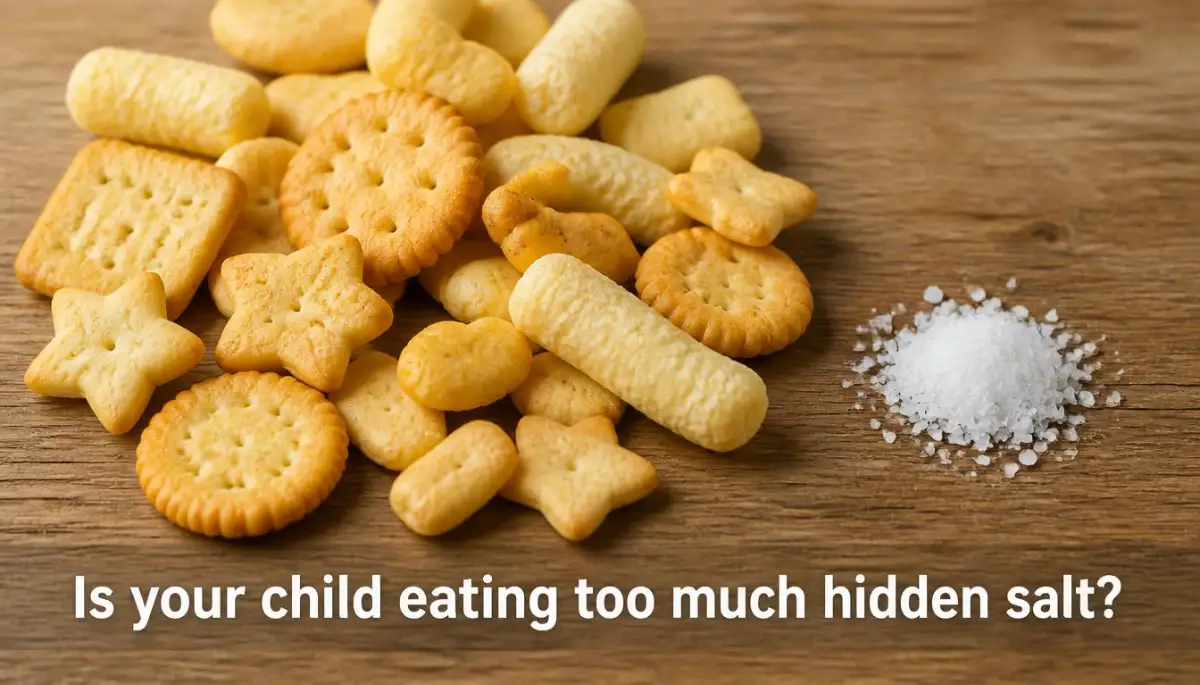
Why Your Child’s Body Can’t Handle the Extra Salt
Their kidneys are very small and delicate. When a child eats too much salt, their kidneys have to work much harder to filter it out of the blood.
If this happens every day, it puts a lot of stress on their system. This can lead to high blood pressure even at a very young age, which is something we never used to see.
Salt also changes how they stay hydrated. Have you noticed your child drinking huge amounts of water after eating a few crackers?
That is their body trying to dilute the salt to protect itself. This can lead to frequent bathroom trips or even bedwetting issues that frustrate both you and your child.
Pro Tip: I used to think that "Sea Salt" or "Pink Himalayan Salt" on a label meant the snack was healthy. I eventually learned that salt is salt, and the body treats it the same way no matter how fancy the name sounds.
How Hidden Sodium Tricks the Growing Brain
Salt is actually a very addictive ingredient. When a toddler eats high-sodium snacks, their brain releases a tiny bit of dopamine, which makes them feel good.
This creates a "crave" cycle where they keep asking for those specific snacks. They are not just being difficult; their brain is literally asking for that salt hit.
This early training can lead to a lifetime of poor eating habits. If they learn to love salt now, they will likely struggle with weight and heart health issues when they are older.
Watching this video will help you see exactly how food companies hide salt in the foods we buy for our families.
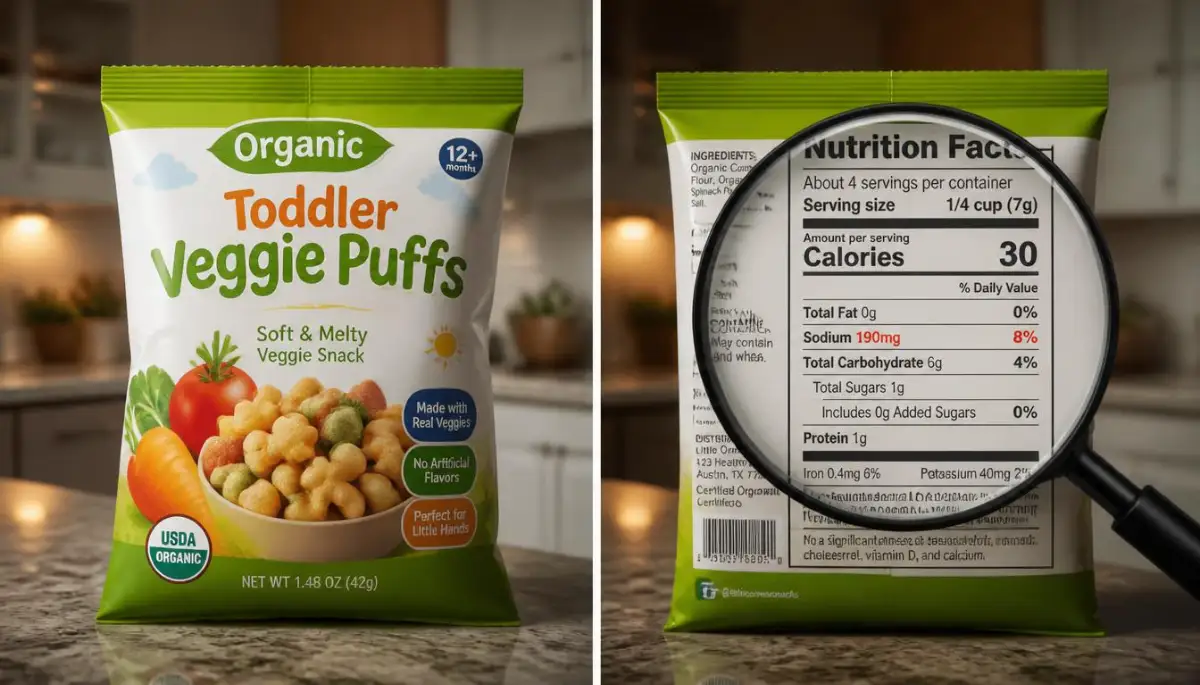
Decoding the Nutrition Label Like a Pro
The first step to fixing this is learning how to read the label properly. Do not look at the front of the box; only look at the "Nutrition Facts" on the back.
Look for the word Sodium. For a toddler, you want snacks that have less than 100mg of sodium per serving.
If you see a snack with 200mg or more, it is way too high for a small child. I was shocked to find some "veggie straws" had over 250mg per small bag!
Check the serving size first. Sometimes a bag looks small, but the label says it contains two or three servings.
If your child eats the whole bag, they might be getting 600mg of salt at once. That is more than some adults should have in a single snack.
The Danger of "Hidden" Names for Salt
Food companies are smart and they use different names so you don't get worried. You might not see the word "salt," but you might see other things.
Look out for words like Monosodium Glutamate (MSG), Sodium Bicarbonate, or Sodium Nitrate. These are all forms of sodium that add up quickly.
I started keeping a small list of these words on my phone. It helped me stay strong when I was shopping and felt tempted by a pretty package.
Even "sweet" snacks like granola bars or muffins can have a lot of salt. The salt is used to balance the sugar and keep the food fresh on the shelf for a long time.
Training Your Toddler’s Palate for Better Health
The good news is that taste buds can change. If you start reducing salt now, your child will slowly learn to love the taste of natural foods.
It takes about two weeks for the tongue to get used to lower salt levels. During this time, your child might complain, but stay strong!
Try using herbs instead of salt. I started using a little bit of cinnamon or garlic powder to make food taste good without the sodium.
My son actually started liking roasted carrots more than his old salty chips. It was a slow process, but seeing him eat real food made me so happy.
Offer fresh snacks first. A slice of apple or a cucumber stick has almost zero sodium.
When you choose fresh food, you don't have to worry about labels or hidden ingredients. It gives you peace of mind that no bag of chips ever can.
### Salt Myths: What We Get Wrong
| The Myth | The Real Truth |
| :--- | :--- |
| 'Sea Salt' is healthier for kids. | It has the exact same sodium as table salt. |
| If it’s Organic, the salt is fine. | Salt is salt. Organic labels don't change how kidneys work. |
| My kid needs salt for energy. | Kids get plenty of natural sodium from milk and veggies. |
| Veggie straws are better than chips. | Many brands have more salt than a standard bag of chips. |
The Long-Term Impact on Bone Health
This is something many parents do not know. High salt intake can actually make the body lose calcium through urine.
Toddlers need calcium to build strong bones and teeth. If they eat too much salt, their body might not be able to keep the calcium it needs.
This can lead to weaker bones as they grow up. We think we are just giving them a quick treat, but it could be affecting their skeleton for years.
I felt so much better once I realized I could control this. It is one of the simplest ways to protect your child’s future health right now.
How Social Pressure Makes it Harder
I know it is hard when other kids at the park are eating salty snacks. Your child might feel left out, and you might feel like the "mean" parent.
But remember that you are the expert on your child's health. You are the one who has to deal with the mood swings and the long-term health risks.
I started bringing my own "special" snacks to the park. Things like air-popped popcorn with no salt or frozen grapes worked wonders.
Other parents even started asking me for ideas! It felt good to lead by example and show that kids can be happy without processed salt.
Simple Swaps for a Lower Sodium Pantry
You don't have to throw everything away today. Just start making better choices the next time you go to the store.
Instead of canned beans with salt, buy the ones that say "No Salt Added." Instead of salted butter, use unsalted.
These small changes add up to a huge difference over a week. You will notice that the whole family starts feeling better, not just the toddler.
Understanding the "Salt-Sugar" Connection
There is a reason why salty snacks often lead to a craving for juice or sweets. Salt makes the tongue want something sweet to balance it out.
When I cut back the salt in my son's snacks, he stopped asking for juice as much. He was happy with plain water or milk instead.
This helped us cut out a lot of extra sugar that we didn't even realize he was eating. It all started with fixing the salt problem first.
It is like a puzzle where all the pieces finally fit together. Once you remove the excess sodium, the rest of the diet becomes much easier to manage.
Be Patient with Yourself and Your Child
Changing habits is hard and it won't happen overnight. There will be days when you are tired and you just grab whatever is in the cupboard.
That is okay! The goal is to be better most of the time, not perfect all the time.
Focus on the progress you are making. Every time you choose a low-sodium snack, you are giving your child a gift of better health.
I am still learning new things every day. But I feel so much more confident now that I know what to look for on those labels.
You have the power to change your child’s health journey starting with the very next snack. Your child might not thank you now, but their body will thank you for years to come.
Beyond the Labels: Mastering Low-Sodium Choices at Home
I found that the hardest part of cutting back on salt wasn't the shopping. It was actually dealing with the habit of reaching for a bag whenever my child was hungry.
To truly win this battle, you need a plan that goes beyond just reading the back of a box. You can start by changing how you think about "flavor" in your kitchen.
Most of us rely on salt because it is the easiest way to make food taste like something. But nature gives us so many other ways to make a toddler’s meal exciting.
The Magic of Natural Flavor Boosters
Instead of a pinch of salt, I started using lemon juice and lime. The acid in citrus tricks the tongue into thinking there is more salt than there actually is.
I also began using fresh herbs like cilantro, parsley, and basil in almost everything. You would be surprised how much a toddler enjoys the smell of fresh mint on their fruit.
If your child is used to salty crackers, try making roasted chickpeas at home. You can control exactly what goes on them and use smoked paprika for a "BBQ" flavor without the sodium hit.
My Favorite 'No-Salt' Flavor Hacks
Instead of reaching for the salt shaker, I started keeping these on my counter. They add a punch of flavor without the bloat:
- Lemon Squeeze: The sourness tricks the brain into thinking the food is seasoned.
- Nutritional Yeast: This is my secret weapon. It tastes like cheddar cheese but is super healthy.
- Cinnamon: Great for roasted carrots or sweet potatoes to make them feel like a treat.
The "Rinse and Repeat" Method for Hidden Salt
Sometimes we have to use canned or packaged foods because life gets busy. I used to feel bad about this until I learned the rinsing trick.
If you buy canned beans or vegetables, put them in a strainer and run cold water over them for two minutes. This simple act can remove up to 40% of the added sodium.
It is a great way to save money while still keeping your child safe from excess salt. You can find more ways to manage your household needs in this smart budgeting guide for pros.
Reclaiming the Family Snack Time
I realized that my child was watching what I ate just as much as what he ate. If I was sitting on the couch eating salty potato chips, he wanted them too.
We decided to make the whole house a low-sodium zone for a few weeks. It was hard at first, but it made a huge difference in how my son viewed "normal" food.
We started a "snack tray" tradition with sliced cucumbers, bell peppers, and homemade hummus. This helped him see that snacks don't have to come out of a loud, crinkly plastic bag.
Learning these new habits can be tiring, much like overcoming college burnout, but the payoff for your child's health is worth the effort.
Small Kitchen Tools That Save the Day
I highly recommend getting a simple air popper for popcorn. Most microwave popcorn is loaded with salt and chemicals that you don't want near a toddler.
With an air popper, you can make plain popcorn and add a tiny bit of olive oil or nutritional yeast. Nutritional yeast gives it a "cheesy" flavor that kids love without any added sodium.
Another great tool is a spiralizer for vegetables. Turning a zucchini or a sweet potato into "noodles" makes it fun for a toddler to eat.
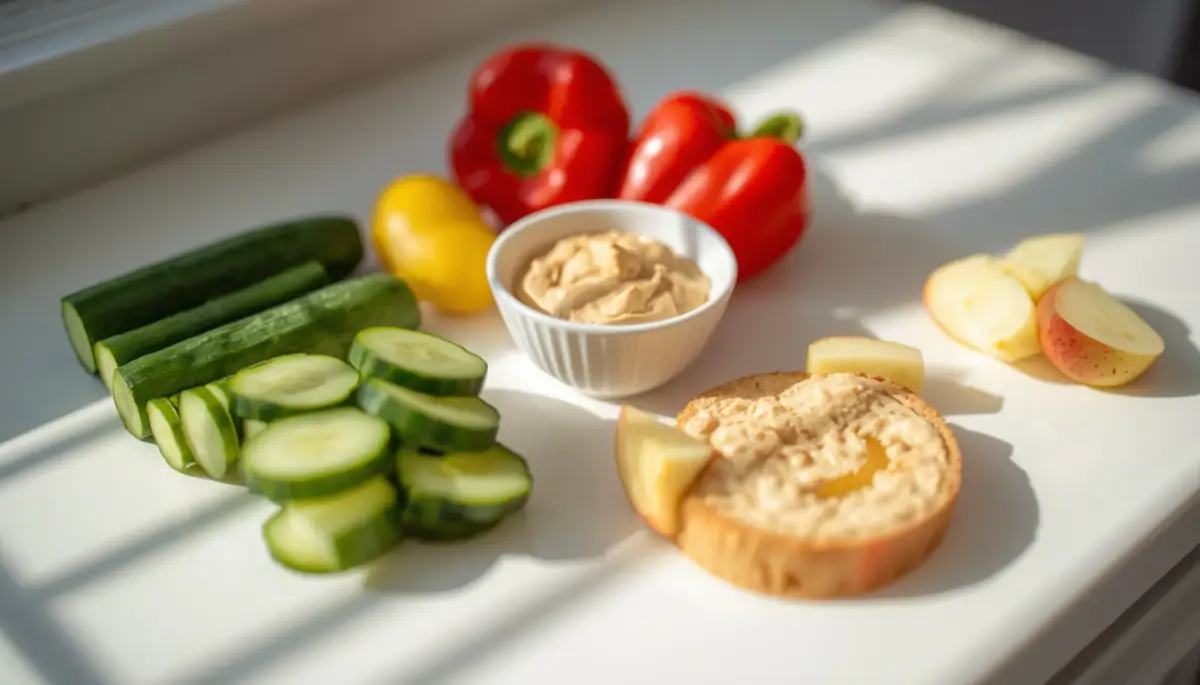
When food looks like a toy, they are much less likely to ask for those salty, processed puffs. It turns a boring vegetable into an adventure on their plate.
The Power of Batch Cooking
I know that as a busy parent, you might feel like you don't have time for this. I used to feel the same way, especially on days when work felt overwhelming.
I started spending just one hour on Sunday afternoons prepping low-salt snacks for the week. I would boil eggs, slice fruit, and bake some oat bars with mashed bananas.
This meant that when my toddler had a "hunger emergency," I didn't have to grab a processed snack bag. I already had healthy, low-sodium options ready to go in the fridge.
This kind of planning is exactly what you need when you are following the ultimate survival guide for busy students and parents.
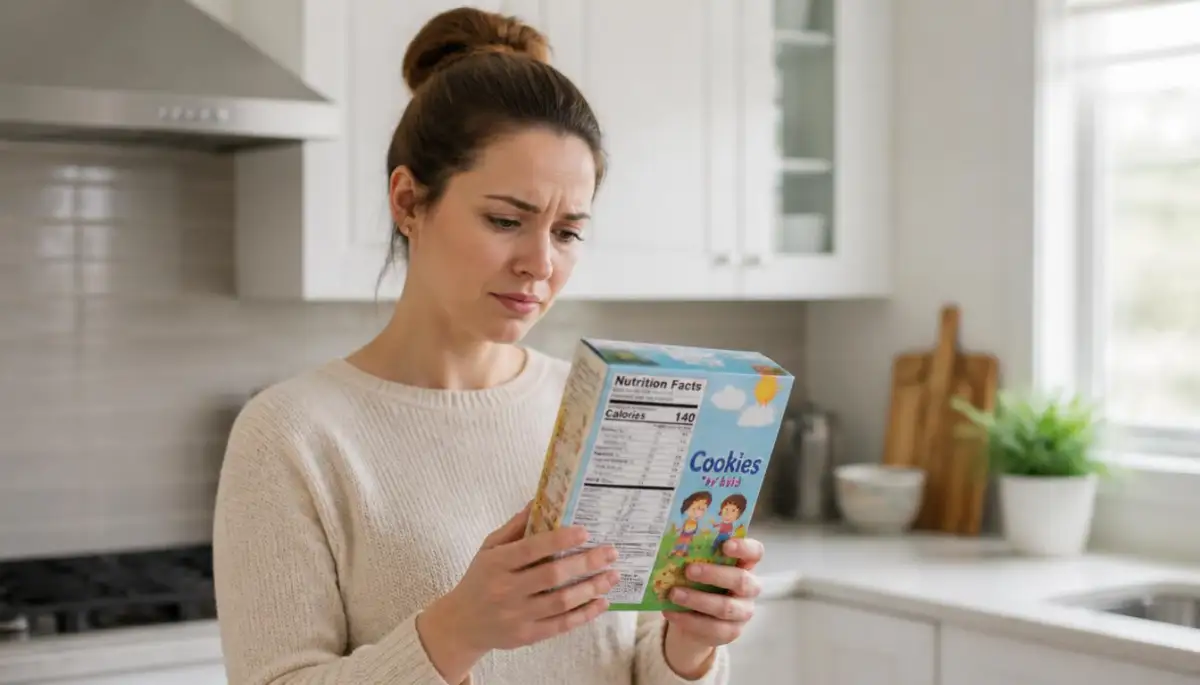
Mistakes That Can Quietly Hurt Your Child’s Future
One of the biggest traps I fell into was trusting the word "Organic" on a label. I assumed that if it was organic, it must be healthy for my son’s development.
I was wrong because organic salt is still salt. A bag of organic chips can have just as much sodium as the regular kind.
Companies use these "health halo" words to make us feel safe while they still load the product with salt to keep it shelf-stable. Always flip the package over and look at the actual sodium numbers.
The "Veggie" Powder Illusion
Another mistake many parents make is buying snacks that claim to be made of vegetables. You might see "Spinach" or "Kale" on the front of a cracker box.
In reality, these are often just potato starch or corn flour with a tiny bit of vegetable powder for color. To make them taste good, the companies add a massive amount of salt.
Your child isn't getting the benefits of vegetables; they are just getting a salty, processed cracker. It is much better to give them a piece of real broccoli or a carrot stick.
If you are worried about your child's long-term health, you should also be spotting the subtle signs of prediabetes as early as possible.
Thinking "Kid-Sized" Means "Kid-Safe"
Just because a snack comes in a small, colorful pouch doesn't mean it is designed for a child’s health. Many "toddler" snacks are just adult snacks with smaller pieces.
The sodium levels in these items are often way too high for their small kidneys to process. I used to think one small bag wouldn't hurt, but the salt adds up fast over a week.
If your child eats three of these "safe" snacks a day, they could be getting double the recommended salt intake. This puts a hidden strain on their heart and blood vessels.
We often don't see the damage right away, much like how sitting for six hours affects your veins slowly over time.
Using Salt as a Reward for Good Behavior
I used to use those salty crackers as a way to keep my son quiet in the car or at the store. I realized I was teaching him that salty food is a "reward" for being good.
This creates a deep emotional connection between salt and feeling happy. As he grows up, he might turn to salty comfort foods whenever he feels stressed or lonely.
I had to learn to use non-food rewards, like a favorite sticker or five minutes of extra playtime. It was a hard shift, but it broke the "salt for silence" habit in our house.
Ignoring the Salt in "Healthy" Breads and Cereals
Most parents focus on chips and crackers, but a lot of salt hides in bread. Some slices of white or whole-wheat bread have over 150mg of sodium.
If you make a sandwich with salty bread, salty deli meat, and a side of crackers, that single meal is a salt bomb. Even "healthy" breakfast cereals can have more salt than a bag of nuts.
I started looking for "Low Sodium" bread options at the bakery. It was a small change that removed hundreds of milligrams of salt from my son's weekly diet.
You can check the World Health Organization for more information on how salt levels in common foods affect global health.
Falling for the "No Added Sugar" Trap
Sometimes we get so focused on one bad ingredient that we forget to look at others. Many snacks that brag about having "No Added Sugar" use salt to fill the flavor gap.
I found several fruit-based snacks that were low in sugar but very high in sodium. The company uses the salt to preserve the fruit and make the flavor pop.
It is a balancing act that requires us to look at the whole picture. Don't let one "good" claim on the front of the box blind you to the "bad" numbers on the back.
The Danger of Assuming All "Home-Cooked" Food is Safe
I used to think that as long as I cooked at home, my son was safe from the salt trap. But then I looked at the ingredients I was using to cook.
I was using pre-made taco seasoning, bottled salad dressings, and chicken broth from a carton. All of these items are packed with sodium to keep them fresh in the store.
I had to start making my own seasoning mixes and using "Low Sodium" broth. It took a little more time, but it ensured that my "healthy" home-cooked meals actually were healthy.
The American Heart Association has great resources for parents who want to cook lower-salt meals for their families.
Taking Charge of Your Child's Health Journey
You have the power to change your child's future starting today. It might feel like a big mountain to climb, but you only have to take it one step at a time.
When you reduce salt, you aren't just protecting their kidneys; you are giving them a chance to love real, fresh food. This is a gift that will stay with them for their entire life.
I have seen my son become more energetic and less fussy since we made these changes. His taste buds have reset, and he now asks for strawberries instead of salty puffs.
Creating a Supportive Environment
Talk to your family and friends about why you are making these choices. When grandparents or babysitters understand the goal, they can help you keep your child on the right track.
Explain that it is about long-term health and not just being "strict." Most people will be happy to support you once they know the facts about sodium and development.
If you are feeling overwhelmed by all these changes, remember that active listening and communication with your partner can make the transition much easier.
Planning for the Future
As your child grows, they will face more choices at school and with friends. By starting now, you are building a strong foundation of healthy habits.
They will know what "real" food tastes like, and they will be less likely to get hooked on processed snacks later. You are teaching them how to take care of their own bodies.
It is a beautiful thing to watch your child grow up strong and healthy. Every small choice you make today is a brick in the wall of their future well-being.
I feel so much more at peace knowing that I am doing my best for my son. I know you can feel that same peace if you start making these small changes right now.
My journey wasn't perfect, and yours doesn't have to be either. Just keep moving forward, and remember that every low-sodium meal is a victory for your family.
I am so proud of the work you are doing for your child, and I know you have the strength to stick with it!
Common Questions About Sodium and Toddlers
How much salt is actually safe for my toddler to have in a day?
Most experts suggest that children aged 1 to 3 should have no more than 1,500mg of sodium per day. This sounds like a lot, but it is actually less than one teaspoon of total salt from all food sources.
Is sea salt or pink salt any better for my child than regular table salt?
Not really. While these salts might have a few extra minerals, they are still made of sodium chloride. Your child's body processes them the same way, so you still need to limit the total amount.
Can my child’s taste buds really get used to eating less salt?
Yes, they can! It usually takes about two weeks for the tongue to adjust to lower salt levels. After that time, natural foods will start to taste much better to them.
What should I do if my child refuses to eat low-salt snacks?
Try introducing new flavors slowly and mix them with foods they already like. Use fun shapes or bright colors to make fresh vegetables more exciting and never force a meal.
Disclaimer: The information provided in this article is for educational purposes only and is not a substitute for professional medical advice. Always consult with a pediatrician or a qualified nutrition expert before making significant changes to your child's diet or if you have concerns about their health and development.