The Quiet Pain of Wanting More When Pockets Are Empty
Let’s be honest: most people think you need a huge bank account to start a business. They’re wrong. I’ve been in that spot where my balance was almost zero, and I felt stuck. But you don't need a loan or fancy software to help your first customer. All you really need is a skill people want and a way to reach them. I’m going to show you exactly how to turn what you already know into a paycheck without spending a single dollar.
I wanted so badly to start a digital service business, but everyone online told me I needed thousands of dollars to begin. That feeling of being completely stuck and helpless was suffocating.
I felt like a failure before I even started. I spent hours looking at my ceiling, wondering if I would ever break free from the cycle of living paycheck to paycheck.
They want to escape the daily grind and build something of their own. But the constant worry about money keeps them trapped.
This financial stress does not just hurt your wallet. It slowly eats away at your mental peace.
You lie awake at night wondering how you will pay for next month's rent. The fear of failure paralyzes your mind and stops you from taking any action.
I know that feeling because I lived it for years. I used to think that why first time personal loans fail and how to fix it was my only option to get some startup cash.
But taking a loan when you have no income is a dangerous path. I had to learn the hard way that a successful business starts with a plan, not a bank transfer.
The Reality of the Zero-Dollar Startup
Many people believe that you must buy expensive software and hire lawyers before you can help your first customer. This is a massive mistake that keeps smart people from ever launching.
The Bootstrapper’s Fast-Track Guide
- Inventory Your Brain: Stop looking at your wallet and start looking at your skills. If you can save someone time, they will pay you.
- The "No-Site" Rule: Don't waste weeks building a website. Use a Google Doc or a simple LinkedIn profile to start.
- Help in Public: Find people with problems on social media, solve a small part of it for free, then move to a private chat.
- Trust over Tools: A fancy invoice tool doesn't get you clients. Being honest, fast, and helpful does.
In reality, a service business only requires your time, your skill, and a way to communicate. If you can solve a specific problem for someone, they will gladly pay you for it.
You do not need a fancy office or a shiny logo to make that happen. You just need to find someone who has a problem and offer them a clear solution.
This is about keeping things simple. When your budget is zero, your biggest asset is your ability to focus and solve problems.
You see successful founders online talking about their massive funding rounds. This makes you feel even smaller and more isolated.
It feels like the business world is a private club where only the wealthy are allowed inside. You begin to doubt your own skills and worth.
But the actual currency you need is already inside your head. Let us break down the truth about starting a business when you have absolutely nothing in your bank account.
Auditing Your Personal Skills Goldmine
The first step to starting with no money is figuring out what you can actually do for others. You do not need a college degree or twenty years of experience.
You just need to be slightly better at a task than the person who is paying you. Take a piece of paper and write down everything you know how to do.
Do you know how to write clear emails? Can you organize messy schedules?
Have you figured out how to edit simple videos on your phone? These are not just random tasks; they are valuable services that busy business owners want to pay for.
They do not have the time to do these things themselves. By doing these tasks for them, you save them time, which means you make them money.
Once you have your list, select just one single skill to focus on. Trying to offer ten different services will only confuse your potential clients.
Focus on one simple service that you can deliver exceptionally well. This makes you an expert in their eyes, even if you are just starting out.
The "Skill-to-Cash" Cheat Sheet
Building Your Offer for Zero Dollars
Now that you have chosen your skill, you need to turn it into an offer. An offer is simply a statement that tells people what you do and who you do it for.
You do not need a website to show this to the world. A website can be a distraction when you are just trying to get your first client.
Instead, you can use a free Google Doc to write down your offer details. Explain the problem you solve in simple words.
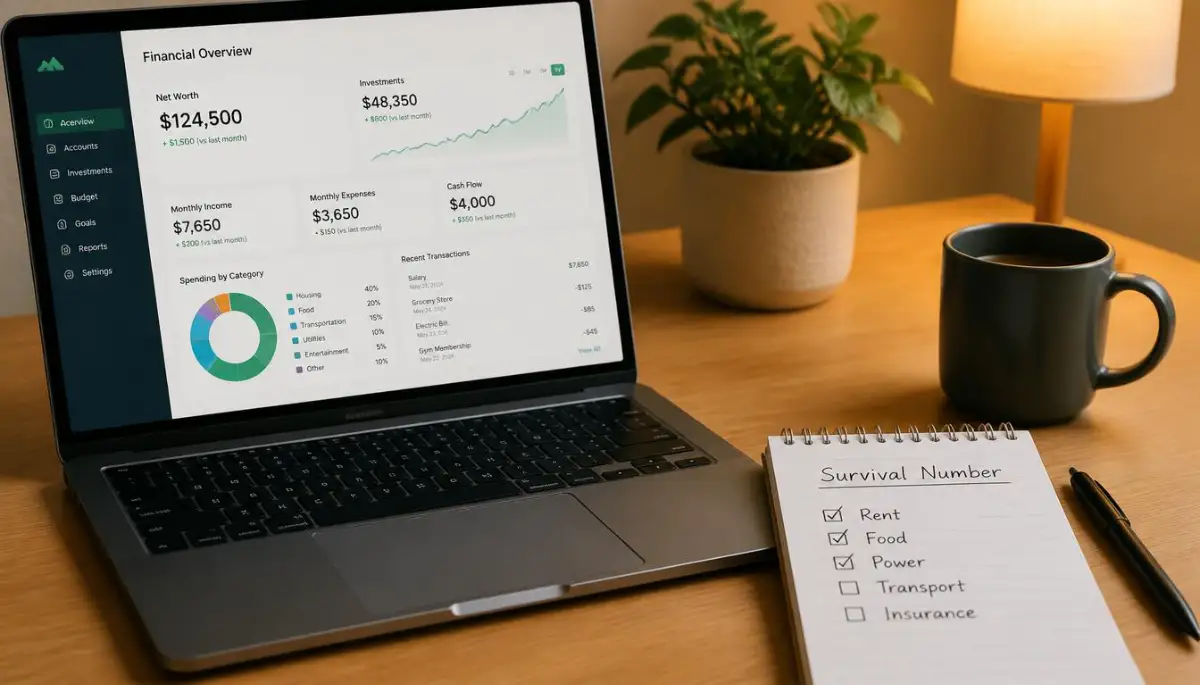
Keep it clear and easy to read. You can share this document link with anyone who asks about your services.
It looks clean and professional. This shows that you focus on clear communication and getting things done.
I remember when I started my first consulting project. I spent days trying to build a complex website before I even had a single client.
I quickly realized that a simple, clear message sent through a free email account was all I actually needed. I was spending time on things that didn't matter because I was afraid of reaching out to people.
Finding Your First Clients Using Free Outreach
Once your offer is ready, you need to find people who actually need your help. Do not waste your time or money on paid social media ads.
Paid ads are expensive and rarely work well when you are just starting out. Instead, go to platforms where business owners already hang out.
LinkedIn and Facebook groups are goldmines for free leads. Look for people who are asking questions related to your specific skill.

When you find them, do not just pitch your services immediately. Instead, leave a helpful, detailed comment that solves a small part of their problem for free.
This builds instant trust and shows that you actually know what you are talking about. After helping them in public, send them a polite private message.
Explain how you can help them solve the rest of their problem. Keep your message short and focused entirely on their needs.
Your physical health is part of your business budget when you are bootstrapping. If you can't work, your business doesn't move forward.
To see exactly how to approach your very first client without looking desperate, check out this video.
Risk-Free Pricing for Beginners
Many beginners struggle with pricing because they do not have a portfolio. If you ask for a large payment upfront, people might hesitate to trust you.
To solve this, you need a pricing model that removes all risk from the client. You can offer a results-based pricing model to your very first client.
This means they only pay you after they see the actual results of your work. Alternatively, you can offer your service at a discounted price in exchange for a testimonial.
Once you have three solid testimonials, you can instantly raise your prices. Those testimonials prove to future clients that you can actually deliver on your promises.
This is how you build a real portfolio without spending any money on marketing. It is a slow but steady way to build a high-value brand from nothing.
Tools to Manage Your Business for Free
You do not need to purchase expensive software to keep your business organized. There are dozens of free tools available that do a great job.
For scheduling meetings with clients, you can use the free version of Calendly. For tracking your daily tasks, a simple Google Sheet works perfectly.
For sending invoices and receiving payments, you can use free PayPal or Stripe accounts. As your business grows, you can slowly upgrade to paid tools.
But in the beginning, these free options are more than enough. Always keep your expenses as close to zero as possible.
My "First $100" Strategy:
When I got my first client, I didn't spend the money on a new tool or a logo. I put it into a separate "business savings" folder. My rule was simple: I wouldn't buy any paid software until the business earned enough to pay for it for 6 months upfront. This kept me from going back into debt and forced me to find free ways to get things done.
I found that why hosting server location can make or break your website speed is an important lesson even for free tools. You want tools that are fast and easy for your clients to use.
If your invoice or booking link is slow, it makes you look unprofessional. Choose tools that have a good reputation for speed and reliability.
Myth vs. Reality: The Legal Setup
Many people delay starting because they think they need to spend hundreds on legal registration. This is a common myth that stops many great ideas.
In most places, you do not need a formal business structure to start offering basic services. Starting as a sole proprietor costs you absolutely nothing.
You can run your business under your own personal name in the beginning. Once you are making consistent monthly income, you can easily transition into a formal LLC.
According to guidelines from the U.S. Small Business Administration (SBA), most service-based side hustles can begin with very little formal paperwork. Focus on earning your first dollar before worrying about complex legal structures.
If you ever find yourself in a difficult legal spot, you should know that being served with a civil lawsuit requires an immediate action plan. But as a small service provider, staying honest and keeping clear records is your best protection.
Daily Routine: Time is Your Only Capital
When you do not have money to spend, you must invest your time instead. This means you need a structured daily routine to keep yourself moving forward.
Set aside at least two hours every single day to work on your new business. Use the first hour to find new potential clients and send personalized messages.
Use the second hour to improve your skills or do work for your current clients. Consistency is the secret weapon of the bootstrapped entrepreneur.
Small, daily actions build massive momentum over time. If you stay consistent, you will eventually see the results you are looking for.
I used to waste so much time on social media before I realized it was my greatest distraction. Now, I use safe AI at work to prevent privacy risks while also using it to help me draft my outreach messages faster.
Scaling to Consistent Monthly Profits
Once you land your first few clients, the game changes. You are no longer just trying to survive; you are trying to build a sustainable system.
Instead of charging by the hour, focus on charging for the specific result you deliver. When you charge hourly, you are actually penalized for working fast.
By offering a flat package rate, you shift the client’s focus from your time to your value. For example, sell a "Monthly Growth Package" rather than just hours of work.
To find out how to communicate this value clearly, you can learn some highly effective active listening hacks for professionals. Listening to your client's frustrations allows you to position your service as the perfect cure.
Avoiding the Desperation Trap
When you start with empty pockets, you are vulnerable to making desperate decisions. One of the most painful mistakes is taking on every single person who shows interest.
Some clients are incredibly difficult to work with and refuse to pay a fair rate. These toxic clients will drain your energy and prevent you from finding great partners.
If a potential client treats you poorly, politely decline the project. It is far better to have zero income for a week than to work for someone who destroys your self-esteem.
Also, keep an eye on your physical health. Sometimes we get so busy that we ignore the signs our bodies give us.
It is useful to know about spotting the subtle signs of prediabetes before it's too late. Taking care of your health is the best long-term investment for any founder.
Conclusion: Your Brave New Beginning
Starting a service business with zero money is one of the most powerful ways to learn how the world works. By relying on your skills instead of a loan, you build a resilient mind.
You do not need a fancy launch event or a high-tech website. You simply need the courage to solve one problem for one person today.
I remember when my bank account was empty and I felt terrified. By focusing on helping just one person a day, I managed to build something that changed my life.
I know you have the exact same strength inside you. Take that first brave step today and watch your world transform.
My journey taught me that money is just a tool, but your will to succeed is the engine. I promise you that the freedom on the other side is worth every bit of struggle you face now.
Common Questions About Starting with Zero Capital
How do I know if my chosen skill is actually in demand?
The easiest way to check demand is to look at online job boards. If you see people posting jobs for things like social media help, writing, or data entry, the demand is definitely there. You can also look at what your competitors are offering and see if they are busy.
What if I don't have a professional portfolio yet?
You can create a "mock portfolio" by doing work for yourself or a friend for free. For example, if you are a writer, write three high-quality articles on a topic you love. This shows potential clients that you have the skill to deliver what they need.
Is it safe to share my services in Facebook groups?
Yes, it is safe as long as you follow the group rules. Don't just spam your link everywhere; instead, focus on answering questions and being helpful. Most group owners don't mind you sharing your service if it truly helps another member solve a problem.
How can I handle a job change while trying to start a business?
If you are switching jobs, you need to be very careful with your finances. Learning how to keep your home loan approved during a job change is a smart move if you have a mortgage. Keep your side business small until your new job situation is stable.
Can I use AI to help me with my new business?
Yes, AI can be a great tool for brainstorming and drafting. However, always add your personal touch to everything you send to clients. To understand the costs involved with tech tools, you might want to look into saving money on Ethereum gas fees if you plan to use crypto for payments.
Disclaimer: This article is for educational and informational purposes only. It does not constitute formal financial, legal, or professional tax advice. Always consult with a certified expert in your local area before making major business or financial decisions.