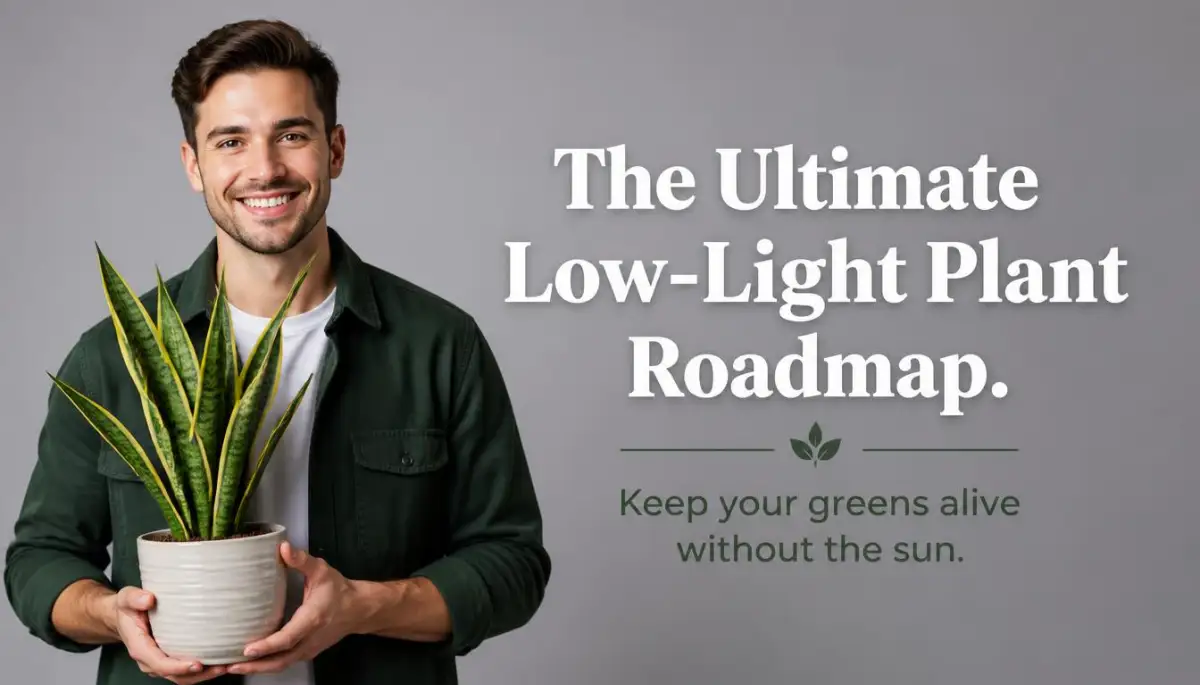
My Journey from a "Plant Killer" to a Green Thumb
I still remember the first plant I ever bought. It was a beautiful, bright green fern that I placed right on my desk. I thought I was doing everything right by watering it every single day.
Within two weeks, the leaves turned a crispy brown and it looked like a skeleton. I felt so bad because I really wanted to have a little bit of nature in my room. I bought another one, then another, and they all died the same way.
I felt like I just didn't have that "magic touch" people talk about. My room didn't have big windows, and I didn't want to spend money on fancy grow lights. I almost gave up on the idea of having a green space.
Then, I started to change my approach and stopped guessing what my plants needed. I began to watch how they reacted to my room instead of following a strict book. That was the moment everything changed for me.
Now, my room is full of life, and I haven't lost a plant in a long time. I want to share my story so you don't have to feel the same sadness I did. You can have a beautiful indoor garden even if your home is a bit dark.
The Quiet Struggle of the Modern Plant Owner
Most people walk into a store and pick the prettiest plant they see. They take it home, put it in a corner, and hope for the best. When the plant starts to droop, they feel a sense of guilt and frustration.
This problem affects so many people living in apartments or small houses. You see these perfect "jungle" photos on social media and wonder why your home looks so different. It starts to feel like a chore instead of something that brings you peace.
When a plant dies, it isn't just about the money you spent. It feels like a small failure that weighs on your mind every time you look at that empty pot. You might start to think that you are simply not good at taking care of living things.
This constant worry can actually ruin the joy of gardening. Instead of feeling relaxed, you feel stressed every time you pick up a watering can. You wonder if you are giving too much or too little, and that doubt is exhausting.
I want to tell you that it is not your fault. Most plants sold in shops are not meant for the dark corners of a normal home. Once you understand a few simple rules, the stress goes away and the fun begins.
Why Your Home is Better for Plants Than You Think
You don't need a glass house or a huge backyard to grow something green. In fact, many plants actually hate direct, hot sunlight. They prefer the soft, quiet light that most of us have in our living rooms.
Think of your plants like roommates who just want to be comfortable. They don't need you to be perfect; they just need you to be consistent. Most of the "rules" you hear online are actually way too complicated for a beginner.
You can create a beautiful space using things you already have at home. You don't need specialized sensors or expensive soil mixes from far away. A simple pot and a little bit of knowledge are all you really need to start.
The Secret Language of Low-Light Living
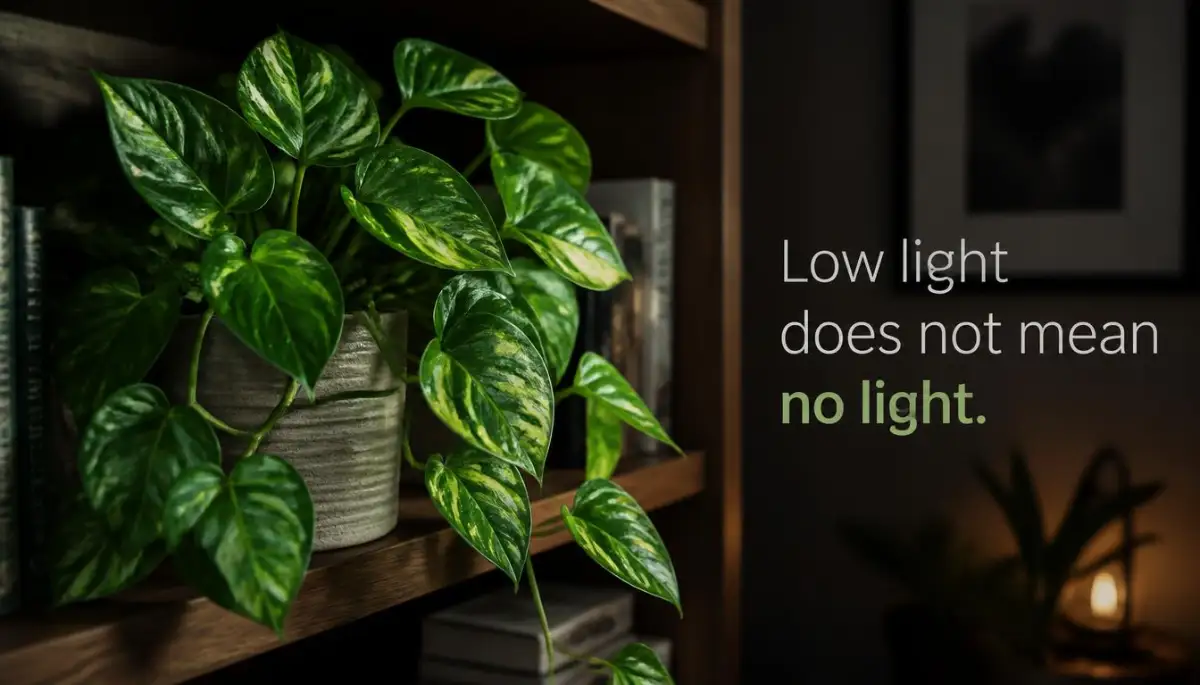
The biggest mistake I made was thinking "low light" meant "no light." Every living thing needs some form of energy to stay alive. In a house, light is the food that your plant eats to grow.
If you put a plant in a room with no windows at all, it will eventually give up. But "low light" usually means a spot where you can still read a book during the day without a lamp. This kind of spot is perfect for many hardy plants that grow under big trees in the wild.
I found that the best way to test the light is to look at the shadow. Put your hand near the spot where you want the plant to live. If you see a very faint, soft shadow, that is a great low-light spot.
I used to move my plants around every hour to find the sun. I later realized this actually stressed them out more because they couldn't settle in. My best advice is to pick a good spot and let the plant stay there to get used to the space.
Choosing the Survivors: Your First Green Friends
If you are just starting, stay away from the picky plants that need high humidity. You want plants that are "tough as nails" and can handle a bit of neglect. There are three plants that I always suggest for anyone with a dark room.
The Snake Plant is probably the king of low-light survival. It has tall, stiff leaves that look like swords and it can go weeks without water. It actually prefers to be left alone most of the time, which is great for busy people.
Next is the ZZ Plant, which has shiny leaves that look like they are made of plastic. It stores water in its roots, so it is very forgiving if you forget to water it. It grows slowly but stays green even in the dimmest corners of a hallway.
Finally, the Pothos is a beautiful trailing plant that grows very fast. You can let it hang from a shelf or climb up a wall. It will tell you exactly when it is thirsty by letting its leaves wilt just a little bit.
The Golden Rule of Watering Without the Guesswork
Overwatering is the number one reason why indoor plants die. We water them because we want to show love, but we end up "drowning" the roots. When the soil is always wet, the roots can't breathe and they start to rot.
The best tool you have for watering is your own finger. Stick your finger about two inches deep into the soil. If it feels damp or sticks to your skin, wait a few more days before adding water.
Only water your plant when the top part of the soil feels dry like a desert. When you do water, do it slowly until you see a little bit coming out of the bottom. This ensures the water reaches all the way down to the deep roots.
Watch this short video to see exactly how to check your plant's soil like a pro.
Why the Pot You Choose Matters More Than the Price
You might find a very pretty pot at a store, but if it doesn't have a hole in the bottom, it is a trap. Without a drainage hole, the water sits at the bottom and turns the soil into a swamp. This is where most plant problems begin.
If you have a pot with no hole, keep the plant in its original plastic pot and just set it inside the pretty one. This way, you can take it out to water it and let the extra moisture drain away. It is a simple trick that saves so many plants.
The size of the pot is also important for the plant's health. If the pot is too big, the soil stays wet for too long because the roots can't drink it all. Always pick a pot that is just an inch or two wider than the plant itself.
Finding the Right Balance in Your Daily Routine
Plants don't like sudden changes in their environment. If you blast the heater or the air conditioner right next to them, they will get stressed. Try to keep them in a spot where the temperature stays mostly the same.
You don't need to feed them fancy fertilizers every week either. Most indoor plants grow slowly, so they don't need much "food." Giving them a little bit of plant food once every few months is usually more than enough.
Dust can also be a hidden enemy for your green friends. When dust sits on the leaves, it blocks the light from getting inside. Once a month, just wipe the leaves with a damp cloth to keep them clean and happy.
The Mystery of Brown Tips and What They Mean
Many new owners panic when they see a tiny brown tip on a leaf. Usually, this is just a sign that the air in your home is a bit too dry. It doesn't mean the plant is dying; it is just a small message from the plant.
You can help by grouping your plants together in one spot. Plants naturally release moisture, so they create a little "mini-forest" of humidity when they are close. This is a free and easy way to keep them looking fresh.
If a leaf turns completely yellow, it is often just an old leaf reaching the end of its life. You can simply snip it off with a clean pair of scissors. This helps the plant focus its energy on growing new, healthy leaves.
Building Your Confidence One Leaf at a Time
The best part of gardening is watching a new leaf slowly uncurl. It gives you a sense of pride to know that you are helping something grow. Even if you start with just one small plant, it changes the feeling of your home.
Don't be afraid to make mistakes as you learn. Every expert gardener has a "graveyard" of plants they lost along the way. The difference is that they learned something from every single one of them.
Take a moment each morning to just look at your plants while you drink your coffee. You will start to notice the tiny changes and learn what they are trying to tell you. This simple habit is the key to a long and happy life for your indoor garden.
Keeping It Simple for Long-Term Success
You don't need to spend hours every week caring for your greenery. In fact, the less you "mess" with them, the better they usually do. Most low-light plants prefer a calm and quiet life without too much interference.
Set a reminder on your phone to check the soil once a week. If it is dry, water it; if not, just walk away. This simple routine takes less than five minutes but keeps your plants thriving for years.
As you get more comfortable, you might find yourself wanting more plants. But for now, focus on mastering the ones you have. A few healthy, happy plants look much better than a room full of struggling ones.
The Joy of a Greener Living Space
Having plants in your room can actually make you feel more relaxed and focused. They clean the air and bring a soft, natural beauty to any corner. Even a dark apartment can feel like a sanctuary with the right greenery.
I hope this roadmap helps you feel more confident about starting your own garden. You have everything you need right now to keep a plant alive and well. Just remember to be patient and listen to what your plants are saying.
Your home is a living space, and adding plants makes it feel even more alive. Start small, stay curious, and enjoy the process of growing your own indoor jungle. You might be surprised at how much joy a single green leaf can bring to your day.
Master Techniques for Sustaining Your Indoor Oasis
Once you have your first few plants, you might feel like a pro, but the real secret to a long-term garden is understanding the hidden needs of your green friends. I used to think that just pouring water on top was enough. I quickly learned that bottom watering is a much better way to help plants that live in low light.
Bottom watering is when you set your plant pot in a tray of water and let it "drink" from the bottom up. This makes sure the water reaches the deep roots without making the top soil too soggy. It also prevents those tiny, annoying gnats from living in the top layer of your soil.
You should also think about the air inside your home. Many people don't realize that indoor air is often very dry, especially when we use heaters or fans. I found that grouping plants together creates a little bubble of moisture that keeps them happy.
If you want to be extra careful, you can make a "pebble tray" by filling a shallow dish with stones and water, then placing your plant on top. The water evaporates around the leaves, giving them the humidity they crave. This is one of those simple household swaps to shrink your plastic footprint easily because you can reuse old plastic trays for this purpose instead of buying new ones.
Another secret I learned is about soil aeration. Over time, the soil in a pot gets packed down tight, making it hard for the roots to get any air. I use a simple wooden chopstick to gently poke holes in the soil once a month.
This process is like a breath of fresh air for the roots. Just as we know how understanding how sitting for six hours affects your veins and slows down our circulation, packed soil slows down the health of your plant. By "fluffing" the soil, you help the plant breathe and grow much faster.
You should also pay attention to the water you use. Most of us use tap water, but it often has minerals that some plants don't like. I started letting my tap water sit out overnight in an open bottle.
This allows the chlorine to evaporate, making the water much safer for sensitive leaves. If you notice the tips of your leaves turning brown, this simple trick might be the fix you need. It costs nothing but saves your plants from a lot of stress.
Keeping the leaves clean is another big task that people often skip. Dust acts like a blanket that blocks the plant from getting the little light it has. Every few weeks, I take a soft, damp cloth and gently wipe every leaf.
Think of it like when you fix tired eyes fast by adjusting your screen settings; cleaning the leaves helps the plant "see" the light better. It is a peaceful task that helps you bond with your garden while keeping it healthy.
For those who want to get even more advanced, try seasonal awareness. Even inside a house, plants can tell when the days get shorter. They might stop growing for a few months, and that is perfectly normal.
During these times, they need much less water than they do in the warmer months. I made the mistake of watering the same amount all year and ended up with root rot. Now, I listen to the seasons and let my plants rest when they need to.
The Heartbreaking Errors That Quietly Kill Your Greenery
I have seen so many people start with great energy only to give up because of a few common mistakes. One of the biggest "pitfalls" is what I call over-potting. This happens when you put a small plant into a very large pot because you want it to grow big.
In reality, a pot that is too big holds onto too much water. The small roots can't drink it all, and the soil stays wet for way too long. This leads to a smelly, swampy mess that kills the plant from the bottom up.
It is a sad sight to see a plant literally drown in its own home. Always move up in size slowly, only going an inch or two wider than the current pot. Patience is the best tool any gardener can have.
Another mistake that breaks my heart is moving plants too often. Plants don't have legs, and they are not used to traveling around your house. Every time you move a plant to a new spot, it has to work hard to adjust to the new light and air.
I used to carry my plants from room to room trying to find the "perfect" spot every day. All I did was make the leaves fall off because the plant was in a constant state of shock. Find a good spot, set it down, and leave it there for at least a month to settle in.
We also need to talk about over-feeding. New plant owners often think that fertilizer is "medicine" for a sick plant. If your plant looks sad, the worst thing you can do is give it a bunch of plant food.
Fertilizer is like a heavy meal; you should only give it to a plant that is already healthy and growing. Giving food to a stressed plant is like trying to feed a person a steak when they have a fever. It only makes the problem worse.
Many people also ignore the signs of pests until it is too late. Tiny bugs like spider mites or mealybugs can hide under the leaves and suck the life out of your plant. I check my plants every time I water them to make sure no uninvited guests have moved in.
If you find bugs, don't panic and throw the plant away. Most of the time, a simple wash with soapy water can fix the issue. Ignoring it, however, will allow the bugs to spread to every other plant you own.
Lastly, don't forget the drainage tray. Leaving a plant sitting in a saucer full of old, stagnant water is a recipe for disaster. After you water your plant, wait ten minutes, and then pour out any extra water that collected in the tray.
This simple step prevents the roots from sitting in a "bath" of dirty water. It keeps the roots white and healthy instead of brown and mushy. It is a small detail, but it makes all the difference in the world.
Your Path to a Greener and More Peaceful Home
Growing a garden inside your house is one of the most rewarding things you can do for your mental health. I have found that taking care of my plants helps me manage stress much better. If you are feeling overwhelmed with life, you might see similarities in overcoming college burnout real recovery strategies for high achievers where small, steady actions lead to big results.
You don't need a lot of space or money to create a beautiful indoor jungle. You just need a little bit of curiosity and the willingness to learn from your plants. They are wonderful teachers if you take the time to listen to them.
Every new leaf is a sign of your success and a reminder that nature is resilient. Even in a dark room, life finds a way to move forward. Your home will feel warmer and more alive with every plant you add to your collection.
I want you to take a deep breath and look at that empty corner in your room. Imagine a beautiful, green plant sitting there, bringing fresh air and peace into your space. You are fully capable of making that happen today.
I remember how scared I was to kill my first plant, but I am so glad I didn't stop trying. My home is now a sanctuary that helps me relax after a long day of work. I hope you take that first step and bring a little bit of nature into your life because you truly deserve it.
Common Questions About Keeping Indoor Plants
What is the best way to tell if my plant needs water right now?
The easiest way is the "finger test" where you stick your finger two inches into the soil. If it feels dry and dusty, your plant is thirsty. You can also lift the pot; if it feels very light, the soil is likely dry all the way through.
Can I grow plants in a room that has no windows at all?
Most plants will struggle in a room with zero natural light for a long time. However, you can use a normal LED desk lamp to give them a boost. Keep the light on for about eight to ten hours a day to act as "fake" sunlight for your green friends.
Why are the leaves on my plant turning yellow?
Yellow leaves can mean a few different things, but the most common reason is overwatering. If the soil is very wet, stop watering and let it dry out completely. If the soil is dry, it might just be an old leaf that the plant is letting go of naturally.
Is it okay to use water from my kitchen sink?
Yes, most tap water is fine for most indoor plants. If you want to be extra safe, let the water sit in an open container overnight. This helps some of the chemicals disappear and brings the water to room temperature, which is better for the roots.
How often should I clean the dust off my plant leaves?
Try to wipe the leaves once every two to four weeks. If you live in a dusty area or have the windows open often, you might need to do it more frequently. Keeping the leaves clean helps the plant process light much more effectively.
Disclaimer: The information provided in this article is for general educational and informational purposes only. While I share my personal experience and common gardening knowledge, I am not a professional botanist or horticulturist. Every home environment is unique, and results may vary depending on your specific conditions. Always research the specific needs of your plant species and consult with a local nursery professional if you have serious concerns about plant health or safety.