
The Night My Credit Score Dropped After a Perfect Monthly Payment
I used to think that paying my credit card bill on time every month made me a financial expert. Then, I checked my score and saw a huge 24-point drop. I felt like the system was rigged against me. If you’ve ever done everything "right" only to see your score crash, you aren't alone. Here is the simple truth about why it happens and how you can fix it in a few minutes.
Yet, my tracking app flashed a bright red warning. My credit score had plummeted by twenty-four points. It felt like a unexpected blow to the stomach after doing everything right.
I had followed all the standard financial advice. I never missed a payment, and I always cleared my debt before the deadline. Still, the system was punishing me, and I had no idea why.
This silent struggle is something thousands of honest savers face every single day. You sacrifice your hard-earned money to clear your bills on time. You sleep peacefully thinking you did the right thing.
Then, you wake up to find your financial progress set back. It makes you feel completely helpless and angry at a system that feels rigged.
You start to doubt whether trying to maintain good credit is even worth the effort. The anxiety is very real because your score affects your ability to rent a home or get a vehicle loan. It feels like a hidden penalty for being an honest, responsible consumer.
We deserve to understand exactly how these financial rules work. Once we demystify the system, we can easily protect our hard work and our sanity.
Unveiling the Hidden Credit Trap and How to Outsmart It
To solve this frustrating mystery, we have to look at how credit card companies share your data. The system does not actually look at your account on the day you make your payment. Instead, it relies on a specific monthly snapshot.
Quick Fix: How to Stop the Score Drop
If you are in a hurry, here are the main things you need to do right now to protect your score:
- Find Your Statement Date: It’s different from your due date. This is the day the bank reports your balance.
- The 10% Rule: Never let your balance be higher than 10% of your limit on that statement date.
- The AZEO Hack: Pay off all cards except one before the closing date to see a fast boost.
- Request a Limit Hike: Ask your bank for a higher limit but tell them you want a "Soft Pull" only.
The Silent Messenger: Your Credit Statement Closing Date
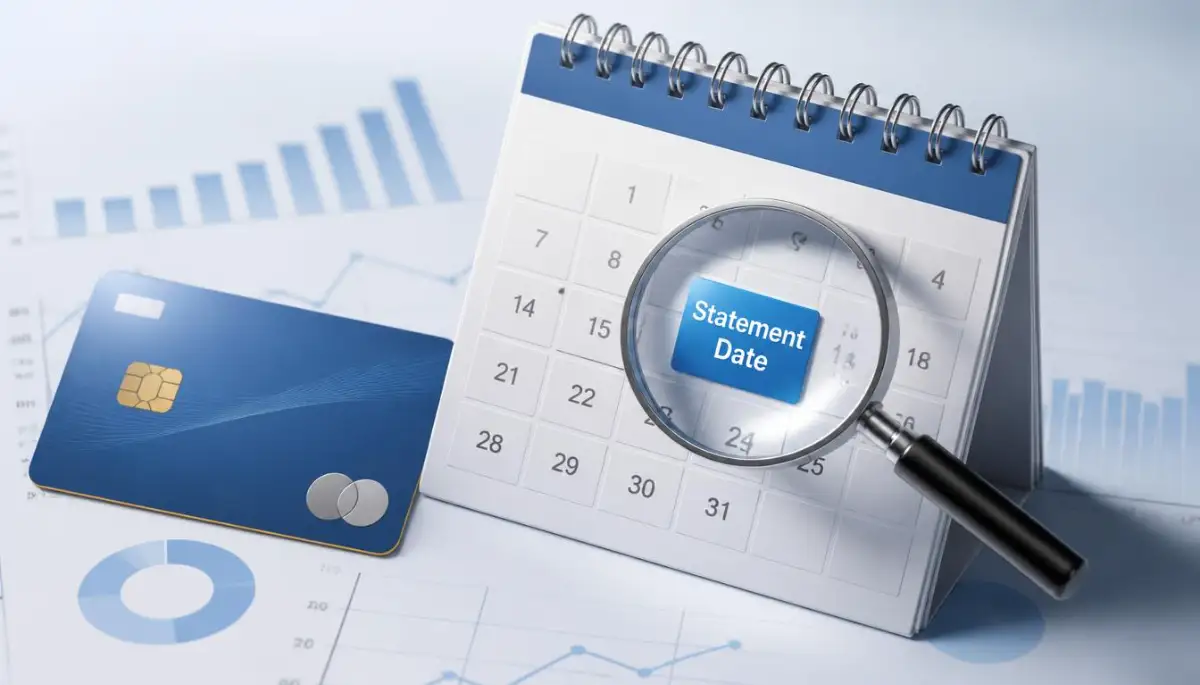
Many people believe that their monthly payment due date is the only day that matters. This is a massive mistake that hurts many well-meaning cardholders. Your credit card issuer reports your balance to the credit bureaus on your statement closing date, not your due date.
Your statement closing date usually occurs about three weeks before your payment is actually due. If you spend heavily during the month, that high balance is recorded and sent to the credit bureaus immediately. It does not matter if you pay it off to zero a few days later on the due date.
The bureaus only see the high snapshot taken on that specific closing day. To the system, it looks like you are constantly carrying a heavy load of debt. This is why your score drops even when your wallet is completely empty of debt.
The Math Behind the Damage: Credit Utilization Ratio
This brings us to an essential metric in your financial profile called credit utilization. Your utilization is simply the percentage of your total limit that you are currently using. Credit scoring systems prefer to see this number stay as low as possible.
Generally, keeping your utilization below ten percent will give you the best results. Let us look at a simple example to see how this math works in real life. Imagine you have a single credit card with a limit of one thousand dollars.
| Activity | Does it Help Score? | Why? |
| :--- | :--- | :--- |
| Paying on Due Date | Not Always | Your balance is reported weeks earlier. |
| Paying Before Statement Date | Yes! | Shows $0 or low debt to the bureaus. |
| Carrying a Small Balance | No | You just pay extra interest for nothing. |
| Asking for a Limit Increase | Yes | Lowers your utilization ratio instantly. |
If you spend nine hundred dollars on groceries and travel during the month, your utilization is ninety percent. Even if you pay that nine hundred dollars off in full every single month, that ninety percent ratio is what gets reported to the bureaus. The scoring system assumes you are overextended and struggling to survive.
A Real-World Scenario of the Balance Reporting Trap
Let us say your statement closes on the fifth day of every month. Your actual payment is not due until the twenty-eighth of that month. On the fourth day of the month, your card balance is nine hundred dollars.
On the fifth day, your bank reports that nine hundred dollar balance to the credit bureaus. On the tenth day, you log in and pay the entire balance off to zero. You think you did a great job, but the credit bureaus have already marked you as a high-risk user for that month.
I used to think that paying my bill on the due date was a perfect strategy. My own realization came when I started paying my balance online three days before my statement closed. This simple shift kept my reported balance near zero, and my score jumped up immediately.
My Personal Shortcut:
I set a calendar reminder for 3 days before my statement closing date. I log in and pay 90% of whatever I spent that month. This way, when the bank takes their "snapshot," my report looks clean, even if I spend a lot the rest of the month. It’s the easiest way to "game" the system legally.
The Sudden Drop in Your Overall Credit Limit
Sometimes, your score drops because your credit limit was reduced without you even knowing. Banks constantly review their risks and may lower your limit if they see changes in the market.
If your limit drops from five thousand dollars to two thousand dollars, your usual spending suddenly takes up a much higher percentage. Your utilization ratio shoots up instantly, dragging your score down with it. It is important to check your online accounts regularly to spot these quiet adjustments.
The Impact of Multiple Cards Reporting Small Balances
Another sneaky issue occurs when you have small balances on several different cards at the exact same time. Even if you pay them all off before the due date, having multiple active balances looks bad to the scoring algorithms.
The system views this as a sign of financial distress. It is always better to keep most of your cards at a zero balance during the reporting cycle. Focus your spending on one or two cards instead of spreading it across multiple accounts.
Watching a quick visual guide can make this statement date cycle much easier to understand and master.
Myth vs. Reality in Credit Management
The AZEO Method: An Expert Strategy for Peak Scores
If you want to maximize your score, you should look into the AZEO method. This stands for "All Zero Except One." It is a highly effective way to show lenders you are a low-risk borrower.
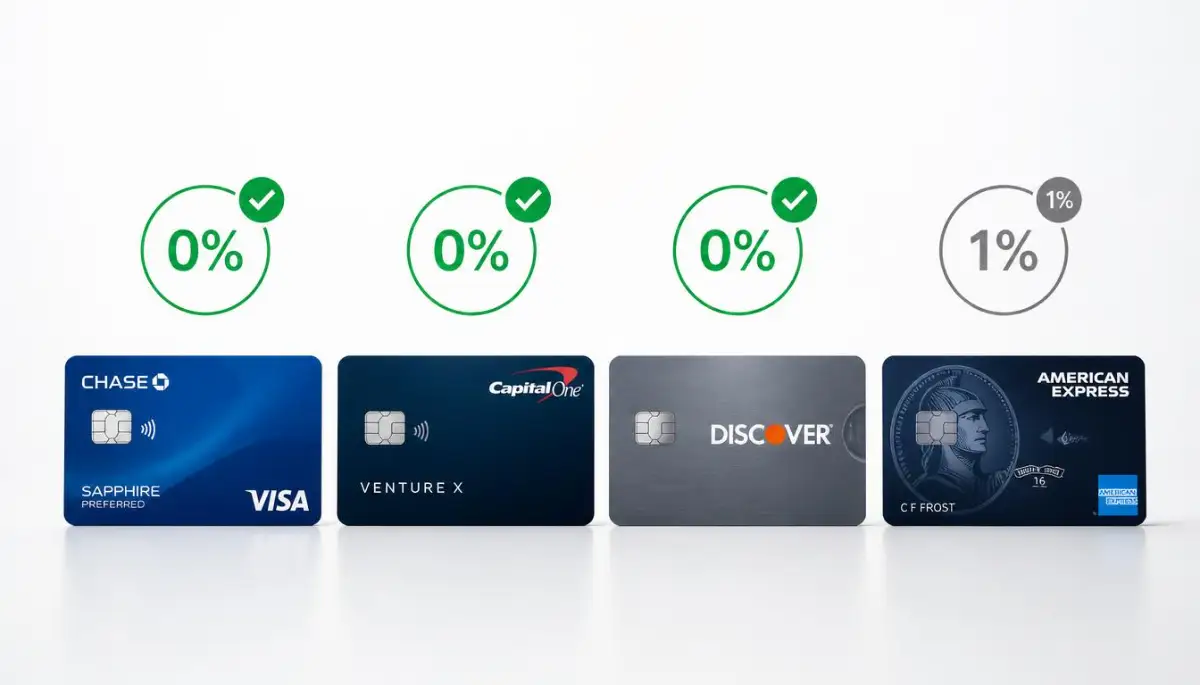
To use this method, you pay off almost all of your credit cards to a zero balance before their statement closing dates. You leave just one card with a very small balance, such as ten or twenty dollars, to report. This shows the scoring system that you are actively using your credit, but your usage is extremely low.
Once the statement for that single card closes, you pay off that small balance immediately to avoid paying any interest. This advanced trick keeps your reported utilization at about one percent. It is one of the fastest ways to squeeze extra points out of your score.
How to Safely Request a Credit Limit Increase
Another simple way to lower your utilization is to ask for a credit limit increase. If you have been a good customer, your bank will often grant this request. You must ensure you ask the bank if this request requires a "soft pull" or a "hard pull" on your credit.
A soft pull will not hurt your score at all. A hard pull can temporarily drop your score by a few points. Always try to opt for a soft pull request to keep your record completely clean.
An increased limit means your everyday purchases will represent a much smaller portion of your available credit. If your limit increases from two thousand dollars to five thousand dollars, your five hundred dollar monthly spend drops from twenty-five percent utilization to just ten percent. This change happens instantly without you having to spend less money.
Why You Should Avoid Closing Unused Accounts
Many people make the mistake of closing credit card accounts they no longer use. They believe this shows financial discipline and cleans up their record.
However, closing an old account does two harmful things to your score. First, it immediately reduces your total available credit limit across all cards. Second, it shortens the average age of your credit history, which makes you look less experienced to lenders.
Instead of closing the account, keep it open and let it sit with a zero balance. You can make a tiny purchase once every six months to keep the card active. This simple step preserves your limit and protects your credit history length.
How to Dispute Reporting Errors That Drag Down Your Score
Sometimes, a score drop has nothing to do with your spending habits. It could be caused by an error on your credit report. Lenders and credit bureaus can make mistakes, such as reporting a late payment that you actually paid on time.
You have the legal right to dispute any incorrect information on your report. Start by downloading your free official credit reports from the major bureaus. Look closely at every account and payment history listed on the document.
If you spot an error, file a dispute online through the bureau's official website. Submit your bank statements or payment receipts as clear proof of the mistake. The bureau is legally required to investigate and correct the error within thirty days.
Developing a Healthy Routine for Worry-Free Credit Monitoring
Monitoring your credit score should not be a source of daily panic or fear. It is simply a tool to help you navigate your financial future with confidence.
Set up free weekly alerts through trusted monitoring services to keep an eye on your reports. Look for any sudden changes or unfamiliar accounts that might indicate identity theft.
By checking your report regularly, you can catch errors early and dispute them with the credit bureaus. Taking action quickly will keep your financial reputation safe and secure.
Strategic Systems to Build a Shield Around Your Credit Score
Maintaining a high credit score over a long period requires a structured, daily plan. Standard financial advice is helpful, but it often misses the deeper patterns of bank reporting. To stay ahead of the lenders, you need to set up smart systems that protect your progress automatically.
One of the most effective methods is creating a personalized payment calendar. Instead of waiting for automated email alerts, you should map out your statement dates on a visual dashboard. This approach is highly useful if you are managing irregular paychecks or running a small business.
For professionals navigating fluctuating pay cycles, mastering this timing is a game-changer. You can find highly helpful resources on smart budgeting methods for self-employed pros to align your income flow with your credit goals.
Setting Up a Double-Payment Budget Routine
Another excellent system is the fifteen-three payment rule. Using this method, you make your first partial payment fifteen days before your statement closing date. You then make your final payment three days before that same closing date.
This double-payment routine ensures that your reported balance remains incredibly low. It also protects you from sudden, unexpected charges that might slip in at the last minute. This system is especially helpful for large households trying to manage multiple active accounts.
If your household is working hard to balance daily bills while reducing credit usage, you are not alone. You can explore some highly effective and realistic saving strategies for families to keep your monthly spending within safe limits.
Changing Your Official Due Dates with Lenders
Did you know that most credit card issuers allow you to choose your own monthly due date? You do not have to accept the random date assigned to your account when you first signed up. You can call your bank or log into your online portal to request a date change.
By moving your due dates, you can align your statement closing dates with your primary paydays. This simple adjustment ensures you always have cash on hand to clear your balances before they are reported.
To learn more about how billing cycles impact loan applications, you can read the official guidelines provided by the Consumer Financial Protection Bureau. This resource offers valuable insights into consumer rights and credit reporting rules.
Establishing an Auto-Pay Buffer Account
Automated payments are excellent for avoiding late fees, but they can sometimes drain your main checking account unexpectedly. To prevent this issue, you can set up a separate, dedicated checking account specifically for your credit card payments.
Every week, transfer a set amount of money into this buffer account to cover your regular card usage. This system ensures that your automated payments always clear without causing expensive overdraft fees.
It also prevents you from accidentally spending your bill money on other daily expenses. Having a clear boundary between your spending money and your bill money is key to long-term financial peace.

Hidden Traps to Avoid on Your Credit Journey
When people discover how statement dates work, they often make the mistake of trying too hard to fix their numbers. This over-correction can lead to new, unexpected problems that drag your score down.
The Illusion of the Zero-Reporting Balance
One of the most common mistakes is trying to report a zero percent utilization across all of your cards. While having no debt is excellent, reporting a zero balance on every single account can actually lower your score.
The credit scoring algorithms need to see that you are actively using credit in a responsible way. If every card shows a zero balance on its statement date, the system assumes your accounts are completely inactive.
To avoid this trap, always allow one card to report a tiny balance of about ten dollars. Once that statement closes, pay off that small balance immediately to keep your account active without paying any interest.
You can find more detailed guidance on how credit algorithms evaluate active accounts through the Federal Trade Commission guidelines on credit. These official resources explain how scoring systems measure consumer risk.
The Hidden Trap of Premature Loan Applications
When people see their score drop slightly, they sometimes panic and apply for new loans to try and restructure their debt. This quick reaction is one of the main reasons why first-time personal loans fail during the underwriting process.
Applying for new credit while your score is already fluctuating sends a major red flag to potential lenders. It makes you look desperate for cash, which instantly lowers your chances of getting approved.
Instead of searching for new loans, focus your energy on stabilizing your current accounts first. Give your payment history a few months to settle before you submit any new official applications.
The Quiet Risk of Co-signing for Family Members
Another massive pitfall that caught me off guard in the past is co-signing loans for loved ones out of guilt. You might think you are simply helping a family member get on their feet, but this action links your financial health to their payment habits.
If they miss a single payment, or if their statement closing balance spikes, your own credit score will take a direct hit. The entire balance of their loan is factored into your personal debt-to-income ratio, which can limit your own borrowing power.
Before making this major commitment, it is highly recommended to read about the unspoken risks of co-signing a personal loan for others. Understanding these legal responsibilities can save you from severe financial stress in the future.
If you are already dealing with the consequences of a shared account, don't worry. You can find practical steps on how to recover by studying why co-signing a loan can quietly ruin your credit score and how to protect yourself.
Your Daily Roadmap to Total Credit Score Control
Protecting your hard work does not have to be a complicated or stressful task. By making a few small, daily adjustments, you can take complete control of your financial destiny.
Start by checking your account balances once a week on a set day, like Sunday morning. This simple habit keeps you aware of your spending and prevents your utilization from creeping up silently.
Next, make it a rule to pay down any balance that rises above ten percent of your card limit immediately. Do not wait for the monthly statement to arrive in your email inbox.
Finally, remember to view your credit score as a long-term tool, not a daily source of anxiety. Minor fluctuations are completely normal as your accounts go through their natural monthly cycles.
I remember when I felt completely trapped and frustrated by these shifting numbers. Once I adjusted my payment dates to align with my statement dates, my financial anxiety completely vanished. I encourage you to take that first simple step today and watch your credit score recover naturally.
Frequently Asked Questions About Billing Cycles
Does paying my balance twice a month help my credit score?
Yes, making multiple payments throughout the month is a highly effective way to keep your reported utilization ratio low. It ensures that the balance snapshot sent to the credit bureaus is always a fraction of your actual spending. This simple habit is especially helpful if your cards have low limits.
Can I change my credit card statement closing date?
Yes, most major credit card issuers allow you to select a custom payment due date online or over the phone. Since your statement closing date is directly tied to your due date, changing one will automatically shift the other. This adjustment allows you to align your billing cycles with your paychecks.
Why did my credit score drop after I paid off my auto loan?
Paying off a loan is a major achievement, but it can temporarily drop your score because it closes an active credit account. This action reduces the variety of your credit mix and can shorten the average age of your active accounts. Your score will typically recover from this adjustment within a few months.
Is a credit utilization of zero percent bad for my score?
Yes, reporting a zero percent utilization across all of your accounts can make your credit look inactive to the scoring systems. It is always better to let a single card report a tiny balance of about one percent of your limit. This shows the system you are actively using your credit in a highly responsible way.
Financial Education Disclaimer: The information provided in this article is for general educational and informational purposes only. It is not intended to serve as professional financial, legal, or investment advice. Credit scoring systems can vary based on individual financial profiles, and you should consult with a certified financial planner or credit counselor before making major financial decisions.