The Morning I Found My Landlord Standing in My Living Room
Imagine coming home and noticing your front door isn’t locked the way you left it. Or maybe you find a random maintenance note on your kitchen counter that you never asked for. It’s a creepy feeling, right? You pay a lot of money for your privacy, yet many landlords think they can just walk in whenever they want. I want to show you exactly how to stop these surprise visits and take back control of your home.
Before I could even stand up or call out, the door swung wide open. My landlord walked right into my living room with a random repairman behind him. I felt completely frozen, shocked, and deeply violated in my own private space.
My heart started racing as I tried to understand why they were there without a single phone call or text. It felt like my home was not actually mine, even though I paid rent on time every month. That scary experience made me realize how little many of us know about our basic housing rights.
It is incredibly stressful when you cannot relax because you are worried about someone walking in on you. Home should be your safe haven, not a place where you feel like you are constantly being watched. If you are dealing with this, please know that you do not have to just sit there and accept it.

Decoding the Legal Boundary of Your Rental Space
When you sign a lease agreement, you are buying the right to exclusive possession of that property. This means that even though the landlord owns the physical building, you own the right to privacy inside it. The law calls this the covenant of quiet enjoyment, and it is active in almost every lease.
3-Minute Summary: Protecting Your Rental Privacy
If you’re in a hurry, here are the big points you need to know:
- Notice is Mandatory: In most places, your landlord MUST give you 24 to 48 hours' notice before coming over.
- Proof is Power: Use a simple indoor camera or save maintenance notes to prove someone was there.
- Paper Trails Matter: Always follow up a phone talk with a text or email so you have a record of what was said.
- Don't Stop Rent: Never stop paying your rent out of anger; it can get you evicted even if the landlord is wrong.
Your landlord cannot simply use their master key to enter whenever they feel like checking on the walls. They must have a legally valid reason and provide a proper warning beforehand. Let us look at the specific times when a landlord actually has the right to step inside.
Understanding these rules is your first shield against unexpected visits. If you do not know where the legal line is drawn, it is easy for a landlord to cross it without you knowing. Let us break down the exact scenarios where entry is either allowed or completely off-limits.
Quick Check: Is Your Landlord Breaking the Rules?
The Emergency Exception: When No Warning is Required
There are very few times when a landlord can enter your home without telling you first. The most common reason is a true, immediate emergency. If a water pipe bursts and is flooding the apartment below you, they can enter immediately.
Another example would be if there is smoke coming from your window or a smell of natural gas. In these moments, they are entering to save the property and keep everyone in the building safe. They do not need your permission because every second matters in an emergency.
However, a minor issue like a dripping kitchen faucet does not count as an emergency. If they try to claim a small repair is an emergency just to walk in, they are breaking the law. True emergencies are strictly limited to active threats to safety or physical property damage.
The Standard Notice: Your Right to Advance Warning
For everyday situations like routine repairs, safety inspections, or showing the home to new renters, notice is mandatory. Most areas have strict laws that require a 24-hour or 48-hour written notice before anyone steps inside.
This notice must state the exact day, the time frame, and the specific reason for the visit. They cannot just say "we might stop by sometime next week" and expect you to be ready. It needs to be a reasonable time window, usually during normal business hours from nine to five.
If they show up outside of those hours without your clear okay, you have the right to turn them away. You are paying for that space, and you get to decide when it is convenient for your schedule. Always check your local state laws, as some areas require even more than 48 hours of warning.
What to Do When a Landlord Sneaks in Anyway
If you suspect your landlord has been entering your home while you are at work, you must take action. Look for small clues like lights turned on, doors left unlocked, or items shifted on your counter. Your first step should always be to document everything you see.
Write down the date, the time, and exactly what looked different when you came back home. If you can, install a simple, legal indoor security camera that sends alerts to your phone. Having video proof of an unauthorized entry changes the entire conversation in your favor.
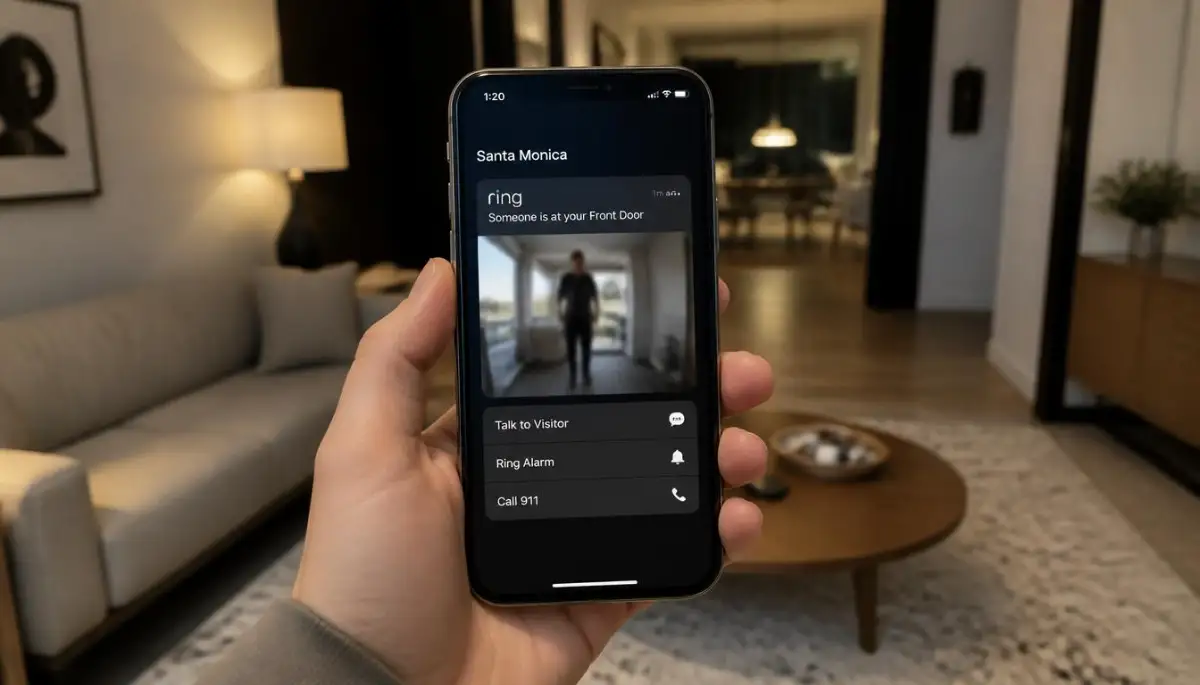
Do not start a loud argument with your landlord over the phone without having your facts straight first. Calmly gather your evidence so you can present it clearly and professionally. This keeps you in control of the situation and protects your legal standing.
Is your landlord crossing the line? Watch this excellent legal breakdown to see exactly what steps you can take to protect your privacy rights today.
Practical Steps to Reclaim Your Peace of Mind
Once you have gathered your proof, you need a clear plan to stop these unannounced visits. You do not need to hire an expensive attorney right away to solve this issue. There are simple, highly effective steps you can take on your own starting today.
Let us walk through how to handle this professionally so your landlord takes you seriously. By staying calm and following the law, you can set firm boundaries that protect your home.
Step 1: Start With a Friendly but Firm Conversation
Sometimes, landlords are simply uneducated about tenant privacy laws. They might think that because they own the house, they can come and go as they please. A polite conversation can often fix the issue without creating enemies.
Ask to speak with them or send a friendly text message about the unexpected visit. Mention that you value your privacy and prefer to have a 24-hour warning before any entry. Frame it as a way for you to make sure the apartment is ready and clean for them.
If they are reasonable, they will apologize and promise to give you proper notice next time. This keeps your relationship positive while still making your boundaries very clear. If they get angry or ignore you, then you must move to the next step.
Copy & Paste This Message to Your Landlord
If you’re nervous about what to say, use this simple text or email:
"Hi [Landlord's Name], I noticed someone entered my place today. I really value my privacy, so could you please make sure to give me the standard 24-hour notice before any future visits? I want to make sure I’m ready and the place is accessible for you. Thanks!
Step 2: Put Everything in Writing to Create a Paper Trail
If talking does not work, you must write a formal letter and send it via email or certified mail. Writing a letter is the most powerful tool you have as a renter. It proves that you told them about the problem and gave them a chance to fix it.
State the exact dates they entered without notice and quote your lease agreement or local laws. Ask them politely to stop entering without giving you the required legal warning. Keep a copy of this letter and the postal receipt in a safe place.
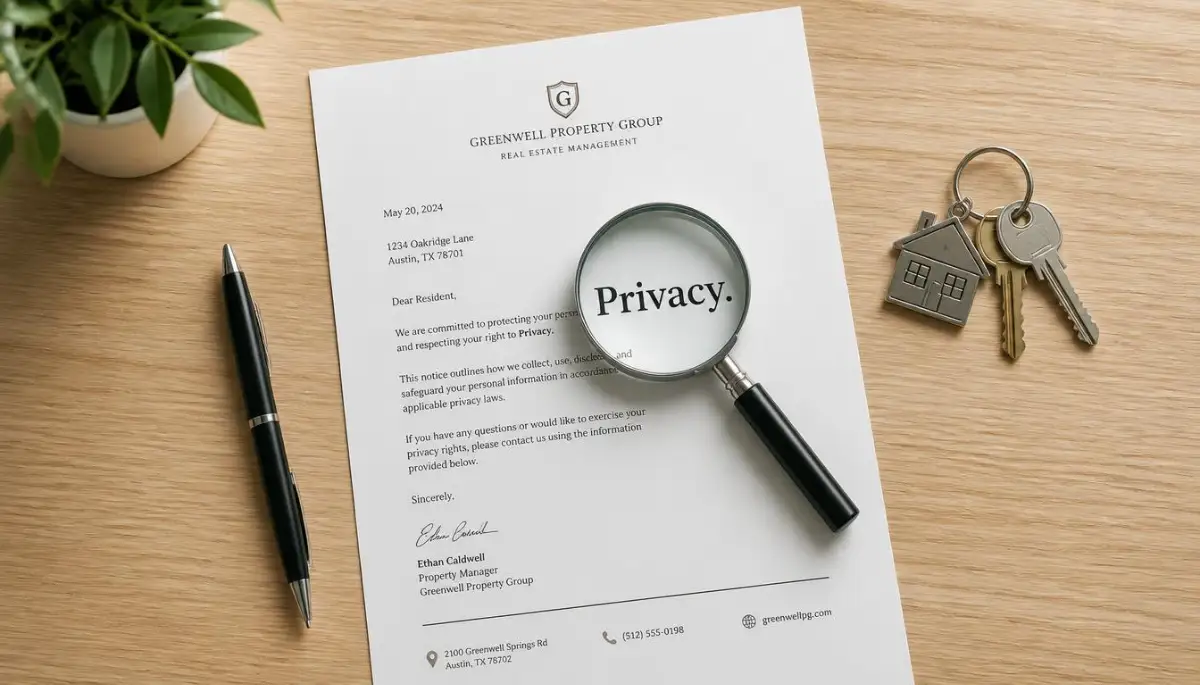
My Personal Realization: I remember when I first had this issue, and my biggest mistake was just complaining over the phone. My landlord simply ignored me. Once I started sending physical letters with tracking numbers, their whole attitude changed immediately because they knew there was a paper trail.
When a landlord sees a written record, they realize you know your rights. They understand that if things go to court, a judge will look at these letters. This usually forces them to follow the rules and respect your space.
Step 3: Utilize Temporary Security Measures
While you are waiting for them to respect your letters, you can use temporary tools to feel safe. You can buy a cheap door stop security alarm that wedges under your front door while you are inside. If anyone tries to open the door, a loud alarm will sound and scare them away.
These devices do not damage the property, so you will not violate your lease by using them. They give you instant peace of mind when you are sleeping or taking a shower. You will know that no one can surprise you in your own home.
Never change the actual deadbolt locks on your apartment doors without your landlord's permission. Doing so is usually a direct violation of your lease and can get you evicted. Stick to temporary, non-damaging tools that only work while you are physically inside the unit.
Demystifying Common Landlord-Tenant Privacy Myths
There are many false stories online about what landlords can and cannot do. These myths often scare tenants into staying quiet when their rights are being trampled. Let us clear up the most common lies so you can stand on solid ground.
Myth 1: "The Landlord Owns the Property, So They Can Enter Whenever"
This is the biggest lie in the rental industry, and it is completely false. While they hold the deed to the property, your lease gives you temporary possession. During your tenancy, the apartment is legally your private home.
The owner must respect your privacy just like a stranger would, except for the specific legal reasons listed in your contract. They cannot use their ownership status as an excuse to ignore tenant privacy laws. Your home is your castle, even if you are just renting it month-to-month.
Myth 2: "They Can Enter to Do Inspections Whenever They Want"
Some landlords believe they can do "white-glove inspections" every single week to check for cleanliness. This is a massive violation of your right to quiet enjoyment. Routine inspections must be reasonable, usually happening only once or twice a year.
If your landlord is coming in every week to check your dishes or make sure your bed is made, that is harassment. You have the right to live your life without constant monitoring. If they persist, you can file a complaint with your local housing authority.
Myth 3: "If It Is in the Lease, It Is Automatically Legal"
Many landlords write illegal clauses into their lease agreements. For example, a lease might say: "Landlord reserves the right to enter the unit at any time without notice." Many tenants sign this and think they have given up their rights.
However, an illegal lease clause is completely void under the law. A landlord cannot make you sign away your basic statutory rights to privacy. If the state law says 24-hour notice is required, that law overrides whatever is written in your lease contract.
When to Seek External Help and Legal Remedies
If you have tried talking, writing letters, and setting boundaries, but the visits continue, you must take bigger steps. You do not have to live in fear or feel uncomfortable in your own home forever. There are local organizations designed to help you.
Contact a local tenant union, legal aid society, or a housing advocate in your city. They can review your letters and help you take the next steps. In some cases, you may be able to break your lease early without paying any penalties because the landlord breached the contract.
You might also be able to sue them in small claims court for harassment or violating your privacy. Often, just mentioning that you are contacting a tenant advocate is enough to make a landlord back off. Stand your ground, document your journey, and protect your peace of mind.
Master Strategies for Long-Term Rental Privacy and Control
Keeping your landlord from walking into your home unannounced is about building clear boundaries from day one. You do not have to wait for an uncomfortable situation to happen before you take action. By setting up a simple, consistent communication system, you can train your landlord to respect your personal space.
One of the most effective ways to establish these boundaries is during the very first week of your tenancy. When you pick up your keys, send a polite follow-up email confirming how you prefer to handle repair requests. Let them know in writing that you require the standard notice before anyone visits the property.
Having this conversation early shows that you are a responsible and organized tenant who values clear communication. If you want to make sure your privacy is respected for the entire lease term, try using these expert strategies.
Setting Up a Consistent Communication Log
A communication log is your best defense against a landlord who ignores your right to peace and quiet. Every time your landlord calls, texts, or stops by, write down the date, time, and the reason for the interaction. If they enter your home without warning, document exactly what happened in your log right away.
This log acts as an organized diary of your renting experience and can be used as evidence if you ever need to take legal action. Keeping records clean and neat makes it very easy to prove a pattern of behavior to a local housing authority.
When you communicate about repairs, always do so through text messages or emails rather than phone calls. This naturally creates a permanent digital record that your landlord cannot delete or deny later. If you must have a phone call, send a quick text afterward summarizing what you both agreed to.
Utilizing Non-Invasive Privacy Tools
You can easily protect your physical space without violating your lease or losing your security deposit. Many renters do not realize that they can use smart security tools that leave zero marks on the walls. Portable door locks and security door stops are cheap, highly effective, and require no screws.
You can also install a simple smart camera facing your front entryway from the inside of your apartment. This allows you to monitor who enters your home in real-time right from your phone. Just like you would protect your digital life by updating smart privacy settings on your digital devices, you must protect your physical home with smart tools.
These cameras are entirely legal to use inside your rented space because you have a reasonable expectation of privacy there. If your landlord enters while you are away, your camera will record the event and give you clear proof. Having this visual evidence makes it almost impossible for them to deny their actions.
Master the Art of Professional Negotiation
When dealing with a difficult property manager, your tone of voice is just as important as the laws on your side. Getting angry or making threats will often cause them to become defensive and ignore your requests. Instead, aim to use a calm, business-like approach whenever you discuss entry rules.
Using effective communication with difficult landlords can de-escalate tension and get you the results you want much faster. Explain that having people walk in unannounced is a safety concern for both you and their staff. Frame your request as a safety measure to prevent accidental confrontations or misunderstandings.
Most property managers will quickly agree to your terms when you present them in a professional, non-threatening way. They want to avoid tenant turnover and legal issues just as much as you do. Keeping things polite but firm is the easiest way to get them to respect your boundaries.
Emotional Pitfalls and Mistakes That Can Ruin Your Rental Peace
When a landlord violates your privacy, it is incredibly easy to let your emotions take over and make costly mistakes. Many tenants react out of anger and end up hurting their own legal case in the process. Understanding what not to do is just as important as knowing your basic rights.
Reacting with Pure Anger Instead of Cold Hard Evidence
Screaming at your landlord or sending angry, threatening text messages is a major mistake that will always backwash on you. When you lose your temper, you give the landlord a chance to paint you as a hostile or dangerous tenant. They can use your angry messages against you in court to make themselves look like the victim.
Always keep your emotions in check, no matter how upset you feel when your boundaries are crossed. Take a few deep breaths and wait an hour before typing out a response to an unauthorized entry. Your messages should always read like a professional business email, not an angry social media post.
If your emotional reaction leads to an unexpected legal battle, you will need a solid immediate legal defense plan to protect yourself. Staying calm from the very beginning ensures that you keep the upper hand if things get messy.
Believing Everything Your Landlord Tells You on the Phone
Many landlords will try to resolve privacy issues over a quick, friendly phone call to avoid putting anything in writing. They might promise to never enter without notice again and apologize profusely for the mistake. While this sounds great, a verbal promise is incredibly difficult to prove if they break their word next week.
Never rely solely on verbal agreements when it comes to your legal rights as a tenant. Just like drafting a legal power of attorney document requires absolute precision to avoid failure, your written notices to your landlord must be perfectly documented.
Always follow up every single phone call with a quick text or email summarizing what was discussed. You can write something simple like, "Thank you for speaking with me today and agreeing to provide a 24-hour notice before any future visits." This simple step turns a verbal promise into a solid digital paper trail.
Withholding Your Rent Without Checking Local Laws First
When tenants feel ignored, their first instinct is often to stop paying rent until the landlord agrees to respect their privacy. They think that withholding money is the fastest way to get the property manager's attention. However, this is one of the most dangerous moves a tenant can make.
In almost every jurisdiction, withholding rent without following specific legal procedures is a direct lease violation. Your landlord can easily use non-payment of rent to start the eviction process against you in a matter of days. A judge will often ignore the landlord's privacy violations if you stopped paying your rent illegally.
If you want to know how to handle rent disputes properly, you must check the local state laws on tenant rights in your specific area. Some states allow you to pay your rent into a special court escrow account, but you must do this through the proper legal channels. Never just keep the money in your personal bank account and refuse to pay.
Failing to Build a Strong Proof File
Simply complaining that your landlord entered your home is not enough to win a dispute or break your lease. If you do not have proof, it is simply your word against theirs, and most authorities will not take action. Proving a landlord's boundary violation is very similar to gathering evidence of professional negligence because you need clear, factual proof.
You need to gather time-stamped photos, camera footage, witness statements, or written admission of the entry from the landlord. If you come home and find a maintenance slip on your counter, save that piece of paper immediately. Take a picture of it and upload it to a safe digital drive so you never lose it.
Having a complete file of evidence will make your landlord take your complaints seriously right away. They will realize that you have everything you need to win a case in front of a judge. This pressure usually forces them to follow the rules without you ever having to step inside a courtroom.
Taking Charge and Reclaiming Your Sanctuary
You deserve to feel completely safe, secure, and relaxed inside the home you pay for every month. Boundary violations can make you feel anxious and powerless, but you have the legal right to stop them. By understanding the rules and staying professional, you can easily reclaim your peace of mind.
Do not let a pushy landlord convince you that you have no rights just because you do not own the building. The law is designed to protect renters from harassment and unauthorized entry. Take a stand today, keep your records organized, and turn your rental back into your private sanctuary.
If you need to move out quickly because your landlord refuses to stop entering your home, do not panic. You might look into applying for a first-time personal loan to cover the security deposit for your next rental while you fight to get your old deposit back.
I want you to take a deep breath and realize that your home is your safe haven. Do not let any boundary violation make you feel powerless or scared. Today, I encourage you to check your lease agreement, write down any past issues, and confidently speak up for your peace of mind.
Common Questions About Landlord Entry Rights
Dealing with rental laws can be incredibly confusing and stressful. Here are some of the most common questions renters ask about their privacy rights, answered in simple terms.
What should I do if my landlord keeps entering my apartment when I am not home?
You should immediately install a small, non-damaging security camera to record the entries and build your proof file. Once you have video evidence, write a formal letter quoting your lease and send it via certified mail. Let your landlord know that any future unauthorized entries will be reported to local housing authorities.
Can I refuse a landlord's request to show my apartment to future tenants?
You generally cannot refuse these visits if your lease is ending, but you can insist on a reasonable notice first. Most states require the landlord to give you at least 24 hours of warning before showing the unit. You also have the right to request that these showings happen during normal business hours so they do not disrupt your sleep.
Can my landlord enter my backyard or patio without letting me know?
If your backyard or patio is a private space that is part of your rental agreement, the landlord must give notice before entering it. They cannot just wander through your yard to inspect things whenever they feel like it. However, if the yard is shared with other tenants in the building, different rules may apply depending on your lease.
Can a landlord bring contractors inside my home without my direct permission?
No, a landlord cannot send contractors or repair workers into your apartment without giving you proper advance notice. The only exception to this rule is if there is an active emergency like a major water leak or a fire. For all normal repairs, they must schedule a convenient time with you and provide the required written notice beforehand.
You can learn more about these specific rules by reading Nolo's guide to landlord entry rules to see how laws vary in different areas.
Disclaimer: The information provided in this article is for educational and informational purposes only. It does not constitute formal legal advice. Housing laws vary greatly by state, province, and city. If you are experiencing severe landlord harassment or illegal entry, please consult with a licensed attorney or a local legal aid society in your area to get advice tailored to your specific situation.