
The Hidden Burden of a Large Empty Home
I was staring at a $400 heating bill for a house where three bedrooms are basically just storage for dust and old high school trophies. It hit me right then: I wasn't owning my home anymore; my home was owning me. If you feel like your house has turned into an expensive museum of your past, you aren’t alone. I’ve been through the stress, the guilt, and the mountain of boxes, and I want to show you how to make your life smaller so your happiness can get bigger.
I soon realized that my beloved home had turned into an expensive, dusty museum of my past. Every single room held a deep memory, but those rooms also demanded hours of cleaning and expensive repairs. The mere thought of packing up those memories and moving to a smaller place made my heart race with deep anxiety. I felt a strange mix of guilt and fear, wondering if leaving this house meant abandoning my family's history.
Many homeowners experience this exact same emotional storm when they think about moving to a smaller space. It is never just about packing cardboard boxes or hiring a professional moving company to load a truck. The real struggle happens inside your mind as you try to let go of physical representations of your past. This emotional weight can easily keep you awake at night and cause immense stress for you and your family.
The fear of making the wrong choice often prevents people from taking a step that could actually change their lives. You might feel like you are losing your status, your safety net, or your connection to the community. This mental trap makes the downsizing process feel like a punishment rather than a fresh start. However, holding onto a giant, half-empty house can slowly rob you of your happiness, time, and hard-earned savings.
Shifting Your Mindset for a Fresh Start
⚡ Fast Track: How to Downsize Without the Headache
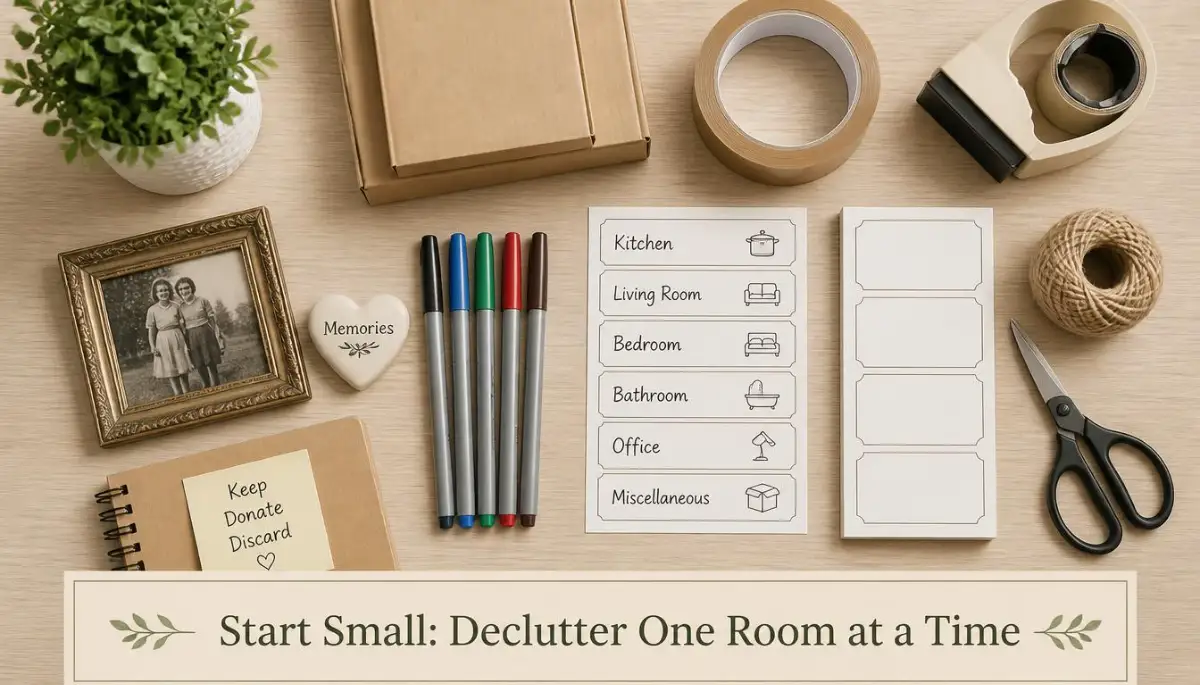
- Start Small: Don't tackle the attic first. Start with the bathroom or a hallway closet to build "decision muscles."
- Digital First: Scan your old photos and documents to save massive amounts of physical space.
- The 12-Month Rule: If you haven't used it or loved it in a year, it's time for it to find a new home.
- Measure Twice: Check your new floor plan before moving big furniture to avoid "space shock" on moving day.
Seeing Your New Home as a Sanctuary
Your new, smaller residence is not a step down in life; it is a step toward a much simpler lifestyle. A smaller space means fewer hours spent on chores, lower utility bills, and less physical clutter to worry about. You are actually trading empty square footage for more free time and financial peace of mind.
Downsizing Myths vs. Reality
- Myth: "I am losing my family history by leaving this house."
- Fact: Your memories are in your heart and your mind, not in a heavy oak table or old drywall. Taking a high-quality photo of an heirloom keeps the memory alive without the physical clutter.
- Myth: "Downsizing is only for retirees.
Detaching Memories from Physical Items
One of the greatest secrets to stress-free downsizing is learning that your memories do not belong to your furniture. Your love for your children is not stored inside an old wooden dining table that nobody uses anymore. Those beautiful experiences belong to your heart and mind, and they will travel with you wherever you go.
When you let go of a heavy physical object, you are not erasing the history or the happy moments associated with it. You are simply clearing away the physical weight so you can focus on the present moment. This realization can give you the emotional strength to donate, sell, or gift items with a happy heart.
The Gentle Room-by-Room Decluttering System
Starting with Low-Emotion Spaces
The worst mistake you can make is starting your decluttering journey in the attic or looking through old photo albums. These areas are filled with heavy emotions and will quickly drain your energy and make you want to stop. Instead, start your work in a room with very little emotional attachment, such as the guest bathroom or the hallway closet.
In these simple spaces, you can easily practice making quick decisions about what to keep and what to throw away. You will build your decision-making strength without feeling overwhelmed by old memories. Once you gain confidence in these easier rooms, you can slowly move to the more challenging areas of your home.
The Three-Box Classification Method
To keep your packing organized and simple, place three large boxes in the middle of the room you are working on. Label the first box "Keep," the second box "Gift or Donate," and the third box "Discard." Force yourself to make an immediate decision for every single item you pick up, and place it in one of the boxes.
Quick Sorting Guide: Keep or Let Go?
Be incredibly honest with yourself during this sorting process to avoid packing items you will never use. If you have not touched an item in the past twelve months, it is highly likely you do not need it. Passing these useful items to people who actually need them can bring a wonderful sense of joy and purpose.
My first attempt at cleaning out my old garage was a complete disaster because I tried to do everything in one afternoon. I ended up sitting on the floor looking at old camping gear for three hours and got absolutely nothing done. Once I learned to work in small, thirty-minute blocks each day, the progress became steady and painless.
Keeping Your Family Legacy Alive Digitally
Transitioning to a Digital Photo Library
Old photo albums and loose pictures can take up massive amounts of storage space in a smaller home. They are also highly vulnerable to fire, water damage, and natural aging over the years. A wonderful way to protect these memories is by scanning them into high-quality digital files.
You can easily use a smartphone scanner app or hire a local digital service to convert your physical albums. Once your photos are safely saved on the cloud, you can share them instantly with your entire family. This lets you keep thousands of precious moments without taking up a single inch of physical shelf space.
Passing Down Heirlooms with Love
If you have special items that you want to keep in the family, start having conversations with your children now. Do not assume that they want all of your old furniture or heavy dishes, as their lifestyles might be very different. Ask them directly which specific items hold the most meaning for them and make plans to hand them over.
If they do not want a certain piece of furniture, do not take it personally or feel hurt by their choice. You can always take a beautiful, high-quality photograph of the item to keep in a digital album before selling it. This simple act preserves the visual memory without cluttering your new, compact living space.
Creating a Smooth Moving Strategy
Before you start packing your boxes, it is highly helpful to watch how experts organize a stress-free move. Seeing the process in action can give you practical ideas and help you feel much more confident about your upcoming journey.
Watch this incredibly helpful guide on how to pack and organize your home efficiently before moving day.
Measuring Your New Living Space
To avoid major headaches on moving day, obtain a copy of the exact floor plan of your new residence. Use a simple tape measure to check the size of your current favorite furniture pieces, like your bed and sofa. This ensures that everything you plan to bring will actually fit through the doors and look nice in the new rooms.
If your old, oversized couch is too big for your new living room, it is much better to sell it now. Trying to squeeze giant furniture into a compact space will only make your new home feel crowded and stressful. Purchasing a few pieces of smaller, multi-functional furniture can make your new apartment feel spacious and modern.
The Essential First-Week Box
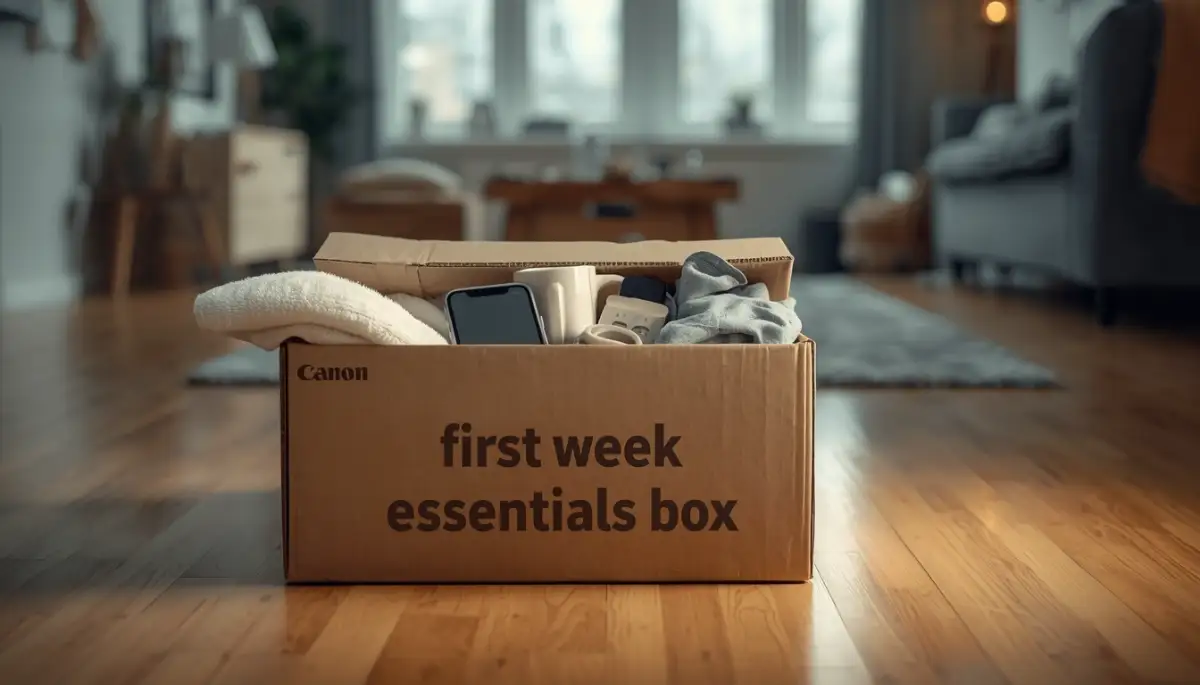
When packing your belongings, prepare one specific box filled with everything you will need during your first few days. This box should contain basic toiletries, a few changes of clothes, essential chargers, basic tools, and simple kitchen items. Keep this box with you in your personal car instead of loading it onto the big moving truck.
Having these essential items easily accessible means you will not have to search through dozens of taped boxes on your first night. You can take your time unpacking your new home slowly and peacefully, without any unnecessary rush. This small amount of planning can turn a chaotic moving day into a calm and welcoming experience.
Designing Your Cozy New Sanctuary
Using Light and Color to Create Space
When you move into your smaller residence, use clever interior design tricks to make the rooms feel bright and open. Paint your walls with soft, light colors like cream, pale gray, or classic white to reflect natural sunlight. Hang large mirrors on the walls opposite your windows to instantly double the visual depth of your rooms.
Keep your window areas clear of heavy, dark curtains and allow as much natural light as possible to enter. A bright, well-lit room naturally feels much larger and more cheerful than a dark, cluttered space. These simple adjustments can make your new home feel incredibly welcoming and cozy from the very first day.
Choosing Smart Storage Solutions
In a smaller home, keeping floors clean and free of clutter is key to maintaining mental peace. Look for smart furniture options that double as secret storage spaces, such as storage benches, beds with drawers, and nesting tables. Utilize vertical space by installing floating shelves high up on your walls for books and decorative items.
By keeping your belongings organized and hidden, you will prevent your home from feeling small or cramped. A tidy, organized environment has a wonderful, calming effect on your mind and helps reduce daily stress levels. You will quickly find that living with less stuff allows you to focus on the things that truly matter in life.
Embracing the Financial and Mental Freedom
Once the physical move is complete, you will begin to notice a wonderful shift in your daily lifestyle. You will no longer have to spend your weekends mowing a giant lawn, cleaning empty bedrooms, or fixing broken gutters. The money you save on monthly utility bills and home maintenance can be redirected toward travel, hobbies, or retirement.
This newly discovered freedom is the true reward of making a brave transition to a smaller home. You are no longer a servant to a large piece of real estate; instead, your home is now serving you. Enjoy the peaceful simplicity of your cozy new space and look forward to the beautiful memories you will create here.
Advanced Strategies for Mastering Your New Simplified Life
The Hidden Power of the One-In, One-Out System
Once you settle into a smaller residence, the challenge of maintaining that beautiful, open space begins. It is very easy to fall back into old buying habits and slowly accumulate new clutter over time. To prevent this from happening, successful downsizers use a simple habit known as the "one-in, one-out" rule.
Every time you purchase a new piece of clothing, kitchen tool, or home decor, you must donate or recycle an existing item. This simple practice keeps your living space perfectly balanced and prevents clutter from quietly building up in your closets again. You will find that you appreciate your belongings much more when you choose them with this level of conscious care.
Living in a compact space can actually help you manage your daily household budget with incredible ease. For individuals who run their own businesses from home, learning smart budgeting methods for self-employed pros with unstable income is highly useful during major life transitions. It helps you keep your expenses balanced and low so you can enjoy your new simple lifestyle.
Preserving Your Past Without Cluttering Your Present
If you still have boxes of old sentimental paper items, you do not have to throw them away immediately. Instead, consider creating a digital memory book where you can save high-resolution pictures of old letters, certificates, and childhood artwork. This lets you access your family's precious history from any digital device without taking up valuable closet space.
You can also design a beautiful, physical memory book that takes up very little room on a small coffee table. According to study data from the National Association of Realtors, many buyers moving to smaller residences feel much happier once they reduce their physical volume of belongings. It allows them to focus on the actual comfort and daily utility of their new home environment.
This process also opens up unique opportunities to reduce your overall impact on the environment. Making a few simple household swaps to shrink your plastic footprint easily is a great way to start fresh in your clean environment. Your smaller home will naturally require fewer resources to run, saving you money and protecting the planet.
Rebuilding Your Social Connections in a New Neighborhood
Moving out of a long-term family neighborhood can make you feel temporarily isolated and lonely. To combat this emotional drain, make an active effort to step outside and explore your new local area immediately. Attend local community events, visit nearby libraries, or join a neighborhood social club to meet friendly faces.
Building a brand new routine in a fresh environment takes time, but it is incredibly rewarding. Psychologists writing for Psychology Today suggest that building new social routines can significantly lower the stress associated with major geographic relocations. It helps your mind process the transition as an exciting new adventure rather than a sad personal loss.
You might also find that you have more free time to explore old hobbies or even start a new business from home. If you decide to work from your new cozy space, you can discover smart tax deductions for home-based solopreneurs to keep your finances in excellent shape. Downsizing often gives you the exact time and physical space you need to focus on personal and professional growth.
Designing an Invisible Packing Blueprint
Another helpful trick is to color-code your moving boxes based on the rooms in your new floor plan. Use bright green tape for the kitchen, yellow for the bedroom, and blue for the small bathroom. This small step helps your moving team place the boxes exactly where they belong on moving day without asking endless questions.
This simple system saves you from lifting heavy boxes and searching through piles of cardboard later. It keeps the moving day quiet, organized, and free from unnecessary panic. Experts at the AARP recommend working in small, structured sessions of thirty minutes to avoid physical fatigue during the moving process.

Common Mistakes That Cause Stress and Regret
The Financial Trap of Renting Large Storage Units
Many people make mistakes during a move because they let their emotions make important logical decisions. One of the biggest mistakes is renting a large, expensive storage unit to hold items they cannot let go of immediately. This decision simply delays the emotional work of decluttering and costs you hundreds of dollars every single month.
Holding onto extra items in a storage unit keeps you emotionally tied to your past and prevents you from fully moving forward. Over time, those monthly storage fees can add up to a massive financial loss that could have been avoided. It is much wiser to face the challenge directly and make the hard choices before your actual moving day.
For some individuals, the sudden stress of moving can lead to making quick, bad financial decisions out of desperation. If you are struggling with cash flow during a move, it is highly important to understand why safe emergency cash is better than payday loans that cost too much. Making steady, careful choices protects your long-term wealth during this sensitive transition.
Relying Too Heavily on Family Members to Pack
Another common pitfall is expecting your grown children to pack up their old belongings on your timeline. Your kids have busy lives of their own and may not share your sense of urgency about clearing out the house. This can easily lead to frustration, arguments, and deep emotional strain within the family.
Instead, give them a clear, respectful deadline to collect their items before you donate them. If they cannot make it, offer to ship a small box of their most important childhood keepsakes directly to their home. This keeps your relationship healthy and ensures your packing schedule stays on track without any unwanted delays.
If you find yourself needing to co-sign a loan to help a family member relocate close to you, proceed with caution. Understanding the unspoken risks of co-signing a personal loan for family members can save you from severe financial stress. It is always best to protect your retirement savings during major life shifts.
Waiting Until the Last Minute to Start Packing
Many homeowners underestimate the massive amount of work required to pack a multi-bedroom family house. They wait until two weeks before moving day to start sorting through decades of accumulated belongings. This sudden rush causes intense physical exhaustion and makes every emotional decision feel ten times harder.
When you are rushed, you are much more likely to throw away valuable items or pack useless trash out of pure panic. Start your decluttering process at least three months before your planned move. This gives you plenty of time to process your feelings and make calm, thoughtful decisions.
If you are buying a new home during this process, keeping your mortgage documents stable is highly important. For example, knowing how a job change during mortgage can affect your home loan approval is a key piece of knowledge. Keeping your financial documents stable ensures you do not face unexpected blockages on your closing day.
Replicating the Old Layout in Your New Compact Home
Trying to force your old furniture arrangements into a smaller room is a major design mistake. A smaller space requires a completely different design approach to maintain a comfortable, open feel. If you try to fit too many items into a cozy living room, it will instantly feel crowded and dark.
Accept that your new home has a unique personality and style of its own. Focus on building equity and wealth through your smart real estate choices instead of holding onto outdated decor. First-time downsizers can benefit from a first-time buyer guide to understanding home equity to see how small homes build wealth quickly.
Your Bright Future in a Cozy and Simplified Space
Downsizing is not about losing your past; it is about reclaiming your present and your future. It is a wonderful chance to simplify your days, reduce your stress, and focus on what truly brings you joy. The emotional weight of a large family home will slowly melt away as you step into your new cozy residence.
Imagine waking up in a bright, beautifully organized space that takes only minutes to keep clean. You will have more time to travel, connect with your loved ones, and explore exciting new hobbies. This transition is a powerful gift of freedom that you are giving to yourself.
I remember the exact moment I finally finished unpacking the last box in my new cozy apartment and sat down with a warm cup of tea. My heart felt lighter than it had in many years, and I realized that my memories were safe inside me, not trapped in my old giant house. I highly encourage you to take that first brave step today because a peaceful, clutter-free life is waiting for you on the other side.
Answers to Your Top Downsizing Questions
How do I handle children who are upset about the family home being sold?
Talk to them openly and explain the physical and financial challenges of maintaining a large empty house. Invite them over to select a few favorite sentimental items to keep in their own homes. Remind them that family love lives in relationships, not in a specific physical building.
What is the best way to sell old furniture that will not fit my new space?
You can list items on local digital marketplaces, organize a well-planned garage sale, or work with an estate sale professional. Pricing items fairly and taking clear, bright photos will help you sell them quickly. Donating unsold items to charity can also provide a warm feeling of helping others in your community.
How can I make my new, smaller house feel like home quickly?
Unpack your favorite photographs and familiar comforting items first to decorate your new rooms. Set up your bed with your favorite sheets and light a scented candle that reminds you of cozy times. Focus on establishing a relaxing daily routine in your new neighborhood as soon as possible.
Should I hire professional downsizers to help me?
If you feel completely overwhelmed by the emotional or physical work, hiring a professional organizer is an excellent option. They can provide an objective, neutral perspective to help you make decisions without arguments or tears. This investment can make the entire moving experience much smoother and less stressful.
Disclaimer: This article is for informational and educational purposes only. It does not constitute professional financial, legal, real estate, or mental health advice. Please consult with certified real estate agents, moving professionals, or counselors before making major relocation decisions.