The Cold Sweat of a Low Battery Warning in the Middle of Nowhere
Let’s be honest: that tiny red battery icon on your car’s dash is a total mood killer. We’ve all been there, staring at the GPS and wondering if we’re about to get stranded in the middle of nowhere. This fear—range anxiety—is the biggest reason people stay away from EVs. But after thousands of miles on the road, I’ve learned that it isn’t about how big your battery is; it’s about how smart you use it. I’m going to show you exactly how to kill that stress and actually enjoy your next road trip.
My hands were shaking on the steering wheel, and my stomach was in knots. I kept staring at that tiny battery icon, wishing it would magically stop shrinking. I had no idea if I would make it to the station or end up stuck on a dark highway.
That intense fear of running out of power is what we call range anxiety. It is a very real, heavy feeling that ruins the joy of driving. Many people avoid buying electric cars or taking long trips simply because they dread this exact situation.
This mental burden can make you feel trapped, keeping you from exploring beautiful destinations. It makes you feel like your modern, expensive car is actually a limitation.
But it does not have to be this way at all. With the right knowledge and simple habits, you can travel anywhere with complete peace of mind. Let us look at how you can easily reclaim the joy of the open road.
How to Calculate the Actual Highway Range of Your Electric Car
Why the Number on Your Dashboard Is Often a Lie
The driving range advertised by car manufacturers is usually based on ideal driving conditions. In the real world, driving on the highway at high speeds uses up battery power much faster. Wind resistance, extra luggage, and passenger weight all force your electric motor to work harder.
### ⚡ Quick Road Trip Essentials
If you're in a hurry, here’s my 'Cheat Sheet' for a stress-free drive:
- The 70% Rule: Plan your trip based on 70% of your car's advertised range.
- App Up: Download 'PlugShare' before you leave the driveway.
- Skip the Full Charge: Unplug at 80% to save hours of waiting at stations.
- Seat Over Heat: Use heated seats instead of the cabin heater to save 15% more battery in winter.
If your car dashboard says you have 250 miles of total range, do not plan to drive 250 miles before charging. On highways, you should expect to get about twenty to thirty percent less than the estimated range. Knowing this realistic number before you leave home will protect you from unexpected surprises.
To make it easy, here is a quick 'Reality Check' table I use when planning my stops:
Tip: I always subtract 30% from the official number the moment I hit the highway. It keeps my heart rate low and my battery safe.
Always calculate your trip using your real-world highway range rather than the factory estimate. This simple adjustment ensures you always have a safe buffer of battery power.
How Speed and Wind Drain Your Battery Faster Than You Think
Driving fast feels great, but it is one of the quickest ways to empty your electric car's battery. When you increase your speed from 65 to 75 miles per hour, your car fights a massive amount of wind drag. This extra resistance requires a lot more energy to push through the air.
If you are running low on power, simply slowing down by five miles per hour can save you a lot of energy. It can easily give you the extra miles needed to reach the next charging point safely.
Keep a close eye on headwind speeds when planning your driving days. Strong winds blowing against your car can reduce your highway range significantly.
The Simple Math of the Eighty Percent Charging Rule
Why You Should Stop Trying to Charge Your Battery to One Hundred Percent
When using a rapid DC fast charger, your battery charges very quickly from ten percent up to eighty percent. However, once the battery hits eighty percent, the charging speed drops to a crawl to protect the battery cells. Charging that last twenty percent can take just as long as it did to charge the first eighty percent.
Unplugging your car at eighty percent saves you a massive amount of time on a long journey. It allows you to get back on the road quickly and reach your destination much sooner.
Think of it as a water bottle; it is easy to pour water in quickly when it is empty, but you must slow down at the very end to avoid spilling.
How to Save Hours of Travel Time by Making More Short Stops
Many new electric car drivers think they should drive until the battery is nearly empty, then charge to full. This approach actually makes your road trip take much longer than necessary.
A better strategy is to make more frequent, shorter stops at fast chargers along your route. By keeping your battery in the quick-charging zone of twenty to eighty percent, you spend less time waiting.
You can use these quick breaks to stretch your legs, use the restroom, or grab a quick snack. This keeps both you and your car's battery refreshed and ready to go.
My 'Golden Rule' for Charging:
I’ve found that it’s way better to arrive at a charger with 15% and leave at 70% than to wait for that slow crawl to 100%. In the time it takes to get from 90% to 100%, you could have already driven 40 miles toward your next stop. Don’t chase a full tank; chase the fastest charging speed.
The Best Free Apps to Map Out Your Charging Route
Finding the Best Charging Stations with Real-Time User Feedback
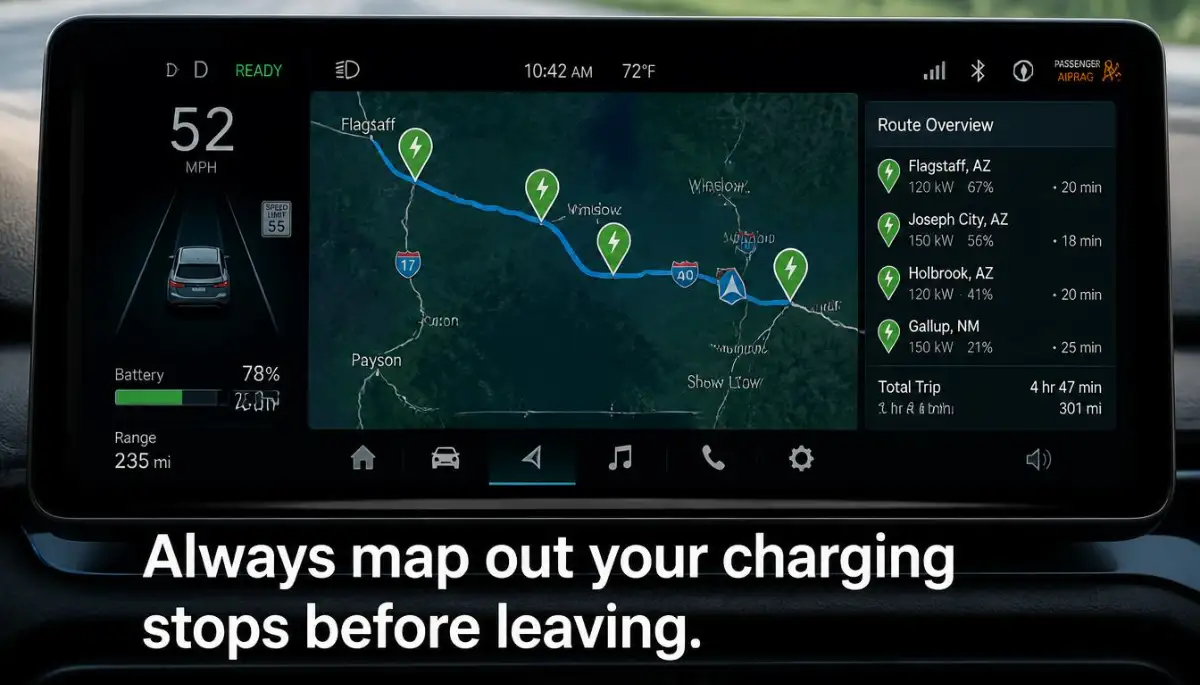
You should never start a long road trip without downloading a reliable charging map app. Apps like PlugShare and A Better Routeplanner are incredibly helpful for electric car drivers. These tools let you input your specific car model and plan your entire route automatically.
They show you exactly where to stop, how long to charge, and how much power you will have when you arrive. They also feature real-time comments from other drivers who share if a charger is broken or busy.
Using these community reviews helps you avoid pulling up to a broken charging station.
Why Having Backup Charging Stations Is Your Best Safety Net
Never rely on a single charging station as your only option to get home. Always identify at least two backup charging stations near your planned stops.
Sometimes chargers are occupied by other cars, or they might have technical issues. Knowing there is another working charger just a few miles down the road removes all your anxiety.
This simple backup plan gives you a massive boost of confidence while driving through unfamiliar areas.
Want to see a real-life demonstration of how to map your route with these apps? Watch this quick video to learn how to find the fastest chargers instantly.
A Quick Comparison of Electric Vehicle Charger Types
How Weather Affects Your Electric Vehicle's Battery Performance
How Extreme Cold Air Temporarily Slows Down Your Battery
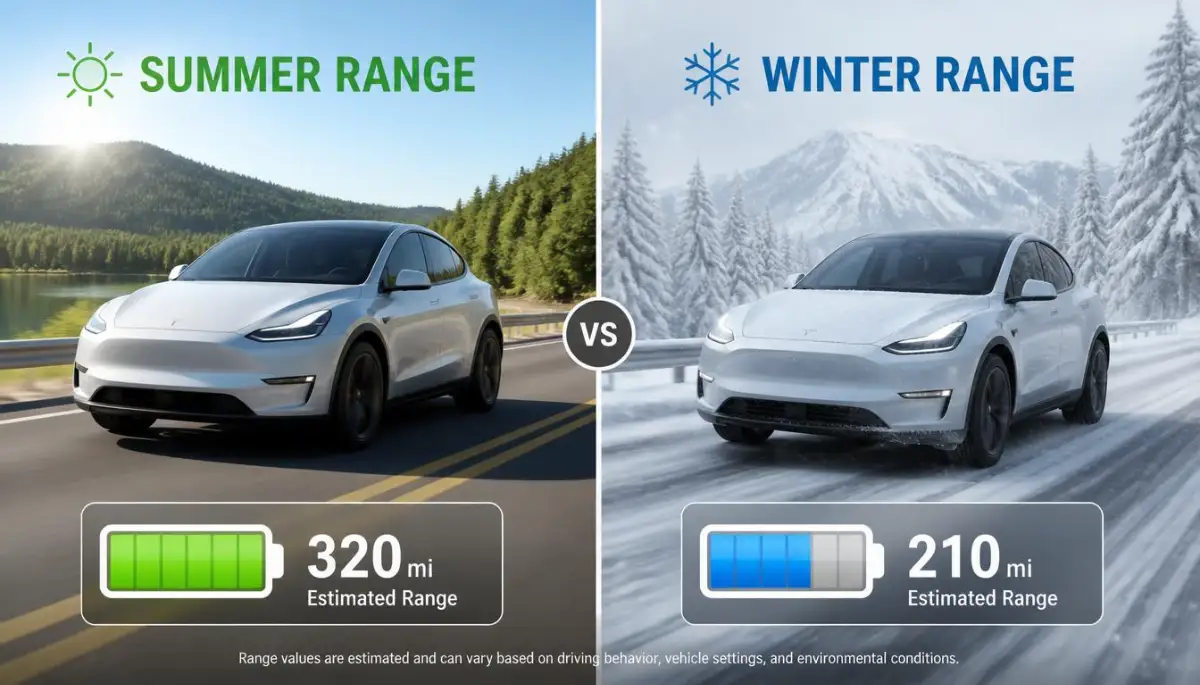
Cold weather is one of the biggest challenges for electric car batteries. Inside the battery, lithium ions move through a liquid substance to create electricity. When the temperature drops, this liquid becomes thicker, making it harder for the ions to move.
This slow movement decreases your total battery capacity and slows down your charging speeds. You will also use more energy to keep the cabin of the car warm for your passengers.
Expect your total driving range to drop by twenty to thirty percent when driving in freezing temperatures.
How Hot Summer Temperatures Can Impact Battery Cooling Systems
Extremely hot summer days can also affect how well your electric vehicle performs. Your car has a built-in cooling system to keep the battery from getting too hot while driving and charging. On hot days, this cooling system has to work overtime, which uses up extra battery power.
Try to park your car in shady areas whenever you stop for a break during a summer road trip.
This small habit keeps your battery cool and prevents the car from limiting its charging speeds later.
Practical Driving Tips to Maximize Your Highway Range
Using Regenerative Braking to Put Free Energy Back in Your Battery
Most modern electric cars come with a feature called regenerative braking. When you lift your foot off the accelerator pedal, the electric motor reverses and slows down the car. This process captures the kinetic energy of your moving vehicle and sends it back into the battery.
You can use this feature to your advantage when driving through hilly areas or down long mountains.
It is like getting free electricity just for driving safely and slowing down smoothly.
The Magic of Using Heated Seats Instead of the Main Cabin Heater
Using your car's main heater uses a massive amount of electricity from the main battery pack. If you want to save energy on a cold day, turn on your heated seats and heated steering wheel instead.
These features warm your body directly and use a fraction of the power required by the main heater.
This simple swap keeps you cozy while preserving your range for the road ahead.
Unlocking the Power of Hotel and Destination Charging
How to Wake Up with a Fully Charged Battery Every Single Morning
One of the best secrets of stress-free electric vehicle travel is destination charging. Many hotels and motels now offer free Level 2 chargers for their guests to use overnight.
By plugging your car in when you check-in, you will wake up with a one hundred percent charge.
This completely eliminates the need to search for a fast charger first thing in the morning.
How Destination Charging Saves You Money on Your Road Trip
Fast chargers on the highway can sometimes be expensive to use regularly. On the other hand, overnight charging at your hotel is often free or very cheap.
Using destination chargers reduces your overall travel costs while keeping your battery topped up.
Always call your hotel ahead of time to confirm their chargers are working and available for your stay.
What to Do in the Unlikely Event of an Empty Battery
How to Use Your Car’s Built-In Energy Saving Modes Safely
If you ever find your battery dropping dangerously low, do not panic. Most electric cars have a built-in safety mode, often called "Limp Mode" or "Turtle Mode."
This setting automatically limits your top speed and turns off non-essential systems like climate control.
It is designed to give you just enough power to pull over safely or reach a nearby charging station.
The Importance of Roadside Assistance Programs Designed for Electric Cars
In the rare event that your battery does run completely flat, help is always available. Many major roadside assistance programs now have trucks equipped with portable fast chargers.
They can give you a quick boost to help you drive to the nearest permanent station.
Alternatively, they can safely tow your car to a nearby charger using a flatbed truck.
Shifting Your Mindset for a Better Road Trip Experience
Why EV Road Trips Are Actually More Relaxing Than Gas Trips
Driving a gas car often encourages us to rush to our destination without taking breaks. Electric car travel forces you to slow down, take regular breaks, and enjoy the journey.
These short charging breaks keep you alert, reduce driving fatigue, and let you discover unique local spots.
Once you embrace this slower pace, you will find that traveling in an electric vehicle is incredibly peaceful.
Embracing the Clean Future of Driving with Confidence
With a little bit of planning, you can travel anywhere without worrying about battery percentages.
Pack your bags, plan your route, and enjoy the quiet, smooth ride of your electric vehicle.
Next-Level Secrets for Seamless Multi-Day Electric Road Trips
How to Precondition Your Battery Like a Professional Driver
If you want your electric car to charge at the absolute fastest speed, you must prepare the battery before arriving at a station. This preparation process is called preconditioning. It warms or cools your car's battery cells so they reach the perfect temperature for rapid energy transfer.
Most modern electric vehicles will start this process automatically if you use the built-in navigation system to route to a fast charger. If you use a standard map app on your phone instead, your car will not know a fast charger is coming. This means you might plug in a cold battery and wait twice as long for your power to top up.
By letting your car manage its own battery temperature, you protect the health of your power cells. This simple setting helps you maintain long-term battery performance over thousands of miles of driving.
The Power of Off-Peak Charging on Long Journeys
Just like electricity at home, public charging prices can change depending on the time of day. High-demand hours usually happen in the middle of the afternoon when everyone is on the road. If you charge during these peak times, you will often pay much higher rates per kilowatt-hour.
Try planning your longest charging sessions early in the morning or later in the evening. Not only will the electricity be cheaper, but the stations will also be much less crowded. This helps you avoid long queues of cars waiting for an open plug.
If you are traveling on a budget, these small price differences can add up to huge savings over a long trip. You can find more ideas on managing dynamic travel expenses on a budget here to keep your overall trip costs low.
Why You Should Charge Your Vehicle by Energy, Not by Time
Many new drivers make the mistake of leaving their car plugged in until a specific timer runs out. However, charging speeds are not consistent because they slow down as the battery fills up. It is always much smarter to focus on the total kilowatt-hours delivered to your car rather than the minutes spent waiting.
Most smart chargers will show you the exact flow of energy on their digital screens. Pay close attention to this flow rate to decide when it is time to unplug and drive. When the speed drops below fifty kilowatts, it is almost always more efficient to leave and drive to the next station.
To understand how clean energy fits into a sustainable lifestyle, you can read about simple lifestyle changes to reduce environmental impact here to help the planet.
How Smart Routing Systems Keep You Moving Safely
Your electric vehicle relies heavily on cellular data and satellite signals to update the list of working chargers near you. If you drive through a mountain pass or a deep valley, your car might temporarily lose its data connection. This can prevent your navigation system from showing real-time charger status.
To keep your map working smoothly, always download your route maps for offline use before you leave your driveway. This ensures you still have access to your maps even when driving through remote areas with zero cell phone service.
These smart mapping systems rely on rapid data transfers from central databases. You can learn how digital network speeds and system latency here affect online performance to see why fast connections matter for modern smart cars.
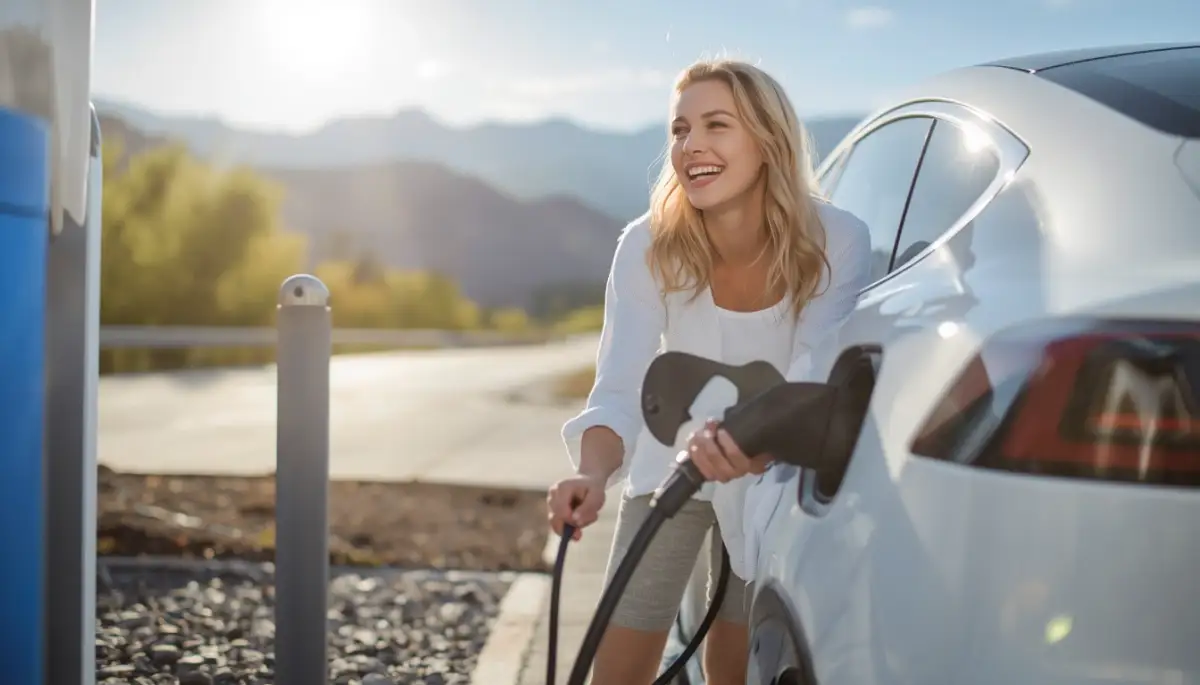
Heartbreaking Mistakes That Can Ruin Your Electric Car Journey
The Nightmare of Arriving at a Station Without the Right Charging App
Imagine pulling up to a fast charger late at night with only two percent of your battery left. You plug the heavy cable into your car, but the screen says you must scan a QR code to download an app. You open your phone, only to realize you have no cellular signal in this remote area.
This is one of the most stressful situations a new electric vehicle driver can experience. Many charging networks do not allow you to pay directly with a credit card reader on the machine. They require you to have their specific mobile application and a pre-funded account to start the power transfer.
To prevent this nightmare, always research which charging networks operate along your driving route a few days before you leave. Download their mobile applications, create your accounts, and add a payment method while you are still sitting comfortably at home.
Failing to Understand the Huge Power Drain of Cabin Air Conditioning
When you are driving a traditional gasoline car, the engine produces a massive amount of excess heat that is used to warm the cabin for free. In an electric vehicle, however, there is no hot engine to warm you up. Your car must use its precious battery power to run a dedicated electric heater or heat pump.
If you blast the cabin heater at maximum temperature on a freezing winter day, your driving range will drop instantly. Many first-time drivers are shocked to see their estimated miles disappear twice as fast because they kept the cabin too warm.
If your travel plans get disrupted due to a dead battery, knowing how to handle sudden travel disruptions and missed connection errors here can help you stay calm and find a quick solution.
Assuming Every Single Fast Charger Will Work Perfectly
It is easy to look at a map, see a charging station icon, and assume you can simply plug in and drive away. Unfortunately, public charging stations can break down due to extreme weather, software glitches, or physical damage. If you arrive at a station with a completely empty battery and find all the plugs are broken, you will have to call a tow truck.
Always check the current status of your target station using community-driven map applications before you make your final turn. Look for recent comments from other drivers who have used the plugs in the last twenty-four hours.
According to research from the National Renewable Energy Laboratory, maintaining reliable charging access is a key part of supporting clean vehicle travel across the country. Always keep a backup station in mind to ensure you are never left stranded.
Forgetting to Adjust Your Tire Pressure for a Heavy Road Trip Load
Electric vehicles are significantly heavier than standard gasoline cars because of their massive battery packs. When you pack your car full of heavy luggage and passengers for a long trip, you place a huge amount of extra stress on your tires.
If your tire pressure is even slightly too low, your rolling resistance will increase dramatically. This soft rubber grip acts like a constant brake on your car, draining your battery much faster on the highway.
Before you back out of your driveway, use a reliable gauge to check your tire pressure when the tires are cold. Inflate them to the exact pressure recommended by your manufacturer, which you can find on the sticker inside your driver's door.
Your Daily Checklist for Worry-Free Electric Road Trips
How to Maintain Complete Control Over Your Charging Schedule
To keep your long journeys smooth and enjoyable, you need a simple routine that you practice every morning before you start driving. This daily routine keeps you ahead of any unexpected issues with weather, traffic, or broken charging stations along your route.
- Check your tire pressure and adjust it for your loaded vehicle.
- Look at the local weather forecast to check for strong headwinds or extreme temperatures.
- Open your charging app to verify that your planned highway stops are active and working.
- Confirm that your overnight hotel charger is available for your arrival.
By spending just five minutes on these quick checks, you remove all the guesswork from your driving day. This simple routine allows you to relax and enjoy the quiet comfort of your electric car.
How to Build Long-Term Battery Health for Thousands of Miles
When you drive an electric vehicle, you want to make sure your battery pack lasts as long as possible. The most important rule for long-term battery care is to avoid leaving your car parked with a completely full or completely empty battery for long periods.
Try to keep your daily charge level between twenty percent and eighty percent for your normal commuting needs. Only charge to one hundred percent when you are about to start a long highway drive immediately.
These habits prevent stress on the delicate chemical structures inside your battery cells. If you want to research how clean vehicle technology fits into your long-term household budget, learning how personal financing applications work here can help you plan your vehicle purchase smoothly.
The Smooth Path Forward for Your Travel Adventures
Taking your first long-distance drive in an electric vehicle is an exciting step toward a cleaner, quieter future. It changes the way we think about travel, encouraging us to enjoy the journey rather than rushing to the destination.
Once you learn how to map your route, prepare your battery, and avoid common charging mistakes, all your range anxiety will disappear. You will realize that your electric car is fully capable of taking you anywhere you want to go with complete safety and comfort.
My own road trips transformed completely when I stopped worrying about finding the next plug and started enjoying the quiet beauty of the open highway. Once I embraced these simple route-planning techniques, the stress vanished and I never looked back. I highly encourage you to take that first short trip this weekend and experience this quiet confidence for yourself.
Common Questions About Driving Electric Vehicles Long Distance
Can I plug my electric car into a standard wall outlet while traveling?
Yes, you can plug your car into a standard household wall outlet using the portable charging cable that came with your vehicle. However, this is a very slow process that only adds about three to five miles of range per hour of charging. This method is best saved for emergency situations or long weekend stays where your car can remain parked for several days.
What happens if my electric vehicle completely runs out of battery on the highway?
If your battery drops to zero percent, your car will warn you repeatedly and enter a slow-speed safety mode to help you pull over safely. If you cannot reach a charger, you will need to call a roadside assistance service that can tow your vehicle on a flatbed truck to the nearest plug. Many modern roadside assistance networks now carry portable battery chargers to give you a quick boost to reach the next exit.
Do highway speeds affect electric vehicles differently than gasoline cars?
Yes, high speeds drain an electric vehicle's battery much faster than a gasoline car's fuel tank. Electric motors are highly efficient, which means any extra work, like fighting wind resistance at seventy-five miles per hour, shows up immediately as a drop in range. Slowing down by just five miles per hour can save you a massive amount of energy on a long highway drive.
How can I protect my personal privacy when using public charging networks?
When you register for public charging apps, you often share your GPS location, payment details, and vehicle information. To keep your digital life secure while using these networks, review the privacy settings on your mobile device regularly. If you want to keep your digital life secure, learning about protecting your smart devices from unwanted data collection here can help you keep your information private.
Disclaimer: The information provided in this travel guide is for educational and informational purposes only. Electric vehicle features, charging speeds, and network operations can change over time. Always consult your vehicle's official owner manual, follow local safety signs, and read the official guidelines from federal clean vehicle charging resources or the Environmental Protection Agency for the most accurate and up-to-date information.