When My Bank Account Made Me Want to Cry
Ever feel like your paycheck has wings? You work forty hours a week, but by Tuesday, your bank balance looks like a phone number starting with zero. I used to think I needed a massive raise to fix my stress, but the truth was much simpler—and a bit more annoying. I was leaking money through tiny holes I didn't even notice. Let's talk about how to plug those leaks without feeling like you're living on bread and water.
I had spent my entire paycheck, and I still had ten days left until the next one. I felt a heavy weight in my chest. It was that familiar, sinking feeling of financial stress.
I asked myself, "Where did all the money go?" I hadn't bought anything big. I didn't go on a fancy vacation or buy a new car.
It was the small things. The daily takeout coffees, the random Amazon orders, and the "treat yourself" snacks. All those tiny choices added up to a massive mountain of worry.
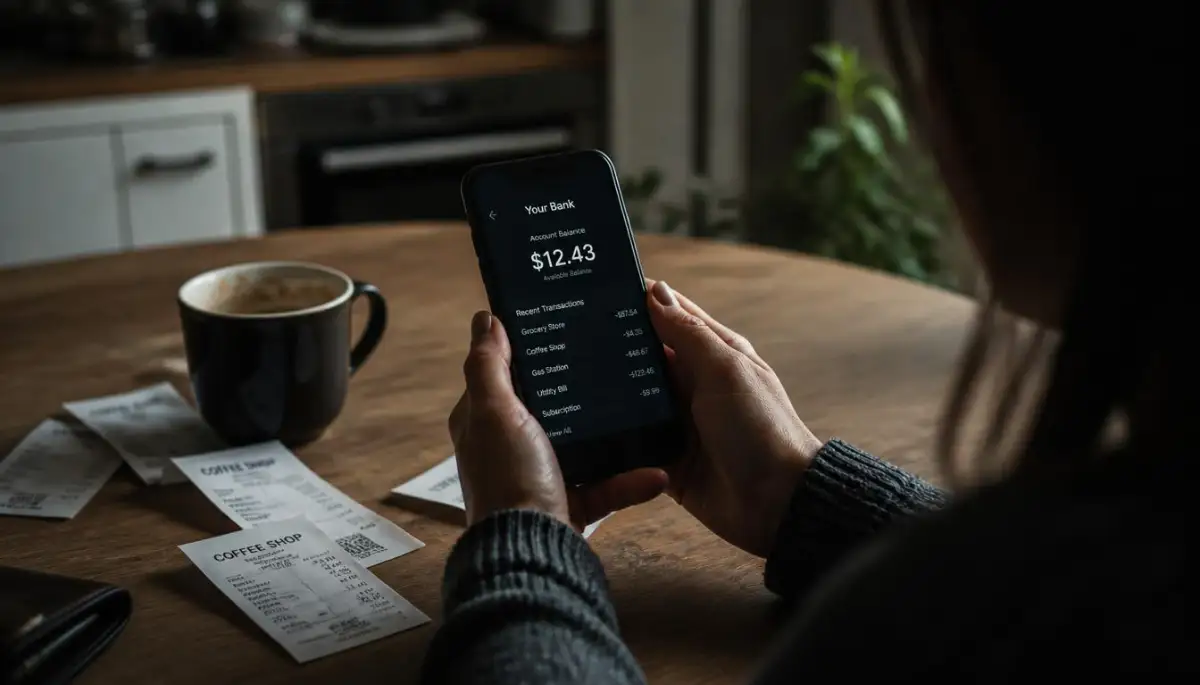
I realized I was spending money without thinking. I was on autopilot. My habits were draining my bank account and my happiness at the same time.
That night, I decided things had to change. I couldn't live with this constant fear anymore. I needed to find a way to stay in control without feeling deprived.
I started looking into mindful spending. It wasn't about being cheap or never buying anything fun. It was about being awake when I pulled out my wallet.
The Real Cost of spending without thinking
Most of us live in a cycle of "earn, spend, regret." We work hard for our money, but it seems to vanish the moment it hits our accounts. This isn't just a math problem; it is a mental health problem.
💡 Your 30-Second Financial Peace Plan
- The 24-Hour Buffer: Never buy non-essentials instantly. Wait a day to kill the "impulse itch."
- Identify Your Triggers: Know if you spend because of stress, boredom, or social media pressure.
- Value Over Volume: Spend more on things that bring long-term joy and less on "filler" purchases.
- Small Wins Count: Saving $5 a day on a forgotten subscription is better than a huge goal you never start.
When we spend without a plan, we feel a constant sense of guilt. You might buy a new pair of shoes and feel a "high" for ten minutes. But then, the bill comes, and the anxiety returns twice as strong.
Our relationships often suffer too. We get grumpy with our partners or kids because we are stressed about the budget. It is hard to be present and happy when your mind is stuck on a negative balance.
The worst part is the feeling of being stuck. It feels like you are running on a treadmill that never stops. You work more, but the stress never goes away.
We often try to fix this by making more money. But if our habits don't change, the stress just grows with our income. We need a different approach to find real peace.
The True Meaning of Mindful Spending
Mindful spending is not the same as a strict, boring budget. A budget often feels like a cage. Mindful spending feels like a choice.
It means paying attention to how your spending makes you feel. Does this purchase bring real value to my life? Or am I just bored, tired, or sad?
When you spend mindfully, you stop being a victim of marketing. You stop buying things just because they are on sale. You start buying things because they actually matter to you.
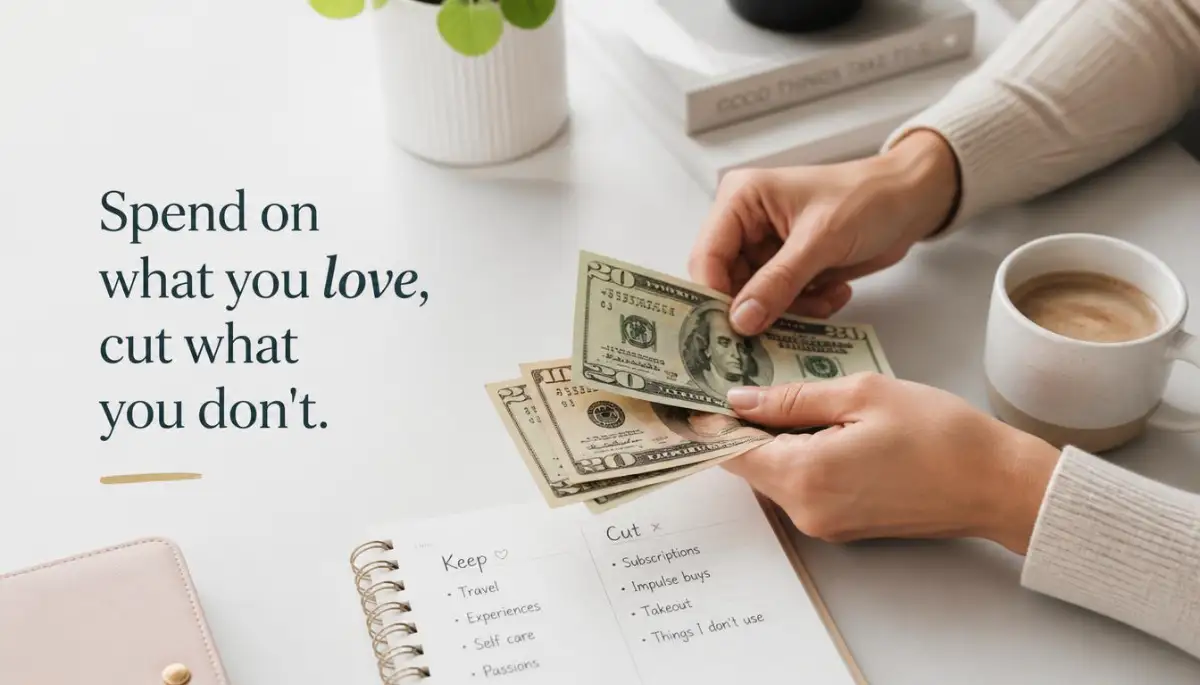
It is about aligning your money with your values. If you love travel, you spend on travel and cut back on stuff you don't care about. It is very empowering.
This habit gives you back your power. You are the boss of your money, not the other way around. It turns spending into a tool for joy rather than a source of pain.
The Mindful Spending Reality Check
Identifying Your Hidden Spending Triggers
The first step to fixing the problem is knowing why you do it. We all have "triggers" that make us want to spend money instantly. For me, it was a long day at work.
I would tell myself, "I worked so hard today, I deserve this expensive meal." I was using food to numb my tiredness. Other people use shopping to fix their boredom.
Maybe you scroll through social media and see someone with a new gadget. Suddenly, you feel like your life is missing something. That is a comparison trigger.
Some people spend when they are happy and out with friends. They want to keep the "good vibes" going by buying everyone drinks. But the "bad vibes" hit when they check their balance the next morning.
Take a moment to think about your own triggers. Is it stress? Is it seeing an "End of Season Sale" sign? Is it late-night scrolling on your phone?
Quick Quiz: What’s Your Spending Style?
Ask yourself these 3 questions next time you're at the checkout:
- The "Why" Test: Am I buying this because I need it, or because I had a bad day at work?
- The "Space" Test: Where will this item live in my house three months from now?
- The "Wait" Test: If this item disappeared from the store tomorrow, would I actually be sad?
Pro Tip: I used to keep my credit card info saved on every shopping site. I realized this made it too easy to spend. Now, I have deleted my saved cards. Having to get up and find my wallet gives me time to think, "Do I really need this?"
The Magic of the 24-Hour Wait Rule
One of the best ways to stop impulsive spending is the 24-hour rule. It is incredibly simple but it works like a charm. Whenever you want to buy something that isn't a basic need, wait one full day.
If you see a cool shirt online, put it in the cart, but don't check out. Close the tab and go do something else. Most of the time, you will forget about it by morning.
This rule breaks the chemical "rush" in your brain. Marketing is designed to make us feel urgent. It tells us "Buy now or lose out!"
When you wait 24 hours, that urgency fades away. You can look at the item with a clear head. You might realize you already have three shirts just like it.
I started doing this with electronics. I used to buy every new gadget. Now, after 24 hours, I usually realize my old device works just fine.
This habit alone can save you hundreds of dollars every month. It turns an emotional reaction into a logical decision. It puts you back in the driver's seat.
Tracking Without the Boredom
Many people hate tracking their spending because it feels like a chore. They try to write down every penny and give up after three days. But you don't have to be perfect.
The goal of tracking is awareness, not perfection. You just need to see the patterns. You need to know that you are spending $200 a month on streaming services you don't watch.
You can use a simple app or even just a small notebook. Every evening, take two minutes to write down what you spent. Don't judge yourself; just observe.
When I started doing this, I was shocked. I thought I was spending $50 a week on groceries. It turned out I was spending $150 because of all the extra snacks.
Seeing the numbers on paper makes them real. It is hard to ignore a $500 monthly total for eating out. It forces you to ask, "Is this meal worth $500 of my time?"
Once you see where the money is going, you can make better choices. You can decide to move some of that "snack money" into a savings account. It feels like giving yourself a raise.
How to Watch for Spending Traps
If you want to understand how companies trick us into spending more, you should see how these psychological triggers work in real life.
Watching the video above will help you stay sharp next time you go to the store. Now, let's look at how to separate what we need from what we just want right now.
Sorting Needs from Wants with Honesty
We often lie to ourselves about what we "need." We say, "I need a new laptop for work," when our current one just needs a software update. We use the word "need" to justify our desires.
A "need" is something you cannot live or work without. Food, rent, basic clothes, and transportation are needs. Everything else is usually a "want."
There is nothing wrong with having "wants." Life would be very gray without them. The problem starts when we treat our wants as urgent needs.
Try making a list of your common purchases. Put them into two columns. Be very honest with yourself during this process.
You might find that your "need" for a daily designer coffee is actually just a "want" for a break. You can get that break by taking a five-minute walk for free.
When you clarify your needs, your financial stress starts to melt. You realize you actually have enough money for the basics. The pressure comes from trying to fund a lifestyle of endless wants.
Creating Your Personal "Joy List"
Mindful spending is about making room for joy. Instead of spending small amounts on things you don't care about, save that money for things you love. I call this a "Joy List."
Write down three things that truly make your life better. Maybe it is a hobby, a weekend trip, or a special dinner with your family. These are your high-value items.
Now, look at your daily spending. Are you spending money on things that aren't on your list? If so, stop. Redirect that money toward your Joy List.
My spending didn't actually go down that much at first. But my happiness went way up. I didn't feel like I was "losing" money anymore. I felt like I was investing in my own happiness.
This shift in focus removes the feeling of deprivation. You aren't saying "no" to spending; you are saying "yes" to things that actually matter.
Dealing with Social Pressure and "Keeping Up"
One of the biggest causes of financial stress is other people. We see what our friends have and we feel behind. We go to expensive dinners because we don't want to say no.
This is called "lifestyle creep" or "keeping up with the Joneses." It is a trap that has no end. There will always be someone with a nicer house or a newer car.
Mindful spending requires a bit of courage. You have to be okay with saying, "That sounds fun, but it's not in my budget right now." It sounds scary, but real friends will understand.
I used to feel embarrassed to say I was saving money. But then I noticed something interesting. When I was honest, my friends often felt relieved. They were stressed about money too!
We started finding cheaper ways to hang out. We had potluck dinners at home instead of going to expensive restaurants. We went for hikes instead of going to the mall.
Our friendships actually got deeper. We weren't distracted by loud music or expensive menus. We were just talking and enjoying each other's company.
The Power of "Enough"
Ads always tell us that "more" is always better. More clothes, more gadgets, more subscriptions. But there is a point where "more" starts to take away from our life.
Every item you buy takes up space in your house. It takes time to clean, maintain, or repair. Every dollar you spend is an hour of your life you gave away at work.
Mindful spending helps you find your "enough" point. It is the point where you have everything you need to be comfortable and happy. Going past that point just adds more stress.
When you reach "enough," you stop looking for the next thing to buy. You start looking at what you already have. You find gratitude in the simple things.
I found that my "enough" point was much lower than I thought. I didn't need twenty pairs of shoes. Five good pairs were more than enough.
Once you find your enough, the pressure to earn more and spend more disappears. You can breathe again. You can spend your time doing things you love instead of working to pay for stuff you don't use.
Preparing for "Future You"
Spending mindfully is an act of kindness toward your future self. Every time you choose not to buy something useless, you are giving a gift to the person you will be in five years.
Think about "Future You" as a real person. Do you want that person to be stressed and broke? Or do you want them to be calm and secure?
When I feel the urge to spend, I ask, "Will Future Me be happy I bought this?" If the answer is no, I put it back. It helps me stay connected to my long-term goals.
Financial stress usually comes from focusing only on today. We want the reward now, and we let our future selves deal with the debt. Mindful spending flips that script.
It builds a bridge between today’s choices and tomorrow’s peace. It gives you a sense of security that no "sale" or "discount" can ever provide.
Small Wins Lead to Big Changes
You don't have to change everything overnight. In fact, it is better if you don't. Start with one small habit this week.
Maybe you decide to bring your lunch to work for three days. Or maybe you unsubscribe from all those tempting marketing emails. These small wins build your "spending muscle."
Each time you make a mindful choice, it gets easier. You start to feel the pride of being in control. That feeling is much better than the short high of a new purchase.
I started by just tracking my grocery spending. That one small habit led to me saving $200 a month. That $200 became my "emergency fund," which lowered my stress levels immediately.
Don't worry about being perfect. You will still have days where you spend money impulsively. That's okay. Just acknowledge it and start again the next day.
Mastering Your Money Mindset for Long-Term Peace
Once you start paying attention to where your cash goes, you might feel a bit overwhelmed. That is totally normal. I felt the same way when I first looked at my bank statements.
The secret to keeping this habit alive is to treat it like a game, not a chore. You want to find ways to make smart choices feel like a win. One of my favorite advanced tricks is the "Life Energy" test.
Before you buy something, think about how much you earn per hour after taxes. If you want a $100 pair of shoes and you earn $20 an hour, ask yourself if those shoes are worth five hours of your life.
When I started doing this, I stopped buying random gadgets almost immediately. I realized I was trading days of my hard work for things I didn't even like that much. It changed how I saw every price tag in the store.
Another great trick is the "One-In, One-Out" rule. If you want to buy a new shirt, you have to donate or sell one you already own. This keeps your home clean and makes you think twice about adding more clutter.
For people who have a hard time staying on track, I suggest using a "cooling-off" period for online shopping. Keep items in your cart for at least three days. Most of the time, the excitement disappears and you won't even want the item anymore.
If you have a fluctuating income, you might need a different approach. You can look into smart budgeting methods for self-employed pros with unstable income to help manage the highs and lows. This keeps your stress low even when work is slow.
You should also automate your savings so you don't even see the money. If the cash isn't in your checking account, you won't be tempted to spend it. I set mine to move money on the same day my paycheck arrives.
It is also helpful to have a "no-spend" weekend once a month. During these two days, you only spend money on absolute needs like gas or groceries. It forces you to find free ways to have fun, like walking in a park or reading a book.
Lastly, remember that your health is connected to your wealth. High stress from money can lead to physical problems. For example, understanding how sitting for six hours affects your veins shows how our daily habits impact our long-term well-being.
Building this habit takes time, but the payoff is huge. You will start to feel a sense of lightness that you haven't felt in years. You are finally in control of your future.

The Hidden Traps That Can Ruin Your Progress
Even with a good plan, it is very easy to fall back into old habits. I have made many mistakes on this journey, and I want to warn you about them. These traps are often quiet and don't seem dangerous at first.
The biggest mistake is the "I Deserve This" trap. You have a bad day at work, and you tell yourself that a $60 dinner will make it better. While a treat is fine once in a while, doing this every time you are sad will drain your account.
Using money to fix your emotions is like putting a band-aid on a deep wound. It doesn't solve the problem, and it creates a new one. I found that overcoming college burnout real recovery strategies for high achievers taught me more about managing stress than any shopping trip ever could.
Another common pitfall is ignoring "small" subscriptions. We sign up for a $10 streaming service and forget about it. Then we add a $5 app and a $15 gym membership we never use.
These tiny leaks can sink a big ship over time. Every few months, go through your bank statement and cancel everything you haven't used in thirty days. You might save $50 or $100 a month just by doing this.
Some people also make the mistake of using credit cards as an emergency fund. This is very risky because the interest rates are so high. If you get stuck, you might feel tempted to look at risky options.
It is much better to build a real cash cushion. Knowing safe emergency cash why payday loans cost too much and what to do instead can save you from a massive financial headache later on.
I also see people spending a lot of money to keep up their social status. They buy a big house or a fancy car to impress people they don't even like. It's a trap that leads to in debt and miserable.
Instead, focus on building your own security. If you are a new homeowner, you should check out a first-time buyer guide understanding home equity and how to build it faster. This is a much smarter way to use your money than buying a luxury car.
Many people also rush into loans without reading the fine print. They don't understand the risks involved. For instance, why first-time personal loans fail and how to fix it is a great resource to read before you sign any papers.
If you fall into these traps, don't beat yourself up. Just notice the mistake, learn from it, and get back on track. The goal is to be better than you were yesterday, not to be perfect.
According to a study on financial well-being from the Consumer Financial Protection Bureau, having a sense of control is the biggest factor in happiness. Don't let these mistakes take that control away from you.
Your Path to a Brighter and Calmer Future
Changing your relationship with money is one of the most powerful things you can do. It is not just about numbers in a bank account. It is about how you feel when you wake up every morning.
When you spend mindfully, you are choosing a life of freedom. You are choosing to spend your time on things that bring you real joy. You are choosing to stop worrying and start living.
I know it can feel hard at first, especially if you have a lot of debt. But remember, every big journey starts with one small step. You don't have to be an expert today; you just have to be willing to try.
Take a look at your spending today and find one thing you can cut. Use that small win to build your confidence. Soon, you will find that you don't even miss the things you used to buy on impulse.
You will have more money for the things that truly matter. You will have more peace in your home and more joy in your heart. This is the real secret to a happy life.
I truly believe that anyone can build a mindful spending habit. I did it when I was at my lowest point, and it changed everything for me. I want that same feeling of peace for you.
My best advice is to start right now, even if it is just by writing down your next purchase. You have the power to change your story, and I am so excited for the new chapter you are about to write. Trust yourself and keep moving forward.
Common Questions About Mindful Spending
Is mindful spending the same as being a minimalist?
Not exactly, though they are related. Minimalism is about owning fewer things, while mindful spending is about making sure every dollar you spend matches your values. You can be a mindful spender and still own things you love.
How do I stop spending when I am stressed?
The best way is to find a "free" stress reliever. Instead of going to the mall, go for a walk, call a friend, or listen to music. Create a list of these free activities so you have a plan when you feel the urge to shop.
Will I have to stop buying things I love?
No, that is the best part! Mindful spending actually helps you buy more of the things you love because you stop wasting money on things you don't care about. It is about prioritizing your happiness over random impulses.
How long does it take to see results?
You will feel a mental shift almost immediately after you start saying "no" to impulsive buys. Financially, most people see a significant difference in their bank balance within thirty to sixty days of tracking their spending.
What if my partner doesn't want to spend mindfully?
This can be tricky, but communication is key. Focus on your own habits first and show them the positive results. Often, when one person becomes calmer and more secure, the other person wants to follow their lead.
Can I still use credit cards?
Yes, but you must be careful. If you can pay the full balance every month, credit cards are fine for rewards. However, if you find it too easy to overspend with plastic, switching to cash for a few months can help reset your brain.
Disclaimer: This article is for informational purposes only and does not constitute professional financial advice. Always consult with a certified financial planner or advisor before making major financial decisions.