
Why I Stopped Using Electric Air Purifiers and Turned to Nature
Let’s be honest: your home might be making you sick. I spent years buying fancy air purifiers only to realize I was living in a mechanical box. I finally traded the noise for a few green leaves, and my morning headaches literally vanished. Here is the low-down on why nature beats a $200 machine every single time.
One day, I was sitting in my small home office and realized how "stale" the air felt. It was like the room was closing in on me. I started reading about how people used to live before all these fancy gadgets.
That is when I found a study about how certain plants can actually "eat" toxins in the air. I was skeptical at first, believe me. I thought, "How can a leaf do more than a $200 machine?"
I decided to try it out and brought home a few specific plants. Within a week, the air felt different—it felt lighter and smelled like the outdoors. My morning headaches started to fade away.
Now, my home is a small jungle, and I have never felt better. I want to share what I learned because nobody should have to breathe "dead" air in their own home.
The Hidden Danger of the Air Inside Your Own Four Walls
Most of us think that pollution is something that only happens outside. We see the smoke from cars and factories and think we are safe inside. But the truth is actually quite scary.
🌿 Quick Wins: How to Breathe Better Today
- Target the Bedroom: Start with a Snake Plant; it’s the only one that pumps out oxygen while you sleep.
- Kill the Chemicals: Use Spider Plants to soak up Carbon Monoxide from your kitchen or living area.
- Group Your Plants: Put 3-4 plants in one corner. They grow better together and clean the air faster.
- Stop Overwatering: If the soil feels damp, put the watering can down! Most indoor plants die from too much love.
The air inside our homes can be much worse than the air outside. Think about all the things we use: paints, cleaning sprays, and even the glue in our furniture. These things release chemicals that we can't see or smell.
When we stay in these closed rooms for hours, we are breathing in those tiny toxins. This often leads to feeling tired for no reason or having itchy eyes and skin. It’s like living inside a plastic bag that slowly fills with invisible dust.
I have seen many people spend thousands on doctors and medicine for their allergies. They don't realize that the answer might be sitting in a pot on their windowsill. Nature has a way of fixing what we have broken.
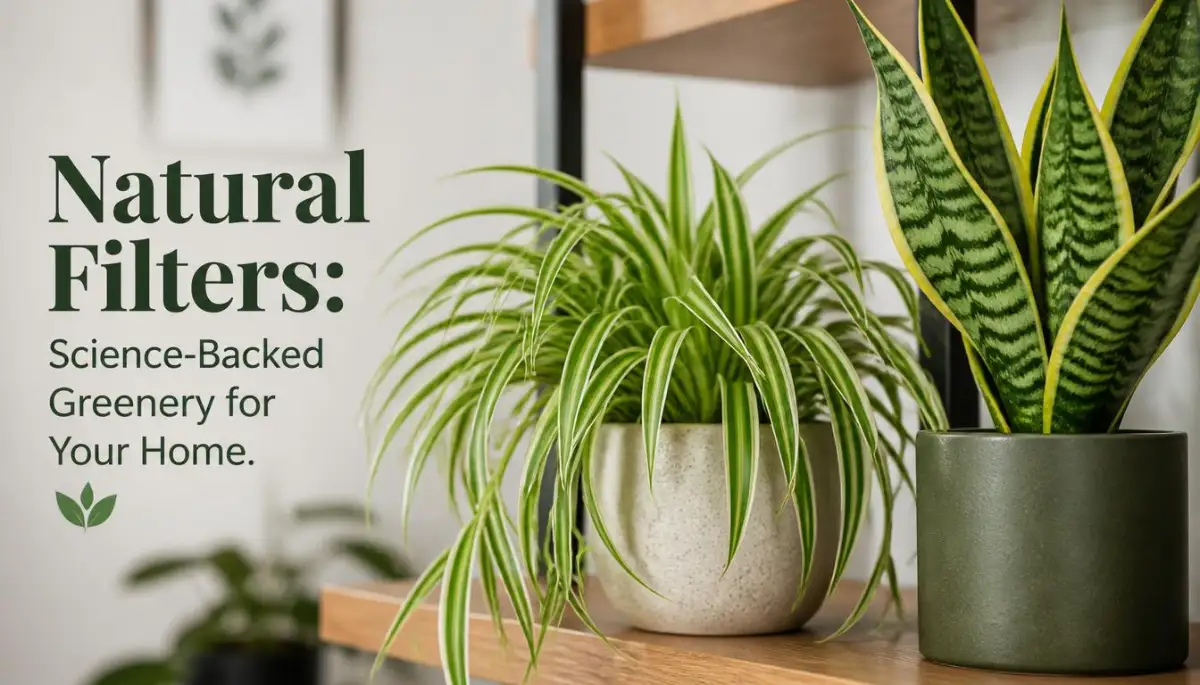
How Nature’s Green Filters Actually Work for You
It sounds like magic, doesn't it? A plant just sitting there, cleaning the air. But there is real, hard science behind how these green friends help us breathe.
Plants have tiny pores on their leaves called stomata. They use these to breathe in carbon dioxide, which is what we breathe out. But while they take in CO2, they also suck in other chemicals from the air.
Once these chemicals enter the plant, they move down to the roots. In the soil, tiny microbes break these toxins down and turn them into food for the plant. It is a perfect recycling system that happens 24/7.
The Snake Plant: The Nighttime Oxygen Factory
Most plants take in oxygen at night, just like humans. But the Snake Plant is a bit of a rebel. It actually releases oxygen during the night while you are sleeping.
This makes it the perfect partner for your bedroom. I put one right next to my bed, and I noticed I stopped waking up in the middle of the night. It keeps the air fresh while the windows are closed.
It also targets a nasty chemical called formaldehyde. This chemical is found in many household items like tissues and carpets. The Snake Plant acts like a silent guard, cleaning that stuff up while you dream.
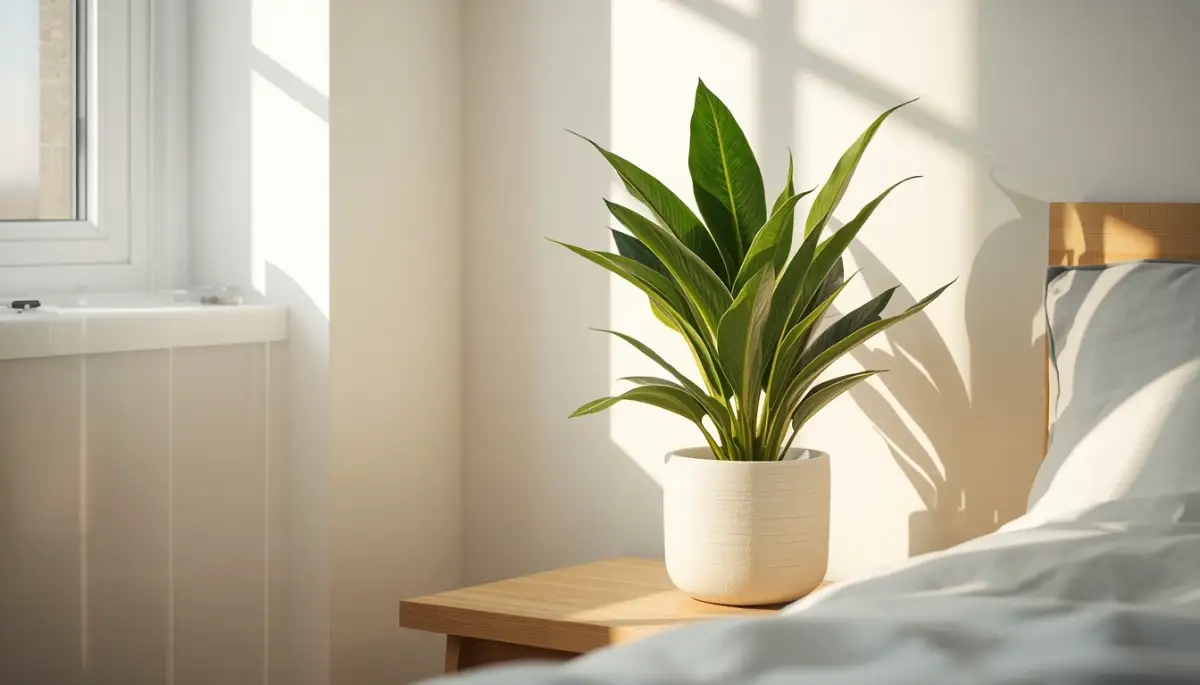
Pro Tip: I used to overwater my Snake Plant, and it almost died. I realized these plants actually love to be left alone! I only water mine once every two or three weeks when the soil is bone dry.
The Spider Plant: The Champion of Carbon Monoxide
If you are new to plants, the Spider Plant is your best friend. It is incredibly hard to kill, which was great for me because I didn't have a "green thumb" at first.
These plants are experts at removing carbon monoxide and xylene from the air. Carbon monoxide is a gas you can't see or smell, but it makes you feel very sleepy and weak.
A single Spider Plant can clean a lot of space in just a few days. They also grow little "babies" that you can cut off and put in new pots. It is like a gift that keeps on giving for your home's health.
Check out how these plants transform a living space into a health haven below!
The "Which Plant for Which Poison" Cheat Sheet
Not every plant kills every toxin. Here is a quick guide to help you pick your fighters:
This video shows exactly how these plants filter toxins in real-time.
Peace Lilies: More Than Just a Pretty Flower
Peace Lilies are beautiful, but they are also powerhouses of purification. They are one of the few plants that can help filter out mold spores from the air.
If you have a bathroom that stays a bit damp, a Peace Lily is a great choice. It loves the moisture and helps keep the air from feeling "heavy" or smelling like mildew.
They also tackle ammonia, which is often found in the cleaning products we use. By having one of these, you are basically adding a natural filter that looks like a piece of art.
The Science of Soil and Microbes
We often look at the leaves, but the soil is where a lot of the heavy lifting happens. The roots of these specific plants create a home for "good" bacteria.
These bacteria are very hungry for pollutants. When the plant pulls air down into the soil, these microbes eat the toxins. It is a team effort between the plant and the ground it grows in.
This is why it is important to keep your plants healthy. A healthy plant means a healthy root system, and that means cleaner air for you and your family.
Why Keeping Indoor Plants is a Mental Health Win
Beyond the air, there is a psychological side to this. Seeing green things around us makes our brains feel more relaxed. It is part of our DNA to want to be near nature.
When I started taking care of my plants, I felt my stress levels drop. There is something very calming about watching a new leaf grow. It gives you a sense of routine and peace.
In a world full of screens and noise, a plant is silent and slow. It reminds us to slow down too. This mental peace, combined with cleaner air, is a double win for anyone living in a busy city.
The Practical Way to Start Your Indoor Garden
You don't need to turn your home into a forest overnight. I started with just one Snake Plant on my desk. That small change made me want to add more over time.
Think about the rooms where you spend the most time. For me, it was the bedroom and the home office. Those are the places where you need the cleanest air to stay focused and rested.
Choose plants that fit your lifestyle. If you travel a lot, go for succulents or Snake Plants. If you are home often and like to garden, Peace Lilies and Ferns are wonderful choices.
Understanding the "NASA" Connection
A lot of people talk about the NASA Clean Air Study, and for a good reason. Scientists wanted to find ways to keep the air clean in space stations where there are no windows to open.
They found that certain common houseplants were better than any machine they could build at the time. They tested them against some of the most common indoor toxins and the results were amazing.
This study proved that these aren't just decorations. They are functional tools for human survival and health. If they are good enough for astronauts, they are definitely good enough for our living rooms.
Quick Reality Check: Myths vs. Facts
- Myth: One tiny plant cleans a whole 2000 sq. ft. house.
- Fact: You need about two medium plants for every 100 square feet to actually feel a difference.
- Myth: Plants are "scary" for pets.
- Fact: Some are, but many (like the Spider Plant) are 100% safe. Always check the ASPCA list first!
How Many Plants Do You Actually Need?
You might wonder if one plant is enough for a whole house. The truth is, the more the better, but even a few can make a difference.
Experts suggest having at least two "good-sized" plants for every 100 square feet of space. This ensures that the air is being cycled and cleaned effectively throughout the day.
I spread mine out. I have a tall one in the corner and smaller ones on shelves. This way, the air is being filtered from different heights and angles in the room.
The Role of Humidity and Breathing
Indoor air in the winter can get very dry because of heaters. This can lead to dry skin and a scratchy throat. Plants naturally release moisture through a process called transpiration.
By keeping plants, you are adding a natural humidifier to your room. This moisture makes the air feel "softer" and much easier to breathe. It’s like having a tiny, natural spa in your house.
I noticed that I stopped needing to use my electric humidifier once I had enough plants. My skin felt better, and I didn't wake up feeling like a desert every morning.
Avoiding Common Mistakes with Your New Green Friends
When I first started, I thought all plants needed the same things. I put a shade-loving plant in direct sunlight and it turned brown in two days. It was a sad lesson to learn.
Each plant has its own personality. Some like a lot of light, and some like the dark. Taking five minutes to read about what your plant likes will save you a lot of trouble later.
Another mistake is forgetting to dust the leaves. If the leaves are covered in dust, the plant can't "breathe" or filter the air. I use a damp cloth to gently wipe mine once a month.
My Journey to a Healthier Home
Looking back, I can't believe I waited so long to bring nature inside. My home feels alive now, and the air is always crisp and fresh. It is one of the cheapest and best things I have ever done for my health.
If you are feeling tired or your home feels stuffy, don't just buy another gadget. Try a plant. Let nature do what it does best. You might be surprised at how much your life changes with just a little bit of green.
I have learned that we don't just "own" plants; we live with them. They take care of us, and in return, we give them a little water and light. It is a beautiful way to live.
Let's Look at the Best Plants for Your Specific Needs
In the next part of this guide, I will break down exactly which plants work for specific toxins. We will explore how to pick the right one for your kitchen versus your bedroom.
There are so many options, from the hardy Aloe Vera to the elegant Bamboo Palm. Each one has a specific "job" it does best. Knowing these details helps you build the perfect natural air filter system.
Stay with me as we dive deeper into the world of green health. Your journey to breathing better is just beginning, and I am here to help you every step of the way.
Moving Beyond the Basics: Professional Secrets for Healthier Air
Once you have brought your first few plants home, you might think the job is done. But I learned the hard way that just "having" a plant isn't enough. To get the most air-cleaning power, you need to understand how these green friends work together.
One of the best secrets I discovered is something called "grouping." When you put several plants together in one corner, they create their own little weather system. This is often called the "Jungle Effect," and it helps the plants breathe much better.
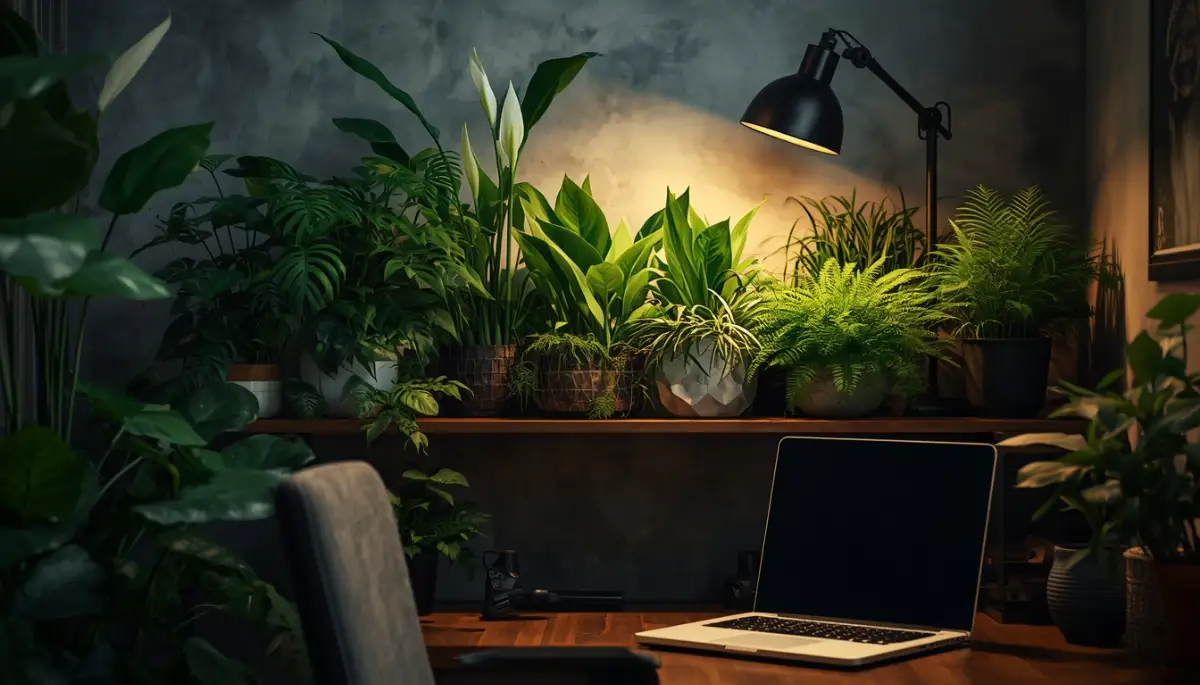
When plants are close to each other, they share moisture through their leaves. This makes the air around them much cleaner and more humid. I found that my plants grew twice as fast when I moved them from separate rooms into small clusters.
Choosing the Right Soil for Maximum Filtering
The soil you use is just as important as the plant itself. I used to buy the cheapest dirt I could find, but that was a big mistake. Standard soil can sometimes get packed too tight, which stops air from reaching the roots.
Remember, the roots and the tiny bugs living in the soil do a lot of the cleaning. If air can't reach the roots, the plant can't "eat" the toxins effectively. I started mixing a little bit of perlite or small stones into my soil to keep it light and airy.
You can also add a thin layer of activated charcoal at the bottom of your pots. Charcoal is a famous filter used in water pitchers and gas masks. Having it in your plant pot helps trap even more pollutants before they even reach the roots.
The Science of Strategic Placement
Where you put your plant matters more than you might think. I used to put my plants wherever they looked "pretty." But the air in our homes doesn't move the same way in every corner.
For the best results, you should place your air-purifying plants near "source points." These are places like your printer, near new furniture, or by a window that faces a busy street. This lets the plant catch the toxins right as they enter your living space.
I also suggest keeping a few plants near your workspace. If you spend hours at a desk, you are likely dealing with stagnant air. Adding a small plant can help freshen things up, which is great for reducing eye strain at home while you work on your computer.
Using Natural Light to Boost Purification
Plants need light to power their "air-cleaning engine." If a plant is in a dark corner, it slows down and doesn't filter as much air. This doesn't mean every plant needs direct sun, but they do need "bright indirect light."
I noticed that my Spider Plants became much more active when I moved them two feet closer to the window. Their leaves became greener, and the air felt noticeably crisper. A plant that is growing fast is a plant that is cleaning fast.
If your home is naturally dark, you can use simple LED grow lights. These are very cheap now and can help your plants stay healthy all year round. This is one of those sustainable household changes that saves you money on expensive air machine filters.
Seasonal Adjustments for Your Green Filters
The air in our homes changes when the seasons change. In the winter, we close all our windows and turn on the heat. This makes the air very dry and traps more chemicals inside.
During these months, I give my plants a little extra misting with water. This helps them stay active when the indoor air is "dead." You will notice that your plants might need less water but more humidity during the colder months.
In the summer, I open the windows to let fresh air in, but I keep my plants nearby. They act as a second line of defense against pollen and dust that flies in from outside. According to studies by the American Society for Horticultural Science, having these green buffers can significantly lower indoor dust levels.

The Mistakes That Might Be Hurting Your Green Helpers
When I first started my indoor garden, I was a bit of a "helicopter parent." I thought more water and more food meant better plants. I was so wrong, and I ended up losing some of my favorite green friends.
The biggest mistake people make is overwatering. Most people think a wilting plant needs water, but sometimes it’s actually drowning. When the roots sit in water, they can't breathe, and they stop cleaning the air.
I felt so guilty when my first Snake Plant turned yellow and soft. I realized I was killing it with "kindness." Now, I always stick my finger an inch into the soil before I even touch the watering can.
Ignoring the Dust on the Leaves
This is a mistake almost everyone makes at the beginning. We forget that plants "breathe" through their leaves. If those leaves are covered in a layer of dust, the plant is basically wearing a blindfold and a mask.
Think of it like a dirty filter in your car. If the filter is clogged, the air can't pass through. I make it a habit to gently wipe my plants' leaves with a soft, damp cloth every few weeks.
It takes a little time, but the difference is huge. After a good cleaning, the plants look shinier and they can absorb more sunlight. This simple step keeps your natural air purification system running at 100% power.
Using Chemical Fertilizers
It is tempting to buy those bright blue chemical drops to make your plants grow huge. But these chemicals can sometimes release their own fumes into your home. It feels silly to use a plant to clean the air while adding chemicals to the soil.
I switched to organic compost or "worm tea" for my indoor plants. It smells like fresh earth and doesn't add any weird toxins to my living room. Keeping things natural is the best way to ensure you are actually helping your health.
If you are managing your home expenses carefully, you will find that natural fertilizers are often cheaper too. You can even use old coffee grounds or crushed eggshells to give your plants a boost for free.
Choosing the Wrong Pot Size
I used to think that putting a small plant in a huge pot would give it "room to grow." Instead, the extra soil just stayed wet for too long, leading to root rot. Plants like to feel a bit "snug" in their homes.
A pot that is too large can also grow mold on the surface of the soil. This mold releases spores into the air, which is exactly what we are trying to avoid. Always pick a pot that is only an inch or two wider than the plant's root ball.
Make sure your pots always have drainage holes at the bottom. Without holes, the water has nowhere to go. This is a small detail that can save the life of your plant and keep your air smelling fresh instead of musty.
Forgetting About Pet Safety
This is a very serious point that many new plant owners miss. Some of the best air-purifying plants, like the Peace Lily or the Snake Plant, can be toxic to cats and dogs if they eat them.
I have a curious cat, so I had to learn which plants were safe to keep on the floor. If you have pets, always check a trusted source like the ASPCA before bringing a new plant home.
You can still have these air cleaners, but you might need to put them on high shelves or in hanging baskets. Safety should always come first, both for you and your furry family members.
Your New Daily Plan for a Fresher Home
Starting a natural air-cleaning journey doesn't have to be hard. I like to think of it as a small hobby that pays you back in health. Here is a simple plan you can follow to get the best results.
First, start with one "bedroom plant" and one "living room plant." A Snake Plant for the bedroom and a Spider Plant for the living room is a perfect team. You will start to notice a difference in the air quality within just a few days.
Second, make it a habit to check on them while you have your morning coffee. You don't always need to do something; just looking at them helps you spot any problems early. It's also a great way to relax before you start your busy day.
Taking care of plants actually helps with physical health too. It gets you moving and stretching, which is important if you are worried about the risks of sitting too long during your work hours.
The Long-Term Benefits of Living Green
As the months go by, you will find that you are breathing easier. Your home will feel less like a box and more like a living space. This connection to nature is something that many of us have lost in the modern world.
Studies from the Journal of Physiological Anthropology show that interacting with indoor plants can reduce both physiological and psychological stress. It isn't just about the oxygen; it’s about the peace they bring to our minds.
I have found that my home feels more welcoming to guests too. People often comment on how "fresh" my house smells without me using any candles or sprays. It is a natural, clean scent that you just can't buy in a bottle.
Building Your Own Indoor Ecosystem
Eventually, you might want to try more advanced plants. Things like the Boston Fern or the Bamboo Palm are amazing at adding humidity to dry rooms. They require a bit more care, but the payoff is worth it.
In a world where we are always worried about protecting your digital privacy and online safety, gardening is a purely physical and safe joy. It is just you, the soil, and the life you are helping to grow.
Common Questions About Air-Cleaning Plants
How many plants do I need for a small apartment?
For a standard room, having about two to three medium-sized plants is a great start. If your apartment is very small, even one large Snake Plant can make a noticeable difference in air freshness. I suggest spreading them out so every corner gets a little bit of help.
Can these plants really replace an electric air purifier?
Plants are great for removing chemicals and adding oxygen, but they don't catch heavy dust as fast as a machine with a HEPA filter. However, for long-term removal of toxins like formaldehyde and benzene, plants are often more effective and much cheaper. I use a mix of both in my home for the best of both worlds.
Do I need to keep the windows closed for the plants to work?
No, you don't need to keep your windows closed. In fact, giving your plants some fresh outdoor air occasionally helps them grow stronger. The plants work to clean the air that is already inside, whether your windows are open or shut.
What is the easiest air-purifying plant for a beginner?
I always recommend the Snake Plant or the Spider Plant for anyone just starting out. They are very forgiving and don't mind if you forget to water them for a week. They are the perfect "starter" plants for a healthy home.
Do plants sleep at night?
Plants have a different rhythm at night, but they are still working. Most plants rest when it’s dark, but specific ones like the Snake Plant stay active by releasing oxygen while you sleep. This is why having a mix of different types is the smartest move for constant air cleaning.
A Fresh Start for You and Your Home
Bringing plants into my life was one of the best decisions I ever made. It changed the way I feel every morning and how I see my living space. It is a simple, cheap, and science-backed way to take control of your health.
You don't need to be an expert to start. Just buy one plant, put it in a sunny spot, and watch what happens. I promise that once you feel that first breath of fresh, plant-cleaned air, you will never want to go back.
I hope this guide helps you start your own green journey today. My home is now my sanctuary, and I want everyone to feel that same peace and health in their own lives. Go out and get your first green friend—you deserve to breathe the best air possible!
Disclaimer: The information in this post is for educational purposes only. While plants can improve air quality, they should not be the only method used for serious respiratory issues. Always consult with a health professional if you have severe allergies or breathing problems. Ensure you check plant toxicity if you have pets or small children.