The Illiquidity Lock: Why Traditional Investing Feels Out of Reach for Everyday People
Let’s be honest: the old way of building wealth feels like a rigged game. For a long time, if you wanted to invest in a skyscraper or a bar of gold, you needed a massive bank account and a team of lawyers. I spent years feeling stuck on the sidelines, watching prices go up while my savings stayed flat. But things are finally changing. You don’t need to be a millionaire anymore to own high-value assets. In this guide, I’m going to show you how "tokenization" is breaking down those big walls and how you can start owning small pieces of the world’s best investments with just a few dollars.
Imagine saving your hard-earned money for years with the hope of buying a piece of property. You search online, look at price trends, and quickly realize that prices are rising way faster than your savings. The down payments are massive, and the bank loans require endless paperwork with high interest rates.
This is the frustrating reality for millions of hard-working people around the globe. You want to grow your wealth, but the entry barriers keep you locked out of the best opportunities. It feels like the traditional financial system is an exclusive club where only the wealthy can play.
For a long time, there was no middle ground between risky trading and slow-yielding savings accounts. But new technology is starting to change this old system. It is not about hype or quick-rich schemes. Instead, it is about taking real, physical things and making them easy for anyone to own in small pieces.
Demystifying the Concept: What is Asset Tokenization in Simple Terms?
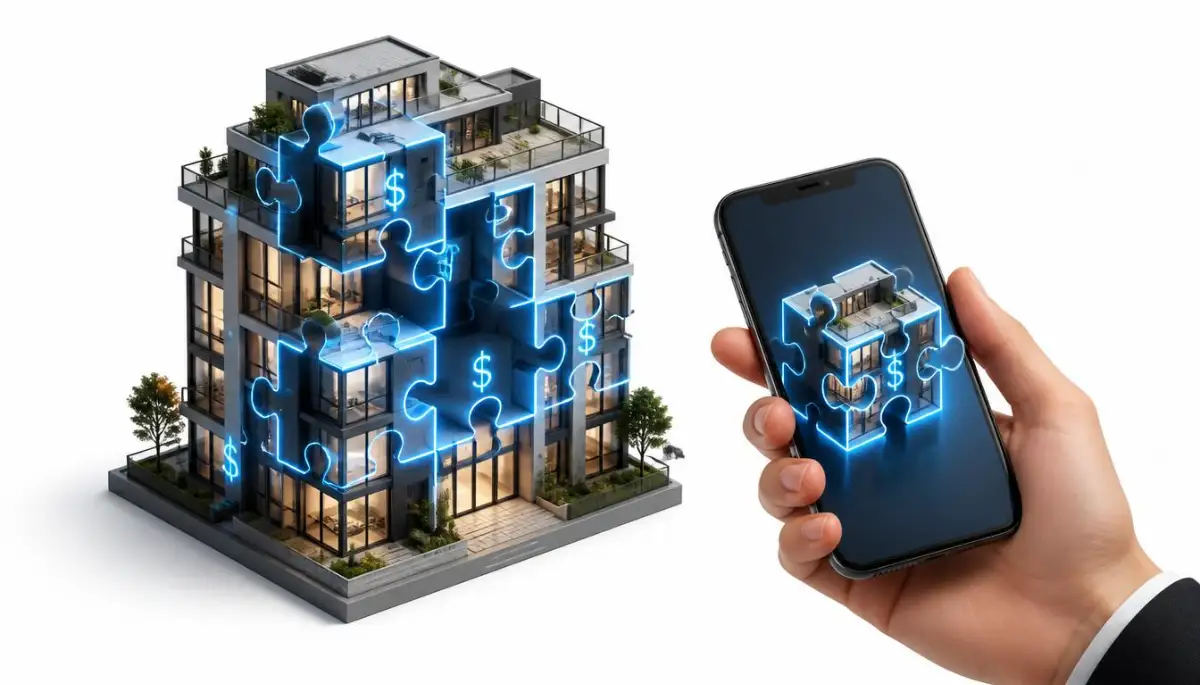
Let us explain what tokenizing actually means using a simple analogy. Imagine a beautiful, historic apartment building in a major city that is worth one million dollars. Most average investors do not have a million dollars sitting in their bank accounts.
But what if we could divide that apartment building into one million digital shares, with each share worth exactly one dollar? Anyone could buy ten, fifty, or one hundred shares depending on their budget. This is the core idea of real-world asset tokenization.
The 60-Second Cheat Sheet
- What it is: Asset tokenization turns big things (like buildings or gold) into tiny digital shares you can buy with small change.
- Why it's better: You get the stability of real-world assets without the massive upfront costs or endless paperwork.
- The Safety Factor: Your ownership is backed by smart contracts and legal deeds, but you must only use audited platforms.
- How to start: Pick a verified platform, verify your ID, and start small to test how the monthly payouts work.
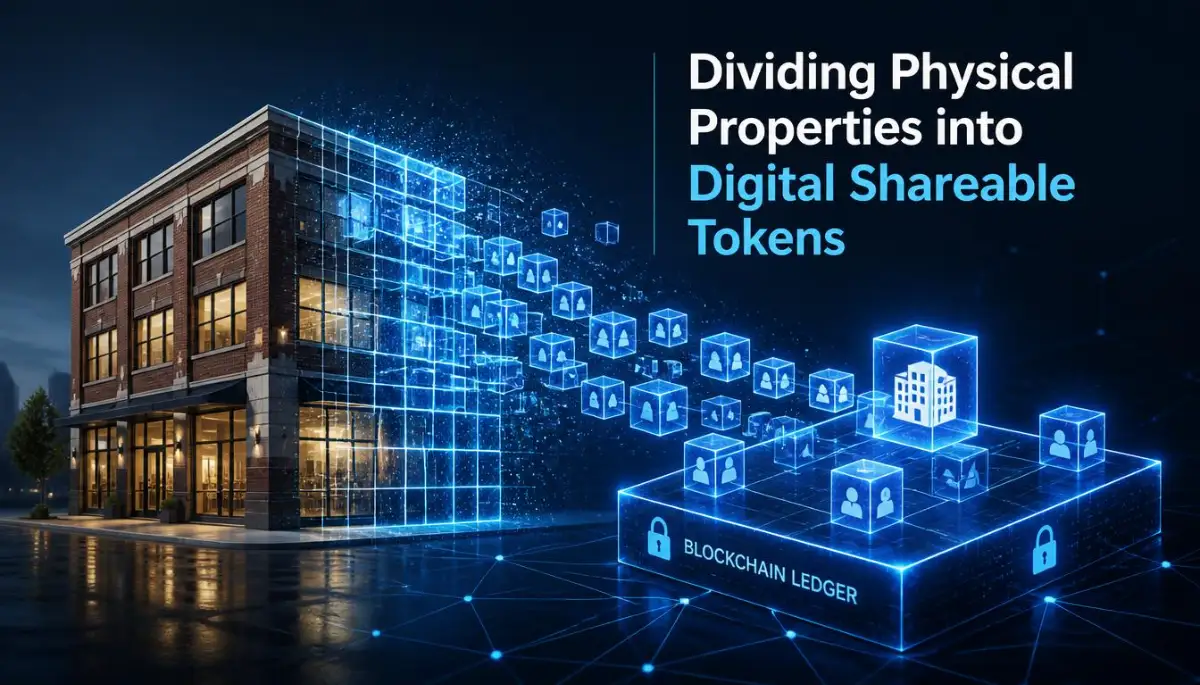
By using blockchain technology, we can turn physical wealth into digital tokens. The physical asset stays securely in the real world, but its ownership is split into small digital pieces. This process opens up brand-new possibilities for everyday people.
These digital pieces are called tokens, and they are recorded on a secure public ledger. Let us look closely at how this process works from the ground up.
Introductory Text for Video (Place this bold text right above your embedded video):
Before we look at the exact steps of this process, check out this quick, eye-opening video that shows how physical wealth is turning digital! Watch it to see how easy it is to own a share of high-value assets today.
Step 1: Selecting and Valuing the Real-World Asset
First, an asset issuer must choose a physical object of value. This could be a luxury apartment building, a gold bar, or even a rare painting. The asset must undergo a professional valuation to determine its actual worth in the current market.
Legal experts also check the property deeds to ensure there are no hidden debts or ownership disputes. This step is essential because the digital tokens must be backed by a legitimate physical asset. Without this verification, the tokens would have no real value.
Step 2: Designing the Smart Contract Rules
Next, software developers write code called a smart contract. This contract lives on a blockchain and acts as a digital, self-executing agreement. It automatically manages all the rules of ownership, transfers, and payouts.
For instance, if the tokenized building generates rental income, the smart contract calculates the exact payout for each token holder. It sends the digital funds directly to your wallet without needing a bank or an expensive lawyer.
This code is transparent and public, meaning anyone can verify how it works. It removes the need to trust a centralized corporation or a property manager who might make mistakes.
Step 3: Minting and Issuing the Tokens to the Public
Once the smart contract is fully tested, the digital tokens are created on the blockchain network. This creation process is widely known as minting. Each minted token represents a small fraction of the physical asset.
These tokens are then listed on specialized digital investing platforms. Registered users can log in, browse available assets, and buy tokens in seconds.
You can start building a portfolio of real-world assets with very little money. You no longer need to buy an entire building when you can easily buy a few square feet of it instead.
Myth vs. Reality in the Digital Asset Space
Because this technology is connected to blockchain, there are many common misconceptions about it. Let us clear up some of the biggest misunderstandings to help you stay informed.
- Myth: Tokenized physical assets are just as volatile as normal cryptocurrencies.
- Reality: The price of a tokenized asset is tied to its real-world counterpart. If real estate prices in a city are stable, the price of your property tokens will also remain stable.
- Myth: You do not actually own anything legally when you buy a token.
- Reality: Legally binding frameworks connect the digital tokens to the physical deed of the asset. You hold a legal claim to a portion of that physical property.
- Myth: Tokenization is only useful for real estate.
- Reality: You can tokenize almost anything of value, including gold, fine art, agricultural land, and even intellectual property.
Comparing Your Options: Traditional Investing vs. Tokenized Investing
To help you see the difference clearly, let us compare these two methods side-by-side.
Real-World Math: How It Actually Looks
To give you a better idea, I’ve put together this quick breakdown of how a $1,000,000 property becomes accessible to someone like you or me:
As you can see, the digital method solves many of the headache-inducing problems of the old system. It simplifies the process and makes investing much smoother.
Essential Security Practices for Digital Investors
While this technology is highly secure, you must take steps to protect your personal digital holdings. The digital world has its own share of bad actors and online risks.
In addition, make sure you read the platform's audit reports. I learned the hard way that rushing into a cheap digital platform without checking their security audits can cost you everything. My rule of thumb now is simple: if the project cannot show you a clear, public report of their code security, do not give them a single penny. Keeping your hard-earned money safe should always come before chasing high payouts. A reputable platform will always have their smart contracts audited by third-party security firms. This ensures the code is safe from potential hackers.
My Personal "Red Flag" Checklist
Before I put my own money into any platform, I look for these three things. If even one is missing, I walk away:
- The Ghost Asset Check: If the platform doesn't show me the exact address of the property or the serial number of the gold bar, it's a huge NO.
- The "Too Good to be True" Yield: If they promise 30% yearly returns on a house, they are likely lying. Real estate usually pays 5% to 10%.
- The Locked Exit: Can I sell my tokens whenever I want? If they say my money is locked for 5 years with no way out, I don't touch it.
Real-Life Scenarios: How Tokenization Helps Everyday People
Let us look at a practical scenario involving a working professional named Alex. Alex wanted to invest in gold to protect his savings from inflation. However, buying physical gold bars meant dealing with secure storage fees and high dealer markups.
Instead, Alex decided to use a verified gold tokenization platform. He bought digital tokens that represent actual gold bars stored in a secure Swiss vault.
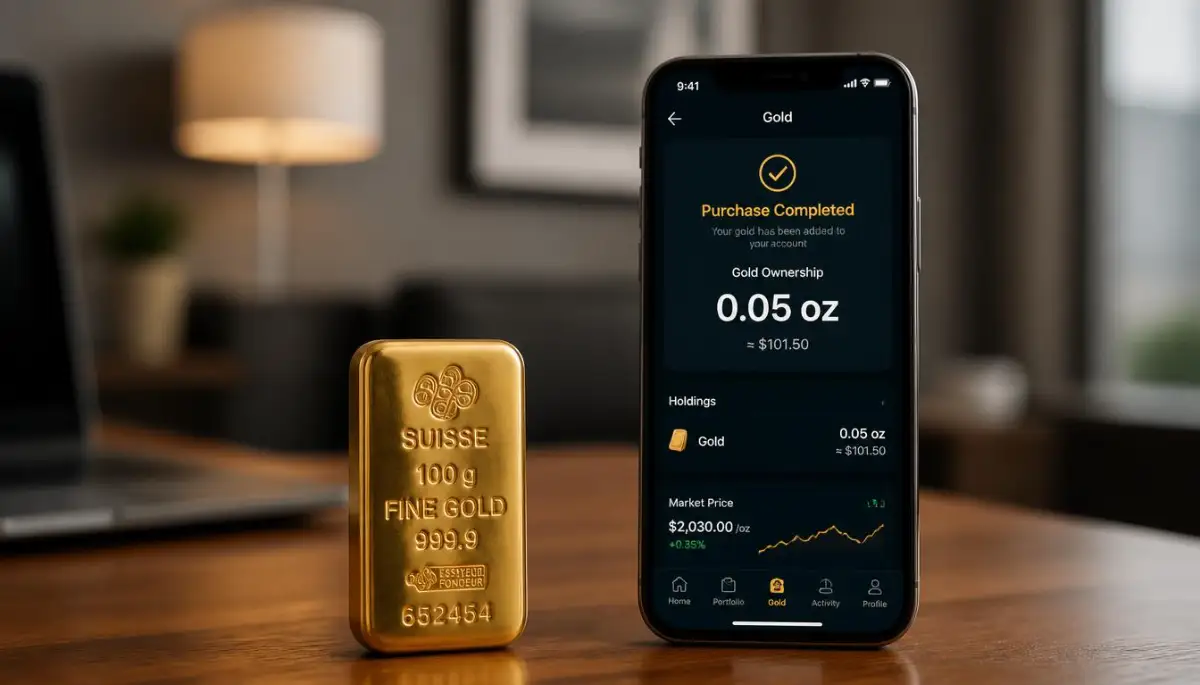
Alex only bought fifty dollars worth of gold tokens each month. He did not have to worry about home security or paying high premium fees to local coin shops.
If Alex ever needs cash, he can sell his gold tokens back to the platform instantly. The funds are sent to his bank account without any delay. This shows how digital tokens make physical wealth incredibly practical to manage.
Exploring Different Kinds of Tokenized Wealth
Real estate and gold are just the beginning of this growing financial shift. Let us explore some other unique items that are joining the blockchain network.
Fine Art and Collectibles
High-end art has traditionally been a playground for the super-rich. Now, famous paintings can be tokenized, allowing art lovers to own a small share of a masterpiece.
The painting is kept in a temperature-controlled museum or vault. If the painting increases in value over time, the value of your digital tokens increases as well.
Agriculture and Farming
Farming is another area where this technology is making a big difference. Investors can buy tokens representing a share of an active crop harvest or a piece of fertile farmland.
This provides farmers with much-needed cash to grow their businesses without taking out high-interest bank loans. In return, investors receive a share of the profits when the harvest is sold.
The Legal Framework: How Governments Are Responding
For this technology to succeed long-term, it must operate within the boundaries of international law. Governments around the world are starting to create clear rules for tokenized assets.
Many countries now treat tokenized real-world assets as digital securities. This means the platforms issuing them must follow strict consumer protection laws.
This regulation is actually a good thing for everyday investors. It reduces the risk of scams and ensures that your physical ownership rights are fully protected by law.
Always look for platforms that require identity verification (KYC) and comply with local financial authorities. This is a strong sign of a trustworthy project.
Practical Checklist Before Making Your First Move
If you are interested in exploring this new way of investing, here is a quick checklist to keep you safe:
- Verify the Physical Asset: Make sure the platform clearly shows where the physical asset is located and how its value was calculated.
- Read the Smart Contract Audit: Confirm that the digital code has been reviewed and approved by a professional security firm.
- Understand the Fees: Check the platform fees for buying, holding, and selling your tokens so there are no surprises.
- Start Small: Only invest an amount of money that you feel comfortable with while you learn how the platform works.
- Check the Exit Options: Ensure that the platform has enough trading volume so you can easily sell your tokens when you want to.
Taking these steps will help you make informed decisions and protect your hard-earned money.
Looking Ahead at the Future of Digital Ownership
We are still in the early stages of this massive shift in how the world handles wealth. In the coming years, we will likely see more physical assets moving onto public ledgers.
This change could make the global economy much more inclusive. Anyone with a smartphone and an internet connection will have the ability to build a diversified portfolio of physical assets.
The barriers of high entry costs and endless paperwork are slowly fading away. By combining the stability of physical wealth with the speed of blockchain, we are entering a new era of personal finance.
Deep-Dive Management: Advanced Tactics for Growing Your Tokenized Assets
Investing in digital representations of real property is an excellent starting point, but growing your digital wealth requires a clear strategy. Professional investors do not simply buy digital shares and forget about them. Instead, they actively track the physical asset and understand how it connects to the digital network.
First, you must understand the technology standard used by the platform you choose. Many top-tier platforms use specialized protocols like the ERC-3643 token standard to manage identity and legal compliance directly on the blockchain. Knowing these technical rules helps you understand how secure your tokens are from unauthorized transfers.
Second, you need to budget for the unpredictable nature of digital asset income. If you are receiving monthly rental yields from tokenized real estate, that income might fluctuate based on property vacancies. For those who earn money this way, learning about budgeting on an inconsistent income stream is key to managing your personal cash flow successfully. In addition, pay close attention to network transaction fees when moving your funds. High network congestion can cause delays, and you may find yourself dealing with issues like fixing pending blockchain transactions on the network. Knowing how to adjust your network fees can save you both money and time.
Finally, keep a close eye on the taxes associated with your digital properties. Many people assume that because an asset is tokenized, it is exempt from standard property taxes. However, tax authorities are increasingly monitoring these assets, so studying handling tax write-offs for independent workers will help you stay compliant without overpaying.

The Unseen Trapdoors: Major Errors to Guard Against
When people enter the digital asset space, they often make mistakes that lead to heavy financial loss. One of the most painful errors is assuming that every platform offering fractional ownership is safe. Some projects are built on weak legal foundations, leaving investors vulnerable if the issuing company goes bankrupt.
If a platform fails to comply with regulatory standards, the entire project could face sudden legal action from financial authorities. For an investor, this can feel as stressful as managing unexpected legal notices in your daily life. To protect yourself, always verify if the platform is registered with major regulatory bodies like the U.S. Securities and Exchange Commission.
Another common mistake is ignoring the actual real-world market value of the underlying asset. Just because an asset is split into digital shares does not mean it is immune to local market downturns. If you are investing in tokenized homes, you must still understand the basics of building value in residential property to make smart choices. Lastly, never share your private recovery phrases with anyone, no matter how helpful they claim to be. Many scammers set up fake customer support accounts on social media to steal your digital keys. If you lose your keys, you lose your physical asset claims forever, with absolutely no way to recover them.
Taking Control of Your Financial Future
To wrap this all up, turning physical objects into digital shares is completely changing how we view ownership. You no longer need to be a millionaire to own a piece of high-value properties or precious metals. The tools to build real, lasting wealth are now accessible directly from your smartphone or computer.
By staying informed, researching platforms, and avoiding simple safety mistakes, you can build a stable digital portfolio. This technology is opening up a fair path for everyone to participate in the global economy. The entry gates are open, and the power to grow your wealth is in your hands.
My personal journey with digital assets showed me how quickly technology can break down old, unfair walls. I remember feeling locked out of the property market for years, thinking I would never save enough for a massive down payment. Once I started investing in small digital fractions, my entire outlook on personal finance changed, and I believe you can start making that same progress today.
Clear Answers to Common Asset Questions
What happens to my digital tokens if the issuing platform closes down?
If the platform is legally structured, your digital tokens still represent real-world ownership of the physical asset. A third-party legal custodian usually holds the physical deed, protecting your investment even if the main platform shuts its doors.
Can I sell my tokenized physical assets whenever I want?
Yes, most platforms have a secondary market where you can trade your tokens with other registered buyers. However, the selling speed depends on how active the platform's market is at that specific moment.
How do I protect my asset dashboard from online hackers?
You should always use strong, unique passwords and enable two-factor authentication on your accounts. If you are worried about digital privacy, you might also want to look into steps for blocking unwanted smart device tracking to keep your overall digital footprint safe.
Do I get real voting rights on how the physical property is managed?
Many platforms use decentralized voting systems where your token balance determines your voting power. This allows you to vote on major decisions, like when to renovate a building or sell the physical property.
I know starting something new with your money can feel scary, but taking that first small step is how we change our lives. Do not let fear keep you stuck in the same old loop when you can start small and learn along the way. I hope you take that leap today, even if it is just with a small amount, to finally take control of your financial freedom.
Important Disclaimer: The information provided in this article is for educational and informational purposes only. It does not constitute professional financial, legal, or investment advice. Digital asset markets carry risk, and past performance is not a guarantee of future results. Always consult with a licensed financial advisor or tax professional before making any investment decisions. The author and this website are not responsible for any financial losses incurred while using the digital platforms or strategies mentioned here.