The Dirty Solar Panel Trap: My Costly Experiment with a Rough Sponge
Seeing your solar power output drop by 20% is frustrating—it feels like you're literally throwing money away every sunny day. I made the mistake of trying to 'fix' this with a rough kitchen sponge and soapy water, and it ended up being a multi-thousand dollar disaster. Before you grab a ladder and start scrubbing, let me show you the right way to get your energy numbers back up without ruining your glass forever.
I scrubbed hard, hearing a harsh scraping sound that made my stomach turn instantly. When the wet glass dried, I looked closer and saw hundreds of fine, permanent white scratches covering the surface. I had ruined my expensive solar panels in less than ten minutes because of my own impatient ignorance.
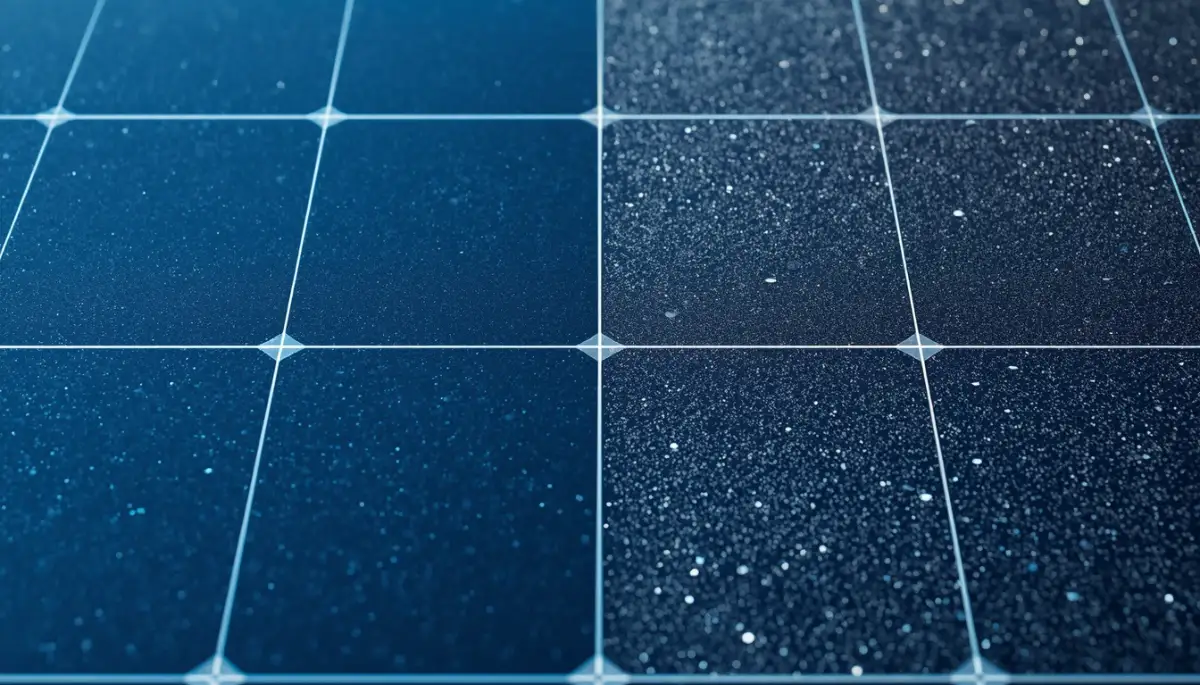
Dirty solar panels are a silent tax on your clean energy dreams. Dust, pollen, bird droppings, and leaves build up slowly over time, quietly stealing your electricity production. You watch your monthly power generation drop day after day, wondering why you spent thousands of dollars on solar tech.
However, using the wrong cleaning tools can destroy your panels forever. A simple scratch on the protective glass blocks sunlight from reaching the silicon cells underneath. This tiny mistake permanently lowers your power output, and you cannot easily fix scratched glass.
Many homeowners feel trapped between letting dirty panels lose efficiency and risking expensive damage by cleaning them. The fear of slipping off a wet roof or cracking the glass adds even more stress to the situation. It is a frustrating problem that leaves many families feeling completely helpless.
Thankfully, you do not have to live with dirty panels or risk scratching your expensive investment. There are gentle, highly effective, and simple ways to restore your system to full power safely. Let us look at how you can clean your panels without causing any harm.
The Science of Solar Glass: Why Rough Treatment Ruins Efficiency
### Quick Guide: How to Clean Without Regret
Before we dive into the science, here are the non-negotiable rules for your panels:
- Never Scrub Dry: Water is your lubricant. Dry wiping creates sandpaper-like scratches.
- Morning Only: Only clean when the glass is cool to the touch to avoid cracking.
- Skip the Chemicals: Pure water and a drop of mild soap are better than any window spray.
- Keep Your Feet Down: Use an extension pole to stay safe on the ground.
Solar panel glass is not like the regular glass used in your house windows. It is specialized, tempered glass designed to let maximum sunlight pass through to the internal solar cells. It also features a delicate anti-reflective coating that boosts energy collection.
When you scrub this glass with rough materials, you scratch off this microscopic anti-reflective layer. This causes incoming sunlight to bounce off the panel instead of passing through to create power. The damage is permanent and will lower your energy generation for the rest of the panel's lifespan.
A Gentle Step-by-Step System to Clean Solar Panels Safely
Timing Your Clean: Working Under Cool, Shadowy Skies
The timing of your cleaning session is the most important safety decision you will make. Never spray cold water on solar panels that have been sitting under the hot midday sun. The sudden temperature drop can cause the hot tempered glass to shatter instantly.
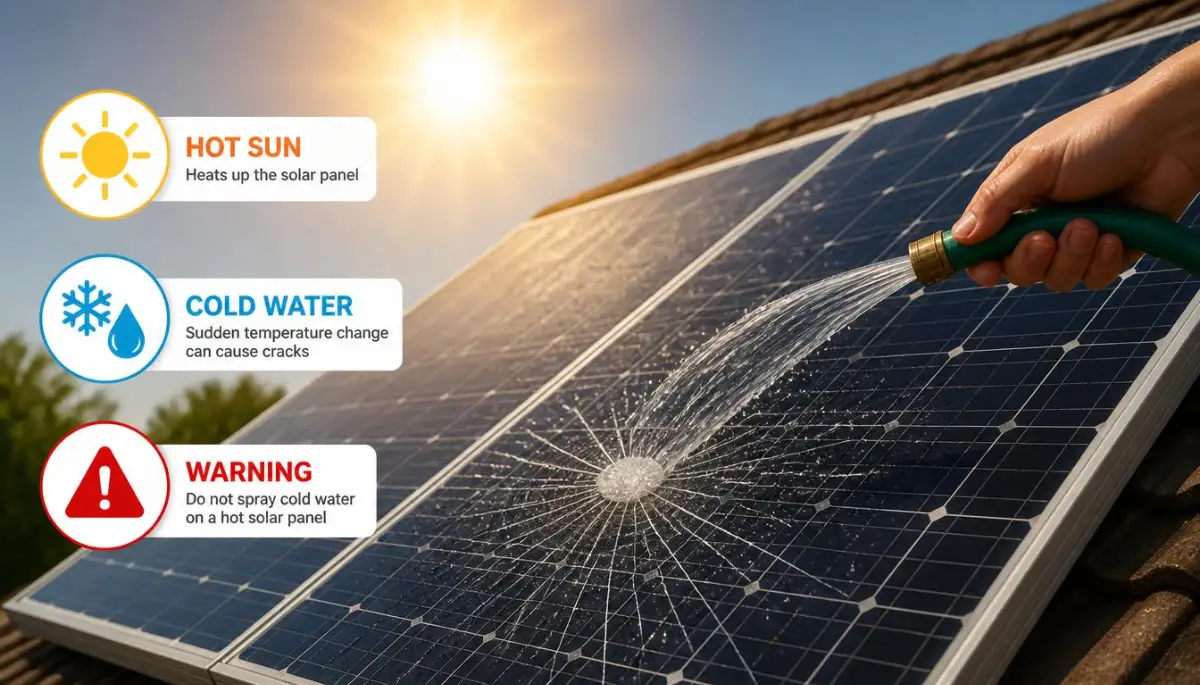
To prevent this thermal shock, clean your panels in the early morning or late evening. During these times, the glass is naturally cool, and water will not evaporate too quickly. This simple step also prevents ugly soap spots from drying on the glass surface.
Choosing a cloudy day is another excellent option for your cleaning schedule. The lack of direct sunlight keeps the panels cool and gives you more time to wash them safely. Always check the weather forecast before planning your maintenance routine.
Pre-Rinsing the Surface: Letting Water Do the Heavy Lifting
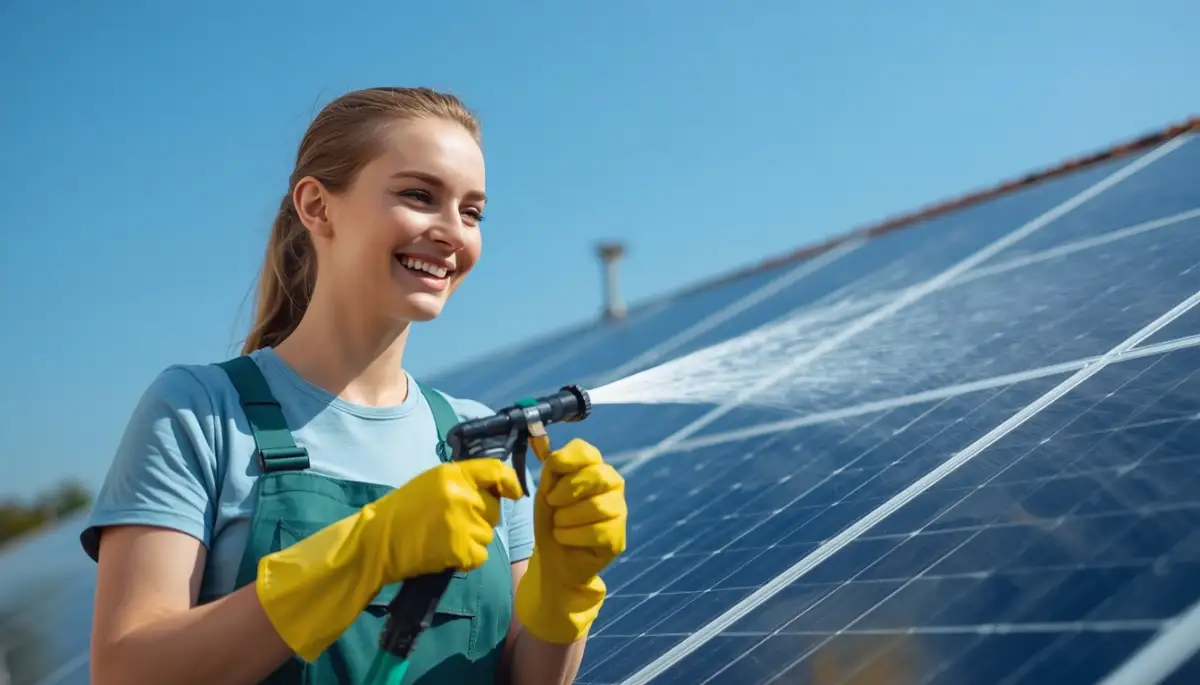
Before you touch the glass with any cloth or squeegee, you must remove loose dirt. Use a standard garden hose with a gentle spray nozzle to rinse the panels thoroughly. This initial rinse washes away abrasive sand, dust particles, and loose leaves.
Never use a high-pressure power washer on your solar array. The intense force of a pressure washer can break the watertight seals around the glass frame. This allows moisture to seep inside the panel, causing permanent electrical failure.
Pro Tip: When I first washed my panels, I used my high-pressure car washer hose. It forced water under the panel frames and shorted out three of my microinverters in seconds. Always stick to a gentle, low-pressure garden hose flow to keep your electrical parts safe.
Selecting the Right Tools: The Power of Ultra-Soft Microfiber
The 'Safe vs. Scrape' Tool Cheat Sheet
If sticky bird droppings or tree sap remain after the rinse, you must wipe them away gently. Use an ultra-soft microfiber cloth or a soft sponge wrapped in a microfiber sleeve. These materials lift dirt away from the glass without scratching the surface.
Avoid using hard plastic brushes, steel wool, or abrasive kitchen sponges. These rough tools are designed for metal pots, not delicate solar glass coatings. Using them is a guaranteed way to cause micro-scratches that ruin your power output.
You can attach your microfiber cloth to a lightweight extension pole to reach high panels safely. This allows you to apply even, gentle pressure across the entire surface of the solar array. It makes the cleaning process much easier and keeps your hands safe.
Pure Water Solutions: Ditching Harsh Chemical Cleaners
You do not need expensive, fancy chemical cleaners to make your solar panels shine. Plain, clean water is usually the safest and most effective liquid for the job. If your local tap water is full of minerals, consider using distilled water to prevent white spots.
Never use harsh chemicals like bleach, ammonia, or laundry detergents on your panels. These chemicals can react with the aluminum frames and strip away the protective glass coatings. A mild, eco-friendly dish soap is the only additive you should ever consider.
Mix a few drops of mild soap into a large bucket of warm water if you have stubborn dirt. This simple mixture cuts through grease and soot without damaging any part of your system. Always rinse the soapy water off completely with clean, fresh water.
The Squeegee Finish: Eliminating Water Spots for Good
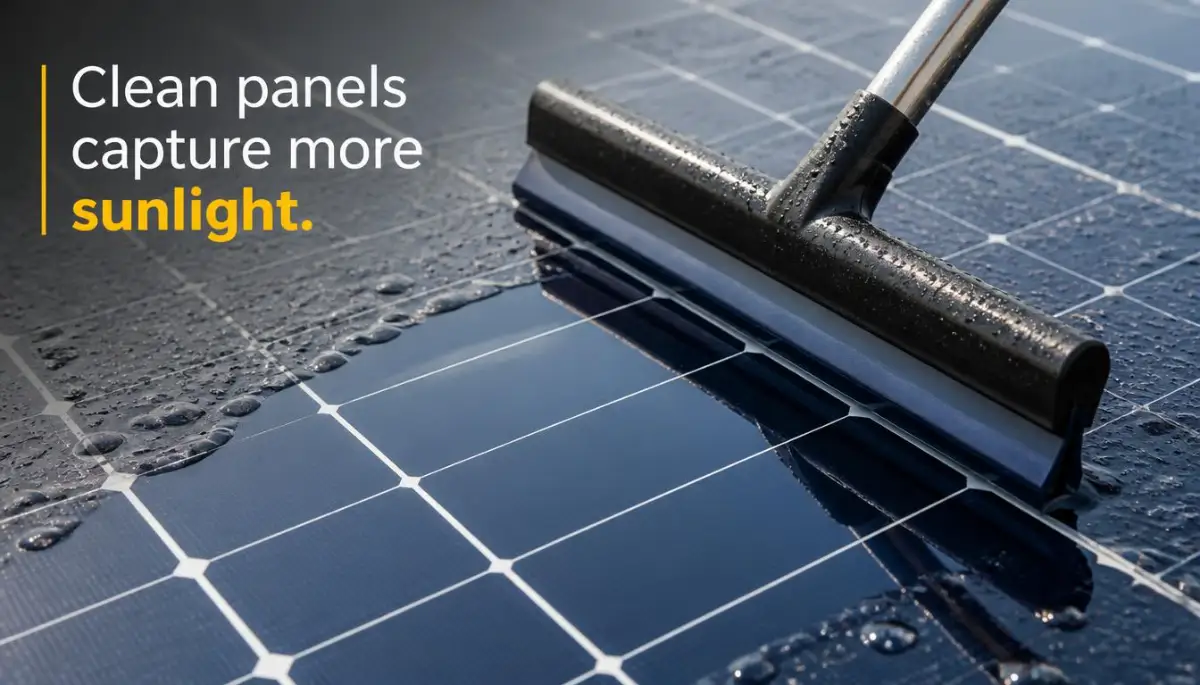
After washing, use a high-quality rubber-edged squeegee to wipe away the remaining water. Run the squeegee in straight, overlapping strokes from the top of the panel to the bottom. This prevents mineral spots from forming as the water dries.
Mineral spots act like tiny magnifying glasses, focusing heat on specific parts of the solar cell. Over time, these hot spots can damage the internal electronics and lower your system efficiency. A quick squeegee dry keeps the surface clean and uniform.
Make sure the rubber blade of your squeegee is soft and free of dirt before you begin. A dirty blade can drag hard sand particles across the glass, causing the exact scratches you want to avoid. Keep a clean towel nearby to wipe the squeegee blade after each pass.
Simple Environmental Factors: Understanding What Dirties Your Panels
Pollen and Dust: The Invisible Energy Thieves
Pollen from nearby trees can create a sticky yellow film on your solar glass. This film acts like a light filter, blocking valuable solar rays from reaching the cells. Dust from nearby dirt roads or construction zones causes similar issues.
These fine particles do not always wash away with simple rain showers. Rain often mixes with the dust to create a muddy paste that bakes onto the hot glass. A manual, gentle wash is necessary to remove this baked-on layer completely.
If you live near dusty farming fields, you may need to rinse your panels more often. Regular monitoring of your system's power generation will show you when dust levels are hurting your performance. A simple water rinse every few weeks is often enough to keep dust under control.
Bird Droppings: Spot-Shading Hazards that Cause Hot Spots
Bird droppings are highly acidic and can damage the protective glass coating if left for too long. They also create a solid, dark spot that completely blocks sunlight from a specific cell. This is known as spot-shading, which is highly dangerous for solar systems.
When one cell is shaded, the remaining cells in the panel try to push electricity through it. This creates intense heat, which can permanently burn out the shaded cell. Removing bird droppings quickly is essential for protecting your system's health.
Use a soft, wet cloth to soak the droppings before trying to wipe them away. Letting the water soften the spot prevents you from having to scrub hard. This simple patience protects your glass from scratch damage.
Building a Safe Cleaning Schedule: When to Act and When to Wait
Tracking Your Power Output to Spot Efficiency Drops
You do not need to clean your solar panels every single week. Instead, monitor your solar system's digital app to track your daily power generation. If you notice a steady ten to fifteen percent drop in output during sunny days, it is time to check for dirt.
Comparing your current weekly output with past data is a smart way to detect dirt buildup. It prevents you from climbing onto your roof unnecessarily, reducing your risk of falls. Only clean when the data shows a clear drop in performance.
Seasonal changes also affect how often you should clean your panels. Autumn leaves and winter soot can build up quickly, while spring rains might do the work for you. Let your system's digital data guide your maintenance schedule.
Evaluating Your Local Climate and Rainfall Patterns
My Personal 'Check-Up' Rule of Thumb:
If you look at your panels and they look 'hazy' from the ground, you've likely lost 5-10% efficiency. If you see visible bird droppings or clumps of leaves, you are losing much more. I usually check my monitoring app every Sunday morning. If my peak output is lower than it was on a similar sunny day last month, I know it's time to get the hose out.
Homeowners living in dusty, dry regions need to clean their panels more frequently. If your area experiences long dry spells with no rain, dust will build up rapidly. In contrast, rainy climates often keep panels clean naturally for months at a time.
If you live near the ocean, salt spray can leave a crusty white residue on your solar glass. This salty crust is highly reflective and requires regular rinsing with fresh water. Adjust your cleaning schedule to match your specific environmental conditions.
Keep a simple journal of your cleaning dates and subsequent power improvements. This helps you understand the natural patterns of your local environment. Over time, you will develop the perfect schedule for your specific property.
Solar Cleaning Realities: Myths vs. Facts
To keep your system running smoothly, you must separate helpful advice from common mistakes. Many popular beliefs about solar maintenance can actually lead to permanent damage and expensive repairs. Let us look at the facts behind the most common cleaning myths.
- Myth: Rainwater will keep your solar panels perfectly clean without any manual help.
- Fact: Rain can wash away loose dust, but it cannot remove sticky pollen, bird droppings, or industrial soot. Rain often leaves behind mineral spots that can actually reduce panel efficiency over time.
- Myth: You can use standard window cleaning sprays to make your solar panels shine.
- Fact: Many window sprays contain harsh chemicals that can strip away the specialized anti-reflective coating on solar glass. Stick to pure water and mild, biodegradable soaps to protect your panels.
- Myth: You must climb onto the roof to get a proper clean.
- Fact: Many homeowners can clean their systems safely from the ground using extension poles with soft microfiber attachments. This eliminates the safety risks of walking on a steep, wet roof.
High-Altitude Safety: Protecting Yourself During Rooftop Maintenance
The Dangers of Wet, Slippery Rooftop Surfaces
Mixing water, soap, and a sloped roof is a recipe for a dangerous fall. Wet solar panel frames and roof tiles become incredibly slick in a matter of seconds. Never walk on the solar panels themselves, as they are not designed to support human weight.
If you must work on the roof, always wear non-slip shoes and use a professional safety harness. Let a family member know you are going onto the roof before you begin. Safety should always be your absolute highest priority.
Avoid working on your roof during windy or extremely hot days. Strong winds can blow you off balance while you are holding long cleaning tools. Hot summer days can cause heat exhaustion, making rooftop work even more hazardous.
Ground-Based Cleaning Solutions: Staying Safe with Extension Poles
The safest way to clean solar panels is to keep your feet firmly on the ground. You can buy lightweight water-fed extension poles designed specifically for solar maintenance. These poles allow you to spray water and wipe the panels from a safe distance.
Using an extension pole keeps you safe from falls and speeds up the entire cleaning process. It is a highly practical tool that every solar homeowner should consider. Investing in the right safety tools pays off in the long run.
Watch this helpful video to see how to clean your solar panels safely from the ground using extension poles.
Advanced Strategies to Maximize Solar Panel Lifespan and Efficiency
Softening Tough Debris Naturally Before Cleaning
Many homeowners try to scrape away dried bird droppings or sticky tree sap with force. This is a major mistake because friction on dry glass is the primary cause of permanent scratches. Instead, you should apply a generous amount of water to the dirty area and let it sit for several minutes.
This pre-soaking technique naturally breaks down the sticky bonds without requiring any harsh scrubbing. You should always use eco-friendly soaps to protect your local environment from chemical run-off. You can achieve this by choosing green alternatives, similar to making simple household swaps to shrink your plastic footprint easily which reduce chemical contamination in your garden soil.
If you are dealing with stubborn tree resin, do not try to use razor blades or metal scrapers. Instead, use a damp, warm microfiber towel soaked in mild soap to gently massage the area. This gentle movement will melt the sap away without leaving a single mark on your tempered glass.
Managing Hard Water and Mineral Build-Up
Using local tap water to clean your system can sometimes cause more harm than good. If your tap water contains high levels of calcium and magnesium, it is classified as hard water. When hard water dries on your solar panels, it leaves behind a cloudy white film of mineral deposits.
These white mineral crusts act like a screen, reflecting incoming sunlight away from your solar cells. You can check your local water quality by testing the hardness of your home supply. Understanding how hard water operates is explained by the USGS Water Science School which tracks mineral contents across different geographical regions.
To solve this problem, you can attach a simple inline water softener filter to your garden hose. This inexpensive filter traps the heavy minerals before they ever reach your solar panels. It allows you to rinse your system with pure, soft water that dries completely clean and spot-free.
Inspecting Your Solar Panel Frame Seals
Washing your solar array is the perfect opportunity to inspect the structural health of your equipment. While rinsing the glass, pay close attention to the rubber and silicone seals along the aluminum frames. These seals keep moisture from creeping underneath the glass and reaching the sensitive electrical wiring.
If you spot cracked or peeling silicone, you should contact a professional to reseal the frames immediately. Keeping these seals tight is an essential part of protecting your long-term financial investment. Regular upkeep ensures your panels work well, helping you build value in your property just like following a first-time buyer guide understanding home equity and how to build it faster to secure your family's financial future.
Moisture seeping under the glass can cause a hidden threat called delamination. This is where the protective plastic backing separates from the silicon cells, causing permanent power failure. Catching seal damage early during your routine cleanings will save you thousands of dollars in replacement costs.
The Hidden Impact of Air Quality on Solar Glass
If you live in an urban environment or near a busy highway, your panels face a different kind of dirt. Road dust, car exhaust, and industrial soot create a greasy, dark film on outdoor glass. This greasy layer is highly adhesive and does not wash away with simple rainwater.
You will need to use a very mild, non-abrasive soap solution to cut through this oily residue safely. In addition, you should pay attention to how regional air pollution shifts throughout the year. Industrial areas often face problems with acid rain, and you can study the EPA Acid Rain Resources to see how acid deposition damages outdoor metallic and glass surfaces over time.
Rinsing your panels after major smog warnings or dry summer spells is a smart way to maintain steady power. This prevents the oily film from baking into the glass under the hot sun. A clean glass face ensures that your solar system captures every single ray of available light.
Tracking Your Efficiency Gains with a Maintenance Log
We highly recommend keeping a simple digital log of your solar cleaning dates and subsequent energy output. Note down your daily kilowatt-hour generation before and after each cleaning session. This practice helps you understand exactly how much power you are recovering through your maintenance efforts.
Over time, you will see patterns that show the perfect interval between your cleaning sessions. Organizing these energy records takes patience and consistency. It requires a similar mindset as setting up smart budgeting methods for self-employed pros with unstable income since both systems rely on tracking fluctuating numbers to maintain stability.
This log is also incredibly useful if you ever decide to sell your home. It serves as concrete proof that you have taken excellent care of your solar power system. Future buyers will feel much more confident investing in a well-maintained, high-performing home.
Silent Killers of Solar Glass: The Errors That Damage Your Investment
Dry Wiping and the Sandpaper Effect
One of the most dangerous things you can do is wipe dry dust off your solar panels with a dry towel. When dust sits on glass, it consists of tiny, sharp particles of silica, sand, and rock. Dragging a dry cloth across these dry particles turns them into a sheet of sandpaper.
This action creates thousands of microscopic scratches that permanently blur the protective glass. Always saturate the panels with water before touching them with any cloth or cleaning tool. Water acts as a natural lubricant, lifting the abrasive dirt away from the glass surface safely.
This simple rule is the foundation of scratch-free solar maintenance. If you run out of water during your clean, stop immediately and refill your bucket. Never try to finish a dry section with a dry cloth, even if it looks mostly clean.
Thermal Shock and Sudden Temperature Shifts
Many homeowners do not realize that solar panels get extremely hot when sitting under the bright sun. The dark silicon cells absorb heat, raising the glass temperature to high levels. If you spray cold hose water onto this hot glass, the rapid temperature drop causes extreme stress.
This stress can cause the tempered glass to crack or shatter into tiny pieces instantly. This damage is completely irreversible and voids your manufacturer warranty on the spot. To avoid this costly disaster, always perform your cleanings during the cool hours of the early morning.
During these early hours, the panels are cool from the overnight air, making them safe to wash. This easy step protects your system from physical damage and ensures your peace of mind. Patience is the key to protecting your expensive clean energy setup.
The Hidden Trap of Commercial Glass Sealants
It is tempting to apply car wax or commercial rain-repellent sprays to your solar panels. Some people think these coatings will make rainwater slide off and keep the panels clean longer. However, these waxes leave behind a chemical layer that can actually ruin your power output.
These sealants create a sticky, oily film that attracts dust and pollen like a magnet. This chemical buildup eventually bakes under the sun, turning into a cloudy shield that blocks light. Trying to save time with these shortcut sprays is a major financial error.
It mimics the hidden traps of getting safe emergency cash why payday loans cost too much and what to do instead because both offer temporary fixes that cost way more in the long run. Stick to pure, clean water and soft microfiber tools to keep your system safe and clean.
Electrical Hazards During Panel Washing
Your solar array is a high-voltage electrical power plant that requires respect and caution. Before you start spraying water on your roof, you must check for exposed wires or broken conduits. Water is an excellent conductor of electricity, and a cracked cable can cause a dangerous short circuit.
This is why you should always turn off your solar system at the main breaker before you begin cleaning. Working around live wires with wet metal squeegee poles poses a severe risk of electric shock. This dangerous event is a terrifying shock, much like being served with a civil lawsuit here is your immediate action plan when you are completely unprepared.
Take a few minutes to inspect the cables under the frames before you wet the panels. Exposed wires pose major electrical hazards during washing, and you can learn more about residential electrical safety guidelines from the U.S. Consumer Product Safety Commission to keep your family safe. If you see any loose or frayed wires, call a professional solar technician instead of washing them yourself.
Leaning Heavy Ladders Against the Solar Frames
Another common mistake is leaning a metal extension ladder directly against the edge of a solar panel frame. Solar frames are made of lightweight aluminum and are not designed to support heavy physical loads. The weight of a human climbing a ladder can easily bend the frame or crack the adjacent glass.
Always lean your ladder against the solid structural elements of your roof or home. Keep a safe distance of at least two feet between your ladder and the solar array. This small gap prevents accidental contact and keeps your expensive panels safe from physical impact.
Taking these precautions may require a little extra time, but it protects your system from physical harm. A single cracked frame can break the weather seal, ruining the entire panel. Treat your solar equipment with the care and respect it deserves.
Shining a Light on Your New Maintenance Journey
Reclaiming Your Energy Independence
Taking proper care of your solar panels is a powerful way to reclaim control over your home's energy bills. With a few simple, safe tools and a little patience, you can keep your system operating at peak performance. You do not need expensive commercial services to keep your glass clean and scratch-free.
By following a gentle, water-first washing method, you protect the specialized anti-reflective coatings on your panels. This attention to detail ensures that your home continues to generate maximum clean power for decades. It is a highly satisfying chore that offers clear, immediate financial rewards.
If you are currently managing your household budget, keeping your solar system highly efficient is very smart. Reviewing your entire property budget and keeping maintenance costs low helps you stay on track. This is highly useful when planning a job change during mortgage how to keep your home loan approved or trying to keep your home expenses stable.
Your Simple Plan for Long-Term Success
To make your solar maintenance as easy as possible, keep your cleaning tools organized in one dedicated bucket. Store your ultra-soft microfiber cloths, a clean rubber squeegee, and a lightweight extension pole together. Having your gear ready makes it much easier to clean your panels whenever you spot a drop in power.
Remember to stay safe by keeping your feet on the ground whenever possible using extendable tools. Check your local water quality, schedule your washes for the cool mornings, and let water do the heavy scrubbing. These simple steps will keep your home shining bright and running on free, clean energy.
I want you to know that maintaining your own clean energy system is a deeply rewarding experience. Every time I look up at my clean, sparkling solar panels, I feel proud of my self-reliant lifestyle. I hope my guides help you protect your investment, save money, and enjoy the ultimate peace of clean energy today.
Practical Answers to Your Solar Glass Maintenance Questions
Can I use vinegar to clean stubborn spots on my solar panels?
Yes, you can use a mild mixture of white vinegar and water to clean stubborn hard water stains. Mix one cup of vinegar with one gallon of clean water to create a safe, natural cleaning solution. Always rinse the panel with pure, fresh water afterward to prevent any acidic residue from sitting on the aluminum frame.
How often should I clean my solar panels to maintain high efficiency?
According to research published by the Energy.gov Solar Energy Technologies Office, keeping your panels free of dirt can restore significant power losses, but most homeowners only need to clean their systems once or twice a year. If you live in an exceptionally dry, dusty area or near the ocean, you may need to clean them every few months. Always monitor your daily power generation app to see when dirt is actually affecting your energy numbers.
Can I use a leaf blower to clear dry dust and leaves off my panels?
Yes, using a leaf blower is a highly effective and safe way to remove loose dry leaves and dry dust from a distance. This method is excellent because it does not involve any direct contact with the delicate glass surface, eliminating scratch risks. However, a leaf blower cannot remove sticky bird droppings or baked-on pollen, which require a gentle wet wash.
Should I turn off my solar inverter before washing the panels?
Yes, you should always shut down your solar system at the main breaker before you start cleaning with water. This simple safety step eliminates any risk of electric shock if there is a hidden, damaged wire under the frames. Once the panels are completely clean and dry, you can safely turn the system back on to enjoy your restored power output.
Disclaimer: This article is for informational and educational purposes only. Solar system maintenance, electrical safety, and roof work carry serious physical and financial risks. Always consult with a certified solar professional, a licensed electrician, and local building authorities before attempting to maintain or modify your home energy systems. The author and website assume no liability for personal injury or property damage resulting from the use of this guide.