The Hidden Stress of the Monthly Envelope I remember sitting
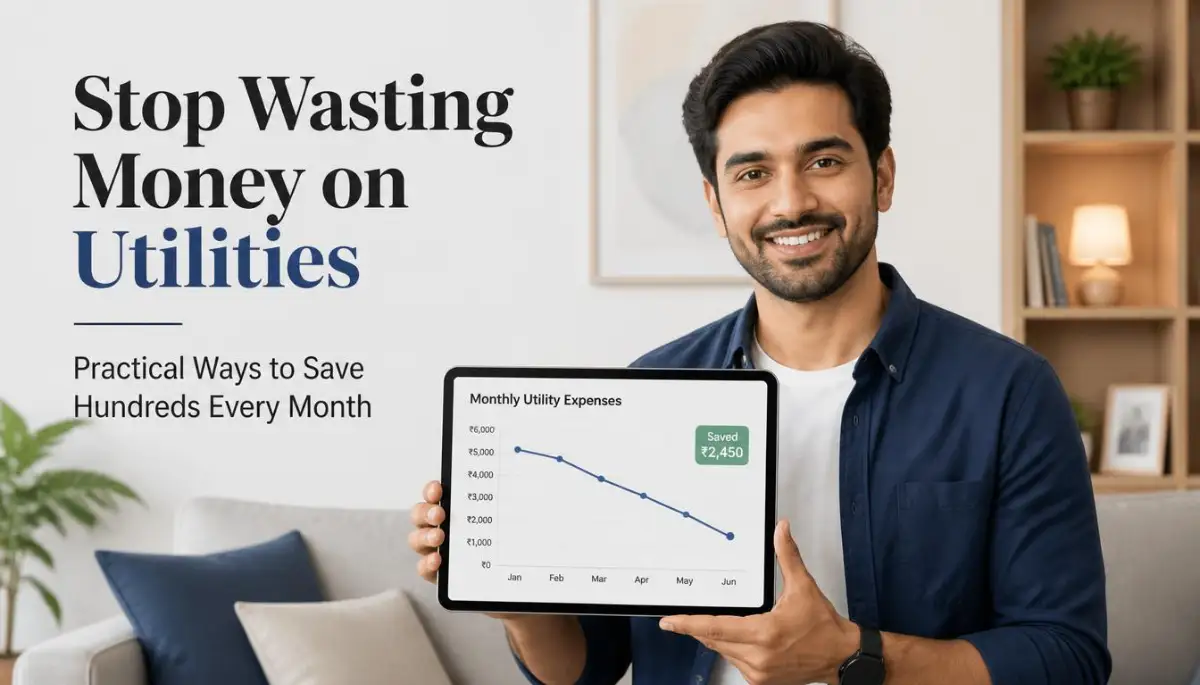
Opening a utility bill shouldn't feel like a jump-scare in a horror movie. But for most of us, that little envelope is a source of constant dread. I spent years watching my hard-earned money vanish into thin air—literally—through drafty windows and 'vampire' electronics. I finally stopped complaining and started fixing things, and I managed to slash my monthly costs by nearly 30%. I’m going to show you the exact, no-nonsense steps I took to win the war against high bills.
My bank account always seemed to leak money every single month. I tried to be careful, but the numbers didn't lie. I was trapped in a cycle of high costs and low savings. It felt like I was running on a treadmill that kept getting faster.
I know I am not the only one who feels this way. Many of us wake up worried about the next heating bill or the rising cost of water. It is a quiet stress that follows you around all day. It affects your sleep and your mood with your family.
When you spend too much on things like power and gas, you have less for the things that matter. You can't save for a vacation or a new home. You feel stuck in a place where you just survive instead of thrive. It feels unfair to work so hard and have so little left over.
I decided to stop being a victim of my utility company. I started looking at every corner of my house to find where my money was going. What I found surprised me, and it will probably surprise you too. We are often paying for things we don't even use.

Saving money doesn't mean you have to live in the dark or be cold. It is about being smart with what you have. It is about taking back control of your hard-earned cash. Let’s talk about how we can fix this together, one step at a time.
Stopping the Silent Energy Thieves in Your Living Space
The biggest reason our bills stay high is that we don't see the waste. Many of our gadgets use power even when they are turned off. This is often called "vampire power" or standby energy. It sounds small, but it adds up to a lot of money over a full year.
🚀 Quick Summary: 5 Ways to Save Right Now
If you’re in a hurry, here is how I stopped my bills from skyrocketing:
- Kill the Vultures: Unplug chargers and appliances when not in use—they leak power 24/7.
- Seal the Gaps: Use $5 weather stripping to stop expensive air from leaking out of doors and windows.
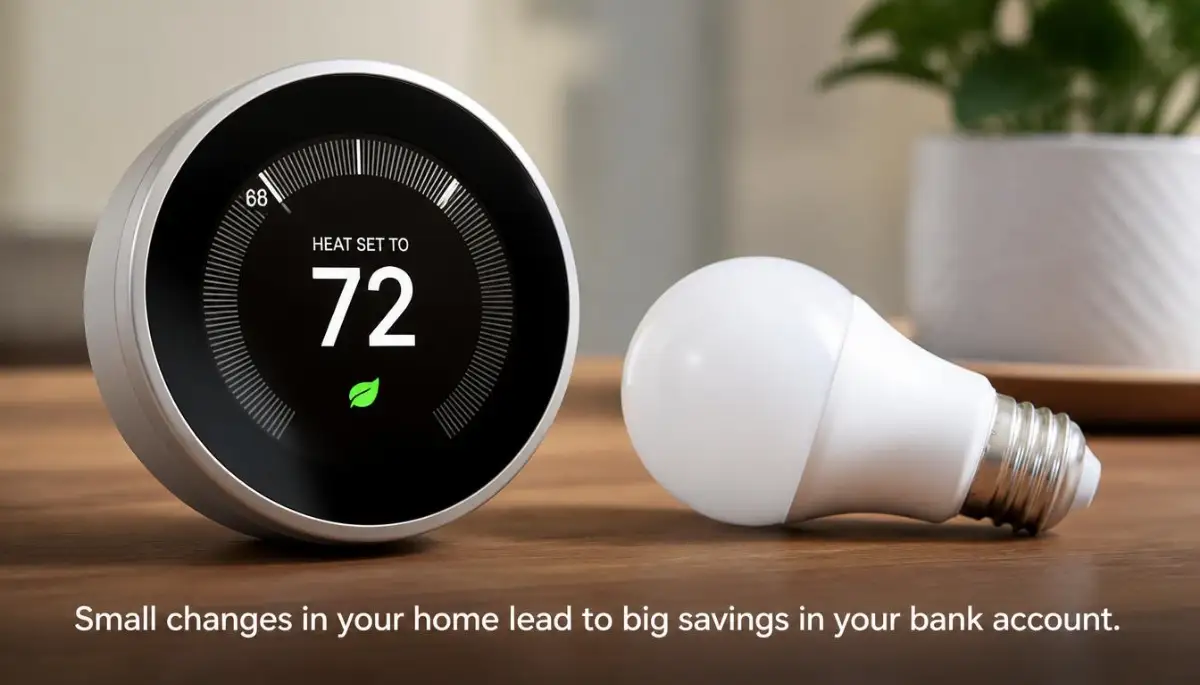
- The 2-Degree Rule: Adjust your thermostat by just 2 degrees to see a 5-10% drop in your bill.
- Update Your Bulbs: Swap old bulbs for LEDs; they pay for themselves in just a few months.
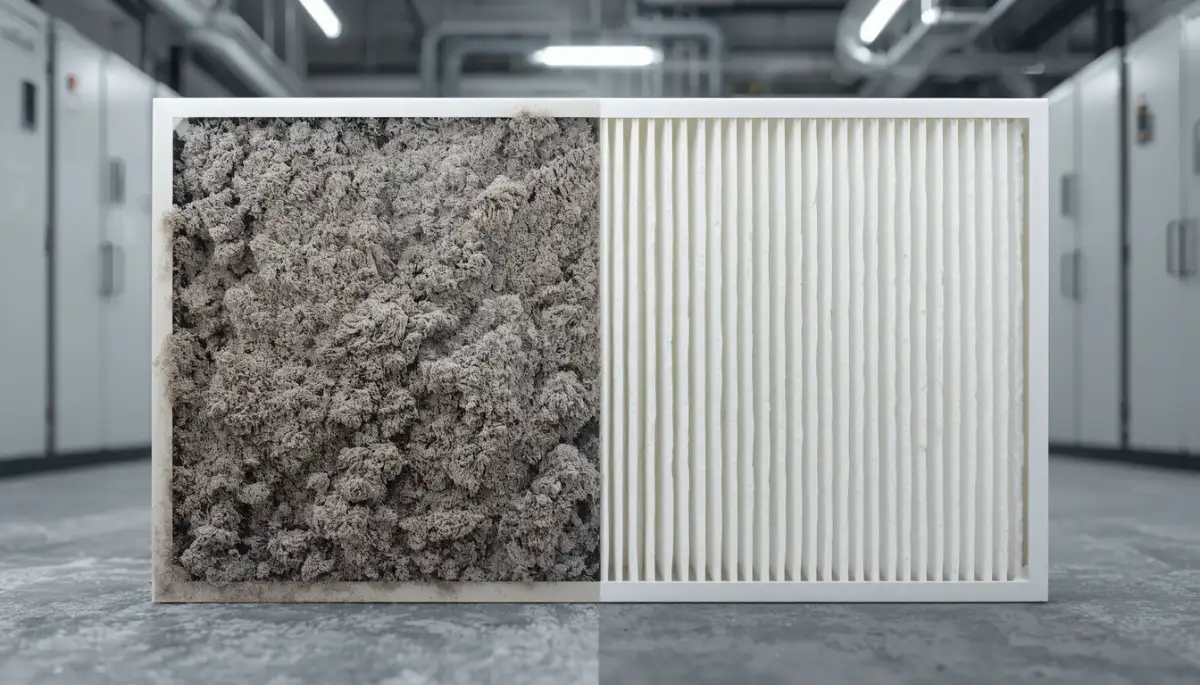
- Check the Filter: A dirty AC filter is like a clogged straw—it makes the machine work twice as hard for no reason.
I used to leave my coffee maker and my laptop charger plugged in all day. I thought if the switch was off, it wasn't costing me anything. I was wrong. These tiny red lights and internal clocks are eating your savings slowly.
To fix this, I started using power strips for my TV and computer. Now, I can flip one switch and kill the power to everything at once. It takes two seconds, but it saved me a noticeable amount on my very next bill. You should try walking through your house tonight and unplugging things you aren't using.
Mastering the Art of Temperature Control
Your heating and cooling system is likely the biggest spender in your home. Most of us set the thermostat and then forget about it. We heat the house when we aren't home or cool it down too much at night. This is like throwing dollar bills out of the window.
I learned that moving the temperature just two degrees can make a huge difference. In the winter, I wear a cozy sweater instead of turning up the heat. In the summer, I use ceiling fans to move the air so I don't need the AC as much. It’s about finding a balance that feels good but costs less.
If you have a manual thermostat, you have to be very disciplined. I found that I often forgot to turn it down before leaving for work. If you can, look into a basic programmable one. It does the thinking for you and ensures you aren't wasting energy on an empty house.
The Pro Tip: My Small Realization
I used to think that leaving the lights on "just for a minute" didn't matter. But I realized that those minutes turn into hours across every room in my house. Now, I make it a game to see how few lights I can have on, and it honestly feels more peaceful.
Plugging the Invisible Holes in Your Walls
Think of your house like a big bucket of water. If there are holes in the bucket, you have to keep adding water to keep it full. Your home is the same way with air. If you have gaps around your windows or doors, your expensive warm air is leaking out.
I spent a Saturday afternoon feeling for drafts around my front door. I was shocked at how much cold air was blowing in through a tiny crack. I bought some cheap weather stripping and sealed it up myself. It was an easy job that didn't require any special skills.
Check your attic and your basement too. These are places where insulation often fails or is missing. Adding a bit of extra padding can keep your home at the right temperature for much longer. This means your heater doesn't have to work as hard, which saves you a ton of money.
Rethinking How We Use Water Every Day
Water is another bill that sneaks up on us. We often take long showers or leave the tap running while we wash dishes. We don't think about the cost because water seems so cheap. But when you use hot water, you are paying for the water and the energy to heat it.
I started timing my showers to stay under ten minutes. It was hard at first, but now it’s a habit. I also stopped rinsing dishes under a running tap. Now, I fill a small basin instead. These small changes cut my water usage by almost thirty percent in a month.
Why You Should Watch Your Water Heater
It is very common for people to have their water heater set way too high. If your water is scalding hot, you are wasting energy to keep it that way 24/7. Turn it down to a medium setting to save money instantly.
The Science of Better Lighting
Let's talk about light bulbs for a moment. If you are still using old-fashioned bulbs, you are essentially using a small heater that happens to give off light. They are very inefficient. Most of the energy they use turns into heat, not light.
I replaced all the bulbs in my main living areas with LED versions. Yes, they cost a little more at the store, but they last for years. They use a tiny fraction of the power of old bulbs. This was one of the fastest ways I saw my electric meter slow down.
Don't feel like you have to change every bulb today. Start with the lights you use the most, like the kitchen or the porch. As the old ones burn out, replace them with better ones. Over time, your whole house will become a low-energy zone.
| Light Bulb Type | Lifespan (Hours) | Energy Used (Watts) | Monthly Cost (Est.) |
| :--- | :--- | :--- | :--- |
| Old Incandescent | 1,000 | 60W | High (
)∣∣Halogen∣2,500∣43W∣Medium(
)∣∣Halogen∣2,500∣43W∣Medium(
)∣∣∗∗LED(Recommended)∗∗∣∗∗25,000+∗∗∣∗∗9W∗∗∣∗∗VeryLow(
)∣∣∗∗LED(Recommended)∗∗∣∗∗25,000+∗∗∣∗∗9W∗∗∣∗∗VeryLow(
)** |
Note: Switching just 5 main lights to LED can save you enough to pay for your Netflix subscription!
Smart Kitchen Habits for a Smaller Bill
Your kitchen is full of heavy-duty appliances. The fridge, the oven, and the dishwasher all use a lot of power. I learned that how I use them matters just as much as how efficient they are. For example, your fridge has to work harder if it’s totally empty or way too full.
I started making sure my dishwasher was completely full before running it. Running half-loads is just wasting water and electricity. I also stopped using the "heat dry" setting. I just open the door and let the dishes air dry naturally. It’s free and works just as well.
Another trick I found is using a microwave or a toaster oven for small meals. Using a big oven to cook one potato is a waste of energy. The smaller appliances use much less power and don't heat up the whole kitchen. This is especially helpful during the hot summer months.
The Logic of Clean Filters
Most people forget about the filters in their heating and cooling systems. When a filter is dirty, the machine has to strain to pull air through it. This uses way more electricity and can even break your expensive equipment. I made a mistake and ignored mine for a year, and my bill skyrocketed.
Now, I put a reminder on my phone to check my filters every single month. It takes one minute to look at it. If it’s gray and dusty, I change it. This keeps the air in my home cleaner and keeps my motor running smoothly. It is one of the cheapest ways to protect your bank account.
Understanding Your Utility Rate Plan
Did you know that some power companies charge more during certain times of the day? These are called "peak hours." Usually, it's in the late afternoon when everyone comes home from work. If you run your laundry during these times, you are paying the highest price possible.
I called my utility company and asked about their rates. I found out that doing my laundry at night or on weekends was much cheaper. I shifted my schedule, and it didn't cost me a dime to save money. Just a simple phone call can give you the information you need to win.
Managing Your Home Like a Business
You should look at your household like a small business. A business tracks every penny to make sure it is profitable. You should do the same with your energy. If you see a spike in your bill, ask yourself why. Did you leave the AC on while you were on vacation?
I started keeping a small notebook next to my bills. I write down what I changed each month and how it affected the cost. It makes saving money feel like a game. When I see the number go down, it gives me a boost of energy to keep going.
This habit helped me realize that small leaks lead to big problems. Just like a business, you need to stay on top of your maintenance. A dripping faucet or a running toilet might seem small, but it can waste thousands of gallons of water. Fix the small things before they become big expenses.
Building a Culture of Saving at Home
If you live with other people, you can't do this alone. I had to sit down with my family and explain why we were doing this. I didn't want to sound like a drill sergeant, so I made it about our goals. I told them that the money we saved on bills could go toward a fun family night.
Suddenly, everyone was more careful. My kids started turning off their gaming consoles when they were done. My partner remembered to turn off the porch light in the morning. When everyone is on the same team, the results are much faster. It turned into a shared goal rather than a chore.
The Psychology of the "Off" Switch
There is a mental shift that happens when you start being mindful of your utilities. You start to value your resources more. You realize that every time you flip a switch, you are making a choice about your money. It’s a powerful feeling to be in charge.
I used to be lazy about it. I would leave the TV on for background noise even if I wasn't in the room. Now, I prefer the quiet or I listen to a small radio. This simple change in my daily routine has made my home feel more peaceful. It turns out that saving money can also improve your quality of life.
Natural Ways to Light and Cool Your Home
Don't forget about the power of nature. During the day, I open my curtains to let the sunlight in. This provides free light and, in the winter, free heat. In the summer, I do the opposite. I close the blinds on the sunny side of the house to keep the heat out.
This is such an old-school method, but it works perfectly. My grandmother used to do this, and her house was always comfortable. We often rely too much on technology when a simple curtain can do the job for free. It’s about working with the environment instead of against it.
Conclusion of Part 1 (Transition)
We have covered a lot of ground today. From sealing your walls to changing your light bulbs, these steps are the foundation of a cheaper home. But there is even more we can do to make sure your savings grow every single month.
In the next part, we will look at even deeper ways to optimize your home. We will talk about appliance maintenance and long-term habits that keep your costs low forever. You are already on the right path to financial peace. Keep going, and don't let those utility bills control your life anymore.
Taking Your Home Savings to the Next Level
In the first part of our journey, we looked at the obvious ways to stop wasting money on power and water. We talked about turning off lights and sealing windows. But there is a deeper level to home efficiency that most people never think about. I realized that to really see a change in my bank account, I had to look at the hidden systems in my house.
Investing Time in a Professional Home Audit
One of the best things I ever did was conduct a deep check of my home’s energy health. You don't always need a professional for this, but knowing where to look is a huge advantage. I spent a whole afternoon checking the insulation in my attic and the seals on my garage door.
Many local utility companies actually offer free or low-cost energy audits to their customers. You can check your local provider's website or look at resources like Energy.gov to see how a professional audit works. They use special tools like thermal cameras to find heat escaping through your walls.
When I did my own mini-audit, I found that my dryer vent was partially clogged. This meant my dryer had to run twice as long to get my clothes dry. By simply cleaning the vent, I saved money every time I did laundry. It is these small, hidden issues that quietly drain your wallet every month.
The Secret of Appliance Maintenance
Your large appliances are like the engine of a car. If you don't change the oil, the car works harder and eventually breaks. I used to ignore my refrigerator coils and my dishwasher filters. I didn't think it mattered as long as they were still running.
I was wrong because a dirty fridge coil can make the motor work 20% harder. I now pull my fridge out twice a year and vacuum the dust off the back. It’s a dirty job, but it keeps my electricity usage stable and helps the appliance last longer. This is a great way to practice smart budgeting methods for self-employed pros who need to keep their overhead low.
Also, if you have invested in green energy, you must keep those tools clean. For example, if you have solar power, dust and bird droppings can block the sun. I learned some great tips for washing rooftop solar panels safely that helped me get more power for free. Keeping your equipment in top shape is the best way to ensure long-term savings.
Smart Technology and Privacy Savings
We live in a world where everything is connected to the internet. While "smart" devices can save energy, they can also track your habits. I found out that my smart TV was using a lot of data and power even when I wasn't watching it.
I decided to block smart TV tracking by changing a few simple settings. This didn't just protect my privacy; it also reduced the "background work" the TV was doing. Every little bit of processing power uses electricity, and I want that money in my pocket, not the TV maker's pocket.
Managing Water Like a Pro
Water usage is about more than just short showers. I started looking at my outdoor water habits too. If you have a lawn or a garden, you might be overwatering without knowing it. I switched to watering my plants early in the morning before the sun got hot.
This prevents the water from evaporating too quickly. I also checked my outdoor faucets for leaks. A tiny drip in the garden can waste hundreds of gallons of water over a few months. You can find excellent water-saving guides on official sites like EPA.gov to help you find more ways to cut back.

The Trap of the "Energy Efficient" Label
One of the biggest mistakes I made early on was thinking I had to buy everything new. I saw a shiny new washing machine with an "Energy Star" label and thought I needed it to save money. But the truth is, the cost of the new machine was much higher than the savings I would get.
Don't rush out to buy new appliances just for the sake of efficiency. The greenest appliance is often the one you already own, as long as you maintain it well. Only replace things when they truly break beyond repair. This helps you avoid the need for safe emergency cash when a big, unnecessary purchase drains your savings.
Ignoring the Small Drips and Noises
I used to hear a small "hiss" coming from my toilet and just ignore it. I thought it was just a normal sound for an older house. Later, I realized that my toilet was "running" all day and night. That tiny sound was actually the sound of my money being flushed away.
Fixing a running toilet usually costs less than ten dollars for a new flapper valve. If you ignore these small signs, your water bill will eventually give you a very nasty surprise. It’s like ignoring silent brake wear warning signs on your car; the longer you wait, the more expensive it gets.
The Myth of Leaving the AC on All Day
Some people believe that leaving the air conditioning on at a steady temperature all day is cheaper than turning it off. They think the unit has to work "too hard" to cool the room back down later. Science shows this is actually a mistake.
The heat moves into your house faster when the inside is cool. If you turn the AC off when you are at work, your house collects less heat overall. My bill dropped significantly when I stopped trying to keep an empty house cool. You can read about the physics of heat transfer in educational journals if you want to see the data behind this.
Setting Unrealistic Goals
I also saw a lot of people try to cut their bills so fast that they became miserable. They sat in the dark and refused to use the heater even when it was freezing. This is a huge mistake because it leads to "frugal burnout."
💡 Myth vs. Fact: The Energy Edition
- Myth: Leaving a ceiling fan on keeps the room cool while you're out.
- Fact: Fans cool people, not rooms. They move air over your skin to make you feel cool. If no one is in the room, the fan is just wasting power.
- Myth: Hand-washing dishes saves more water than a machine.
- Fact: Modern Energy Star dishwashers use about 3-5 gallons per load, while hand-washing can use up to 20 gallons!
When you make your life too hard, you eventually give up and go back to your old, expensive habits. It is much better to make small, permanent changes that you don't even notice. Saving money should feel like a victory, not a punishment.
Protecting Your Tech from Power Surges
As we try to save energy, we also need to protect the expensive items we own. I learned the hard way that power surges can ruin high-end electronics. If a surge fries your computer, all the money you saved on your electric bill is gone in a second.
I always suggest using high-quality surge protectors for your most valuable items. This is a common issue for people living in older apartments or rented homes. In fact, you might want to learn why renters insurance might not cover your electronics during a power surge so you can stay protected.
A Brighter Financial Path Forward
Starting this journey changed how I look at my home and my money. I no longer feel like a victim when I open my monthly bills. Instead, I feel like a manager who is in total control of my resources. Every dollar I save on utilities is a dollar I can put toward my future or my family's dreams.
You don't have to change everything in one single day. Pick one room this weekend and look for ways to make it better. Maybe you will find a drafty window or a light that stays on too long. These small wins will build your confidence and help you keep going.
Remember that saving money is a marathon, not a sprint. The habits you build today will pay you back for years to come. I am so much happier now that I have extra cash in my savings account every month. I want that same feeling of peace and security for you too.
I truly believe that anyone can master their household costs with just a little bit of focus. It feels so good to see those numbers go down on your bill while your savings go up. Start small, stay consistent, and you will be amazed at how much you can actually save!
Common Questions About Lowering Utility Bills
Does unplugging my phone charger really save money?
Yes, it does, but the amount is very small for just one charger. However, when you unplug all your chargers, your toaster, and your lamps, the total savings can be several dollars a month. It is a good habit to build to stop "vampire power" from eating your budget.
Is it cheaper to wash dishes by hand or use a dishwasher?
Surprisingly, a modern dishwasher is usually much more efficient than washing by hand. It uses less water and keeps the water at the perfect temperature. Just make sure the dishwasher is completely full before you run it to get the best value.
How much can I save by turning down my water heater?
Most experts say you can save about 3% to 5% on your water heating costs for every 10 degrees you turn it down. I keep mine at 120 degrees Fahrenheit, which is plenty hot for showers but much cheaper than the factory setting.
Should I keep my vents closed in rooms I don't use?
Actually, you should be careful with this. Closing too many vents can create pressure issues in your heating system and make the motor work harder. It is usually better to keep the vents open but keep the doors to those rooms closed to contain the air.
Disclaimer: This article is for informational purposes only and does not constitute professional financial or engineering advice. Results may vary based on your location, home type, and local utility rates. Always follow safety guidelines when working with electrical or plumbing systems in your home.